
Last updated: Apr 19, 2026
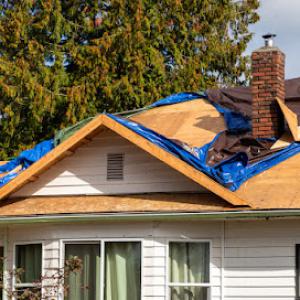
Thunderstorms in this part of Virginia can unleash sudden wind, hail, and hard rain that stress roofs you've trusted for years. If you notice active leaks during a storm or shingle lift after a downpour, don't wait for normal business hours to act. Your first move is to protect the interior: place a bucket under the leak, move valuables away from water, and document any ongoing intrusion. As soon as you can, capture a quick outdoor photo of the overall roof condition from ground level and a close-up of any damaged areas. In Fairfax County's insurance environment, carriers expect a clear line between new storm damage and older wear, so start gathering evidence early.
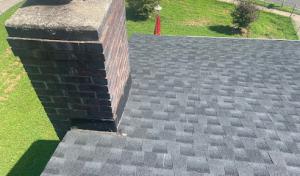
Your best defense is a precise, date-stamped record. Start with a dated timeline of events: when the storm hit, when you first noticed damage, and every step you take thereafter. Take high-resolution photos that show both the scope (wide shots of the roof) and the detail (shingle edges, lifted tabs, granule loss, dented metal flashing). Include a calendar entry for the date of loss and any temporary dry-in measures you pursue. If your roof is part of a HOA or a managed community near I-95 or Fort Belvoir, note any covenant-driven constraints that affect access or work hours. Clear, organized photo sets with labeled angles help prevent disputes over whether damage existed before the storm or was caused by subsequent events.
Carriers in this market want a clean separation between fresh damage and old wear. To support this, photograph areas of known pre-storm issues (hairline leaks, prior patches, weathered flashing) alongside freshly damaged sections. Keep a simple map or diagram marking each distressed area and its context. For shingles that have peeled or curled, document whether surrounding shingles show equal distress or if the issue is isolated to a single section. This helps ensure the claim addresses what happened during the storm rather than pre-existing conditions that may fall outside coverage.
After a regional storm, contractor demand spikes across Fairfax County, and Lorton homeowners experience delays for inspections, temporary dry-in work, and full replacements. Plan for a staggered timeline: an initial inspection to confirm damage, then a temporary dry-in if leaks are active, followed by the full replacement window. Communicate promptly with your insurer about appointment availability, and keep a running log of every contact attempt, time, and outcome. If you rely on a contractor's schedule, secure written confirmations for inspection dates and anticipated start times; delays can create windows where weather risks reopens or expands covered damage.
An adjuster will want to see your photo sets, the date-of-loss documentation, and a clear narrative of how the damage relates to the storm event. Provide your organized file and be ready to walk through each damaged area while pointing to the corresponding photographs. Your contractor should bring measurements, a visually consistent plan for addressing both the damaged sections and any necessary ventilation considerations in older homes, and a contingency approach for rapid, weather-resilient dry-in where feasible. If a dispute arises about what constitutes storm-driven damage, refer back to the date-stamped timeline and the separated-damage visuals to support your position.
Keep a current, easily accessible damage folder on your phone or cloud drive. Update it after every storm and after every inspection. For shingle-lift or flashing-related concerns, prioritize documentation of transitions between damaged and intact materials. Finally, set expectations early with your contractor about the realities of post-storm demand in Fairfax County, so you're not caught waiting when urgency is highest.
Find local contractors experienced in assessing and restoring roofs after hail, wind, and severe weather events.
Impact Roofing & Construction
(571) 583-4566 impact-roofing.com
7361 Lockport Pl Building C, Lorton, Virginia
5.0 from 143 reviews
Shanco Roofing
(703) 879-7401 www.goshanco.com
8350 Terminal Rd Suite A, Lorton, Virginia
4.9 from 140 reviews
Orion Home Improvements
(571) 354-0331 www.orionhomeimprovements.com
8433 Backlick Rd # E, Lorton, Virginia
4.8 from 145 reviews
Impact Roofing & Construction
(571) 583-4566 impact-roofing.com
7361 Lockport Pl Building C, Lorton, Virginia
5.0 from 143 reviews
Investing in professional roofing services is vital for commercial properties. A quality roof boosts appearance, ensures durability, and improves energy efficiency. When you choose a roofing company in Lorton like Impact Roofing & Construction, you benefit from expert craftsmanship and top-grade materials. Their skilled team handles everything from inspections to full roof replacements, protecting your property from weather damage and costly repairs. With a focus on reliability and excellence, Impact Roofing & Construction delivers durable roofing solutions that safeguard your commercial property’s value.
Shanco Roofing
(703) 879-7401 www.goshanco.com
8350 Terminal Rd Suite A, Lorton, Virginia
4.9 from 140 reviews
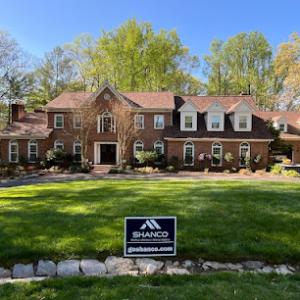
Serving the residents of Maryland and Virginia for over 20 years, Shanco maintains an honorable reputation and is an accredited roofing company with the Better Business Bureau with an A+ rating. With a commitment to serve clients on a personal and professional level, you can count on Shanco to deliver an end product you’ll be confident in. Shanco offers high-value solutions for roofing, windows, siding, gutters, chimneys, masonry, skylights, insulation, and more. You’ll never have to wait when it matters most.
Marshall Roofing Siding & Windows
(703) 550-0055 marshallroofing.com
7220 Telegraph Square Dr, Lorton, Virginia
4.8 from 239 reviews
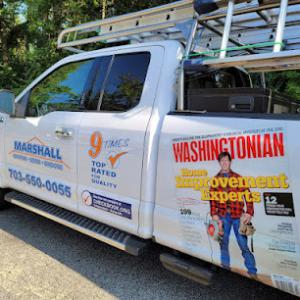
Marshall Roofing, Siding & Windows is a top roofing, siding, windows, and gutters company based in Northern Virginia. Throughout the years providing the highest level of customer service and 100% homeowner satisfaction has been the pinnacle principle at Marshall Roofing Siding & Windows. The belief that each and every homeowner deserves to receive good value for their money is the driving concept on the functions of the company. Marshall Roofing, Siding & Windows has received a checkmark for Quality on the Washington Consumers’ Checkbook, based upon customer reviews. Marshall Roofing is also highly rated on National Consumer Rating’s Website, and has earned their Super Service Award from 2007 — 2019!
Orion Home Improvements
(571) 354-0331 www.orionhomeimprovements.com
8433 Backlick Rd # E, Lorton, Virginia
4.8 from 145 reviews
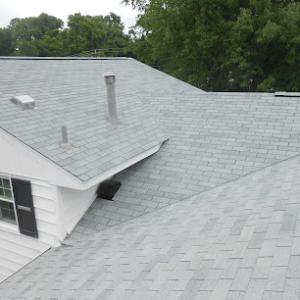
Established in 2007, Orion Home Improvements has been the premier choice for homeowners in Northern Virginia. Specializing in high-quality roofing, siding, and window installation, this Lorton-based contractor brings extensive expertise to every project. Their dedicated teams of skilled professionals are committed to transforming your home's exterior with exceptional craftsmanship and superior materials. Trust Orion Home Improvements to enhance your home's beauty and durability with reliable, lasting improvements that stand the test of time.
Keraman Construction Company
(571) 525-6430 keramanconstructioncompany.com
Lorton, Virginia
4.9 from 42 reviews
Keraman Construction Company is a class (A) contractor in Virginia for Residential & Commercial Buidling contractor. We are working on Roof replacement's, Roof repairs, General construction, remodeling, renovation, interior and exterior painting, new building, home additions, commercial projects, restaurant and grocery renovations, deck works, and any other types of construction projects.
Roof Troopers
(703) 740-4638 www.roof-troopers.com
8560 Cinder Bed Rd #1300-B, Lorton, Virginia
4.9 from 36 reviews
Roof Troopers is a dependable Roofing Company proudly serving homeowners in Lorton, VA and throughout Northern Virginia. Known for 5-star workmanship and clear communication, our experienced team delivers high-quality roofing solutions designed to protect homes and provide lasting peace of mind. As a trusted Roofing Contractor, we handle everything from detailed inspections and targeted repairs to full-scale installations using proven materials suited for the local climate. Homeowners rely on us for honest recommendations, professional project management, and consistent results they can feel confident in.
DBS Roofing
(703) 455-7663 www.dbsroof.com
7964 Conell Ct Unit R, Lorton, Virginia
4.6 from 18 reviews
If You're Looking for Exceptional Roofing Services at Affordable Rates, Call Us. If You Need High-Quality Roofing Services in DMV Area. Call Us Now.
Pioneer Roofing Systems
(703) 550-3600 www.pioneerroofing.com
8409 Terminal Rd Unit E, Lorton, Virginia
4.3 from 13 reviews
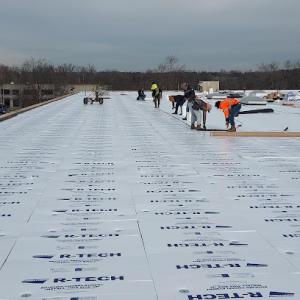
Top DC Metro Commercial Flat Roofer Since 1978 Flat Roof Specialist Re-roofing, New Construction, Restorative Roof Coatings TPO, PVC, Metal, and More Standing Seam and Architectural Sheet Metal Work at Secure Government Sites Warehouses, Shopping Centers, Multi-family Buildings Responsive Customer Service Centered
Northeast Contracting Company
(703) 370-8890 neccroofing.com
7220 Lockport Pl, Lorton, Virginia
4.3 from 11 reviews
NECC (Northeast Contracting Company) is a leading commercial roofing and building envelope contractor with deep roots in the DC metro area — and a growing presence across the Mid-Atlantic, Southeast, and nationally. Our roofs and building envelope systems protect heads of state, priceless art, critical cyber infrastructure, and the classrooms shaping the next generation. Through purposeful growth, NECC's experienced teams deliver on projects ranging from government and civic facilities to cultural institutions, data centers, universities, and K–12 schools. NECC pairs deep trade expertise with the systems and scale of a modern platform — delivering consistent results for clients who operate across assets, regions, and risk profiles.
Everlast Construction
(571) 409-1757 everlastconstructionllc.com
Serving
5.0 from 8 reviews
Hail/Wind Damage Restoration Expert
Gutter Ethics
(703) 646-8211 gutterethics.com
Serving
4.9 from 1032 reviews
Gutter Ethics is a roofing and gutter company in Springfield, VA. We offer a variety of services including roof replacement, repair and emergency services as well as gutter installation, cleaning, repair and replacement. We are a family-owned company that has been serving the greater Northern Virginia area since 2009. We have built our business on trust and reliability and we are proud to say that we have thousands of satisfied customers who use our services again and again. We provide quality products and services at a fair price while maintaining a friendly atmosphere for both our customers and employees. Call today if you are in need of roofing or gutter services!
Top Dog Home Pro
(866) 826-8347 www.tdhomepro.com
Serving
5.0 from 105 reviews
Top Dog Home Pro is a responsive, honest, reliable, affordable, and professional residential roofing company located in Northern Virginia. We offer roof replacements, roof repairs, gutter installation, and gutter guard installation. We guarantee an unsurpassed level of quality, performance, and efficiency for each and every project completed. We partner with leading producers such as ProVia, CertainTeed, Alside and Raindrop® to ensure our customers always receive the most modern, innovative, and superior quality materials. With over 15+ years of roofing experience - Luke Mitchell - the Owner-Operator of Top Dog Home Pro is here to serve all of Prince William County, Fairfax County, Stafford County, and more with the best roofing services.
Asphalt shingles are the dominant practical choice for many subdivisions in this area because they fit the typical suburban rooflines found in Fairfax County and are widely used for re-roofing after storms in Northern Virginia. They're familiar to most local crews, easy to match with existing assemblies, and generally straightforward to inspect after a hail or wind event. When you're evaluating a replacement, confirm the replacement shingle profile matches any existing layers so the roof line, ridge height, and ventilation stops don't look mismatched after a storm. In neighborhoods with HOA oversight, asphalt shingles are also a predictable option that aligns with common appearance expectations and post-storm timelines.
Metal roofing is an active specialty in this market and is often considered by homeowners looking for better long-term performance against repeated thunderstorm exposure and seasonal temperature swings. In Lorton, metal can provide improved hail resistance and a tighter overall envelope, which helps with energy efficiency and attic ventilation goals. If choosing metal, pay attention to fastener design, coating quality, and panel profile, since these factors influence wind resilience and curb appeal in areas where roof lines face frequent sun and storm exposure. For insurance-ready planning, ensure the metal system is installed by a contractor experienced with Fairfax County-style roof assemblies to avoid vibration noise and potential panel gaps after a severe gust.
Tile, wood shake, and synthetic products appear in the local material mix but require closer review of structural fit, neighborhood appearance expectations, and replacement logistics in Fairfax County communities. Clay and concrete tiles bring a distinctive look and excellent longevity, but they demand a solid substructure and careful attachment methods to withstand Lorton's storm-driven wind loads. Wood shakes deliver a traditional, rustic aesthetic but can be prone to moisture-related issues if ventilation and maintenance aren't up to par. Synthetic products offer a balance of appearance and performance, yet still need evaluation of weight, underlayment needs, and HOA compatibility. When considering any of these options, verify compatible underlayment and rafter capacity, and check with the HOA on uniformity standards to avoid post-storm disputes.
In any replacement decision, plan for how the chosen roof type will interact with existing attic ventilation, insulation, and drainage patterns. Northern Virginia experiences rapid weather shifts, so a well-ventilated roof deck helps mitigate heat buildup after a storm and supports long-term shingle or panel performance. For attention to future storm documentation, ensure the replacement project uses standard flashing details and clearly labeled documentation of materials and labor, which can streamline insurance discussions if a wind-driven event hits again. If a neighborhood has particular aesthetics or shade considerations near trees, factor in color and finish choices that can help maintain curb appeal while providing reliable protection against the next round of storms here in Lorton.
In Lorton, spring and fall are usually the most workable replacement windows because Virginia's hot humid summers and winter freeze periods are harder on crews, sealants, and scheduling. If you can align tearing off and reinstalling with these seasons, you'll typically see steadier progress and fewer delays caused by extreme heat or cold. A mid- spring start often avoids the peak heat of July and August, while an early fall kickoff can wrap before the first hard freezes. For HOA-approved projects, coordinating timing within the community calendar matters, too, since shared driveways and access rules can slow crews if the schedule isn't synchronized.
Spring storms and heavy rainfall in Northern Virginia can interrupt tear-off and underlayment progress, so homeowners often need flexible start dates and contingency planning. When a forecast shows multiple storm cells or a wet pattern, a contractor might push back days or shift to interior work like flashing checks and ventilation inspections to keep the project moving. If you're coordinating with insurers, preserve documentation of weather-related delays to avoid disputes about progress. Have a rough plan for alternate start dates and a backup week in late spring, so the crew isn't left idle when a storm interrupts the schedule.
Fall wind events can create a second surge of roof damage appointments in the Lorton area, which can push non-emergency replacements later into colder weather. If a windstorm hits a few weeks before your planned replacement, crews may be required on emergency timelines, and non-emergency work can be delayed. Consider building a buffer into the schedule for fall, especially if your roof is structurally compromised or there are ongoing issues with underlayment or ventilation that could worsen with a quick freeze. Clear communication with the contractor about anticipated wind risk and staging materials ahead of potential delays helps keep the project on track.
Virginia summers bring humidity that can affect sealants, tape, and vents, so ensure the chosen products are rated for local climate conditions and that crews schedule ventilation and insulation work during the warm parts of the day. In winter, temperatures below freezing can hinder adhesive performance and shingle placement, so factoring in nighttime temperatures and daily high forecasts matters. For older homes with mixed roofing materials, expect some sections to require additional detailing-retrofits around chimneys, dormers, and vent stacks often demand more time in late fall or early spring.
Many homes in this area sit in neighborhoods with tight lot lines and HOA rules. Prioritize a start date that minimizes disruption to adjacent properties and parking lanes. Inform neighbors about expected arrival windows, especially if street access or crane work is involved. If you share a driveway, arrange a clear path for material delivery and debris containment to avoid conflicts with trash days and HOA maintenance windows.
Before the project begins, gather a clear set of roof measurements, visible damage notes, and any pre-authorization from the insurer. Take dated photos of problem areas, both from the ground and with a zoomed-in view of flashing and vent protrusions. Having this documentation ready simplifies insurance-ready replacement steps and helps the contractor quote accurately for the chosen system and finish.
In this part of Northern Virginia, full re-roofs are typically processed through Fairfax County's building department rather than a separate city office. The county's review lens is practical and property-specific, with emphasis on structural soundness, ventilation, and moisture control. Contractors licensed to work in the county usually handle the entire permit submission process, coordinate the required inspections, and address county comments before the project closes out. This means you'll often interact with the contractor as the primary point of contact for permit timing and compliance questions.
Because county rules can slip into details that affect attic space and roof decking, it's common for the contractor to manage not just the permit, but the inspection sequence as well. Expect your roofer to schedule the initial structural and safety checks, followed by mid-project and final inspections that align with stage milestones-sheathing, underlayment, ventilation, and finished roofing material. The county review typically considers how the roof integrates with existing attic ventilation, soffit clearance, and eave details, so these elements should be planned ahead to avoid delays at closeout.
Local review can extend beyond shingles alone, paying careful attention to attic ventilation and underlayment compliance. In Lorton's climate, proper airflow helps prevent ice dams in winter and mold pressure in humid periods, so ensure the contractor designs a ventilation plan that harmonizes with existing soffits, ridge vents, and intake locations. Underlayment choices matter too; the county looks for continuous coverage with appropriate overlap and edge detailing. Discuss these specifics with the contractor early so the permit package reflects compliant materials and methods.
Storm events across Fairfax County often trigger insurance-supported repairs, which adds another layer to the permitting process. Gather a clear record of damage, photos, and any insurance correspondence as part of the permit package, since county reviewers may request evidence of what changes are necessary and why. The contractor should help align these documents with permit notes, ensuring a smooth approval path and an efficient transition to closeout.
If the home sits in an HOA-governed area near I-95 or Fort Belvoir, there can be architectural review requirements that run parallel to county permitting. Expect the contractor to help you track any HOA submittals or approval windows so that the county inspections don't stall the project. Clear labeling of roof plans, attic ventilation details, and underlayment specifications in the permit packet can simplify both county and HOA reviews, reducing post-storm delays.
In this neighborhood, planning for a roof replacement means accounting for Fairfax County's typical project rhythm, high labor costs, and the local mix of aging shingle roofs and newer HOA-driven homes. Costs in Lorton can rise after regional storm events when Northern Virginia demand pulls crews toward emergency work, insurance jobs, and temporary repairs before standard replacements. Your budgeting should reflect that surge potential, especially if a storm has recently swept through the area.
Use these local planning ranges per square in Lorton: asphalt shingles 350 to 750, metal 600 to 1400, clay tile 1000 to 1800, concrete tile 900 to 1500, wood shingles or shakes 600 to 1100, and synthetic or composite shingles 500 to 900. These figures align with the housing stock you'll see from older suburban pieces to higher-end HOA properties near I-95 and Fort Belvoir. Keep in mind that the total project cost is influenced by deck size, complexity, and waste disposal needs, which can push the per-square price higher in a tight market.
After a major storm, expect bids to be concentrated over a short window as multiple properties compete for the same skilled crews. Insurance-driven replacements tend to move faster in terms of scheduling, but the price can climb if temporary repairs are required while a full replacement is queued. In practice, you'll see pricing drift upward if crews are redirected to emergency work or if material shortages appear, especially for metal or clay products.
When estimating, start with a realistic square count and factor in waste and tear-out if you're replacing like-for-like or upgrading to a heavier system. For HOAs with appearance guidelines, price differences between standard asphalt and premium options (metal, clay, or concrete) often reflect not only material costs but installation constraints and warranty considerations. In the northern Virginia market, labor realities and disposal logistics can push total pricing above expectations seen in less expensive parts of Virginia, so set aside a contingency for unexpected delays or added work.
Don't let upfront costs delay a critical repair - these contractors offer payment plans to fit your budget.
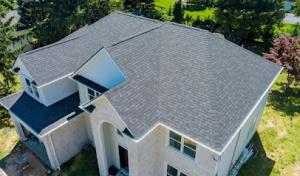
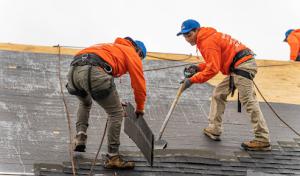
Northern Virginia is a high-documentation roofing claim market, so you should expect insurers to review adjuster notes, close-up damage photos, and evidence of interior leak timing. When a storm hits, the timeline for documentation becomes a critical part of whether a claim moves forward. Collect clear, date-stamped photos of every area that shows damage, including shingles, flashing, gutters, and any interior signs of water intrusion. Keep a simple timeline of when you noticed leaks, when the roof was first inspected, and when mitigation steps were taken. Your record helps the insurer see a coherent story rather than scattered impressions.
Carriers in this region may scrutinize whether granule loss, brittle shingles, or flashing issues were pre-existing rather than storm-created, which affects approval outcomes. Make an honest assessment of the roof's condition before the event, and prepare to document any prior repairs or known issues. If a contractor noted brittle shingles or flashing wear previously, gather those notes as part of your submission. The adjuster will weigh whether the observed damage aligns with the storm event or reflects ongoing wear and tear.
Recent tightening by some insurers in higher-risk segments means roof age, prior repairs, and material choice can influence both claim handling and future coverage terms. Be aware that the insurer may question whether the chosen material would have withstood the storm as expected and whether past fixes adequately addressed vulnerability. In a market where every claim file is scrutinized, a proactive, transparent presentation of the roof's history and the storm's impact can help shape a fair, timely result. If repairs are needed, document the selection process and any compatibility considerations with existing roofing components.
Connect with contractors who help homeowners navigate the claims process from damage assessment to final approval.
Impact Roofing & Construction
(571) 583-4566 impact-roofing.com
7361 Lockport Pl Building C, Lorton, Virginia
5.0 from 143 reviews
Shanco Roofing
(703) 879-7401 www.goshanco.com
8350 Terminal Rd Suite A, Lorton, Virginia
4.9 from 140 reviews
Orion Home Improvements
(571) 354-0331 www.orionhomeimprovements.com
8433 Backlick Rd # E, Lorton, Virginia
4.8 from 145 reviews
The local contractor market shows meaningful demand for both skylight work and flat-roof service, indicating that many Lorton homes have leak-prone transitions beyond the main shingle field. In practice, that means any skylight perimeter, porch roof, additions, or low-slope rear sections often need more careful detailing than the main replacement scope. If a project only addresses the primary roof planes, you may later discover slow leaks around these more delicate transitions after storms.
Northern Virginia's thunderstorm pattern drives sudden shifts in water flow and pressure. Perimeters around skylights, along porch roofs, and at low-slope additions can channel water differently than the steep, visible slopes. When a contractor sketches a plan, the best outcomes come from treating those areas as distinct work zones with targeted flashing, ice belt considerations, and proper tie-ins to the main roof. Expect that these zones may require extra materials and a slightly different sequencing of work to maintain a watertight overall envelope.
Homeowners should confirm whether a proposal includes flashing replacement and tie-in work at these vulnerable roof sections, rather than pricing only the primary slopes. Ask for a clear description of scope: Are skylight flashings being upgraded to match the new shingles? Are the perimeter joints at low-slope sections receiving appropriate base flashing, counter-flashing, and proper drip edge integration? For additions and porch roofs, verify that any transition from a steeper field to a flatter plane includes a unified flashing strategy that prevents water from seeping into the intersections.
Before approving, walk the roof edge-to-edge, including all skylight units and any flat or low-slope segments, and request a staged timeline that accounts for weather-related delays. In a busy market, some crews may deprioritize the low-slope work if it's not clearly scoped or priced as a separate line item. You want a coherent plan where every vulnerable seam has a dedicated detail, not a quick, all-inclusive sweep that leaves the critical tie-ins underemphasized.
Find contractors experienced in skylight installation, flashing, and leak repairs to bring natural light into your home.
Shanco Roofing
(703) 879-7401 www.goshanco.com
8350 Terminal Rd Suite A, Lorton, Virginia
4.9 from 140 reviews
Marshall Roofing Siding & Windows
(703) 550-0055 marshallroofing.com
7220 Telegraph Square Dr, Lorton, Virginia
4.8 from 239 reviews
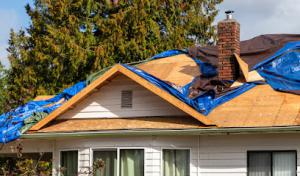
Roof Troopers
(703) 740-4638 www.roof-troopers.com
8560 Cinder Bed Rd #1300-B, Lorton, Virginia
4.9 from 36 reviews
In this market, the strongest signals that homeowners look for are clear: re-roofing capability, a quick response timeline after a storm, cleanup included in the project, and pricing that fits realistic expectations for Fairfax County homes. When a contractor demonstrates they can manage a full roof replacement without dragging the schedule, homeowners feel confident that the crew will handle shingles, underlayment, and ventilation with a focus on long-term durability. That emphasis on execution translates into fewer surprises once the job starts, which matters in neighborhoods where homes sit tight and storms occasionally clip the area.
A notable share of contractors in this market emphasize long-established operations, family ownership, and local ownership. Homeowners prefer firms that know the Fairfax County processes, understand HOA expectations, and have a track record of smooth coordination with neighbors. This preference shows up in how bids are presented: clear project timelines, established crews, and a willingness to stand behind work in a way that aligns with the expectations of aging shingles or newer HOA-guided developments near major corridors. In practice, that means choosing a crew that can coordinate with property managers and conform to community standards without delaying the replacement.
Free inspections, drone inspections, manufacturer certifications, and warranty offers are common in this area and matter when comparing proposals. Homeowners value a contractor willing to photograph damage thoroughly, confirm wind or hail impact, and translate that documentation into a solid claim package for insurance or HOA review. Drone footage helps residents and adjusters visualize the roof line from multiple angles, especially for multi-story homes or bungalows with limited attic access. Manufacturer certifications and robust warranties provide an assurance that the chosen materials and installation will perform under Virginia weather patterns for years to come.
Cleanup is not an afterthought but a practical priority in Lorton neighborhoods where driveways, yards, and street parking are closely shared among homes. Contractors who routinely bundle debris removal, nail cleanups, and debris containment into the contract demonstrate respect for the community. This approach reduces the risk of left-behind materials migrating onto neighboring properties and minimizes the post-work disruption that homeowners worry about after a storm season. A reliable crew will walk the premises with you, address any touch-ups promptly, and leave the property looking as orderly as it did at the start.
Solar roofing is present but still a smaller specialty in the local market, so it should be treated as an upgrade path rather than the default replacement approach. If your current roof is nearing the end of its life or has evident wear, plan for the reroof first, with the solar upgrade staged for after the new roofing is in place. This keeps your roof's integrity intact and reduces the risk of leaks during panel installation.
For homeowners planning future solar, replacement timing matters because coordination with the roof itself can affect whether it makes sense to reroof before panel work. If the roof is fresh or recently updated, you'll have a cleaner surface, fewer penetrations, and better ventilation details for any mounting system. In practice, aim to align a solar readiness assessment with the next major roof cycle, so the installation can be executed without reworking the roof soon after.
Homes in newer planned communities around the area may also need to consider neighborhood appearance rules before combining a new roof with visible solar components. Check roofline visibility, panel color and layout, and any HOA guidelines that govern how solar equipment should look from the street. A compatible color palette and streamlined mounting can help your home blend with its surroundings while preserving value.
Start with a seasoned local roofer who understands common Lorton roof types and venting needs. Ask for a solar readiness review that notes potential roof-access needs, flashing compatibility, and any shading concerns from nearby trees. If solar is on the horizon, request options that allow a clean, water-tight transition from roof replacement to panel installation, with attention to attic ventilation and drainage.
After storms, ensure that any exposed hardware, seasonal mounts, or edge details are inspected promptly so a future solar retrofit won't be delayed. A solid, well-ventilated roof with a clean surface simplifies both ongoing maintenance and a future solar upgrade, keeping the home resilient while still leaving room for the unit that adds value when the time is right.
Find contractors who integrate solar panels or solar shingles into your roof for long-term energy savings.
Shanco Roofing
(703) 879-7401 www.goshanco.com
8350 Terminal Rd Suite A, Lorton, Virginia
4.9 from 140 reviews
Atlantic Home Restorations
(703) 608-1079 www.atlantichomerestorations.com
Serving
4.0 from 8 reviews

Lorton homeowners deal with Fairfax County administration rather than an independent city building department, which shapes how permits and inspections are handled. That regional framework influences how quickly schedules align with storm recovery timelines and how documentation is tracked from the initial assessment through final approval. The result is a system that rewards thorough records and steady communication with your chosen contractor, especially after a high-storm period when crews are stretched thin.
Its position in the broader Northern Virginia market means roofing timelines and pricing are influenced by regional storm demand, not just neighborhood-level conditions. After a major event, crews may be prioritized for emergency repairs, inspections can back up, and material availability can tighten quickly. You should plan for potential short-term delays and keep a realistic window for approvals and scheduling. A proactive approach-documenting damage promptly and coordinating access for adjusters-helps minimize friction when the weather turns again.
The local service mix shows unusually strong emphasis on emergency response and insurance support compared with purely elective roof-upgrade markets. In practice, that means you can expect not only quick temporary fixes but also help navigating claim documentation, photos, and repair timelines. Prepare a damage diary: dated photos from different angles, notes on leaks or wind-driven damage, and a clear log of when and how you contacted your insurer. When you pair this with a responsive contractor who understands how adjusters review evidence, you move closer to a replacement path that aligns with storm-driven timelines.
Look for contractors who routinely coordinate with Fairfax County processes and who maintain open channels for insurance communication. Ask providers about their experience handling post-storm documentation packages, their readiness to expedite critical repairs, and how they schedule work when demand spikes. In a market shaped by regional demand, a trusted partner with a documented emergency-response track record can save you time, stress, and a lot of back-and-forth.