
Last updated: Apr 19, 2026
In this neighborhood, storm windows into spring bring wind and hail events that routinely test older roofs. After a Northern Virginia wind or hail hit, you should act fast: dated photos, roof-age records, and third-party condition reports are not optional extras, they are essential to support a solid claim. The sooner those documents are gathered, the clearer the path to recovery becomes, especially when shingles or flashing show edge damage that isn't obvious from the ground. Time matters because insurers reference documentation to separate sudden storm loss from deferred maintenance, and the clock can tighten quickly on when a claim is eligible.
Northern Virginia wind and hail claims are common enough that homeowners in the area routinely need to mobilize fast. As soon as the weather settles, walk the property with a plan. Photograph all visible impact marks on shingles, ridge caps, flashing, and skylight perimeters from multiple angles and with clear timestamps. If you have a slate or tile roof, capture any cracked, lifted, or broken pieces, plus any granule loss visible in gutters or on the ground. Keep a detailed log of dates and times of storms, and note whether neighbors experienced similar damage-this helps establish wind-driven or hail-driven damage patterns. Obtain any available roof-age records, contractor warranties, and past repair notes so the claim can be positioned against existing conditions rather than standalone patchwork.
Spring and early summer thunderstorms in this area commonly affect critical roof components before the heat and humidity set in. Focus on shingles, ridge caps, flashing, and skylight perimeters, where wind-driven rain can exploit minor gaps. If you suspect wind uplift or hail impact, treat the roof as potentially compromised rather than assuming cosmetic damage. Document any interior signs that appear after a storm, such as faint water spots, staining around attic penetrations, or damp insulation. These signs can appear hours to days after the event, especially in vaulted or poorly vented spaces. The timing of these findings matters for how the claim will be evaluated, so report them promptly to your insurer and your roofing professional.
Winter freeze-thaw cycles can turn small flashing or underlayment weaknesses into active interior leaks, complicating whether damage is treated as sudden storm loss or deferred maintenance. If a freeze event follows a wind or hail storm, monitor attic spaces for new condensation or leaks after thaw. In colder spells, even minor flashing laps or vent boot penetrations can become pathways for water intrusion. Photograph any new ice damming, staining, or seepage, and document how the attic ventilation and insulation appear after the season shifts. This provenance helps the insurer distinguish a storm-driven failure from a gradual deterioration.
When you file, present a concise timeline: storm date, observed damage, date photos were taken, and first report to a contractor. If possible, obtain a third-party assessment-an independent roofer or building consultant-who can corroborate hail impact patterns or wind-driven damage, and attach their written note to the claim package. Keep correspondence organized: all photos, reports, and contact records in a single, dated folder. After the initial claim, respond quickly to adjuster requests and schedule a site visit promptly to avoid delays that can jeopardize coverage for early-stage leaks or hidden damages. Acting with urgency now reduces risk of extended exposure and helps secure a durable, character-consistent repair for your home.
Nest Exteriors
(571) 202-6384 www.nestexteriors.com
140 Little Falls St STE 110, Falls Church, Virginia
5.0 from 217 reviews
Choosing the Right Roofing Company Should be Less Stressful. At Nest Exteriors, we pride ourselves on offering a comprehensive roof replacement and exterior services experience with a focus on straightforward communication, homeowner education, and transparency. The details matter. Since our founding over a decade ago our mission has been straightforward: to be a dependable resource for homeowners and to have a positive influence on all who come in contact with Nest Exteriors. There's Less Stress with Nest. We look forward to hearing from you, The Nest Exteriors Team FYI - JGL Roofing & Exteriors is now Nest Exteriors! Same local company, fresh new name.
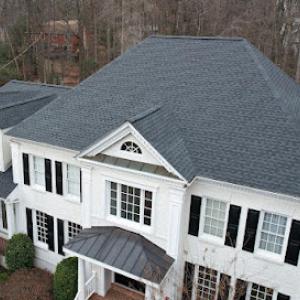
LCR Exteriors
(703) 595-7031 lowcostroofingva.com
6269 Leesburg Pike 202 Suite 100, Falls Church, Virginia
4.9 from 52 reviews
LCR Exteriors is family-owned and operated striving to provide high-quality roofs to benefit your needs. With over 18 years of experience, we run and operate in DC, Maryland, and Virginia. We are always ready to handle all your residential and commercial needs. No job is too small nor too big. What makes us “Low Cost”? Our Install Team are direct employees. We do NOT subcontract out to ensure HIGH-quality installation on every job! So You can save money on your exterior home needs!
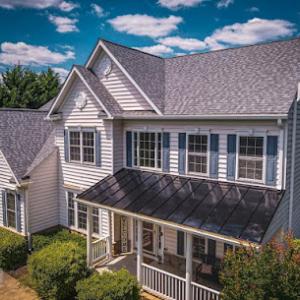
Valor Home Roofing
400N S Washington St Suite 313, Falls Church, Virginia
5.0 from 24 reviews
For over three decades, Valor Home has been transforming the exterior of homes in the greater Mechanicsville, VA area. Born from humble, veteran and family-owned beginnings, we've grown into a trusted leader in exterior remodeling. From complete roof replacements to beautiful window installations and energy-efficient siding solutions, Valor Home provides comprehensive services to enhance your home's beauty and value. We believe in delivering quality products and expert craftsmanship, ensuring your vision becomes a reality."
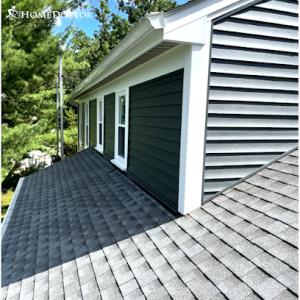
The Home Doctor
(540) 369-4759 www.yourhomedr.com
6066 Leesburg Pike Service Rd, Falls Church, Virginia
4.5 from 383 reviews
We strive to bring top quality, long lasting roofing, windows, siding and more to consumers at reasonable prices throughout the greater DMV area. We only work with factory-trained installers to assure your warranty stay intact. We outprice all competitors with 100% price match guarantee. When you buy a roof from The Home Doctor, enjoy 0% interest or payments until 2026. The Home Doctor has an A+ rating with the BBB and is a Angi Super Service Award Winner.
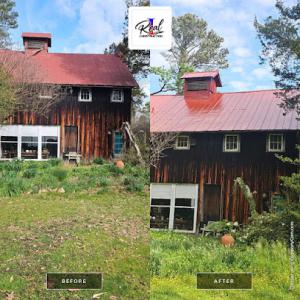
Real1Construction
(571) 497-8385 real1construction.com
Serving
5.0 from 115 reviews
Real problems, Real quality, Real solutions Real1Construction!
Augustine Roofing
(703) 281-7663 www.augustineroofing.com
Serving
5.0 from 25 reviews
From start to finish, Augustine Roofing maintains the highest standards of project management and workmanship. We staff our projects with only the most experienced and highly qualified construction experts. Our clients receive the finest quality workmanship and the most cost effective performance available, in keeping with their highest expectations and ours. Whether the project is large or small, we develop a strategy that meets all the homeowners needs.

Falcon Roofing & Solar
(571) 503-7951 falconroofingva.com
Serving
4.9 from 281 reviews
Falcon Roofing & Solar, located at 2817 Dorr Ave Unit K, excels as a premier roofing contractor committed to delivering top-quality services in the region. We specialize in roof repair, roof replacement, and thorough roof inspection to ensure the durability and safety of your property. Our expertise extends to flat roofing, commercial roofing, and expert gutter installation. Whether you need storm damage roof repair or stunning cedar shake roofing, Falcon Roofing & Solar is your trusted partner. Our experienced team is dedicated to providing excellent service, ensuring your roofing project is completed efficiently and professionally. Choose us for unparalleled roofing solutions.
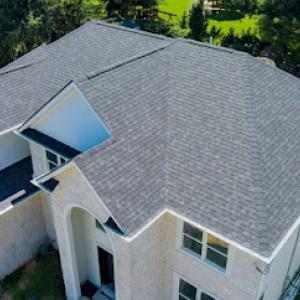
All Day Roofing Fairfax
(703) 782-3180 alldayroofingandmore.com
Serving
5.0 from 96 reviews
All Day Roofing & More, located at 3060 Williams Dr. Suite 300 #505 Fairfax Va 22031 is your premier choice for top-notch roofing services in the area. As the leading roofing contractor, we specialize in roof repair, roof replacement, and leak repair, ensuring your home stays protected all year round. Our skilled team provides reliable roof installation and thorough roof inspections, perfectly suited for those searching for a "roofer near me." We pride ourselves on being the best roofing company, committed to quality craftsmanship and unmatched customer service. In addition to roofing, we are also a trusted siding company, enhancing your property's curb appeal and value. Contact us today for all your roofing needs!
Metro Home Improvement
(703) 499-0536 www.metrohomeimprovementva.com
Serving
5.0 from 26 reviews
Since 1998, Metro Home Improvement has been serving Springfield, Virginia, and surrounding areas as a locally owned and operated roofing, remodeling, electrical, and plumbing company. We specialize in residential roof installation, repair, soffit, fascia, kitchen and bathroom remodels, plumbing, electrical, and deck services. We offer a 5-year workmanship warranty on roofing and a 1-year warranty on other services, covering labor and materials. The owner oversees every job, ensuring reliable quality and easy communication.
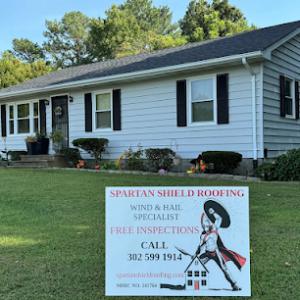
Spartan Shield Roofing & Home Improvement
(302) 599-1914 www.spartanshieldroofing.com
Serving
5.0 from 62 reviews
Spartan Shield Roofing & Home Improvement, Inc. is your expert roofing and home improvement solution, proudly serving Delaware, the Delmarva peninsula, and Maryland. With an unwavering commitment to quality craftsmanship, our team of experienced and highly skilled professionals ensures your roof and home receive the personalized care and attention they deserve. From flawless installations to meticulous repairs, trust us to deliver unparalleled results, enhancing both the aesthetic appeal and structural integrity of your property.

Painter Roofing & Construction
(571) 427-2450 www.painterroofing.com
Serving
4.9 from 80 reviews
Painter Roofing and Construction provides expert roofing services in Arlington and throughout Northern Virginia. As a family-owned company with 30+ years of experience, we offer residential and commercial roof installation, repair, and maintenance—always with quality workmanship and GAF-certified crews. From shingle and slate to flat roofing systems, we handle it all. We also support remodeling and new construction projects. Serving Arlington, Falls Church, Alexandria, and nearby areas. Call now for a free consultation.
Fab Build Pro
(202) 997-5531 fabbuildpro.com
Serving
4.9 from 136 reviews
FAB BUILD PRO is your trusted team of roofing and general contractors specializing in insurance and retail roof repair, replacement, and renovation across the DC, Maryland, and Northern Virginia region. Based in Tysons Corner, VA, we provide 24-hour emergency roof repair services and are committed to using only trusted, high-quality roof supply vendors. Whether you need expert storm damage repair, a thorough local roof inspection, or a complete exterior update, we offer comprehensive solutions including siding and gutter replacement. Our goal is to enhance your home or business with modern design recommendations and top-quality service. Contact us for a professional consultation and a free estimate. Your satisfaction is our priority.
In most detached homes around town, asphalt shingles are the practical backbone of replacements. They're well-suited to the typical roof lines found on older in-town houses and offer straightforward patchability after the wind and hail events common to Northern Virginia. In fall, when leaves pile up and gutters clog, a reliable shingle system with solid flashing becomes essential to keep water from sneaking under edges or at roof penetrations. In winter, you'll appreciate a shingle that holds up to freeze-thaw cycles without delaminating, so pairing the right granule mix with proper installation matters. When spring storms roll through, asphalt shingles respond predictably, and repairs tend to be more affordable and repeatable than other options. For seasonal resilience, ensure valley and edge detailing is solid, gutters are clean, and there's a clear path for water away from dormers and chimney flashings to minimize ice dam risk.
Metal roofs are a premium path for homeowners prioritizing longevity and snow-shedding in this market. They shed wind-driven rain and snow more confidently, which matters in Virginia's volatile spring storms and occasional heavy snow when the sun dips and freezes overnight. When evaluating metal, focus on installer experience with flashing details, especially around roof-to-wall transitions, skylights, and chimney crickets. Water intrusion in storm-driven events often starts at flashing joints, and in a town with mature trees and clustered neighborhoods, even small gaps can become recurring leaks after a big gust or hail swath. In spring and early summer, metal's reflective surface helps reduce heat gain, while fall and winter demand attention to panel seals and sealants that endure freezing cycles. If choosing metal, request a detailed flashing plan and a seam inspection routine for the first couple of winters.
Clay tile, concrete tile, wood shakes, and synthetic products show up on architecturally distinctive or historically sensitive homes. The weight of tile and shakes is a critical factor here; older structures or homes with limited attic upgrades may require structural assessment before installation to avoid mid-life sag or fastener fatigue. Fragility matters in surge winds or hail corridors, so matching repair methods and replacements becomes more complex when a tile or shake breaks. In neighborhoods with ornate detailing or limited access for long tiles, repairs can be more labor-intensive and require period-accurate textures or colors. Synthetic products, while offering resilience and design flexibility, still demand careful matching of profiles and flashing to maintain a cohesive weather barrier, particularly on mixed-roof podiums or where multiple roof shapes intersect.
After a Nor'easter-like wind or a fast-moving hail event, the priority is a rapid assessment that prioritizes exterior damage and obvious leaks. In Falls Church, gutters load with leaves and seed pods in autumn, so inspect downspouts and drip edges first for any loosened attachments or displaced sealants. For any material choice, keep a close eye on flashing around chimneys, vents, and dormers where water intrusion is most likely to begin during heavy rains. Document damage with photos for insurance notes, and create a simple log of storm dates, wind speeds if available, and the affected areas on the roof. Seasonal maintenance should include a thorough shake-out of debris, verification of attic ventilation to reduce condensation risk, and a proactive plan for resealing or reseaming flashing joints in anticipation of freeze-thaw cycles. The combination of mature tree cover and Northern Virginia weather means regular edge fastening, clean gutters, and a clear water path are essential to extend the life of any roof material chosen.
When planning a full roof replacement, expect the permit to be handled through the City Building Department rather than a county office. The municipal process is tight on documentation, especially for in-town homes with mature tree cover and older roof decks. Before scheduling tear-off, verify that the permit application is complete and that any required neighborhood or historic-adjacent considerations are noted. The Building Department will require details on ventilation, flashing, underlayment, and the method of nailing, so having a clear plan for these elements helps avoid delays. It is prudent to confirm whether a separate permit is needed for any flashing or vent work as part of the overall project, and to keep copies of all submitted forms and correspondence.
Inspections in this area commonly occur after tear-off and again after installation. The first post-tear-off inspection is typically focused on framing integrity, roof deck condition, and underlayment installation. The inspector will check that the plywood or OSB is sound, fasteners are correctly spaced, and that underlayment is continuous with no gaps that could allow wind-driven moisture. The second inspection occurs after the installation is complete and focuses on end-to-end installation quality: proper nailing pattern for the chosen material, ventilation adequacy for attic air flow, and flashing around penetrations such as chimneys, vent pipes, and skylights. Because Northern Virginia storms bring wind, hail, and freeze-thaw cycles, inspectors will scrutinize flashing joints, step flashing at valleys, and any transitions from existing to new roofing material. Expect minor adjustments if flashing alignment or ventilation components need revision to meet code expectations.
Homeowners should watch permit timing closely because work may need to start within the permit's active window. An expired or incorrectly documented permit can trigger delays or require re-inspection fees. Once the project wraps up, ensure that the permit is properly closed with the Building Department. This closure confirms that the system passed all inspections and that the work is officially recorded as compliant. If a post-inspection item is flagged, address it promptly to avoid hold-ups in the final sign-off. Keeping a tidy project log-dates of inspections, inspection results, and any corrective actions-helps track progress and reduces the risk of a last-minute scramble when the final sign-off is due.
Coordinate your roofing crew to align tear-off and installation with the inspection schedule to minimize days of weather exposure on open roof lines. Document material warranties, installation methods, and flashing details in a packet to present during inspections. Since rain and wind are common stressors here, emphasize a clear plan for maintaining ventilation during and after installation, and confirm that attic baffles and soffit vents are not obstructed. If the project encounters delays tied to permit timing, contact the Building Department early to discuss extensions or additional documentation to keep the project moving without triggering noncompliance.
In this area, pricing is tightly tied to Northern Virginia's tight labor market. After regional storm events, demand spikes and crews can be booked into late spring and early fall dry windows. That makes quick response after wind or hail events expensive, since you're competing for limited crews and short weather-perfect periods. When your project requires rapid mobilization, you may see higher day-to-day labor rates and compressed timelines that drive crew turnover and potential overtime.
Older Falls Church homes frequently need more than a simple shingle swap. If decking repairs are required due to storm damage, or if ventilation upgrades are advisable to meet the house's unique attic layout, those add-ons can push overall costs higher. Chimney flashing work is a common additional expense on mature properties, where existing flashing needs to be integrated with new materials or re-flashed for a secure seal. Careful tear-off around mature landscaping also factors in, because roots, tree limbs, and tight yard access can slow work or demand more protective measures for plants and hardscape.
Provided local ranges run about 350 to 550 USD per square for asphalt shingles, 700 to 1100 for metal, 900 to 1800 for clay tile, 900 to 1500 for concrete tile, 600 to 1100 for wood shingles or shakes, and 450 to 850 for synthetic or composite shingles. The wide spread reflects differences in roof pitch, complexity, and the presence of features like skylights, chimneys, and abundant tree cover common in mature neighborhoods. Heavier or more tile-intensive systems also translate to longer installation times and higher disposal costs.
When storms hit, expect scheduling pressure and the possibility of bundled repairs beyond a simple shingle replacement. If moisture intrusion is found during tear-off, immediate mitigation helps prevent cascading damage to insulation or interior finishes. In discussions with contractors, ask for a breakdown that separates decking, flashing, and ventilation work so you can compare apples to apples across bids. Understanding these drivers helps you set realistic expectations for both timing and total cost.
Get a clear picture of your project costs upfront - no commitment required.

Falls Church roofs face cold snaps, snow, and freeze-thaw cycling that can back water up at eaves and expose weak flashing transitions around chimneys and wall intersections. When that happens, a small opening can become a steady drip or a hidden ceiling stain after a single windy night. The more you know about where water tends to intrude-at roof-to-wall joints, around vent pipes, and where old flashing has crumbled-the faster you can catch a leak before it turns into interior damage.
Homes with older attic ventilation or insulation imbalances are more vulnerable to winter moisture problems because warm interior air and cold roof surfaces interact through repeated seasonal swings. In Falls Church you'll notice that pockets of warm air can buoy moisture upward when a rapid freeze arrives, then saturate wood and drywall as meltwater refreezes at soffits and eaves. If soffit vents are blocked by insulation or if the insulation doesn't extend to the deck edge, you get condensation that drips back down through ceilings and into finished rooms. Regularly checking that vents aren't buried and that insulation is evenly distributed helps reduce this risk.
Emergency tarping and fast leak response matter locally because winter events can quickly turn a minor roof opening into ceiling damage before a full replacement can be scheduled. If you notice water cascading from a roof line or staining that grows behind walls after a storm, set up a temporary tarp over the affected area to keep rain or meltwater away from the interior. Place buckets and towels to catch drips, and photograph the damage for insurance purposes. A rapid tarping follow-up by a licensed contractor is essential to keep secondary damage from spiraling.
After a winter event, document the scene: date-stamped photos of the exterior damage, interior stains, and the area of suspected flashing failure. Note any creaking or shingle movement that coincides with wind gusts. When talking to a contractor or insurer, share the timing of the storm, the observed leaks, and any temporary fixes you've applied. Clear, organized records help translate a weather-driven problem into a repair plan that minimizes ongoing moisture risk and preserves the home's structure through the rest of the season.
When you can't wait, these contractors offer fast response times to stop leaks and prevent further damage.
LCR Exteriors
(703) 595-7031 lowcostroofingva.com
6269 Leesburg Pike 202 Suite 100, Falls Church, Virginia
4.9 from 52 reviews

In this town, the mature canopy means fall leaves load gutters and valleys with moisture against shingles. Start each autumn by inspecting gutters and downspouts for clogs, then trim back overhanging branches where safe to access the roof. Clear debris from valleys and ridge lines, paying close attention to spots where moisture can linger against underlayment. After heavy leaf drop, plan a mid-fall check to ensure debris hasn't built up in the gutter apron or around flashing transitions.
Blocked drainage can shorten roof life by keeping water against edges through cool-season rains and freeze-thaw cycles. Use a sturdy ladder and safety gear to remove organic matter from the gutter system and from around roof edges. Ensure downspouts discharge away from the foundation and consider extending outlets to keep meltwater from pooling near fascia. In late fall and early spring, recheck drainage after wind events when debris is often redeposited in tight spots.
Homes with skylights or complex rooflines in leafy neighborhoods need closer debris monitoring because trapped organic matter often collects around flashing transitions. Inspect around skylight collars, vent flashings, and hip-and-valley intersections for signs of moisture intrusion after storms. If debris is stuck near flashing, use a non-abrasive tool to gently dislodge it from the top of the flashing without displacing sealant. Document any staining or dampness you notice, and plan a targeted cleaning after strong winds or heavy leaf fall.
Create a simple seasonal rhythm: a pre-winter gutter check, a post-wind event inspection of flashing and valleys, and a mid-to-late autumn debris sweep especially around trees adjacent to the roof. Keep an eye on moisture pockets in shaded low-slope areas, and address persistent damp spots promptly to prevent ice dam risk and edge deterioration.
Find contractors experienced in skylight installation, flashing, and leak repairs to bring natural light into your home.
Nest Exteriors
(571) 202-6384 www.nestexteriors.com
140 Little Falls St STE 110, Falls Church, Virginia
5.0 from 217 reviews
In Falls Church and the broader Northern Virginia market, insurers commonly ask for current roof age, clear elevation photos, and condition evidence when underwriting or renewing coverage after active storm years. That means keeping a concise file of roof history helps you avoid gaps when a claim is needed after wind, hail, or a hard freeze. Because standard replacement coverage remains widely available locally, homeowners benefit from keeping organized maintenance and inspection records rather than waiting until a claim dispute arises. A well-kept record set can speed verification of preexisting conditions and demonstrate proactive care, which matters for in-town homes with mature tree canopies and complex flashing details.
Clear elevation photos are essential in this market, where a roof lineage can influence how coverage is judged after a spike in storm activity. Take up-to-date shots from all sides, including the hips, ridges, valleys, and potential problem areas near dormers or chimneys. Focus on flashing, vent pipes, and edge metal, since these spots often reveal wear accelerated by summer heat, humidity, and winter freeze-thaw cycles. Label photos by date and weather context (post-storm, post-maintenance, post-repair) to help an adjuster follow the narrative if a claim arises during a busy claim season.
Because insurers value a clear maintenance trail, maintain receipts, inspection reports, generalized condition notes, and calendars showing periodic roof checks. Document gutter clearing, shingle condition, and any minor repairs before they escalate. In this climate, trees and heavy leaf loads in fall can obscure damage; notes noting gutter load and seasonal inspections help distinguish new storm damage from routine wear.
Third-party roof condition reports can be especially useful in Falls Church when distinguishing storm-created damage from wear accelerated by summer heat, humidity, and winter freeze-thaw exposure. If a contractor or roofing consultant provides an assessment after a storm event, keep the report with the photos and notes. Sharing an objective evaluation can support underwriting or renewal discussions and help clarify the relationship between exterior exposure and observed damage.
Connect with contractors who help homeowners navigate the claims process from damage assessment to final approval.
LCR Exteriors
(703) 595-7031 lowcostroofingva.com
6269 Leesburg Pike 202 Suite 100, Falls Church, Virginia
4.9 from 52 reviews
Valor Home Roofing
400N S Washington St Suite 313, Falls Church, Virginia
5.0 from 24 reviews