Last updated: Apr 19, 2026
Rancho Palos Verdes homes along the Palos Verdes Peninsula sit with marine air that constantly brushes against flashings, fasteners, vents, and metal edge details. Ocean-facing and bluff-adjacent slopes endure more glare, wind-driven salt, and faster aging than protected inland faces. The climate is mild but UV-rich, so cumulative sun, salt, and moisture exposure drive roof failures more than freeze-thaw or heavy snow. This means you'll notice uneven aging across a single roof, with the most exposed slopes thinning, cracking, or corroding sooner.
On blufftop and coastal margins, metal components-the edge detailing, flashing at valleys and penetrations, and vent caps-are the first to show corrosion or looseness. Fasteners can seize or corrode, creating micro leaks that worsen with wind-driven spray. Tile and shingle surfaces near the coast deteriorate from constant sun and salt abrasion, and underlayment ages more quickly under UV exposure and moisture cycles. Expect the most noticeable wear along exposed eaves, ridgelines, and the sides facing the ocean, while interior or shaded sections stay comparatively better protected.
Commit to a seasonal walk-around. Start at the highest, most exposed slopes and work down to protected areas. Look for: rust or green-blue staining on metal flashings and edge details; loose, missing, or corroded fasteners; lifted shingles or tiles near the coast; cracked seals around vents and plumbing stacks; granule loss in shingles, especially on asphalt varieties; and any staining or damp patches inside attic spaces tied to roof penetrations. Since coastal roofs experience salt deposition, touch-test metal areas for softness or flaking, which signals accelerated corrosion.
Coastal exposure makes corrosion resistance a priority. Choose edge metal and flashings with proven coastal performance, and consider coatings designed for salt spray environments. Asphalt and synthetic shingles that resist granule loss and UV degradation perform better over the long run when paired with corrosion-resistant fasteners and properly sealed penetrations. Tile roofs (clay or concrete) should feature compatible underlayment and fasteners rated for salt exposure, along with robust sealants at all penetrations to slow moisture ingress.
If multiple slopes show uneven aging, or if flashing, fasteners, or edge metal repeatedly fail in the same coastal coastal exposure zone, replacement with coastal-appropriate materials and upgraded sealants may be warranted. Persistent leaks that trace to underlayment degradation or widespread corrosion of metal components indicate that a more durable assembly should be considered. In blufftop settings, upgrading to materials with enhanced UV stability and salt resistance tends to yield the most durable, long-term performance.
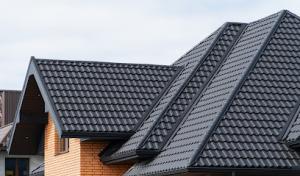
Clay tile and concrete tile are especially relevant in Peninsula homes because many residences follow Mediterranean and Spanish-influenced coastal architecture. Those swooping rooflines and pale earth tones aren't just aesthetic-they're a practical choice for long-term climate exposure. The clay and concrete varieties withstand sun and salt spray better than many other roof types, but they still rely on a solid secondary defense: the underlayment and proper fastener work beneath. In this coastal setting, the visible tile may look sturdy for decades, yet the waterproofing layer under the tiles ages at a different pace due to wind-driven rain intrusion, microcracks, and the constant cycle of sun exposure. Inspect underlayment periodically, especially after major storms or heavy seasonal winds, and pay close attention to any signs of moisture migration into the roof deck. Curling or loose tiles often signal sublayer deterioration rather than a simple tile replacement issue.
On hillside properties, tile systems need close attention to underlayment condition because the visible tile may outlast the waterproofing layer beneath it. The visual longevity of clay or concrete tiles can mask hidden wear that compromises the roof's core waterproofing. Look for soft spots, staining, or warped decking in the attic or upper levels after wind events. A proactive approach involves scheduled underlayment checks, especially where debris or wind-driven sand can abrade the barrier over time. If underlayment shows signs of aging, consider upgrading to a more resistant membrane and ensuring fastener penetrations are sealed against the sea breeze. Regular inspection cadence-twice yearly, with an after-storm review if debris has accumulated on the roof-helps catch moisture migration before it affects structural components.
Metal roofing in this coastal climate must be evaluated for coastal corrosion resistance because salt exposure can be a bigger durability issue here than in inland Los Angeles County communities. When choosing metal, prioritize substances with excellent corrosion resistance-into more stable alloys or protective coatings-and verify that all fasteners and flashing are designed for salt air environments. Coastal winds can lift edges or create vibration that loosens panels over time, so secure attachment systems and proper sealant quality are essential. Visible panels may appear pristine after years, but salt-laden spray can corrode hidden edges and penetrations. Routine inspections should emphasize flashings, ridge caps, and around roof penetrations, where corrosion tends to begin and propagate. If a repaint or coating is required, select finishes tailored for salinity exposure and maintain a proactive schedule to refresh protective layers before wear advances.
A practical strategy combines tile inspection with targeted metal checks. For tile roofs, keep gutters clear of organic buildup that can trap moisture near eaves and hips, and ensure valley linings aren't obstructed by debris. On hillside homes, trim back overhanging branches that deposit leaf litter and seeds that retain moisture against underlayment. For metal roofs, document and address any hail or wind damage promptly, because micro-dings can become corrosion initiation sites in a salty, sunny environment. Use non-abrasive cleaning methods to remove salt residue from panel surfaces and flashings, then inspect sealants around perimeter joints for cracking. A locally adapted maintenance plan, performed with the rhythm of Palos Verdes seasons, helps extend the life of tile and metal systems under persistent coastal conditions.
Find contractors who specialize in clay and concrete tile roofs, known for their durability and curb appeal.

Solid Reach Roofers
(424) 499-8333 ranchopalosverdesroofing.com
500 Silver Spur Rd #323, Rancho Palos Verdes, California
4.9 from 84 reviews
Solid Reach Roofers
(424) 499-8333 ranchopalosverdesroofing.com
500 Silver Spur Rd #323, Rancho Palos Verdes, California
4.9 from 84 reviews
Solid Reach Roofers is a trusted roofing company dedicated to providing top-quality roofing services. Our experienced team of professionals specializes in roof repairs, installations, and maintenance for residential and commercial properties. We prioritize attention to detail and use high-quality materials to ensure the longevity and functionality of your roof. With our expertise and commitment to customer satisfaction, you can trust Solid Reach Roofers to deliver exceptional craftsmanship and reliable results. Whether you need a minor repair or a complete roof installation, we have the skills and resources to meet your roofing needs with precision and expertise.
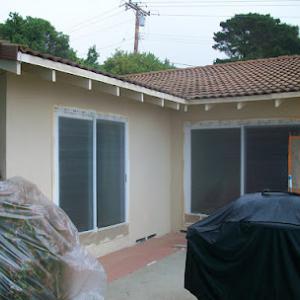
Fischer Roofing, Painting & Gutters
(310) 534-1462 www.fischer-llc.com
Rancho Palos Verdes, California
4.2 from 21 reviews
Fischer Roofing, Painting, and Gutters has been serving residents in Lomita, CA and the South Bay area for several years, ensuring only professional painting and gutter services in Lomita, CA. We are self-assured that using the highest quality materials and workmanship available to meet your gutter service needs will exceed your expectations. Contact Fischer Roofing, Painting, and Gutters in Lomita, CA today for an estimate!
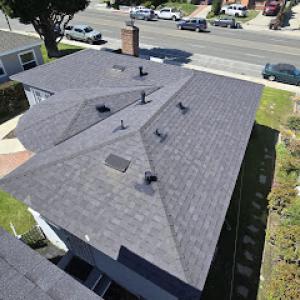
Modern Solution Roofing
(661) 339-3278 www.modernsolutionroofing.com
Serving
5.0 from 27 reviews
At Modern Solution Roofing, we’re not just a roofing company, we’re your neighbors with innovative, reliable roofing solutions, delivered with integrity ,expert craftsmanship, and unwavering commitment to customer satisfaction. We specialize in roof replacement, re roof, roof repair We’re local roofers, proudly serving Santa Clarita as a trusted, owner-operated company. 10+ years of experience in SCV, San Fernando Valley and Los Angeles County. We hold a C39 roofing license, full insurance, bonded, and workers’ comp, because your peace of mind matters. Free estimates. No hidden fees or pushy up sales. We’re proud to support our military, ask about discounts for active duty and veterans.
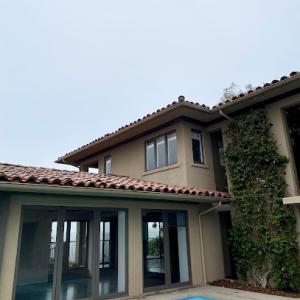
Watershield Roofing
(424) 221-2118 watershieldroofingco.com
Serving
5.0 from 24 reviews
Watershield Roofing in Los Angeles, CA is a roofing company that offers expert installation, repair, and maintenance services for both residential and commercial properties. Our skilled team, quality materials, and commitment to customer satisfaction ensure durable and stunning roofs. Choose Watershield Roofing for all your roofing needs. Call today to schedule an appointment!
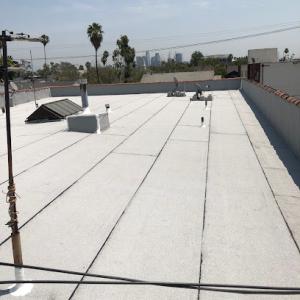
One Roofing Solution
(323) 543-7482 oneroofingsolution.com
Serving
5.0 from 23 reviews
Protect your largest investment with our reliable roofing services. We are a locally owned and operated roofing company currently serving Maywood, CA and surrounding communities. If you want to make your roof last as long as possible, it is vital that you never put off a roof repair. Small issues with roofing become big issues in a hurry. No matter how major or minor the repair you need, we are here to help. We offer roofing services, roof installation, and roof repair.
AEL Roof Leak Repair Los Angeles
Serving
5.0 from 23 reviews
AEL Roofing Leak Repair Los Angeles are a team of professional roofers that can handle roof leak repair and replacements on residential roofs, commercial roofs, or specialty roofs. We are one of the top roofing companies in the greater Los Angeles area, and we have experience working with a wide variety of products, including composition shingles, asphalt shingles, metal roofs, tile roofs, PVC, and TPO. We can also work with flat roofs, roof coating, PVC, and single ply roofing, and there are many more options available. Be sure to consider us when you’re choosing a roofer for your next project. Looking forward to work with you ! AEL Roofing Leak Repair Los Angeles
NR Roofing CA
(626) 654-4714 nrroofinglosangeles.com
Serving
4.7 from 42 reviews
Roof repair & Installation Services in Pasadena California: NR Roofing CA repair and install all types of roofs in Los Angeles County California.

Canovas Roofing
(310) 935-2504 www.canovasroofing.com
Serving
5.0 from 37 reviews
We are a family business specialized in the installation of all types of roofs and we build porch pergolas in addition to offering a wide variety of services to the needs of your roof and project, we strive to offer the highest quality of service to offer solutions for each customer with their needs as a priority.
United Master Roofing
(626) 627-3959 www.unitedmasteroofing.com
Serving
5.0 from 18 reviews
We are a small local family-run business dedicated to meeting all your roofing needs. We offer a wide range of services from repairs, maintenance, and replacement to installations. We promise to give you the best quality of work for your home or business.
Ark Roofing & Construction Los Angeles
(818) 233-0002 arkroofingco.com
Serving
5.0 from 17 reviews
Ark Roofing and Construction is Los Angeles trusted roofing contractor, specializing in expert Roof Replacements, Roof Repairs, and full-service Residential Roofing. We help homeowners protect their properties with high-quality Asphalt Shingle Roofs, Tile Roofs, and Flat or Pitched Roof systems tailored to Southern California's climate and codes. With years of hands-on roofing experience across the LA area, we understand the unique challenges Los Angeles homeowners face—heat, sun exposure, and aging roofing systems. Whether you're dealing with a leaking roof, storm damage, or simply time for a full Roof Replacement, our team delivers clean, reliable, and professional roofing services from start to finish.

Rolling Roof Repair
Serving
4.9 from 85 reviews
Rolling Roof Repair is your trusted source for efficient and effective roofing repairs. Our team of experienced technicians specializes in diagnosing and fixing a wide range of roofing issues. We understand the impact of a damaged roof on your property, and we strive to provide timely solutions. With attention to detail and a commitment to quality, we ensure that your roof is restored to its optimal condition. Count on Rolling Roof Repair for prompt and professional roofing repairs that prioritize the safety and longevity of your roof.
AAA Roofing Services
(818) 654-5977 www.aaaroofingsvc.com
Serving
4.7 from 16 reviews
AAA Roofing Services is a family owned full-service roofing company that prides itself in providing the highest level of quality and workmanship on all of our commercial and residential services. With over hundreds of satisfied customers; our referrals are our biggest attribute and we are confident you will not want to look else where.
Winter rain on coastal bluffs brings moisture that can expose aging underlayment and compromised penetrations in a hurry. In PV, roofing schedules get tugged by wetter periods when active leaks become more visible just as dry-in windows become harder to secure. That means a small drip can turn into a lodged repair challenge if the roof hasn't been prepped for the season. Pay close attention to skylights, vent stacks, and chimney joints, where salt-laden air and shifting substrates meet seasonal swelling. If you notice staining or soft spots after a decent rain, treat it as a warning sign, not a nuisance.
Exposed ridgelines and coastal streets in PV ride strong inland gusts and shoreline breezes. Those winds can loosen edge details, move debris into valleys, and push water toward weak points around penetrations. A single storm can bend flashing, lift shingles or tiles corner-to-corner, and pry loose fasteners that held through calmer months. This is not hypothetical: wind-driven damage compounds existing aging issues, especially on Mediterranean-style tile roofs where edge protection and sealant joints are critical. After a windy stretch, inspect the eaves, ridge caps, and transitions between roof planes for anything out of place or missing.
Spring and fall emerge as the most practical reroof windows when the peninsula benefits from milder temperatures and avoids the heaviest winter wetting. Squeezing in a reroof during peak summer sun invites accelerated aging of underlayment and faster wear on newly installed components, while mid-winter installations face wetness, wind, and limited dry-out time. If a full reroof isn't possible, plan major repairs during these shoulder seasons to maximize dry-in success and allow sealants and penetrations to cure in stable conditions. Use those windows to upgrade edge details, improve flashing integrity, and reseal penetrations against salt air ingress.
Before the next storm cycle, walk the perimeter with a keen eye for loose tiles or shingles at the ridgeline and along unaddressed valleys. Tighten or replace any obvious fasteners, reseal around vent pipes and chimneys, and replace degraded edge flashing where corrosion or movement is evident. Consider a targeted dry-in and test for water intrusion in the attic or under the deck of the roof structure to catch hidden leaks early. If you detect moisture patterns after a rain, prepare to accelerate contractor access right after calmer weather returns, because delays in the wet season magnify repair complexity and exposure to salt air corrosion.
Find local contractors experienced in assessing and restoring roofs after hail, wind, and severe weather events.
Solid Reach Roofers
(424) 499-8333 ranchopalosverdesroofing.com
500 Silver Spur Rd #323, Rancho Palos Verdes, California
4.9 from 84 reviews
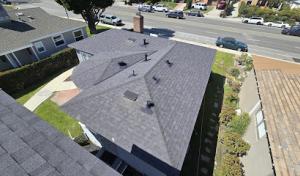
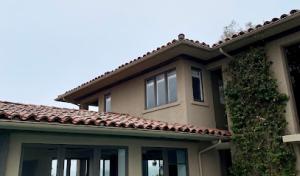
Reroof projects in this city are overseen by the local Building and Planning Department, and permits are typically required. The process is not something to skip or treat as a casual maintenance item, given the coastal exposure and hillside conditions that can impact structure and underlayment. Before any tear-off or installation begins, verify permit needs with the department and ensure all required forms, plans, and notices are in hand. The department often pairs roofing work with drainage, vents, and flashing updates, so expect concurrent reviews when applicable.
In practice, Rancho Palos Verdes reroofs are commonly inspected at rough-in and final stages. Rough-in inspections verify deck condition, underlayment integrity, and support before the final roof assembly is installed, while final inspections confirm workmanship and code compliance after completion. Treat inspections as checkpoints that protect against issues tied to salt air exposure, wind-driven debris, and long-term underlayment aging. Do not rely on a no-permit maintenance mindset, since the coastal environment accelerates wear on fasteners, sealants, and flashing details.
For tile or metal roofing, plan review may be required and inspection timing can vary with department workload. Tile systems, in particular, bring flashing transitions and slope considerations that merit early plan discussion. Metal roofing introduces fastener and coating review needs, especially where coastal corrosion resistance is a factor. Because plan review timelines can fluctuate, coordinate closely with the permit office, and factor in potential delays related to weather windows and backlog. If plans reference seismic or wind-resistance upgrades, ensure those details are clearly outlined for the reviewer.
Begin by confirming permit requirements with the Building and Planning Department, then submit your project package with any engineered drawings, deck photos, and product specs. Schedule the rough-in inspection once roof deck and underlayment are in place, and maintain open communication with the inspector about coastal conditions that affect sealing and flashing. After installation, prepare for the final inspection before any interior finishing resumes, and address any noted deficiencies promptly to keep the project on track.
Get a clear picture of your project costs upfront - no commitment required.
Solid Reach Roofers
(424) 499-8333 ranchopalosverdesroofing.com
500 Silver Spur Rd #323, Rancho Palos Verdes, California
4.9 from 84 reviews
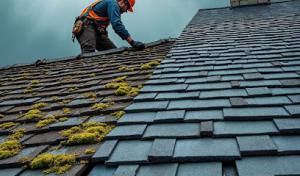
For asphalt shingles, you'll typically see about $400 to $800 per square, reflecting the coastal exposure and the variety of slopes you'll encounter on hillside parcels. Metal roofs run roughly $700 to $1300 per square, with bills climbing when coastal wind days demand more fasteners and corrosion resistance. Clay tile often lands between $1100 and $2600 per square, a reflection of heavier systems and more complex installation on blufftop homes. Concrete tile is generally $900 to $1800 per square, while wood shingles or shakes are in the $900 to $1800 range. Synthetic or composite shingles sit around $600 to $1100 per square. In short, the coastal setting nudges most material choices toward higher-end installation costs when you factor in longevity and performance.
Renovations on steep hillside lots and ocean-view properties tend to cost more, even for the same product. Access limitations, staging equipment, and material handling become substantial line items on a job. If a roof line threads along a bluff or wraps around a view terrace, expect additional costs for scaffolding, specialized lifts, and careful debris containment. These access challenges also influence how long a project takes, which can push labor charges higher on the final bill. In practice, anticipate a premium for any project where trucks must navigate tight switchbacks or where equipment positioning demands extra crew coordination.
Tile-heavy architecture is common in this district, and it drives replacement costs upward due to heavier systems and more intricate underlayment work. The ridges, valleys, and penetrations on Mediterranean-inspired homes require meticulous detailing to combat salt air and wind-driven rain. When underlayment aging is found behind old tiles, the cost adds up quickly because tiles must be removed, the underlayment refreshed, and new tiles precisely reset to maintain both water control and curb appeal. Expect higher labor time and additional material for flashing, valleys, and vent penetrations in these setups.
If a roof is due for replacement, plan for higher bids if the home sits near the coast or on a slope. Request a breakdown that separates access-related surcharges, underlayment upgrades, and flashing/penetration work. Ask for a material warranty and a workmanship warranty, noting that coastal environments can shorten some standard lifespans without proper detailing. When comparing bids, consider not just the per-square price but the scope of staging, waste disposal, and cleanup, all of which can materially affect the final total on a blufftop property.
Don't let upfront costs delay a critical repair - these contractors offer payment plans to fit your budget.
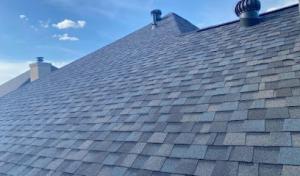
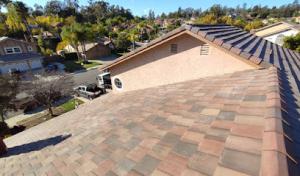
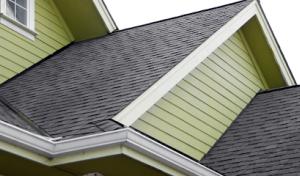
California's stricter insurance environment affects homeowners in this blufftop region, where coastal salt air, constant sun, and hillside winds take a toll on roofs in ways inland climates don't. Carriers frequently scrutinize roof age and material before approving claims or renewals, and the review can hinge on how exposure has aged the surface. While Mediterranean tile lookouts endure, the underlying underlayment and fasteners can deteriorate quietly under salt spray, especially on bluffside homes where wind channels are persistent.
For claims tied to winter leaks or wind-driven damage, adjusters often ask for roof age records, prior repair history, and project photos to determine whether damage is sudden or long-term wear. In this environment, a storm leak might reveal a longer pattern of flashing corrosion or decking aging rather than a single incident. Having organized documentation ready-age estimates, repair invoices, and before-and-after photos-helps establish the true cause and can influence claim outcomes more fairly than a single recent photo.
Older roofs may face higher deductibles or depreciation treatment, making documentation especially important before and after any reroof or repair. If a claim lands after a wind event or heavy rain, records showing the roof's service life, recent patch jobs, or tile replacements can influence how much the insurer covers. Photos taken from multiple angles, dated invoices, and a simple log of exposure events go a long way toward presenting a coherent story to an adjuster.
Practical steps you can take now: maintain a running file of roof age indicators, maintenance notes, and any replacement projects. Build a simple timeline with photos after major wind events or rains, and note any movement in tile or flashing. When selecting a contractor, favor materials and detailing known to withstand salt air and hillside gusts, then map out a proactive maintenance plan rather than waiting for a claim to reveal coverage gaps.
In this climate, patience and thorough record-keeping are as important as choosing the right shingles, since the insurance outcome can hinge on age, wear, and how clearly the story is told in the file.
Skylights and complex rooflines are a common feature on Rancho Palos Verdes homes with ocean views, and they often become the leak-prone transitions as sealants and flashings age in coastal sun. In these settings, plastic condensate seams and butyl flashings can dry out faster than on inland projects, especially where salt air accelerates corrosion of metal components. Inspect skylight curb flashing for loose fasteners, bubbling sealant, and mineral buildup around glazing trim. Prompt patching of deteriorated sealant right at the curb reduces water tracking along the rough interface between glass, sealant, and roof surface.
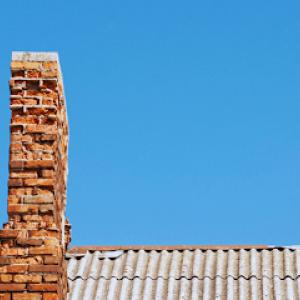
The local contractor market shows meaningful demand for chimney-related work, which matters in these homes because many established properties blend tile roofs with masonry penetrations and custom flashing details. Expect stair-step deterioration of mortar joints near flashing transitions and around the base of clay or concrete tiles. When checking chimney flashing, confirm the counterflashing remains embedded in masonry with no gaps, and that sheet metal kickouts route water away from the masonry and underlayment. If flashing is crushed or wrinkled by wind gusts, plan for a careful reflash with corrosion-resistant metal and properly terminated step-flashing against the tile bed.
Low-slope sections on additions or view-oriented designs in this area need separate material and drainage planning from the main pitched roof. Coastal exposure leaves these areas more susceptible to ponding and accelerated underlayment wear. For a practical approach, verify that roof plane transitions to low-slope areas include integrated drip edges, proper nailing patterns for the chosen membrane, and clear drainage paths to the gutters or scuppers. Consider a dedicateded waterproofing layer at the interface and ensure any slope changes direct runoff toward established drainage routes rather than pooling near skylight wells or parapet joints.
Because sun exposure, salt air, and hillside winds advance aging differently than inland climates, perform semiannual checks focusing on sealant integrity, flashing laps, and any movement in skylight frames. Track corrosion indicators on metal flashings and note any staining along tile seams-these signals point to early failures that, if addressed promptly, preserve the roof's life and indoor comfort.
Find contractors experienced in skylight installation, flashing, and leak repairs to bring natural light into your home.
Solid Reach Roofers
(424) 499-8333 ranchopalosverdesroofing.com
500 Silver Spur Rd #323, Rancho Palos Verdes, California
4.9 from 84 reviews