
Last updated: Apr 19, 2026
Spring and summer storms bring heavy rain, high winds, and occasional hail, making sudden shingle loss and active leaks a leading homeowner concern. When wind roars off the upper Chesapeake and rain slams onto steep or shallow roofs, water can intrude quickly through missing granules, lifted shingles, or compromised flashing. If you notice active leaking, standing water in the attic, or daylight through the roof deck, treat it as an urgent emergency. Your first priority is to limit interior damage: move furniture away from the leak path, catch water with containers, and prevent additional intrusion by placing a sturdy tarp or roof tarp as a temporary shield if safe to do so. Avoid stepping on a sagging or very wet roof; call for help from a local, on-call contractor or emergency service if the leak is active and the roof feels spongy or unstable.
Local contractor signals show unusually strong demand for emergency repair, storm damage work, and insurance-claim help, indicating that post-storm response is a core roofing need in this market. The pattern is clear: homeowners need fast tarping to prevent interior damage and to preserve the claim's integrity. If you can safely access the roof with a ladder, lay down a heavy-duty tarp and secure it with roofing nails or the weight of dirt bags along the edges. If you cannot safely reach the roof, set up tarping from the exterior walls by mounting jacks or brackets and using weatherproof tape to seal along the drip edge. Document the tarping with photos from multiple angles, noting date and visible damage. This documentation matters for insurance and for convincing adjusters that the damage occurred during the storm window.
Documentation is not just for peace of mind; it's the bedrock of a smooth claim. Start with a precise, dated log of every event: when the storm hit, what you observed during and after, and when you first noticed leaks or shingles missing. Photograph the affected roof areas from ground level and from the attic if accessible, focusing on visible signs like lifted shingles, dented fascia, blown-off vent boots, and flashing gaps. Keep a record of all communications with the roofing contractor, including written estimates, scope of work, and photos tied to dates. For each claim, you'll want to correlate observed damage with storm-related causes rather than preexisting conditions. If an adjuster visits, provide the roof photos, the tarping status, and a concise narrative of how the leaks progressed after the storm. Having a clearly organized file reduces back-and-forth and speeds the approval process.
In the midst of a surge in demand, select a contractor who can begin temporary repairs quickly and who offers transparent, written estimates. Look for credentials that indicate experience with storm-related leaks, a track record of working with insurance claims, and the ability to coordinate with your adjuster. Ask for a concise scope of work that distinguishes emergency tarping from permanent repair, and confirm the timeline for each phase. A reputable local team should be able to provide you with a photo timeline of tear-off, repair, and re-roof steps, along with warranty details for the work performed. If a contractor pushes to skip photos, delay the project, or pressure you into a rushed decision, step back and seek a second opinion from another local pro.
Once the storm-response work begins, ensure that temporary protections remain in place as long as weather threats persist. Recheck tarps after heavy rain, high winds, or hail events, because wind can loosen even well-secured covers. If interior water continues to rise, move contents away from affected walls and ceilings, and set up flood barriers or plastic sheeting to slow moisture migration. As work progresses, document each outdoor repair step with date-stamped photos, including tarp adjustments, flashing reseals, and any shingle replacements. A clear, ongoing file reduces the chance of coverage disputes and accelerates the path back to a dry, secure home.
Understanding your home's roof structure, materials, and typical vulnerabilities helps you prepare when the next fast-moving storm approaches. Prioritize reinforcing vulnerable flashing around vents, chimneys, and skylights; ensure proper attic ventilation and insulation to minimize condensation and latent moisture; and consider pre-storm maintenance checks with a trusted local roofer who can identify loose shingles or edge damage before a storm hits. In the corridor along the I-95 and upper Chesapeake region, the pattern is consistent: proactive measures, rapid response, and solid documentation save homeowners from extended leaks and longer recoveries.
1st Amazon Roofing & More
(410) 285-1134 www.1stamazonconstruction.com
214 W Bel Air Ave Suite 202, Aberdeen, Maryland
5.0 from 11 reviews
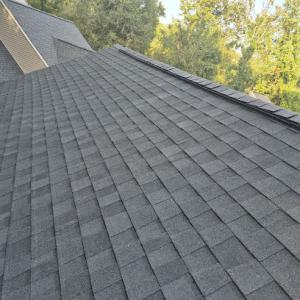
We are a certified MBE and woman-owned roofing company serving Maryland and Pennsylvania, backed by over 20 years of hands-on roofing experience and 5 years proudly operating in the community. We provide roof repairs, full roof replacements, storm damage inspections, and exterior home services with a focus on honesty, quality workmanship, and reliable communication. Whether you need leak repairs, shingle replacement, or a full roof installation, we offer free estimates and detailed evaluations. As a local small business, your home’s protection and satisfaction are our top priorities.
ALH Roofing
(410) 652-7744 www.alhroofing.com
3018 Creswell Rd, Aberdeen, Maryland
5.0 from 9 reviews
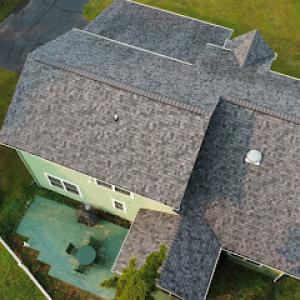
Based in Aberdeen, Maryland, ALH Roofing provides superior residential roofing to Maryland homeowners, from Baltimore to the Eastern shore, and everywhere between. We professionally deliver all phases of roofing promptly at a competitive price and with a thorough cleanup. We can help with all of your Roofing, Siding and Gutter needs.
Generations Roofing & Remodeling
(443) 553-4236 generationspc.com
Serving
4.9 from 37 reviews
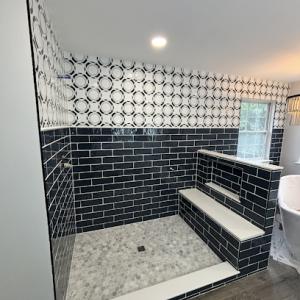
Generations Roofing & Remodeling is a veteran-owned contractor trusted for durable roofs and high-quality remodels. We specialize in roof repair, roof replacement, and roof inspection across asphalt shingle roofing, tpo roofing, and epdm roofing, including insurance coordination. Indoors, we deliver bathroom remodel projects with custom tile shower craftsmanship and kitchen updates with custom cabinetry. Outdoors, we’re a composite deck builder and trex deck builder, plus we handle siding replacement, vinyl siding, gutter installation, windows, and doors. Expect clear communication, clean sites, and strong warranties. Call today for a free estimate.

Matter Roofing & Construction
(443) 843-0392 www.matterconstruction.co
Serving
5.0 from 51 reviews
Matter Construction is a full-service general contractor delivering real-world solutions in roofing, exteriors, decks, and interiors. We give property owners the great pricing of a local expert, backed by the quality assurance of an established construction firm. We proudly serve Maryland, Virginia, and Pennsylvania.

1st Amazon Roofing
(443) 924-5876 1stamazonconstruction.com
Serving
5.0 from 48 reviews
*FREE ESTIMATES* I am Licensed, Insured, Bonded, & Minority Certified with over (20+) years of experience in this Industry. I offer the following services: -Roof Certifications -Roof Inspections -Roof Repairs (All Types of Roofing) -Roof Replacement (All Types of Roofing) -Siding -Gutters -Downspouts & more
Harford Roofing & Exteriors
(443) 292-6020 harfordexteriors.com
Serving
5.0 from 94 reviews
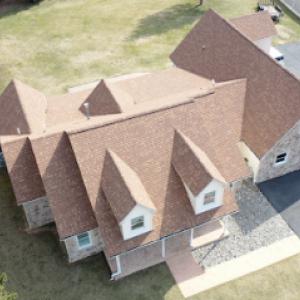
Harford Roofing & Exteriors, located at 407 Congress Avenue, Havre de Grace, MD, is your trusted local roofing company providing exceptional roofing services and exterior remodeling. Specializing in roof replacement and repair, we are recognized as the best roofing company in Harford County and beyond. As a leading roof repair company, we cover commercial roofing needs and offer expert flat roof repair near you. Our services extend to siding, gutters, windows, doors, and solar installations, ensuring top-notch quality and customer satisfaction. Contact us for reliable and affordable solutions that protect your home or business, where quality and transparency meet.
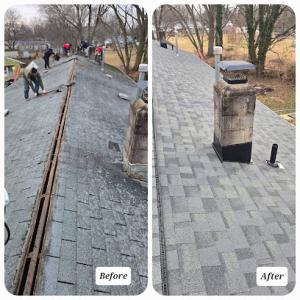
On Top Of Our Job
(443) 528-7505 www.ontopofourjob.com
Serving
5.0 from 55 reviews
"On Top Of Our Job" is a family owned and operated roofing company that takes pride in the quality of our work. We offer a wide range of services, including gutter cleaning, siding repairs, roof repairs, roof replacements and full installations. We ensure all of our services are long-lasting and are provided with top-notch efficiency. We are fully licensed and insured and our company provides nothing but honest service with no hidden fees.
Polk Contracting
(410) 994-2801 www.polkcontractinginc.com
Serving
4.9 from 79 reviews
For the Maryland areas we serve, Polk Contracting, Inc. has become a name synonymous with home improvement expertise. Our BBB-accredited team can install, replace, and maintain roofing, siding, gutters, doors, and windows for homes and businesses in Maryland. With our professionally trained technicians and quality products, Polk Contracting, Inc. can surely meet your needs.
Rays Harford Home Improvement Contractors
(410) 893-3037 raysroofingharfordcounty.com
Serving
4.9 from 139 reviews
Ray's Harford Home Improvement Contractors is a third-generation roofing company that has been in business since 1959. We have more than 62 years of experience, making us the oldest contracting company in Harford County. We have an impeccable service record and take great pride in our workmanship.
Old Line Homes
(410) 879-2055 oldlinehomes.com
Serving
5.0 from 59 reviews
Old Line Homes is a roofing contractor in Bel Air, MD serving Bel Air, Harford County, Forest Hill, Fallston, and nearby areas. Our roofing company offers residential roofing, asphalt shingle roofing, metal roofing, EPDM Roofing, TPO Roofing, and more. We also specialize in siding, gutter, door installation and window services. Customers love us because of our comprehensive roof warranties and our affordable roof financing options. We also have industry affiliations and certifications such as GAF Master Elite, and many more. If you want to experience how your most trusted Bel Air roofing company embraces our motto "Building Better Roofs for a Safer Tomorrow.", call us now for a free estimate!
Top Quality Remodeling & Restoration
(410) 844-3111 www.tqrmaryland.com
Serving
5.0 from 153 reviews
For over 40 years, Top Quality Remodeling has been the trusted name in roofing and restoration throughout Harford County, Maryland. Our expert team specializes in commercial and residential projects, as well as emergency repairs, using only the highest-quality materials for lasting results. When you need reliability, craftsmanship, and top-tier service, we’re the company to call. Contact us today for a free estimate and experience the difference of true professionalism!
Tar Heel Construction Group
(410) 671-0735 tarheelconstructiongroup.com
Serving
5.0 from 747 reviews
Tar Heel Construction Group is a premier, award-winning roofing and exteriors contractor serving Baltimore County, Harford County, and Cecil County. We specialize in high-quality roof and siding replacements, repairs, maintenance programs, solar and gutter installations. As a family-owned business, we prioritize accountability, personalized service, and exceptional workmanship to provide our customers with the best possible experience. We're committed to upholding our reputation as a trusted and dependable provider of superior services and products, while making a positive impact in the community. Tar Heel Construction Group believes that honesty, integrity, and transparency are key to building lasting relationships with our customers.
Asphalt shingles are the dominant practical choice for homes in this area. The local climate - humid summers, winter freeze-thaw cycles, and regular wind exposure - makes installation quality and sealing details especially important. When choosing asphalt, you'll want a premium strip shingle with a solid sealant system and a robust attic ventilation plan. Prioritize a reputable installer who uses proper nailing patterns and flashing around penetrations. In homes with complex rooflines or near tree lines, consider extra sealant or tape products around vents and valleys to reduce wind-driven leaks during storms.
Metal roofing has a meaningful local presence and is often considered by homeowners looking for better wind performance and lower maintenance in Harford County's wet, four-season climate. If you lean toward metal, pay close attention to panel thickness, corrosion resistance, and the quality of sealant joints at ridges and transitions. Metal can shed wind-driven rain efficiently, but improper panel alignment or flashing that doesn't snug tightly to chimneys, skylights, or vents can create leaks after a strong gust. Choose a metal profile with a secure, continuous underlayment and a clipped or concealed-fastener system installed by experienced crews who understand the local wind patterns along the upper Chesapeake Bay corridor. Regular inspection after storms helps catch loose edges or perforations early.
Slate, clay tile, concrete tile, and synthetic/composite products appear in the market, but their suitability in Aberdeen depends heavily on structural load, flashing quality, and whether the home's framing can support heavier systems. Slate and concrete tile demand careful assessment of roof framing, rafter spacing, and edge support; improper installation can lead to cracks or rapid deterioration under freeze-thaw cycles. Clay and concrete tiles perform well under wind loads when properly installed, but their weight requires precise structural calculation and a reinforced deck. Synthetic/composite options offer a balance of weight and durability, yet still rely on solid flashing and correct slope for optimal performance in this climate. If considering these heavier products, have a licensed roofer evaluate structural support and confirm compatibility with existing underlayment and fasteners.
Across all materials, the details matter more here due to frequent storm-driven rain and wind events. Pay particular attention to flashing around chimneys, vents, skylights, and transitions between roof planes. In windy scenarios, even minor gaps become pathways for water intrusion. Insist on high-quality underlayment and carefully sealed penetrations. The choice of fasteners, sealants, and overlapping joints should align with the expected wind category for your neighborhood and the latest recommendations from manufacturers. A well-coordinated, detail-focused installation pays dividends when storms roll through the upper Chesapeake Bay corridor.
A full roof replacement in Aberdeen typically requires a building permit through the Harford County Department of Permits and Inspections rather than a separate city-only roofing permit path. This means your project code review, plan submittals, and permit issuance will follow county rules and timelines rather than a municipal checklist alone. Before any new shingles go on, confirm that the permit is active and that the scope of work aligns with county zoning, setbacks, and roof venting requirements. This is particularly important after a storm, when property owners may be anxious to move quickly but still must satisfy county standards to avoid delays during inspection.
The permitting process in this jurisdiction centers on your project's mechanical and structural details as they relate to Harford County codes. Expect that a licensed contractor will need to prepare plans or a project description that shows the roof replacement size, type of underlayment, roof venting strategy, flashing around dormers and chimneys, and drainage considerations to prevent sagging gutters and water intrusion. If your home has complex features-such as a steep pitch, multiple dormers, or nonstandard eave details-be prepared for a more thorough plan review. In practice, the county aims to verify that improvements won't compromise attic ventilation or create drainage issues that could fuel future leaks, especially after frequent wind and rain events seen along the upper Chesapeake Bay corridor.
Inspections in this jurisdiction are scheduled during and after the work, with attention to flashing, ventilation, and drainage details before final approval. During the project, expect an inspection to verify that decking, underlayment, and flashing meet code, and that ventilation provisions-soffit vents, ridge vents, and any vented attic zones-are installed to prevent moisture buildup. The inspector will also check flashings around skylights, chimneys, and wall penetrations to ensure they are properly sealed against wind-driven rain, which is a common concern after Nor'easter-level gusts. If gaps or improper sealant are found, a contractor may need to return to correct the issues before progressing to downstream stages like shingle installation and finalizations. Scheduling flexibility matters here: weather windows or storm recovery timelines can influence when inspections are permitted, so coordinating with both the contractor and the county inspector helps avoid backlogs.
A final inspection is required upon completion, so Aberdeen homeowners should plan project timing around county scheduling rather than assuming a same-day closeout. The final review confirms that the installed materials, flashing details, ventilation, drainage features, and overall workmanship meet the applicable codes. It also serves as the official closeout for the permit, binding the project to county compliance. To streamline this step, keep a well-organized packet ready for the inspector that includes the permit number, contractor license details, photos of critical stages (decking, flashing, venting), and any change orders that occurred during the job. If the county schedules delays, have a contingency plan for accessing the property for the final inspection date so that the closeout process isn't stalled. In this climate, where rapid storm-related repairs are common, understanding and aligning with Harford County procedures helps ensure a compliant, leak-resistant roof once the project completes.
In Aberdeen, pricing is best understood per square (100 square feet). Asphalt shingles sit at the lower end of the market, with typical total costs around 450-700 USD per square installed. Metal roofing stretches higher, generally 700-1200 USD per square. For those considering heavier surfaces, clay tile runs roughly 1200-2500 USD per square, concrete tile about 1000-1800 USD, synthetic/composite shingles 500-900 USD, and slate significantly higher at 2000-4000 USD per square. These ranges reflect local material and labor norms, and they serve as a practical baseline when you're evaluating bids after a storm.
After a strong wind, rain, or hail event, costs can spike quickly as quick-response crews, tarping, and re-roofing capacity are stretched across Harford County. In Aberdeen, the surge tends to push contractors to front-load materials and mobilization, which can raise per-square prices for urgent work. If a storm hits and several roofers are tied up, you'll notice shorter windows for scheduling and potentially premium rates for expedited service. Budget with a buffer for delays, particularly if a large area experiences damage simultaneously.
Material choice matters more here because heavier systems-slate, clay, and concrete tile-may require added structural evaluation on homes not originally designed for them. If a frame or rafters show signs of weakness after a wind event, installation of a lighter system could become the safer and more economical route. In many cases, a rapid assessment will reveal whether a heavier surface is feasible without reinforcing the underlying structure, and that assessment guides both cost and project duration.
When evaluating bids, consider the balance of upfront material cost, expected lifespan, and the likelihood of needing additional structural work. Asphalt remains the most economical and fastest to install, which is often a practical choice after storm-driven damage. If the home already has a heavier roof, slate or concrete tile can deliver longevity but expect higher install and potential reinforcement costs. Always compare warranty terms and how they align with the local climate and debris exposure.
Get a clear picture of your project costs upfront - no commitment required.
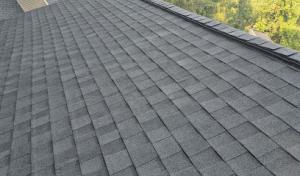
1st Amazon Roofing & More
(410) 285-1134 www.1stamazonconstruction.com
214 W Bel Air Ave Suite 202, Aberdeen, Maryland
5.0 from 11 reviews

In Maryland, Aberdeen homeowners typically need contractor estimates, photos, and roof-age information when filing wind or hail claims. When a storm lets loose off the upper Chesapeake Bay corridor, the damage can be uneven-sometimes confined to a single block or a handful of homes. Having clear, dated photos from multiple angles and a simple timeline of when problems appeared helps your claim move without guesswork or delays.
Carriers may request an independent roof report or a detailed photo set before approving replacement, which matters in Aberdeen because many claims follow localized storm events rather than regionwide catastrophes. If your insurer asks for a third-party assessment, be prepared to coordinate promptly. A quick turnaround on these requests signals seriousness and can prevent your roofer from losing available weather windows for repairs.
There is no broad statewide insurer pullback defining this market, but claim handling can vary by company, so Aberdeen homeowners benefit from documenting damage immediately after storms. After a gusty event, check for missing shingles, lifted edges, granule loss, and any interior signs of water intrusion around attic hatches or ceilings. A homeowner who records findings the same day reduces back-and-forth and helps the adjuster see the scope more accurately.
Your photos should show close-ups of damaged shingles, flashing, vents, and any visible leaks, alongside wider shots of the roof and surrounding property. Keep a simple log of weather conditions, dates, and communication with the insurance company. If there were nearby trees or debris that contributed to the damage, note that too. This context can matter when the insurer evaluates cause versus wear and tear.
When speaking with the adjuster, present your documentation in a clean, organized way. If a contractor estimate is required, ensure it reflects the same scope as the photos and the observed damage. Ambiguities in your documentation can slow a claim or prompt unnecessary questions. The goal is to convey a honest, precise picture of the roof's condition and the expected path to repair.
Connect with contractors who help homeowners navigate the claims process from damage assessment to final approval.
ALH Roofing
(410) 652-7744 www.alhroofing.com
3018 Creswell Rd, Aberdeen, Maryland
5.0 from 9 reviews
Cold winters in this area can delay installation and affect shingle handling, with freezing conditions increasing the risk of ice-related edge problems and brittle materials during repairs. Before work begins, verify that the roof is as dry as possible and that contractor crews have heat sources and optional temporary coverings to minimize ice dam formation. When temperature forecasts dip below freezing, avoid heavy material handling on steep or slick slopes, and sequence tasks to prevent prolonged exposure of exposed underlayment. If a leak appears during a thaw, inspect flashing and edge details first, since ice can lift or micro-crack weak points where shingles meet the edge. Temporary sealing should prioritize the drip edge and valleys, then move to more permanent repairs when temperatures stabilize.
Warm, humid summers in Aberdeen put extra pressure on attic ventilation and can accelerate moisture-related roof system wear if intake and exhaust are unbalanced. Check that attic vents are clear and that soffit intake does not get blocked by insulation or stored items. In peak heat, the expansion and contraction cycle can stress fasteners and sealants; plan repairs for cooler parts of the day and use thermally compatible sealants. If attic humidity remains high, consider adding a temporary dehumidification strategy during repair windows to reduce condensation on underlayment. Proper ventilation helps prevent mold and wood deck deterioration that can mimic roof leaks.
The city's regular rainfall means flashing, drainage paths, and roof-to-wall transitions need close attention to avoid recurring leaks between major storm events. Inspect transitions after heavy rains for any pooling or seepage around chimneys, vent stacks, and skylines, and reseal with materials rated for wet conditions when safe to do so. Ensure that drainage paths from the roof edge to the gutters are clear and that downspouts discharge away from the foundation. When performing repairs, prioritize proper sealant adhesion on damp surfaces and recheck after the next heavy rain to confirm the fix holds under Aberdeen's typical storm cycle.
Skylight work is a meaningful specialty in this area's contractor market, and you will hear about failed skylight flashing and surrounding shingle transitions in common service calls. The flashing around the skylight is a tiny seam with big consequences when it ages, shifts, or takes a hit from a hail event. In rain-and-wind patterns, those small gaps can channel water right into the attic before the rest of the roof shows a leak. After a storm, you should inspect the skylight curb, flashing, and sealant line for any loosening, cracking, or lift. If you notice moisture staining near the skylight interior, or if the surrounding shingles appear bubbled or lifted, treat it as an urgent flashing concern rather than a cosmetic issue.
Chimney-related work appears frequently in local contractor profiles, pointing to chimney flashing and masonry intersections as recurring leak locations on area homes. The transition where metal flashing meets brick or stone can deteriorate quickly with our wind-driven rain. Look for white efflorescence, cracked mortar, or displaced flashing at the base and around the sides of the chimney. Water tracks behind the flashing and can travel down the masonry into the attic or ceiling framing. Sand and debris in the valve of the flashing often indicate a failed seal. If you notice damp spots along the chimney chase or dark stains on interior ceilings near the chimney, address the flashing first before you chase issues in the roof field.
In Aberdeen's rain-and-wind pattern, penetrations and transitions often fail before the main roof field, so homeowners should inspect these details first after storms. Start with skylights and chimneys, then work outward to vent pipes, exhausts, and transitions at rake and eave lines. A quick exterior check after a storm-shingle lift, flashing gaps, or torn sealant-can save interior damage. If you see dampness, accelerated wear on flashing, or loose materials, arrange a prompt assessment from a contractor who specializes in flashing and seamless transitions.
Find contractors experienced in skylight installation, flashing, and leak repairs to bring natural light into your home.
Rays Harford Home Improvement Contractors
(410) 893-3037 raysroofingharfordcounty.com
Serving
4.9 from 139 reviews
Tar Heel Construction Group
(410) 671-0735 tarheelconstructiongroup.com
Serving
5.0 from 747 reviews
Flat-roof work exists here, but it's not the dominant roofing style. You'll see flat sections mainly on additions, porches, garages, and a fair share of commercial or mixed-use buildings. When present, these areas often connect to steeper main roofs, creating transitions that require careful detailing to avoid leaks where different roof planes meet. In practice, a well-executed flat section should complement the primary roof while addressing local drainage challenges.
Aberdeen's weather pattern brings regular rainfall that tests low-slope sections more than steeper surfaces. The key in this area is a flat or low-slope design that emphasizes reliable drainage and prompt water shedding. Pay close attention to edge termination, scuppers, and interior drainage paths where water can pool. Over time, standing water on low-slope areas can lead to membrane wear or fasteners loosening, especially near transitions to steeper roofs or into porches and garage roofs. When planning replacements or repairs, ensure the slope, membrane type, and curb details align with long-term drainage expectations for Harford County's climate.
County inspections will focus on drainage details when a replacement includes low-slope zones or transitions between roof types. This means that the way a flat area ties into edging, parapets, and adjacent slopes matters as much as the material choice. A common pitfall is underestimating how parapet flashings and drain terminations perform under Aberdeen's wind-driven rain. Expect inspectors to verify that flashings are continuous and that membrane seams are properly sealed at transitions, not just on the visible surface. For owners, durable transitions reduce the risk of water intrusion during heavy storms and seasonal freeze-thaw cycles.
After a wind or hail event, inspect flat sections for punctures, blisters, or seam separations. Because standing-water issues can mimic or mask damage, use a careful, upstairs-to-down approach when assessing the roof. Document damage with photos showing edge details, flashings, and interior signs of moisture near ceilings or attic spaces. When filing insurance claims, tie observations to specific drainage features and transitions between roof types, and keep a log of dates and weather conditions to support the claim. A proactive, staged repair approach-addressing the flat sections first while coordinating with any steeper-roof repairs-is a practical path for storm-driven damage in this area.
Find specialists in TPO, EPDM, and built-up flat roofing systems for residential and commercial properties.
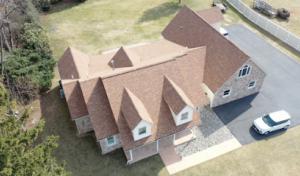
Aberdeen homeowners prioritize quick response, thorough cleanup, and solid re-roofing experience when storms hit. When you call after a wind or hail event, look for a contractor who can estimate quickly, show up promptly, and start a clean, organized tarp or temporary protection plan right away. A firm with a clear drive-by or on-site assessment, plus a documented timeline for repair, helps you avoid lingering leaks and weather-related delays.
The local market includes many long-established, family-owned firms. Tenure and responsiveness are meaningful differentiators. Ask how long the company has served Harford County, who handles service calls, and whether a local supervisor will be on site during the job. A firm with a stable local crew tends to manage cleanups and re-roofing more predictably after heavy rain or wind events.
Manufacturer certification, licensing, and warranties exist but aren't universal here. Verification matters. Request current state licenses, proof of insurance (general liability and workers' comp), and specific manufacturer credentials if you're considering asphalt, metal, or tile systems. Confirm that the contractor will honor the manufacturer's warranty through ongoing supervision and proper installation. If a subcontractor is used, verify the main contractor's coverage remains active.
Storm-driven damage often requires quick, targeted repairs to curb leaks, followed by a full re-roof if needed. Prioritize firms with proven experience handling rapid-response leak service, temporary covers, and insurance-friendly documentation. Ask for recent storm projects, references from neighbors, and photos showing storm-related repairs from start to finish.
Expect a straightforward on-site process: a thorough damage assessment, a written scope of work, and defined communication points. A local roofer should provide you with a single contact for questions, a realistic schedule, and daily or periodic updates during the project, especially when weather windows dictate timing.