
Last updated: Apr 19, 2026
Elkton homeowners commonly deal with roof damage after spring and fall storm systems rather than a single dominant disaster season. That seasonal pattern means the window for catching damage early is narrow and unpredictable, right when temperatures can swing from thaw to freeze in a heartbeat. The combination of freeze-thaw cycles and moisture lingering in roof layers creates a steep risk: an opening uncovered by wind-driven rain or hail can widen in a matter of days, then freeze and push shingles, underlayment, or decking out of alignment. Fast action is not optional-it's essential to prevent escalating leaks, interior moisture, and more costly repairs down the line.
During spring, intense storms bring gusty winds and heavier downpours. In fall, lingering humidity and occasional late-season systems keep moisture levels high as temperatures dip. In both cases, storm-driven damage can appear as shingle lifts, displacement, or granule loss that looks minor at first glance but leaves a hollow hull for water intrusion. Because the market leans toward emergency repair demand, the fastest response matters even more: a prompt tarping, temporary containment, and secure temporary closures can stop water from creeping into attic spaces and living areas during a gear-shift weather week. Missing that window increases the chance that a simple patch becomes a major re-roof decision.
A rapid containment plan is the first line of defense. When a leak is suspected, every hour counts. Start by locating the most obvious source-water marks on ceilings, spots around chimney flashing, or drips along interior walls-then implement immediate temporary measures. Use sturdy waterproof tarps or plastic sheeting secured with fasteners or landing nails to seal the area most likely to admit more moisture. Clear debris from gutters and downspouts so any rainwater can drain away rather than pooling on a compromised surface. If a roof opening is visible, a temporary patch should cover it securely until a professional assessment arrives. The goal is to reduce active water flow and stop deterioration of decking or insulation before the next temperature drop amplifies the damage.
As soon as the weather eases, conduct a risk check of obvious problem spots: ridge lines, hips, valleys, and flashing around vent pipes. Look for curling or blistering shingles, gaps along the chimney chase, and any daylight visible through attic access. Document damage with photos from ground level and from the attic if safe to access. Contact a local contractor with a track record of emergency storm work; the best teams can be on site within hours for urgent containment and can schedule a detailed assessment promptly. While on-site, insist on a temporary leak barrier that can hold through a few cold nights and a quick plan for mitigations that won't leave vulnerable areas exposed in a freeze.
In Elkton, the demand for rapid storm-damage repairs signals that the most reliable contractors balance speed with solid, weather-aware assessment. Ask for a clearly explained triage plan: immediate tarping, a leak containment strategy, a prioritized repair map, and a timeline for each stage. Clear communication about what to expect next-whether it's shingle replacement, flashing reseal, or deck repairs after a storm-helps homeowners minimize further risk during the next cold snap. A trusted local team will arrive with portable weather-ready materials and a documented path to restore tight, weatherproof confidence in your roof.
Jarochos GC Roofing Specialist
(443) 553-6104 www.jarochosroofing.com
238 Melbourne Blvd, Elkton, Maryland
5.0 from 6 reviews
Welcome to Jarochos GC Roofing, your trusted source for expert roofing, siding, and gutter services across Pennsylvania, Maryland, Wilmington, Dover, and Newark. As premier roofing contractors, we pride ourselves on delivering unparalleled craftsmanship and top-notch customer service. Whether you need roof repair in Wilmington, gutter replacement in Newark, or siding installation in Dover, our experienced team is dedicated to exceeding your expectations. With a focus on quality materials, precision workmanship, and attention to detail, we ensure your complete satisfaction with every project.

Grablis Roofing Specialist
(443) 350-8244 roofingrablis.com
351 Childs Rd, Elkton, Maryland
3.9 from 11 reviews
At Grablis Roofing Specialist, we have built a strong reputation for providing top-notch roofing services to homeowners and businesses in Elkton, MD, and the surrounding areas With years of experience in the roofing industry, we specialize in both metal roofing and asphalt shingles, offering a wide range of high-quality services to meet your unique needs. Whether you’re installing a new roof, repairing damage, or maintaining an existing one, we are committed to delivering reliable, long-lasting solutions, ensuring your roof provides optimal protection and durability for years to come.
GSM Roofing
(800) 532-7663 www.gsmroofing.com
1633 Elkton Rd, Elkton, Maryland
4.0 from 4 reviews
GSM Roofing is a leading commercial and specialty roof contractor that’s been serving customers for over six remarkable decades. We can install almost any roof type on the market – flat, low or steep slope – while delivering top-notch quality, safety and service. Our team will work with you to design a roof system that’s right for your building and budget. And each of our craftsmen has his own specialty, which allows us to deliver value and expertise that other roofing contractors can’t offer. We are a trusted commercial and specialty roofing contractor and service provider located in Elkton, MD & Ephrata, PA. We serve all of PA, MD, DE, and NJ.
Class Roofing
(302) 405-2392 roofingwithclass.com
Serving
5.0 from 219 reviews
Reach out to Class Roofing today to arrange your roofing and gutter services. Our friendly team will happily answer your questions and work with your schedule to find an appointment time that suits your needs. We pride ourselves on responding quickly, working efficiently, and getting the job done right. Contact us today to get started.

G. Fedale Roofing & Siding
(302) 527-6825 www.gfedale.com
Serving
4.9 from 10 reviews
G. Fedale Roofing & Siding has been a competitive leader in the home improvement and commercial roofing industry since 2002. Gaining a major market share through the specialized talents of our employees, we pride ourselves on the success of our rapidly growing company. We are dedicated to the highest install and repair standards and our extended workmanship warranties guarantee coverage long after work is completed. Our mission at G. Fedale is to provide the best value and craftsmanship for our customers and the communities we serve through service, education and commitment.
Advance Inc - Roofing Windows Siding Doors & Decks
(302) 324-8890 www.advancemyhome.com
Serving
4.9 from 286 reviews
Advance is the premier exterior home improvement contractor for Southern Pennsylvania, Delaware and Eastern Maryland. We specialize in Window Replacement, Roofing, Doors and much more.

CTA Exteriors
Serving
5.0 from 46 reviews
CTA Exteriors is Newark, DE’s trusted choice among local roofing companies, known for honesty, craftsmanship, and five-star customer care. Our experienced team provides expert roof installation, roof repair, and roof replacement for homes and businesses. Every project is handled with precision and respect, using durable materials built to last through Delaware’s changing weather. Homeowners count on CTA Exteriors for clear communication, dependable timelines, and lasting results. Whether you need a small repair or a full replacement, we make the process simple and stress-free. For quality you can see and trust, CTA Exteriors is the name Newark turns to for reliable roofing done right.
Perfect Roofing
(302) 743-1968 www.perfectroofing.us
Serving
5.0 from 57 reviews
Perfect Roofing is a trusted local roofing company serving Newark, Wilmington, Greenville, Bear, and surrounding Delaware communities. We specialize in full roof replacements, storm damage repairs, roof inspections, and emergency leak fixes. Our team works with all roofing systems, including asphalt shingles, flat roofs, and metal roofing. Whether you're in a historic Wilmington home or a large Greenville estate, we bring expert craftsmanship, honest pricing, and fast response to every job. Licensed, insured, and Google Guaranteed—contact us today for reliable roofing done right.
Rock Roof
(302) 757-2350 www.rockroofingde.com
Serving
4.8 from 45 reviews
With over 30 years of roofing experience, Rock Roofing was established in 1985 by second generation roofer, Ted Rock. The goal was, and still is, to provide homeowners in Delaware, Maryland and Pennsylvania with highly skilled roofing services at a fair price. Rock Roofing has relied primarily on word of mouth versus advertising to keep overhead to a minimum, so these savings could be passed on to our loyal customers. Residential and Commercial Rock Roofing prides itself in being roofing specialists and experts.
Alfaro Enterprises
(302) 832-3930 alfaroenterprises.net
Serving
5.0 from 7 reviews
Roofing, Siding, Gutters & Windows installation and repair in New Castle County, Delaware and surrounding counties. Residential and commercial projects including Shingle & Flat Roofs, Siding, Metal, Gutter Protection, Window Installation & Replacement and Exterior Cleaning & Powerwashing.
Dynamic Remodel & Repair
(302) 543-5573 dynamichomeremodel.com
Serving
4.9 from 153 reviews
Dynamic Remodel and Repair is a family-owned roofing, siding, decks, windows and doors contractor located in Wilmington, DE. Dynamic Remodel and Repair serves residential customers in New Castle County, PA, Southern Chester County PA, and in Southeastern Pennsylvania like Montgomery County, PA and Delaware County PA. We have been providing a wide array of services including roof replacements, roof repairs, siding replacement, siding installation, window replacements, and other exterior remodeling services for over 15 years. Apart from our roofing expertise, you can always trust Dynamic Remodel and Repair for your home improvement needs. We provide free on-site estimates and have financing available. Contact us today for more information!
A. Parker Contracting
(302) 377-1193 www.delaware-roofing.com
Serving
5.0 from 31 reviews
A. Parker Contracting, the best local, small family run companies for roofing Wilmington DE residents use, has been installing and repairing roofs in Delaware and surrounding areas for over 40 years. As one of the top roofers Wilmington DE residents utilize, A. Parker Contracting believes in keeping it simple. Our customers deserve the highest quality materials, professional installation, a reliable labor warranty & the lowest possible prices. As the most efficient roofers in Wilmington DE, we deliver exactly that. We pride ourselves as the Wilmington DE Roofers that listen to your needs and deliver the exact product you are looking for. One call does it all, with A.Parker Contracting, your roofer Wlimington DE loves!
The cold-season freeze-thaw cycle is a steady driver of wear in this area. When moisture penetrates the roof surface and freezes, it swells and expands, stressing shingles, flashing, and any vulnerable roof penetrations like vent pipes or skylights. In practice, that means small, barely perceptible wrinkles or hairline cracks can grow into more noticeable leaks after a few cycles, especially around roof edges and near chimney details. Trapped moisture in layered roofing materials or under worn sealant can degrade the grip of flashing, creating leak pathways that aren't obvious from the ground. This is not a one-and-done problem; repeat freezing and thawing over seasons compounds deterioration and shortens the life of the roof you already have.
Winter snow and freezing conditions slow down both performance and logistics. Snow loads complicate the task of inspecting or making discrete repairs, sometimes masking trouble spots until spring thaws reveal the true extent of damage. Frozen sidewalls, ladders, and skylight flashing become more brittle, increasing the risk of burst seams or torn membranes during maintenance. Scheduling a full replacement in the middle of a deep winter is rarely practical here, not just because of harsh footing, but because installation materials and crew access are less reliable in prolonged cold. In this area, the practical window for major work tends to be spring through early fall, when moisture intrusion can be controlled more predictably and crews can move with safer, steadier conditions.
In Elkton, aging shingles that look fine from the street can hide trouble up close. Pay attention to the undersides of shingles at the eaves, where ice dams and accelerated wear from freeze-thaw cycles show first. Loose or protruding flashing around chimneys, vents, and valleys is a red flag; these points are natural pinch-points for moisture and stress. Look for granule loss in asphalt shingles, which accelerates aging by exposing the underlayment to temperature swings. If a rapid thaw follows a cold snap, examine attic breathability and any signs of condensation that could indicate marginal underlayment conditions. The goal is to catch soft spots before a winter storm turns them into active leaks.
Preventive measures focus on sealing weak points and improving resilience to moisture. Regular, light maintenance to clear debris and ensure proper drainage helps keep meltwater away from vulnerable flashing and penetrations. Addressing minor flashing lift, re-calking around penetrations, and confirming roof edge integrity can make a tangible difference when the next freeze-thaw cycle begins. For homes with visible aging around vent stacks or chimney connections, consider targeted resealing and, if warranted, more substantial flashing upgrades that can tolerate temperature-driven movement without cracking. While full replacement is not always immediate, reinforcing critical failure points now can extend the useful life of the roof and reduce the severity of spring leaks.
Leaks tend to emerge after thaw periods that follow a cold snap, when hidden damage becomes obvious as water migrates inland. In such moments, focus on rapid, temporary containment to limit interior damage-patching with temporary sealants at obvious entry points and directing water away from walls and ceilings. Then schedule a professional inspection promptly to map out the worst-affected areas and verify whether flashing, underlayment, or shingle integrity needs immediate attention. In a climate where winter moisture intrusion and installation complications are real, timely response is essential to prevent small issues from becoming major repairs.
In Elkton, full roof replacements are typically planned from spring into early fall to avoid winter moisture problems and the worst summer heat exposure. That means coordinating a tear-off, dry-in, and shingle installation for windows and surrounding wall transitions during a window of milder weather. If a replacement is timed for spring, expect the project to drag a bit if heavy rain lingers, but you gain a solid window for underlayment inspection and attic vent checks before the heat of late summer. Planning with a practical stage-by-stage sequence helps prevent delays tied to unexpected cold snaps or scorching afternoons.
Spring storms in the Elkton area can both reveal hidden roof weaknesses and delay active projects because heavy rain and wind interrupt tear-off and dry-in schedules. When a blower or a downpour shows up mid-teardown, protect interior spaces by sealing penetrations and covering exposed areas promptly. Keep the crew's plan flexible: tarping, temporary leaks stops, and prioritized sequencing for high-risk sections (valleys, chimneys, vent openings) can save time. If a storm hits, your best course is to secure loose materials, document any preexisting damage, and coordinate with the contractor to reassess the dry-in timeline once the weather stabilizes. This approach minimizes the chance of moisture intrusion into attic spaces or along roof-to-wall transitions, which is especially critical as you monitor potential impact on replacement windows and surrounding barriers.
Fall leaf buildup is a local maintenance issue because retained debris and moisture can affect underlayment edges and attic ventilation performance before winter. Debris trapped around edges can obstruct proper water shedding and create micro-damages that influence where and how quickly a roof replacement proceeds. Before the first frost, perform a targeted debris sweep along eaves, around soffits, and at penetrations to keep ventilation paths clear. During installation, verify that attic baffles and intake vents remain unobstructed so that any new roof assembly breathes properly as temperatures drop. A clean, well-ventilated attic helps protect interior finishes and any adjacent replacement windows from condensation risks.
When a spring or fall weather swing produces a sudden leak, prioritize an immediate, temporary seal to protect insulation and interior furnishings. If a leak develops near a window line, review the flashing and step flashing at the wall intersection and around penetrations. Your best practice is to have a plan for rapid access to tarps and sealant, plus a short list of contact points for the contractor so crews can arrive quickly to perform a safe roof edge repair and prevent further moisture entry. Keeping a simple, pre-arranged leak-response kit on-site-tape, sealant, and a few tarp panels-reduces reaction time and helps maintain the integrity of both the roof system and nearby windows during the storm season.
Get a clear picture of your project costs upfront - no commitment required.
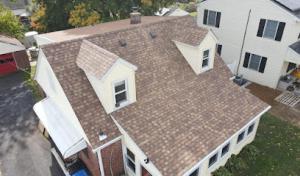
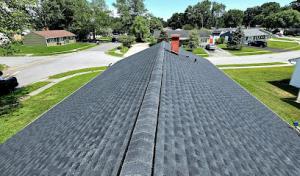
Asphalt shingles remain the backbone of Elkton's residential roofs, reflecting the area's large re-roofing market and broad affordability range. In the shoulder seasons, when freeze-thaw cycles and sudden storm gusts appear, asphalt typically offers reliable performance and straightforward repair paths. You'll see a wide spread of homes with this material, which means readily available workmanship and compatible underlayments for quick leak tackling when a spring or fall squall hits. For most houses in town, asphalt provides a balance of weather resistance, ease of installation, and manageable maintenance, making it the practical, go-to choice when a roof needs fast, effective restoration after storm-driven damage.
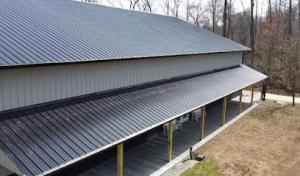
Metal roofing is well established in Elkton, chosen by homeowners who prioritize stronger performance against recurring weather exposure and seasonal temperature swings. In storms, metal panels can shed rain quickly and resist wind uplift more effectively than many other options, reducing the chance of punctures or blow-off events during high-wind days. If you're evaluating a roof that needs to endure rapid temperature changes between hot sun and cool fronts, metal delivers predictable behavior and a lower incident of granular loss. Keep in mind that flashing details and proper attic ventilation matter for metal installations, especially in older homes with timber framing or irregular roof-to-wall connections; a professional who understands local wind patterns can install these systems for fast leak response after a storm.
Tile, wood shake, and synthetic/composite roofs exist in the Elkton market but represent more specialized installations than standard asphalt re-roofing. Clay and concrete tiles offer exceptional longevity and a distinctive look, but their weight requires structural assessment and careful fastener planning to withstand seasonal temperature shifts and spring winds. Wood shakes deliver classic curb appeal and solid insulation but demand diligent maintenance and regular treatment to prevent water intrusion during wet springs. Synthetic or composite shingles provide good durability with lighter handling than traditional tile or wood, and they can emulate the look of natural materials without some of the heavier upkeep. For homes that already have a compatible structure and the surrounding roof geometry to support these materials, these options can be a strategic choice for targeted aesthetics or performance needs in storm-prone periods, but they require careful load, fastener, and flashing considerations to ensure reliable leak resistance when spring storms sweep through.
In Elkton, the roof replacement price ladder starts with asphalt shingles as the baseline. For most midpriced homes, you'll see asphalt shingles fall in a practical range of roughly 350 to 700 USD per square. When you compare that to metal roofing, the project moves into a higher per-square tier, generally around 700 to 1300 USD, which reflects both material durability and faster installation on many house shapes found in the area. If your home features a clay or concrete tile profile, plan for the higher end of the spectrum: clay tile typically runs from about 1000 to 2500 USD per square, and concrete tile from about 900 to 1600 USD per square. Wood shingles or shakes sit in a middle-to-higher range, often 550 to 1100 USD per square, while synthetic or composite shingles land around 450 to 800 USD per square. Elkton's housing stock tends to lean toward asphalt as the dominant baseline, with metal or tile options drawing a clear premium for longer life, heavier rain events, or stylistic choices.
Storm-driven demand spikes are a real factor in this market. After periods of heavy rain and wind, emergency repairs compete with planned replacements, which can shift scheduling and even put pressure on short-term pricing. If a hail or wind event hits a neighborhood bordering a watershed or along the shoulders of spring and fall storms, you may see a quicker lead time for materials and crews, followed by a tight window to complete the work before the next weather swing. Having a prepared budget that accounts for a potential rush charge or a compressed timeline helps avoid misaligned expectations when a storm creates a surge in demand. In practical terms, you'll typically see longer lead times for more complex installs (tile or metal) if storm demand is high, and asphalt projects often tighten up measurements and access only slightly in the same window.
For modest homes with standard roof lines, expect asphalt to be the most cost-efficient route, with typical square-foot coverage guiding the bulk of the budget. If a home has an impact-rated or long-lived profile, metal can be a favorable long-term investment even when the upfront price is higher. Tile options suit designs with stronger roof pitches or stylistic goals that align with higher long-term durability. In Elkton's climate, a careful blend of material choice, expected service life, and the season's weather outlook will help you land a replacement plan that minimizes leaks and maximizes return on investment.
Don't let upfront costs delay a critical repair - these contractors offer payment plans to fit your budget.
For roof work in this area, permits are typically handled through the Cecil County Department of Permits and Inspections rather than a separate city-only roofing office. That county-wide process ensures consistency with the county's building code expectations and drainage considerations for the Chesapeake corridor. When planning a roof replacement, treat the permit as a core milestone rather than an afterthought, since the county's review timeline can influence weather windows and material delivery.
Full roof replacement in Elkton generally requires a permit, with inspections scheduled during and after installation to confirm code compliance and proper installation. Even if a contractor offers a seamless tear-off-and-replace, the permit ensures fast-track acceptance of updated flashing, venting, attic ventilation, and underlayment requirements that match local climate demands. If any structural elements or add-on features (like skylights or vents) are involved, the permit review will explicitly cover those components.
Because Elkton homeowners work through a county-level process, permit timing and inspection coordination should be built into the project schedule before tear-off begins. Expect at least one rough inspection during the roof deck installation and a final inspection after the shingles, underlayment, and flashing are in place. The inspections are designed to verify proper nailing patterns, starter courses, and attic ventilation compatibility-crucial factors for performance through freeze-thaw cycles and storm swings typical of shoulder seasons.
Start the permit process as soon as the contractor confirms the project scope. Build in a buffer for potential re-inspection if the initial installation deviates from code recommendations. Communicate with the contractor about access needs for attic spaces and roof penetrations to ensure inspectors can reach critical areas without delaying the schedule. Have any required documentation ready, including roof plans, venting calculations, and material specifications, to avoid clearance delays.
Don't assume a permit can be skipped if the project seems minor; county review covers essential safety and drainage considerations. Don't overlook required inspections-timely access and coordinated inspector visits help prevent weather-driven hold-ups. Finally, align your chosen roofing system's installation method with the inspector's expectations to minimize the risk of rework or non-compliant sections after the job is complete.
In Elkton, roof insurance claims commonly center on wind, hail, and other weather-related damage rather than purely age-related wear. The jump in spring and fall storm activity means that a fast, well-documented report is often what gets a claim moving. Maryland insurers expect the damage to be tied to a specific weather event, with documentation that supports how the roof compromised performance.
Maryland insurers commonly require photos, documentation, and contractor estimates. When a storm hits, start compiling evidence promptly: wide-angle and close-up photos of the entire roof, interior signs of water intrusion, and timestamps from the date of the event. Keep repair estimates from a licensed contractor, plus any receipts for temporary safeguards like tarps or boards. This material matters in Elkton because storm-related roof calls are a significant part of the local market.
As soon as conditions allow, schedule an on-site inspection with a reputable local contractor who understands the common Elkton configurations-steep pitches, small/medium-size shingles, and the prevalence of wind-driven debris. Have the contractor provide a detailed written assessment that itemizes damaged components, potential secondary damage, and a recommended scope of work. The sooner this is ready, the smoother the claim process, since insurers rely on timely, accurate estimates to match coverage.
When the adjuster arrives, present the documentation in an organized packet and refer to the contractor's scope of work. Be clear about when and where the damage occurred and how it affects livable space or structural integrity. If coverage questions arise, request clarification in writing and consider a second opinion from a contractor if any claim items are disputed.
Avoid delaying a claim while weather systems shift or while minor leaks are ignored. Small leaks can become widespread damage quickly with spring and fall swings. Ensure all damage is documented before temporary fixes are removed, and keep a record of every communication with the insurer and contractor.
Connect with contractors who help homeowners navigate the claims process from damage assessment to final approval.

You notice in this market a noticeable demand for skylight work, and that means leak-prone roof penetrations are a recurring local service need. Skylights sit at odds with storm-driven weather swings: a flashing joint that looked solid in September can fail after a heavy March rain or a late October freeze thaw cycle. If a skylight or vent has low-profile flashing, plan for periodic resealing and check internal condensation signs. The key is to treat any flashing step around those penetrations as a potential failure point rather than a minor nuisance. A small drip over a sleeping area often signals a larger hidden flaw where the roof deck meets the flashing.
Chimney-related roofing work is also common, making flashing transitions around masonry a practical concern for many older and re-roofed homes. The masonry joints hold heat and moisture differently than asphalt courses, so the step flashing and counter-flashing need to play nicely with brick or stone. In homes with repointed or redone chimneys, the flashing can crack or pull away where mortar shrinks. Prompt resealing and re-flashing during maintenance saves you from broader leaks that can travel along the chimney chase and into ceilings.
Freeze-thaw exposure can compound problems at flashing details where water repeatedly enters and refreezes around penetrations. Elkton crews report that repeated cycles around vents, pipes, and flue chases leave hairline cracks that widen over seasons. The consequence is not just a drip in a closet but a weeping roof line that may undermine decking and insulation if ignored. Regular inspection after storms, and targeted resealing at first sign of moisture, keeps small fast leaks from turning into bigger headaches. A small moisture patch behind ceiling paint is not cosmetic only; it is a warning that the flashing system may be failing at multiple points. Address it promptly to limit damage.
Find contractors experienced in skylight installation, flashing, and leak repairs to bring natural light into your home.
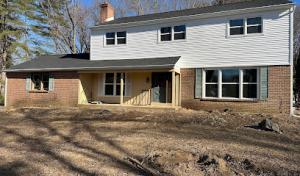
Jarochos GC Roofing Specialist
(443) 553-6104 www.jarochosroofing.com
238 Melbourne Blvd, Elkton, Maryland
5.0 from 6 reviews

Flat and low-slope roofing is a meaningful specialty in Elkton even though pitched residential re-roofing dominates the market. The climate patterns there push moisture and cold cycles right onto those surfaces, and the wrong choice or missed maintenance can bite you when the spring deluge hits or a fall wind whips through the corridor. In areas where water sits longer than expected, the material you chose and how the edges are flashed matter as much as the core roof assembly.
Elkton's pattern of heavy spring rain and fall moisture makes drainage reliability especially important on low-slope sections and additions. Subtle slopes and wide decks may look dry, but a shallow grade or a clogged internal drain can keep water ponding for hours. When warmer days follow a wet spell, that standing water invites accelerated wear and faster edge rot. A small gutter or scupper issue becomes a big leak path if neglected through shoulder-season swings.
Look for membrane blisters near transitions where parapets meet the main roof, or where patches were made years back. Seams between the main roof and a low-slope addition are common weak points, especially if the original install didn't fully address drainage paths. Flashing around vents, chimneys, and HVAC curbs often wears first in Elkton's freeze-thaw cycle after wet stretches. If you notice soft spots or damp insulation in the attic above a flat section, that's a red flag that water has found its way inside.
Prioritize clearing debris from scuppers and internal drains before every heavy rain forecast. Inspect flashing edges after storms for separation or calcium chloride staining from nearby siding treatments, and address any minor pooling promptly. Quick, conservative fixes now can avert a larger leak that would complicate winter rest and spring repair.
If you see new damp stains on ceilings below flat sections, bubbling paint where the roof meets flashing, or increasing edge corrosion, treat it as urgent. Elkton's unique mix of wet springs and cold snaps means delayed response compounds damage quickly, turning a manageable patch into a full roof or interior issue. Act with a plan, not a wait-and-see approach.
Find specialists in TPO, EPDM, and built-up flat roofing systems for residential and commercial properties.
After a storm, a fast assessment matters more than a glossy pitch. Look for a contractor who can translate a visible leak into a practical plan within 24 hours and who prioritizes quick emergency repairs if needed. Time-to-closure matters in this market, where active leaks can march behind attic spaces and drywall. When a contractor visits, ask for a written timeline that includes immediate temporary measures, material delivery, and a realistic date to complete the project. In shoulder-season swings, the ability to stage the work so the house is watertight quickly is a major trust signal.
Elkton homeowners are hiring heavily for re-roofing, so experience with replacement logistics matters more than showroom language. Favor contractors who can demonstrate a track record with similar housing stock-straight gabled roofs, compact dormers, and standard shingle layouts common to the area. Ask for references from nearby roofs that endured freeze-thaw cycles and spring winds, and verify how crews protect landscaping, driveways, and gutters during the project. A notable share of local teams are family-owned or long-established; that continuity often translates into steadier scheduling, reliable cleanup, and a clear point of contact if weather delays occur.
In this market, quick response, affordability, and cleanup are visible priorities. Gauge responsiveness by how promptly the office returns calls or emails and whether a project manager will be available on-site during critical days. Inspect the proposed cleanup plan: load-bearing debris containment, tarping of exposed areas, and a clean finish that minimizes splatter into flower beds or neighboring yards. Prioritize contractors who assign a dedicated crew for weather-driven repairs and who commit to a thorough final inspection to confirm lingering leaks or shallow fasteners aren't missed. A local team with established service promises of follow-up checks after storms can be a decisive advantage.