
Last updated: Apr 19, 2026
Tropical systems moving through the eastern Gulf can slam the Gulf side of Pasco County with little warning, and Hudson sits right in the strike zone. That means roof work scheduling becomes time-sensitive every hurricane season. In practice, that looks like locking in a trusted crew early, confirming a wind-ready roofing system, and lining up materials that stand up to salt spray and high winds. When you plan, align tear-off and dry-in windows to the typical Atlantic-season lull of storms that trickle in from the east Gulf rather than waiting for a lull in the radar. If a storm watch is issued, expect crews to throttle back quickly; your timing hinges on pre-storm readiness and a solid contingency plan for removable protection.
Hudson's summer and early fall afternoons are notorious for heavy thunderstorms that roll in late, sometimes with short notice. Even without a named storm nearby, those daily downpours can interrupt tear-off work and drying-in processes. That means you should schedule windows with built-in flexibility and have a concrete backup plan for rain days. A wind-ready approach isn't just about the roof itself; it's about how fast crews can secure temporary protection if a storm shifts course. When a storm enters the forecast, be prepared to accelerate the sequence: remove vulnerable fixtures, cover openings, and reinforce temporary protection to keep water out during brief weather interruptions. Delays aren't just inconvenient; they can compound exposure to salt-laden air and creeping moisture in the coastal environment.
Because this is a storm-exposed coastal community, after regional wind events there is often a surge in demand for roofers. That surge can push start dates out weeks and create a bottleneck for replacements that were previously scheduled. The reality is urgent demand translates to limited availability, higher risk of backlogs, and increased pressure to initiate work as soon as conditions are safe. If a significant wind event hits, your plan should include a rapid reassessment of priorities: confirm roofing material readiness, secure a competent crew, and prepare for potential phased work if access or debris removal slows progress. This is not the season to gamble on a contractor who is juggling multiple projects; you need a clearly defined schedule with prioritized milestones and a ready-to-move crew.
Keep a standing list of approved credentials, preferred materials, and a fallback plan for storm-related delays. In Hudson, readiness isn't a luxury; it's a practical defense against high wind surge, salt-laden air, and the disruptive rhythm of Gulf Coast weather. By locking in a responsive plan now, you reduce the risk of stalled work, protect your home sooner, and navigate hurricane season with a direct, action-oriented approach.
In this market, the Gulf Coast proximity means any roof choice must anticipate salt air, higher humidity, and occasional hurricane winds. Asphalt shingles, metal roofing, clay tile, concrete tile, synthetic/composite shingles, and EPDM all appear in the local replacement mix, reflecting a range of house styles from single-family subdivisions to low-slope sections that some Florida homes still use. The salt air accelerates corrosion on exposed-fastener details and fastener metal, so choosing systems with corrosion-resistant components and properly sealed penetrations is essential. A practical approach is to pair a durable sheath with weather-ready seals, especially around vents, skylights, and chimney terminations.
Start by assessing roof geometry and wind exposure. For high-wind zones and coastal gusts, metal roofing offers wind uplift resistance when installed with continuous edge fasteners and properly sealed lap joints. If the home features a traditional low-slope section, EPDM can provide a reliable waterproof layer, but ensure the seams are heat-welded and protected from UV degradation. Clay and concrete tiles excel in heat tolerance and longevity when fastened securely to a reinforced deck, yet their weight and installation complexity demand a robust structure and correct underlayment. Synthetic or composite shingles can mimic the look of natural tiles or wood while delivering better impact resistance and lighter weight, making them a practical compromise in warm, humid climates. Asphalt shingles remain a common, cost-effective option but require high-quality underlayment and corrosion-resistant hardware in coastal installations.
The coastal climate makes exposed-fastener details a focal point. For any of these materials, prioritize clips and fasteners with stainless steel or corrosion-resistant coatings, and insist on foam or rubber gasket seals at penetrations. Venting plays a bigger role here: a well-designed ridge and soffit vent system reduces heat buildup, extending material life in Florida's heat-intensive months. For tile options, confirm a solid underlayment and a broken-over deck pattern that reduces run-off weight and improves wind management. If choosing EPDM, consider a reflective top layer or solar-grade membrane to combat heat degradation in the sun when the roof sits in direct exposure most days.
The humid climate shortens the life cycle of sealants and some heat-sensitive components. Inspect after hurricane season for loose nails, lifted shingles, or lifted tiles. Salt spray can seep into fastener holes and clamps; annual checks of metal pieces and re-sealing around penetrations help prevent corrosion and leaks. For insured performance, plan a proactive module of inspections-especially around the transition zones where roof meets walls, and near rooftop penetrations.
For homes with low-slope sections, EPDM or a compatible synthetic membrane under a protective cap can yield reliable waterproofing with simpler maintenance. For typical pitched roofs, metal or synthetic/composite shingles provide a balance of wind resistance and longevity in the Gulf-influenced climate. Clay or concrete tiles offer long service life but demand structural readiness and careful fastener planning to withstand coastal winds and salt exposure. Asphalt remains viable where a traditional look is desired, provided the fasteners and underlayment are upgraded to coastal-grade standards. In all cases, insist on a detailed installation plan that addresses wind uplift, corrosion-resistant hardware, and robust sealing around every penetration.
Hudson homeowners navigate an insurance environment where wind-related claims are common, and carriers frequently request dated photos, roof age documentation, and clear evidence separating storm damage from wear. In practice, that means when a storm hits, you'll need to assemble a narrative that shows what happened on specific dates, not a vague sense that the roof has lived through several Florida seasons. A stubborn reality is that insurers scrutinize what appears to be gradual wear versus sudden impact, so meticulous record-keeping matters more than ever after a storm passes. If a claim is filed promptly with a concrete progression of events, the chances of a smoother adjustment improve, but you still face the potential for pushback if the roof's age and condition look conservative or at the end of its expected life.
After a coastal storm, you should be prepared to demonstrate the sequence of events that led to the damage. Photos should be timestamped, showing the roof from multiple angles and any visible penetrations, lifted shingles, or granule loss. Keep a file that tracks roof age, previous repairs, and any past wind-related incidents. In this market, a well-documented claim includes a professional assessment that distinguishes what the storm did from what normal aging already had set in. This clarity helps avoid delays and reduces the risk that an insurer questions the claim's legitimacy or scope. If a contractor cannot provide crisp, dated assessments, you may face a slower or more complicated adjustment process.
Wind mitigation considerations matter because they directly shape how replacement decisions are documented for insurers after storms. The strongest approach is to frame the replacement as a wind-resilient upgrade rather than a cosmetic fix. That framing aligns with how adjusters view risk in this Gulf Coast environment. A roof that incorporates proven wind-fastening methods, underlayment upgrades, and wind-rated materials can support a claim by showing tangible mitigation against future events. When presenting options, emphasize installations that reduce uplift risk and address salty humidity, which accelerates corrosion and deck rot. The narrative should tie these improvements to long-term performance, not merely the appearance of a newer roof.
Because claim activity runs high across coastal Florida, Hudson homeowners may encounter stricter underwriting or coverage scrutiny tied to roof age and condition than in lower-risk states. That reality means insurers may request more corroborating detail before approving replacements or upgrades. Expect some back-and-forth as adjusters reconcile photos, reports, and the replacement scope. The practical takeaway is to partner with a contractor who understands how to present a roof replacement as a wind-ready investment, supported by clear documentation and a consistent timeline. The goal is to achieve coverage that reflects the roof's improved resilience while preserving transparency about the damage pathway and the reasons for the chosen course of action.
Connect with contractors who help homeowners navigate the claims process from damage assessment to final approval.
Tampa Bay Roofing Services
(727) 607-0251 tampabayroofing.com
12808 US-19, Hudson, Florida
5.0 from 556 reviews
1st Choice Roofing
(727) 847-7663 www.1stchoiceroofers.com
7837 Rhodes Rd, Hudson, Florida
4.8 from 334 reviews
Sun Coast Roofing & Solar
(727) 250-5515 www.suncoastroofing.com
9507 State Rd 52, Hudson, Florida
4.7 from 106 reviews
Tampa Bay Roofing Services
(727) 607-0251 tampabayroofing.com
12808 US-19, Hudson, Florida
5.0 from 556 reviews
When the worst is yet to come, the best protects! We’re a 3rd Generation, Florida Roofer. As a family owned business, we handle every customer like family and each roofing project as if it were for our own home. We offer roof replacement, installation and roof repair primarily for tile and shingle in Tampa Bay. We’re the only roofer in Tampa Bay that offers 160 MPH wind protection! You can count on our roofs every rainy season for years and years to come, thanks to our exceptional, experienced craftsmen. Should you have any storm damage, our roof claim process is easy and painless without the long wait. See why we’re the best roofing contractor in Tampa Bay by contacting us now for a free, no obligation roof evaluation and estimate.
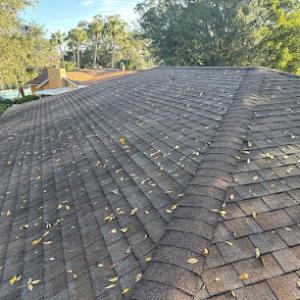
1st Choice Roofing
(727) 847-7663 www.1stchoiceroofers.com
7837 Rhodes Rd, Hudson, Florida
4.8 from 334 reviews
At 1st Choice Roofing, we provide expert roof repairs, roof replacements, and new roof installations for both residential and commercial properties. With over 20 years of experience, we proudly serve Hudson, Spring Hill, Port Richey, New Port Richey, Odessa, Holiday, Brooksville, Weeki Wachee, Tarpon Springs, Trinity, Palm Harbor, Dunedin, Land O’ Lakes, and Safety Harbor. We specialize in shingle, metal, tile, and flat roofing systems, roof coatings, skylights, roof ventilation, and storm damage repair. As a licensed and insured roofing contractor (CBC1327354 / CCC1327354) and GAF Weather Stopper Contractor, we guarantee durable, high-quality roofing solutions. Contact us for a free roof inspection and estimate at 727-847-7663 (ROOF)
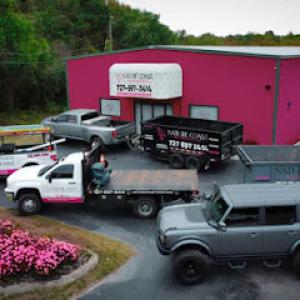
Nature Coast Roofing Solutions
(727) 597-3414 www.naturecoastroof.com
8522 State Rd 52, Hudson, Florida
4.8 from 96 reviews
Nature Coast Roofing Solutions is Licensed, Insured, and a Owens Corning Preferred Roofing Company. Our family has lived in Pasco County for over 70 years, we are a full service roofing company, servicing both residential and commercial. Call us today for a free quote.
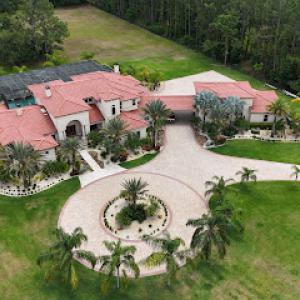
Sun Coast Roofing & Solar
(727) 250-5515 www.suncoastroofing.com
9507 State Rd 52, Hudson, Florida
4.7 from 106 reviews
Looking for reliable roofing services in Hudson, Florida? Sun Coast Roofing & Solar is a family-owned business with over 10 years of experience in re-roofs, repairs, storm damage, and handling insurance claims. We work with all types of roofing, including tile, slate, shake, specialty metals, and shingles, and are excited to offer solar options to help you save on energy costs. As a local, licensed, and insured Hudson roofing contractor, we take pride in delivering great service to our community. Call us today to schedule a free estimate and let us help you with “The Last Roof You’ll Ever Need!
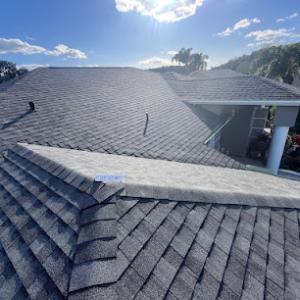
Simtech Roofing
(727) 243-3907 simtechroofing.com
14127 White Cap Ln, Hudson, Florida
5.0 from 17 reviews
Simtech Roofing provides dependable roofing solutions designed to protect residential and commercial properties with quality craftsmanship and attention to detail. The company specializes in roof repairs, replacements, and maintenance, using durable materials suited for long-term performance. Each project is handled with a focus on safety, efficiency, and clear communication, ensuring reliable results from start to finish. Simtech Roofing is committed to addressing weather damage, aging roofs, and structural concerns while helping extend roof lifespan. With experienced professionals and a customer-focused approach, the company delivers roofing services that emphasize durability, functionality, and consistent workmanship.
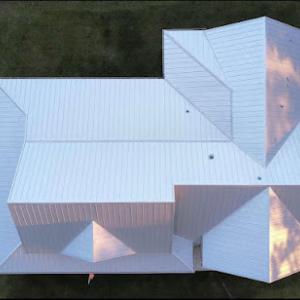
Dimonda Roof Services
6945 Southwind Dr, Hudson, Florida
4.8 from 31 reviews
All your Roofing Needs in One Place | Family Owned & Operated | Licensed & Insured CCC1328751
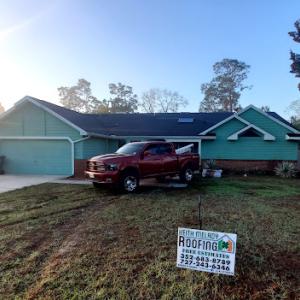
Keith Melady Roofing
18740 Maple Leaf Dr, Hudson, Florida
4.6 from 22 reviews
We are a family owned company that has been in business since 2001. We believe in doing roofing the right way and always provide written warrantys on all work provided from repairs to whole roofs.
JAT Roofing
13422 US-19, Hudson, Florida
4.3 from 46 reviews
JAT Roofing is a locally owned and operated roofing contractor serving the greater Tampa Bay area. We’re state of Florida licensed and insured. We pride ourselves on our reputation, providing top quality workmanship at affordable prices. Everything we do from the moment we meet for a consultation until the job is complete focuses on customer service and your absolute satisfaction.
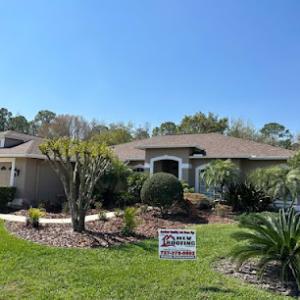
HLV Roofing - Hudson
15413 US-19, Hudson, Florida
4.3 from 16 reviews
HLV Enterprises, Inc. ("HLV Roofing") is a family-owned and operated roofing company with over 35 years of experience. We offer roof repairs and reroofing services in the Hudson, Spring Hill, Port Richey, New Port Richey, Holiday, Tarpon Springs and all the Tampa Bay Area. We provide both residential and commercial roofing, including materials like shingle, tile, metal, TPO, and more!

Richardson Roofing
(727) 697-1404 www.richardsonroofingfl.com
15215 US-19 STE 0, Hudson, Florida
3.6 from 17 reviews
Richardson Roofing is a family-owned and operated roofing company. We service most of Florida from our offices in Panama City and Hudson, Florida. We also have an office in Dayton for our Ohio customers. Our reputation for outstanding service have kept us operating and growing for over 30 years. We take pride in providing top quality workmanship and materials to ensure that your new roof installation or repair is done correctly and in a timely manner. Your peace of mind is important to our family! We specialize in shingle, tile, and flat roof installation, repairs, and maintenance. We offer competitive prices and a written guarantee, along with friendly customer service from our entire staff. Call Today For A Free Quote!
All Coast Roofing
(352) 502-4008 www.allcoastroofingllc.com
Serving
5.0 from 146 reviews
All Coast Roofing provides commercial and residential roofing services, roof cleanings, and roof coatings to the Brooksville, FL, area.
Farrell Roofing
(727) 845-7663 farrellroofing.com
Serving
4.5 from 316 reviews
At Farrell Roofing, Inc., we're more than just a roofing company; we're a family-owned business that takes immense pride in providing top-tier roofing services to our community. With over two decades of experience and a legacy of exceptional craftsmanship, we are committed to delivering roofing solutions that stand the test of time. Our slogan, "A Name You Can Trust," is not just a tagline; it's a reflection of our unwavering dedication to our customers. Whether it's Residential or Commercial we're a "Roofing company near me" who's worth looking into to! We Provide Free Estimates and Expert Roofing Services in New Port Richey, Port Richey, Clearwater, Trinity, Spring Hill, Brooksville, Hudson and the Tampa Bay Area!
For full residential roof replacement in Hudson, permits are typically handled through the Pasco County Building Department rather than a separate city-only roofing office. This means your licensed contractor will usually drive the permit submission, gather the required documentation, and keep you informed about where things stand. The county's process emphasizes verifying structural compatibility, proper flashings, and wind-related considerations specific to Gulf Coast exposure. Knowing that the permit sits with Pasco County helps you align expectations for timelines and required inspections.
The licensed contractor is responsible for filing the permit application, pulling the project into Pasco County's system, and arranging inspections as the work progresses. A Notice of Commencement is commonly filed for the project, which ties the work to your property and helps protect lien rights. Expect to see the Notice of Commencement recorded with the county, with a copy kept on-site during the roof replacement. You will also need to provide proof of property ownership and any necessary lien waivers as the job moves through its stages.
Hudson re-roof inspections commonly include a rough-in stage covering deck or underlayment work and a final inspection once the roofing material is fully installed. The rough-in stage is a critical checkpoint to ensure the deck decking, underlayment, and installation of starter courses meet wind-resistance standards. The final inspection confirms that the completed roof system is securely fastened, sealed, and ready to withstand Gulf Coast winds and humidity. Wind-related documentation or additional review requested on some jobs can appear as part of the county's diligence, so be prepared for potential add-ons or extended review if high-wind risk is flagged.
Communicate clearly with your contractor about the timing of permit fees, required inspections, and what documentation Pasco County may request beyond the standard Notice of Commencement. Keep copies of the permit, the Notice of Commencement, and inspection approvals in a readily accessible place-you'll need them if future property transactions arise or if a warranty claim is considered. If the project encounters delays, check with the contractor about whether the county's inspection schedule or additional wind-related documentation is influencing the timeline, and request a revised plan if structural or flashing details require adjustments. Knowing these steps helps ensure a smoother replacement window and a compliant, wind-ready roof once the project is complete.
Get a clear picture of your project costs upfront - no commitment required.
Tampa Bay Roofing Services
(727) 607-0251 tampabayroofing.com
12808 US-19, Hudson, Florida
5.0 from 556 reviews
1st Choice Roofing
(727) 847-7663 www.1stchoiceroofers.com
7837 Rhodes Rd, Hudson, Florida
4.8 from 334 reviews
Nature Coast Roofing Solutions
(727) 597-3414 www.naturecoastroof.com
8522 State Rd 52, Hudson, Florida
4.8 from 96 reviews
Hudson experiences noticeable cost swings when tropical weather looms or passes through Pasco and the greater Tampa Bay region. After a tropical system, labor availability can tighten quickly, pushing bids higher for a short window as crews shift to storm-related work and emergency repairs. That means if a hurricane season window coincides with a planned replacement, you may see a temporary premium on labor plus faster material procurement. Planning ahead for off-peak windows can help stabilize overall project cost, but the reality here is that storm-driven spikes can still appear even with careful scheduling.
Material choice matters sharply in this market. The local mix runs from lower-cost shingles and composites to higher-cost tile and metal systems designed to shrug off Florida wind exposure. Asphalt shingles and synthetic/composite shingles offer attractively lower starting points, while clay or concrete tiles and metal bring greater wind resistance and longevity-at a price. If your roof includes mixed geometries or contains low-slope sections, the labor and complexity can push the final figure higher than a simple gable roof. In practical terms, a straightforward asphalt shingle replacement often lands at the lower end of the spectrum, but a coastal-appropriate metal or tile system can be worth the extra upfront investment given wind and salt exposure.
In this coastal market, cost swings reflect both material and installation complexity. For a standard asphalt shingle job, expect roughly 350 to 800 USD per square. Metal roofing tends to run higher, roughly 700 to 1,500 USD per square, due to fasteners, underlayment, and seam considerations. Clay tile comes in around 900 to 1,800 USD per square, with concrete tile closely tracking 850 to 1,700 USD per square. Synthetic or composite shingles sit between 300 and 750 USD per square. For flat or near-flat sections using EPDM rubber, the pricing is about 4 to 8 USD per square foot. Homes with low-slope sections, attached lanais, or mixed roof geometries common in coastal housing can increase labor complexity and push the final total beyond the simple material premium.
Begin with a cost baseline using a few local contractors willing to quote on the same scope-same underlayment, same fasteners, same roof penetrations. Factor in potential storm-season adjustments by asking for a two-part estimate: a non-storm scenario and a scenario that assumes a moderate post-season demand uptick. If wind performance matters most, weigh metal or tile options with approved wind-rated installations and confirm the installer's experience with mixed geometries. Finally, build in a contingency for weather-driven delays and material lead times, which, in this market, can stretch unexpectedly.
Don't let upfront costs delay a critical repair - these contractors offer payment plans to fit your budget.
1st Choice Roofing
(727) 847-7663 www.1stchoiceroofers.com
7837 Rhodes Rd, Hudson, Florida
4.8 from 334 reviews
Amazing Home Contractors of Florida
(352) 818-0241 www.amazinghomecontractorsfl.com
Serving
4.9 from 40 reviews
In Hudson's humid coastal environment, leaks often emerge first at transitions, penetrations, and flashing details that are repeatedly stressed by wind-driven rain. Valleys around chimneys, vent pipes, skylights, and where roof planes meet walls are common trouble spots. If flashing has aged seams, or if caulking has dried out from relentless humidity, a small leak can sprint across a ceiling long before the rest of the roof shows obvious signs. The key danger is not a single failure but the rapid propagation of water through compromised joints during a storm. Regular inspection should focus on these exposed joints after heavy rains and before hurricane season ramps up.
Adhesives, sealants, and some low-slope components can be more vulnerable here because prolonged heat and humidity affect curing and long-term performance. In coastal conditions, sealants shrink, adhesives lose grip, and fasteners can corrode if they're not rated for high humidity and salt exposure. Over time, this weakened core can allow slow drips to become faster leaks once a wind-driven rain surge hits. If a roof shows recurring damp spots near roof-to-wall transitions or around mechanical penetrations, the culprit is often the aging or degraded waterproofing layer beneath the surface. Expect to see a pattern of moisture behind the visible roofing when heat and salt air have taken their toll.
Tile roofs in this region need attention to underlayment condition as well as surface tile condition, since visible tile can outlast the waterproofing layer beneath. A cracked tile might catch the eye, but the real risk lies in worn underlayment or degraded fasteners beneath a tile roof. Look for sunken or displaced tiles that reveal gaps in the underlayment; wind can exploit these openings quickly. In addition, the weight and movement of tiles during storms stress roof penetrations and flashing more than you might expect, so every elevated surface transition deserves scrutiny, not just the visible tiles themselves.
Find specialists in TPO, EPDM, and built-up flat roofing systems for residential and commercial properties.
1st Choice Roofing
(727) 847-7663 www.1stchoiceroofers.com
7837 Rhodes Rd, Hudson, Florida
4.8 from 334 reviews
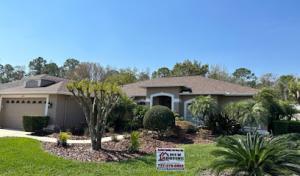
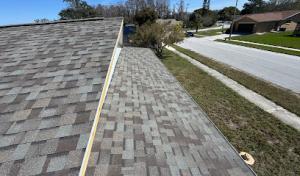
Hudson shows a strong concentration of re-roofing contractors, reflecting a market where replacement and storm recovery are common. When selecting a roofer, you'll likely encounter many firms that focus on quick turnarounds and post-storm cleanup. Look for groups with a track record of handling hurricane-season projects, not just splashy marketing. Ask for recent jobs in nearby neighborhoods and for references from homeowners who faced similar weather conditions.
In this market, quick response and thorough cleanup are prominent hiring priorities. You want a contractor who can arrive promptly after a storm, seal leaks to prevent further damage, and remove debris without leaving a mess. Verify their process: do they cover landscaping to protect plants, use tarps for ongoing rain, and provide a final cleanup walkthrough with you? A reliable crew finishes without leaving nails or scraps in driveways or yards, which matters after high-wind events.
Family-owned, long-established firms are well represented, offering a sense of stability and accountability. When you interview options, ask how long each company has been in business locally, who will manage your project, and whether crews are salaried or subcontracted. Request full licensing and proof of insurance, including workers' comp. A stable contractor will stand by workmanship with a solid warranty, and they'll have a local contact you can reach after rain delays or debris-related concerns.
Coordinating around Gulf Coast exposure means clear planning. Confirm anticipated timelines from project start to finish, especially if replacements align with hurricane season windows. Discuss material choices that withstand salt air and repeated wind gusts, and ensure the contractor provides written specifications for fasteners, underlayment, and wind-rated shingles or panels. You want a plan you can track: start date, shingle or tile type, nail patterns, and a daily status update during the heavy-work days.
Ask about site protection during the job: tarping the roof during storms, securing ladders, and daily cleanup. A reputable Hudson contractor will explain how they manage storm debris, protect vehicles, and minimize disruption to your neighbors. If a crew can't clearly articulate their protection measures or turnover plan, keep looking.