
Last updated: Apr 19, 2026
Florida's hurricane season means heavy rain and gusty winds can hit with little warning, and Port Richey homeowners know that tear-offs often stall mid-project when storms move in. If you discover a leak during a storm window, treat it as an emergency: get a sturdy tarp over the affected area as soon as you can, secure edges with roofing nails or weighted boards, and avoid venting attempts or elevated work without a professional. The goal is to create a dry surface quickly to minimize interior damage and mold risk while you coordinate professional help. Quick action matters because wind-driven rain can exploit even small roof gaps and pushwater under eaves and shingles that look intact from the ground.
Your best first step is to locate the source visually from above if safe, or from a dry interior attic space with lights off to spot daylight seeping through. Place a temporary tarp or fiberglass roofing underlayment over the most exposed area, ensuring the fasteners penetrate securely into solid sheathing or framing, not just existing damaged fascia. If a tarp tears or shifts, re-secure it immediately; wind can lift a loose edge in minutes. For attic leaks, use a temporary sealant or roof cement on small gaps around penetrations like vents or chimneys, but only if you can reach safely. Keep a clear path to electrical outlets and avoid creating a waterlogged ceiling by containing runoff with buckets temporarily. Document every step with photos, focusing on the exterior extent of the damage and any interior staining.
Coastal winds push rain toward seams and corners where older roofs meet lighter maintenance. In practice, delays during storm season are not unusual, and the priority becomes preventing further intrusion while you await a professional assessment. A rapid dry-in reduces interior damage, preserves insulation, and lowers the risk of decking rot or compromised attic spaces. In practice, many homeowners end up arranging emergency repairs that provide a dry interior for the duration of the storm and the time needed to line up a proper restore. Expect that work may be prioritized by local contractors as storm-damage jobs, so rapid intake and clear documentation help keep your project moving.
When you call a local roofing contractor, expect a focus on emergency repair, temporary dry-in, and storm-damage assessment. Be ready to share photos of the leak, attic signs of moisture, and any interior staining to help the estimator gauge scope quickly. If access to the roof is obstructed by debris or standing water, request guidance on safe access or remote assessment options. A reliable crew will emphasize securing a tarped area first, then moving to permanent repairs as soon as weather allows. Maintain open lines of communication to reflect shifting conditions and revised timelines common during hurricane-season scheduling.
After stabilizing a storm leak, develop a plan for a comprehensive roof refresh that accounts for Gulf-coast humidity and salt-air exposure. Inspect sealing around penetrations, vent boots, and flashing for corrosion or wear, and consider accelerants for crews who are accustomed to wind-driven rain patterns particular to this coast. Keep a weather alert calendar handy and schedule pre-storm inspections and protective maintenance ahead of the peak season. By establishing a rapid-response protocol, you reduce the risk of extended leaks and expedite a more durable dry-in when the next storm approaches.
In this coastal market, the storm-risk insurance environment directly shapes every roof decision. Carriers often request wind-mmitigation documentation, roof photos, and a detailed project scope before or after claim review. That means your prep work matters just as much as the repair itself. A well-organized packet can keep the process from dragging on and reduce the chance of back-and-forth questions that stall a claim during hurricane season. If you're evaluating a replacement or repair after a storm, anticipate questions about attic ventilation, shingle or panel fasteners, and the overall rigidity of the roof system. A thorough, dated record of the roof's condition before the event can save you time and dispute later.
In this coastal-adjacent market, some insurers have tightened underwriting or shifted more cost to homeowners through higher wind-damage deductibles. This reality quietly shapes every reroof decision, from materials to the timing of a fix. If a storm passes and damage is mixed with pre-existing moisture or wear, the line between claimable wind damage and normal deterioration can blur. That makes early, precise documentation essential. Don't misread small signs as inconsequential; a few lifted shingles, a granule loss pattern on the gutter, or a damp cedar board can become a barometer of what an adjuster might consider wind-related versus age-related. The safer course is to capture clear evidence as soon as weather clears.
For Port Richey owners, documenting damage immediately after tropical weather matters because repeated rain can blur the line between sudden storm damage and longer-term moisture intrusion. Take comprehensive photos from multiple angles, including the roof's edges, penetrations, and any ceiling stains inside the attic or top floor. Note dates, weather conditions, and any alarms sounded by neighboring homes during the same event. A simple, consistent photo log can be the difference between a smooth claim and a drawn-out inspection. If a leak is detectable in the days following a storm, document it with timestamped photos and a written note of when you first noticed the issue. Keep records of any temporary repairs you undertake to prevent further interior damage, as insurers often want to see how quickly and responsibly those steps were taken.
Begin gathering a simple, organized history of your roof: initial installation details, prior repairs, and any remotely related weather events that may influence claim decisions. Create a dated file with: a) storm date, b) visible damage, c) photos showing the extent of the impact, d) a basic scope of work you expect to pursue, and e) notes about ventilation, underlayment, and structural elements affected. When speaking with an adjuster, present the most complete picture possible: a clear narrative of what occurred, what you observed immediately afterward, and how the subsequent weather affected the roof and interior. In a market where wind-related documentation carries weight, a careful, honest record helps prevent surprises when the claim reaches review.
Connect with contractors who help homeowners navigate the claims process from damage assessment to final approval.
Farrell Roofing
(727) 845-7663 farrellroofing.com
6835 Commerce Ave, Port Richey, Florida
4.5 from 316 reviews

Farrell Roofing
(727) 845-7663 farrellroofing.com
6835 Commerce Ave, Port Richey, Florida
4.5 from 316 reviews
At Farrell Roofing, Inc., we're more than just a roofing company; we're a family-owned business that takes immense pride in providing top-tier roofing services to our community. With over two decades of experience and a legacy of exceptional craftsmanship, we are committed to delivering roofing solutions that stand the test of time. Our slogan, "A Name You Can Trust," is not just a tagline; it's a reflection of our unwavering dedication to our customers. Whether it's Residential or Commercial we're a "Roofing company near me" who's worth looking into to! We Provide Free Estimates and Expert Roofing Services in New Port Richey, Port Richey, Clearwater, Trinity, Spring Hill, Brooksville, Hudson and the Tampa Bay Area!
Five Stars My Pride Roofing
(727) 389-7615 fivestarsmyprideroofing.com
10411 Oleander Dr, Port Richey, Florida
5.0 from 4 reviews
We are FIVE STARS ROOFING are an expert roofing repair, replacement and installation contractor in Port Richey FL.
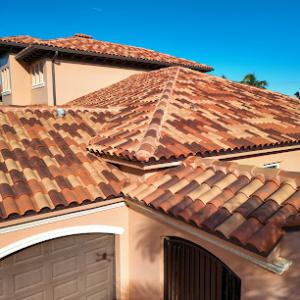
Tampa Bay Roofing Services
(727) 607-0251 tampabayroofing.com
Serving
5.0 from 556 reviews
When the worst is yet to come, the best protects! We’re a 3rd Generation, Florida Roofer. As a family owned business, we handle every customer like family and each roofing project as if it were for our own home. We offer roof replacement, installation and roof repair primarily for tile and shingle in Tampa Bay. We’re the only roofer in Tampa Bay that offers 160 MPH wind protection! You can count on our roofs every rainy season for years and years to come, thanks to our exceptional, experienced craftsmen. Should you have any storm damage, our roof claim process is easy and painless without the long wait. See why we’re the best roofing contractor in Tampa Bay by contacting us now for a free, no obligation roof evaluation and estimate.

Nature Coast Roofing Solutions
(727) 597-3414 www.naturecoastroof.com
Serving
4.8 from 96 reviews
Nature Coast Roofing Solutions is Licensed, Insured, and a Owens Corning Preferred Roofing Company. Our family has lived in Pasco County for over 70 years, we are a full service roofing company, servicing both residential and commercial. Call us today for a free quote.
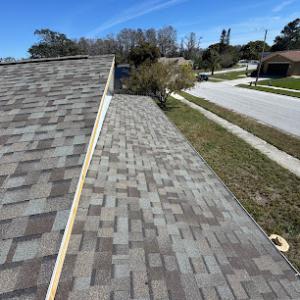
A-1 Roofing
(727) 375-6861 a1roofingpros.com
Serving
5.0 from 54 reviews
A-1 Roofing is your trusted roofing contractor serving Pasco, Hernando, and Pinellas counties. We specialize in roof repairs, full roof replacements, new installations, storm damage restoration, and flat roofing for both homes and businesses. Our experienced team is dedicated to quality workmanship, honest service, and ensuring your roof protects your property for years to come. Contact us today for a free estimate or to discuss any roofing questions!
Rosewood Roofing
(813) 697-1580 rosewoodroofingfl.com
Serving
4.8 from 95 reviews
Rosewood Roofing is a roofing contractor in New Port Richey serving Tampa, Clearwater, Odessa, and nearby areas. Our roofing company offers residential roofing, roof repair, asphalt shingle roofing, metal roofing and more. We also specialize in siding, gutter, window, and door services. Customers love us because of our comprehensive roof warranties and our affordable roof financing options. Contact your reliable Tampa roofing company for a free estimate!
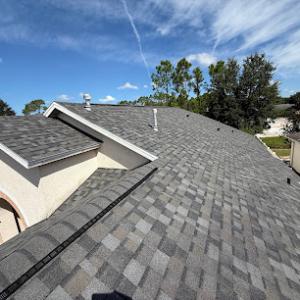
Veteran Owned Roofing
(727) 940-4113 veteranownedroofing.com
Serving
4.7 from 209 reviews
Veteran Owned Roofing strongly believes in promptness, courtesy, and professionalism We prove our beliefs with our actions. We offer all roof repair and flat roofing services in Pasco and Pinellas Counties Our company is striving to become the most renowned and prominent roofing contractor. We are a one-stop-shop for roofing, and we do roof repairs and re-roofs for residential & commercial buildings. We make sure to make our customers our friends with dedicated support. So if you are looking for quality and prompt services, call us and let us help you find solutions for all your roofing needs.
Amen Roofing & Gutters
(727) 272-1077 amenroofing.com
Serving
5.0 from 32 reviews
Roofing contractor providing quality roofing services from roof replacements to roof repairs and much more. Including gutter installations, soffit & facia repairs, roof inspections, etc.

Sun Coast Roofing & Solar
(727) 250-5515 www.suncoastroofing.com
Serving
4.7 from 106 reviews
Looking for reliable roofing services in Hudson, Florida? Sun Coast Roofing & Solar is a family-owned business with over 10 years of experience in re-roofs, repairs, storm damage, and handling insurance claims. We work with all types of roofing, including tile, slate, shake, specialty metals, and shingles, and are excited to offer solar options to help you save on energy costs. As a local, licensed, and insured Hudson roofing contractor, we take pride in delivering great service to our community. Call us today to schedule a free estimate and let us help you with “The Last Roof You’ll Ever Need!
1st Choice Roofing
(727) 847-7663 www.1stchoiceroofers.com
Serving
4.8 from 334 reviews
At 1st Choice Roofing, we provide expert roof repairs, roof replacements, and new roof installations for both residential and commercial properties. With over 20 years of experience, we proudly serve Hudson, Spring Hill, Port Richey, New Port Richey, Odessa, Holiday, Brooksville, Weeki Wachee, Tarpon Springs, Trinity, Palm Harbor, Dunedin, Land O’ Lakes, and Safety Harbor. We specialize in shingle, metal, tile, and flat roofing systems, roof coatings, skylights, roof ventilation, and storm damage repair. As a licensed and insured roofing contractor (CBC1327354 / CCC1327354) and GAF Weather Stopper Contractor, we guarantee durable, high-quality roofing solutions. Contact us for a free roof inspection and estimate at 727-847-7663 (ROOF)
Simtech Roofing
(727) 243-3907 simtechroofing.com
Serving
5.0 from 17 reviews
Simtech Roofing provides dependable roofing solutions designed to protect residential and commercial properties with quality craftsmanship and attention to detail. The company specializes in roof repairs, replacements, and maintenance, using durable materials suited for long-term performance. Each project is handled with a focus on safety, efficiency, and clear communication, ensuring reliable results from start to finish. Simtech Roofing is committed to addressing weather damage, aging roofs, and structural concerns while helping extend roof lifespan. With experienced professionals and a customer-focused approach, the company delivers roofing services that emphasize durability, functionality, and consistent workmanship.
Port Richey features a mix of asphalt shingles, metal, clay tile, concrete tile, wood shingles or shakes, and synthetic or composite shingles. That variety matters because the neighborhood climate and salt-air exposure drive different durability needs. When choosing a roof type, start by matching the typical roof in your block and then prioritize components that hold up best under Gulf-coast humidity and coastal winds. Asphalt remains common for fast, cost-conscious reroofs, but metal and tile are equally practical choices if the home already has the right deck preparation and weather-proofing in place.
Salt air accelerates corrosion on metal and weakens underlayment components if their coatings aren't up to the task. The most important practical step is to demand corrosion-resistant fasteners, flashings, and any exposed metal hardware. For metal roofs, look for galvalume or aluminum alloys with proper coatings for coastal salt exposure, and ensure sealant joints are rated for humid, salty air. For tile or shingle systems, inspect where fasteners pass through underlayment and into the roof deck; corrosion-resistant nails or screws reduce leaks around penetrations. In all systems, plan for more frequent inspection cycles after storms or heavy humidity spikes.
Tile and metal are especially relevant locally because contractor specialization in this market shows meaningful demand for both systems, not just basic shingle reroofing. Clay and concrete tiles offer excellent wind resistance when installed with proper battenment and alignment, but require careful flashing around chimneys, vent pipes, and walls to prevent water intrusion. Metal roofs, when correctly installed with coastal-grade sealants and expansion joints, can resist salt spray and wind uplift well, provided the decking is solid and the panels are properly sealed at seams. Homeowners should seek roofers who regularly work with coastal conditions and who can demonstrate a history of durable coastal installations.
Ask for a coastal-grade package: stainless or coated stainless fasteners, corrosion-blocking sealants around penetrations, and flashing that continues to perform under salt-saturated air. Confirm that drip edges, valley flashing, and chimney/vent terminations are integrated with the same corrosion resistance standard as the rest of the system. If upgrading an existing roof, request a detailed assessment of all flashings and penetrations to identify vulnerable spots before hurricane season.
Create a routine that prioritizes annual inspections, with special focus after hurricane season and heavy rains. Document any signs of corrosion, lifted shingles, loose fasteners, or degraded underlayment, and address issues promptly. For homes with tile, monitor cracked or displaced tiles that can create hidden leaks; for metal roofs, listen for water intrusion around seams and fastener rows. A proactive approach keeps Port Richey homes safer and longer-lasting without major surprises when the next storm approaches.
In Port Richey, the dry season aligns with days that allow shorter tear-off windows and fewer weather-day interruptions. When the sky stays clear for longer stretches, crews can complete portions of the roof without gaps that invite moisture intrusion. This helps seal ventilation chases, edge details, and penetrations more reliably, reducing short-term leaks once the roof is sealed back up.
Hot, humid summers in this city affect adhesive behavior and drying times for components that stay exposed during replacement. Sealants, underlayment, and fasteners cure best when temperatures aren't sweltering. Scheduling reroof work during the milder, drier pockets of the year supports more consistent adhesion and minimizes the risk of soft or marginally cured joints once the new roof is in place.
Storm-driven demand spikes in the Port Richey area can tighten scheduling after tropical weather, especially for full reroofs. If a hurricane weather pattern shifts late in the season, crews may backfill with urgent repairs and smaller projects, pushing a full reroof later into the year. Having a plan that anticipates potential backlogs helps you secure a solid window before peak storm activity begins.
Coordinate a start date that allows at least a full week of favorable conditions, with a few contingency days set aside for occasional storms. Verify that interior spaces are protected with temporary barriers in advance, since dry-season dryness can still bring brief, localized squalls. Establish a reliable communication routine with the crew to monitor forecasts and adjust the schedule as needed without losing progress.
Prepare by trimming overhanging branches and ensuring easy access for delivery of materials. Remove loose items from the attic if they're storage-heavy and can become debris during tear-off. A plan to minimize exposure time for roof deck sections will help reduce the chance of moisture intrusion if weather does shift unexpectedly.
Get a clear picture of your project costs upfront - no commitment required.
Farrell Roofing
(727) 845-7663 farrellroofing.com
6835 Commerce Ave, Port Richey, Florida
4.5 from 316 reviews
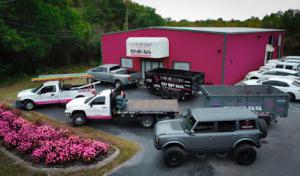
In this area, a full reroof is not treated as simple maintenance. Instead, the project typically requires a permit through Pasco County or the local city process, depending on exact jurisdiction and zoning.That means you'll engage the permit office before shingles come off and new material goes on. The process is designed to verify that the roof system, fasteners, and underlayment meet current wind and structural standards, particularly important in the Gulf Coast climate where salt air and hurricane-season demands stress roof components. Expect the permitting path to include plan review, site inspections, and a window for addressing any code-based corrections before final sign-off.
When you file, prepare documentation that clearly communicates how the new roof will perform in salty coastal conditions and under potential storms. Typical submittals in this jurisdiction include material specifications for the chosen roofing system, along with details for the roof deck and underlayment. Wind-rated components are often a focus, so provide product data and installation manuals that demonstrate compatibility with high-wind requirements. If your home has unusual geometry, provide framing details or sketches that show how the new system ties into hips, valleys, and penetrations. The goal is to illustrate a complete, wind-resilient assembly from deck to crest.
Inspections are staged to align with key milestones in the reroofing process. A rough-in or mid-installation inspection checks that deck preparation, underlayment, and starter courses meet code expectations, and that fasteners are installed in accordance with the manufacturer and code requirements. As the project progresses, another inspection verifies that installation details-including flashing at eaves, roof-to-wall joints, and penetrations-comply with wind and fire safety standards. The final inspection serves as the code-compliance signoff for the reroof, confirming that all components-sheathing, underlayment, fasteners, and the chosen roofing material-are properly installed and sealed against the coastal environment and potential storm impact.
Given the seasonal pressures and permit timelines, schedule thoughtfully to avoid weather-driven delays. In practice, coordination with the roofer and the permit authority helps ensure that inspections can occur promptly, reducing the risk of prolonged exposure to wind-driven rain during the reroof. If a permit review flags wind-resistance or underlayment details, address those items quickly with manufacturer-approved substitutions or enhanced fastening patterns to maintain the project's compliance trajectory.
After the final inspection passes, keep the signed final inspection record and any associated stamped drawings or notes from the inspector. This documentation proves code compliance for the reroof and can be useful for future maintenance, insurance underwriting, or permit-related needs down the line. Maintain a file that includes the approved submittals, the installation plan, and the final inspection report so the next time a storm hits, you have ready access to the specifics of the installed system.
Typical Port Richey-area installed cost ranges are about $350 to $520 per square for asphalt shingles, $620 to $1000 for metal, $1100 to $2100 for clay tile, $900 to $1600 for concrete tile, $600 to $1100 for wood shingles or shakes, and $500 to $800 for synthetic or composite shingles. These figures reflect the Gulf-coast climate, where coastal humidity and salt-air exposure push up the price of corrosion-resistant components and special fasteners. When a roof is first installed, you'll notice metal costs climbing toward the top of the range due to upgraded fasteners and sealants, while clay and concrete tile stay in the higher end because of the labor and structural checks those systems demand. In general, you'll pay more for heavier systems in this market, with tile and concrete requiring more substructure and careful fastening to stand up to wind loads.
Costs in this market can rise when storm-season demand surges, when corrosion-resistant accessories are needed because of salt-air exposure, or when tile systems require more labor and structural attention than shingles. In coastal neighborhoods, a reroof during peak hurricane season may incur premium labor and material handling fees, and some crews pace work to align with favorable weather windows. If you're weighing options during a storm year, expect metal and synthetic options to retain some flexibility on labor, but concrete and clay tiles will push the budget higher due to heavier weight and longer installation times. Planning ahead, you can buffer these spikes by selecting materials with smoother installation workflows for the specific roof geometry you have.
Scheduling reroofs in the drier season can reduce weather-related inefficiency costs in this market compared with summer periods marked by frequent rain interruptions. If you have a choice, target late fall or early spring windows when humidity and wind are more manageable, and field crews can move efficiently without the typical Florida thunderstorm delays. When you balance material choice against seasonal scheduling, you'll typically see the best value by pairing a durable, salt-tolerant option with a clear installation window that avoids peak storm preparation times. This approach helps protect your investment against salt-air corrosion and wind-driven leaks, while keeping your project on track for steady insurance documentation and future maintenance.
Roughly flat and gently pitched roof sections are a real feature on Port Richey homes-think additions, lanais, and mixed residential-commercial setups. The Gulf-coast humidity and salt air push corrosion and membrane wear, especially where sun exposure or trees create shaded, wet corners. In hurricane season, these areas take on more run-off pressure, so a low-slope roof needs deliberate attention to drainage and edge detailing to avoid standing water or slow leaks that can worsen quickly after a heavy storm.
For low-slope sections, aim for reliable drainage designed to move water off the surface within minutes, not hours. Check that drainage paths stay clear of leaves and pine needles after every storm and during regular maintenance. Seams, penetrations, and transitions around vents, skylights, and parapets are high-risk points; every joint should be mechanically fastened and properly flashed with corrosion-resistant metal or compatible asphalt detailing. Edge metal and copings should be continuous and tied into a reliable leakage barrier. In practice, you want a plan where water shed is predictable, with at least one clear pathway off the roof per area, so standing water doesn't form around penetrations.
Local service activity shows momentum in flat-roof work, with membranes and coatings frequently selected for restoration or life-extension. Expect to see single-ply membranes, modified bitumen systems, or built-up options paired with protective coatings when appropriate. The right choice balances humidity resistance, salt exposure, and ease of inspection from the eave line. On renovations, a coating or re-seal can extend service life where the substrate remains sound and drainage is intact.
Keep gutters, scuppers, and downspouts clear, and inspect after major downpours or tropical rain events. Periodic coat or seal maintenance on eligible systems can slow deterioration from salt spray and sun, especially on exposed edges and around penetrations. Document any prior repairs with photos, and note membrane condition around seams to identify recurring trouble spots early.
Seasonal reroof planning emphasizes predictable wind-driven water control and rapid leak response. Make sure flashing, seam protection, and edge details can withstand sudden wind gusts pushing water toward the roofline. Use a prepared, documented inspection routine so you can quickly flag components that show accelerated wear after storms, and track any repairs over the season to support timely insurance documentation and scheduling.
Find specialists in TPO, EPDM, and built-up flat roofing systems for residential and commercial properties.
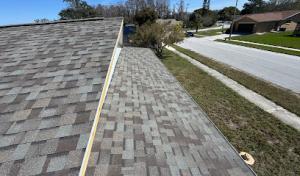
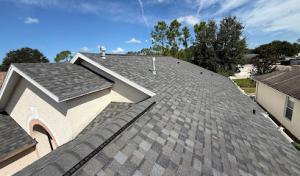
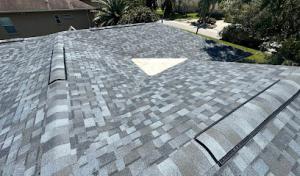
Gulf exposure here puts a sharper edge on corrosion risks, especially for fasteners, flashing edges, and metal accessories. In this climate, salt air doesn't just feather the surface; it works on the fasteners you can't see and the joints where moisture can linger. Even if the visible field material still looks solid, the hull of the roof-nuts, screws, edge metal, and sealants-ages differently when salt and humidity ride side by side with daily sun.
This coastal wear pattern starts at penetrations and along edge details, where metal meets the roof plane. If coastal-grade components weren't used, localized failure can begin at those seams long before the field material shows obvious trouble. Leaks tend to first show up around vents, plumbing stacks, and chimney edges where flashing can corrode or lift. Over time, tiny gaps grow, enabling salt-laden air to creep under flashing and rafter tails, accelerating rot and rust. The result is often a slow, creeping leak that feels elusive until a heavy rain or hurricane-season pressure test arrives.
You should routinely scan for staining or staining halos near penetrations, any lifting edges along metal flashing, and corrosion on exposed fasteners or screws. Check the edge metal where it meets the underlayment; even sound-looking shingles can hide edge deterioration underneath. Listen for any unusual whistling or wind-driven noises near ridge and vent areas after storms-those can signal fastener or flashing failure. After salt-air exposure, sealant joints can lose elasticity and crack, allowing moisture to seep along the joint line. If you spot corrosion on screws, rust-colored streaks, or intermittent leaks after short bursts of rain, treat the area as a red flag rather than a nuisance.
This coastal wear pattern is one reason material selection should emphasize the full roof assembly, not just the visible surface product. Choose fasteners, flashing, and edge metals that are corrosion-resistant and compatible with the chosen field material. Ensure that flashing at transitions-from vent caps to rake edges and chimney flashing-receives attention that matches the coastal environment. In practice, that means prioritizing corrosion-resistant coatings, properly sealed penetrations, and flashings designed for salt-air exposure, so the weakest link isn't the first to fail under a hurricane-season stress test.
Port Richey's wet-season downpours push rain through even well-sealed penetrations when surrounding roofing is disturbed or seals age. Skylight and flashing around a roof opening sit at the line where salt-air, humidity, and kicking tropical downpours meet. When shingles shift after a wind event or a seasonal re-roof, the flashing's edges can loosen, allowing wind-driven rain to track inward along the curb, around screws, or behind the curb flashing. In this climate, a seemingly minor flashing crease can become a conduit for leaks after a heavy shower, especially if the surrounding roof is aging or has been disturbed by maintenance.
Look for staining along ceiling valleys near the skylight, soft spots around the curb, and any drafty air near the unit that seems to carry the scent of moisture. On sunny days, inspect the skylight frame for condensation trails that disappear after a storm-these can indicate hidden flashing gaps. After a storm, you may notice water migrating from the skylight toward living spaces even if the ceiling stain is small. In a market with enough skylight specialization among local contractors, a careful assessment should specifically address the integrity of the skylight curb, the sealant bead, and the counter-flashing where the skylight meets the roof surface.
A focused skylight leak repair will often begin with a dedicated inspection of the curb flashing and the sealant around the skylight's perimeter. Expect remediation steps to include resealing or replacing the flashing, re-bedding the skylight, and ensuring the surrounding roof parging or shingle line isn't compromised. Reassurances that the leak is purely a skylight issue are reasonable, but the surrounding roof deck and flashing base should be evaluated to rule out broader water intrusion. In tropical weather, repeated wind-driven rain can reveal flashing defects sooner than in drier markets, so a thorough, proactive approach matters.
Document leaks with dates and weather conditions; this helps when coordinating with a contractor and an insurer. If a leak appears after a heavy rain, focus attention on the skylight perimeter first before chasing other roof penetrations. When choosing a contractor, prioritize those with proven skylight specialty, and ask to review flashing tests and prior skylight resealing projects. A clear, targeted plan that treats skylight repair as a distinct concern will reduce the chance of recurring leaks as the next tropical storm rolls in.
Find contractors experienced in skylight installation, flashing, and leak repairs to bring natural light into your home.
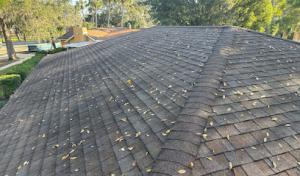
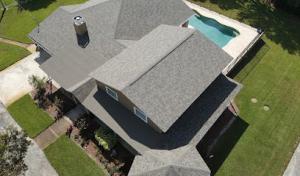
In this market, reroofing projects move fast after a storm or when aging roofs start leaking. You should see crews that prioritize rapid on-site assessments, phone or text updates within 24 hours, and a precise plan for the next steps. Look for teams that outline a realistic timeline for removal, installation, and debris cleanup, so you aren't left with a half-covered job while the next storm builds. A crew that coordinates with you to schedule work around hurricane-season windows demonstrates practical understanding of the local climate pressures.
Salt-air coastal neighborhoods demand disciplined cleanup. Expect tarps, magnetic sweeps, and daily site tidiness as standard signals from a reputable crew. The best options put containment of nails and shingle fragments high on the priority list and leave your yard swept at the end of each day. If a crew arrives with minimal cleanup or leaves stray debris, that indicates lower attention to the coastal nuisance factors that can damage landscaping and nearby property.
Cost-effectiveness matters here because reroofing is more common than new construction. Look for transparent material and labor breakdowns, and crews that offer practical, no-nonsense material choices tied to local salt exposure and humidity. The strongest signals are a balance of competitive pricing with a documented method for handling storm-related contingencies, such as temporary patching plans or prioritized scheduling after a hail or wind event, all while maintaining quality workmanship.
Warranties are common enough to matter, but weigh them against licensing status and the crew's proven track record with the chosen roof type. A solid warranty should couple with current general liability and workers' comp coverage. Confirm that the crew regularly installs the same roof type you want-for example, asphalt, metal, or concrete tile-so they understand material-specific nuances and coastal requirements like wind uplift considerations and salt spray effects.
A standout signal is a crew that can document storm-related damage, provide a detailed scope of work, and support with straightforward project records. Expect thorough photos, written assessments, and a structured claim-friendly approach if insurance is involved. Local crews with this discipline tend to keep projects moving after a storm and minimize downtime during hurricane season.