Last updated: Apr 19, 2026
In Forest Park, the insurance environment behaves like a busy hive after every hail and wind event. Hail frequency and claim activity are steady enough that documented storm impact and timely action directly swing reroof decisions, sometimes within weeks, not months. The combination of spring-summer convective storms and a tight local contractor pool means delays can quickly push your project into backlog or trigger insurer scrutiny. After a major storm, your roof is assessed not just for visible damage but for hidden flaws that only show up with wet weather. Acting fast reduces the chance of denial on a later claim and lowers the risk of secondary leaks turning into interior water damage before a replacement gets underway.
The humid subtropical pattern here brings convective storms with gusts and hail that stress shingles, underlayment, and flashing. In concrete terms, a roof that looks fine from the ground can conceal wind-lifted granules, hail bruising on asphalt shingles, or compromised underlayment beneath a roof deck. Post-storm leak checks should be systematic: check interior ceilings for new stains, run a flashlight along attic rafters for moisture, and inspect penetrations and skylights for wind-driven misalignment. Because post-storm conditions can worsen quickly with subsequent rain, the window to document damage, photograph evidence, and file an insurance claim is tight. Waiting too long means damage compounds, making replacement more likely to be treated as an urgent, full-coverage project rather than a simple patch.
Documentation is your fastest lane to a smoother claim and a timely reroof. In this market, insurers expect clear, dated evidence of storm impact and documented condition changes. Photograph all sides of the roof after a storm, focusing on hail impact marks, missing shingle tabs, and flashing separation. Keep a dated log of symptoms: interior leaks after a rain event, attic condensation, and any wind-driven debris entry around vents or chimneys. If you have prior photos, store them with the new storm images to demonstrate progression. A concise narrative that ties the storm date to observed damage helps the adjuster separate preexisting wear from storm-induced failure, reducing back-and-forth and speeding the decision to replacement when warranted.
Because local reroof work surges after storm events, homeowners in Forest Park can face contractor backlog and insurer scrutiny at the same time. This dual pressure creates a narrow lane for scheduling: choose a licensed, reputable roofer who understands the claims process and can document scope and material choices clearly. Begin coordinating with a contractor promptly after you notice damage, not after a second leak appears. If an adjuster appointment is scheduled, prepare a concise damage summary and the storm documentation package to present at the meeting. Expect insurer reviews to happen quickly in this market; having a well-organized file and a known contractor can prevent slowdowns caused by missing paperwork or unclear damage classification.
Act quickly to prevent scope creep and ensure timely coverage: assemble your storm photo log, roof condition notes, and a short damage narrative; contact a trusted local roofer to perform a thorough inspection and prepare a documented estimate; request an on-site adjuster visit when damage is confirmed; and set a follow-up plan with your contractor and insurer to confirm the accepted scope and anticipated replacement timeline. In a city where spring and summer storms are predictable hazards, a proactive, well-documented response minimizes risk and clarifies expectations for everyone involved.
ExP Contractors
(404) 974-4969 exproofingcontractors.com
519 Forest Pkwy Suite 260 A, Forest Park, Georgia
4.9 from 171 reviews
ExP Contractors and Roofing, the trusted roofing contractor in Forest Park, GA, brings over 9 years of expertise in delivering exceptional roofing solutions. As a licensed and bonded full-service firm, we specialize in roof repair, asphalt shingle replacement, storm damage repair, hail damage repair, and roof inspections for both residential and commercial properties. Our commitment to excellence is backed by an A+ BBB rating, 5-star Google reviews, and GAF Certification, ensuring quality and customer satisfaction every time. Discover why we’re the go-to choice for roofing in Forest Park, GA. Visit our website for more information or call us today to experience the ExP Contractors and Roofing difference!
Mid-South Roof Systems
5020 Old Dixie Rd, Forest Park, Georgia
4.6 from 33 reviews
Mid-South Roof Systems delivers large-scale flat roofing solutions for commercial applications such as big-box retail, distribution centers, and manufacturing facilities nationwide. We are one of the top 10 commercial roofing contractors in the U.S., and work alongside world-class clients. Call us today!
Morrow Roofing & Seamless Gutters
(404) 366-3303 www.morrowroofingandsiding.com
309 Agnew Dr, Forest Park, Georgia
4.0 from 54 reviews
Morrow Roofing & Seamless Gutters provides residential roofing, repairs, and gutters in the South Metro Atlanta area. Operated and family owned by the original owner.
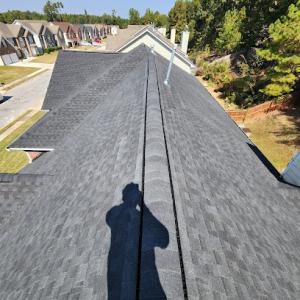
Adrian's Roofing & Restoration
6033 Shortleaf Dr, Forest Park, Georgia
5.0 from 1 review
We provide repairs for all your needs but mainly focus on roof and gutter replacements or repairs.
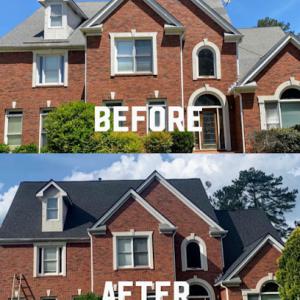
Empire Roofing Global Remodeling & Restoration
(470) 207-8586 empireroofingglobal.com
Serving
5.0 from 114 reviews
Empire Roofing Global, Remodeling and Restoration offers: New Roof Installation Roof Repairs Gutter Cleaning, Repair, and New Gutter Installation Remodeling Restoration Storm, Wind, Hail Damage, Free Inspection Insurance claims for roofing, interior damage, and restoration. Roof replacements and repairs, gutters, siding, 15 years of experience in Single Family Homes, HOA's, Town Homes, Apartment Communities and Commercial Buildings. We are Insured and Bonded, Specialized in Emergency Services, Insurance Claim Approval/ Damage Assessment and Insurance Claim Assistance/ Storm Damage. Financing Available. Call us today for your free Roof Inspection!! Veteran Owned
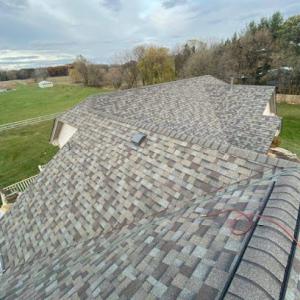
F&D Roofing & Interiors
Serving
4.8 from 17 reviews
WE ARE A PREMIUM ROOFING AND REMODELING CONSTRUCTION COMPANY SERVING THE ATLANTA AREA.
King Roofing Pros
(404) 913-6830 kingroofingpros.com
Serving
4.9 from 157 reviews
Your trusted roofing experts serving NC and GA since 2008. As a family-owned business, we take pride in our unwavering commitment to quality, integrity, and customer satisfaction. With over 2000 projects completed and providing the highest quality building services to meet NC building code. We've become the go-to choice for residential and commercial roofing needs. Our experienced team uses cutting-edge techniques and premium materials to ensure every project meets the highest industry standards. When you choose King Roofing Pros, you're choosing a roofing partner that combines a decade of expertise with family values, delivering results you can trust. Contact us today to experience the King Roofing Pros difference today!
Matallana Contracting
Serving
5.0 from 16 reviews
Matallana Contracting is a trusted roofing expert with reliable and efficient roofing solution at the lowest price guarateed. Book an appointment today!
Home Right Solutions
(678) 410-8108 homerightsolutions.net
Serving
4.9 from 41 reviews
Transform your home with our unique and captivating roof replacement services in McDonough. At Home Right Solutions, LLC, we specialize in creating roofing solutions that stand out, providing both functionality and aesthetic appeal. Our experienced team ensures a seamless process, from consultation to installation, tailored to your specific needs. Elevate the curb appeal and durability of your home with our unparalleled craftsmanship. Ready for a roofing upgrade? Contact Home Right Solutions, LLC today for a free estimate. Let us bring a touch of uniqueness to your home with our top-notch roof replacement services in McDonough. Your dream roof is just a call away!
North American Home Improvements
Serving
5.0 from 5 reviews
North American Home Improvements is here to serve all of your needs with 100% professionalism and efficiency. Specializing in over 5 trades, we promise to do our best to fulfill complete satisfaction. Our goal is to exceed expectations with quality work and dependable services. Thanks for becoming apart of North American Home Improvements family.
Ponce's Exteriors
(404) 510-5370 poncesexteriorsllc.com
Serving
5.0 from 7 reviews
🏡 Experience the Difference with Ponce's Exteriors Founded with a passion for excellence🛠️, Ponce's Exteriors has proudly served the Ellenwood community for nearly 30 years. Our journey began with a simple mission: 👉 To provide top-notch exterior services that homeowners can trust and rely on. Over the years, we've built a reputation for: 🔹 Integrity 🔹 High-quality craftsmanship 🛠️ 🔹 Exceptional customer service 🤝 As a family-owned and operated business, we take pride in building strong relationships with our clients. Every project is a collaborative effort, where your needs and preferences are always our top priority.

Inya Perfect Construction
(678) 254-8444 www.inyaperfect.com
Serving
5.0 from 88 reviews
We are currently working in your area replacing roofs damaged by wind and hail due to the last wind storm that caused damage to GA state as well as your community. we work with all insurance companies. We are here to help; call today to schedule an appointment, we have a good deal for you!
In this neighborhood, asphalt shingles dominate practical reroofing choices because they fit the common residential stock and align with the typical replacement budgets better than tile-heavy systems. The market sees a steady rhythm of storm-driven reroofs, with many homes built for mid-century layouts that suit asphalt' s profile and installation pace. Metal roofing is a meaningful but secondary option locally, often considered by owners trying to improve durability against repeated storm exposure and intense summer heat. The rest of the material mix-clay tile, concrete tile, wood shakes, and synthetic products-appears, but is not as central in the contractor market as storm-oriented asphalt reroofing. This reality shapes how you plan ahead, especially when a hail event marks the calendar.
Asphalt remains the go-to for most Forest Park homes because the product line covers a wide range of climates and budgets while staying install-ready for existing roof shapes. With hail exposure in spring and early summer, the practical path is a shingle system that tolerates impact reasonably well, cleans up quickly after a storm, and offers straightforward warranty coverage through typical local suppliers. When choosing asphalt, you'll want to focus on thicker laminates and granule adhesion that resist granule loss after hail impact. A local pro can guide you toward shingle products that balance impact resistance with installation compatibility for the house's existing roof footprint.
Metal roofing shows up as a deliberate choice for homeowners seeking long-term durability against hail and heat. In practice, metal panels can perform well under repeated storm exposure, handling heat without as much thermal cycling as some other options. The key considerations are compatibility with the home's eave lines, attic venting to manage heat, and flashing details that hold up to gale-force winds. Because metal tends to be a larger upfront investment, many projects keep it as the second option after evaluating the roof's current structure, attic insulation, and the likelihood of frequent hail events.
Clay and concrete tiles carry strong durability but are less common in the typical Forest Park reroofing crew lineup due to weight, installation complexity, and the scale of many local homes. Wood shakes bring a distinct look and good aesthetic value, yet they require more maintenance and often a higher care plan after heavy storms. Synthetic or composite shingles aim to blend some of the lightness and hail resistance of the alternatives, but installers in this market still prioritize asphalt as the reliable baseline. If you have a unique roofline or a historic-style dwelling, these options may come into play, but they usually arrive as niche choices rather than the default path.
When storm season looms, target a material strategy that keeps replacement timelines realistic in a crowded market. Document hail impact on the roof and immediate surroundings, then compare how each material handles fast-tracked replacement in a packed contractor schedule. For most homes, asphalt remains the straightforward route that aligns with local stock and service models, while metal offers a strategic upgrade when the homeowner wants enhanced hail resistance and heat reflection. Regardless of choice, work with a local contractor who understands peak storm windows, typical inspection cycles, and the way insurance-driven reroofs unfold in this market.
In this part of the Atlanta metro, storm season drives a lot of reroof activity. When convective spring and summer storms roll through, crews are in higher demand and disposal costs can spike as debris and damaged materials pile up. Those factors push project quotes toward the higher end of the typical ranges you'll see for a given roof size. For a neighborhood with dense, mostly residential homes, it's common to see crews juggling multiple storms and tight scheduling, which translates into shorter windows to complete work and sometimes compressed timelines that nudge labor charges upward. Forest Park pricing is influenced by Atlanta-metro labor and disposal conditions, so storm-season demand spikes can move projects toward the high end of the provided per-square ranges.
Asphalt shingles generally fall in the provided $350 to $650 per square range, while metal commonly runs $600 to $1100 per square in this market. That spread reflects both the basic materials and the quick-for-hire nature of local crews who can handle a typical asphalt reroof in a single week when weather cooperates. If your roof has complex geometry or security concerns, expect crews to price extra sheets or bundles into the per-square rate to cover faster detours and waste management. For premium looks or long-term durability, other options exist, but the same per-square logic applies: larger, flatter rooftops tend to move in cheaper ranges per square, while intricate designs and steeper pitches push the bill up, especially during a busy storm season.
Costs can rise locally when permit review, inspection timing, or stamped plans are needed for structural changes or certain roofing products. If a project requires engineering input, load calculations, or stamped drawings to satisfy inspection thresholds, that adds design and administration time, and the associated fees show up as higher overall costs. In practice, this can mean a noticeable jump between the lowest quoted square price and the final invoice once the plan review and sequencing are locked in. For metal or tile options, the same dynamic applies, and the premium for expedited scheduling can be felt just as strongly as for asphalt shingles. Stay prepared for a few extra dollars per square if a rushed calendar or stamped documentation is in play.
Get a clear picture of your project costs upfront - no commitment required.
A full reroof in this area typically requires a building permit, and the permit is generally issued to the contractor rather than the homeowner. That means your chosen roofing firm handles the application, coordinates with the building department, and ensures the project meets local codes and spacing rules for any venting, flashing, or underlayment requirements. Expect the contractor to present the scope of work, material spec, and any structural notes to secure the permit. If the contractor tries to push the permit into your name, push back and insist the permit be in the contractor's name so inspections can be tracked directly to the licensed trade.
The local building department reviews reroof projects in a two-step cadence. Inspections commonly occur after tear-off and again after completion. The tear-off inspection verifies that the old roof is removed cleanly, that roof deck conditions are accessible, and that any necessary underlayment and ventilation details are in place before new material is laid. The final inspection confirms that the roof is installed per plan, that fasteners, flashing, and penetrations meet code, and that angles and eave details won't trap moisture or cause leaks. Weather can delay inspection scheduling, so plan for potential rescheduling when spring storms or hot, humid stretches compress the inspector's calendar.
Stamped plans may be required in this market when structural changes or certain product systems are involved. If the project calls for truss modifications, changes to roof slope, or the installation of specialized assemblies (such as certain high-wire ventilation or synthetic underlayment systems), expect stamped drawings from a licensed engineer or architect. The building department uses these stamped plans to verify that the structural framing supports the new roof load and that the installation aligns with wind uplift provisions common to the region. Your contractor should anticipate whether stamped documentation will be needed and coordinate with design professionals early to avoid delays.
Weather can complicate the inspection timeline-storms and moisture during spring and summer often push inspection slots back. Coordinate a realistic window with the contractor, allowing for potential rescheduling. After the tear-off, ensure the roof deck is clear of debris and that temporary protection or tarping is in place to manage weather exposure. When the completed roof is ready for inspection, have the site tidy and accessible, with any required documentation or permits readily visible. Open communication with the contractor about the expected inspection dates helps keep the project on track and reduces the chance of a repeat visit.
In this climate, the attic can act like a small furnace during long, hot afternoons, and the effect isn't cosmetic. The combination of high outdoor temperatures and stubborn humidity pushes insulation to work harder, which translates into attic temperatures that accelerate aging of shingles and underlayment. Asphalt shingles can become brittle sooner, and the granules that protect against sun and wear may shed faster when they're repeatedly heated and cooled. Moisture won't stay out of the attic either; it follows the same convective paths that drive attic condensation in humid weather, leading to hidden rot in roof decking if vulnerabilities exist. The result is a roof that looks fine from the street but carries accelerated wear just beneath the surface, with moisture-related stress that undermines sealants, vents, and flashing over time. If you're planning a refresh, factor in how heat and humidity compound the typical aging curve for your chosen material, and inspect the attic for signs of overheating, such as warped sheathing edges or dark, damp odors near penetrations.
Repeated wet-dry cycling from summer storms in the south Atlanta area can expose flashing weaknesses and leak points sooner than homeowners expect after a storm season. Metal flashings can deform or lift when exposed to rapid shifts between scorching sun and driving rain, and valleys, step flashing at transitions, and around chimneys are common pressure points. You may notice hairline leaks that worsen after a heavy downpour or a quick, intense storm cell, especially if the roof has had prior penetrations or minor repairs that didn't address the underlying weathering. In homes with dense roof networks, even small gaps can channel water into attic spaces, presenting a slow drip that pulses with each new storm. The practical takeaway: after a storm-heavy season, conduct a thorough exterior inspection and don't discount small water stains or brittle sealants around penetrations as insignificant.
Replacement timing in Forest Park is often driven not just by age but by cumulative storm damage layered onto humidity-related deterioration. Think of the roof as a ledger of weather events: every hail scar, every wind-driven edge lift, and every cycle of heat and moisture adds to the total. When multiple storm years stack up, small issues can coalesce into broader failures that justify replacement rather than incremental repairs. This means that a roof nearing the end of its expected life plus new signs of storm-related damage and dampness should be evaluated with urgency, even if the calendar suggests otherwise. Proactive planning, paired with targeted inspections that focus on flashing integrity, decking condition, and attic ventilation, helps prevent surprises during the next storm season and reduces the risk of cascading damage that follows humidity-driven deterioration.
In Forest Park's storm-prone environment, leak complaints often center on roof penetrations after wind-driven rain rather than on field shingles alone. This means that the first sign of trouble often appears around flashing, joints, and detailing where weather can force moisture under the roof plane. Skylights and chimneys are common trouble spots, because manufacturers and local crews alike advertise repair capabilities alongside reroofing and storm work. When a wind squall drives rain, water seeks any seam it can find, and loose or aged seals at penetrations multiply the risk quickly.
Skylight flashing in this market matters locally because skylights sit at a glaring interface with the roof deck. A single poorly seated pan or an insufficient miter at the curb height can channel water straight toward the interior. Chimneys, too, bring mortar joints, step flashing, and counter-flashing into play. If the counter-flashing is aged, or if the chimney's base flashing wasn't integrated with the roof during installation, a routine storm can reveal a slow drip that becomes a ceiling stain within days. The practical takeaway is to routinely verify both flashing and sealant joints at these penetrations, especially after hail events or persistent wind.
Post-storm inspections should focus on flashing at penetrations before interior moisture spreads in the humid conditions. A quick walk along the valley lines, around skylights, and up to the chimney chase after a storm can catch loose shingles kicked up by gusts and hidden lifts in the underlayment. Look for lift edges, buckling sealants, and darker patches near penetrations that hint at past seepage. If anything looks out of place, address it promptly with a professional who understands the specific failure modes seen in this neighborhood's storm cycle.
Find contractors experienced in skylight installation, flashing, and leak repairs to bring natural light into your home.
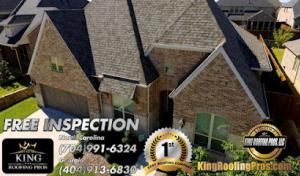
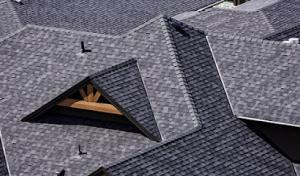
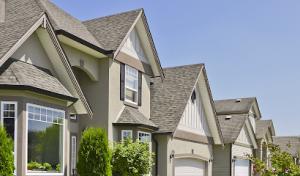
Georgia insurers serving the Atlanta metro expect thorough photo evidence, damage documentation, and an inspection confirmation when claims arise from hail and wind. In Forest Park, capturing the full roof edge, siding attachments, and any interior signs of intrusion from wind-driven rain helps prevent back-and-forth delays. Take clear, dated photos from multiple angles-overhead shots from the ladder, close-ups of bruised shingles, and any granule loss or dented metal. Keep a running log of the dates storms impacted the roof and note observable changes as repairs progress, so adjusters see a consistent, verifiable timeline.
Damage can accumulate quickly during the region's spring and summer storm season, and claim volume tends to rise, which can slow responses. Forest Park homeowners benefit from documenting damage promptly, while the memory of the event is fresh and the scene is still obvious. If shingles are curled, granules are scattered in gutters, or hail strikes metal flashing, photograph those instances soon after a storm passes. This immediacy reduces ambiguity and supports a smoother claim review when the insurer assigns an adjuster.
Eligible new roofs may help with wind-related credits, making installation paperwork and final inspection records especially useful in this market. When a roof update is pursued, ensure that the project file includes detailed installation notes, material specifications, and the final inspection report. In Forest Park, having a neatly organized set of these records can streamline the assessment, support any credits tied to wind performance, and help align the claim with what the insurer expects during the review and payout process.
Connect with contractors who help homeowners navigate the claims process from damage assessment to final approval.
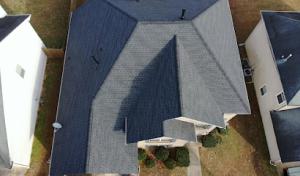
ExP Contractors
(404) 974-4969 exproofingcontractors.com
519 Forest Pkwy Suite 260 A, Forest Park, Georgia
4.9 from 171 reviews
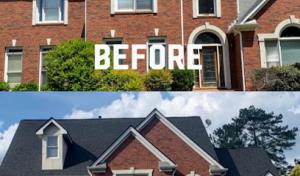
Empire Roofing Global Remodeling & Restoration
(470) 207-8586 empireroofingglobal.com
Serving
5.0 from 114 reviews
Emergency response matters in Forest Park because spring hail, summer thunderstorms, and autumn wind-rain events can open roofs suddenly and create interior water damage fast. A seen-but-unchecked leak during a storm can saturate ceilings, lockers, and walls in a matter of hours, especially with the heavier humidity in this metro pocket. When hail stamps dimples on the shingles or flashing joints pop loose, moisture can race under roof edges and into attic spaces before a contractor can finish a proper repair. Acting fast is not optional-it protects ceilings, preserves insulation, and minimizes mold exposure risk in tighter, older homes.
Temporary dry-in work can be harder to schedule during metro-wide storm bursts, so quick-response contractors are especially relevant in this city's market. The window for securing tarps and sealing a vulnerable area narrows as storms pile up. A responder who can arrive within a few hours to cover a vulnerable valley, seam, or chimney chase can stop water from spreading and buy time for a full repair plan. Expect a sudden surge of calls after a severe pulse, with crews prioritizing the most exposed roofs first.
Occasional winter rain or ice events in Forest Park can also limit roof access and delay permanent repairs even when leaks need immediate containment. Cold temps make tarping harder and slippery decks riskier, so plan for potential reschedules if a front brings ice or freezing drizzle. In those conditions, temporary protection still matters, but expect longer intervals before a wholesale fix can be implemented.
If a leak is active, place a sturdy bucket under the drips and move valuables away from the affected area. Do not crawl onto a wet roof; instead, document the damage with photos from ground level and near-ground vantage points, then relay this to the contractor along with a clear, reachable contact. Keep receipts for any emergency materials and minimize electrical exposure around damaged outlets or fixtures. A fast, targeted tarp job plus good documentation can prevent a cascade of interior damage while a local, Forest Park-experienced crew coordinates a lasting repair.
When you can't wait, these contractors offer fast response times to stop leaks and prevent further damage.
Empire Roofing Global Remodeling & Restoration
(470) 207-8586 empireroofingglobal.com
Serving
5.0 from 114 reviews