
Last updated: Apr 19, 2026
In this part of the Atlanta metro area, storms are not a once-a-year inconvenience-they're a recurring pattern that pushes many roofs past the point of simple repair. Frequent wind and hail events drive high roof claim activity, and the ensuing insurance activity can crest quickly after each storm season. Spring storms in particular lay bare older weaknesses, turning marginal shingles, flashing, and ridge lines into claimable damage that can escalate if not spotted early. The weather cycle here matters: cycles of heavy rain, humid summers, and occasional hail drive accelerated aging on common stock like asphalt and metal. If a storm hits, the risk isn't just immediate damage-it's the downstream insurance process that follows, often the fastest path to a complete re-roof when the roof has aged or sustained hidden damage.
Because Douglas County inspections can be delayed by weather or scheduling backlogs, timing your documentation is critical. You need dated evidence that captures the roof's condition before any claim work starts. Start with clear, timestamped photos from multiple angles: the main roof plane, valleys, hips, ridges, flashing, and any visible signs of hail impact on soft metal, gutters, and vents. Capture the interior as well if leaks exist, especially ceilings, attic insulation, and potential mold spots that a storm could aggravate. Gather records on roof age, previous repairs, and any prior contractor notes. These documents create a credible baseline when the adjuster arrives and can shorten delays caused by backlogged inspections or bad weather windows.
After a storm, go beyond the obvious. Look for wind-stripped shingles, lifted tabs, bruised granules on the asphalt surface, basal cracking at the shingle edges, and any displaced or loose flashing at the chimney, vents, and hips. Ridge cap damage often signals deeper issues that aren't visible from the ground; a contractor can review sealants and the underlying decking condition. If attic signs appear-light coming through roof boards, increased attic moisture, or unusual temperature swings-that can indicate hidden leaks that insurance will want documented. Schedule a quick professional damage assessment while the weather allows safe access to the roof. A trusted contractor can deliver a formal assessment with photographs and notes that align with claim expectations, helping you avoid back-and-forth with adjusters over what constitutes present damage versus wear.
Storm activity tends to cluster in spring, with the most aggressive wind and hail events often arriving in rapid succession. In those moments, a homeowner's instinct to act quickly is crucial, but haste must be balanced with accuracy. Do not wait for a full, formal inspection to start gathering evidence. If you suspect damage, begin the claim conversation with your insurer and share the pre-storm documentation you collected, plus the contractor's initial findings. Once a claim is opened, the adjuster will compare what's documented against what's observable on site. Having robust, dated proofs of prior condition and clearly labeled photos of newly observed damage can prevent disputes about pre-existing issues or the extent of storm-related destruction.
Choose a contractor who understands the local climate, common roofing materials, and aging patterns seen across the area's housing stock. A credible contractor will visit to assess damage, provide a written damage report, and help translate findings into claim-ready language for the insurer. They should also help you distinguish between damage that merely accelerates aging and actual storm damage that qualifies for insurance coverage. In this climate, a timely, accurate damage assessment can be the determining factor in whether the insurer authorizes a full replacement or opts for partial repairs. If a claim is approved for replacement, a contractor can coordinate materials and scheduling to align with favorable weather windows and avoid repeating the cycle of minor repairs that never truly resolve the vulnerability.
Act quickly, but with discipline. In this climate, a timely, well-documented claim can be the difference between a repair that buys time and a replacement that restores long-term protection.
Find local contractors experienced in assessing and restoring roofs after hail, wind, and severe weather events.
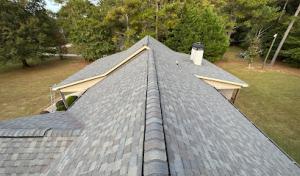
RX Roofing
(404) 464-6159 rxroofingllc.com
2700 Skyview Dr unit E, Lithia Springs, Georgia
4.9 from 9 reviews

Oak Hill Roofing & Restoration
(770) 285-7965 www.oakhillroof.com
Lithia Springs, Georgia
4.6 from 10 reviews
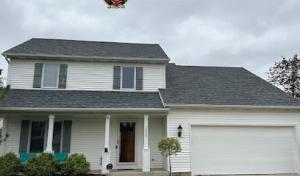
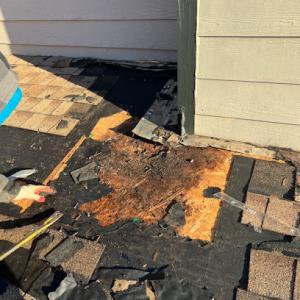
Austin's Roofing & Gutters
(470) 664-6976 www.austinsroofingandguttersga.com
370 Paces Dr, Lithia Springs, Georgia
4.6 from 95 reviews
Have you noticed leaks in your house's attic or ceiling but aren't sure how they got there? Do you believe that your roof's colored tiles also have seen better days? Perhaps you are just about to put your house on the market and want to make sure that your roof is in complete working order? If you answered yes to any of these questions, then it sounds like you could benefit from the exemplary and all-encompassing support provided by Austin's Roofing and Gutters, LLC , the Atlanta, GA roofing specialists.
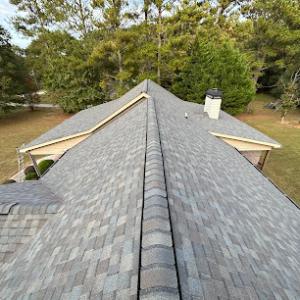
RX Roofing
(404) 464-6159 rxroofingllc.com
2700 Skyview Dr unit E, Lithia Springs, Georgia
4.9 from 9 reviews
At RX Roofing, we offer exceptional roofing services and solutions that are tailored to your specific needs. We specialize in new roof installations, roof repairs, and preventative maintenance to keep your roof in top condition. Our team of skilled and dedicated local roofers uses only top-quality materials and workmanship to ensure that your roofing project is completed to the highest standards. With our extensive experience serving the Atlanta area, you can trust us to be your go-to choice for all of your roofing needs. Choose RX Roofing for reliable, professional, and personalized roofing services that you can count on.

Oak Hill Roofing & Restoration
(770) 285-7965 www.oakhillroof.com
Lithia Springs, Georgia
4.6 from 10 reviews
Oak Hill Roofing & Restoration provides roof replacements and new roof installations in Douglasville, GA, and surrounding areas.

Paramount Roofing & Consulting
(404) 971-2880 www.paramountroofingandconsulting.com
Serving
5.0 from 270 reviews
Paramount Roofing & Consulting, Inc. is dedicated to delivering outstanding quality at competitive prices. Our goal is to create long-term value by building trusting relationships with our customers. Our roofing specialists are certified to attend to any siding, insulation, gutter, or roofing repair you need. With a focus on personal service and a commitment to integrity, our team is the best choice for any project you have. At Paramount, our relationship does not end when your project is completed, it begins. Paramount Roofing & Consulting, Inc. is an exemplary team and we are proud of it! We have the utmost trust in each other to deliver quality services to our customers.
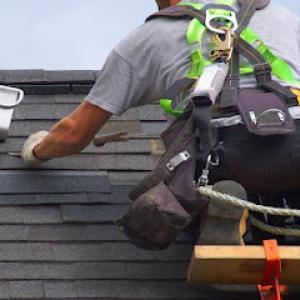
Quality Works Roofing
(404) 426-5277 www.qualityworksroofingatl.com
Serving
4.8 from 45 reviews
Quality Works Roofing offers free estimates! A TOP RATED GAF Master Elite Certified roofing contractor. A+ rated with the Better Business Bureau. We use the best materials and products on every product and we'll beat any written estimate guaranteed!
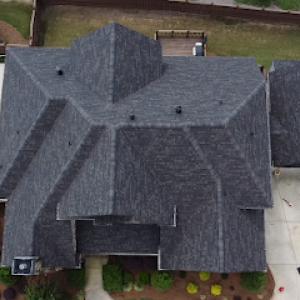
Wren's Roofing
(770) 609-0328 wrensroofing.com
Serving
5.0 from 46 reviews
Wrens Roofing is a family owned and operated residential roofing company located in Georgia. We specialize in roof repairs, replacements and maintenance service as well as gutter installation, and repairs. We service the entire metro Atlanta area and surrounding cities. With a combined 40 years in the customer service and roofing industry, Wrens Roofing is always the best choice for your roofing and gutter needs. Inspections and estimates are always free, with zero obligation. We offer superior workmanship and materials while never compromising quality for higher margins. Our company is fully insured with both liability and workers compensation. We offer warranties on all the work we provide and we proudly stand behind them.
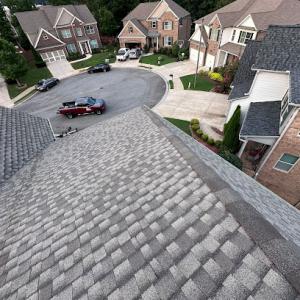
Guardian roofing
(404) 626-3461 guardianroofingllcga.com
Serving
4.9 from 115 reviews
Guardian Roofing is a family owned and operated company that is more than committed to becoming the contractor of choice. We pursue excellence through experience, dedication, and disciplined staff that has an ongoing passion in delivering timely, affordable, and quality projects. Our company has over 11 years of personal experience. Since then, we have built a solid reputation as reliable general contractors. Our continued business success and longevity relies on referrals and word of mouth of satisfied and loyal clientele across Douglasville, GA.
JG pro solutions
(770) 895-2826 jgprosolutions.com
Serving
4.9 from 123 reviews
JG Pro Solutions is a roofing company specialized in roof replacements, with a strong focus on insurance claims related to hail and wind damage. We help homeowners navigate the insurance process while delivering high-quality workmanship and reliable service.
Hamby Roof Repair
(770) 577-9758 www.hambyroofrepair.com
Serving
5.0 from 168 reviews
Since 1991, Hamby Roof Repair has been the trusted name in residential roofing and general construction. More than just leak repair, we offer comprehensive roofing services, bringing decades of experience to every project. We believe quality roof care shouldn't break the bank, and our maintenance plans are designed to extend the life of your roof, saving you money in the long run. From shingles to flat roofing products, if it's repairable, we can fix it, ensuring your home or business is protected for years to come.
Roof Solutions
(404) 352-0000 roofsolutionsllc.com
Serving
4.3 from 6 reviews
Commercial Roof Solutions, LLC was founded in 2004 on a simple principle - Do the right thing. That means working with our customers to determine what the right solution is for them; performing our duties in a timely, professional and courteous manner; and not calling a project complete until our customers are fully satisfied with our performance. Our favorite line to prospective customers is “Give us the leak that no one else can fix and let us show you what we can do”.
Union Restoration Group
(770) 549-7437 unionrestorationatl.com
Serving
4.8 from 58 reviews
Especializados en water mitigation and restoration
Roof Now
Serving
5.0 from 27 reviews
Roof Now, headquartered in Douglasville, GA is a family-owned and operated company providing efficient and effective roof services from one family to another. As a West GA roofing company, our team has many years working directly to perfect the practice on roofs. We are your experts for commercial and residential roofing. When you want upfront pricing, a roofing contractor who cares, and even free inspections and estimates, we are here for you! Reach out to us today for all of your roof replacement, roof inspection and storm damage restoration needs!
Hot, humid summers in this area accelerate shingle and underlayment aging, making heat and trapped moisture a bigger lifespan factor than freeze-thaw stress. In practice, that means materials that tolerate high heat and resist moisture buildup tend to hold up longer here. The roof's age and the underlying deck condition become especially consequential after multiple Georgia summer storms, where repeated exposure and rapid drying cycles push material limits.
Different roof types respond to Lithia Springs' weather in distinct ways. Asphalt shingles handle the seasonal heat and humidity quite well when paired with a quality underlayment, but prolonged sun exposure can cause faster granule loss and color fading. Metal roofing resists hail and heat, yet expansion and contraction with humidity cycles can impact fasteners and flashing if installation quality isn't precise. Clay and concrete tiles offer excellent lifespan in hot climates, but weight, plus occasional cold snaps, can affect seal-down performance and may require more robust attic ventilation and underlayment to prevent backside moisture damage. Wood shingles and shakes can look authentic, but the humidity and storm exposure demand careful maintenance to prevent mold, cupping, and moisture-related splitting. Synthetic or composite shingles often balance weight and moisture resistance, but performance hinges on proper installation and attic conditions.
Frequent summer moisture and storm exposure in this part of Georgia increase the importance of attic venting and flashing performance, both of which are specifically checked during final inspection after replacement. A well-vented attic reduces roof deck temperatures and slows adhesive breakdown, while properly sealed flashing around chimneys, vents, and transitions prevents wind-driven leaks during sudden Georgia downpours. If attic soffits are blocked or roof penetrations poorly flashed, heat and humidity can accelerate deck rot and reduce the effective life of the roof system. Plan for an inspection that prioritizes venting pathways and flashing integrity as a core factor in expected lifespan.
Mild winters allow year-round roofing in this area, but occasional cold snaps can still slow installation timing and seal-down performance for some materials. Materials that rely on precise sealing or rubberized underlayments may experience temporary slowdowns when temperatures dip, yet the overall impact on lifespan is more about ensuring a full, proper seal once warmer days return. The key is to avoid rushed sealant applications during cold snaps and to verify that all penetrations have adequate thermal movement allowances. In practice, that means scheduling follow-up checks after the first winter cycle to confirm shade and seal integrity have remained stable through seasonal temperature shifts.
Storms drive more cycle stress on the roof system than a simplistic aging clock. Recurrent hail, heavy rain, and strong winds challenge both surface materials and the supporting deck. In Lithia Springs, the lifespan of any roof comes down to a combination of material selection, the quality of flashing and attic ventilation, and how well installations endure heat and moisture over time. Regular inspections after major storm events, attention to flashing maintenance, and a proactive approach to attic venting will help you align replacement timing with actual wear rather than calendar age.
Asphalt shingles dominate the local market because they fit the price expectations of a storm-active re-roofing market and are widely used across metro Atlanta subdivisions. For a homeowner dealing with spring wind events and hail, asphalt remains a practical choice due to straightforward installation, solid warranty options, and broad local familiarity among contractors. In many neighborhoods you can expect a large pool of capable crews that understand the typical storm damage patterns here-granule loss after hail, lifted edges from gusts, and the need for careful underlayment inspection. When considering asphalt, focus on higher wind-resistance and impact-grade options if your area sees regular hail, and choose architectural or impact-rated shingles to maximize longevity without overspending on materials that aren't essential for your home's specific exposure.
Metal roofing has a meaningful specialist presence locally and appeals to homeowners trying to improve durability against repeated storm exposure and intense summer heat. Metal systems tend to shed wind-blown debris more cleanly and can offer excellent longevity in hot climates, with gains in energy efficiency and a more modern look that fits many Lithia Springs homes. The trade-off is the installer availability and the precision required for flashing around chimneys, vents, and transitions to existing skylights or dormers. If selecting metal, anticipate a careful assessment of attic ventilation and insulation, since metal roofs can amplify heat in attics otherwise left under-ventilated. A reputable local installer will verify that the fasteners and sealants match the climate's humidity cycle to prevent corrosion and leaks over time.
Tile and wood products exist in Lithia Springs but are much less common than asphalt, so homeowners considering clay, concrete, or cedar-style systems should expect a smaller pool of experienced installers than for standard shingle work. Clay and concrete tiles bring strong impact resistance and a distinctive curb appeal, but their weight requires structural confirmation and careful framing detail. Cedar-style wood shingles or shakes offer a traditional look and can perform well in dry periods, yet they are more susceptible to moisture-related aging and rot if ventilation and flashing aren't meticulously managed. If you lean toward these options, you'll want to source a contractor with a proven track record in our area's moisture and heat cycles, and you should plan for precise attic ventilation, underlayment choices, and reputable maintenance routines to extend service life.
Weather-driven roof damage often presents as a sequence: hail impacts, wind lifts, and accelerated aging from heat and humidity. Your best path is a well-documented, timely assessment from a licensed roofing professional who can describe the damage, age, and needed repairs or replacement with photos and measurements. Keep a detailed file of all storms that caused visible damage and any temporary repairs you authorized. Insurance-backed re-roofing is common in this market, so understanding the scope of coverage, document timeliness, and claim alignment with the actual work is crucial. When selecting a material, ensure the installation aligns with your insurer's preferred methods and that the chosen system has a proven track record under our climate's spring wind events and high humidity.
Your decision should balance long-term performance with the realities of the local contractor landscape. Asphalt shingles, by far the most common choice, offer reliable performance and installer familiarity. If you prioritize durability against storm exposure and extreme heat, metal can be a strong option with the right local installer. Tile and wood can deliver distinctive aesthetics and solid lifespans in the right conditions, but expect a smaller installer pool and more upfront structural checks. Regardless of material, ensure proper ventilation, a robust underlayment, and a careful rain- and wind-driven inspection plan to minimize weather-related downtime and maximize your roof's resilience.
In this area, replacement pricing moves with the weather. Storm-driven demand spikes across the Atlanta metro tighten labor availability and push schedules out, especially after hail or high-wrequency wind events. When a major storm hits, you'll see price pressure not just on materials but on crew availability, delaying start dates and elongating project durations. If your roof is nearing end-of-life or has sustained hail damage, expect closer attention from local crews who stay busy scrambling to book next-week slots rather than next-months out. This dynamic is most noticeable with asphalt shingles, where the biggest price spread often appears due to the volume of projects chasing limited labor.
The local market tends to show the widest gap on asphalt systems, driven by affordability-focused contractors competing for manageable schedules. For asphalt shingles, the lower end can land around the mid-300s per square, while heavier-duty or higher-quality shingle profiles push toward the upper end of the range. Metal roofing, clay tile, and concrete tile behave more predictably and can swing with installer availability rather than material cost alone. Synthetic or composite shingles fall between asphalt and higher-end options, often offering good protection at mid-tier pricing. Specialty materials, especially metallic or tile products, depend more on which crews can realistically install them quickly after a storm event.
Weather windows matter here. Every delay in a replacement job tends to translate into higher carrying costs, especially in the warm, humid months when moisture and humidity can slow application and inspection cycles. If a weather front stalls a crew's schedule or prompts additional inspections, costs can creep up from labor pauses and material hold times. For homeowners weighing options, aligning the project with a short, clear weather forecast and a tight sequencing plan helps limit extended exposure to moisture and wind. In practice, choosing a material with predictable local availability can also reduce the odds of a price surprise when the calendar tightens after a storm.
When storms have recently moved through, get multiple written bids and check each contractor's recent completion times on asphalt vs. other materials. If timing is flexible, aim to schedule during a low-demand window to capture more favorable labor rates. If a higher-end material is appealing, confirm that the installer has substantial experience with that product and can reliably line up delivery and airflow/ventilation work in the same window as the roof deck. This coordination helps minimize delays and control overall project cost.
Get a clear picture of your project costs upfront - no commitment required.
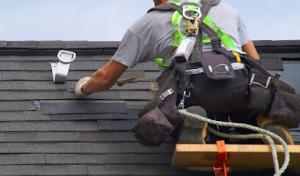
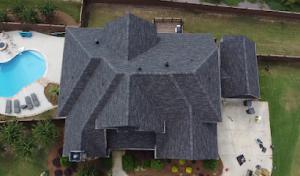
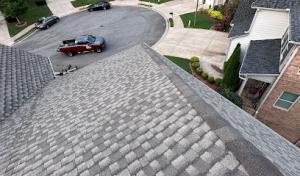
A building permit is generally required for a full roof replacement in Lithia Springs because the city falls under Douglas County permitting and inspection oversight for this work. The permit process is not a paperwork stub; it adds a layer of accountability that is easy to underestimate amid wind-driven damage and a busy weather season. The county does not treat a roof as a simple tear-off with no oversight. Instead, the review looks at how the job will be constructed, what materials are used, and whether the installation meets current code and safety standards. If a contractor tries to short-cut the process or skip the permit, the risk is not just a citation-it's the chance that repairs won't be performed to code, which can complicate insurance claims and future sales.
Douglas County issues a completion inspection that centers on critical, moisture-related details: proper nailing patterns, underlayment installation, venting, and flashing around valleys, chimneys, skylights, and roof-to-wall junctures. In older or storm-damaged homes common in this area, those elements can be overlooked in a hurry-to-closeout scenario. The inspection does not simply confirm a reroof occurred; it verifies that the roof was installed with the durability to withstand the county's heavy spring winds and humidity. Proper sealing around penetrations is essential to prevent leaks during Georgia's humid summers and sudden showers.
Inspection timing in Douglas County can be affected by weather and scheduling backlogs, which matters in this area when tarped roofs or partially completed jobs are waiting for closeout. If a storm recovery timeline pushes work to a window with unsettled weather, the plan for inspections can slide, leaving a home temporarily exposed to the elements. The outcome is a longer period with a roof that is not yet code-confirmed, which can also complicate insurance coordination and claim timing.
Before work begins, confirm the permit is filed and that the inspection plan is in place with the contractor. After the job is underway, keep a clear record of material types, nail counts, and flashing details to help match the county's inspection expectations. If weather stalls progress, coordinate with the contractor to reschedule inspections promptly so the project proceeds under proper oversight and the roof remains properly protected through the remainder of the storm season.
Storms in this area bring wind-driven rain that finds every seam and flashing, so you need to act fast. The local contractor market shows unusually strong demand for emergency response, reflecting the need for tarping and leak control the moment rain subsides. If you notice active leaks or fresh staining, deploy a temporary tarp to keep water from cascading into living spaces while you line up a permanent fix. Prioritize secure, wind-resistant tarps and ensure edges are weighted and fastened to resist lifting in the next gust.
Skylight-related repair capability has a real presence in this market, which matters because flashing transitions are common leak points after humid Georgia storms. Inspect skylight seals, curb flashing, and surrounding shingles after every major rain event. If you detect condensation, damp corners, or bead-like water tracking, call a skylight specialist promptly. A quick reseal or flashing refresh can stop a slow drip before it becomes a ceiling-wide issue.
Fall rain and tropical activity can interrupt open-roof work, so temporary dry-in quality is especially important when repairs stretch across multiple weather windows. Schedule around calmer weeks, but maintain a contingency plan for rapid start-ups if a fresh storm hits. Ensure temporary measures are watertight between sessions, and confirm that the crew has a plan for protecting interior spaces during wind-driven rain events.
Find contractors experienced in skylight installation, flashing, and leak repairs to bring natural light into your home.
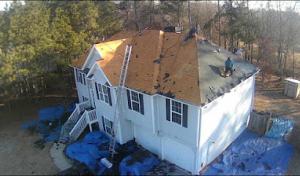
Efficient Roofing & Restoration
(678) 499-3257 effroofingrestoration.com
Serving
5.0 from 83 reviews
Storm season in this metro area pushes insurers toward thorough documentation, and those expectations are especially sharp for Lithia Springs homeowners. Insurers often want photos, a clear roof age, and a detailed damage assessment before approving any scope. The goal is not to scare you, but to help you avoid delays or coverage questions that stall a repair or replacement. Keep your own photo record in a dated, organized folder so you can compare what the insurer lists with what you see on the actual roof after a storm. If a claim handler asks for a specific damage checklist, respond promptly with concrete, on-site observations rather than relying on memory.
Coverage outcomes can shift as insurers adjust practices in response to state and local regulatory changes, so homeowners here need to confirm whether code-related items and full-system components are included. A roof is more than shingles; under evolving guidelines, underlayment, ventilation, flashing, and even attic insulation can influence whether a claim covers a full replacement versus a partial repair. When you review the insurer's scope, map it against the actual system you see on the roof and in the attic after a storm: are all components accounted for, and do the numbers align with the observed moisture damage? If anything reads unclear, push for explicit language in the claim decision to avoid surprises later in the project.
In a market with many contractors advertising insurance assistance, Lithia Springs homeowners should keep their own records and compare the insurer's scope against actual storm and moisture-related damage observed on site. Don't rely solely on a contractor's summary or trusted references from neighbors. Photograph damage from multiple angles, note the date of each image, and log any prior repairs that could affect depreciation or replacement eligibility. If you receive a scope that omits normally included components, request a revision in writing and, if needed, seek an independent assessment to support your case. A careful, verifiable paper trail helps you navigate the process with fewer delays and clearer outcomes.
The local market is dominated by re-roofing rather than niche new-construction work, so homeowners should prioritize crews with a strong track record on occupied-home tear-offs and cleanup. Look for teams that can demonstrate a clean, thorough teardown without leaving debris in the yard or gutters, and that have a clear plan for protecting landscaping and outdoor_units during a busy replacement schedule. A crew accustomed to working on occupied homes will already know how to minimize disruption to daily routines and outdoor spaces.
Storm damage and insurance-backed re-roofs are common here, so you want a crew that can document damage accurately and communicate well with both you and your insurer. Favor firms that routinely handle rapid mobilizations after a storm, with a transparent workflow for intake, temporary repairs if needed, and a documented process for material selection and installation timelines. Long-lasting relationships with manufacturers or supplier networks can translate into steadier supply during peak season storms.
Quick response and cleanup are standout hiring priorities in this market, reflecting the reality that many local jobs begin after storms and need fast scheduling plus debris control. Ask for a timeline from first contact to start date, and request a specific cleanup plan with daily containment methods, dumpster placement, and final debris haul-off. A crew that can commit to a tight, predictable schedule and clean daily work areas reduces the risk of weekend delays and neighbor complaints.
Long-established, family-owned, and manufacturer-certified firms all have a visible presence around the area, but the market also includes many affordability-driven competitors, so scope detail matters more than a low headline bid. Seek a firm that provides detailed written scope of work, storm-resolution documentation, and a clear warranty framework. Verify that their crew size, equipment, and subcontracting practices align with your project's scale and your home's specific roofline.