
Last updated: Apr 19, 2026
Spring storms in this northern Illinois hail and wind corridor arrive with little warning, and they're notorious for pushing roof inspections and replacement demand into rapid spikes. After a long winter, the first warm days can reveal ice damming and snow-load stress that already weakened shingles and flashing. When those same days turn windy and hail-y, weak points become evident-cracked shingles, lifted edges, dented metal edges, and compromised vents. The practical consequence for homeowners is a compressed window for quality repairs and full replacements: late spring through early fall becomes the best, sometimes the only dependable stretch to secure a solid roof replacement. If a major spring storm hits, that window can tighten dramatically for the rest of the season as crews book out and suppliers skew toward urgent jobs. In this neighborhood, the rhythm is predictable enough to plan around, but dangerous enough to demand immediate action when you see fresh hail hits or wind-driven shingle loss.
After a freeze-thaw cycle and repeated ice damming, you'll start noticing granule loss, dark streaks, and suspicious shine along the roofline where sunlight hits at a different angle. Ice dams push water under shingles, and when spring hail arrives, those weak seams become easy targets. Shingle edges that curl or lift, cracked tabs, and dented ridge caps aren't cosmetic-not just on a low-slope section but across ridge lines that you can see from the street. Wind events that follow hail can peel back fasteners or blow loose sections into gutters or onto your driveway, signaling that the roof structure may be compromised beneath the surface. In this market, the first 24-72 hours after a severe hailstorm are critical: weather can deteriorate the scene, but the risk of secondary damage inside the attic increases if water finds its way through.
First, document everything. Take clear photos from ground level and from the attic at peak daylight. Note dates of storms, wind speeds if you have them, and any visible shifts in roofing material. Second, arrange a rapid, on-site inspection with a trusted local roofer who understands the climate's quirks: ice damming history, prior freeze-thaw cycles, and your specific housing stock. Do not delay a professional assessment if you've seen lifted shingles or granular loss, because weak spots become costly to repair once water finds its way into the attic or ceiling. Third, keep an eye on gutters and downspouts for an unusual amount of shingle granules, which signals accelerated wear. Finally, prepare for a potential surge in demand after a major spring storm. Have a plan to prioritize emergency repairs to protect the interior before a broader replacement becomes necessary.
The local cycle makes timing everything. The practical replacement window is late spring through early fall; a big spring storm can squeeze contractor availability for the remainder of the season. That means immediate triage matters: addressing active leaks and wind uplift now can prevent a longer, more disruptive project later. If you've faced winter ice damming and then a brutal spring event, recognize that you're standing in a high-risk moment where quick, decisive action protects your home from escalating damage and helps secure a more predictable repair path once crews are back from peak-season work. Keep your eyes open for telltale signs-dull spots, curled edges, and attic warmth-and act fast before the cycle tightens further.
Illinois is a recurring hail and wind claim market, and Crystal Lake homeowners often face surge periods after storms. After a hail event, the speed and clarity of your documentation can influence the claim outcome, especially when insurers mobilize independent adjusters to handle larger outbreaks. Keeping thorough records from the start helps reduce disputes later, and it makes the difference if your claim hinges on rapid reporting and a clear before-and-after view of the roof condition.
Begin with a consistent photo routine the day after a storm, and keep a dated log of observations. Take wide roof shots to show overall weathered sections, then close-ups of damaged shingles, granule loss, and any lifted edges or hail marks. Photograph attic and ceiling spots that indicate leaks or moisture intrusion, including any signs of ice damming along eaves and gutters. If a tree limb or debris caused impact damage, document the source and location. In Crystal Lake, you will often be evaluating roofs that endure freeze-thaw cycles and lake-influenced moisture, so include any staining or unusual dark spots that could signal water ingress through compromised underlayment.
Carriers serving this area may use independent adjusters after larger hail outbreaks. Having pre-claim roof condition records is especially useful in dispute resolution, because it clarifies what existed before the storm. If you have prior quarterly or annual photos, lists of prior repairs, or professional assessments, organize them in a binder labeled by year and storm event. Share your documentation promptly with the insurer, and provide a clear timeline of when you noticed damage, when you reported it, and when contractors were able to access the roof for inspection. This approach helps ensure the claim reflects actual conditions and reduces back-and-forth during settlement.
Coverage treatment can vary by roofing material and by how quickly damage is reported after a regional storm. In a market where hail-driven claim volume can surge, insurers may impose stricter scrutiny on late reports or inconsistencies between observed damage and the described events. If you have metal, shingles, or tile in the mix, note that some materials respond differently to hail impact and wind-driven shingle loss, which can influence the adjuster's assessment and the scope of covered repairs. Prompt reporting, paired with precise documentation, supports a smoother claim process.
Draft a simple damage chronology after the event: weather date, first signs of damage, claimant contact, and inspection dates. Before scheduling contractor notes, obtain permission to document the roof's condition in writing and with photographs. Request written estimates from reputable local roofers after the initial adjuster assessment, so you can compare price and scope. If discrepancies arise, appeal by supplying the pre-claim records and the storm-day documentation. In a storm cluster, staying organized and proactive helps ensure the claim reflects the actual damage and prevents delays caused by missing or unclear information. Keep a single point of contact with your insurer to avoid fragmented notes across multiple representatives. This targeted, Crystal Lake-specific approach reduces friction when hail, wind, and ice-dam events drive claims.
Connect with contractors who help homeowners navigate the claims process from damage assessment to final approval.
CJM Roofing
5333 Northwest Hwy, Crystal Lake, Illinois
5.0 from 39 reviews
DGB Roofing Construction
(815) 444-8336 www.dgbroofing.com
257 King St, Crystal Lake, Illinois
4.8 from 121 reviews

Expert Roofing
(815) 881-1141 expertroofinginc.com
171 Erick St Y-1, Crystal Lake, Illinois
4.7 from 507 reviews

FlatRoof Commercial Roofing
(779) 220-8085 crystallakeflatroofing.com
18839 Kings Gate Ln, Crystal Lake, Illinois
5.0 from 40 reviews
At FlatRoof Commercial Roofing, more customers consistently trust. We are proud of our quality reputation. We offer our commercial roofing services with professionalism, honesty, and quality finished products that set us apart from other roofing companies in Crystal Lake. We offer roof repair and roof replacement at reasonable prices. Our roofing contractors always work above and beyond their job to provide the highest quality standards without ever compromising the services we provide. We understand that choosing the right commercial roofing contractor is a huge decision that you’ll have to live for a decade. We would love to provide references if you wish so you can learn more about us. Make the quality choice, and call us today!

CJM Roofing
5333 Northwest Hwy, Crystal Lake, Illinois
5.0 from 39 reviews
Residential and commercial roofing contractor serving Chicagoland. CJM Roofing provides professional roofing services at competitive prices. We streamline the process for you from estimation through issuing final warranty.
DGB Roofing Construction
(815) 444-8336 www.dgbroofing.com
257 King St, Crystal Lake, Illinois
4.8 from 121 reviews
DGB Roofing Construction, in Crystal Lake, IL, is the area's leading roofing specialist. We specialize in commercial roofing, residential roofing, siding, gutters and much more. We are Licensed, Insured and Bonded in the state of Illinois. Free estimates for roof replacement and repairs available.

Expert Roofing
(815) 881-1141 expertroofinginc.com
171 Erick St Y-1, Crystal Lake, Illinois
4.7 from 507 reviews
Expert Roofing, a certified roofing contractor in Crystal Lake, IL, has proudly served the community since 2005 with a focus on roof replacements and exterior restoration. Known for quality craftsmanship, we specialize in complete tear-offs, durable installations, and thorough inspections that address local challenges such as ice dams, storm damage, and aging shingles. In addition to roofing, our team provides siding and storm damage restoration services to keep homes protected year-round. Built on integrity and professionalism, Expert Roofing has earned a reputation as trusted roofing contractors in Crystal Lake, delivering reliable service and lasting results for homeowners across the region.
Jarvis Exteriors
(815) 788-9850 jarvisexteriors.com
284 W Virginia St, Crystal Lake, Illinois
4.9 from 42 reviews
Jarvis Exteriors has been a trusted name in roofing, siding, windows, and gutters throughout the Chicagoland area since 1998. Known for quality craftsmanship, honest service, and top-tier products, we’re committed to doing the job right the first time. Fully insured and backed by leading industry certifications, our team delivers reliable, detail-focused exterior work that stands the test of time. Whether it’s a small repair or a full replacement, you can count on us to protect what matters most—your home.
Amsterdam - Roofing, Siding, Windows, Doors & Masonry Contractor
(847) 439-1814 www.amsterdamcontractor.com
1545 Candlewood Dr, Crystal Lake, Illinois
5.0 from 24 reviews
Amsterdam Enterprises, an established Crystal Lake roofing contractor, has been proudly serving Crystal Lake and its surrounding areas for 44+ years. Our expertise, craftsmanship, and dependability are unmatched. We offer a wide range of services for both residential and commercial properties, delivered by the best in the industry. Our services include: Roofing (shingles, cedar, slate, copper, and flat roofs), Siding installation / siding repair, Tuckpointing, Window installation / window repair, Soffit and fascia work, Gutter installation / gutter repair, Historical building restoration. No matter the project size, we'll take care of it. Count on Amsterdam Enterprises for top-notch expertise and unwavering quality. Contact us today!

C3 Construction
35 Burdent Dr Unit G, Crystal Lake, Illinois
4.8 from 35 reviews
Award-wining exterior services company focused on roofing, siding, and gutters across residential and commercial clients in the Chicagoland area for over a decade!
Creative Construction Group
(815) 459-1750 www.creativeconstructiongroup.com
6101 Factory Rd Suite A, Crystal Lake, Illinois
4.7 from 27 reviews
We are committed to providing top-notch, high-quality service to our customers. We will personally see to it that you get the quality of service you deserve before, during and after your remodeling project.

Excalibur
(815) 477-1400 www.excaliburforexteriors.com
800 McArdle Dr Suite D, Crystal Lake, Illinois
5.0 from 11 reviews
For more than 40 years, Excalibur has been delivering quality roofing, siding, and home improvement services to homeowners in the Crystal Lake, IL area.
Charles Copley Roofing
(815) 459-5493 www.copleyroofing.com
835 E Terra Cotta Ave, Crystal Lake, Illinois
4.4 from 38 reviews
We are a full service roofing contractor providing premium solutions to McHenry County and the surrounding area since 1968! We are family owned and operated with a showroom located in Crystal Lake.
MB Roofing & Construction
(815) 768-7728 www.mbroofingconstruction.com
996 Ridgewood Ln, Crystal Lake, Illinois
5.0 from 4 reviews
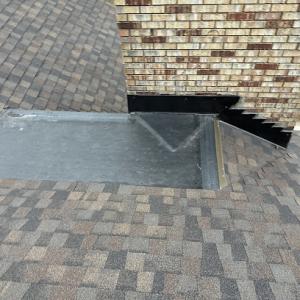
Expert roofing services at an reasonable price.

TIMES ROOFING company
(630) 999-9619 timesroofing.co
1078 Red Ivy Dr, Crystal Lake, Illinois
5.0 from 4 reviews
At Times Roofing, we prioritize quality and customer satisfaction above all else. Using premium materials and careful craftsmanship, we ensure your roof is both visually appealing and built to handle the region’s changing weather conditions.
Asphalt shingles are the dominant practical choice in Crystal Lake because they fit the area's suburban housing stock and are widely used in a climate with cold winters and warm summers. For most homes here, a good architectural shingle helps balance wind resistance, hail impact, and ease of repair after freezing cycles. When selecting asphalt, focus on a durable layer that can handle rapid temperature shifts without excessive expansion or contraction. In this climate, ensure the underlayment is robust and the installation includes proper attic ventilation to reduce moisture buildup during melt-freeze cycles. Good ventilation also helps prevent premature shingle deterioration from heat build-up on attic surfaces during the warm months.
Metal roofing is relevant locally for snow shedding and durability, but detailing around fasteners, flashing, and thermal movement matters in Crystal Lake's large seasonal temperature swings. If metal is your choice, plan for a mechanically fastened or standing-seam system with a continuous, well-sealed edge and properly integrated flashing at walls, chimneys, and valleys. Pay attention to how panels expand and contract with winter cold and summer heat; use generous laps and sealants designed for temperature cycling. A metal roof can excel at shedding heavy snow to reduce ice dam risk, but it needs careful attention to venting of the attic and to the integration with existing soffit vents to avoid trapped moisture near interior walls.
Wood shakes, clay tile, concrete tile, and synthetic products appear in the market but need careful evaluation for weight, moisture behavior, and repair logistics after hail or freeze-thaw stress in northern Illinois. Wood shakes can add character but absorb moisture and may warp under repeated freeze-thaw cycles unless properly treated and maintained. Clay and concrete tiles bring long life and certain aesthetic appeals, yet their weight requires structural checks and careful fastener planning to handle wind uplift and seasonal movement. Synthetic products offer flexibility and resistance to cracking, but installment details still matter for wind zones and hail exposure. In all cases, ensure the roof's underlayment and ventilation strategy supports the anticipated moisture swings and that any hail-damaged areas are inspected promptly to prevent accelerated deterioration from ongoing freeze-thaw cycles.
When a heavy hail event or severe wind hits, inspect the roof for displaced shingles, damaged flashing, and dented metal edges. After any harsh winter, check for ice dam formation along eaves and ensure attic insulation and ventilation are balanced to minimize future damming. In Crystal Lake, choosing a roofing system that accommodates rapid weather changes and planning for a dependable repair pathway will help maintain performance through many seasons.
Typical local material pricing runs about $350 to $550 per square for asphalt shingles, $600 to $900 for metal, $900 to $1500 for clay tile, $800 to $1400 for concrete tile, $550 to $950 for wood shingles or shakes, and $400 to $700 for synthetic or composite shingles. On a standard residential slope with straightforward installation, asphalt remains the most common and budget-friendly path. If you're considering something with more impact resistance or a longer lifespan-like metal, clay, or concrete tiles-be prepared for higher upfront costs. For homes with distinct architectural details or unusual roof lines, expect the crew to factor in extra material waste, extra flashing, and more precise ventilation work, which can nudge the square price upward.
Pricing here can rise after regional hail events because storm-driven demand tightens scheduling and labor availability across the broader McHenry County and Chicago suburban market. When crews are in higher demand, you'll see lead times lengthen and bids tighten, and that translates into higher weekly rates and sometimes premium scheduling charges. In practical terms, you may be looking at a few percent to a larger bump on top of the base material cost if a large hail season hits, especially if several nearby homes are competing for the same crew windows. Plan for timing flexibility and a cushion in your budget if a hail season coincides with your project window.
Costs also move based on whether the project is a straightforward re-roof on common residential slopes or a more complex home with heavier materials, ventilation corrections, skylights, or low-slope tie-ins that require more detailed flashing work. A simple, clean re-roof on a typical V or gable profile tends to stay near the lower end of the ranges, while a house with ridge vents, attic ventilation upgrades, or multiple skylights will push the price higher. If a retrofit calls for upgrading underlayment, addressing wind-driven uplift concerns, or replacing deteriorated decking, you'll see incremental increases added to the per-square figure. In Crystal Lake, where older homes blend with newer builds around lake-affected valleys, expect installers to check for improved attic ventilation as part of the plan, which can add a modest but meaningful cost early in the process.
For budgeting, think in per-square terms as the standard shorthand in this region, then add a contingency for weather-driven scheduling and potential ventilation or flashing upgrades. If you're weighing materials, consider the local realities: hail and wind resistance, ice-dam mitigation, and the way roof color and texture weather the long freeze-thaw winters. In practice, a well-structured estimate will show base material costs, a separate line for underlayment and ventilation improvements, an allowance for flashing and metal details around chimneys or skylights, and a contingency for weather delays.
Get a clear picture of your project costs upfront - no commitment required.
DGB Roofing Construction
(815) 444-8336 www.dgbroofing.com
257 King St, Crystal Lake, Illinois
4.8 from 121 reviews
Jarvis Exteriors
(815) 788-9850 jarvisexteriors.com
284 W Virginia St, Crystal Lake, Illinois
4.9 from 42 reviews
T J Builders & Developers Inc - Roofing Contractor & Fire Damage Restoration
(847) 508-0957 tjbuildersinc.com
Serving
4.8 from 27 reviews
In Crystal Lake, a permit is typically required for a full re-roof rather than being treated as a no-paperwork maintenance item. That means when you plan to strip down and replace the entire roof, the process centers on formal oversight rather than a quick notice. You'll need to prepare a permit application that describes the project scope, including the roofing materials, underlayment, ventilation strategy, and any structural or flashing details that will be changed or upgraded. Approaching the city with a complete, coherent plan helps prevent delays and clarifies expectations for what the building department will review.
The city schedules inspections after key stages to verify installation quality and code compliance. Typically, inspections occur once the underlayment is installed or at an early stage of roof sheathing work, and again upon final completion. This staged approach gives both you and the inspector a clear view of progress and ensures that critical components-such as ventilation paths and wind-resistance features-are in place before the project progresses too far. Plan your schedule to align with these checkpoints, and coordinate access with the contractor so that inspections can occur without postponement.
The local review workflow places emphasis on wind uplift considerations and ventilation-related details. Expect inspectors to verify that the chosen underlayment, fastener pattern, and edge detailing meet wind resistance requirements for the region, especially after severe storms. Ventilation gets particular attention to ensure proper attic airflow, which helps manage ice-dam risk and indoor moisture. Have your venting strategy, ridge and soffit configurations, and any attic baffles ready for review, along with manufacturer specs for the chosen shingles or metal panels. Clear, labeled diagrams can smooth the process and help the building department assess the system holistically.
Crystal Lake's cold winters and repeated freeze-thaw cycles make ice dam prevention a core roof design issue rather than a rare event. Snow that melts on a sunlit slope and refreezes at the eave creates a dam that pushes melted water under shingles and into soffits, insulation, and ceilings. You may notice stained ceiling corners, fresh interior frost, or soft spots along exterior walls after a thaw followed by a sharp cold snap. The consequences aren't just cosmetic-the moisture infiltration can corrode sheathing, rot sheathing edges, and invite mold growth that sags attic insulation and compromises your home's envelope. In this climate, preventive details aren't optional; they're part of a durable roof system.
Because inspections in this jurisdiction review venting as part of the roofing process, ventilation corrections are often tied directly to re-roof scope in Crystal Lake. When attic air isn't properly vented, heat losses leak into the attic during winter, warming roof sheathing from below and enabling ice dams to form more quickly. In practice, that means any re-roof project should assess soffit intake, ridge or high-side exhaust, and overall attic insulation depth. Even small gaps or compressed insulation can create hot spots that feed dam formation. Expect that improving venting and insulation now can prevent repeated leaks later, especially after a full or partial roof replacement where underlayment and flashing details are scrutinized.
Plan for a design that emphasizes balanced attic ventilation, with unobstructed soffit inlets and continuous ridge or turbine exhaust paths. Confirm that attic insulation meets local climate needs for cold winters, so warmth from living spaces doesn't transfer into the roof deck. When a leak appears in late winter or early spring, treat it as a sign to evaluate both drainage pathways and venting, since these systems are tightly interwoven in these homes. Small adjustments now pay off when the next storm rolls in.
Crystal Lake sees a steady flow of skylight projects driven by leak-prone penetrations and the local mix of roofs where flat or low-slope sections meet steeper shingle runs. A notable portion of the nearby contractor pool can handle flat-roof detail work, which matters when additions or dormers introduce low-slope transitions that meet a high-slope roof. Fall temperature swings and storm activity can stress seals, flashing edges, and transition points before winter moisture intrusion begins. Anticipate more frequent checks around these areas after harsh autumn storms.
When you're considering a skylight, start by mapping where it sits relative to prevailing wind directions and hail paths. Choose skylights with brushed aluminum or stainless hardware and laminated glass/impact-rated glazing if hail is common on your block. For transitions where a flat roof meets a shingle roof, plan for a continuous, integrated flashing assembly that spans both surfaces. Do not rely on flashings that terminate at the edge of the low-slope section; instead, extend sealant-backed flashing up and over the higher surface with a Z-flash detail to resist wind-driven moisture.
If your home has a low-slope band connecting to a steeper roof, insist on a multi-layer flashing approach: internal drainage, counter-flashing at the vertical edge, and a durable sealant line that stays flexible in cold snaps. Look for a skylight curb that's properly vented to avoid condensation pooling under the unit. In a storm-prone area, confirm hardware is rated for high wind pressures and that fasteners penetrated into solid framing are used rather than only into roofing felt.
After autumn storms, inspect skylight housings, seals, and surrounding flashing for creases, lifting, or gaps. In winter, watch for frost or condensation at the corners, which can indicate micro-leaks at transition points. If you notice dampness on ceilings near a skylight or along a low-slope joint, address it promptly to prevent ice dams from forming along the flashing edges. Regular inspections during thaw cycles help catch issues before they become costly repairs.
Find contractors experienced in skylight installation, flashing, and leak repairs to bring natural light into your home.
Expert Roofing
(815) 881-1141 expertroofinginc.com
171 Erick St Y-1, Crystal Lake, Illinois
4.7 from 507 reviews
Jarvis Exteriors
(815) 788-9850 jarvisexteriors.com
284 W Virginia St, Crystal Lake, Illinois
4.9 from 42 reviews

C3 Construction
35 Burdent Dr Unit G, Crystal Lake, Illinois
4.8 from 35 reviews
In this market, re-roofing is the dominant path for many homes, not just new builds. Homeowners typically choose firms that can handle full tear-offs, storm follow-up, and working around an occupied house without turning the neighborhood into a mess. The right contractor speaks your language about scheduling around family life, pets, and daily routines, and understands the rhythm of a typical Crystal Lake storm season.
When you call potential crews, ask about their tear-off rate, debris containment, and how they handle post-storm checks for leaks. A strong Crystal Lake contractor will have a documented plan for rapid weather-related responses, including tarping, temporary weather stops, and a clear sequence for addressing any unexpected damage found after the roof is opened. Expect a crew that can adapt if a storm window moves or if interior spots require attention once the old roof is off.
Response time matters, especially after a hail event or high-wind day. The best teams stage equipment and materials to minimize disruption, keep driveways clear, and clean as they go so you're not chasing nails or shingle granules long after they've left. Ask for a point person who will check in during the project, confirm progress, and coordinate access for attic or inside inspections if needed.
A substantial portion of firms in this area emphasize a long-established, family-owned approach. This often translates to stronger neighborhood reputations, referrals, and a steadier schedule during peak storm seasons. Look for testimonials from nearby streets and a steady leadership presence that stays engaged from first phone call to final walkthrough.