
Last updated: Apr 19, 2026
Spring hail and strong winds are the loud, urgent signals that damage has likely struck the roof. In this town, those storms often hit with little warning, leaving asphalt shingles curled, metal panels dented, or clay and concrete tiles cracked. The result is a chain of insurance events that can move quickly once the storm passes: a rapid assessment, documentation, and a decision on follow-up work before the next weather system moves in. Acknowledge that some damage might be hidden under the eaves or in attic spaces, where moisture can quietly accrue behind compromised flashing or ventilation.
The local insurance environment is shaped by higher claim frequency tied to hail and wind activity, so carriers expect thorough pre-loss and post-loss photo documentation. Before any repair begins, take clear, date-stamped photos of all visible roof surfaces, along with interior attic photos showing any signs of water intrusion, staining, or staining around penetrations. Keep a dated record of hail impact spots on the exterior siding, gutters, and downspouts, since these details can influence the adjuster's evaluation. When the adjuster arrives, have a concise list of observed issues-missing shingle tabs, lifted flashing, pooled ice dam runoff, and any visible fascia or vent damage. If the roof is aging, document its current condition with a trusted, neutral third party (a roofing contractor or inspector) who can corroborate concerns about age-related wear versus storm-induced damage. In this market, insurers may tighten coverage or scrutinize roof age and condition, so prompt, direct communication after a storm event is essential. Do not wait for the adjuster to call; initiate contact within 24 to 48 hours to set expectations, schedule a property review, and secure a fair assessment window.
The timing of work matters in this climate because spring hail season often overlaps with rising flood risk from ice and snow melt later in the year, and winter brings its own ice dam concerns. If damage is found, waves of cold weather can cause fast-spreading issues around eave lines and flashing, so quick triage helps prevent secondary damage. Conversely, a rushed decision in late winter or early spring can collide with weather windows that delay or complicate roofing work, especially when crews must navigate snow, frozen debris, and limited daylight. Homeowners should coordinate with their insurer to establish a realistic post-storm inspection window and a plan for immediate mitigation (like temporary tarping or securing loose flashing) to limit further interior damage while the claim is processed. In this area, the most prudent path is to secure a credible, licensed local roofer to provide a documented assessment promptly after a storm, then align the claim timeline with the adjuster's visiting schedule so that work can begin as soon as the claim is approved.
After a storm, walk the perimeter of the roof carefully with a flashlight on a calm day to identify loose, missing, or lifted shingles and any exposed hips or ridges. If you observe water entry into the attic, stop any cascading leaks with temporary measures and photograph the affected areas immediately. Call an experienced local roofer to perform a targeted damage assessment and provide a written report that supports the claim. Share that report with the insurer and your adjuster to establish a clear link between observed damage and the storm event. Maintain ongoing, documented communication with both parties to keep the process moving and to minimize the chance of delayed or disputed settlements.

Joshua Mcnutt Roofing
(847) 458-2537 www.joshuamcnuttroofinginc.com
Serving
4.9 from 53 reviews
Joshua Mcnutt Roofing has been in business since 2008, we have over 35 years of experience! We take great pride in exceeding each of our customer's expectations. We service shingle and flat roofs! Our services include roof repair, leak detection, gutter cleaning and so much more. Call us today!

FlatRoof Commercial Roofing
(779) 220-8085 crystallakeflatroofing.com
Serving
5.0 from 40 reviews
At FlatRoof Commercial Roofing, more customers consistently trust. We are proud of our quality reputation. We offer our commercial roofing services with professionalism, honesty, and quality finished products that set us apart from other roofing companies in Crystal Lake. We offer roof repair and roof replacement at reasonable prices. Our roofing contractors always work above and beyond their job to provide the highest quality standards without ever compromising the services we provide. We understand that choosing the right commercial roofing contractor is a huge decision that you’ll have to live for a decade. We would love to provide references if you wish so you can learn more about us. Make the quality choice, and call us today!

Amsterdam - Roofing, Siding, Windows, Doors & Masonry Contractor
(847) 439-1814 www.amsterdamcontractor.com
Serving
5.0 from 24 reviews
Amsterdam Enterprises, an established Crystal Lake roofing contractor, has been proudly serving Crystal Lake and its surrounding areas for 44+ years. Our expertise, craftsmanship, and dependability are unmatched. We offer a wide range of services for both residential and commercial properties, delivered by the best in the industry. Our services include: Roofing (shingles, cedar, slate, copper, and flat roofs), Siding installation / siding repair, Tuckpointing, Window installation / window repair, Soffit and fascia work, Gutter installation / gutter repair, Historical building restoration. No matter the project size, we'll take care of it. Count on Amsterdam Enterprises for top-notch expertise and unwavering quality. Contact us today!

Elevation Restoration
(847) 989-3239 elevationrestorationinc.com
Serving
5.0 from 42 reviews
Elevation delivers top-quality roofing, siding, and gutter services for residential and commercial properties. Our expert contractors are highly trained and fully licensed, ensuring your home or business is safe, secure, and looks its best.
MT Roofing Contractor
(224) 509-6756 roofingalgonquin.com
Serving
5.0 from 42 reviews
At MT Roofing Contractor we are well known for our expert shingle roofing Algonquin services, low prices, and highly trained roofing contractors Algonquin based. Our professional services are available for residential and commercial properties and include roof repair, roof replacement, and gutter installation Algonquin services. Our shingle roofing contractors have extensive roofing experience and have the skills and expertise needed to provide a solution for any roofing issues you may have. Regular maintenance of your roof will help to extend the time before it needs to be replaced. Annual roofing inspections will allow you to catch any problems in the early stages and help prevent expensive future bills. Contact us today!
MJC Contracting
(847) 469-7663 www.mjccontracting.com
Serving
4.8 from 19 reviews
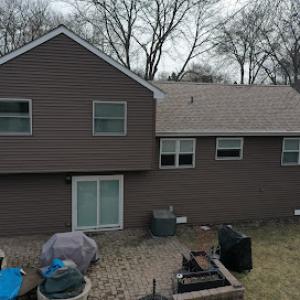
Local family own an operated residential remodeling corporation. Primary focus on roof and siding installation. Customer satisfaction is our top priority, fulfilled with quality workmanship and excellent customer service.
Contemporary Exteriors
(847) 458-2905 contemporaryexteriorsinc.com
Serving
4.9 from 43 reviews
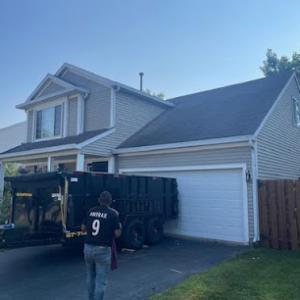
Contemporary Exteriors, Inc. is an Illinois licensed roofing and siding construction company with the knowledge and experience to install roof and siding on your residential property. Owner Bob Columbia built this business on integrity and trust. With experience in construction and customer service, our team always does the right thing and follows through on every job. We want all of our customers to be satisfied, which is why Bob personally oversees every job to make sure all the work is done to the highest quality standards. Our projects are done in a timely and cost efficient manner. Our team works hard with our customers to give them what they want for a fair price. All quality products are supplied by Richards Building Supply.
Capeesh Construction
(847) 620-9165 www.capeeshconstruction.com
Serving
4.6 from 38 reviews
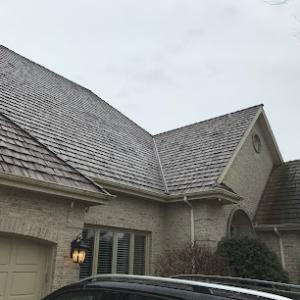
If your premiums go up as a result of our advise while under the care and protection of our company, we'll pay your additional premium for up to 3 years.
Jarvis Exteriors
(815) 788-9850 jarvisexteriors.com
Serving
4.9 from 42 reviews
Jarvis Exteriors has been a trusted name in roofing, siding, windows, and gutters throughout the Chicagoland area since 1998. Known for quality craftsmanship, honest service, and top-tier products, we’re committed to doing the job right the first time. Fully insured and backed by leading industry certifications, our team delivers reliable, detail-focused exterior work that stands the test of time. Whether it’s a small repair or a full replacement, you can count on us to protect what matters most—your home.

CJM Roofing
Serving
5.0 from 39 reviews
Residential and commercial roofing contractor serving Chicagoland. CJM Roofing provides professional roofing services at competitive prices. We streamline the process for you from estimation through issuing final warranty.
DGB Roofing Construction
(815) 444-8336 www.dgbroofing.com
Serving
4.8 from 121 reviews
DGB Roofing Construction, in Crystal Lake, IL, is the area's leading roofing specialist. We specialize in commercial roofing, residential roofing, siding, gutters and much more. We are Licensed, Insured and Bonded in the state of Illinois. Free estimates for roof replacement and repairs available.
Creative Construction Group
(815) 459-1750 www.creativeconstructiongroup.com
Serving
4.7 from 27 reviews
We are committed to providing top-notch, high-quality service to our customers. We will personally see to it that you get the quality of service you deserve before, during and after your remodeling project.
Cold, snowy winters in Lake in the Hills create repeated freeze-thaw cycles that commonly stress shingles, flashing, and roof edges. Each time temperatures swing above and below freezing, any small pore or seam can open and close, gradually weakening seals and allowing tiny leaks to start. Shingles near edges and along vent stacks are especially vulnerable where wind-driven snow piles up and a thin ice layer forms just beneath the surface. When a roof is already aged or lightly damaged, those cycles can accelerate failure, turning a small imperfection into a visible problem come spring. The practical takeaway is to pay close attention after a late-winter cold snap: a minor crack, a lifted shingle tab, or a loose flashing corner can be the first sign of stress that becomes a bigger issue once temperatures rise.
Ice damming is a recurring local winter issue, especially where attic ventilation or insulation performance is weak and snow remains on the roof. When heat from the living space is allowed to escape into the attic, the upper part of the roof warms enough to melt snow near the peak. The melted water then refreezes at the colder eaves, creating a dam that forces water back under shingles. That backflow can wick into the decking and into ceilings, often without immediate exterior telltales. In practical terms, this means attic insulation and venting play a pivotal role in how much damage risk exists each winter. If attic soffit vents are blocked or insulation is uneven, ice dams can form more quickly and with greater damage potential. A small investment in attic air sealing and insulation inspection before the cold season can reduce the likelihood of expensive stack-ups of ice and water on the roof edge.
Damage that begins in winter often shows up later as spring interior leaks, making post-winter inspection especially important in this area. Hidden moisture in the decking, stained ceiling paint, bubbling wallpaper, or a reluctant attic that feels damp are common early indicators. Because the sequence can start with a minor winter event and expand as temperatures climb, scheduling an assessment after the snowpack thaws is wise. A careful roof and attic audit should focus on flashing around chimneys and vents, the integrity of fascia and gutters, and any softened areas along the eaves where ice damage may have created a slow, creeping leak. Early detection supports a quieter, less disruptive repair timeline when the ground is not frozen and crews can access the roof more safely.
Start with a roof check from the ground, noting any missing granules, lifted tabs, or dark spots that indicate moisture intrusion. Inspect attic insulation levels and ventilation pathways-breathe and look for warm spots on the ceiling that correspond to roof sections above. Consider a targeted ice dam reduction approach for potential trouble spots: ensure adequate intake ventilation at the soffits, unobstructed exhaust ventilation at the ridge or peak, and an overall insulation blanket that minimizes heat loss into the attic. If winter damage has already shown itself in the form of water stains or accelerated wear around flashing and edges, plan a timely evaluation to determine whether repairs should be staged before the next thaw or consolidated into a single, efficient repair window. Lake in the Hills homes with steep-slope roofs especially benefit from proactive checks when a harsh winter lingers, so emerging stair-steps of damage can be addressed before a larger section of the roof environment is compromised.
When you can't wait, these contractors offer fast response times to stop leaks and prevent further damage.
Your best odds for a reliable replacement fall within late spring through early fall. That window aligns with the bulk of Lake in the Hills's milder days and gives you a predictable schedule for materials and crews. Spring windows let you catch the after-hail lull and before the first hard freezes, easing labor traction and inspection workflows. If you're planning around shingles or metal, this period helps the crew complete tear-offs and installations with fewer weather-related delays. The key is to lock in dates when ground conditions are dry, gutters are clear, and there's a steady rhythm in the neighborhood-not after every storm rattles through.
Spring precipitation in this area can impact both the lifespan of a roof and the project itself. When rain is frequent, tear-offs may need to pause to protect underlayment and interior spaces. Too-aggressive scheduling that pushes through wet forecasts increases the risk of moisture getting trapped under new layers. If you're dealing with a hail event, plan with a buffer for additional inspections and potential insurance documentation; brief delays to verify damage can save long-term headaches. In Lake in the Hills, spring moisture is normal, so coordinate with your contractor to target windows with realistic dry spells rather than chasing an ideal calendar date.
Hot summer stretches can accelerate asphalt shingle aging and stress active job sites. Prolonged heat softens certain roofing materials and complicates cementing or sealing operations, particularly in mid-afternoon, when sun exposure is strongest. Concrete and clay tile crews face heavier handling and longer cooling cycles, which can push a straightforward replacement into longer timelines. If your house is shaded or perched with mature trees, use those advantages to moderate surface temperatures, but still plan for midday sun and ventilation needs. Scheduling early-morning starts or late-afternoon work can help keep the crew productive without sacrificing quality.
Storm damage often surfaces after a hail event, and documentation is the practical route to timely decisions. Start with clear photos of the roof from multiple angles and dated notes on any interior signs of leakage. Keep a detailed log of weather conditions during the work, because insurance decisions frequently hinge on documentation of pre-existing conditions and post-storm damage. When spring hail is common, the focus shifts to coordinating assessments and tear-off timing so the roof is secure before the risk of winter ice damming rises again. If winter ice is a looming threat, plan a cautious pace that secures underlayment and ventilation first, so future ice dams have fewer opportunities to form. In the end, the best season is the one that balances storm timing, drying periods, and the need to complete the job before the first hard freeze, while keeping crew safety and material performance at the forefront.
Get a clear picture of your project costs upfront - no commitment required.
T J Builders & Developers Inc - Roofing Contractor & Fire Damage Restoration
(847) 508-0957 tjbuildersinc.com
Serving
4.8 from 27 reviews
In this suburban stretch of McHenry County, steep-slope re-roofs are common, and the mix of spring hail, winter ice damming, and hot summer days creates a distinct pattern of wear. Asphalt shingles remain the go-to for most homes, but hail bruising, wind lift, and freeze-thaw cycles mean that your choice should consider impact resistance, edge wind climate, and how the material ages under heat. Regular inspections around flashing and ventilation often drive the timing of roof work, especially after big storms. The local rhythm is spring hail assessment followed by careful planning to minimize ice dam risk as temperatures swing, so material selection should balance immediate resilience with long-term performance.
Asphalt shingles dominate residential roofing in this area, thanks to cost effectiveness and straightforward installation. However, in Lake in the Hills, they face particular vulnerabilities: hail can bruise the surface, wind can lift edges, summer heat accelerates aging, and winter cycles test the sealant through freeze-thaw. For a homeowner, this means choosing a higher-quality shingle with good impact resistance and an enhanced algae resistance package helps. Pay close attention to underlayment and ventilation compatibility-proper attic cooling reduces peak surface temperatures that speed wear and helps mitigate ice dam risk during thaws. When the neighborhood hails a storm, prompt inspections focusing on any granule loss or lifted tabs can prevent minor damage from becoming a larger leak.
Metal roofing offers notable advantages for snow shedding and storm exposure. Its performance under wind and rain can reduce the immediate risk of surface damage after a hail event, and it tends to shed snow more predictably in this climate. Yet detailing around flashing remains critical under local inspections. Choose a system with integrated flashing and a coherent vent-to-flash transition plan, so that gaps aren't created by temperature-driven movement. Metal also benefits from a solid, corrosion-resistant coating, especially on exterior edges and in areas where runoff concentrates. Consider long-term maintenance access so that roof penetrations and skylights stay properly sealed.
Clay tile, concrete tile, synthetic/composite shingles, and slate are present in the market, but their weight, repair complexity, and cost push them into specialized use. In this setting, a structural assessment is essential before selecting tile or slate. Concrete and clay tiles bring aesthetic appeal and solid durability, but heavier weight requires structural confirmation and careful installation around flashing and gutters. Synthetic or composite shingles can offer enhanced impact resistance with more manageable weight, yet still demand attention to flashing details and ventilation. Slate delivers longevity, but the roof frame must support substantial weight, and repairs can be more involved and costly. If a home already has a compatible structure and you want a high-end, low-maintenance finish, these options may be worth exploring, with a plan for expert matching of flashing to avoid future leaks.
Asphalt shingles in this market typically run about $350 to $600 per square, while metal roofing ranges from $650 to $1100 per square. For clay tile, expect $1000 to $1900 per square, and concrete tile $900 to $1600 per square. Synthetic or composite shingles sit around $400 to $700 per square, with slate at $1800 to $3200 per square. These ranges reflect steeper residential profiles and the need to match existing roof lines when re-roofing in a tight suburban setting.
Storm-driven demand spikes after hail or strong winds can push scheduling pressure and pricing higher, especially when many homeowners seek re-roofing at once. In spring, hail events can create a surge in replacement projects, which may compress crews and extend lead times. That pressure tends to ease a bit once the early summer window closes, but lingering wind-driven damage in pockets of the neighborhood can still shift pricing and availability. Planning ahead, with a preferred contractor lined up, helps avoid peak-day delays and keeps material choices aligned with your budget.
Village permit inspections and flashing/ventilation coordination are common cost modifiers in this area, particularly on steep-slope homes. If your roof has complex flashing details, multiple penetrations, or unusual eave or valley configurations, expect additional labor and material costs. The roof's pitch influences both material waste and installation speed, so steeper-than-average slopes can add to square counts and safety measures. Your choice of material weight and durability also matters: heavier tiles or premium synthetic options can shift the price above the standard ranges listed above.
Start with a reputable local contractor who understands the common profile and the best ventilation strategies for this climate. Allocate a cushion for spring hail variability and potential wind-driven work weeks, and confirm that the bid includes proper flashing replacement, attic ventilation checks, and inspection-ready details. If you're weighing asphalt against metal or tile, map out a 10-15 year cost horizon to gauge mid-life maintenance and potential insurance considerations after a hail event.
Don't let upfront costs delay a critical repair - these contractors offer payment plans to fit your budget.
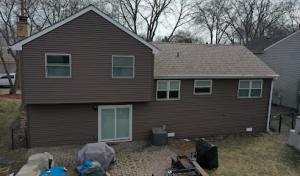
A full roof replacement in this community typically requires a permit through the Village building department, which issues and tracks the permit. The process is designed to ensure that flashing details, ventilation, and overall roof framing meet local standards. When planning a replacement, the contractor usually submits drawings or notes showing the roof vent placement, underlayment, and nail patterns. The permit acts as a formal record of the work and helps align the project with village stormwater controls and insulation requirements that are common here. Expect the department to request adjustments or clarifications before approval, and keep a copy of the issued permit handy on site for reference during the job.
Inspections in this jurisdiction occur during the project and again after completion, with attention to flashing, ventilation, and proper nailing patterns. The on-site inspection point often covers ridge and step flashing around valleys, vent stacks, and chimney penetrations, as well as attic ventilation balance and intake/exhaust placement. A common pitfall is overlooking the attic space, which can affect moisture control and energy performance. The final inspection confirms that all elements meet Village codes and that the roof line, gutters, and drip edge are properly integrated with the rest of the home. Having a representative present during inspections can help address any concerns promptly and prevent delays.
Permit processing time can vary locally, so homeowners in this community should build lead time into scheduling rather than assuming immediate approval. Seasonal demand around spring hail and winter preparedness cycles can extend review times. Coordinate with the contractor to align permit issuance, material delivery, and weather windows, especially to avoid corrugation risks from ice damming or spring storms. If issues arise, the village may request revised details on venting or flashing, which can add days to the timeline. Plan buffer time for inspections and potential rework, and keep the Village office contact handy for status updates.
In this area, storms bring hail and strong winds that can stress roofs even when damage isn't immediately obvious. The way you document damage can tip the balance between a covered storm loss and wear and tear. The specificity of what's photographed and when you capture it matters, because carriers scrutinize condition records when a claim is filed. You're often balancing what happened during the last storm with what's visible now, and that snapshot matters for the insurer's assessment.
Because Lake in the Hills sits in a hail- and wind-active insurance environment, documentation quality can directly affect whether damage is treated as covered storm loss or wear and tear. Homeowners here should keep date-stamped photos of shingles, flashing, gutters, and interior leak areas before and after storms because carriers often request detailed condition records. A simple catalog can prevent second-guessing later: note any loose shingles, lifted flashing, or mineral granules in gutters, and include interior signs like staining or damp spots with the same timestamp logic.
Recent insurer tightening in this market means replacement decisions in Lake in the Hills are often influenced by policy language, depreciation treatment, and how quickly a claim is opened and inspected. When you suspect storm impact, initiate documentation promptly and align your records with the claim timeline. If a roof inspection is scheduled, have your storm-related photos organized to compare pre- and post-event conditions. This approach helps ensure the evaluation reflects actual storm damage, not delayed wear.
Connect with contractors who help homeowners navigate the claims process from damage assessment to final approval.

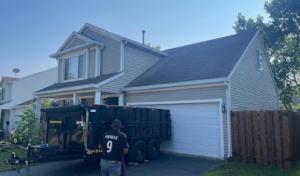
Locally recurring failure points include flashing problems, ventilation deficiencies, and shingle fastening issues, which align with the areas emphasized during village inspections. Flashing around chimneys, skylights, and transitions to siding can corrode or lift with spring rain and freeze-thaw cycles. Inadequate attic ventilation traps heat and moisture, accelerating asphalt shingle deterioration and ice dam risk in colder months. Regular checks during mild seasons can catch loose or deteriorated metal, sealant splits, and sagging boot flashing before a leak becomes visible from the ceiling.
Autumn storms and falling debris in Lake in The Hills increase moisture exposure and can damage roof surfaces, valleys, and gutter lines before winter sets in. Hail, gusts, and heavy leaf loads push more water toward valley intersections, channels, and drip edges. Debris clogs gutters, forcing water to back up under shingles and into soffits. If valleys are blocked or flashing at transitions is compromised, shingle edges lift and midsection fractures appear after the first freeze. A proactive clean-and-inspect after storms helps identify compromised edges and hidden misalignments.
Skylight penetrations and roof transitions deserve extra attention in this market because leak complaints often intensify after freeze-thaw cycles and spring rain. Sealants age, pans corrode, and flashing around skylights can develop micro-cracks that widen with temperature swings. Transitions where roofing meets vents, pipes, or siding are asymmetric pressure points that misalign under load or after wind events. Regular inspection of sealant lines, fastener security, and flange integrity reduces the chance of hidden water ingress during thaw and wet seasons.
Shingle fastening issues surface as cupping, curling, or cupping in wind-prone corners and overhangs. Wind-driven uplift loosens nails or staples, creating edge blow-offs that let moisture creep beneath. In Lake in The Hills, seasonal temperature changes stress asphalt and synthetic layers, revealing fastener misplacement or improper nail spacing. When misfastening occurs, small edge gaps become pathways for rain, snow, and ice to penetrate along rims and in the eaves. Regular near-season checks help detect loose or missing fasteners before widespread damage develops.
Find contractors experienced in skylight installation, flashing, and leak repairs to bring natural light into your home.
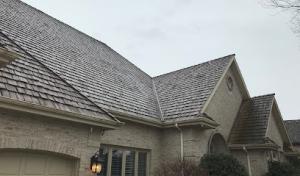
In this area, the market leans heavily toward re-roofing rather than niche new-construction projects. Homeowners should expect multiple bids from crews focused on replacement rather than bespoke installations. Look for crews that can demonstrate solid track records with steep-slope assemblies and a clear plan for a thorough, weather-aware replacement process. Choose teams that come prepared with good neighborhood references and a straightforward scope of work that matches the existing roof geometry.
Spring hail and the lingering risk of ice damming after winter storms shape what a sensible reroofing schedule looks like here. Quick response after hail or leaks helps minimize interior damage and avoids long-water-entry periods. Ask contractors for a practical timeline that aligns with seasonal weather windows, and favor crews who outline a plan to protect landscaping, downspouts, and interior spaces while reroofing proceeds. Emphasize a project sequence that reduces exposure to wind-driven rain during transition periods between old and new roofing.
When reviewing bids, prioritize clarity: each proposal should specify the chosen roof system, underlayment details, flashing restoration, ventilation considerations, and a clean, staged cleanup plan. Local homeowners value crews who provide a transparent, itemized scope and a reliable on-site crew with a steady work cadence. Check that the bid accounts for existing chimney transitions, valley treatment, and appropriate fastener schedules for steep slopes common in this area.
Storm events are a frequent trigger for hires here, so ensure the contractor expects to coordinate documentation promptly. A reputable reroofing team will supply an organized project binder that tracks photos of pre-existing damage, progress during construction, and final condition after completion. Confirm that the contractor has a clear process for sharing documentation suitable for insurance review and for coordinating with adjusters, so claims can move forward without gaps.
Get a clear picture of your project costs upfront - no commitment required.
T J Builders & Developers Inc - Roofing Contractor & Fire Damage Restoration
(847) 508-0957 tjbuildersinc.com
Serving
4.8 from 27 reviews
Although steep-slope residential re-roofing dominates the housing stock here, the contractor market also shows meaningful local activity in flat or low-slope roof work. When a storm hits or winter ice builds up, those low-slope areas-garages, porches, and occasional add-ons-become more than an afterthought. Homeowners should expect longer lead times for material and crew availability if a storm cluster creates demand, and scheduling may tighten around insurance documentation windows and inspection milestones driven by local village practices.
Low-slope and flat roof repairs or replacements require careful drainage planning and membrane compatibility with surrounding details. In neighborhoods with mixed ages, the edge detailing around parapets, step flashings, and transitions to steeper sections matters more than on a purely steep-slope home. Ventilation and attic access still influence long-term performance, so verify that the retrofit includes proper ventilation placement and flashing at all perimeters. In Lake in the Hills, weather patterns stress these systems differently than typical ridges, so choose materials and crews experienced with local grade changes and our spring hail cycles to avoid premature aging.
Cedar shake remains a smaller but real specialty in this market, indicating that some older or higher-character homes require non-standard repair knowledge. Cedar requires attentive maintenance for fasteners, coating, and potential decay, especially where flashing interfaces with shakes. When cedar is involved, expect a narrower contractor pool and a longer timeline for specialized labor. Ensure the chosen professional has proven experience with cedar in mixed roof planes and can address both cosmetic repairs and underlying substrate concerns without compromising overall roof performance.
Specialty roof owners should expect tighter scheduling when storm damage and insurance timing compress the work window. Insurance documentation often hinges on precise flashing and ventilation assessments, so prepare to document ice dam risks, hail hits, and any prior repairs. Coordinating inspections, material delivery, and crew availability becomes a balancing act between spring's hail season and the approach of winter damming risks. Choose a contractor who communicates clearly about phased work, interim protections, and how continuing weather will affect timelines.
Find specialists in TPO, EPDM, and built-up flat roofing systems for residential and commercial properties.


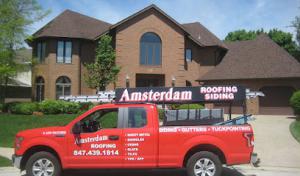
Amsterdam - Roofing, Siding, Windows, Doors & Masonry Contractor
(847) 439-1814 www.amsterdamcontractor.com
Serving
5.0 from 24 reviews