
Last updated: Apr 19, 2026
Spring hail and sustained wind events can rattle roofs fast, and the flip side is the way damage evolves as temperatures swing from freeze to thaw. In this neighborhood, roofs endure a cyclical battering: hail when skies clear after a thunderstorm, wind-driven strikes that strip shingles and loosen flashing, then rapid temperature changes that stress membranes and underlayment. The result is that tiny, hard-to-see impacts can compound into water intrusion weeks later. Stay on high alert after every hail event and after strong windstorms, especially if a storm swept through the area during the late spring or summer. The local climate makes these problems more than cosmetic; delayed detection often translates into larger claims and stiffer outcomes later on.
When a claim is filed, photo documentation of hail impact is often a gatekeeper for what the insurer will cover. Take wide-angle shots that show the overall roof condition and framing lines, then close-ups of damaged shingles, granule loss, and dented gutters or metal edging. Note the date of the storm, the approximate time of impact, and any accompanying surface water staining or attic condensation. If roof age is in question, have independent measurements or a reputable contractor assessment ready that pins down the roof's age and typical life expectancy for the specific material. For perished or aged roofs, insurers can tighten coverage terms or request extra proof of damage, so timing your documentation promptly after a storm is critical. In this market, a thorough, timestamped photo log can be the difference between a repair and a full replacement.
Older roofs often carry tighter coverage terms, which can shift decisions toward repair, replacement, or even a denial if the storm-induced damage is deemed wear-related rather than storm-induced. This is not a generic rule-it's a reality faced by many homeowners in this region when policy terms tighten after a claim. If your roof has seen decades of service, prepare for a more scrutinized review: expect inspectors to assess shingles, ventilation, underlayment, and any prior repairs to determine whether the damage is new and storm-driven or a continuation of aging. Having a clear, documented history of maintenance and past updates helps a lot. Be ready to discuss the roof's age, the last major repair, and any pre-storm leaks or patches with the adjuster. The goal is to establish a credible link between the storm event and the current condition.
Once the weather clears, protect the interior first. Place waterproof containment in the attic and around damaged eaves if you can safely access the roof without stepping on slick surfaces or missing shingles. Begin a careful exterior inspection from the ground with binoculars if you cannot safely climb, focusing on lifted or displaced shingles, fascia, vent flashings, and any visible granule loss in gutters. If you do climb, proceed with caution, avoiding further damage. Contact a local, licensed roofing professional for a no-pressure, objective assessment within the first 48 to 72 hours. Early contractor involvement is essential: they can provide a professional inspection report, help photograph damage from multiple angles, and prepare a detailed scope for the insurer that supports a legitimate storm claim rather than a preexisting-condition argument.
Insurance-driven decisions hinge on clear communication and solid documentation. If the claim is approved, you'll want a scope that aligns with the actual damage observed and the roof's design and materials. If a partial claim is offered, request a re-inspection or second opinion when needed, especially if the initial assessment seems to miss hidden damage under flashing or underlayment. For larger storms that affect many homes in the area, insurers may implement processing delays or adjust timelines. In those moments, staying proactive, organized, and compliant with the documentation expectations improves your odds of a fair settlement. The goal is to restore protection quickly while ensuring the chosen path-repair or replacement-reflects the storm impact, the roof's condition, and your home's long-term resilience.
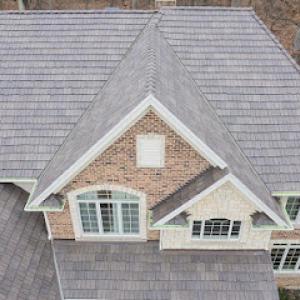
Rx Roofing & Construction
(224) 518-0278 www.rx-roof.com
632 S Northwest Hwy, Barrington, Illinois
5.0 from 87 reviews
Rx Roofing & Construction is a trusted roofing company proudly serving the Chicagoland area and surrounding suburbs. We specialize in residential roofing, commercial roofing, retail and insurance claims, offering expert installation, repair, and maintenance services. With a commitment to quality craftsmanship, timely service, and customer satisfaction, we ensure your roof is built to withstand the Midwest’s toughest weather. Whether it’s a small repair or a full roof replacement, we’ve got you covered.
RZG Roofing, Siding & Gutters
15N341 Old Sutton Rd, Barrington, Illinois
4.9 from 123 reviews
Residential & Comercial roofing, siding, gutter contractor.
RGZ Roofing Company
(224) 318-0551 barringtonroofingcompany.com
838 S Northwest Hwy Unit C, Barrington, Illinois
5.0 from 32 reviews
We are your most trusted residential and commercial roofer in Barrington. No matter the size of your project, our roofing contractors aim to get the job right the first time efficiently, on time and budget. RGZ Roofing Company has experienced and completed some of the most complicated roofing installation and roofing repair in Barrington. We provide personalized attention and a high level of focus on customer satisfaction. When you need a reliable roofing contractor, it is essential to trust the experts to make sure that your home or business is protected and handled the right way. Call us now to get the affordable, quality roofing materials and top-notch quality, and our helpful, skilled craftsmen will serve you with any roofing needs.
GRC Roofing Company
(847) 796-8234 roofingcompanybarrington.com
55 Palatine Rd, Barrington, Illinois
5.0 from 30 reviews
GRC Roofing Company is a leading provider of residential roofing services. Supported by a team of experienced and certified roofing contractors near Barrington, we are committed to delivering outstanding craftsmanship and superior customer service. With a focus on exceeding client expectations, we ensure long-term protection for your investments. Whether you need a new roof installation, repair, or routine maintenance, you can rely on the expertise of GRC Roofing Company to provide excellent results. Contact us today for a free estimate and confidently address your roofing requirements.
RDE Roofing Contractors
(224) 427-6341 shinglerepairbarrington.com
835 S Northwest Hwy, Barrington, Illinois
5.0 from 20 reviews
Roofing issues in Barrington? We've got you covered! Our expert roof repair Barrington company is your go-to solution for all roofing needs. With a team of skilled roofing contractors, we provide timely repairs that extend your roof's lifespan, saving you money in the long run. Worried about a leaking roof? Our specialists excel at leak repairs, ensuring your home stays dry and secure. Looking for affordable roofing options? Look no further! We offer cost-effective solutions without compromising on quality. Don't let roofing problems stress you out – contact us today for reliable roof repair Barrington and enjoy ultimate peace of mind with your sturdy and well-maintained roof.
Barrington Promar Roofing
(847) 770-6348 www.barringtonpromarroofing.com
540 W Northwest Hwy, Barrington, Illinois
5.0 from 11 reviews
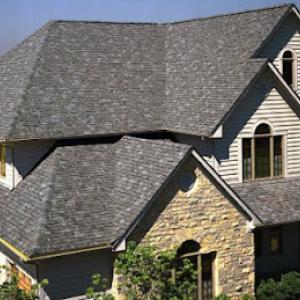
Barrington Promar Roofing is Barrington's award-winning company dedicated to taking care of your roofing needs. Our team of experienced technicians provide you with a free quote of what you need, diligently walk you through each step, and deliver a final product that you can trust. Our high-quality work is always backed by a warranty and our relationships with insurance companies have let us help thousands of people get the most out of their policies. When you need a job done right, Barrington Promar Roofing is ready to help. We offer commercial and residential roof replacement, repair, and maintenance. For more information on Barrington Promar Roofing services, please give us a call for an immediate response for all roofing services.
Highmark Restorations
135 Park Ave #200c, Barrington, Illinois
4.8 from 16 reviews
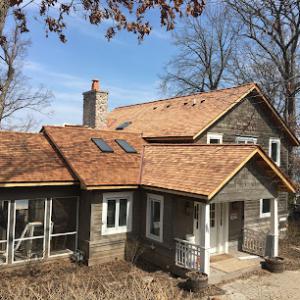
At Highmark Restorations, we specialize in roof replacement, roof repair, fiber cement board siding (James Hardie) and home exterior systems: roofing repairs, siding repairs, new windows, and new gutters. Our highly skilled commercial and residential roofing contractors near me can help expedite any roof replacement as we are trusted insurance advisors. Local Barrington roofing contractor specializing in roofing replacement and roof repair in Illinois. Commercial roofing and residential roofing services are available. Do you need roof replacements in Barrington or the nearby areas such as Inverness, Deer Park, or Palatine? Do you need roof repair services in the Barrington Hills area? Call now for a free consultation and roof estimate
Sterling Exteriors
(847) 790-4800 sterlingbuilds.com
1250 S Grove Ave, Barrington, Illinois
4.2 from 51 reviews
Sterling Exteriors offers roofing, siding, gutters, windows and insurance claim services.
RGED Roofing Contractors
(847) 796-8156 roofinglzurich.com
Serving
5.0 from 18 reviews
RGED Roofing Contractors is one of the most recognized roofing companies Lake Zurich area and its surroundings. Our roofing contractors are trained to deliver the best quality affordable roofing services such as leaking roof repair, roof replacement, and any other general roof repairs. Also, we ensure to deliver great support and communication with our customers during all the stages of the project to ensure we’ve aligned with our customer’s needs and that the final results meet our customer’s criteria. Our long trajectory and great workmanship have made our company one of the best for the Lake Zurich area. Don’t hesitate and call us today to receive a satisfying service that will provide results that will last for many years.
Roof Replacement Lio Contractors
(847) 796-8743 roofreplacementhoffmanestates.com
Serving
5.0 from 22 reviews
Roof Replacement Lio Contractors has proudly delivered top-quality roofing repair and replacement services to Hoffman Estates for years. Serving both residential and commercial properties, we are known for our honest and reliable roofing solutions. Our highly skilled contractors are trained by industry-leading experts and stay updated with the latest roofing techniques and technologies. Recognized as one of the best roofing companies in town, we optimize affordability through streamlined, cost-efficient processes. Call us today for all your roofing needs!
Style Exteriors
(847) 865-3069 styleexteriors.com
Serving
4.8 from 115 reviews
Discover superior roofing solutions with Style Exteriors, your trusted roofing contractor located at 20876 N Rand Rd. Specializing in roof repair and replacement, we provide top-tier services in residential roofing, commercial roofing, and flat roof repair. Our team of dedicated professionals ensures precision in every project, from asphalt shingle roof installation to skylight leak repair and gutter installation. With a focus on quality and customer satisfaction, we are committed to meeting all your roofing needs with excellence and reliability. Trust Style Exteriors for all your roofing solutions and experience unmatched craftsmanship in every detail.
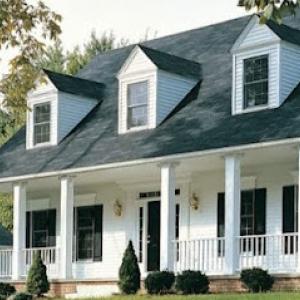
Muller Exteriors
(847) 550-5200 www.mullerexteriors.com
Serving
4.6 from 111 reviews
Roofing, Siding, Windows, Gutters and Door Installation.
Winter in this market brings repeated freeze-thaw cycles that relentlessly stress shingle edges and the top edge of flashing. Dark, exposed edges are especially vulnerable because they absorb heat from sun and then snap back to cold when the sun drops. Over multiple seasons, those edge laps and the granule-rich surface begin to wear, exposing undersides to moisture sooner than expected. In steep configurations, wind-driven snow and ice can lift shingles at corners and near vent penetrations, accelerating wear along the eaves and hips. When a homeowner notes increased granular loss in spring, it's not just grit; it's a sign that edge protection has started to thin and the roof may be catching more water intrusion during thaw periods.
A practical takeaway is to pay attention to the perimeters first. Inspect eave and rake edges after storms when the snow has receded. Look for exposed felt, loosened granules, or lifted tabs. If a small section shows curling or lost granules, plan for proactive edge sealing or targeted shingle replacement rather than waiting for a larger failure. In Barrington's climate, those edge vulnerabilities can propagate quickly if a small leak sits near a dormer or a chimney during thaw cycles. Keeping gutters clean and ensuring downspouts direct meltwater away from fascia helps limit that moisture-driven edge deterioration that freezes again later.
Moisture issues in winter are less about big leaks and more about micro leaks that reopen around penetrations and flashing during thaw. When snow melts, water can seep into minor gaps around vent stacks, pipe penetrations, and flashing joints. If the underlayment is already stressed from prior freeze-thaw events, the thaw can push tiny amounts of water behind the flashing and into the attic or interior wall lines. The result is hidden corrosion of metal flashings, small rust streaks, or musty attics that appear after a few warm days. In this climate, frost heave and shifting framing can also cause minute gaps to widen, so the same flashing that held last year may need reinforcement this year.
A targeted approach helps: check around every vent boot, chimney chase, waste line, and skylight the first warm days of spring. Look for hairline cracks in sealant, loose fasteners, or a misaligned flashing pan. If gaps exist, reseal with compatible flashing cement and primer, replacing any compromised step-flashing where needed. For homes with cedar or clay components, anticipate additional movement from seasonal moisture; these materials expand and contract differently and may require more frequent resealing. Scheduling a mid-spring inspection allows the roof to dry before the next freeze without delaying necessary fixes.
Replacement timing tends to skew toward late spring through early fall, when installation conditions are more stable and temperatures are moderate. In the late spring, a roof can dry thoroughly after winter moisture, reducing the risk of trapped moisture during the installation. Early fall offers cooler, but not freezing, temperatures that help sealants cure properly and allow crews to work without summer heat stress. The goal is to complete major replacements before winter's first hard freeze, so new shingles can establish a solid seal before ice buildup returns. For steep suburban homes, crews often prefer longer daylight hours and lower wind risk in these windows, which supports safer, more precise installation around ridge lines and chimneys.
If the decision is to replace after a hail season or a wind event, coordinate with the insurer to document wind-damage indicators and hail impact patterns before work begins. A staggered approach-addressing the core roof sections first, then secondary penetrations-can reduce disruption and ensure proper flashing installation and underlayment signaling. Planning around shoulder seasons also minimizes the chance of back-to-back freeze-thaw stress on newly installed components, extending the performance of the roof for years to come.
Barrington's housing stock features a broad mix of roof types, from standard asphalt shingles to premium systems like slate, clay tile, and cedar-inspired profiles. The dominant replacement market includes asphalt shingles, metal roofing, clay tile, concrete tile, synthetic/composite shingles, and slate, reflecting a community with both practical, cost-effective options and high-end detailing. The choice landscape here is shaped by the need to balance hail exposure, freeze-thaw durability, and the weight and detailing demands of premium materials. Homeowners should expect local contractors to support a wider range of materials than typical suburban markets, with strong demand for metal installation, tile work, and cedar-style roof finishes alongside traditional shingle replacement.
In Barrington's freeze-thaw cycle, any roof must handle ice dam risk, wind-driven hail, and temperature swings without cracking or delaminating. Asphalt shingles continue to serve many homes due to straightforward replacement and decent hail resistance when upgraded with impact-resistant editions, but the winter cycle can stress lighter assemblies over time. Metal roofing brings excellent hail resistance and fast water shedding, yet it requires careful fastening over roof decks to manage expansion and contraction in extreme cold. Clay and concrete tiles offer superb durability and a long service life, but their weight means structural assessment is critical and roof framing often must be reinforced. Synthetic/composite shingles provide a compelling middle ground-resilient, wider color options, and easier handling for complex roofs-while slate delivers premium aesthetics and longevity at the cost of substantial structural weight and careful detailing.
Given Barrington's range of home styles, roof detailing matters as much as material selection. Premium systems like slate and clay tile demand skilled installation to manage flashing, underlayment, and substrate support; improper setup can undermine performance in wind events or during freeze-thaw cycles. Cedar-style roofs add beauty and natural insulation but require exposure protection and moisture management to prevent warping or shrinkage in winter. For many homeowners, a layered approach works well: select a durable core-such as metal, concrete tile, or synthetic shingle-for hail-prone zones, and pair with a visually compatible accent roof in slate or clay where curb appeal matters. Local contractors with experience across asphalt, metal, tile, and cedar-style systems can tailor a replacement plan that respects architectural style, weight limits, and long-term maintenance.
In Barrington, pricing swings reflect the mix of homes with standard asphalt roofs and premium steep-slope systems like slate, tile, or metal. Typical pricing runs about $350-$700 per square for asphalt shingles, $600-$1200 for metal, $900-$1700 for clay tile, $800-$1700 for concrete tile, $500-$1100 for synthetic/composite shingles, and $1200-$2300 for slate. The same roof move can be substantially more or less depending on the roof's pitch, complexity, and the underlying structure.
Asphalt shingles remain the most common, economical choice for many Barrington residences, but a homeowner may encounter premium materials on hillside or estate properties. Metal roofs bring higher upfront costs but often deliver longer life and better wind resistance. Clay and concrete tiles continue to define some larger, curb-appeal homes and can require specialized installation. Synthetic/composite shingles offer a middle ground in both performance and price, while genuine slate stands out for longevity and appearance-but demands skilled labor and higher labor costs.
Spring hail and wind drive spikes in replacement demand, and that pressure folds into scheduling and pricing in this market. After a heavy storm season, expect shorter windows to book crews and potential premium charges for expedited work. In a freeze-thaw climate like yours, the condition of underlying sheathing and flashing matters as much as the visible shingles, so some projects may need additional structural work, which shifts total cost upward.
If a roof is predominantly asphalt, budgeting remains straightforward and predictable within the $350-$700 per square band. For premium steep-slope installations, plan closer to the higher end or beyond depending on material choice, with slate or clay tile approaching the upper ranges. A metal roof sits in the mid-to-upper spectrum, but installation complexity and ventilation needs can push costs up or down. Consider long-term value: energy savings, maintenance, and resell appeal may justify the upfront premium in a Barrington setting.
Storm-driven demand shifts can affect scheduling pressure. Build a plan that accounts for potential delays after hail or strong winds, and factor in a contingency for weather-related access issues. Early coordination with a local contractor who understands Barrington homes, attic ventilation, and roof geometry helps stabilize both timing and price across the season.
Get a clear picture of your project costs upfront - no commitment required.
RGZ Roofing Company
(224) 318-0551 barringtonroofingcompany.com
838 S Northwest Hwy Unit C, Barrington, Illinois
5.0 from 32 reviews
GRC Roofing Company
(847) 796-8234 roofingcompanybarrington.com
55 Palatine Rd, Barrington, Illinois
5.0 from 30 reviews
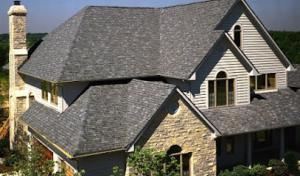
Barrington Promar Roofing
(847) 770-6348 www.barringtonpromarroofing.com
540 W Northwest Hwy, Barrington, Illinois
5.0 from 11 reviews
The Village of Barrington Building Department generally requires a building permit for a full roof replacement. This is not a step to skip or push off until a later season, because a missing or improperly filed permit can trigger delays, fines, and post-install headaches when you try to sell or refinance. The permit process is designed to confirm that the new roof will stand up to Barrington's freeze-thaw cycles and spring hail without creating safety or water intrusion risks. In practice, the roofing contractor typically pulls the permit rather than the homeowner handling the process alone. That arrangement saves you from navigating forms, code references, and scheduling, but it also means you'll want to stay informed about milestones and any additional inspections that could affect timing.
Barrington inspections are commonly scheduled during and after installation to verify underlayment, flashing, ventilation, and nailing patterns meet code. During the on-site checks, inspectors confirm that the underlayment is properly installed to shed water during those occasional late-season storms, that flashing at hips, valleys, and chimney penetrations is continuous and well-sealed, and that ventilation openings align with the roof system's requirements for attic moisture control. Nailing patterns are reviewed to ensure shingles or tiles are secured in the way that best resists wind uplift, especially on steeper slopes. If anything is out of spec, the permit will be paused or re-inspected after corrective work.
A typical installation plan should build in time for the permit review, potential revision requests, and the inspection calendar. Scheduling in coordination with the contractor helps avoid a backlog that could extend a job beyond favorable weather windows. If a problem is flagged, the impact is often manageable with a clearly defined fix, but delays can cascade into weather-driven vulnerability during a thaw or late-winter melt. Communicate early with the contractor about expected inspection dates, and keep notes on what each inspection gate confirms to stay aligned with local code expectations.
In Barrington, the freeze-thaw cycle can reopen small gaps around skylights and chimneys after winter. The flashing detail matters more than the visible seam, because even a minor widening of a crack or raised shingle edge can channel water into the attic. As seasons swing from cold snaps to spring storms, those gaps breathe moisture and amplifiy any wind-driven rain that finds its way under the roof line. Expect higher activity around complex flashing areas where the roof meets the skylight curb or chimney base.
Autumn leaf drop slows drainage and can hold moisture near transitions like skylight flashings. Check the entire flashing apron and step flashing where the skylight sits. Look for lifted shingles, tar or sealant that has begun to crack, and any staining on interior ceilings beneath the penetration. When a leak is found, don't patch the visible leak line alone; inspect the surrounding flashing for migration. A seasoned local contractor often flags a pattern of small gaps reopening after winter cycling and tailors the flashing repair to the exact curb geometry.
Chimney leaks frequently trace to the base flashing and chimney crickets that were not maintained. The mortar and cap should shed water efficiently, but settled or cracked mortar can funnel water into the roof deck. In Barrington, those conditions are aggravated by wind-driven rain and the weight of snowmelt that pools near the chimney. If interior moisture shows up in rooms adjacent to the chimney, expect flashing repairs or re-flashing to be the right remedy rather than a temporary seal.
Begin with a careful attic inspection after a heavy rain or thaw. Look for condensation or staining along the skylight and chimney pathways, along with any daylight visible at flashing seams from the attic. On the roof, check for loose step flashing, inadequate sealant at the curb, and rusted or torn flashing pieces. Schedule targeted skylight and chimney flashing evaluations in the shoulder seasons when mild conditions reduce risk during repair work. A local contractor specializing in penetrations can provide a tailored plan that fits Barrington's weather patterns and the typical home styles nearby.
Find contractors experienced in skylight installation, flashing, and leak repairs to bring natural light into your home.
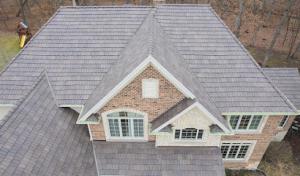
Rx Roofing & Construction
(224) 518-0278 www.rx-roof.com
632 S Northwest Hwy, Barrington, Illinois
5.0 from 87 reviews
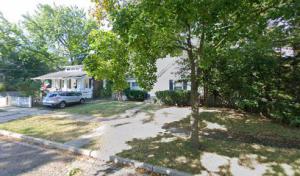

Although Barrington is primarily a steep-slope residential market, local contractor signals show a meaningful amount of flat-roof service demand. In autumn, leaves, pine needles, and debris can loom on low-slope sections and around dormers or additions, slowing drainage long enough to hold moisture through early winter. When this happens, standing water or damp spots can push vulnerable seams or penetrations to leak later, especially after a wet spell followed by a freeze. Plan ahead for proactive debris removal and confirm that scuppers, internal drains, and overflow paths stay clear before winter sets in.
Low-slope areas on many Barrington homes aren't as visible as the main roof, but they bear a heavy burden during freeze-thaw cycles. Moisture that lingers against membranes or under flashing can freeze, thaw, and migrate into tiny gaps, creating slow-but-steady seal failures. The risk is higher on additions, porches, or guest suites with flat or low-slope transitions that connect to the main roof. A frost-wollowed edge or a compromised seam in late winter becomes a bigger headache than expected once storms roll in again in spring.
These attached or secondary roof areas often need to be evaluated separately from the main roof after spring wind and hail events. Damage on a flat or low-slope section might be subtle-granule loss on surrounding curb/sloped transitions, micro-ruffles in membrane, or lifted edging-but it can threaten the entire drainage strategy if ignored. When inspecting after a hail event, treat each flat run as its own unit: verify membrane integrity, flashing continuity, and fastener security, then verify that the connection points to the primary roof remain watertight.
A cautious, small-step inspection mindset pays off. Start with the lowest sections first after a storm, check around penetrations and skylights, and map any wet spots reported by the homeowner. Look for coating wear, exposed fasteners, or loose ballast on included elements, and document changes adjoining stairs, decks, or balcony edges. If a flat or low-slope section shows signs of moisture or minor delamination, address it promptly before it compounds into widespread interior leakage.
Find specialists in TPO, EPDM, and built-up flat roofing systems for residential and commercial properties.
RDE Roofing Contractors
(224) 427-6341 shinglerepairbarrington.com
835 S Northwest Hwy, Barrington, Illinois
5.0 from 20 reviews
Amsterdam - Roofing, Siding & Masonry Contractor
(847) 439-1814 www.amsterdamcontractor.com
Serving
5.0 from 20 reviews
Winter in this area brings frequent freeze-thaw cycles that can stress shingles and pull at underlayment. Those cycles can convert small gaps into leaks if existing weaknesses are present. A proactive homeowner can inspect for cupped or curled shingles after heavy snows melt, and look for vent boot wear or flashing that may have shifted with wind. In homes with older underlayment, consider a contractor's assessment of seam tapes and pipe entries, since a small lapse now can turn into a bigger repair once spring hail arrives. If there has been prior damage, plan a targeted mid-winter inspection to flag problem areas before spring storms.
Spring is the pivotal inspection season. Hail events common to spring can leave subtle bruising on shingles or compromise granule adhesive, while strong winds can pry up edges and nudge debris under flanges. In this window, you're weighing whether to file a claim for hail and wind damage or to address rubric-based repairs. Focus on soft spots, water staining in the attic, and any nail pops along the eaves. Early-season assessment helps prevent surprises during later rain storms and aligns repairs with insurance timelines. If you've had a hail event, plan a thorough roof check after the last thaw and before regular storm season ramps up.
When it comes to replacement work, late spring through early fall is the optimum stretch. Temperatures are moderate, and days are longer, easing adhesive curing for diverse materials-from asphalt to metal and even concrete or slate in appropriate configurations. Scheduling repairs or replacements here often reduces the risk of weather-driven delays and allows ample drying time for underlayment systems. For steep-roof homes, this window also minimizes disruption from seasonal wind shifts that are common as storms rotate through.
Autumn brings leaf accumulation that can clog gutters and valleys, masking early signs of lingering leaks. Before the first hard freezes, inspect ridges, hip areas, and chimney flashing for wear. Clearing leaves and ensuring proper drainage helps protect newly installed materials and maintains ventilation. Consider a fall maintenance sweep to confirm back-up drainage paths and to re-seal any flashing prone to weathering as Barrington approaches winter. This season is ideal for final touch-ups that keep a roof resilient against the first freeze-thaw cycles of the following year.
In Barrington, after a heavy spring hail or strong wind event, insurers expect clear, concrete evidence. Expect questions about the age and condition of the roof, plus photos that show the roof from multiple angles. Close-ups of impact marks, granule loss, or cracked shingles matter. A blurry image or missing dates can slow a claim or invite questions about preexisting wear. The goal is to separate repairable wear from a storm-related loss, and that distinction often hinges on the quality and specificity of documentation.
When a claim starts, you should have recent photos that establish condition before the storm, followed by timely after-photos that demonstrate new damage. Take wide shots of the entire roof and closer shots of any dents, bruising, or granule loss. If there are multiple roof surfaces or features like vents and skylights, photograph each area. Keep a simple, dated record of when the storm occurred and any interim weather that could affect the roof's condition. Insurance adjusters will compare what you provide with their own observations, so thorough, organized evidence can significantly influence outcomes.
Coverage tightening on older roofs in the local market means reviewing policy terms before storm season rather than after damage occurs. If the roof's age or its condition triggers exclusions, it can shift a claim from a straightforward repair to a depreciation-based settlement or a denied claim. You should understand how your policy defines wear versus storm damage and be prepared to provide maintenance records that show timely care or deferred fixes. In any case, having a credible, well-documented history can help ensure the claim is evaluated on the actual storm impact rather than the roof's age alone.