
Last updated: Apr 19, 2026
Hail and wind events in this Chicago metro insurance zone generate frequent roofing claims and adjuster activity. When a storm hits, the clock starts ticking: wind-lifted shingles, dented metal, granule loss, and cracked underlayment can become bigger leaks if left unchecked. In this climate, a small opening created by a single hail strike can become a serious water entry point after a few freeze-thaw cycles. The timing of repairs and replacements matters not just for keeping water out, but for maximizing the chances of an effectively funded claim and a durable roof that stands up to Lake Zurich winters.
Cold winter freeze-thaw cycles are relentless here. Water can seep microcracks from hail impact or wind damage and then freeze, expand, and push seams apart. That stress travels along joints, underlayment, and flashing. By the time spring rains come, those small openings often become noticeable leaks and interior signs of moisture. If a storm-damaged roof is left through winter, you're inviting higher repair costs and a more complex claim process in the spring. Acting promptly after a hail or wind event reduces cascading damage and strengthens your position when meeting with adjusters.
Late spring through early fall is typically the preferred replacement window locally because winter conditions and spring storm interruptions complicate scheduling. Summer heat can complicate asphalt and composite installation, but the longer daylight and more predictable weather generally reduce the chance of weather-induced delays. If you're facing repeated storm exposure or multiple claims in a season, a well-timed replacement not only restores protection faster but can simplify the insurance process by consolidating repairs rather than patching year after year.
You should begin with a careful damage assessment as soon as it's safe. Photograph all visible impact marks, lifted shingles, and any saturated underlayment or flashing. Do not rely on a quick cosmetic check; hail and wind can damage components you can't see from the ground. Contact your insurer promptly to initiate the claim and request an on-site adjuster visit. Align with a local, reputable roofing contractor who understands Lake Zurich's typical roof assemblies and the way local homes tend to respond to freeze-thaw stress. A contractor with that local insight can identify the hidden damage that a casual eye might miss and help frame the scope of work for the claim.
If your roof shows active leaks, large granule piles in gutters, or obvious roof deck exposure after a storm, do not delay. A swift inspection and a clearly documented plan with a contractor and insurer can shorten the path to timely repairs. If damage is isolated to a small area, repair might be feasible during the same season; if the structure shows widespread shingle loss, flashing corrosion, or compromised underlayment, planning a full replacement in the optimal window becomes prudent. In either case, secure temporary protective measures in advance of anticipated storms or heavy winds to limit further water intrusion.
Think beyond the immediate repair. Choose a roofing system that handles Lake Zurich's freeze-thaw cycles and stands up to hail and wind while maintaining air-tightness. With the insurance climate here, selecting a material and a local installer who can document performance in this specific neighborhood increases the odds of a smoother claim process and a roof that survives the next big storm. Standing pat through a season after a damaging event is a high-risk choice; acting decisively during the preferred window minimizes disruption and protects the home through the next round of weather.
Typical local pricing is about $350-$600 per square for asphalt shingles, $700-$1100 for metal, $1000-$2000 for clay tile, $900-$1600 for concrete tile, $600-$1000 for wood shingles or shakes, and $450-$700 for synthetic or composite shingles. Those ranges reflect Lake Zurich's market where storm history, aging roofs, and the local mix of housing stock push material choices in everyday renovations and full replacements. When a hail event or strong wind kicks off, you'll see pricing drift higher as contractors manage tighter schedules and surge demand.
Asphalt remains the most common choice for homes built across the suburbs here, and the price range lines up with a straightforward replacement or a sturdy repair option after a hail hit. In a freeze-thaw climate, budget for extra tabs or impact-resistant overlays if the roof is past its prime. Asphalt is less sensitive to UV degradation than some organic options, but repeated freeze cycles can loosen imperfect seals, so you'll want to inspect underlayment and flashing during replacement.
Metal roofs command $700-$1100 per square and bring longevity that many Lake Zurich homeowners value given our wind and hail exposure. If wind-driven events are common in your neighborhood, metal can resist uplift better than standard asphalt. However, installation quality matters more here; improper attic venting or panel seams can cause condensation or leaks down the line. In homes with a shallow pitch or flat sections, ensure the panel system chosen suits the local freeze-thaw cycle to avoid expansion-crack concerns.
Clay tile runs $1000-$2000 per square while concrete tile sits at $900-$1600 per square. These materials excel in freeze-thaw resistance and UV exposure, but weight, roof structure, and attic ventilation become critical. If your home uses a lightweight or mid-weight concrete tile, verify structural support and look for tiles with good impact resistance ratings, since hail can crack or dislodge tiles in high-wind days. Expect longer lead times after hailstorms due to demand spikes.
Wood shingles or shakes cost $600-$1000 per square. They bring strong curb appeal but require careful maintenance in the Lake Zurich climate. Freeze-thaw cycles, moisture exposure, and summer sun can shorten longevity unless the roof has solid underlayment, proper ventilation, and a life-cycle plan for refinishing or replacement.
Synthetic or composite shingles run $450-$700 per square and offer a lower upfront cost with decent impact resistance. They can perform well across our seasonal extremes, though it's wise to confirm warranty specifics for hail resistance and colorfastness in UV-heavy summers.
Storm-driven demand spikes in the broader Chicago metro can tighten contractor availability in Lake Zurich and push pricing higher after hail and wind events. If you're not in a rush, you may benefit from scheduling repairs in the lull after the next wave of weather, then locking in a material choice that aligns with long-term goals rather than immediate urgency. In any case, a well-timed inspection after a storm helps distinguish hail damage from wear, guiding whether a repair or full replacement makes the most sense for your home's value and comfort.
Shake Guys
(847) 278-2272 www.shakeguys.com
550 IL-22, Lake Zurich, Illinois
4.9 from 275 reviews
Shake Guys is a well-established, 5-star roofing company that specializes in cedar shake and composite/synthetic shake & slate roofing services for residential and commercial properties. We are dedicated to delivering 100% customer satisfaction!
4 Exterior
(847) 635-9136 www.4exteriorinc.com
23954 N Overhill Dr, Lake Zurich, Illinois
5.0 from 40 reviews
4 Exterior - Exterior contractor - roofing, siding, gutters , soffit , fascia and windows installation. Chicagoland company you can trust. If you looking for a licensed, insured, experienced and reliable exterior contractor? It doesn't matter whether your needs are for home or business. If you have a large or small project, we will handle it all. Finding the right exterior contractor for your needs can be a challenge. We have years of experience and take outstanding care of your home or office providing emergency, residential and commercial roofing, siding and windows work with a quick response to your needs and free no obligation estimates. We always do professional and affordable work with guaranteed quality. We get the job done right

RGED Roofing Contractors
(847) 796-8156 roofinglzurich.com
176 W Harbor Dr, Lake Zurich, Illinois
5.0 from 18 reviews
RGED Roofing Contractors is one of the most recognized roofing companies Lake Zurich area and its surroundings. Our roofing contractors are trained to deliver the best quality affordable roofing services such as leaking roof repair, roof replacement, and any other general roof repairs. Also, we ensure to deliver great support and communication with our customers during all the stages of the project to ensure we’ve aligned with our customer’s needs and that the final results meet our customer’s criteria. Our long trajectory and great workmanship have made our company one of the best for the Lake Zurich area. Don’t hesitate and call us today to receive a satisfying service that will provide results that will last for many years.
Muller Exteriors
(847) 550-5200 www.mullerexteriors.com
554 W, IL-22, Lake Zurich, IL
4.6 from 111 reviews
Roofing, Siding, Windows, Gutters and Door Installation.
Reliable Roofing
(815) 981-9898 reliable-roofing.com
450 IL-22, Lake Zurich, Illinois
4.8 from 25 reviews
When it comes to commercial roofing, Reliable Roofing's roofing contractors provide everything from repairs to replacement. We are also licensed and a member of the National Roofer's Association. Our roofers proudly provide all of the services listed below: Roof Repair Roof Inspection Residential Roofing Roof Maintenance Commercial Roofing Roof Replacement Roof Removal Roof Installation Roof Equipment Installation and Waterproofing Please don't hesitate to give us a call for more information, report a leak, or provide a free estimate for the service you need. We are available all throughout the Chicagoland and southern WI area.
All American Exterior Solutions
150 Oakwood Rd, Lake Zurich, Illinois
4.3 from 45 reviews
All American Exterior Solutions is one of the most recognized and awarded roofing and siding contractors in the Northern Illinois area. For over 35 years, our team of over 100 highly-qualified professionals has provided contractors, architects and residents of this region with quality, efficiency and excellence in roofing repair, roof installation, siding repair, siding installation, waterproofing, window installation, and several other commercial and residential installations. The wide range of options and designs are just one of the reasons why commercial developers and businesses choose us as their skilled contractor for modern, aesthetic and durable metal wall installation.
Total Midwest Construction
(847) 566-0738 www.totalmidwest.com
716 Telser Rd, Lake Zurich, Illinois
4.8 from 14 reviews
Total Midwest Construction provides roofing, siding, windows & kitchen remodeling to the New Zurich, IL area.
Aloha Construction
(847) 540-7711 alohaconstructioninc.net
470 IL-22, Lake Zurich, Illinois
4.0 from 298 reviews
Aloha Construction, Inc provides roofing, siding, gutters, exterior doors, and window services to Northern Illinois, Central Illinois, and Southern Wisconsin.
Amsterdam - Roofing, Siding & Masonry Contractor
(847) 439-1814 www.amsterdamcontractor.com
Serving
5.0 from 20 reviews
Amsterdam Enterprises, an established Kildeer roofing contractor, has been proudly serving Kildeer and its surrounding areas for 43+ years. Our expertise, craftsmanship, and dependability are unmatched. We offer a wide range of services for both residential and commercial properties, delivered by the best in the industry. Our services include: Roofing (shingles, cedar, slate, copper, and flat roofs), Siding installation / siding repair, Tuckpointing, Window installation / window repair, Soffit and fascia work, Gutter installation / gutter repair, Historical building restoration. No matter the project size, we'll take care of it. Count on Amsterdam Enterprises for top-notch expertise and unwavering quality. Contact us today!
Style Exteriors
(847) 865-3069 styleexteriors.com
Serving
4.8 from 115 reviews
Discover superior roofing solutions with Style Exteriors, your trusted roofing contractor located at 20876 N Rand Rd. Specializing in roof repair and replacement, we provide top-tier services in residential roofing, commercial roofing, and flat roof repair. Our team of dedicated professionals ensures precision in every project, from asphalt shingle roof installation to skylight leak repair and gutter installation. With a focus on quality and customer satisfaction, we are committed to meeting all your roofing needs with excellence and reliability. Trust Style Exteriors for all your roofing solutions and experience unmatched craftsmanship in every detail.
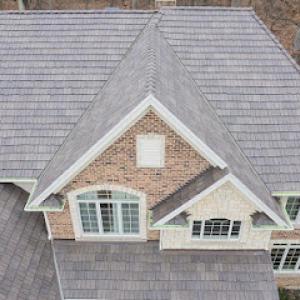
Rx Roofing & Construction
(224) 518-0278 www.rx-roof.com
Serving
5.0 from 87 reviews
Rx Roofing & Construction is a trusted roofing company proudly serving the Chicagoland area and surrounding suburbs. We specialize in residential roofing, commercial roofing, retail and insurance claims, offering expert installation, repair, and maintenance services. With a commitment to quality craftsmanship, timely service, and customer satisfaction, we ensure your roof is built to withstand the Midwest’s toughest weather. Whether it’s a small repair or a full roof replacement, we’ve got you covered.
RGZ Roofing Company
(224) 318-0551 barringtonroofingcompany.com
Serving
5.0 from 32 reviews
We are your most trusted residential and commercial roofer in Barrington. No matter the size of your project, our roofing contractors aim to get the job right the first time efficiently, on time and budget. RGZ Roofing Company has experienced and completed some of the most complicated roofing installation and roofing repair in Barrington. We provide personalized attention and a high level of focus on customer satisfaction. When you need a reliable roofing contractor, it is essential to trust the experts to make sure that your home or business is protected and handled the right way. Call us now to get the affordable, quality roofing materials and top-notch quality, and our helpful, skilled craftsmen will serve you with any roofing needs.
The Village of Lake Zurich typically requires a building permit for a full roof replacement rather than treating it as informal maintenance. Planning a reroof should start with that expectation in mind, so the project isn't halted mid-work by a permit issue. The permit process is designed to verify that the replacement complies with local wind, snow, and venting requirements and aligns with the village's setback rules and neighboring property lines.
Before submitting, gather contractor details and documentation that describe the project in concrete terms. Have the roofing contractor provide a formal scope of work that outlines the exact sections to be torn off and replaced, the proposed roofing system and underlayment, and the venting plan. Material specifications should be precise enough for the village reviewer to confirm compatibility with existing attic ventilation and ice-dam protection standards. If the roof includes penetrations or skylights, include a schematic showing how those details will be addressed in the replacement.
Submissions commonly require the contractor's licensing information, proof of insurance, and a signed authorization to pull permits. Include a detailed project scope, roofer credentials, and the manufacturer's installation guidelines for the chosen product. A site plan or sketch showing the roof footprint, access points, and any temporary work zones helps the village process move smoothly. In Lake Zurich, the review may flag setback or other site-specific considerations, so anticipate questions about debris containment, staging areas, and how runoff will be managed during replacement.
Inspections are generally scheduled during and after the project to verify installation details and roof venting. An on-site inspector will assess the underlayment, nailing pattern, and flashing around chimneys and vents, as well as alignment with attic ventilation requirements. Some properties may require review of setbacks, drainage considerations, or tree protection measures if trees are close to the work area. Be prepared for a final inspection to confirm the roof is installed to the approved plan and manufacturer specifications.
Coordinate with the contractor to time the permit submission so weather windows align with the planned replacement, minimizing exposure to late-wall or freeze-thaw cycles. Have the contractor provide a pre-work meeting or written checklist that outlines venting and drip-edge installation steps, so the inspector sees a consistent approach. Keep the permit on hand during the project in case the village asks for updates or additional documentation.
Because Lake Zurich is in the Chicago metro hail and wind claim environment, insurers often expect detailed photo documentation and an adjuster review before approving major roof work. When a storm hits, the first impression on the claim file can set the tone for how quickly decisions move. You should photograph the entire roof from multiple angles, including any suspected impact points, prior to repairs. Keep a dated log of every communication with the insurer and contractor, and ensure the documentation clearly shows the extent of damage relative to the visible condition of nearby homes. In practice, a well-documented file can prevent unnecessary delays or disputes about whether the damage warrants replacement or targeted repairs.
Deductible structure and coverage terms can materially affect whether homeowners repair isolated damage or move forward with full replacement. A high-deductible plan paired with limited coverage for incidental damages can push a claim toward cosmetic fixes rather than a complete roof refresh. Conversely, a policy with broader hail and wind endorsements may cover a more substantial portion of replacement costs. Understanding the specifics of how your insurer classifies storm-related damage versus wear and tear is crucial. If a claim looks borderline, the adjuster's determination about cause of loss and the scope of work can hinge on the level of documentation and the exact language in the policy.
Documentation quality matters locally because claim volume after regional storms can slow decisions and increase scrutiny on cause of loss and scope. In busy weeks, a clean, organized packet-photos timestamped to the storm date, a clear site map of the roof's affected areas, and a detailed contractor estimate linked to the observed damage-helps the file move faster. Expect questions about shading, debris, and hail patterns that may resemble multiple events. Prepare for possible follow-up visits by the adjuster and have ready any prior repair history on the roof, including vent flashing and chimney details that could influence liability and scope. A disciplined, thorough approach minimizes back-and-forth and protects the integrity of the claim.
Connect with contractors who help homeowners navigate the claims process from damage assessment to final approval.

RGED Roofing Contractors
(847) 796-8156 roofinglzurich.com
176 W Harbor Dr, Lake Zurich, Illinois
5.0 from 18 reviews
Muller Exteriors
(847) 550-5200 www.mullerexteriors.com
554 W, IL-22, Lake Zurich, IL
4.6 from 111 reviews
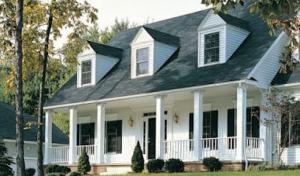
Asphalt shingles remain a dominant choice in this market, and for good reason: they balance performance with familiarity. In this climate, summer heat and UV exposure accelerate granule aging, so you'll notice options that hold color better and shed granules more slowly aging more gracefully. You should prioritize shingles with good reflective properties to reduce attic heat gain, and pair them with an effective attic ventilation plan that includes both intake and exhaust vents. In Lake Zurich's freeze-thaw cycles, a well-ventilated attic helps minimize condensation-related issues and reduces the risk of moisture pushing against the roof deck in winter. When choosing asphalt, look for thicker asphalt granule blends designed to resist hail impact and to maintain granule adhesion across seasonal temperature swings. A properly installed underlayment remains essential, especially to guard against wind-driven rain and late-season storms that can rattle shingles loose.
Wood shingles and shakes fit portions of the local housing stock with their traditional look, but they demand closer attention here. Snow and moisture cycling, plus autumn debris accumulation, can encourage mildew, rot, and insect activity if ventilation and drainage aren't up to the task. Wood cautions include keeping trees trimmed to minimize debris accumulation on the roof and ensuring timely cleaning of adjacent branches that shed leaves in the fall. Regular inspection for cupping, splitting, and soft spots is prudent after winter, and you'll want a sealing or staining regimen compatible with your climate to slow aging. In regions with heavy snow loads, fasteners and spacing must be matched to seasonal movement to prevent loosening or warping. If you pursue wood, ensure the chosen species and profile are rated for local freeze-thaw exposure and install a rain screen or proper drainage plane behind the shingles to reduce moisture retention.
Clay tile, concrete tile, metal, and synthetic products appear in the Lake Zurich market, but their weight, fastening, and cold-weather performance need to be matched to local structure and seasonal movement. Clay and concrete tiles demand solid deck support and careful fastening patterns to resist wind uplift, especially during severe storms. Metal roofs and synthetic options offer strong hail resistance and quick shedding, but the weight and substrate must accommodate thermal expansion and contraction, and fastener metallurgy should be chosen to endure northern Illinois temperature cycles. Regardless of material, ensure compatibility with local snow load expectations, confirm proper underlayment with moisture barriers, and verify that the roof's design accommodates thermal movement without compromising seals at penetrations or transitions. A thoughtful combination of material choice, structural assessment, and preventive maintenance pays off when harsh springs and rapid freezes recur.
The most popular roofing material in the US. Find pros who install, repair, and replace asphalt shingles.
4 Exterior
(847) 635-9136 www.4exteriorinc.com
23954 N Overhill Dr, Lake Zurich, Illinois
5.0 from 40 reviews

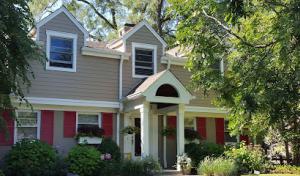
In this area, freeze-thaw cycling commonly stresses roof joints and underlayment transitions that may have survived the summer without obvious leaking. The harsh swings push sealants and fasteners in ways that aren't dramatic at first but quietly loosen over several cycles. Shingle edges, valley intersections, and where the roof meets vents or chimneys are particularly vulnerable. A small crack or lifted edge can become a channel for moisture once a warm day meets a late-fall cold snap. Regular inspection after thaw periods helps catch issues before they cascade into interior damage.
Spring hail and wind can damage shingles, ridge components, and exposed accessories, then later water intrusion shows up after the next temperature swing. Do not assume every dent is cosmetic. Damaged shingles may shed granules and weaken after a sunny spell, while ridge caps can crack or shift, exposing the underlying underlayment. Exposed flashing around vents, chimneys, and valleys is prone to micro-movement during strong gusts. After a windy, stormy period, walk the roof (if safe) or have a pro check for curled edges, lifted tabs, or displaced ridge pieces that could become leak pathways when rain returns.
Autumn wind and debris conditions in this area increase attention on valleys, flashing lines, and drainage paths before winter sets in. Leaves and pine needles accumulate at valleys and behind gutters, creating blockages that push water to seek alternative routes. Improperly flashed transitions where gutters meet roofing, or where two slopes meet, can trap moisture behind them. Before the first hard freeze, ensure debris is cleared from drainage paths and confirm that valley metal remains sealed and free of corrosion or gaps.
Look for uneven shingle surfaces, exposed fasteners, and dark streaks near joints or along flashing lines after a rain. Soft or spongy roof areas may indicate underlying water intrusion. If water marks appear on ceilings or walls after warm spells followed by cold snaps, investigate around dormers, chimneys, and vent pipes. Regular, targeted checks in these zones help catch small failures before they become costly repairs.
Find contractors experienced in skylight installation, flashing, and leak repairs to bring natural light into your home.
4 Exterior
(847) 635-9136 www.4exteriorinc.com
23954 N Overhill Dr, Lake Zurich, Illinois
5.0 from 40 reviews
Reliable Roofing
(815) 981-9898 reliable-roofing.com
450 IL-22, Lake Zurich, Illinois
4.8 from 25 reviews
Late spring to early fall is usually the most workable replacement season due to the freeze-thaw risks that spike in winter. In this window, temperatures cooperate for asphalt, metal, or tile installations, and crews can manage roof deck drying times without the sudden cold snaps that stress sealants and flashing. If you can align with this broader window, you reduce the chance of a delay between delivery of materials, staging of crews, and the actual shingle or panel install. In practice, this means targeting a stretch from late April through September, with flexibility built in for unusual weather.
Spring scheduling can still be disrupted by storms and hail, so homeowners here often benefit from earlier planning than they expect. If a hail event or high-w wind comes through, post-storm inspections should identify whether the existing roof sustained hidden damage that warrants pre-emptive planning for replacement or a staged upgrade. If planning a replacement after a damaging spring storm, coordinate with the contractor to confirm material lead times and crew availability before the peak-insurance reporting period begins.
Autumn can be productive for Lake Zurich projects, but falling debris and wind conditions can affect staging, cleanup, and final timing before winter. As trees drop leaves and acorns, crews should set up containment and tarps to protect landscaping and the home's edge while they work. Scheduling earlier in autumn helps ensure you have a clean, weather-safe finish before the first hard frost, and it keeps the project from piling up with other fall homeowner priorities.
If a decision to replace is on the table, initiate an inspection after any major storm, then set a realistic calendar based on local weather trends. Prioritize a clear plan for material delivery, crew arrival, and a defined sequence-from roof tear-off to underlayment, flashing, and final inspection. Having a documented timeline helps weather-fluctuation realities in this market and supports efficient storm-response planning.