
Last updated: Apr 19, 2026
Winter snow in this area follows a sharp freeze-thaw cycle that creates ice damming on older roofs, often first showing up as small leaks near attic vents or along the eaves. When spring hail storms arrive, a second wave of roof claims hits local crews, targeting damaged shingles, dented metal edging, and compromised underlayment. In this climate, the roof is not a single-season worry; the transition from heavy snow to thaw and then to hail can expose weaknesses that have been hiding all winter. The most reliable damage indicators show up after a storm surge or quick melt: icicles clutching the gutter line, granular loss on shingles, spots inside ceilings near exterior walls, and wind-driven rain blowing under any weak seam. Acting fast to identify and address these signs keeps interior rooms dry and reduces the risk of lingering leaks that lead to attic rot or mold.
Older village houses commonly carry ventilation and insulation imbalances that become glaring under snow load and wind-driven spring rain. Snow can blanket roof vents or cap insulation gaps, forcing heat upward and creating ice backup at the eaves. When wind gusts hammer the soffits and flashing, shingles lift, letting water intrude around flashing valleys and around chimneys or dormers. The pattern is predictable: the most vulnerable roofs are the ones with aging underlayment, minimal overhangs, or previous patchwork that didn't blend with the original flashing. In practice, a small attic temperature imbalance can translate into a much larger ice dam problem on the exterior. The result is a slow drip that seems harmless until the ceiling starts to darken or staining appears on a wall or ceiling boundary. The repair window closes quickly once hail season arrives, because storm crews are busier and the weather window tightens.
First, inspect the eaves, gutters, and downspouts after a storm. Look for lifted shingles, exposed nail heads, or granules packed along the gutter line. Any sign of active moisture intrusion inside should trigger a professional roof check rather than DIY patching, which can trap water and complicate the damage. If ice dams form, remove them from the roof edge carefully with a plastic scoop or roof rake, taking care not to damage shingles or the flashing. Do not attempt to melt ice with hot water or devices that create steam near living spaces; that can push water into new paths and worsen the leak.
Second, schedule a rapid roof and attic assessment after a major storm, especially if the attic shows signs of improper venting or insulation gaps. The goal is to verify that underlayment, flashing, and ventilation are aligned to prevent further ice backup and wind-driven leaks. Prioritize a plan that enhances attic air balance, improves soffit-to-ridge ventilation, and upgrades vulnerable flashing around chimneys and dormers. In older homes, even small improvements in vent placement or insulation thickness can translate into meaningful reductions in ice damming and spring rain intrusion.
Third, prepare for a staged, professional inspection that aligns with the seasonal surge in storm work. Clear access to the roof and attic, note any observed leakage pathways, and document damage with photos from both interior and exterior perspectives. Clear communication with a trusted local roofer about the specifics of La Grange's weather cycle will help keep a repair plan focused on long-term resilience rather than quick, temporary fixes. Acting now minimizes downstream damage and keeps the home safer through the next freeze-thaw cycle and spring storm season.
Asphalt shingles remain the dominant replacement choice in this village, favored for their balance of cost, ease of installation, and broad availability. In older homes, they are often evaluated against existing cedar, tile, or steep-slope architectural roofs, making the decision less about a standard upgrade and more about a compatible transition. When selecting asphalt, focus on products with strong wind resistance and improved nail-hold, especially for roofs with a long-established pitch or mixed materials. A shingle that mirrors the color and profile of nearby historic or character-driven roofs can help preserve the neighborhood's distinctive streetscape while still delivering modern performance.
While asphalt dominates, the local mix includes metal, clay tile, concrete tile, wood shakes, and synthetic products that are less common in many suburbs. Metal can be a practical choice for fire resistance and rapid installation, but its thermal mass and edge detailing require careful integration with existing dormers and coping. Clay and concrete tiles bring a timeless, substantial look and excellent longevity, yet their weight and underlayment needs demand a well-prepared structure and precise wind-uplift considerations. Wood shakes offer a traditional texture but require diligent maintenance against moisture and insect exposure. Synthetic products provide a lighter alternative with modern durability, yet still benefit from a well-thought-out ventilation plan and proper underlayment to handle temperature swings.
Many homes in the area feature cedar or tile elements, or steep-slope profiles that carry a legacy of design intent. When replacing a roof on such a structure, the new material should respect the roofline, rake details, and soffit geometry that define the home's character. For a cedar or tile-inspired upgrade, explore products that echo the profile and shadow lines of the original roof while offering improved sealant joints and flashing. This approach helps maintain curb appeal without sacrificing performance against wind-driven rain and hail, which are common concerns in this climate.
Chicago-area thermal swings stress roof systems differently than milder climates. Freeze-thaw cycles can cause brittleness in older underlayments and fasteners, while hot summers accelerate aging of synthetic underlayment and exposed components. Choosing a roof system with robust underlayment, reinforced edge nails, and compatible ventilation helps manage ice dam risks and heat buildup. The goal is to pair a material with a proven track record of handling sharp temperature gradients and intermittent hail exposure, while also aligning with the home's existing architectural language.
In older construction, roof geometry often includes penetrations, chimneys, and vent stacks that demand careful detailing. Any replacement should prioritize high-quality sealing around fasteners and flashings, with attention to integrating drip edges and valley linings that match the roof's year-round demands. When evaluating options, consider how each material handles local wind patterns, where wind-treated shingles, interlocking tabs, and secure ridge configurations can reduce the probability of uplift during severe weather. Above all, the goal is a durable, aesthetically coherent roof that respects the home's history while delivering reliable protection against hail, ice damming, and leaks.
When budgeting a roof replacement in this village-style setting, use the per-square ranges shown for your material choice. Asphalt shingles run from about 350 to 700 USD per square, a common starting point for older homes with standard tear-off needs. Metal roofs span roughly 550 to 1,200 USD per square, good for resisting hail but often higher for detailed edge work and ventilation adjustments. Clay tile is a premium option here, generally 1,400 to 2,900 USD per square, with the heavier deck considerations and flutter concerns that come with the area's wind patterns. Concrete tile sits in a similar tier, about 900 to 2,000 USD per square, while wood shingles or shakes typically range from 600 to 1,000 USD per square. Synthetic or composite shingles offer a middle ground at roughly 500 to 900 USD per square. Use these bands to frame quotes from local contractors, and expect the actual bid to sit somewhere near the midpoint depending on roof complexity and attic conditions.
Older roofs in the village housing stock often require more than a straight shingle swap. Tear-off depth can reveal a weathered deck, which means additional labor and material costs to repair or replace damaged sections. Ventilation adjustments are common to ensure proper air flow and to reduce ice dam risk in freeze-thaw cycles-particularly important in long, cold winters when shingles age unevenly. Documentation for past work and ensuring the new system can meet local wind-uplift expectations adds administrative and labor steps that push the bottom line higher. If the roof requires extra care to match the surrounding homes aesthetically, expect some premium pricing for custom edge details, vents, and chimney/peninsula flashing work.
The Chicago-area storm cycle can tighten contractor availability, and La Grange is not immune to surge pricing during hail events or widespread leaks after a heavy season. When storms create sudden demand, schedules compress and lead times extend, which can nudge prices upward on both material and labor. If a hail event has just occurred nearby, it's prudent to anticipate shorter windows for non-urgent work and potentially higher bids as crews rush to address multiple homes. Planning ahead for the best window-outside peak storm months-can help keep costs closer to the midpoints of the provided ranges.
Begin with a realistic assessment of roof condition: identify obvious signs of older deck wear, soft spots, or uneven feel when walking on the surface, and note any existing ice dam or leak history. Use these observations to gauge whether a straightforward shingle replacement will suffice or if a full deck and ventilation overhaul is needed. When obtaining quotes, request a breakdown that itemizes tear-off, deck repair, underlayment, ventilation, flashing, and premium wind-uplift detailing. For options that tie into the local climate, consider metal or synthetic for durability against hail and ice dam risk, balanced against attic ventilation changes and potential deck prep. Finally, verify the contractor's experience with older homes and the specific roof geometry found in these neighborhoods, including any retrofits necessary to maintain a cohesive neighborhood look.
Bucks roofing & construction
(630) 363-1055 bucksroofing.org
Serving
5.0 from 45 reviews
Customer satisfaction is our main priority! Quality work at affordable Prices. Commercial, residential, industrial.
Affordable Gutter
(630) 965-0688 www.affordable-gutter.com
Serving
4.8 from 104 reviews
Installation of new gutters and Downspouts. Schedule your gutter cleanings online at our website for great low prices. Services include siding, aluminum soffit and fascia, gutter repairs, gutter screens and gutter covers. Oversized gutters and Downspouts.
Pacc Solutions
(877) 892-5808 paccsolutions.com
Serving
4.9 from 196 reviews
PACC Solutions, part of PACC Building Group (PBG), is a trusted public adjusting firm and construction expert, providing seamless end-to-end solutions for property owners in the greater Chicago Metropolitan area. We handle everything from insurance claim representation to full roofing, siding, and exterior restoration—ensuring fair settlements and high-quality repairs. Our team is committed to advocating for property owners, navigating complex claims, and delivering top-tier craftsmanship that lasts. With a growing team and a reputation built on integrity, expertise, and results, we are redefining the industry by combining professional representation with hands-on restoration—giving our clients peace of mind every step of the way.

Polo Construction
(331) 481-1255 www.poloconstructionllc.com
Serving
4.9 from 28 reviews
Roofing contractor in Indian Head Park.

Rosewell Roofing
(630) 923-7673 www.rosewellroofing.com
Serving
5.0 from 71 reviews
At Rosewell Roofing, we are a family-owned roofing company with over 20 years of experience, serving both residential and commercial clients. Our commitment is to deliver durable, high-quality roofing solutions tailored to each client's needs. Whether it's a minor repair or a complete roof replacement, our skilled team ensures every project is completed with precision and care. We also specialize in storm damage assessments and assist with insurance claims to make the restoration process seamless. Our dedication to craftsmanship and customer satisfaction sets us apart in the roofing industry.
Smart Care Roofing
(312) 952-8248 www.smartcareroofingchicago.com
Serving
5.0 from 83 reviews
We know how daunting managing and overseeing your project can be, but we’re here to make the process smooth and easy, think smart, think Smart Care Roofing We’re a team of fully-certified professionals who tackle everything from complex projects to simpler operations. Fueled by our commitment to excellence, we go the extra mile to make sure clients are completely satisfied with our work. Get in touch with us today for a free consultation.
Giedrius Roofing Company
(630) 601-4207 hinsdaleroofing.com
Serving
4.9 from 54 reviews
Giedrius Roofing Company stands as a premier provider of residential roofing solutions. Backed by a team of seasoned and certified roofing contractors nearby Hinsdale, we prioritize exceptional workmanship and top-tier customer service. With a commitment to surpassing client expectations, we safeguard investments for the long haul. Whether it's a new installation, roof repair, or maintenance, trustGiedrius Roofing Company's expertise to deliver excellence. Reach out today for a complimentary estimate and secure your roofing needs with confidence!
ASI Construction
(630) 908-8518 constructionbyasi.com
Serving
4.9 from 453 reviews
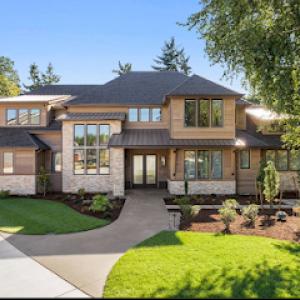
ASI Construction in Burr Ridge keeps Chicagoland homes and businesses protected with expert residential and commercial roofing and exteriors. Services include roof replacement and new installation, prompt roof repair and leak fixes, storm, wind, and hail damage inspections, insurance-claim assistance, and preventative maintenance, plus siding installation and repair and seamless gutters and downspouts. We work with asphalt shingles, metal, and commercial flat systems (TPO/EPDM). Local team, 24/7 response, free inspections, honest pricing, and licensed and insured (IL 104.017822 / 105.008909). Proudly serving Burr Ridge, Naperville, Hinsdale, Orland Park, Tinley Park, and nearby. Call or book your free inspection today.
O'Danny Boy Builders
(708) 854-6029 www.odannyboybuilders.com
Serving
4.6 from 153 reviews
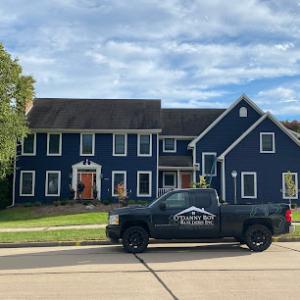
O’Danny Boy Builders is Burr Ridge’s trusted roofing contractor, specializing in residential and commercial roof repair, replacement, and storm damage restoration. With over 10,000 successful projects and GAF Master Elite® certification, we deliver high-quality, durable roofing solutions that protect your home or business for years to come. We proudly serve Burr Ridge, Chicago, Deerfield, Homer Glen, Orland Park, Palos Park, and surrounding areas, offering fast, professional roofing services with expert craftsmanship. Whether you need a minor roof repair, a full replacement, or assistance with an insurance claim, our team ensures a seamless, stress-free process from start to finish.
Lifetime Roofing & Restoration
(708) 314-5790 www.lifetimerestorationinc.com
Serving
5.0 from 115 reviews
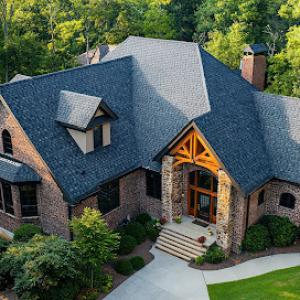
Lifetime Restoration is a trusted roofing contractor in Willowbrook, IL, delivering expert roof repairs, replacements, and installations since 2010. Owned and operated by Derek, our team proudly serves homeowners and businesses across Willowbrook and the greater Chicagoland area with durable, high-quality roofing solutions. We specialize in asphalt shingles, flat roofs, storm damage repair, and complete roof replacements, backed by strong warranties and outstanding service. Known for honesty, reliability, and craftsmanship, Lifetime Restoration helps protect your property with roofing built to last. Call today for a free roof inspection in Willowbrook and surrounding communities.
Royal Reserve Roofing
(630) 822-4370 royalreserveroofing.com
Serving
5.0 from 198 reviews
General contracting for all exterior repairs, damages, and restoration.
Stanley Roofing Co. Westchester, IL
(847) 804-1871 stanleyroofingchicago.com
Serving
4.7 from 81 reviews
When it comes to choosing a contractor for your home’s exterior improvement project, you must make the right choice. At Stanley Exteriors, we pride ourselves on giving our clients exceptional craftsmanship, professional installation, and a customer experience that will leave you sharing us with your neighbors. Trust your investment with the Stanley Exteriors team and let us help you love your home again.
For a re-roof in this village, a building permit is required and the filing is typically handled by the contractor through the village building department. The permit review focuses on specifics that matter for La Grange's climate and older housing stock, including underlayment, venting, and wind uplift details. Expect a review period of roughly one to two weeks, varying with workload. The permit is not a one-and-done signoff; the village uses staged inspections to verify progress and compliance at key milestones.
As soon as you commit to a roof replacement, your contractor initiates the permit application with the village building department. Your project will move through staged inspections rather than a single final check. The rough inspection happens after the roof deck is prepared or after the underlayment and initial components are installed, depending on the approved plan. A final inspection confirms everything is completed to code and in line with the approved notes. Keep in mind that any changes to decking, underlayment type, ventilation layout, or wind-rated components may require updates to the permit plan and another round of review.
The village closely scrutinizes underlayment, ventilation, and wind uplift considerations given La Grange's exposure to freeze-thaw cycles and hail. Your contractor should submit clear plans or notes detailing the chosen underlayment, attic ventilation approach, and any wind-uplift rated components, along with fastener patterns and retrofit details if living space is adjacent to the roof. If the project relies on existing layout, the permit package should highlight any deviations from standard practice, such as upgraded underlayment or additional venting. clarity and alignment between the plan and the actual installation help keep the review and inspections moving smoothly.
During rough inspections, inspectors verify that the deck, underlayment, and fasteners are installed according to the approved plan and that ventilation is appropriately addressed to minimize ice damming risk. The final inspection confirms that the roof system is complete, ventilated as intended, and secured against wind uplift. To avoid delays, ensure access to the attic and roof line is ready, and all penetrations (for vents, plumbing, chimneys) are properly flashed. Your contractor should coordinate inspection dates with the village ahead of time, and bring any required documentation or notes to each visit. If anything changes mid-project, inform the village immediately and update the permit notes to reflect those adjustments.
After a hail event, the Chicago-area insurance environment often moves from a quick estimate to a document-heavy review. In this market, photos should capture every angle of the damaged roof and any related soffits, gutters, and attic signs of water intrusion. Document the scope of work in clear, itemized detail, showing both immediate fixes and longer-term repairs. If your roof is older, be prepared for the adjuster to request close-ups of underlayment, ventilation, and wind-uplift components to verify compliance with staging inspections and to justify the chosen repair sequence.
Adjusters may ask for mitigation records and corroborating documentation beyond a simple estimate after major storm events. This can include weather reports, prior claim notes, and notes from any temporary tarping or daytime repairs you performed to limit further damage. The emphasis is on demonstrating proactive management of the damage and ensuring that the proposed scope reflects the actual condition of the roof and its protective assemblies. Keeping a dated file of repairs, photos, and delivery receipts makes the process smoother when questions arise.
Premiums and carrier review practices can tighten after active hail seasons or widespread regional claims. That tightening affects how quickly a claim progresses from initial intake to final resolution and can influence the level of scrutiny given to the scope and materials chosen for replacement. For a homeowner, this means the timing of decisions and the depth of documentation matter as much as the repair itself. Being prepared with organized records helps avoid delays that can cascade into prolonged exposure to weather, especially on older homes with complex rooflines and mixed-material histories.
Keep an organized digital and physical file of all communications, photos, and repair plans. Schedule a professional inspection soon after a storm and ensure the scope aligns with what the adjuster will expect. When in doubt, request a written rib of the scope of work and the rationale for each repair decision, so the records you eventually present stay consistent across all parties involved. In this town, clarity and preparedness prevent small misalignments from becoming bigger headaches down the line.
Connect with contractors who help homeowners navigate the claims process from damage assessment to final approval.
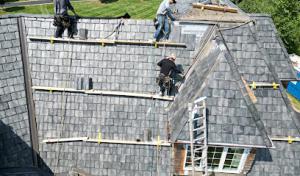

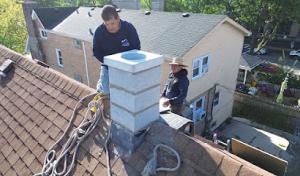
Skylights are a meaningful specialty in the local market, where many older homes feature dormers or flat-roofed layouts that rely on skylight integration rather than simple field-shingle replacement alone. You'll often see flashing dressed around curb-mounted units, with interior drainage paths that must stay clear through freeze-thaw cycles. Expect more frequent flashing maintenance near skylights than on other roof surfaces, especially after winter or hail events.
When planning a repair or replacement, prioritize integrated flashing that ties into the roof deck and underlayment. The squarely exposed edges around a skylight are common leak points, so confirm that step flashing extends all the way up and seals against the curb or framed opening. In older homes, the roof deck near skylights can be uneven or recessed, requiring shims and carefully brokered sealants to prevent ice damming. A precise seal around the skylight kerb helps limit seasonal water intrusion.
Chimney-related work is common among area contractors, matching the older-home profile where masonry intersections are recurring leak points. Inspect the counter-flashing where the chimney meets the shingles and ensure it overlaps properly with the roof underlayment. Repointing joint mortar may be necessary to restore a watertight seam. Pay attention to any rusting or displaced metal flashing at the base of the chimney; those spots are frequent failure sites after freeze-thaw cycles.
Freeze-thaw conditions around flashing, masonry joints, and roof penetrations are a recurring regional failure pattern in the western Chicago suburbs. Look for hairline cracks in masonry joints, gaps in sealants, or loose vent boots near penetrations. A cautious, staged repair approach that accounts for seasonal expansion and contraction reduces leakage risk during harsh winters. Regular inspection after heavy storms helps catch issues before they spread.
Treat every penetration as a potential leak point. Use high-quality sealants compatible with roofing materials and ensure proper ventilation under the roof deck to minimize condensation. Keep flashing clean and free from debris, especially along skylights and chimneys, where ice can trap meltwater and provoke lateral leaks. A proactive schedule of flashing checks, masonry care, and targeted replacements keeps older homes dry through the toughest seasons.
Find contractors experienced in skylight installation, flashing, and leak repairs to bring natural light into your home.

Lifetime Roofing & Restoration
(708) 314-5790 www.lifetimerestorationinc.com
Serving
5.0 from 115 reviews
Flat-roof specialization is notably active in this market, indicating that many properties include low-slope sections over porches, additions, garages, or mixed rooflines. These areas are more exposed to Chicago-area snow accumulation, ice backup, and spring ponding after heavy rains. A practical approach combines robust drainage with reliable flashing details so pour-down events don't drive water into attic spaces or living areas.
When the main roof is steep-slope but a low-slope section ties in nearby, ensure the transition is treated as a single system. The best results come from coordinating underlayment choices, edge flashing, and fastener patterns across both slopes. In colder months, a continuous ice-and-water shield along the low-slope run helps prevent ice dams that can form at eave breaks or where a porch roof meets the house envelope. Ventilation must be planned so that attic air does not overheat the interface between roof types, which otherwise invites condensation and potential rot.
Contractors in this market routinely customize fastener schedules and flashing details to suit mixed roof heights. For flat sections, consider membranes with strong puncture resistance and reliable seam adhesion, paired with traditional steep-slope materials on higher sections to simplify wind uplift considerations. In practice, the goal is a seamless weather barrier that resists wind-driven rain and snow load without creating dead vents or trapped water pockets.
During freeze-thaw cycles, attention to all low-slope interfaces is essential. Inspect edge drip edges and counter-flashing after heavy snows, and remove compacted ice from around penetrations to slow meltwater intrusion. In spring, check for ponding signs after storms and verify that drainage routes remain clear. Regular, targeted inspections of both the flat and adjacent steep sections help catch small issues before they turn into leaks in older assemblies. This approach supports long-term durability for homes with mixed roof geometries.
Find specialists in TPO, EPDM, and built-up flat roofing systems for residential and commercial properties.
Lifetime Roofing & Restoration
(708) 314-5790 www.lifetimerestorationinc.com
Serving
5.0 from 115 reviews
In this village, replacements are commonly pushed into late spring through early fall because Chicago-area winter conditions complicate tear-off, sealing, and inspection timing. If you're facing aging shingles or signs of rising ice dam risk, plan with that seasonal rhythm in mind. Early-season weather in March or April can still surprise with freezes, while late-season commitments tend to crowd schedules as storms roll through. Target a window where temperatures are reliably above freezing, but not yet in the peak heat of July.
The village scheduling window for projects can be roughly one to two weeks, depending on crew availability and weather forecasts. Build lead time into your plan so your chosen contractor isn't scrambling to fit you in between larger jobs. If you wait until a mild week in late May or early June, you'll likely encounter backlogs from others who've waited for just such a window. Having a firm start date in mind, and communicating that early, helps local crews reserve a slot before peak summer demand.
Spring hail and summer storm demand can compress calendars quickly, so waiting until visible leaks appear often reduces contractor choice. If you have early signs of damaged underlayment, curling shingles, or wind-stripped edges, act sooner rather than later to keep the project moving smoothly. Planning for replacement during late spring through early fall gives you the best balance of dry days, workable temperatures, and available crews who understand the village's older housing stock.
Coordinate a walk-through with the contractor to confirm roof dimensions, ventilation points, and any overhang or valley vulnerabilities specific to a vintage La Grange home. Have your questions ready about shingle types and installation details that perform best under freeze-thaw cycles and hail exposure. A well-timed, informed start reduces surprises once the crew is on the job.
The neighborhood character of older village homes with mature trees means roofs in this area bear freeze-thaw cycles, hail, and potential ice damming in heavier winters. When evaluating candidates, expect many crews to push replacement speed after a storm, sometimes without fully detailing every underlayment and venting choice. A careful homeowner asks for a written plan that explains why a full replacement is necessary versus targeted repairs, and how the chosen materials resist ice dam formation and wind uplift on established structures.
A local roofer's approach can shape how the project unfolds for months. Some contractors focus on rapid response to storm damage, which is understandable in a market that prioritizes quick mitigation, but speed should not override quality. Look for clear timelines, a documented sequence for tear-off, installation, and inspection readiness, and a project manager who follows up with steady updates. If a crew's priority seems to be closing a job quickly, press for specifics on weather contingency plans and workmanship standards.
Cleanup is a major local hiring priority, especially in established La Grange neighborhoods where landscaping, driveways, and close lot lines can be affected by tear-off debris. Ask how debris will be contained during removal, where discarded shingles go, and what protection exists for landscaping beds and neighboring driveways. A responsible contractor will outline daily cleanup routines, waste containment, and a plan to minimize disruption to adjacent homes, so property lines and setbacks are respected.
Long-established, family-owned, residential-focused contractors are well represented in this market, giving homeowners a meaningful way to compare stability and service style. Look for local references with similar house types, decades of local experience, and a willingness to stand behind workmanship. The right partner communicates in plain terms, honors commitments, and treats the project like a long-term relationship rather than a one-off job.
When you interview candidates, request a detailed scope of work, a written warranty, and a staged inspection plan that aligns with the neighborhood's expectations for a thorough, well-documented process. Compare how each contractor explains ventilation, underlayment, and ice-dam prevention measures, and choose a team that can translate those details into a predictable, courteous experience tailored to an older home.