
Last updated: Apr 19, 2026
In this stretch of the I-55 corridor, spring thunderstorms and the annual hail season collide with aging roofs carried by neighborhood homes and ranches. Hail damage and wind-driven impacts don't wait for a perfect sunny day to reveal themselves; they show up as granule loss, dented shingles, lifted edges, and water intrusion that eventually lands on the homeowner's radar when the next storm hits. The pattern here is predictable: a harsh break between severe weather events, followed by a cascade of claim activity once insurers start reviewing storm-related roof damage. For homeowners, this means you should treat every notable hail event or high-winish wind gust as a potential trigger for a claim, and plan for a rigorous documentation process that aligns with how local insurers operate in a high-claim environment.
In this market, insurers commonly want a tight package of evidence before approving roof-related claims. Age records for the roof, condition documentation that notes visible damage, contractor estimates that reflect job scope, and photo evidence from multiple angles are all typical prerequisites. After a storm, take clear photos from ground level and from the attic if accessible. Capture close-ups of damaged shingles, granule loss, and any signs of water entry around chimneys, vents, and flashing. Keep a dated log of every storm event and any related symptoms you notice-drafting this promptly helps prevent memory gaps when the adjuster arrives. If your roof has undergone previous repairs, document those as well, including the dates and contractors involved. The goal is to present a coherent, verifiable story of how the roof sustained damage, what actions were taken, and what remains to be addressed.
Because claim activity is frequent in this region, insurers and their adjusters scrutinize the sequence of events closely after repeated storm losses. Expect questions about the roof's age, prior repairs, and the cumulative impact of multiple hail events. A common scenario is an initial denial followed by a revision after supplementary photos or a second professional assessment. To avoid delays, secure written assessments from a licensed contractor that itemize the observed damage, the recommended scope of work, and the rationale for replacement versus repair. When possible, coordinate with your contractor to provide a unified estimate package that aligns with the insurer's preferred methods for estimating roof damage-this reduces back-and-forth time and helps you move toward a timely resolution.
Look for patterns that trigger a claim decision sooner rather than later: granule loss on asphalt shingles, curling or cupping edges, and widespread granule accumulation in gutters after a hail event signal a higher likelihood of structural compromise. Wind damage often presents as lifted or torn shingles, damaged flashing, or compromised sealants around vents and chimneys. If you notice interior signs of water intrusion, such as staining or musty odors in the attic or upper rooms after a storm, treat that as an immediate red flag and document it with photos and notes. Your action is straightforward: photograph, log, and call your insurer or your preferred local roofing professional to initiate a coordinated damage assessment that aligns with the insurer's documentation expectations.
Start with a reputable, insured contractor who understands local storm patterns and the insurer's documentation style. Have the contractor prepare a detailed, scope-focused estimate that supports replacement when the damage appears widespread or when partial repairs would not restore the roof's protective function. Share photos, notes, and the contractor's written assessment with the insurer promptly to avoid gaps in the record. If an initial claim is denied, request a re-inspection and consider a supplemental assessment from a third-party roofer to corroborate the findings. In this high-frequency claim environment, timely, precise documentation is not optional-it's your strongest lever to secure a fair, efficient resolution.
Lifetime Roofing & Restoration
(708) 314-5790 www.lifetimerestorationinc.com
608 Executive Dr, Willowbrook, Illinois
5.0 from 115 reviews
Lifetime Restoration is a trusted roofing contractor in Willowbrook, IL, delivering expert roof repairs, replacements, and installations since 2010. Owned and operated by Derek, our team proudly serves homeowners and businesses across Willowbrook and the greater Chicagoland area with durable, high-quality roofing solutions. We specialize in asphalt shingles, flat roofs, storm damage repair, and complete roof replacements, backed by strong warranties and outstanding service. Known for honesty, reliability, and craftsmanship, Lifetime Restoration helps protect your property with roofing built to last. Call today for a free roof inspection in Willowbrook and surrounding communities.
Baltic Roofing
(630) 552-6193 balticroofing.com
760 N Frontage Rd Ste 101, Willowbrook, Illinois
4.9 from 216 reviews
Baltic Roofing helps homeowners in Chicago’s southwest suburbs make sense of their roof and take care of it the right way. We focus on residential roof replacement, targeted repairs, storm damage support, and complete gutter systems designed to work together. Our process starts with an educational consultation where we inspect your home, explain what we see, what matters, and what options you have. From there, we handle the work with care, attention to detail, and respect for your time, property, and pocketbook. The goal is simple: do the job right, so you don’t have to think about it again.

Home Resto
Serving
5.0 from 40 reviews
Home-Resto is the leading roofing contractor in Chicago, IL, and the surrounding area. We proudly offer roof replacement, gutter, and siding installation in Chicago, IL! Contact us for all your roof repair needs. Home-Resto is committed to providing top-quality roofing, siding, and gutter services with unmatched care and precision. Our team of certified and highly skilled craftsmen uses materials and techniques to ensure every project delivers durability, protection, and long-lasting results. We take pride in delivering exceptional workmanship tailored to your home's unique needs. Customer satisfaction is at the core of everything we do. Contact Home-Resto today to schedule a professional roofing consultation for your Chicago home!
Silver Phoenix
(708) 833-0400 silverphoenixinc.com
Serving
4.8 from 42 reviews
Silver Phoenix, Inc. provides quality home improvement services available at affordable prices. We perform general contractor work and are well known as the best priced roofer in the area. Call us for a free quote near Oak Brook, Lombard, Elmhurst, Hillside, Cicero, Berwyn, Chicago, Hinsdale, Westmont, Westchester, Addison, Itasca, Franklin Park and the surrounding areas. We are a top rated roofer known for quality roofing work, excellent service and stand behind all of our commercial and residential work with a 100% guarantee so you can sleep well at night. We also provide, siding, windows and gutter cleaning services. We offer a full line of residential including DaVinci Roofing Products.
ASI Construction
(630) 908-8518 constructionbyasi.com
Serving
4.9 from 453 reviews
ASI Construction in Burr Ridge keeps Chicagoland homes and businesses protected with expert residential and commercial roofing and exteriors. Services include roof replacement and new installation, prompt roof repair and leak fixes, storm, wind, and hail damage inspections, insurance-claim assistance, and preventative maintenance, plus siding installation and repair and seamless gutters and downspouts. We work with asphalt shingles, metal, and commercial flat systems (TPO/EPDM). Local team, 24/7 response, free inspections, honest pricing, and licensed and insured (IL 104.017822 / 105.008909). Proudly serving Burr Ridge, Naperville, Hinsdale, Orland Park, Tinley Park, and nearby. Call or book your free inspection today.
O'Danny Boy Builders
(708) 854-6029 www.odannyboybuilders.com
Serving
4.6 from 153 reviews
O’Danny Boy Builders is Burr Ridge’s trusted roofing contractor, specializing in residential and commercial roof repair, replacement, and storm damage restoration. With over 10,000 successful projects and GAF Master Elite® certification, we deliver high-quality, durable roofing solutions that protect your home or business for years to come. We proudly serve Burr Ridge, Chicago, Deerfield, Homer Glen, Orland Park, Palos Park, and surrounding areas, offering fast, professional roofing services with expert craftsmanship. Whether you need a minor roof repair, a full replacement, or assistance with an insurance claim, our team ensures a seamless, stress-free process from start to finish.
SkyShield Roofing & Gutters
(331) 249-3094 darienroofingcompany.com
Serving
5.0 from 41 reviews
SkyShield Roofing & Gutters is your reliable choice for a variety of roofing services. We specialize in high-quality installations, replacements, and repairs for residential properties. Our experienced contractors are dedicated to delivering exceptional workmanship and customer service, including shingle installation, roof hail damage repair, and flat roofing solutions. We use top-quality materials and the latest techniques to ensure your roof is durable, functional, and aesthetically pleasing. Contact us today for more information or to request a free estimate.
Orange Elephant Roofing & Solar
(773) 382-1953 orangeelephantroofing.com
Serving
4.3 from 191 reviews
At Orange Elephant, we put roofs over people and people over profits. We understand that quality productions are only possible with quality products and quality people. Orange Elephant's goal is to provide the homeowner a seamless experience with their greatest investment. At Orange Elephant we have a duty to create jobs and a workplace culture with these core values. Employee empowerment, Reputation, Excellence, Growth, and Humility.
Connelly Roofing
(630) 941-8598 www.connellyroofinginc.com
Serving
5.0 from 26 reviews
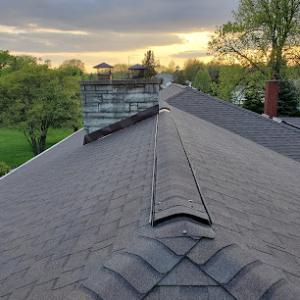
Proudly serving the Chicagoland area for over 30 years, Connelly Roofing is a family-owned and operated residential roofing company that's dedicated to protecting your home with expert craftsmanship and superior service.

Dream Home Exteriors
Serving
4.8 from 115 reviews
Dream Home Exteriors is a premier roofing company that specializes in both residential and commercial roofing services. We offer a wide range of roofing options, including lifetime warranty asphalt shingles, high-end Davinci roofing, and James Hardie siding. Our team of experienced and certified professionals are dedicated to providing exceptional workmanship and superior customer service. We strive to exceed our client's expectations with every project and ensure that their investment is protected for years to come. Whether you need a new roof, repair, or maintenance, Dream Home Exteriors has the knowledge and skills to get the job done right. Contact us today for a free estimate.
Giedrius Roofing Company
(630) 601-4207 hinsdaleroofing.com
Serving
4.9 from 54 reviews
Giedrius Roofing Company stands as a premier provider of residential roofing solutions. Backed by a team of seasoned and certified roofing contractors nearby Hinsdale, we prioritize exceptional workmanship and top-tier customer service. With a commitment to surpassing client expectations, we safeguard investments for the long haul. Whether it's a new installation, roof repair, or maintenance, trustGiedrius Roofing Company's expertise to deliver excellence. Reach out today for a complimentary estimate and secure your roofing needs with confidence!
Mighty Dog Roofing of Southwest Chicago
(630) 895-9075 www.mightydogroofing.com
Serving
5.0 from 28 reviews
When it comes to your home’s exterior, Mighty Dog Roofing delivers top-of-the-line services matched with the neighborly customer care our clients have come to love. Our team of skilled experts will conduct a free, detailed inspection of your home, treating it as our own. Whether your home needs a simple repair or a full roof replacement, expect to receive the transparent guidance you deserve. Whatever the case, our team will work to meet your safety and budget needs. We take pride in operating with quality materials, hiring skilled roofers, and providing our customers with a high-quality experience. See for yourself; our reviews say it all. Schedule your free, home inspection today!
Willowbrook's cold winters create repeated freeze-thaw cycling that can shorten roof life by stressing shingles, flashing, sealants, and fastener penetrations. When water seeps into microcracks or gaps and then freezes, it expands enough to widen those gaps and loosen the surrounding material. Over multiple seasons, flashing around chimneys and vents can contract and bow, while sealants dry out and crack. Shingles in these conditions bear the brunt of accelerated aging, particularly at roof edges, valleys, and penetrations where water can pool and refreeze. Recognize that the aging process may be incremental and invisible until a heavy rain reveals a pattern of leaks or damp spots.
Winter conditions in this area affect both roof access and replacement timing, making late-fall and winter tear-offs more logistically difficult than in milder climates. Snow cover, freezing ground, and icy pathways slow material delivery and safe roof work. Cold temperatures stiffen underlayment and shingles, reducing nail grip and complicating sealing work. If a replacement window must occur during cold months, expect tighter scheduling, potential weather-induced delays, and the need for extra crew coordination to keep the job safe and on track. Planning for a spring wrap-up or early summer completion often yields smoother logistics and better material handling.
The local climate pattern of cold winters followed by warm, stormy seasons means small winter defects often become active leaks during spring rain events. Tiny gaps at rake edges, around vents, or where shingles have degranulated can stay dormant through freezing days but open wide when warm systems collide with rain. Spring storms test the roof thoroughly, and a small blister or lifted shingle from later winter stress can become a continuous intrusion path if not addressed. Expect to see the first noticeable leaks during the first steady rain after thawing, even if winter damage seemed minimal at season's end.
To catch problems early, perform a practical, season-to-season routine. After the ground thaws in early spring, do a careful attic and exterior inspection for signs of moisture intrusion, mold, or unusual warmth in the attic decking. On the exterior, inspect around chimneys, vents, skylights, and roof-to-wall transitions for loose flashing or gaps that widened over winter. Schedule a mid-winter audit if possible, focusing on areas that bear the most stress, such as valleys and edge shingles, because early defects left unchecked tend to expand once spring storms arrive. Replace damaged flashing promptly and reseal any seams where the sealant has dried or cracked. Maintain gutters and downspouts so water is directed away from the eaves and fascia, reducing ice dam formation and gutter pull.
When spring rain arrives, you may notice small leaks from winter vulnerabilities. If water infiltration appears, minimize further damage by keeping the attic environment ventilated and temporarily diverting water with tarps or flashing to reduce infiltration while scheduling a repair window. If roof access remains feasible during a mild spell, a targeted repair of the weakest points-shingle repair, flashing resealing, and vent flashing-can buy time until a full inspection and re-roof decision can be made. In Willowbrook, treating winter damage as a proactive maintenance issue rather than an afterthought helps preserve the roof system through the ensuing storm season.
The dominant roofing mix in Willowbrook includes asphalt shingles, metal roofing, clay tile, concrete tile, wood shakes, and synthetic/composite products rather than a single-material market. This diversity reflects a balance between traditional affordability and options that respond to Chicago-area weather swings. Asphalt remains the baseline choice for most homes, offering reliable performance with straightforward maintenance. Metal roofing stands out for its hail resistance and wind performance, especially on homes with contemporary or angular rooflines. Tile options-clay and concrete-are visible on a subset of bungalows and ranches, particularly where owners value a high-end look and longer lifespan. Wood shakes add curb appeal in older neighborhoods but require attention to decay and fire safety, while synthetic or composite shingles echo the simplicity of asphalt with enhanced dimension and potential for extended warranties.
In the Willowbrook climate, storm readiness drives material selection. Asphalt shingles provide predictable behavior under freeze-thaw cycles and a broad repair network, making them a dependable baseline for most homes. Metal roofing offers superior impact resistance and quicker shed-off of heavy hail, with modular installation that can handle irregular roof shapes common in suburban lots. Synthetic/composite shingles emulate the look and texture of premium materials while delivering enhanced impact resistance and lighter weight, which can ease structural concerns when retrofitting an older home. Clay and concrete tiles present an appealing, durable option but require careful structural assessment because their weight demands a reinforced roof frame and precise installation to avoid micro-cracking under temperature swings. Wood shakes deliver a distinctive aesthetic but come with higher long-term maintenance and vulnerability to moisture, insects, and rapid wear if not properly vented and sealed.
For tile and wood systems, the structural load is a critical factor. If a roof frame wasn't designed for heavy tiles, a retrofit or reinforcement may be needed to prevent sag or collapse under snow load. Wood shakes demand rigorous maintenance: regular inspections for splits, cupping, and microbial growth, plus prompt treatment to deter mold and pests. Tile systems require careful detailing at penetrations, gutters, and chimneys to avoid leakage and cracking where freeze-thaw cycles concentrate stress. Metal roofs, when installed with proper underlayment and fastening patterns, can outperform other materials in wind-prone springs and hail events, but assess expansion clips and panel spacing to handle temperature shifts. Synthetic shingles offer a middle ground, combining lighter weight with good impact resistance and easier retrofit potential, though long-term performance can vary by brand and warranty.
Consider how your home's roof orientation, attic ventilation, and existing structure align with the chosen material. Homes with vaulted ceilings or large overhangs may benefit from metal or synthetic options that handle wind uplift efficiently while preserving interior comfort. For properties with a classic look and historical character, clay or concrete tiles can deliver enduring curb appeal if the structural frame supports the weight. Asphalt remains the practical backbone for many homes, with upgrades to steel or composite options available to boost hail resistance and winter durability. Regardless of choice, ensure installers balance local weather patterns with a careful assessment of roof deck condition, underlayment quality, and the specifics of transitions around chimneys and skylights.
In this part of the Chicago southwest suburbs, you can anchor expectations to the local per-square costs: asphalt shingles start at about 350 USD per square, climbing to 700 USD for higher-end options. Metal roofing generally runs from 700 to 1,400 USD per square, with clay tile at roughly 900 to 1,800 USD per square, concrete tile around 900 to 1,700 USD per square, wood shingles or shakes from 600 to 1,100 USD per square, and synthetic or composite shingles in the 550 to 1,100 USD per square band. For a typical home, a basic asphalt replacement lands near the entry level, while a full tile installation sits at the top of the market. The spread matters because Willowbrook homes range from simpler ranches to two-story feature houses, and the long-term value of different roof types varies with climate and storm history.
Storm-driven demand spikes in the Chicago suburbs can push Willowbrook pricing upward after hail and wind events as contractor schedules tighten. When a hail season hits, crews may be in higher demand and skilled labor or specialty products can become scarce, nudging quotes higher than the standard ranges. If a wind event compounds damage or accelerates the need for rapid replacements, expect a tighter selection window for materials and scheduling, which can trim negotiable options and adjust lead times. In practical terms, plan for potential temporary price bumps and longer-than-usual lead times in the weeks following a major hail or wind event.
Cost moves in Willowbrook based on three practical levers: product choice, how much venting and attic work is needed to maintain code-friendly performance, and whether winter access or steep tear-off conditions slow production. Venting corrections, for example, can add to both material and labor costs if the attic requires additional soffit, ridge, or turbine vents to meet performance targets. Material choice directly affects long-term durability and insurance considerations, especially given Willowbrook's freeze-thaw cycles and hail history; tile and metal options carry higher upfront costs but may offer stronger resistance to storms. Finally, winter work and steep-pitch projects tend to slow crews and raise labor hours, translating into higher per-square totals. Weigh these realities against the local weather pattern and the likelihood of future hail events to choose a balanced, durable solution.
Get a clear picture of your project costs upfront - no commitment required.

In Willowbrook, a full roof replacement is generally managed through the village building department rather than being handled informally. The process is real and the village expects proper documentation and adherence to local codes, so skipping steps or rushing work can lead to delays or rework. Knowing that a permit is not optional helps you plan with your contractor and avoid the scramble that can come when an inspector shows up and finds work in progress without the right paperwork.
The permit application is typically submitted by the homeowner or the contractor, with project details laid out for review. The village may require plan review before any nails are driven or underlayment laid down. That review can catch issues early-like vent placement, attic insulation, or drainage changes-that might otherwise become problems once shingles are installed. Be prepared to provide sketches, venting diagrams, and a clear timeline so the village can assess compliance before the first shingle is replaced.
Willowbrook inspections can occur at multiple stages: at roof removal, during installation, and at final approval. Each checkpoint checks for code compliance and proper venting requirements, which are critical for long-term performance in this climate. Missing an inspection window or failing a staged check can stall your project, so coordinate closely with your contractor to ensure no step is skipped. Pay particular attention to venting, as improper configurations can affect attic moisture, ice dam risks, and overall roof longevity.
Keep a copy of all permit paperwork on site and share contact information for the village inspector with your contractor. Schedule inspections early and align them with weather windows to minimize heat exposure and wind-driven delays. If you run into questions about venting, attic insulation, or flashing details, ask for written guidance from the village ahead of time to avoid rework. By treating permits and inspections as a constructive part of the project, you protect your investment against weather-driven setbacks and ensure a compliant, durable roof.
In this area, homes often have flat or near-flat roof runs that channel water toward interior angles and parapet lines. During heavy Midwest rain events, these low-slope areas are the first to show membrane-detail failures or drainage blockages. Inspect drain pans, scuppers, and transitions where the flat roof meets steeper sections, because an overflowing edge can back up into attic space or ceilings quickly. When assessing a reroof, prioritize the condition of the membrane seam at edge details, corner penetrations, and any upturned flashing along parapets. A practical check is to run a water test after penetrations or new layers are installed, focusing on movement during a controlled rain simulation. If a severe storm occurs and you notice pooling that persists beyond a few hours, treat it as a warning sign that the existing drainage plan or membrane laps may require attention from a qualified flat-roof specialist. For Willowbrook homes, the contractor market shows meaningful demand for both flat-roof and skylight work, reflecting how often these areas become recurring leak calls.
Skylights in this climate demand meticulous flashing and winter-weather detailing because freeze-thaw movement can expose weak installation work. Pay particular attention to the curb flashing, the zone where the skylight frame meets the roof membrane, and any counter-flashing that directs water away from the joint. In colder months, ensure proper insulation beneath the curb and verify that the flashing laps are continuous and securely sealed. During replacement, verify that all shingle-to-flash transitions are integrated with compatible sealants and that the fasteners along the curb are corrosion-resistant and sealed. If a skylight shows any sign of condensation, fogging, or dampness around the curb in winter, troubleshoot the flashing first before considering a full skylight replacement. This approach minimizes the risk of repeated leaks and preserves interior comfort during thaw cycles.
Find specialists in TPO, EPDM, and built-up flat roofing systems for residential and commercial properties.
Lifetime Roofing & Restoration
(708) 314-5790 www.lifetimerestorationinc.com
608 Executive Dr, Willowbrook, Illinois
5.0 from 115 reviews

In this market, the reliability of the warranty often matters more than the sticker price, because storm events that hit the Chicago southwest suburbs can recur. A typical local emphasis is on coverage that sticks with you through years of weather cycles, not just a date on paper. Look for both manufacturer-backed material warranties and contractor workmanship guarantees, and verify how long each part lasts and what exactly is covered. A reputable contractor should provide clear documentation outlining coverage specifics, including start dates, what triggers a claim, and the exact remedies when issues arise. When storms cause hail or wind-related damage, you want a warranty that accounts for the possibility of related upgrades-such as underlayment or vent replacements-so you aren't chasing repeat repairs. In Willowbrook, the market is known for long-established and family-owned firms, and those firms often stand behind a durable, recognizable warranty plan that aligns with how homeowners actually experience post-storm follow-through.
Cleanup-included service is standard here, so you should expect a thorough responsive finish after the project wraps. Ask for specifics on debris handling, dumpster provisions, nail removal, and how yard and landscaping protection is maintained during the work. The goal is to return your property to its pre-work condition or better, with no stray nails or scrap left behind that could pose a hazard to kids, pets, or lawn care equipment. Clarify who is responsible for clean air-quality concerns if dust or debris becomes an issue during replacement, and what steps are taken to prevent damage to gutters, siding, and flower beds. Given the frequency of spring storms and freeze-thaw cycles, a clean site also reduces the chance of hail-related debris causing secondary issues after a repair.
Licensed, insured, and manufacturer-certified signals are common in this market, and they help you compare contractors on documentation quality and warranty backing rather than price alone. Request written proof of licensing and insurance, plus the manufacturer certifications that routes the project through approved products and installation methods. Free inspections should be offered, with documentation that outlines findings and recommended scope. Favor firms with clear, itemized proposals that specify materials, installation steps, warranty terms, and cleanup commitments. Because post-storm follow-through is a major homeowner concern in this suburb, prioritize contractors who outline a concrete plan for warranty service calls, timely visits, and a direct line of communication for concerns long after the project is completed. In Willowbrook, you can expect a responsive, steady-hand approach from contractors who know the local climate and housing stock inside and out.
In this southwest Chicago suburb, a storm season with hail and freeze-thaw cycles makes clear, dated roof records essential. Keep all photos from before and after storms, along with invoices for prior repairs and maintenance. Store these in a weatherproof folder or digital cloud folder labeled by year and event. Clear evidence helps distinguish long-term wear from sudden damage, reducing questions during a claim review.
Insurers serving this region may request inspections or additional evidence when roof age or pre-existing wear is unclear, especially after widespread hail events. If a claim is triggered by a single hail storm or a string of rapid temperature shifts, expect adjusters to look for consistency between photos, invoices, and the roof's visible condition. Having a concise event log-with dates, storm intensities, and any related interior water intrusion-can smooth the process and prevent back-and-forth requests.
For Willowbrook claims, contractor estimates that clearly separate storm damage from older maintenance issues can help reduce disputes during adjustment. Ask your roofer to itemize what is new damage caused by the weather event versus existing wear from years of service. Attach the estimate to your claim packet, and note any milestones like subsequent patching or temporary protections that protect your home between storms. This clarity supports faster decisions and helps you coordinate a timely, code-aligned recovery, without mischaracterizing routine upkeep as storm damage.