Last updated: Apr 19, 2026
In this part of the Chicago metro insurance environment, hail and wind losses generate frequent roof claims, and detailed photo documentation is often needed. The emphasis here is on what your roof endures during rapid weather swings-freeze-thaw cycles that crack shingles, paired with sudden hail strikes that crater granules and expose underlayment. Your risk profile leans heavily on storm events rather than age alone. A roof that looks solid on a sunny afternoon can be hiding hail damage, loose flashing, or compromised vents that only show up after a heavy storm. Keeping this in mind helps you act quickly when a claim is possible, instead of waiting for visible aging to set off concern.
Local replacement decisions are heavily influenced by storm-driven damage rather than age alone because hail and wind events can create claimable loss before a roof reaches full lifespan. That means the first post-storm question is not "How old is the roof?" but "What did the last storm do to it?" Look for wind-driven shingle lifting, granule loss, dented metal edges, and damaged flashing around chimneys and skylights. If the roof has sustained enough damage to threaten attic protection or moisture intrusion, a claim-ready case might exist even if the shingles look okay from the ground. Focus on evidence: missing shingles, curled edges, and penetrations that could allow rain into the attic. In Saint Charles, this risk profile is amplified by the mix of steep-slope housing found in older neighborhoods and newer builds with similar exposure to peak storm events.
When a storm passes, your next move should be meticulous documentation. Start with wide exterior photos to establish the roof's overall condition, then zoom in on flashing, vents, ridges, and any hail impact marks. Photograph attic signs too-stains, brown spots, or moisture on the ceiling can reveal hidden leaks. Keep a dated log of what you observe after each storm: wind speeds, direction, hail size if known, and any felt or underlayment lift you can see from a ladder line. If inspectors or adjusters arrive, accompany them with your photo records and notes, and point out any areas you suspect were affected by hail or wind. In this market, clear, organized evidence reduces disputes and speeds the claim process.
Demand spikes after regional storms can tighten contractor schedules across Saint Charles and nearby Kane and DuPage County markets, affecting how quickly homeowners can secure inspections and replacement dates. If a claim is initiated, expect a surge in work packages and a backlog for roofers who can handle storm work without compromising other clients. Create a plan that anticipates several weeks to a few months for inspection-to-install timelines during peak storm seasons. Prioritize getting an independent roof inspector or adjuster visit scheduled promptly after a major storm, because early, detailed documentation can anchor the claim and keep replacements from stalling. Keep a flexible approach for the actual replacement window, recognizing that weather gaps, material availability, and crew capacity will all influence when the new roof goes on.
Find local contractors experienced in assessing and restoring roofs after hail, wind, and severe weather events.
Thunderbolt Construction
(847) 496-3202 www.thunderboltconstructioninc.com
Serving
5.0 from 25 reviews
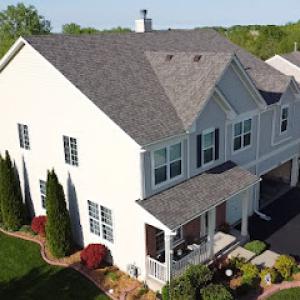
Roofland
Serving
5.0 from 102 reviews
At Roof Land, we're dedicated to providing top-quality roofing solutions for residential and commercial properties alike. With years of experience in the industry, our team of skilled professionals offers a wide range of services tailored to meet your roofing needs. Roof Installation Roof Repair Roof Replacement Roof Inspection Leak Detection and Repair Gutter Installation and Repair Storm Damage Repair
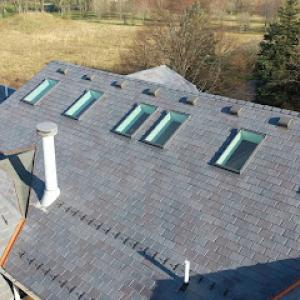
Klemm Exteriors
(630) 232-9010 klemmexteriors.com
Serving
5.0 from 75 reviews
Formerly known as G Klemm Roofing, we’ve expanded into Klemm Exteriors, bringing over 31 years of trusted, family-owned experience to a full range of exterior services. Based in the Fox Valley, we specialize in residential and commercial roofing, siding, gutters, skylights, and repairs. Our reputation is built on honest communication, quality craftsmanship, and long-lasting results. Whether it’s a full roof replacement, storm damage repair, or seasonal maintenance, we deliver expert service backed by local know-how and industry-leading warranties.
Thunderbolt Construction
(847) 496-3202 www.thunderboltconstructioninc.com
Serving
5.0 from 25 reviews
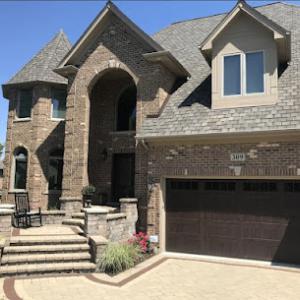
Thunderbolt Construction has been serving Chicagoland Since 1974. Provide commercial and residential roofing, gutters, siding, specialty copper work, slate roofing, tile roofing, windows, skylights, and doors.
Hefferan Roofing
(630) 283-2911 www.hefferanroofing.com
Serving
5.0 from 22 reviews
We specialize in roofing, siding, gutters, interior work and insurance claims.

Jeremy's Roofers
(773) 654-4637 roofingcontractorstcharles.com
Serving
5.0 from 60 reviews
We are a leading roofing company specializing in professional roofing services for residential and commercial properties. Our team of expert roofers take care of your roof, offering installation, repair and replacement of all types of roofs. We install asphalt shingles, metal, flat roofs and much more. We use only highest-quality materials and the latest techniques to ensure that your roof is durable, long-lasting and energy-efficient. We're committed to customer satisfaction and strive to exceed expectations with every project we undertake. Whether you need a new roof installed or a repair job done, our team of skilled professionals is ready to provide you with the highest quality roofing services at competitive prices.
Randall & Son
Serving
5.0 from 739 reviews
With over 43 years of dedicated local service, Randall and Son Roofing & Exterior has become a trusted name in the industry. We pride ourselves on providing high-quality products, an industry-leading warranty, and unmatched customer service. Our commitment to excellence ensures that every exterior project meets the highest standards of quality and customer satisfaction.
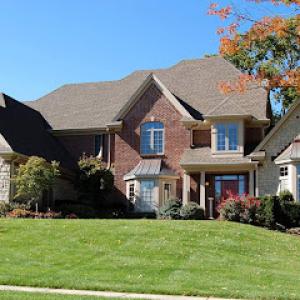
Roberts Restorations
(630) 340-8026 robertsrestorations.com
Serving
5.0 from 37 reviews
The leader in home exterior improvement and restoration in Kane and DuPage Counties, the team at Roberts Restorations has been providing exceptional service to clients for more than 15 years. We offer both residential and commercial roofing, gutter and siding installation, and free roof inspections. We offer free estimates and convenient financing is available. We pride ourselves on client communication, making things as easy as possible during the insurance claim process, and providing premier services from design to installation.

ACE Roofing Services
(630) 444-7575 www.ace-roofs.com
Serving
4.9 from 64 reviews
ACE Roofing Services, Inc. is the residential roofing contractor you can rely on for dependable & affordable service. No matter if it’s your roof, siding, or windows, we have the experience to repair or replace any part of your home’s exterior. We also provide roof and exterior inspection to find the source of the problem and ensure that your repairs are necessary. Although we’re based in St Charles, IL, we are proud to serve all of Kane County and much of the western Chicagoland suburbs. We look forward to providing first class roof repair, installation, and home exterior services for our valued customers. If your home has experienced storm damage, we’ll even help guide you through insurance claims!

Atlas General Contractors
(630) 724-7884 atlasgeneralcontractors.com
Serving
5.0 from 142 reviews
We are proud to provide Residential and Commercial Roofing, Pella Certified Window and Door Dealer/Contractor, Siding, Gutters, General Contractor, Restoration Services, Insurance Claim Experts, Public Adjuster.

Landmark Roofing
(847) 587-0872 lriexteriors.com
Serving
4.9 from 47 reviews
Landmark Roofing, are your home improvement experts - Veteran owned, providing quality work in the Greater Chicagoland area since 2005. We offer complete solutions from start to finish for every project, starting with a free on-site evaluation and written estimate. And before it's completed, every job is personally inspected by the owner to ensure that the customer is 100% satisfied with the results.
Skyward Roofing Company
(331) 210-9178 skywardroofingcompany.com
Serving
5.0 from 18 reviews
Skyward Roofing Company is a trusted provider of residential roofing solutions in Campton Hills. With years of experience and a dedicated team of certified roofing contractors, we focus on delivering high-quality craftsmanship and exceptional service. Our commitment to exceeding client expectations ensures that your roof provides long-lasting protection for your home and investments. Whether you're in need of a new roof installation, roof repairs, or routine maintenance, our skilled professionals are here to offer reliable and effective solutions. We use only the best materials and techniques to ensure your roof stands strong against the elements and enhances the overall safety and appearance of your property.

4All Roofing Contractors
(224) 242-8228 southelginroofers.com
Serving
5.0 from 34 reviews
4All Roofing Contractors is the roofing company in South Elgin that has your back when it comes to your roofing needs. We provide services for both your commercial roofing and residential roofing. Our services include roof repair and roof replacement that are done by professional roofing contractors. We offer a free and accurate estimate at the initial meeting so that there wouldn't be any surprises along the way. Our team of roofers ensures to keep smooth communication during the process so that you will be updated on the progress of your roof. We are equipped with roofing contractors that can determine the problem of your roof and can turn into something once again. Call one of the best roofing companies in the South Elgin area today!
In your area, most full roof replacements are scheduled from late spring through early fall because winter freeze-thaw and snow make tear-off, dry-in, and sealing less predictable. Planning within that window gives you the best chance for a smooth process, fewer weather-driven delays, and better chances of a proper dry-in before winter sets in. If your existing roof is deteriorating rapidly, address it promptly in spring to avoid extended exposure that can worsen underlying decking or flashing.
Spring rains in northern Illinois can interrupt tear-off and increase moisture exposure risk if decking is opened before a stable dry-in window. When you receive a forecast predicting wet days, coordinate with the contractor to stage work so the most vulnerable steps-like decking exposure and underlayment installation-align with drier spells. If a rain event is imminent during a planned tear-off, be prepared for a temporary tarping plan and a revised schedule to maintain roof integrity and prevent water intrusion.
Hot, humid summer conditions in the western Chicago suburbs can affect material handling and crew productivity even though summer remains a peak installation season. Heat can accelerate decking and underlayment drying times, but it can also lead to faster wear on exposure-prone materials and fatigue for crews. Plan for mid-morning start times, shaded staging areas for shingle bundles, and ample hydration to keep work steady without sacrificing quality. Communicate with the contractor about material storage on-site to minimize heat exposure and wind-driven movement.
As the season turns, wind and cooler mornings can test edge detailing and sealant performance. Ensure the crew prioritizes secure nailing patterns and proper sealing around chimneys, vent pipes, and rake edges before the first strong winds of late fall. A well-seamed edge and thorough attic ventilation assessment can reduce the risk of wind-driven leaks as temperatures drop. Discuss back-up dates with your contractor in case a late-season storm or early frost forces a brief hold.
Storm activity is a reality for the area, and the window between late spring and early fall can still bring sudden weather swings. Build a contingency plan with your roofer that accounts for hail-season spikes and rapid weather changes. Establish daily communication about forecasted precipitation, potential tarp use, and the sequence of tear-off, underlayment, and shingle installation so you know what to expect if a storm rolls through. A proactive plan helps protect interior spaces and minimizes the chance of service gaps that could extend the overall project timeline.
Older, mixed steep-slope housing common in established neighborhoods presents specific challenges, such as variable attic ventilation, chimney flashing details, and roof-edge alignment with mature trees. During planning, verify that the chosen materials and flashing configurations address these local features, and confirm that the contractor has experience with nearby homes of similar age and roof geometry. This attention to local detail helps ensure durable performance through freeze-thaw cycles and storm events.
Asphalt shingles dominate replacement projects in Saint Charles because they fit the area's large stock of conventional steep-slope homes and offer the broadest contractor availability locally. This material balances familiar installation details with reliable performance in a climate marked by rapid weather changes. For homeowners facing a mixed inventory of older rooftops, asphalt provides predictable access to skilled crews, familiar warranty terms, and straightforward inspection checklists after seasonal storms. When choosing any shingle, verify compatibility with existing venting and ensure a proper attic inspection to prevent overlooked cold-season moisture issues.
Metal roofing, cedar shake, clay tile, concrete tile, and synthetic/composite products all appear in the Saint Charles market, but installer depth is much thinner than for asphalt and that affects scheduling and bid spread. Metal can offer impressive longevity and wind resistance, yet the local pool of experienced metal installers is smaller, which can impact lead times and coordination around peak storm seasons. Cedar looks authentic on older homes but requires careful underlayment and flashing to combat moisture and freeze-thaw cycles. Clay and concrete tiles deliver distinctive curb appeal and long service life, but their installation demands careful roof structure assessment and precise snow-load considerations in winters. Synthetic and composite options provide flexibility and a lighter footprint, yet installers must confirm long-term performance under freeze-thaw stress and house-specific roof geometry.
Freeze-thaw cycling in Saint Charles makes underlayment quality, flashing details, and ventilation especially important across all material types because winter moisture and summer heat both stress the roof assembly. Proper underlayment choices help manage condensation and ice dam risk, while robust flashing around chimneys, vents, and rake edges defends against wind-driven rain and thaw-related leaks. Ventilation plays a central role in reducing attic temperatures in summer and controlling humidity in winter-an issue that becomes more pronounced with certain materials like clay or concrete tiles, which can trap heat if attic airflow is insufficient. In moderate climates with variable freeze-thaw patterns, a well-designed roof ventilation plan complements any chosen roofing layer.
In neighborhoods with a mix of steep-slope layouts, the compatibility between roof deck, underlayment, and chosen shingles matters as much as the visible surface. Asphalt remains the simplest path to dependable performance across many homes, but if architectural styling, weight considerations, or long-term maintenance goals push you toward cedar, tile, or synthetic options, ensure that the installation crew has verified substrate adequacy, appropriate fastener systems, and a clear plan for flashing transitions at perimeters and penetrations. For Saint Charles homes facing heavy storm activity, a thoughtful combination of material choice, underlayment quality, and ventilation strategy yields a roof that resists moisture intrusion while accommodating seasonal weather swings.
Pricing in this area comes with a practical premium that goes beyond the material you choose. Local pricing is influenced by Chicago-metro labor and disposal costs, so homeowners often see wider quote variation after storm seasons. That means two roofs that look similar on paper can land in noticeably different dollar bands once crews, dumpsters, and disposal fees are tallied. Asphalt shingles remain the baseline, but the final bill frequently reflects the real-world local labor market and waste handling that follows a storm event.
In established neighborhoods with steep pitches and architectural details, costs tend to push higher even when the chosen product is an asphalt system. Steep-slope homes, complex roof lines, dormers, and ornamental features common in these streets translate into more trips up and down, longer installation days, and additional materials for flashing and edgework. The result is a meaningful bump above the base per-square range that you'd see in a more straightforward, single-plane roof.
Weather reality drives scheduling and, by extension, price. Freeze-thaw cycles and hail seasons can tighten labor availability and lead to short-term price fluctuations as contractors juggle storm repairs with new projects. In practical terms, you may see a wider spread between quotes after a storm cluster, and lead times can stretch as crews shift focus from new installations to emergency repairs and replacements. If a full replacement is needed, expect a window that accommodates patchwork to be concluded before the next freeze or hail period begins.
Cost ranges you'll commonly encounter for a full roof replacement break down roughly by material, but don't fixate on the sticker price alone. Asphalt shingles run from about 350 to 700 USD per square, metal from 700 to 1300, clay from 1100 to 2100, concrete from 1000 to 1800, wood from 500 to 1100, and synthetic from 450 to 900 per square. The Saint Charles reality is to plan for the higher end when steep-slope design, long eave lines, and decorative features are in play, and to anticipate variability tied to storm-season dynamics.
Get a clear picture of your project costs upfront - no commitment required.
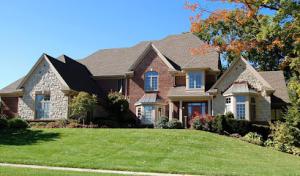

A full roof replacement in Saint Charles typically requires a permit through the City of Saint Charles Building Department. That means you cannot simply start ripping off shingles and hoping the roofers can sort it out afterward. The permit process creates a documented record of the work and helps ensure the project aligns with local codes for homeowners and neighbors. The moment you decide to replace the roof, plan for the permit submission as part of the project timeline rather than an afterthought.
Inspections occur at key milestones, with a final inspection required once the work is complete. Local review concentrates on ventilation and underlayment, among other code-required items. In older Saint Charles neighborhoods, where attics and original venting layouts can vary, the inspector will check that attic spaces are properly vented to mitigate moisture and ice dam risk. Underlayment quality and installation pressure are also observed closely, since poor performance there can undermine the entire roof system in our freeze-thaw cycle.
Permit fees are paid at application, and review times can vary by season. Storm-season backlogs can affect project start dates, so a winter thaw or spring squall can push approvals and inspections into a tighter window than expected. If a storm is forecast during the mid-season, coordinate with the roofing contractor to anticipate potential delays and keep communication open with the Building Department. Understanding these timing nuances helps prevent a stretch of exposed roof decking during unfavorable weather.
Before work begins, verify that your contractor has current proof of permit submission and confirms the anticipated inspection milestones in writing. Schedule rough-in inspections at appropriate points and plan for the final inspection once the new installation is complete. Keeping clear records of ventilation strategy, underlayment type, and attic airflow helps smooth the process when the inspector arrives and reduces the risk of unnecessary rework.
In Saint Charles, cold winters create repeated freeze-thaw cycles that can shorten roof life and expose weaknesses at flashing, valleys, and eaves. When moisture infiltrates joints or small gaps, repeated freezing expands the problem, driving hairline leaks deeper into the decking. Attic pockets that don't vent well become moisture magnets, increasing the chance of rot and ice dams forming along rakes and gutters. The result is a fragile edge system that can crumble after a single heavy thaw or a surprise mid-winter warm spell. Watch for curled shingles, spongy decking, or dark staining near penetrations as early warning signs to act before a small issue becomes a costly repair.
Snow and ice accumulation can delay active projects in this area and also hide damage until spring thaw reveals leaks or decking issues. Frozen tarps, icy ladders, and limited access slow progress, so plan for weather windows that allow proper leak protection and ventilation checks. If a storm taps the roof hard, keep a close eye on attic spaces for sudden warmth-induced condensation once temperatures spike. In practice, major failures often show up only after the thaw when standing water and hidden rot surface, turning a minor repair into a larger project. A cautious approach is to pre-address vulnerable valleys, step-flashed transitions, and chimney penetrations during calm stretches, rather than waiting for spring to bring surprises.
The city's required final inspection attention to ventilation reflects how important attic airflow is in this climate for limiting winter moisture problems. Proper soffit and ridge vent balance reduces condensation that fuels ice dam formation and keeps decking dry. When storms hit, document any hail impact and ice-related damage with photos and notes for your insurer, and keep a running file of weather events that could affect claim timelines. A well-vented attic paired with timely, targeted repairs minimizes winter moisture and preserves roof longevity through Saint Charles' freeze-thaw cycles.
When you can't wait, these contractors offer fast response times to stop leaks and prevent further damage.

A Saint Charles contractor community shows meaningful demand for skylight work, so leak-prone roof penetrations are a recurring homeowner concern. When a roof is opened for replacement, expect at least one inspection of every skylight, vent, and plumbing stack. Ensure proper shingle-to-flashing transitions around a skylight are installed and sealed with compatible materials for the local freeze-thaw cycles. If a skylight is older or failing, plan for re-sealing or replacement in the same job to avoid a second cut into the roof soon after.
Low-slope sections are present in the market even though steep-slope re-roofing dominates, so transitions between roof types deserve special scrutiny during replacement. In practice, look for areas where the low-slope section ties into a steeper field of roofing and verify the underlayment is continuous across the transition. Confirm the edge details and valley flashings at these junctions are designed to shed water effectively, since freezing conditions can force meltwater to refreeze along transitions. Coordinate with crews to re-create a continuous, durable barrier where two roof assemblies meet.
Chimney-related work appears often enough in local contractor profiles to suggest flashing at masonry penetrations is a common add-on issue during reroofs. Inspect chimney flashings, step and counter-flashes, and the intersection with the siding line. If masonry is older or crumbling, plan for repointing or upgrading the flashing package in the same project to prevent water intrusion during spring thaws and hail events. Keep the chimney flashing design simple and robust to minimize maintenance calls after the job.
Find contractors experienced in skylight installation, flashing, and leak repairs to bring natural light into your home.
Thunderbolt Construction
(847) 496-3202 www.thunderboltconstructioninc.com
Serving
5.0 from 25 reviews
Saint Charles homeowners are operating in a high-claim Chicago-metro market where some carriers have tightened roof coverage in recent years. The combination of freeze-thaw cycles, hail events, and aging steep-slope homes means insurers watch storm damage with a closer eye than in calmer seasons. When a storm rolls through, the first call can become a longer conversation about what's considered repair versus replacement. Knowing that your carrier may reassess after every major event helps set expectations and avoid surprises during a claim.
Because insurers may scrutinize storm claims more closely, Saint Charles homeowners benefit from date-stamped photos, elevation-by-elevation damage records, and documentation of interior leaks. Take photos after each weather event and keep a running ledger of where water appears inside the attic or ceilings. If possible, have a local roofer perform a quick, non-invasive inspection to identify sources of moisture and wind-driven damage. Clear, organized evidence helps separate incidental wear from new storm impact, which is crucial when the claim moves from assessment to approval.
Coverage changes can influence whether a homeowner pursues spot repair, full replacement, or replacement timing before a policy renewal. Weather patterns here often push decisions into late winter or early spring, when freeze-thaw cycles return and hail season lingers. If a claim is likely, aligning repair work with renewal timelines can reduce the risk of lapses or reduced coverage. Consider how your claim history, current policy language, and the anticipated renewal date interact to shape the chosen repair path.
Connect with contractors who help homeowners navigate the claims process from damage assessment to final approval.