
Last updated: Apr 19, 2026
Merrillville sits in the Northwest Indiana portion of the Chicago metro insurance market, where hail and wind events drive elevated roof claim activity. That means when a storm rolls through, your roof can be a priority target for claims processors and contractors alike. The local pattern is clear: spring hail, gusty winds, and rapid temperature swings stress shingles, flashing, and attic vents. If you're watching the forecast, you're seeing a signal to prepare, not react. Storms in this corridor don't just threaten the roof; they trigger insurance actions that affect scheduling and recovery timelines for weeks afterward.
After a hail or wind event, conduct a careful walk-around within 24 to 72 hours if safely possible. Look for random bruising on asphalt shingles, curling edges, exposed fasteners, broken or dented vent caps, and signs of header or fascia damage. Photograph from multiple angles with close-ups of dented metal pieces and flashing: the kind of detail an adjuster will want to see. In this market, adjusters often request roof photos before they commit a visit, so start compiling evidence immediately. Keep a dated log of weather conditions and any observed leaks inside the attic or ceiling, especially after rain events.
After major regional storms, adjuster backlogs and filing timelines can slow both claim decisions and contractor scheduling in Merrillville. If a storm hits on a weekend or holiday, expect a backlog that pushes inspections into the following week or beyond. Because timing matters for mitigation and moisture intrusion, act quickly to notify your insurer and begin documentation. Do not delay requesting a claim number or a claim review, and be prepared for follow-up requests that may come in waves as the agency triages a high volume of cases.
When the insurance process starts, you'll be balancing two pressures: getting a fair assessment and securing a trustworthy crew before weather changes again. Request a written scope of damage from the adjuster that lists shingle damage, flashing, soffits, and any structural concerns observed from the attic or ceiling. If the adjuster misses a problem, you'll need to present the evidence you gathered. In this market, a local contractor with storm-repair experience can help translate the adjuster's notes into actionable repairs and schedule. Ask for references, a clear project timeline, and a plan to stage work to minimize exposure to further weather.
Keep a maintenance plan on file that discounts catastrophic failures during the next storm season. Clear valleys and gutters so water can flow away from the roof line, and trim overhanging branches that could scratch or puncture shingles during high winds. For Merrillville homeowners, maintaining visible signs of wear and preparing a ready-to-activate claim packet can shorten response times after the next hail or wind event. In a market where storms are a recurring risk, proactive inspection and documentation are your best defense against delays and surprise repairs.
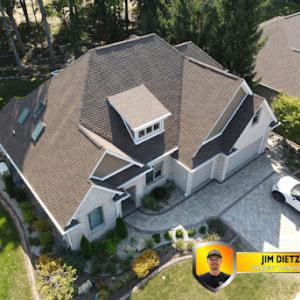
Armour Construction
(219) 987-2023 www.armourconstruction.net
Merrillville, Indiana
4.8 from 95 reviews
Armour Construction stands among Indiana’s most reliable roofing companies, known for honesty, precision, and five-star results. As a professional roofing contractor, we handle every project with care—from roof installation and roof replacement to repairs and inspections. Our team uses trusted materials and proven techniques built to handle Indiana’s changing weather. Every roof is installed with lasting protection, energy efficiency, and curb appeal in mind. At Armour Construction, you’ll find clear communication, dependable service, and craftsmanship that stands the test of time. Whether you’re upgrading your home or fixing storm damage, we make sure your roof and your experience are built to last.
Olympia Roofing Company
(219) 365-3169 olympiaroofingnwi.com
Merrillville, Indiana
4.9 from 7 reviews
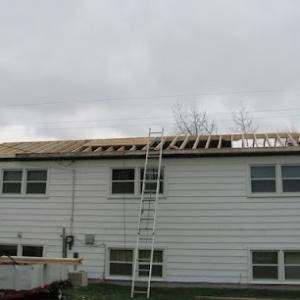
Since 1978, Olympia Roofing Company has been the premier choice for roofing and siding services in Dyer, IN, proudly serving St. John, Lowell, Cedar Lake, Crown Point, Munster, and nearby communities. Our specialties include residential shingle roofing, skylight repair and installation, and leaky chimney repair. Enhance your home's curb appeal and protect it from the elements with our expert siding solutions. For exceptional service and more information, reach out to Olympia Roofing Company today.

J & J Roofing & Remodeling
(219) 736-1243 jandjroofingnwi.com
9256 Bigger St, Merrillville, Indiana
4.8 from 4 reviews
The experienced staff at J & J Roofing and Remodeling has the skill and knowledge to complete all your interior remodeling services. We're a family owned business. You can also rely on us to repair your roof that was damaged due to a hail storm. Call us today

Canga Roofing
(219) 259-5924 www.cangaroof.com
6 W 79th Ave, Merrillville, Indiana
5.0 from 2 reviews
Since 2010, Canga Roofing has been a trusted leader in exterior remodeling services, proudly serving Schaumburg, IL. We are excited to announce the opening of our second location in Merrillville, Indiana, bringing our commitment to quality and integrity to even more customers. Our skilled and dedicated team specializes in roofing, siding, storm restoration, windows, gutters, and commercial roofing, ensuring exceptional results for both residential and commercial projects. At Canga Roofing, we prioritize 100% customer satisfaction, building lasting relationships through professionalism and superior service. Give us a call today, we'd love to introduce ourselves!
M&M Home Remodeling Services - Crown Point
Serving
4.7 from 462 reviews
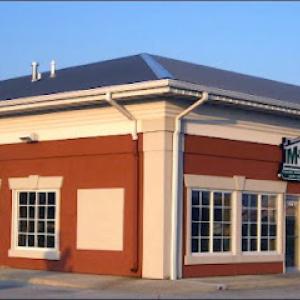
Our team is confident, after our initial due diligence on your property, we will compare favorably over other contractors vying for your business. When it comes to experience, customer service and value – there is no team better. We specialize in working with various businesses such as: HOAs, manufacturers, retail, churches, multi-family organizations, health care, veterinary care, and hospitals. M&M also offers an Annual Maintenance program for our commercial clients. When choosing the right contractor. Choose M&M. From the roof of your home to its siding, M&M provides comprehensive solutions to keep you and your loved ones safe, comfortable, and secure.
AmeriPro Roofing
(219) 203-3906 www.ameriproroofing.com
Serving
4.5 from 239 reviews
At AmeriPro Roofing, we help you cover what matters most -- your family. As an Owens Corning Platinum Preferred Contractor specializing in storm repair & restoration, we're the experts in your backyard with standards through the roof.

Alamo Roofing Contractors
(219) 224-2636 alamoroofingcontractors.com
Serving
5.0 from 48 reviews
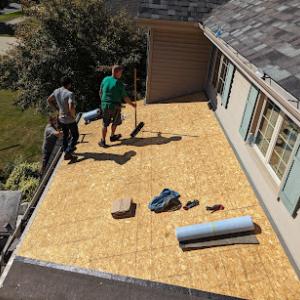
Serving Crown Point, Merrillville, Schererville, Hobart, St. John & all Lake County. GAF Master Elite Contractor - one of only 2% nationwide. 🏆 GAF Master Elite (Top 2% Nationwide) 🏆 Illinois Unlimited Roofing License 🏆 50-Year Gold Pledge Warranty 🏆 Lifetime Workmanship Guarantee RESIDENTIAL & COMMERCIAL ROOFING: • Asphalt Shingle Roof Replacement • Metal Roofing Installation • Storm Damage & Insurance Claims • 24/7 Emergency Leak Repair • Seamless Gutter Installation • Siding Replacement & Repair Factory-certified crews • Transparent pricing • Military & first responder discounts • Same-day emergency response • Complete cleanup Family-owned. Licensed, bonded, insured. Your Lake County neighbors. 📞 (219) 224-2636
CMA Exterior Remodeling
(219) 331-0129 cmaexteriorremodeling.com
Serving
5.0 from 24 reviews
CMA Exterior Remodeling specializes in residential Roof Service and Installation, and Exterior finish service/repair. We are the premier roof repair service with sucess in solving industry failure as well as providing service for routine maintenance. We specialize in repairing asphalt shingle roofs, we repair/service skylights,chimneys, sewer stacks, wall flashing, and other petrusions through roof. Our service is designed to enhance the appearance and functionality of your home's exterior finish with durable and long-lasting protection. We also do routine inspections and provide gutter cleaning service , and now offering solar panel cleaning ! (Basic No Chemicals)
Beaver Roofing
(219) 810-6170 thebestdamroof.com
Serving
5.0 from 83 reviews
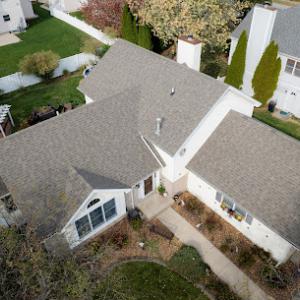
Beaver Roofing is your local expert roofing contractor, proudly serving Northwest Indiana homeowners. Offering tailored roofing solutions — whether your home needs a roof repair or a full roof replacement. Our 'Dam Right It's Watertight' guarantees your roof will protect your family and home from the elements. Plus, our step-by-step approach makes the process smooth and stress-free. We’re proud to provide 'The Best Dam Roof' backed by quality, craftsmanship, and our word.
Roman's Roofing
(219) 838-9111 romansroofing.net
Serving
4.8 from 348 reviews
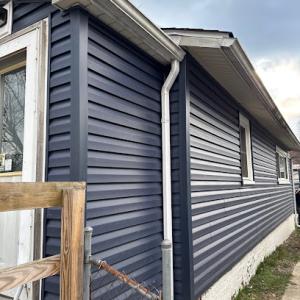
We are a licensed, bonded, and insured home improvement company in Northwest Indiana, with years of experience in roofing, siding, windows, and other renovation projects. We serve Lake County Indiana and the surrounding towns and areas including; Cedar Lake, Crown Point, Dyer, East Chicago, Gary, Griffith, Hammond, Highland, Hobart, Lake Station, Lowell, Merrillville, Munster, Schererville, St. John and Whiting. We do the job right using quality materials and expert installers at a fair price. Your project will be completed efficiently and to factory specifications. We can help make your home maintenance free, more energy efficient, and the envy of your neighbors.
Rebel Roofing & Renovations
(219) 707-6825 rebelroofingin.com
Serving
4.7 from 68 reviews
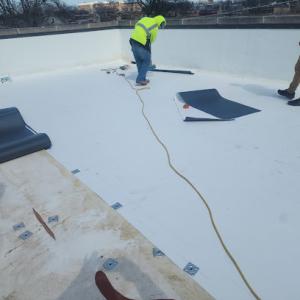
Rebel Roofing is a professional roofing company in Crown Point, IN that offers services to both residential and commercial properties. With many years of experience in the industry, you can rest assured knowing your property is in good hands. We offer a variety of services such as flat roofing, siding, roof replacement, and so much more. We are dedicated to providing our clients with superior service and results. Contact us today to learn more and schedule your appointment!
Artisan Quality Construction
(219) 400-3358 artisanqualityconstruction.com
Serving
4.8 from 17 reviews
We provide many services including roofing, asphalt shingle roofing, gutter installation, gutter repair, gutter replacement, downspout cleaning, asphalt shingle roof installation, asphalt shingle roof repair, flat foam installation, single ply roof installation, metal roof installation, wood shake roof installation, siding installation, home repair, and home improvement. Being a locally owned and operated business, we’ll arrive in a timely manner and provide work that exceeds your expectations. Customer satisfaction is our number one priority. We provide high quality work and make after service calls. We offer competitive pricing and provide free quotes.
In this part of Indiana, the winter cycle is unforgiving: frequent freeze-thaw events stress shingles, flashing, and roof penetrations. The cycle can loosen seals and create micro-leaks that sneak through the attic and end up staining ceilings or weakening the roof deck. Ice damming becomes a meaningful local concern because meltwater that refreezes at the eaves can back up under shingles and force water into soffits, fascia, and interior ceilings. The steady march of cool winters followed by warmer springs means the roof must tolerate repeated temperature swings, which in turn tests the entire roof assembly.
Ice dams form when snow on the roof melts from sun or heat and then refreezes at the colder eaves. That creates a dam that blocks drainage and allows water to back up under shingles, where it can migrate toward rafters and insulation. In Merrillville, attic moisture problems can compound this issue, especially when warm afternoons coincide with still-cold nights. Left untreated, this pattern can lead to stained ceilings, warped drywall, and in worst cases, structural rot around rafters and roof penetrations such as vents and chimneys. The result is not just a cosmetic problem; it can compromise roof integrity and elevate the risk of interior moisture problems.
Attic performance matters more here because cold winters are followed by warm summers, creating large seasonal swings across the roof assembly. If the attic is undersupplied with intake and exhaust vents, or if insulation sits or compresses near the ceiling, warm attic air can melt snow on the roof from above while the underside remains cold, increasing the likelihood of ice dam formation. Proper insulation reduces heat flow into the attic, helping keep the attic and roof deck closer to uniform temperatures. Vents should provide continuous air movement without creating gaps where warm air can pool. In practice, this often means inspecting soffit vents for obstruction, ensuring ridge or upper vents are clear, and confirming that insulation extends to the eaves without gaps.
Yearly inspections after the heavy winter months can catch early signs of damage before leaks appear in living spaces. Look for staining along interior walls and ceilings, especially near exterior walls and around dormers or skylights. Exterior checks should focus on the roof edge and along any flashing around chimneys, vents, or skylights. If you notice any wind-driven shingle lift, loose flashing, or staining near the eaves, address these issues promptly to prevent water intrusion. Consider upgrading attic insulation to reduce heat transfer, and ensure vents are not blocked by stored items or insulation accumulations. A tight, well-ventilated attic not only reduces ice dam risk but also improves energy efficiency and the overall resilience of the roof system during severe weather events.
If ice dam formation recurs year after year, or if there are signs of moisture intrusion beyond the attic-such as damp insulation, hallway staining, or ceiling bulges-consult a local roofer who understands Northwest Indiana's winter patterns. A skilled professional can assess shingle condition, flashing integrity, and ventilation gaps, offering targeted repairs that prevent repeated damage and help you map a maintenance plan suited to the Lake County climate. Acting early can limit interior damage and extend the life of your roof assembly in the face of demanding winters.
In Merrillville, the window replacement plan should align with the same weather rhythms that shape roof work. The best window projects start in late spring and run through early fall, aligning with warmer temperatures and longer daylight. This window helps adhesives cure properly and minimizes cold-weather setbacks that can compromise sealants and flashing around openings. Autumn storms and heavy rainfall in Northwest Indiana can slow progress, so plan for a slightly longer schedule if the forecast calls for prolonged downpours. Summer heat also matters: extreme heat can affect vinyl and sealants, so avoid peak-hot days and schedule shorter, cooler sessions if the crew is handling multiple openings on the same house. The goal is to complete installation before the first strong winter winds, when functionality and insulation matter most.
Choose windows with strong heat and cold resistance, good insulating values, and durable weatherstripping. Look for low-E coatings and argon or krypton gas fills to keep interior spaces comfortable during humid summer days and bitter winter nights. In this climate, the framing material matters: vinyl and fiberglass frames resist warping and ease maintenance in a region with freeze-thaw cycles. Confirm that installers use flashing and sealing methods compatible with the existing siding and roofing details, so rainwater from storms doesn't find a path around the new units. If the home is older, consider retrofit options that preserve interior trim while delivering modern performance, rather than a full-scale interior remodel tied to the window opening.
Expect a staged approach: first, protect interior and landscaping with drop cloths and barriers; next, remove old sashes or units carefully to avoid framing damage; then, seal and flash around the new unit to prevent water intrusion. In late spring through early fall, days with mild temperatures reduce the risk of sealant drying problems and help maintain accurate installation tolerances. Heavy rain during autumn can slow progress, so crews often implement a "dry-in" plan that prioritizes flashing and exterior sealing during dry windows, then completes interior finishing when weather improves. For homes with multiple levels, plan scaffolding and waste haul-offs during calm, dry periods to minimize exposure to wind-driven rain.
A replacement window project should coordinate with existing roof and siding work, especially where roof penetrations and flashing lines intersect window openings. Ensure the window apron and drip edge are integrated with the roof's drainage pathways to avoid moisture buildup at the eaves. If a storm-damaged roof is part of the broader project, scheduling windows and roof work concurrently can reduce the total disruption and ensure consistent weatherproofing at transitions. In Northwest Indiana, effective coordination between the window installer and the roofing crew reduces the chance of leaks during the seasonal transition.
After installation, conduct a thorough inspection for air and water leaks around each unit. Operate the sashes to verify smooth operation and proper alignment, paying attention to drafts near older siding transitions. Keep an eye on any signs of moisture intrusion after the first heavy rains or hail events, and document performance for future insurance or warranty needs. If a storm claim is involved, ensure the new windows are included in the documentation package to demonstrate improved resilience and compliance with the home's weatherproofing goals.
Get a clear picture of your project costs upfront - no commitment required.

Artisan Quality Construction
(219) 400-3358 artisanqualityconstruction.com
Serving
4.8 from 17 reviews
Asphalt shingles are the dominant practical choice for most homes in this market. They fit the suburban re-roofing cadence you see after every hail event or strong wind, and they keep contractor availability broad so you're less likely to face long wait times when the storm season hits. In Merrillville, asphalt shingles sit in a comfortable middle ground for cost and ease of installation, aligning with the large re-roofing market here. When you run the numbers, expect costs in the lower to mid range of the local spread, with typical installations landing around the mid-portion of the stated range. After a hail event, pricing can move up quickly, even if the base material price hasn't shifted much, due to surge demand and scheduling constraints. That means you might see a temporary bump in both material and labor, followed by stabilization as crews re-balance after a weather spike.
Metal roofing sits at a higher initial price point, but its long-term durability and fire resistance can tilt the calculation in favor of fewer mid-life repairs. Clay or concrete tile options are available, but consider the structural implications. Heavier materials can require added review in the project submittal process and may affect overall job complexity, particularly when your home's framing and roof deck aren't already configured for heavy loads. Wood shingles bring a classic look and a solid performance if kept dry and well maintained, but they can be more sensitive to wind-driven damage in area storms. Synthetic or composite shingles attempt to blend performance with cost efficiency, often offering a middle ground between asphalt and heavier options. In practice, the price spread here reflects both material heft and installation nuances you'll encounter during bid reviews.
Storms drive the timing and the price rhythm in this market. After hail or a severe wind event, multiple crews target the same neighborhoods, and you'll see an uptick in scheduling pressure. Even when base material costs stay stable, you can encounter shorter lead times and higher mobilization fees as contractors juggle available crews. If you're replacing after a storm, plan for a tighter window between contract signing and start date, and expect communication to hinge on weather windows and crew availability, not just the material choice.
For most homeowners, asphalt shingles remain the sensible baseline given local stock, installer availability, and the profile of typical re-roof projects. If your house has substantial roof pitch or you're prioritizing longevity and reduced maintenance, you might weigh steel or tile options, but anticipate higher upfront costs and the need for careful framing assessment. In any bid, ask for a clear breakdown of material, underlayment, and labor, plus a realistic timeline that accounts for potential storm-driven delays.
A building permit is typically required in Merrillville for a full roof replacement rather than just informal contractor notification. When you file, the building department focuses on the roofing scope and how it impacts the structure, ventilation, and local drainage. Expect questions about the existing roof's deck condition, attic ventilation balance, and any locations where a ridge or soffit vent might change air flow. The department often wants to see a plan that shows fastener patterns, underlayment choices, and any changes to roof pitch or eaves that could affect wind uplift. Having a clearly drawn scope helps the review move quickly and reduces the chance of delays once work begins.
The local office commonly reviews permit applications with attention to structural and venting details. In practice, that means you should be prepared to provide information about the deck's condition, any repairs already completed, and how the replacement will maintain or improve attic ventilation. If the project alters roof geometry, adds new penetrations, or changes venting strategy, those items should be reflected in your permit submittal. A contractor familiar with Northwest Indiana standards often coordinates these details, but final approval rests with the building department, not the contractor alone.
Inspections are typically conducted during and after the project, with timing influenced by weather patterns and municipal availability. In this region, winter freeze-thaw cycles and spring wind events can affect inspection windows, so plan accordingly and stay in close contact with the inspector or your contractor to confirm dates. It is common for multiple inspections to occur: an initial framing or decking inspection if there are structural considerations, a mid-project check on underlayment and flashing, and a final inspection after completion to verify ventilation, flashing, and drip edge installation meet code expectations. The inspector's notes may require minor adjustments before the lien release or closing sign-off.
Coordinate with your contractor to align permit submission, expected inspection timelines, and any weather-driven schedule changes. If the project spans cold snaps or heavy spring rain, confirm how the crew will protect exposed decks and ventilation openings to avoid wind-driven moisture issues. Keep access clear for inspectors, provide any requested documentation promptly, and maintain a visible site log with dates of key milestones. This approach helps ensure compliance and minimizes delays, especially during peak re-roof seasons.
Because Merrillville is in a high-claim hail and wind market, insurers commonly expect thorough before-and-after photos and a clear replacement estimate. Collect high-resolution shots of every roof plane from multiple angles, plus close-ups of damaged areas, flashing, and ventilation. Keep a dated, labeled album that shows original condition and post-storm changes. A detailed narrative of what was visible before the event helps support the photos and reduces back-and-forth time with adjusters.
Claim timing can directly affect contractor availability in Merrillville because many homeowners file after the same regional storm events. If you can document and file promptly, you improve your chances of securing a contractor who can start soon. Delays create scheduling bottlenecks, especially after a major hail year or a string of windy events. Having your photos ready and a preferred contractor lined up helps you move quickly when the weather stabilizes.
Detailed documentation of storm-related damage is especially important in this market because adjuster investigations are common after major Chicago-area weather events. Expect questions about edge damage, hail impact on shingles, and interior signs of water intrusion. Provide a simple calendar of when you first noticed issues, and include notes on intermittent leaks or attic stains. If moisture is detected, photograph interior ceilings and walls in multiple rooms to support flood or leak claims.
Present a concise damage summary tied to the photos: area-by-area findings, likely causes, and a straightforward replacement estimate aligned to the deck size and roof type. Avoid speculative language and stick to observable facts. If you have a reputable local contractor, request a detailed, itemized estimate that matches the photos and notes. Clear, organized documentation reduces the risk of underpayment or disputes during the adjuster's review.
Merrillville sits in the Chicago-metro storm belt, so roof design and maintenance focus on handling freeze-thaw cycles, spring hail, and strong winds. The typical residential roof in this area remains on sloped profiles, but you still see a mix of rooflines as updates and additions occur over time. Understanding the common features helps you plan repairs that last through Northwest Indiana seasons.
Skylight repair is a meaningful specialty in Merrillville's contractor market, indicating that roof penetrations are a recurring homeowner concern locally. When a skylight leaks or fogs, the cause is often flashing around the curb or improper sealing at the base. A practical approach is to inspect the flashing joints after heavy storms and to replace worn seals before they fail. If a skylight has interior condensation or persistent staining, check the surrounding roofing material for lifted shingles and ensure the curb is securely fastened to resist wind uplift. Contractors here frequently recommend upgrading flashing details at the skylight perimeter during nearby re-roofs for long-term reliability.
Chimney-related roofing work appears frequently in the local market, showing that flashing and masonry tie-ins are common parts of Merrillville roof projects. The risk is not only leaks at the base but also deterioration where mortar and roof flashing meet. Inspect the chimney chase for cracked mortar and ensure counter-flashing seats properly under shingles. Repointing or flashing upgrades are common improvements during rest or replacement projects, especially after harsh winters or heavy spring winds.
Flat and low-slope roofing services are present but secondary in this market, reflecting a focus on residential sloped re-roofing with some mixed roofline needs. When a low-slope section exists, prioritize proper pitch, drainage, and suitable membrane transitions to adjacent slopes. In mixed roofline homes, ensure step-flashing continuity where the low-slope area meets steeper planes to prevent water from finding gaps during thaw cycles.
Find contractors experienced in skylight installation, flashing, and leak repairs to bring natural light into your home.
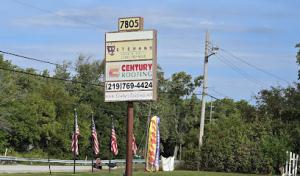
Century Roofing
(219) 769-4424 www.centuryroofing.net
7805 W Taft St # F, Merrillville, Indiana
4.3 from 22 reviews
Olympia Roofing Company
(219) 365-3169 olympiaroofingnwi.com
Merrillville, Indiana
4.9 from 7 reviews
The local housing stock and weather patterns drive a steady demand for re-roofing rather than niche new-construction roofing. After leaks, storms, and tear-off projects, homeowners expect quick response times and clean work that minimizes disruption. Long-established, family-owned crews are common, and a solid local track record matters more here than flashy branding. A contractor with years of steady work in the area demonstrates familiarity with typical attic moisture, venting quirks, and shingle wear you'll see in this market.
Start with a short list of two to four contractors who actively advertise storms, hail claims, and rapid response. Call and ask for local references, especially customers who replaced similar roof types or lived through Northwest Indiana storm seasons. Visit a recent job site if possible to observe how tarping, debris containment, and cleanup are handled in a typical neighborhood setting. Look for clear communication about project scope, expected timing, and what happens if weather interrupts schedule. A contractor who can discuss ice dam risk, attic ventilation, and gutter protection in practical terms shows they know this climate.
Set explicit expectations about staging areas, access to driveways for debris removal, and daily end-of-day cleanup. Ask how the crew protects landscaping and how they handle high-waning wind days or sudden hail events that can trigger work stoppages or temporary coverings. Confirm the plan for storm-resilient materials and warranty terms on both materials and workmanship. Ensure the contract includes a defined sequence of work, a fixed start window, and a precise completion target that accounts for typical spring and fall weather swings seen in this market.
Coordinate with the contractor on a realistic start date after a serious leak or hail event, aligning with expected weather windows to minimize repeated exposure. Expect a written schedule with milestones for tear-off, underlayment, and shingle installation, plus daily cleanup benchmarks. The contractor should provide a point of contact for concerns during the project and a clear process for reporting and addressing any incidental damage found during tear-off.