
Last updated: Apr 19, 2026
Spring wind-driven rain and summer thunderstorms are the norm here, and that pattern turns small shingle wear into active interior leaks fast. A roof that seemed fine after a light shower can suddenly drip down into the living room when a wind gust tilts a loose edge or lifts a shingle. This isn't hypothetical: the local contractor market skews toward emergency repair, storm damage, and quick-response service, so a quick call for stabilization is not only smart-it's common practice. In this climate, repeated seasonal wind events and claim-triggering storms, rather than a single coastal hazard, mean you should expect and plan for multiple leak events across the year.
When a leak is detected after a storm, prioritize stopping active water intrusion to prevent interior damage and mold. If water is actively dripping, place a temporary container under the leak and carefully move contents away from the path of moisture. Document everything with photos and notes the moment you notice active leakage: the date, time, and weather conditions, plus the visible damage on the roof's surface and any interior signs like softened ceiling or stained walls. Contact a local emergency roofing crew known for rapid mobilization-emphasize urgency and request a same-day or next-day assessment. If you cannot access the attic safely, do not climb on the roof yourself; a professional can identify wind-rippled shingles, lifted flashing, or compromised valleys without adding risk to you or your home.
Expect the first visit to focus on tarping or wind-damage containment, shingle re-securing, and flashing reseal to curb further water intrusion until permanent repairs can be scheduled. Because roofs here endure repeated wind events, a contractor will check ridge caps, drip edges, vent boots, and step flashing around chimneys and skylights. Be prepared for recommendations that address underlying vulnerabilities rather than a one-off patch. The fastest path to a dry interior often combines temporary sealing with rapid-identification of the most at-risk roof sections, followed by a prioritized repair or replacement plan.
Insurance claims in this market benefit from precise, timely documentation. Keep a dated log of storm events and the resulting leaks, capture weather reports for that period, and gather contractor assessments that specify wind-driven damage indicators (lifted shingles, torn flashing, compromised valleys). Photograph interior water tracks and any affected materials as soon as it's safe to do so, and retain all repair invoices and work orders. If the leakage recurs or evolves after the initial stabilization, contact the insurer promptly to review whether additional temporary measures or a full roof replacement will be covered under the wind-hail deductible framework common in this area. Clear, consistent records shorten the path from emergency stabilization to a permanent fix.
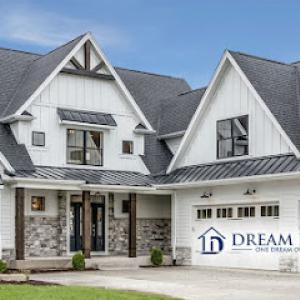
Dream Home Roofers
(240) 973-3150 www.dreamhomeroofers.com
8920 Stephens Rd #104, Laurel, Maryland
5.0 from 333 reviews
Dream Home Roofers: Trusted Roofing in Laurel, MD Dream Home Roofers proudly serves Laurel, MD, offering premium roofing solutions tailored to protect and beautify your home. Known for excellence and reliability, we deliver roofing projects with exceptional craftsmanship and attention to detail. Our team is dedicated to clear communication, keeping you informed from start to finish. Using advanced techniques, we tackle all roofing challenges with customized solutions to meet your needs. Contact Dream Home Roofers today to secure your home with trusted roofing services in Laurel.
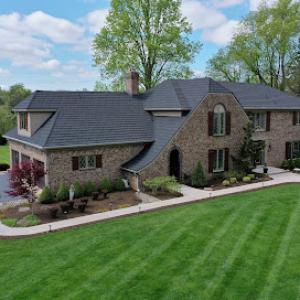
ROI Construction
(410) 724-1678 roiconstruction.com
Laurel, Maryland
4.9 from 288 reviews
ROI Construction is a second generation, locally owned roofing company that has been providing customers in DC & Maryland with a Positive Return On Investment with their roofing, gutters, siding and window needs since 1974. We are here to help you protect your asset with our industry experience and expertise. Any residential or commercial roofing needs, give us a call! * BBB Accredited Roofing Contractor * FREE INSPECTIONS & ESTIMATES * FULLY LICENSED & INSURED"
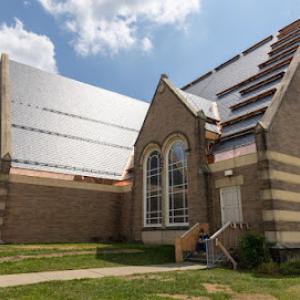
Lemus Brothers Construction
(703) 856-7741 www.lemusbrothersconstructionllc.com
Laurel, Maryland
5.0 from 83 reviews
Our History Lemus Brothers Construction provides professional and reliable roofing services to hundreds of customers in Washington, DC Maryland, and Virginia areas. We specialize in repairing, maintaining, and installing new durable, and beautiful roofs. Traditional or contemporary that match your home style. Slate, synthetic slate, TPO, metal roofs, shingle roofs, cedar shakes, seamless 6-inch gutters, downspouts, Lemus Brothers Construction offers 30 years of experience in the roofing industry and we aim to ensure that all our employees are skilled, trained and qualified professionals in the industry as well.

Panda Exteriors
(301) 276-4323 www.pandaexteriors.com
14409 Greenview Dr Suite 202, Laurel, Maryland
4.9 from 1051 reviews
When you need any kind of exterior renovation services handled, call the roofers at Panda Exteriors. We promise to deliver the highest quality of work you'll find in the area; thanks to the outstanding qualities we bring to every job we undertake: 100% Satisfaction Guarantee Always, GAF Master Elite Certified, Free Online Estimates or Over the Phone, 30+ Years of Experience in the Industry, A+ BBB Rating & Accreditation, and so much more. Don't compromise on quality for your roofing and exterior restoration needs. Trust our experienced roofers for unparalleled work at unbeatable prices. Contact us today with any questions; we're excited to do business with you.
Depro Home General Contractor
(240) 858-9838 www.deprohome.com
14232 Cherry Lane Ct, Laurel, Maryland
5.0 from 41 reviews
Keep your property dry and leak-free with help from DEPRO HOME GENERAL CONTRACTOR INC. Since 2013, we have been at the forefront of commercial and residential roofing services in Maryland. Our services surpass those of other companies and local competitors. Here, we accept every project, no matter how big or small! Our dependable roofing professionals also go the extra mile to ensure your roofing needs are fully and promptly met. Contact us in Maryland to request a free quote or estimate. One of our representatives will get back to you as soon as possible.

Remodel Rx
10533 Gorman Rd, Laurel, Maryland
4.8 from 60 reviews
Five-Star rated roofing, window, door, and siding contractor. Offering Owens-Corning roofing products and Provia windows, siding and doors. We're a third-generation, family-owned business located in Columbia, Maryland, and serving most of Maryland with quality exterior home improvements. We are Quild Quality Masters and proud of our no hassle friendly and honest approach. We will treat you like family. We offer free no-obligation exact price quotes. Our industry-leading lifetime warranty will ensure your satisfaction for years to come.

EMJ Contractors
(301) 272-5802 emjcontractorinc.com
Laurel, Maryland
5.0 from 24 reviews
Are you looking for a reliable roofing contractor? In need of roofing maintenance or repair services? Find it all in one place! At EMJ Contractors all your roofing needs are covered. EMJ is a superior roofing contractor based in Germantown, Maryland. We proudly cater to the commercial and residential roofing industry.
Long Home
Serving
4.7 from 4464 reviews
For over 8 decades, Long Home has helped families throughout the East Coast enjoy safer, more beautiful homes. From durable roofs to stunning baths, our quality products, outstanding craftsmanship, and dedication to customer satisfaction are at the core of our philosophy. We work with customers to make home improvement projects more affordable through competitive loan rates and flexible payment plans that fit your budget.
The Durable Slate Company
(410) 235-7500 www.durableslate.com
Serving
5.0 from 28 reviews
Established 1986, The Durable Slate Company provides expert historic and specialty roof services, including slate roof repair, clay tile roof installation, and custom copper gutters. Our Mid-Atlantic branch services Washington D.C., Baltimore, Maryland, Virginia, Pennsylvania, Delaware, New Jersey, and beyond. Historic roofing is our passion and we strive to treat every job, from minor slate roof repairs to comprehensive copper steeple restorations, with the same level of respect and attention. Our estimators never work on commission, so you can be confident that their recommendations are for the good of your roof. And with the best craftsmen in the industry, your slate, clay tile, or copper roof is in the best possible hands.
A&R Roof Services +
(301) 974-7059 aandrroofservices.com
Serving
5.0 from 44 reviews
Choose a roofing contractor you can trust in Laurel, MD. Are your shingles cracking or crumbling? Are you sticking buckets under leaks? When the roof caves in, hire a trusted roofing contractor. A&R Roof Services +. LLC offers roof repairs, replacements and installations for residential and commercial clients. We also offer reroofing services. Our owner has been a reliable roofing contractor serving Laurel, MD for over 22 years. He has the determination and know-how to deliver quality service every time. You take pride in your home, so don't put off necessary repairs to the roof that protects it. Contact us today to get a free estimate on roofing services.
Kelbie Home Improvement
(301) 888-5404 kelbie-roofing.com
Serving
4.4 from 54 reviews
Kelbie Home Improvement, Inc. is a roofing contractor / roofer serving the Columbia, MD area since 1982. Services include Roofing, Flat Roofs, Roof Coating, Roof Installation, Roof Replacement, Roof Repair, Shingle Roofs, Metal Roofs, Tile Roofs, Commercial Roofing, Roof Deck Construction, Cool Roofs, Roof Vents, Snow Plowing, Roof Shoveling, Gutters, Gutter Repair, Gutter Guards, Vinyl Siding, Roofing Prices, Asphalt Paving, Asphalt Seal Coating, Gravel Driveways and Advantages of Roof Replacement.

Kangaroof
(240) 262-3757 www.kangaroof.com
Serving
5.0 from 52 reviews
A1 Roofing's Kangaroof is one of the top-tier Maryland Roofing Companies serving the Columbia Md, Ellicott City Md, and Elkridge Md markets. Our roofers specialize in asphalt architectural shingles for pitched roofs, natural white single ply PVC membrane for metal and flat roofs. We are a roofing contractor that is proficient at dealing with storm damage, roof repair, and roof replacements as well as installing or upgrading gutters and downspouts. We also provide services for various kinds of siding projects. We are A Veteran -Owned and operated roofing company with high standards and dedication to the roofing industry. We are members of the Better Business Bureau, Roofers Success Intl, and Roofing Insights.
When a storm that's driven rain and high winds hits, gather records that establish a clear baseline. In this market, insurers in this region scrutinize wind and hail claims closely, so you want date-stamped photos from the day of the event and in the immediate aftermath. Keep a simple log of any pre-existing damage that existed before the storm-shingle wear, flashing gaps, and visible roof age. If you already have a professional assessment or any pre-storm maintenance notes, assemble them with the photos. Having contractor notes on the underlying condition of the roof-areas where shingles have begun to curl, granules lost, or signs of algae and wear from humid summers-helps distinguish storm-related damage from regular aging.
Take action quickly to minimize secondary damage, but document every step. Start by inspecting gutters, downspouts, and attic spaces for active leaks. If safe, capture interior photos showing the water entry points-ceiling stains, warped decking, or moisture-trapped insulation. Do not climb onto a steep or damaged roof without professional assistance. Contact a licensed local contractor who can perform a rapid assessment and provide a written report detailing whether observed issues are likely storm-related (shingle lifting, missing granules, or torn edges) versus existing aging from Laurel's humid summers and winter freeze-thaw cycles. Request that the contractor note the date of inspection and provide clear photos of the suspected damage. This contractor assessment becomes a critical piece of the claim package.
When initiating a claim, present the storm date, wind speed where available, and a concise narrative of what failed (for example, missing shingles or leaks in a particular valley). Attach the date-stamped photos and the contractor's written assessment. Emphasize the repair history and any prior signs of wear that could be distinguished from recent storm impact. Maryland insurers in this region often review documentation closely, so include the repair timeline if previous patches or temporary fixes were implemented. If multiple storms have occurred in a short period, document the sequence of events and the timing of each impact to help the adjuster separate concurrent issues from a single incident.
Prepare for a closer review during adjuster visits. Adjusters may compare your post-storm condition with pre-storm records to determine causation. Have the contractor's findings readily available, including photos that align with the roof's specific areas of concern. Acknowledge any pre-damage indicators noted in prior documentation and be ready to discuss whether new damage appeared after the storm or accelerated wear due to Laurel's climate. Keep a detailed ledger of all communications with the insurer, including dates, names, and what was discussed. If an initial assessment suggests compromised decking or flashing, request a secondary inspection or a specialized specialist if needed to confirm the extent of what is storm-driven versus age-related.
A consistent, dated repair history matters in this market. Maintain a file of every repair note, invoice, and diagnostic photo that ties back to the roof's condition. If shingles were replaced or patches applied in years past, ensure that those records show the location, material type, and workmanship details. This helps the adjuster understand whether current damage is a fresh consequence of the incident or a continuation of existing wear. For shingles in this region, where wind-driven rain can pry up edges and expose flashing, precise notes on where hail marks or wind lift occurred will support a more accurate claim outcome.
In Laurel, the claim process can hinge on the alignment of storm timing, pre- and post-damage condition, and the thoroughness of documentation. Communicate clearly and promptly, providing all requested materials in the insurer's preferred format. If the insurer asks for a second opinion, coordinate with a licensed roofer who can supply an independent assessment that reinforces the storm-related nature of the damage. Maintaining organization and a clear narrative across photos, dates, and repair histories improves the likelihood of a smooth, supported resolution.
Connect with contractors who help homeowners navigate the claims process from damage assessment to final approval.

Panda Exteriors
(301) 276-4323 www.pandaexteriors.com
14409 Greenview Dr Suite 202, Laurel, Maryland
4.9 from 1051 reviews
Depro Home General Contractor
(240) 858-9838 www.deprohome.com
14232 Cherry Lane Ct, Laurel, Maryland
5.0 from 41 reviews
In this part of central Maryland, the address determines which county issues the roofing permit and who conducts inspections. A home with a Prince George's County or Howard County mailing address can fall under different permit pathways even if the property sits physically in a single street. The permit process follows the jurisdiction that officially governs the parcel, not just the mailbox. That means a storm-damaged roof swap or a planned upgrade can become a jurisdictional puzzle if the address sits near a boundary or is listed in a mixed-coverage area. Before any tear-off begins, verify the exact county authority tied to the deed and the parcel number, not the post office designation.
Laurel properties that require a full roof replacement almost always need a county-issued roofing permit rather than a quick, over-the-counter contractor swap. The route involves staged inspections throughout the project and a final sign-off. If the work proceeds in phases, each stage should align with the inspection schedule and approved plan. Missing a required inspection can delay the project and complicate any post-work claims with insurers or lenders. The staged approach is designed to catch structural or safety concerns early, so a missing step can become a costly setback.
Expect a sequence that unfolds with pre-improvement documentation, including the permit application, project plans, and a scope of work. After the roofer removes the old material and installs the new system, inspections typically verify ventilation, underlayment, and proper fastening patterns. A final sign-off confirms that all components meet county code and any applicable local amendments. In some Laurel neighborhoods, inspectors may request additional details about attic loads, drainage calculations, or skylight flashing, especially if the installed system diverges from the original configuration or the roof slope suggests unusual load considerations.
Moving from asphalt to tile, or selecting certain metal systems, is more than an aesthetic decision in this jurisdiction. County officials may require confirmation of load capacity, fastener choices, and the compatibility of the new system with existing framing. If the upgrade involves structural changes-such as adding a heavier roof deck, reinforcing trusses, or altering eave overhangs-a formal plan review can become necessary. These reviews are not merely bureaucratic hassles; they are safeguards against issues that could undermine the home's long-term performance, especially in mid-Atlantic summers and winter freeze-thaw cycles that stress roofing assemblies.
Start by confirming the parcel's official county designation with the county assessor or building department, using the property tax page or the deed. Request a copy of the applicable permit path for the exact address before any materials are ordered or removed. If a prior repair or replacement occurred without proper permit documentation, be prepared for retroactive review or supplemental inspections. Document the storm event details and any leaks promptly, because that information often supports insurance documentation and strengthens the narrative for why a permit-backed approach was necessary. In mixed jurisdictions, align the project with the county that has enforceable authority over structural changes and code compliance to avoid unintended delays or disputes.
Asphalt shingles remain the workhorse of the area's homes, and that mix of old and new roofs means you'll see a wide range of aging profiles. In hot, humid summers, the sun's heat accelerates asphalt aging, which can soften sealants and speed granule loss on standard 3-tab and architectural shingles. When storm winds come through, look for curling edges, lifted tabs, or loose fasteners near eaves and hips. If your current roof is asphalt, consider upgrades that emphasize better sealant reliability and stronger wind resistance, such as reinforced shingles or upgraded underlayment. In practice, you'll want to pair a robust synthetic underlayment with attic ventilation that reduces daytime heat buildup, helping maintain shingle integrity through repeat freeze-thaw cycles.
Metal roofing and tile alternatives are increasingly common, and homeowners frequently compare these upgrade paths to asphalt. Metal panels offer excellent wind resistance and a longer service life, but installation details matter: proper panel overlap, fastener sealing, and corrosion protection are essential in a climate with humidity-driven condensation risks. Tile options-clay or concrete-provide durable curb appeal and heat management, yet they demand careful structural checks. Heavier tiles can influence the ease of replacement and load calculations, so plan reviews and framing assessments should anticipate the added weight. Wood shakes contribute a distinctive character but require meticulous attention to ventilation, moisture management, and chemical treatments to resist mold in hot summers. Synthetic or composite shingles aim to combine visual appeal with improved impact resistance and longer warranties, offering a practical middle path for homes where weight, cost, and performance balance matters. Each alternative benefits from a high-quality underlayment and precise flashing details to fend off wind-driven rain.
Across steep-slope materials, underlayment quality is a recurring sticking point during winter. Freeze-thaw cycles stress the roof deck and flashing, so choose underlayment with proven seal and moisture tolerance, and verify that access to attic space allows for thorough inspection of decking during installation. In homes with mixed materials or older structural members, confirm that the roof replacement plan accommodates proper load distribution and compatible fasteners to prevent future leaks from shifting framing. Attention to flashing at chimney chases, skylights, and transitions between materials pays dividends during the fiercest spring storms and late-season winds.
After wind-driven rain, your priority is rapid assessment and documentation. Start by checking for interior signs of water intrusion around ceilings and walls, then inspect the attic for damp decking, lifted fasteners, or damaged underlayment. Photograph damage comprehensively, focusing on entry points and material transitions. Keep repairs temporary and reversible, so a professional can confirm precise target areas without creating further interior havoc. If a roof is not visibly compromised from the ground, early-stage issues may still exist; extend your inspection to gutters, downspouts, and drainage paths, especially where tree debris can back up moisture flow. Collect and organize all contractor notes and timelines to support any insurance discussions that may follow a storm event.
Laurel sits at a crossroads for skilled roofing crews, with access to both Washington and Baltimore labor pools. After regional storm events, scheduling can tighten quickly as crews swing between nearby cities, which often pushes project start dates and can nudge labor rates higher for a spell. You'll notice this particularly after wind-driven rain events when many homes need attention at the same time. Expect shorter windows for material deliveries during peak surge periods, and plan for potential delays if your contractor's crew is juggling several storm repairs in the same neighborhood.
Material cost ranges are straightforward, but Laurel pricing is not purely about the shingle type. If you stay with asphalt shingles, you'll typically land in the lower end of the cost spectrum. Moving to metal or tile can push the per-square price higher, not only because of the material itself but also because heavier systems often require additional evaluation and handling, which shows up in scheduling and labor readiness. In practice, switching from asphalt to metal or tile tends to raise both material and labor costs, and the price per squarefoot can climb noticeably during busy post-storm windows when specialized crews are in high demand.
Wind and driving rain often expose attic leaks or shingle blow-offs that reveal the roof's age and condition. When a replacement becomes necessary, the choice between asphalt, metal, or tile guides the budget but is influenced by Laurel's mixed jurisdiction and the heavier systems' installation needs. For many homes, a straightforward asphalt replacement remains the most predictable option for cost and timing. If you pursue metal or tile, anticipate longer project timelines and a tighter window for scheduling due to crew availability and the need for more precise installation work.
After a wind-driven rain event, document the damage promptly: take clear photos of affected areas, keep records of any leaks tracing to roof lines, and capture interior impact near ceilings and walls. When you file an insurance claim, your documentation should align with the extent of the damage and the chosen replacement path. If your plan shifts from asphalt to a heavier system like metal or tile, be prepared for a longer lead time and a broader scope of assessment, since the insurer may require confirmation that the structure can support the heavier load. Having a detailed, dated record from the moment of discovery helps streamline the claims process and reduces back-and-forth during settlements.
Get a clear picture of your project costs upfront - no commitment required.
Panda Exteriors
(301) 276-4323 www.pandaexteriors.com
14409 Greenview Dr Suite 202, Laurel, Maryland
4.9 from 1051 reviews
Depro Home General Contractor
(240) 858-9838 www.deprohome.com
14232 Cherry Lane Ct, Laurel, Maryland
5.0 from 41 reviews
Skylight repair is a notably active specialty in the local contractor market, signaling that leak problems around skylight curbs and flashing are a frequent homeowner concern. In practice, small gaps at the curb can quietly widen with winter freeze-thaw cycles and spring rains. When a storm hits, those micro-movements translate into noticeable drips that curve around the skylight frame or reverse into the attic. Your best defense is a careful inspection after heavy rain, focusing on the flashing where the skylight meets the roof deck, and on any signs of daylight coming through the curb seams. If you spot staining or condensation between panes, treat it as a warning rather than a cosmetic issue. Addressing flashing integrity promptly saves deeper roof deck damage and the potential for mold in attic spaces.
Chimney-related roofing work also appears regularly in the local market, which fits the older housing mix found nearby where masonry penetrations remain common. Chimney flashing is a two-part system: the step flashing around the bricks or stone and the counter-flashing that seals against the masonry. In older homes, mortar joints can settle and shift, opening gaps that let wind-driven rain penetrate during storms. Expect to see higher attention given to chimney cap integrity, cricket positioning, and the transition from brick to shingle. Re-flashing a chimney often reveals compromised surrounding shingles, and a poor seal there can become a weak point that leaks repeatedly after heavy rain.
Freeze-thaw conditions increase the importance of flashing around roof penetrations because small gaps can widen over winter and show up as leaks during spring rains. When a leak appears near a skylight or chimney after a thaw, the culprit is frequently compromised flashing rather than a random shingle fault. The prudent homeowner keeps an eye on attic insulation around these areas, looking for damp spots, musty odor, or soft decking. A meticulous repair that restores flashing integrity now prevents stubborn leaks later in the season and minimizes further interior damage.
Find contractors experienced in skylight installation, flashing, and leak repairs to bring natural light into your home.
Panda Exteriors
(301) 276-4323 www.pandaexteriors.com
14409 Greenview Dr Suite 202, Laurel, Maryland
4.9 from 1051 reviews
Depro Home General Contractor
(240) 858-9838 www.deprohome.com
14232 Cherry Lane Ct, Laurel, Maryland
5.0 from 41 reviews
Flat-roof specialization is active in this area, reflecting low-slope sections on additions, porches, multifamily buildings, and mixed residential-commercial properties in the area. That specialization means you can usually find crews experienced with membrane systems, flashing details, and edge terminations that resist Laurel's humidity and seasonal downpours. When a low-slope area sits adjacent to a steeper main roof, expect hybrid details that require careful coordination between trades to avoid misalignment or ponding.
Laurel's humid summers and frequent rain events put extra emphasis on drainage performance. Water lingers longer on low-slope roofs, so the membrane and drip edge must remain uninterrupted across transitions from flat to slightly pitched zones. Look for evidence of micro-pooling near penetrations, skylights, or along parapets after a heavy rain. Regular inspections should focus on flashings, seams, and the condition of any insulation above the membrane, since trapped moisture can aggravate wear and shorten life. In addition, ensure ridge and perimeter terminations are kept clear of debris that can block channels and cause localized leaks.
After wind-driven rain, inspect for lifted edges, lifted flashings, or punctures where fasteners are exposed. Document damage with clear photos showing adjacent features (parapets, add-ons, and transitions to steeper roofs). For joint or horizontal seams, verify the condition of sealant and primer; replace any cracked or lifted material promptly. When leaks appear after a storm, focus on the affected low-slope area first, then assess whether the issue extends to attached porches or rear sections with commercial-style membranes. Keeping a simple repair log helps with insurance documentation and prioritizes urgent fixes.
Because the local market includes both residential and commercial roofing, homeowners with rowhouse-style additions or low-slope rear sections can usually find contractors familiar with these hybrid layouts. When choosing a contractor, confirm experience with flat and low-slope membranes, as well as detailing around transitions to steeper sections. Ask for before-and-after photos of similar projects, references from mixed-use properties, and a plan that shows how flashing, drainage points, and edge details will be integrated across differing roof grades. A practical choice prioritizes clear communication about sequence, access, and warranty coverage for both membrane and accessorized areas.
Find specialists in TPO, EPDM, and built-up flat roofing systems for residential and commercial properties.
Lemus Brothers Construction
(703) 856-7741 www.lemusbrothersconstructionllc.com
Laurel, Maryland
5.0 from 83 reviews
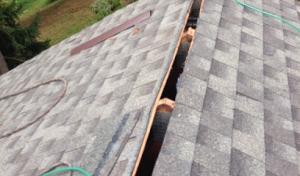
When wind-driven rain hits, the priority is stopping the flow and preventing further decking moisture. In spring, heavy rain and gusty winds can interrupt tear-offs and expose roofing underlayment and sheathing to moisture if scheduling is too aggressive. If you notice active leaks, start with a quick exterior check: look for lifted shingles, missing granules, or damaged flashing around chimneys and vent pipes. Inside, scan ceilings and walls for sudden staining or bulging. Take clear photos from multiple angles, including the attic if accessible, to capture water intrusion paths and the condition of any attic ventilation. If a tarping or temporary repair is possible, do it promptly to limit water entry, then contact a local contractor who can stage a controlled tear-off and moisture mitigation. In Laurel, a coordinated response with a roofing crew that can handle decking exposure, flashing, and potential insulation drying is essential, since spring storms can re-wet exposed areas quickly.
Summer work must account for high heat and humidity, which slow crew timing and affect shingle handling. Plan for early-morning starts and concrete-break periods to avoid mid-afternoon heat; crews may pause during the hottest window to protect materials and workers. Afternoon thunderstorms can halt progress and soak exposed decking, so ensure temporary protection is in place and that weather windows are realistically short. If shingles must be stripped during hot days, keep an eye on asphalt or synthetic shingle durability under rising temps, and confirm that ventilation and moisture barriers are addressed before re-covering. A practical approach: stagger tear-offs with dry-in work, so interior spaces remain protected while exterior conditions shift.
Winter roofing is possible but slower in this area because freezing temperatures and occasional snow can delay installation and inspection timing. Schedule with potential backup dates for cold snaps and late-morning fog that can complicate material adhesion and roof-to-wall flashing work. Ensure crews have heated workspace for any cold-weather sealant batches and that temporary interior moisture control is maintained if indoor leaks have occurred. In colder months, documentation should emphasize moisture readings and any frost-related delays, so the claim packet reflects the seasonal timing constraints and the need for re-inspection after thaw.