
Last updated: Apr 19, 2026
Brockton's cold, snowy winters turn ice damming from a rare annoyance into a persistent performance threat for homes built before the modern energy-tight era. When the roof edge is warmer than the gutter line, melted snow refreezes at the eaves, backing up into gutters, siding, and the attic access. That backflow invites water into ceilings, grows mold, and accelerates wood rot. In neighborhoods with older stock, you'll see it sooner, after heavier snows, thaws, and rapid drops in temperature. This isn't something to wait on-ice dams are a predictable winter risk, not an occasional nuisance.
Older Brockton roofs often carry two chronic weaknesses: under-ventilated attics and uneven insulation. If attic space sits with stalled air or cold spots, the roof becomes a built-in mini furnace during sunny winter days. The warm roof deck melts the snow near the peak while the lower edge remains cold; meltwater then pools, refreezes, and inches of dam-forming ice build along the eaves. The damage isn't just cosmetic. Ice dams can push water under shingles, saturate sheathing, and lead to interior leaks that wreck ceilings, insulation, and personal belongings. A roof that performs poorly on winter days becomes a home that leaks when you're already dealing with cold and salt and shovel lines.
To counteract this, prioritize attic health. First, identify and seal obvious air leaks around dormers, penetrations, and pipe sleeves. Even small gaps can funnel warm air toward the roof deck, feeding the very melting cycle that creates ice dams. Next, assess insulation depth and uniformity. Areas with thin or displaced insulation create cold spots that encourage uneven melt. A consistently insulated attic, combined with proper ventilation, helps keep the roof deck closer to the outdoor temperature, reducing the differential that drives dam formation. In practical terms, this means addressing gaps, upgrading insulation where needed, and ensuring an air-tight, well-ventilated attic space.
Ventilation isn't a luxury-it's a front-line defense against moisture problems that accompany ice damming. Ensure soffit, ridge, or other passive ventilation paths are clear and functioning. If the attic lacks a balanced vent scheme, consider upgrading to a ridge vent paired with ample soffit intake. The result is cooler roof decks in winter and less dramatic temperature swings from sun-driven melt to night-time freeze. This isn't abstract advice: a well-ventilated, well-insulated attic translates into fewer leaks, less interior damage, and a roof that behaves more predictably when storms hit.
Finally, plan roof replacements with winter performance in mind. If a reroof is on the horizon, treat it as an opportunity to resolve the underlying causes of ice damming: ensure the new installation includes adequate insulation and an effective ventilation plan that reaches all sections of the attic. Do not assume a new roof will automatically halt all issues-verify that the deck, underlayment, attic insulation, and ventilation alignment together minimize warm-air leakage and edge melt. In Brockton, proactive steps taken now save thousands in repairs later, and they keep the inside of the home dry when the next polar blast rolls in.
Brockton experiences year-round precipitation, and the cycle of melting snow followed by spring rain creates a perfect window for leaks before roofs have fully dried. As attic spaces still hold moisture from winter, hidden moisture in decking and insulation can migrate into living spaces during sudden spring downpours. Old asphalt shingles and aging underlayment struggle to shed this moisture quickly, so even a modest rain can find its way through gaps or imperfect flashings. The combination of lingering dampness and new weather fronts means leak exposure tends to surface just as homeowners think winter is finally behind them.
During spring, high wind events and heavy showers are common. The wind can lift shingles or expose torn underlayment, while driving rain pushes water toward vulnerable seams, vents, and chimney penetrations. Homes with mixed-supply stock-perhaps an older roof with a newer patch panel here and there-often reveal weaknesses only after a few storms. The result is a pattern of drip lines and ceiling stains that look dramatic but can take days to fully manifest, leaving interior spaces uninhabitable or temporarily out of use while repairs are arranged.
As summer ends, fall brings gusty days and debris-laden winds that slam against aging shingles. This combination can loosen or displace materials on roofs that have already borne heavy winter loads. Debris and fallen branches can gouge, abrade, or pry up the edges of shingles, creating open pathways for rain to follow. Just before winter snow arrives, these vulnerabilities become priorities, and a single storm can turn into a cascade of leak calls from nearby neighbors and rental properties alike. In Brockton, that pattern repeats, with emergency-response crews often stepping in to address rapid water intrusion when weather shifts abruptly.
The local contractor market shows especially strong prevalence of emergency response and storm-damage services, indicating leak calls are a routine homeowner need. That means response time matters: when a leak is detected, immediate containment matters as much as a later permanent fix. Clear, reachable communication with a trusted roofer can cut water damage by hours. If a drip becomes a stream, place buckets and tarps to limit interior damage while arranging temporary cover or fast-tix patchwork to bridge the worst gaps. Planning ahead with a storm-ready roof assessment-addressing loose flashing, compromised seals, and attic moisture-can transform sudden leaks from a crisis into a manageable repair window. Quick post-storm inspections help distinguish between a nuisance drip and a condition that risks structural moisture or mold growth.
Inspect for exposed nails or loose edging along eaves where wind can lift material. Check attic insulation and ventilation to reduce moisture buildup behind the scenes, especially after long dry spells that end with a heavy rain. For roofs nearing thirty years or more, prioritize a professional assessment of flashings around skylights, chimneys, and vent connections, as these areas are most vulnerable to spring and fall weather shifts. When a leak appears, document with photos, isolate the affected area to prevent spread, and contact a roofer experienced in storm-damage response for a rapid, thorough diagnostic.
Find local contractors experienced in assessing and restoring roofs after hail, wind, and severe weather events.
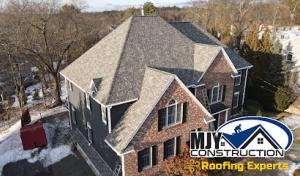
MJY Construction
(866) 766-3637 mjyconstructionma.com
244 Liberty St STE 11, Brockton, Massachusetts
5.0 from 151 reviews
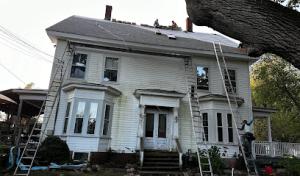
Gomes’s Construction
(774) 381-4481 www.gomessroofing.com
58 Denton St, Brockton, Massachusetts
5.0 from 76 reviews
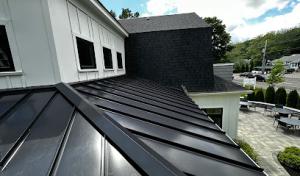
SUNGAZE home improvement
(508) 484-4912 sungazeroofing.com
71 Prospect St, Brockton, Massachusetts
5.0 from 37 reviews
MJY Construction
(866) 766-3637 mjyconstructionma.com
244 Liberty St STE 11, Brockton, Massachusetts
5.0 from 151 reviews
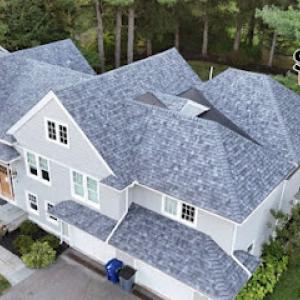
MJY Construction is a roofing contractor in Brockton, MA serving Avon, Holbrook, Randolph, Whitman, Abington and nearby areas. Our roofing company offers residential roofing, commercial roofing, residential roof repair, chimney services, and more. Customers love us because of our comprehensive roof warranties and our affordable roof financing options. We also have industry affiliations and certifications such as CertainTeed Select Shingle Master, Velux Certified, GAF Certified, Owens Corning Preferred Contractor and many more. If you want to experience how your most trusted Brockton roofing company embraces our motto "One Call Does It All", call us now for a free estimate!
Sunrise Exterior
(877) 482-6261 sunriseexteriorllc.com
85 Mill St, Brockton, Massachusetts
5.0 from 170 reviews
Sunrise Exterior is a fully insured and licensed roofing service. We work with everything between Roofing, Siding, and Gutters. We work very efficiently and diligently to give our customers exactly what they envision. We are very consistent at completing the task at hand that we can have it finished within a day or two. With over 25 years of experience you are sure to get the highest quality of work from our employees here at Sunrise. If you are in need of any of our services listed on our site, give us a call or send us an email.
Gomes’s Construction
(774) 381-4481 www.gomessroofing.com
58 Denton St, Brockton, Massachusetts
5.0 from 76 reviews
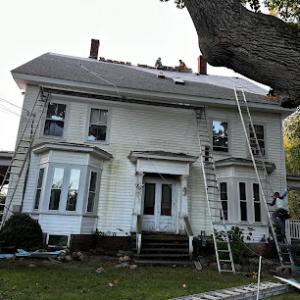
Empresa de reparación y instalación de techo
SUNGAZE home improvement
(508) 484-4912 sungazeroofing.com
71 Prospect St, Brockton, Massachusetts
5.0 from 37 reviews
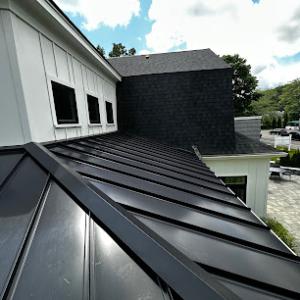
Sungaze Home Improvement in Brockton, MA, is your trusted roofing company, offering a wide range of services from repairs to complete renovations. With a commitment to excellence, we ensure that your home improvement project is handled with care and craftsmanship. Contact us today for quality roofing solutions that you can rely on.
J&Q,Construction Inc,
(508) 436-0575 jqconstructionincma.com
353 Pleasant St #1, Brockton, Massachusetts
5.0 from 25 reviews
At J&Q Construction INC, we are more than just a construction company - we are a team of passionate individuals dedicated to bringing your dream projects to life. With over 17 years of experience, we have built a reputation for excellence, quality, and reliability. Our commitment to delivering exceptional service and exceptional work sets us apart from the rest. Our team consists of highly skilled professionals who are driven by our core values of integrity, innovation, and diligence. From planning to completion, we ensure that every project is executed with precision and attention to detail. With our expertise in residential and commercial construction, we promise to turn your vision into reality.
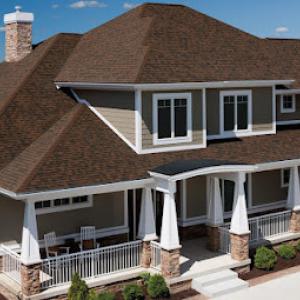
Express Home Restoration
(508) 225-3552 www.expresshomerestoration.com
133 Southworth St, Brockton, Massachusetts
5.0 from 20 reviews
At Express Home Restoration in Brockton, MA, we know that your roof is more than just a shelter -- it's the protection from the elements for your home or business. Our mission is to listen to your needs and deliver top-notch service every time, ensuring your peace of mind from the first shingle to the final inspection. What sets us apart? Speedy service, exceptional quality, and prices that won’t break the bank. At Express Home Restoration, we combine efficiency with excellence. We take pride in quick turnarounds without compromising on craftsmanship, ensuring you get the best value and results that stand the test of time. Allow us to be your go-to team for everything roofing and beyond
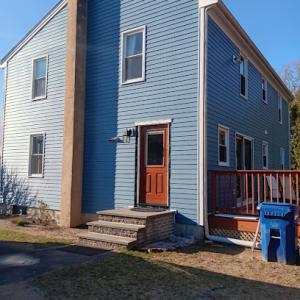
Loja General Construction
(978) 875-6088 lojageneralcontractor.com
60 Louis St, Brockton, Massachusetts
4.9 from 29 reviews
Loja General Construction is a residential and commercial roofing specialist in Brockston and other Massachusetts counties. We offer roof replacement, roof cleaning, maintenance and emergency repair services. With more than 20 years of experience working in the state of Massachusetts. If you need an expert roofing contractor, call us now!
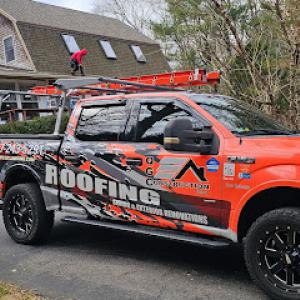
Quality General Construction
(857) 243-5291 www.qgcroofing.com
52 Delmar Rd, Brockton, Massachusetts
4.7 from 69 reviews
we are a company that is dedicated to providing service in ,roofing. siding, gutter's . We are covered with the necessary insurance and license . Covering the entire state of Rhode Island and Massachusetts Call us to get a free quote. We will gladly help you with your project
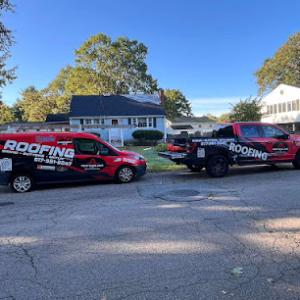
New England Pro Contracting
(617) 991-5047 newenglandprocontracting.com
172 Copeland St, Brockton, Massachusetts
5.0 from 16 reviews
Honestly, we’re not aware of any other way to do business. We hope you’ll consider GRG Construction for your next project.
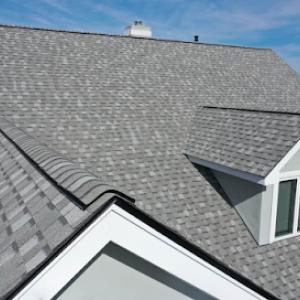
Century Home Renovation
(774) 946-7081 centuryhomerenovation.us
132 Dover St, Brockton, Massachusetts
4.9 from 25 reviews
Century Home Renovation, established since 2011, specializes in roofing projects, providing exceptional construction services for both residential and commercial clients in Brockton, Massachusetts. With extensive knowledge and expertise, Century Home Renovation ensures every roofing project is completed with precision and durability, enhancing the aesthetic and functionality of properties it serves.
Lema Construction
(508) 232-1194 www.lemaconstructioninc.net
Brockton, Massachusetts
4.7 from 42 reviews
Lema Construction has been serving Brockton, MA and South Shore homeowners since 2007 with expert roofing, siding, and gutter services. Our team is known for one-day roof replacements with same-day delivery of dumpsters and materials, making projects fast, efficient, and stress-free. We specialize in seamless gutters built on-site in any color, custom-fit to protect your home and enhance curb appeal. From durable siding installation to professional roof repair and replacement, we deliver quality craftsmanship, affordable pricing, and reliable service. As a trusted local roofing contractor, we take pride in protecting homes across Brockton, Stoughton, Randolph, Easton, Avon, and surrounding communities.
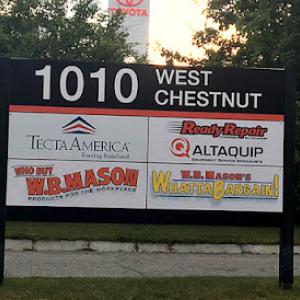
Tecta America New England
(866) 583-9499 www.tectaamerica.com
1010 W Chestnut St, Brockton, Massachusetts
4.9 from 9 reviews
Tecta America New England was founded as Delta Roofing in 1988, and in 2007 we became part of Tecta America, a national company with operating units from coast to coast. Our installation and service areas cover all of New England, making us one of the largest and most respected roofing contractors in the region.
Late spring through early fall is the preferred replacement window in Brockton because dry, moderate weather is more reliable than winter or early spring conditions. This period helps minimize the chance of ice dam formation during the first thaw and reduces the risk of weather-driven delays. For homeowners, targeting this stretch means planning outside of the heaviest snow years and avoiding late-season freeze cycles that can complicate adhesive cures and shingle seating. If a late spring project runs into a particularly wet spell, crews will often shift to days with a dry-air forecast to protect the underlayment and ventilation work already in place. The goal is to land a block of days with consistent temperatures and minimal precipitation, so the roof receives a solid, long-lasting installation rather than a hurried, weather-pressed job.
Summer humidity in Brockton can affect shingle adhesive behavior and installation timing, so crews often need to balance heat exposure with dry-day scheduling. High humidity can slow certain adhesive compounds and complicate asphalt shingle sealing at the overlaps, especially on taller roofs or steeper pitches common on older stock. Coordinating an install during mornings or late afternoons when temperatures are cooler helps the new shingles seat properly without warping. If a heat wave hits, you may see crews pause to protect the shingles from overheating, then resume once a safer temperature window returns. Communicate expectations about interior attic temperatures too, since attic ventilation plays a role in keeping roof decks dry during the process.
Spring precipitation and fall storm variability can both delay projects locally, which makes booking lead times important before the busiest reroofing periods. Early spring rain can push projects beyond initial timelines, while fall storms bring gusty winds and sudden sheet rain that complicate underlayment setup. In practice this means booking a window with a buffer-not just a single dry spell, but a sequence of dry days that allow for sequential steps like ventilation checks, insulation inspection, and attic ventilation adjustments if needed. If the plan runs into an unexpected delay, honest crews will re-sequence tasks to preserve the roof's moisture barrier without sacrificing safety.
To optimize the season in Brockton, align replacement dates with a reliable forecast block rather than a specific calendar date. Prioritize mid-season windows where dry, moderate days are forecast for multiple days in a row. If a late spring or early fall project slips, be prepared to adjust the plan quickly so the roof can be completed before the next seasonal shift. Keep in mind that the seasonal rhythm also intersects with attic and ventilation considerations, so coordinating a project that respects both roof deck dryness and interior moisture control yields the best long-term results.
Get a clear picture of your project costs upfront - no commitment required.
MJY Construction
(866) 766-3637 mjyconstructionma.com
244 Liberty St STE 11, Brockton, Massachusetts
5.0 from 151 reviews
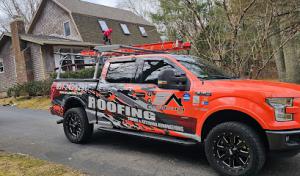
Quality General Construction
(857) 243-5291 www.qgcroofing.com
52 Delmar Rd, Brockton, Massachusetts
4.7 from 69 reviews
Maynard Roofing & Sons/ 40 years in business
(508) 287-8623 www.mayardroofingandsons.com
Serving
5.0 from 9 reviews
Asphalt shingles remain the dominant practical choice in Brockton because they align with the area's common residential reroofing market and broad contractor availability. For many homeowners, a well-installed asphalt roof offers reliable protection against winter ice and rain while keeping installation and maintenance straightforward. When choosing asphalt, pay attention to shingle weight and granule stability, since sleet and freeze-thaw cycles can accelerate wear on older roofs. A locally familiar crew can help ensure proper attic ventilation and insulation are part of the overall package, reducing the risk of moisture buildup that feeds ice dams. In this climate, upgrading underlayment and ensuring proper drip edge placement are steps that pay off across several decades of service.
Metal roofing is relevant for homeowners prioritizing snow shedding and long-term durability, but installer availability is narrower than for asphalt. In areas with heavy snowfall, metal's smooth surface helps slide snow away and minimizes damming at eaves, baffles, and valleys. If choosing metal, look for panels with adequate locking methods and a finish that resists moisture and salt spray from road dust and winter de-icers. Expect the need for careful roof-to-wall detailing to handle attic ventilation and condensation. Metal can be a smart match for additions, detached garages, or portions of the roof where higher snow loads or frequent freeze-thaw cycles occur, provided a skilled local installer is available.
Slate and tile appear in the local material mix, which matters on older southeastern Massachusetts homes where structural load, repair matching, and specialized labor can complicate replacement. Slate offers exceptional longevity but requires a solid deck and careful fastener planning to avoid cracking from shifting and temperature swings. Clay and concrete tiles deliver distinct aesthetics and good moisture resilience but add substantial weight and require precise roof framing and underlayment. If you are considering these materials, anticipate coordinating a crew with experience in historic or period-appropriate installations to maintain both performance and curb appeal.
Older Brockton homes often have attic spaces that were not vented to current standards, yet adequate ventilation and insulation play a crucial role in preventing moisture problems and ice dam formation. When evaluating material options, assess attic insulation levels, presence of soffit and ridge vents, and potential requirements for ventilated baffles. The right combination of roof material and ventilation becomes a practical hedge against winter moisture intrusion, helping to preserve the interior and the roof's long-term performance.
For an asphalt shingle reroof, Brockton pricing typically runs about $350 to $650 per square. If you're weighing heavier options, metal roofing sits higher at roughly $600 to $1,000 per square. For premium materials, clay tile and concrete tile land in the higher end-slate is the ceiling at about $1,100 to $1,900 per square. These figures reflect the realities of older Brockton homes with steep pitches, limited access, and the need to work around snow-season timing.
Older roofs often hide surprises. Decking repairs, ventilation corrections, or attic insulation work can push Brockton projects upward, especially when those elements are tied to meeting a typical local permit and inspection sequence. If rotten boards or damaged sheathing are found, add material and labor for replacement, plus the extra crew time to preserve attic ventilation and attic-space insulation. In practical terms, expect a noticeable bump in the final price if addressing hidden damage or upgrading insulation while the roof is open and accessible.
Storm-driven demand spikes can tighten schedules and push costs upward, a real factor in this part of New England where frequent nor'easters and winter storms compress the off-season window. Heavier materials like slate, clay tile, or concrete tile not only cost more per square but require more specialized labor and handling. That combination tends to drive both material and installation charges higher, especially if extra safety measures or crane access are needed to move the heavier units onto an older Brockton roof.
Begin with a trusted local roofer who understands how older Brockton homes respond to snow and ice. Get a thorough assessment that separates decking or ventilation needs from the basic shingle replacement. Ask for a phased estimate if your roof might need partial decking work or insulation retrofit now but can be staged with the roof replacement later. If you're considering heavier materials, plan for a longer lead time and a higher safety margin in your budget to accommodate handling and transport constraints typical of older Brockton neighborhoods.
Don't let upfront costs delay a critical repair - these contractors offer payment plans to fit your budget.
MJY Construction
(866) 766-3637 mjyconstructionma.com
244 Liberty St STE 11, Brockton, Massachusetts
5.0 from 151 reviews
In this city, reroof projects generally require a building permit through the City of Brockton Inspectional Services. The permit process is more than a note on a stack of papers; it ties your roof work to ventilation, attic insulation, and overall moisture control. Submittals usually demand a clear project scope, detailed roofing material specifications, and a disposal plan. A simple replacement notice won't fly; the department wants to see how the project fits into the home's ventilation strategy and attic integrity. If your plan ignores these elements, you risk delays, added costs, or a stop-work order.
Inspections are scheduled in phases: one during the project and a final review after completion. The building inspector will verify that materials meet code and that workmanship aligns with the approved plan. Expect questions about attic access, vapor barriers, and any insulation upgrades you've included. If you don't plan for proper ventilation or adequate insulation, you may fail inspection even if the roof looks finished. The risk isn't just a permit hold; it can affect your ability to obtain approvals for future repairs or improvements.
Coordinate your contractor's timeline with the inspector's visits to minimize downtime. Have all material details ready-shingle type, underlayment, and any venting changes-so the review moves smoothly. If you're upgrading insulation or attic ventilation, document the changes and include how they integrate with the roof replacement. Noncompliance or missing documentation often leads to re-inspection, which adds time and tension to an already tight winter schedule. Remember, the goal is a durable, climate-smart roof that won't trigger moisture problems once the snow returns.
Massachusetts insurers commonly ask Brockton homeowners for roof age documentation, photos of damage, and sometimes an adjuster site visit before approving replacement-related claims. If you're navigating a storm or leak event, having a clear timeline of when the roof was last inspected, what materials were used, and any prior repairs can keep the process from stalling. A simple folder with dated photos and a brief summary from a trusted local roofer can be worth its weight in relief when the insurer asks for proof.
Older roofs in this housing stock can draw more underwriting scrutiny, especially when visible wear predates a storm event. Brick and shingle patterns common to Brockton homes age differently, and a few dark spots or granule loss on asphalt shingles can trigger questions about ventilation, attic moisture, and overall roof health. If the roof has preexisting patches or uneven flashing, expect questions about whether those conditions contributed to recent damage. Being prepared with recent professional assessments can help you move toward a fair, timely resolution.
Code-compliant reroofing matters to claims and coverage decisions in Massachusetts, so permit records and inspection signoff are important documents for Brockton homeowners to keep. If an inspection validates proper ventilation, adequate insulation, and correct installation, it can smooth the path for any replacement-related claim. Conversely, missing or inconsistent documentation can slow a settlement or lead to gaps in coverage, so organize key paperwork and appointments now to avoid being left exposed later.
Connect with contractors who help homeowners navigate the claims process from damage assessment to final approval.
MJY Construction
(866) 766-3637 mjyconstructionma.com
244 Liberty St STE 11, Brockton, Massachusetts
5.0 from 151 reviews
Gomes’s Construction
(774) 381-4481 www.gomessroofing.com
58 Denton St, Brockton, Massachusetts
5.0 from 76 reviews
SUNGAZE home improvement
(508) 484-4912 sungazeroofing.com
71 Prospect St, Brockton, Massachusetts
5.0 from 37 reviews
The Brockton contractor market shows meaningful demand for skylight-related roofing work, so leak-prone flashing is a common homeowner concern. Start with a careful exterior inspection after storms: look for lifted or cracked flashing around the skylight curb, and any dark staining on the ceiling directly below. On the roof, confirm that the flashing forms a tight seal against the curb and that the sealant joints are intact. If flashing is loose or the sealant is cracked, reseal with compatible roofing lap cement or butyl, then secure with new screws or nails as needed. For stubborn leaks, consider replacing the skylight shingle flashing with a flexible metal flange that can ride over ice-dam buildup. After any repair, monitor the interior attic corner for dampness during the next thaw and rain cycle.
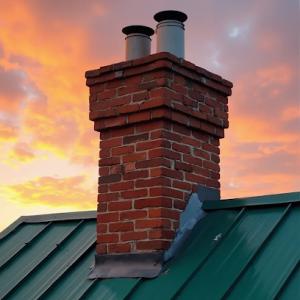
Chimney-related service prevalence in Brockton points to roof-to-masonry intersections as a recurring maintenance and leak area. Inspect the intersection where chimney masonry meets roof shingles for proper flashing, step flashing, and counterflashing. Cracked mortar or compromised flashing allows water to track down under shingles, especially after freeze-thaw cycles and wind-driven rain. If you notice efflorescence on brick or damp spots on the attic ceiling, inspect the flashing seam and mortar joints. Replace damaged step flashing with bending that locks tightly into shingles, and reseal joints with a breathable, water-cutting sealant designed for masonry. Ensure the chimney cap is intact and free of gaps that can funnel water into the flashing.
Winter weather in this area amplifies vulnerabilities at penetrations. Perform a fall inspection focusing on skylight curb seals and chimney flashings, and re-tighten or reseal as needed before heavy storms. In spring, after thaw cycles, re-check for hairline cracks in sealants and for wind-driven shingle lift near these features. Document any recurring damp spots and track patterns from attic to exterior; recurring issues often indicate a ventilation or insulation mismatch that compounds moisture intrusion at these penetrations. If leaks persist after careful local repairs, bring in a roofer with experience in attic ventilation and ice-dam risk mitigation.
Find contractors experienced in skylight installation, flashing, and leak repairs to bring natural light into your home.
MJY Construction
(866) 766-3637 mjyconstructionma.com
244 Liberty St STE 11, Brockton, Massachusetts
5.0 from 151 reviews
Gomes’s Construction
(774) 381-4481 www.gomessroofing.com
58 Denton St, Brockton, Massachusetts
5.0 from 76 reviews
SUNGAZE home improvement
(508) 484-4912 sungazeroofing.com
71 Prospect St, Brockton, Massachusetts
5.0 from 37 reviews