Last updated: Apr 19, 2026
Milton homeowners commonly face roof aging tied to cold winters with snow and ice followed by repeated freeze-thaw cycling. Each cycle pushes ice up against shingles, underlayment, and flashing, causing micro-fissures to widen and moisture to infiltrate. Steep snow-shedding rooflines that are common on older New England stock can mask small leaks until a thaw reveals a larger issue. Nor'easters intensify this stress: driving wind-blown rain straight into vulnerable flashing, ridge lines, and chimney areas, testing seals you may assume are sound. The combination of long winters and sudden thaws creates a relentless cycle that accelerates aging and creates hidden damage that marches forward unseen until a storm exposes it.
After a nor'easter or a heavy melt, look for telltale signs on the interior and exterior. Notice dark stains or damp spots on ceilings near exterior walls, or spots along interior ridge lines where attic insulation meets roof framing. On the exterior, keep an eye out for loose or cracked flashing around chimneys, vents, and dormers, plus any shingles that appear cupped, curled, or lifted at the edges. In Milton, snow often sits on eaves longer than you expect; if you see ice dams re-forming despite recent heat, that signals moisture that has breached the underlayment or decking. Early warning is the difference between a quick fix and a costly replacement that interrupts family routines during a New England winter.
Replacement timing in Milton is often driven less by age alone and more by cumulative winter moisture intrusion, deck movement, and post-storm leak discovery. Winter cycles magnify small defects, so a roof that otherwise seems solid can deteriorate rapidly after a sequence of storms. If repeated repairs are needed or new leaks appear after each storm season, a more comprehensive assessment is warranted. The autumn-to-winter window is particularly sensitive: storms become more frequent, and the harsh weather compounds existing vulnerabilities. Don't wait for a dramatic failure to act; a proactive replacement plan aligned with the region's freeze-thaw rhythm minimizes disruption and protects the home's interior and insulation.
Start with a thorough attic and roof inspection before the first major freeze. Check for inconsistent insulation, ventilation imbalances, and any gaps that could funnel warm air into the roof deck, accelerating ice dam development. In the attic, ensure baffles or soffit vents are clear and that ridge ventilation is functional to promote dry, balanced airflow. Exterior-wise, reinforce or replace flashing around chimneys and vent stacks, and address any loose shingles promptly. If you notice repeated small leaks after storms, consult a local roofer who understands Milton's weather patterns and can evaluate the integrity of underlayment, decking, and flashing as a system-not in isolation.
Following a nor'easter or heavy thaw, inspect the roof edge, ridge cap, and any protrusions for signs of wind-driven damage. Look for lifted or torn flashing and any granular loss along shingles, which signals aging underlayment exposure. Inside, inspect ceilings and upper walls for new stains or damp spots that correlate with recent storms. If a leak is detected, avoid delaying repairs: even a small drip can widen rapidly as freeze-thaw cycles resume. Schedule a professional assessment quickly, prioritizing attic moisture, deck integrity, and flashing connections where the risk is highest.
Treat winter and nor'easter risk as a year-round consideration in Milton. Preserve the roof's integrity by addressing moisture intrusion promptly, maintaining ventilation, and guarding flashing and ridge lines against wind-driven rain. Regular surveillance during the cold months turns acute storm damage into manageable maintenance, reducing the chance of a sudden, disruptive failure when storms surge across the South Shore.
Milton's dominant roofing mix includes asphalt shingles, metal roofing, clay tile, slate, synthetic slate, and cedar shakes, creating very different maintenance and replacement paths within one town. Each material responds to winter's freeze-thaw cycles and nor'easter-driven wind in distinct ways. Asphalt shingles offer solid, everyday durability but can lose granules and curl after repeated cold snaps. Metal roofs shed snow efficiently but can be punctured by sharp ice build-up if valleys or flashing are compromised. Clay tile and slate bring longevity, yet their weight and brittle edges mean mid-winter impacts or poor underlayment failures translate into localized leaks. Synthetic slate and cedar shakes sit between these extremes, with cedar especially susceptible to moisture saturation and freeze-thaw splitting if ventilation isn't adequate. Your approach should start with identifying your exact roof assembly and the flashing transitions where different materials meet, since these junctions drive most of the mid-winter failures you'll encounter.
Older homes in Milton make slate, cedar, and complex flashing transitions more relevant than in many newer suburban markets. Slate and cedar require careful underlayment and proper fastener length to avoid moisture intrusion once temperatures swing below freezing. Slate seams and nailing zones should be checked for loose or chipped stones, which can cascade into leaks after a nor'easter. Cedar experiences capillary absorption and shrink-swell cycles; ensure the shingle surfaces aren't already warped or misaligned. Asphalt shingle roofs are generally forgiving but look for curling edges, algae or moss growth that can trap moisture during damp cold spells. Metal roofs emphasize panel seams and fastener seals; ice dams can form along eave lines if drainage is obstructed, compromising edge flashing. Clay tile and synthetic slate share vulnerability at flashing details, especially where vents, chimneys, or skylights tie into the main roof deck. In all cases, chimney intersections emerge as a meaningful local concern because chimney-related exterior work is common among contractors serving this market.
Winter freeze-thaw damage in Milton tends to reveal itself after the first significant thaw following a heavy snowfall. When temperatures hover around the freezing mark, small cracks widen, and previously minor gaps become active leaks. Nor'easters introduce rapid wind-driven rain and piling snow on exposed slopes, stressing the roof's edge details and flashing. The timing is often after a heavy storm cycle, not during a single cold snap, so pay attention to signs of moisture intrusion following a nor'easter, especially around chimneys and vent stacks. If a leak appears during a thaw, suspect flashing, step-flashing, and valley integrity first, then move toward underlayment and deck rot checks if water intrusion persists.
Chimney intersections are a meaningful local concern because chimney-related exterior work is common among contractors serving this market. Start with the chimney cricket or exhaust saddle to ensure proper drainage away from the flue, then inspect step-flashing where the chimney is integrated into the roof plane. Look for gaps, rusted or loose fasteners, and signs of mortar deterioration that can migrate water into the roof deck. Seal and flash transitions carefully, particularly at clay tile or slate roofs where heavy rains can exploit small misalignments. For cedar or synthetic slate, verify that round or box gutters adjacent to the chimney are clear and that any crown or parapet details shed water as intended. Regular inspection after heavy snow or ice storms helps catch potential failures before they propagate into attic moisture or visible ceiling stains.
Milton's wide spread of common materials creates an unusually broad replacement cost range, from asphalt shingles at 450 to 800 USD per square up to slate at 1500 to 3200 USD per square. That spread reflects the mix of older, heavier homes with steep roofs and the newer, more formal finishes some neighborhoods have adopted. If your home started with asphalt and you're considering upgrading to synthetic slate or cedar as part of a long-term maintenance plan, expect the per-square price to climb accordingly. The actual size of your roof and the complexity of the pitch will push totals higher or lower, but the material choice remains the biggest driver in Milton.
Costs in Milton can rise when older homes require more detailed tear-off, flashing work, chimney integration, or specialty installation for slate, tile, cedar, or synthetic slate systems. For a tear-off, anticipate extra labor if you encounter multiple layers or compromised decking, which is common on weathered older houses. Flashing around chimneys and dormers in winter-worn joints tends to demand careful, precise work to prevent future leaks after spring thaw and nor'easter-driven rain. If a chimney chase or brickwork needs integration with the new roof, budget additional hours and materials. Specialty installations, such as slate or synthetic slate, typically require skilled craftspeople and heavier material handling, expanding both time and cost. These items are especially relevant in a town where certain neighborhoods still show historic roofing details.
Seasonal storm demand after winter events and spring rain can tighten scheduling and labor availability in the Milton market, affecting project timing and pricing. If a late-winter freeze has damaged roof edges or gutters, crews may be booked out weeks longer than usual as homeowners scramble to address leaks before more nor'easters roll through. Plan for potential delays, especially if you're upgrading to a premium roof type or coordinating chimney and dormer work at the same time. In practice, a flexible start window and a queued project plan can help you secure experienced crews without paying a premium for last-minute fitting.
Begin with a material choice aligned to the home's age and structure, then add a realistic tear-off and flashing estimate based on deck and attic access. Factor in the possible need for specialty installation if slate, tile, cedar, or synthetic slate is on the table. Finally, consult with local contractors about typical lead times after winter storms to gauge whether you should book months in advance or target a shoulder season window for better pricing and smoother scheduling.
Duffy Roofing
(617) 296-0300 duffyroofing.com
Serving
4.8 from 84 reviews
Duffy Roofing, Inc provides residential roofing services in the Dorchester, MA area.
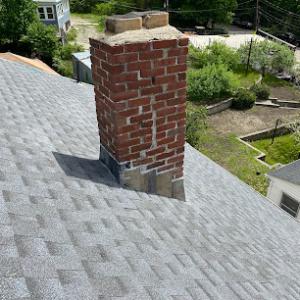
Coyle Construction
(781) 760-4771 www.coyleconstruction.net
Serving
5.0 from 14 reviews
Coyle Construction is your top choice for roofing excellence, providing unparalleled roofing solutions tailored to meet your specific needs. As a leading roofing company near you, our skilled team specializes in roof repair services, ensuring your home remains safe and secure. We are your trusted local roofers, dedicated to delivering superior residential roofing services and expert emergency roof repair. With a focus on quality, we excel in roofing installation and are recognized as metal roofing specialists. Trust us for professional gutter installation that enhances your home's protection and longevity. Choose Coyle Construction for expert craftsmanship and reliable roofing solutions in your area.
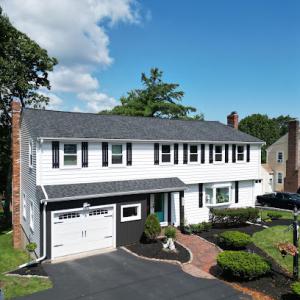
GN Exteriors
(781) 436-2234 randolph-ma.gnexteriors.com
Serving
5.0 from 71 reviews
GN Exteriors is a local leader among roofing companies in Randolph, MA, providing residential and commercial roof replacement, inspections, and roof repair for over 2 decades. Aside from roofing, we also offer solar panel sales, gutter installation, and vinyl siding in Randolph, MA, and nearby areas. With our high level of attention to detail and quality materials, you can rest assured you’re getting the best roof possible for your home or commercial building. We are a certified roofing crew with the following credentials: CertainTeed ShingleMaster, Owens Corning Preferred Roofing Contractor, and Velux Certified Skylight Installer.

Kyne Roofing & Construction
(617) 293-9583 www.kyneroofing.com
Serving
4.9 from 36 reviews
Kyne Roofing & Construction provides roofing and siding services to the Quincy, MA area.
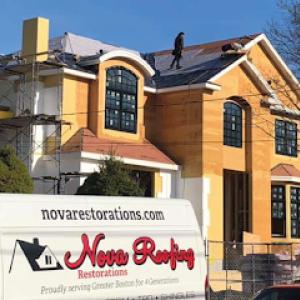
Nova Roofing & Restorations
(781) 407-9112 www.novarestorations.com
Serving
5.0 from 12 reviews
For 4 generations, Nova Roofing and Restorations have been trusted by homeowners, developers, commercial property managers and historical renovators throughout Massachusetts. From the old school, tar and gravel experience to the newest technology used today in all materials related to roofing, Nova has you covered. Certified, insured, licensed and trusted for quality and service.
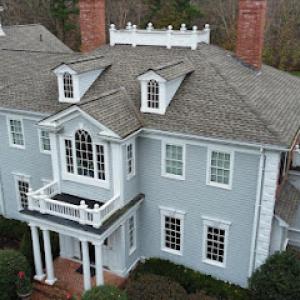
Associate Roofing
(781) 848-4222 www.associateroofing.com
Serving
4.9 from 147 reviews
We specialize in roof replacements, repairs, and storm damage restoration, using only the highest-quality materials to ensure lasting results. But it’s not just about the work—it’s about the experience.
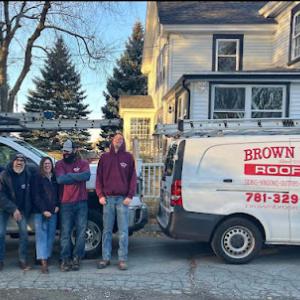
Brown Bros. Roofing
(781) 329-2895 www.brownbrosroofing.net
Serving
4.9 from 71 reviews
Your home is your castle and needs to be protected from the elements. Since 1932, homeowners have been turning to Brown Bros to keep their families safe and warm. You can trust our experienced contractors to do the job right on all roofing, gutters, siding, windows, and deck work. Give us a call or shoot us an email.
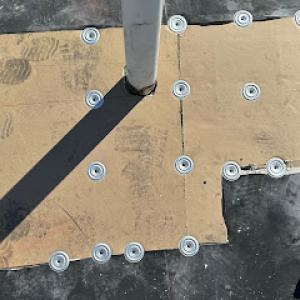
Otukan Roofing Company Boston
(781) 798-9009 otukanroofing.com
Serving
5.0 from 21 reviews
Otukan Roofing is the top roofing company in Boston, MA, offering a wide range of expert services to protect and enhance your home. Our skilled professionals specialize in any flat roof repair, replacement, and inspection, as well as gutter cleaning, repair, and replacement. We also provide expert skylight installation and repair services. Whether you need routine maintenance, emergency repairs, or a complete roof overhaul, our team is dedicated to providing exceptional customer service and top-quality workmanship. Count on us for prompt, reliable, and affordable solutions to all your roofing needs. Contact Otukan Roofing today to schedule your appointment!
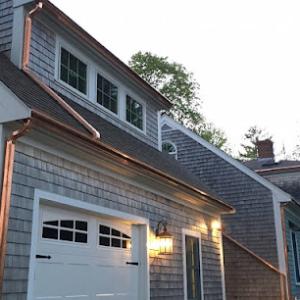
Boston Roofing & Gutters
(781) 267-3778 www.bostonroofingandgutters.com
Serving
4.5 from 45 reviews
Boston Roofing and Gutters serving Boston and The Greater Boston Area, Metro West, North Shore, South Shore, Hoboken New Jersey and The Heights New Jersey. Boston Roofing and Gutters is the best roofing contractor in Massachusetts and New Jersey, offering a variety of services including: roof installation, roof repairs, chimney cleaning and repair, gutters installation, gutter repairs, gutters cleaning, siding installation, siding repair. Boston Roofing and Gutters primary goal is to provide our valued customers with the highest standard of craftsmanship, while tailoring to their precise needs in a professional and timely manner. Boston Roofing And Gutters is the first company to offer GutterArt to the Boston Market.
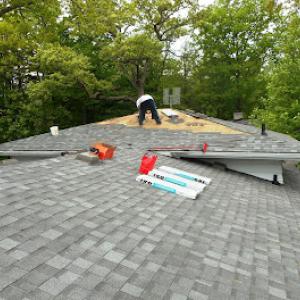
Braintree Roofing Pros
(781) 549-9876 roofing-braintreema.com
Serving
4.9 from 27 reviews
Braintree Roofing Pros offers roof repair, roof replacement, roof installation in Braintree MA and nearby areas. We pride ourselves to be the best roofing contractor in Braintree, MA. Our crew are also experts in roof installation & repair in Braintree, MA. We have more than 20 years of experience in roofing installation. So what are you waiting for, contact the best roofing contractor in Braintree, MA.
Able Roofing Company
(617) 327-7000 ableroofingcompany.com
Serving
4.7 from 40 reviews
ABLE ROOFING has been providing superior, high-quality service to families and businesses in the greater Boston area. Now in our 4th generation as a family-owned business, Able Roofing offers a wide selection of professional services, including the installation and repair of roofs, siding, gutters, doors, windows and decks.
Rainbow Roofing & Siding
(617) 471-2999 rainbowroofingsiding.com
Serving
5.0 from 15 reviews
When it comes to Roofing Company, Roofing Contractor, Siding Services and more, no one compares to Rainbow Roofing & Siding. With years of combined experience, Rainbow Roofing & Siding has worked hard to build the trust of our clients in Quincy and surrounding areas. Visit our website to learn more or better yet, call us today!
A full roof replacement requires a permit through the local Building Department. In Milton, the permit process is designed to ensure that work meets current Massachusetts codes and is suitable for the town's mix of older, heavier snow loads and exposure to Nor'easter winds. Before any shingle, metal, or other roof material is removed or installed, you should verify that the project holds a valid permit in the name of the responsible contractor or contractor-registered entity. This step helps protect against unpermitted work that could affect the integrity of the roof structure and the home's insurance coverage.
Milton's permit review focuses on code compliance and typically requires documentation such as contractor information and the scope of work. Expect to provide a clear description of the roof assembly, including materials, underlayment, venting, and any structural modifications. If the project involves venting upgrades, attic insulation changes, or underlayment upgrades to address winter freeze-thaw stress, these items will attract closer review. The Building Department also looks for compatibility with existing crown moldings, drip edge details, and chimney or vent pipe penetrations, especially on older homes where roof geometry and flashing practices can vary widely.
Inspections are scheduled during the job and again at completion, and some permits may require a final inspection before occupancy. In practice, this means the town inspector may visit after the old roofing is removed and after new materials are installed to verify proper nailing patterns, flashing at valleys and joints, and proper fastening in regions prone to heavy winter wind uplift. For Milton's climate, inspections that confirm adequate attic ventilation and proper insulation alignment beneath the roof deck are common, since freeze-thaw cycles can amplify small deficiencies into larger problems over a New England winter.
To streamline the process, have the permit application package ready with the contractor's licensing information, a detailed scope of work, and the project timeline. Coordinate with the contractor to ensure that all flashing details around chimneys, skylights, and dormers are clearly described, as these are frequent failure points in Nor'easter-driven rain events. Plan for inspection appointments that align with key milestones-demolition, deck and roof deck preparation, flashing installation, and final roof material installation-so the inspector can confirm adherence to Milton's local codes throughout the project.
If a final inspection is required for occupancy, ensure the project completion aligns with the certificate of occupancy timeline for the home. In weather-dependent conditions like Milton's frequent spring thaw and late-season Nor'easters, scheduling flexibility may help avoid delays caused by rain or snow infiltration concerns. Once inspected and approved, retain all permit documentation for future reference, especially when performing any subsequent roofing repairs or add-ons.
In Massachusetts, roof claims are commonly tied to winter storms and strong nor'easters, making storm documentation especially important for Milton homeowners. Snow loads, freezing rain, and wind-driven runoff can create complex damage patterns that aren't obvious from the ground. When the wind howls off the harbor and into the ridges of older New England homes, a small leak today can turn into a larger, hidden problem tomorrow. Start paying attention to damaged shingles, lifted flashing, and moisture in attic corners right after a storm, and never assume a quick fix will hold through the next freeze-thaw cycle.
Insurers may compare pre-damage and post-damage roof condition, so Milton homeowners benefit from keeping dated photos before winter and after major storms. Use a simple, recurring routine: snap clear photos of roof sections from the ground and in the attic where accessible, and file notes about any observed dampness, stains, or ice dams. If a storm rolls through and you notice new water marks or ceiling staining, document immediately with timestamps. This evidence helps distinguish long-term wear from event-driven damage and supports a more accurate assessment when the adjuster reviews the claim.
Replacement decisions can be influenced by broader Massachusetts underwriting practices and weather-risk assessment, not just the visible damage from one event. Milton homes sit on varied foundations of age and construction, often with steep rooflines designed for snow shedding but vulnerable to repeated freeze-thaw cycles. The insurer's view may consider the cumulative impact of multiple winters, the roof's remaining life, and the integrity of attic ventilation. That means a claim could lead to a broader repair plan rather than a one-off patch, so plan for potential scope changes after the adjuster's site visit.
After a major nor'easter, conduct a cautious safety check before stepping on the roof: look for loose shingles, lifted flashing, or hail bruising, and inspect gutters for rapid ice dam buildup. If you suspect damage, contact the insurer promptly and provide your storm-photo archive. A proactive approach can prevent small leaks from becoming structural concerns, especially in older Milton homes where wood rot and insulation issues are more likely to surface after a harsh winter.
Even in a town known for steep, snow-shedding roofs, Milton's contractor market shows meaningful demand for flat and low-slope roof work, especially on porches, additions, and mixed-roof homes. Those smaller low-slope areas often become the first trouble spots after a harsh winter or a nor'easter. Expect more access points-porch roofs, dormers, and connectors between the main house and an extension-where water can stagnate and misdirected runoff can sit and seep.
Low-slope sections in Milton are especially vulnerable during winter snow retention and spring rain, when drainage problems reveal leaks that do not appear on steeper roof planes. Look for standing water, ice dams developing at eaves and edges, and puddling near parapets or valleys where the pitch is insufficient to move meltwater away. Freeze-thaw cycles push water into small gaps and seam joints, so silvery hairline cracks and vertical cracks near flashings are red flags that easily go unnoticed until a thaw.
Homes with both steep main roofs and low-slope secondary sections often need different repair strategies and inspection attention in the same project. The steep roof may shed snow effectively, while a low-slope porch or extension holds meltwater long enough to stress underlayment and flashing. Coordinate a single inspection plan that treats the main roof and the low-slope area as connected systems. Prioritize missing or damaged edge metal, weakened underlayment seams, and degraded drip edge where water can back up into attic spaces or wall penetrations.
When you visit, start with visible drainage paths: assess gutters, downspouts, and any surface debris that can impede flow. Inspect transitions where low-slope sections meet steeper planes for exposed nails, loose sealant, or compromised flashings. In winter, look for ice dam formation along the edge of the low-slope area and note any warm attic indicators that could signal heat loss driving meltwater toward the low sections. Schedule a focused low-slope review during post-winter and post-nor'easter windows to catch issues early.
Find specialists in TPO, EPDM, and built-up flat roofing systems for residential and commercial properties.