
Last updated: Apr 19, 2026
Cold winters and repeated freeze-thaw cycles drive a relentless pattern of ice dam development and edge shingle damage. When meltwater refreezes at the eave, it can back up under shingles and force moisture into the roof system. In this climate, edge damage isn't cosmetic-it's a signal that moisture is finding its way toward interior spaces. Every homeowner should respect how swiftly a small leak can become a larger water intrusion problem once spring rains arrive. Pay close attention to attic conditions: if you can see daylight around attic hatches, feel cold air seeping down the rafter bays, or notice frost patterns on the underside of sheathing, that's a red flag that winter moisture is already working against the roof structure.
Snow and ice can shorten safe replacement windows in Canton, so leak problems that start in winter often carry into spring scheduling backlogs. When a storm hits, every contractor's calendar tightens, and access becomes limited by heavy snowfall, freezing temperatures, and drive-time hazards. If you notice ice dams forming or water streaking down interior walls, treat it as an urgent warning: delaying repair can worsen intrusion and complicate subsequent work. Plan ahead for shoulder-season replacements and arrange temporary protections-like interior tarping and rapid shingle edge reinforcements-so that a cold snap doesn't turn a small repair into a larger project. If a rooftop job must wait, prioritize temporary mitigation: remove standing water, clear strategic snow loads from the roof edge where safe, and keep pathways clear to reduce risk during any follow-up work.
Final roof inspections commonly focus on ventilation and flashing details that directly affect winter moisture performance. In practice, assess attic ventilation for sufficient airflow to maintain a cold roof deck during the heating season, and verify that all flashing transitions-around chimneys, skylights, and terminations-are continuous and properly sealed. Look for signs that moisture has penetrated under flashing or behind siding, especially at chimney-to-roof joints and valley intersections. The goal is to ensure that the roof system can shed snow and meltwater efficiently while the interior remains dry during thaw cycles. If blades of ice form along the eaves after a thaw, those are not just nuisance formations but indicators to recheck edge sealing, underlayment integrity, and the continuity of drip edges. A thorough winter-focused inspection can catch issues before they escalate into indoor flood damage, giving you a clear plan for spring follow-up and a durable finish that resists repeated freeze-thaw stress.
As the snow recedes and spring rains begin, the risk of exposed decking or underlayment getting wet increases during active replacement work. Freeze-thaw cycles from the preceding winter can leave vulnerable sheathing that looks solid from ground level but leaks once damp. When rain mixes with ongoing shingle removal or flashing adjustments, water can seep behind the underlayment quickly. If decking gets damp or soaked, the roof system may need extra drying time before sealing, elevating the chance of hidden rot developing between visits. Expect more frequent moisture checks after each spring storm and plan for pauses in work if decking shows prolonged saturation.
Summer thunderstorms and occasional hail in the area can deliver sudden, sharp damage to shingles, flashing, and skylights even on roofs that looked fine after spring. Hail can strike exposed edges or softened, recently replaced areas more easily, while heavy rains can wash away unsecured underlayment or expose fasteners. In practice, these events may produce leaks that are not obvious from ground level until days later, especially if attic spaces are poorly vented or damp. Keep a close eye on the attic after storms; a musty odor, damp insulation, or stained decking can signal a hidden leak. Do not assume that a quick inspection from the yard reveals all issues-carry out a targeted interior check after strong storms.
Because warmth and dryness by mid-to-late spring give way to more volatile summer weather, replacement timing is driven by actual weather windows rather than preference. Cold snaps, rain, and high humidity can stall work and extend exposure of vulnerable components. A lull in precipitation offers the best opportunity to lay down underlayment, set flashing, and secure shingles without backtracking. If a project is underway during a forecasted storm period, plan for potential rapid shutdowns to prevent water intrusion and minimize damage to newly installed materials.
During spring and early summer, coordinate closely with the contractor to review the roof's current moisture state before progress. If a forecast calls for heavy rain, ask about temporary coverings or work sequencing that protects exposed areas. After a storm, inspect accessible areas around dormers, skylights, and transitions for signs of moisture infiltration, and document any dislodged or damaged components promptly. In this season, proactive scheduling, vigilant on-site checks, and swift interior monitoring become essential to prevent minor issues from becoming costly failures.
Find local contractors experienced in assessing and restoring roofs after hail, wind, and severe weather events.
Able Roofing Company
(617) 327-7000 ableroofingcompany.com
Canton, Massachusetts
4.7 from 40 reviews
Able Roofing Company
(617) 327-7000 ableroofingcompany.com
Canton, Massachusetts
4.7 from 40 reviews
ABLE ROOFING has been providing superior, high-quality service to families and businesses in the greater Boston area. Now in our 4th generation as a family-owned business, Able Roofing offers a wide selection of professional services, including the installation and repair of roofs, siding, gutters, doors, windows and decks.
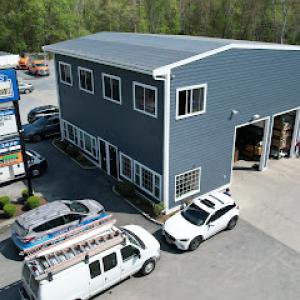
Marios Roofing
(781) 344-2420 mariosroofing.com
Serving
4.9 from 441 reviews
Since 2005, Mario’s Roofing has been providing high quality roofing services throughout southern Massachusetts. Over time we have expanded our services and now offer solutions to all your home improvement needs, inside and out. From a single window installation to a complete roofing replacement we have the tools and expertise to get each job completed correctly.
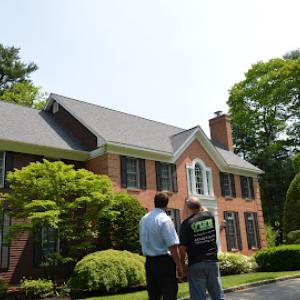
O'LYN Roofing
(781) 725-6795 www.olynroofing.com
Serving
4.8 from 494 reviews
O’LYN Roofing Contractors is a family-owned and operated roofing company that has provided the reliability and tradition of quality craftsmanship to New Englanders for over 50 years. We’re fully licensed and insured, professional roofers specializing in the most challenging and intricate roofing work. Whether it’s an elaborate Victorian, a historic renovation, or a sturdy cape, we take enormous pride in every project and have one of the highest customer referral rates in the industry.
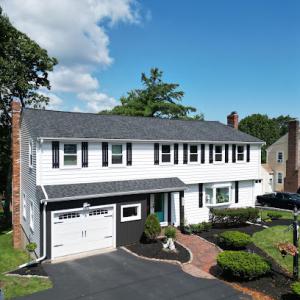
GN Exteriors
(781) 436-2234 randolph-ma.gnexteriors.com
Serving
5.0 from 71 reviews
GN Exteriors is a local leader among roofing companies in Randolph, MA, providing residential and commercial roof replacement, inspections, and roof repair for over 2 decades. Aside from roofing, we also offer solar panel sales, gutter installation, and vinyl siding in Randolph, MA, and nearby areas. With our high level of attention to detail and quality materials, you can rest assured you’re getting the best roof possible for your home or commercial building. We are a certified roofing crew with the following credentials: CertainTeed ShingleMaster, Owens Corning Preferred Roofing Contractor, and Velux Certified Skylight Installer.
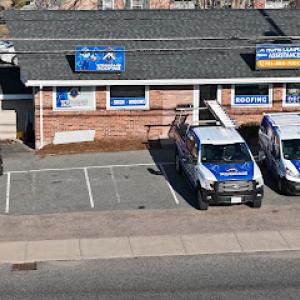
StormCare Roofing
(781) 885-7001 stormcareroofingma.com
Serving
5.0 from 106 reviews
At StormCare Roofing, we specialize in providing top-quality roofing and siding services to homeowners in Massachusetts. We have a 10 year labor warranty guarantee and emergency service available 24/7. With years of experience, we ensure every project is completed with the highest standards of craftsmanship and quality by our team. Whether you need a roof repair, full roof replacement, or new siding installation, we use the best materials to protect and enhance your property. Trust StormCare Roofing for reliable, efficient, and affordable roofing and siding solutions.
Legacy Modern Roofing & Siding
(857) 367-9633 legacymodernroofing.com
Serving
5.0 from 25 reviews
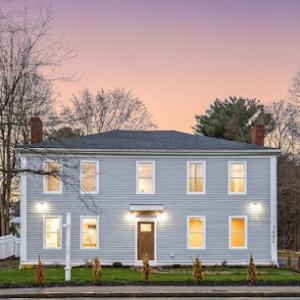
Legacy Modern Roofing & Siding is a trusted local contractor offering affordable, high-quality roofing and siding solutions. As experienced developers in the area, we understand the importance of providing services that are both dependable and attainable for homeowners. Whether it’s a full roof replacement or new siding installation, we combine modern craftsmanship with flexible financing—thanks to our bank partners, you can get a brand new roof for as low as $130/month or siding for just $200/month. Our mission is simple: to protect and elevate your home without breaking the bank.
Castro construction roofing & siding
(929) 525-8034 castroconstructionroofingandsinding.us
Serving
4.2 from 20 reviews
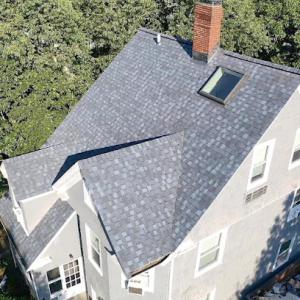
At Castro Construction Roofing & Siding, we offer top-tier residential and commercial roofing and siding services across Southeast Massachusetts including Avon, Walpole, and Stoughton. Our expert team is committed to delivering durable, aesthetically pleasing solutions tailored to your needs. From new installations to emergency repairs and preventive maintenance, we handle it all. Trust us for quality craftsmanship and free estimates. Reach out today and let us protect and beautify your property!
Brown Bros. Roofing
(781) 329-2895 www.brownbrosroofing.net
Serving
4.9 from 71 reviews
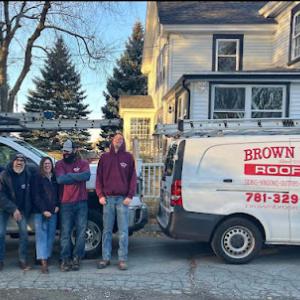
Your home is your castle and needs to be protected from the elements. Since 1932, homeowners have been turning to Brown Bros to keep their families safe and warm. You can trust our experienced contractors to do the job right on all roofing, gutters, siding, windows, and deck work. Give us a call or shoot us an email.
REI Roofing
Serving
5.0 from 215 reviews
Residential Exteriors, Incorporated (REI) is a fully licensed and insured contracting company specializing in the roofing industry. Owner, P. Nicholas Kazolias, of Quincy, Massachusetts is a second generation roofer committed to excellence in all of the trades. Since 2001, REI has been providing quality service to the entire South Shore and Greater Boston area. In addition to roofing we also provide siding repair and replacements, and replacement windows. We employ a highly trained staff of craftsmen and we use only the highest quality materials and guarantee all workmanship to ensure customer satisfaction with each and every project we complete.
Ferreira Exteriors
(781) 867-5580 ferreiraexteriors.com
Serving
5.0 from 90 reviews
If you are looking for quality Roofing, Skylight, Chimney, Gutters, Roofing Repairs, Roofing Tuneups, Moss Removal or Rubber Roofing work in SE MA., then Ferreira Exteriors is eager to be of service. We are Manufacturer Certified and have over 40 Years of Experience. We are local and family owned. Get in touch with us today and Ferreira Exteriors will gladly start you off with a free quote and consultation!
Kilraine & Son Roofing
(781) 762-7663 www.kilraineandsonroofers.com
Serving
5.0 from 16 reviews
Kilraine & Son Roofing is family- owned and operated roofing company that has been providing high quality roofing services for over 40 years. We pride ourselves on providing excellent workmanship, and affordable roofing solutions while keeping quality our top priority. We're fully licensed and insured roofers that work quickly and do the job right the first time. Whether you have a small cape or large victorian you can depend that you will receive the highest quality every time!
Sunrise Exterior
(877) 482-6261 sunriseexteriorllc.com
Serving
5.0 from 170 reviews
Sunrise Exterior is a fully insured and licensed roofing service. We work with everything between Roofing, Siding, and Gutters. We work very efficiently and diligently to give our customers exactly what they envision. We are very consistent at completing the task at hand that we can have it finished within a day or two. With over 25 years of experience you are sure to get the highest quality of work from our employees here at Sunrise. If you are in need of any of our services listed on our site, give us a call or send us an email.
Canton's dominant replacement market spans asphalt shingles, metal, tile, synthetic/composite, and slate, creating a wide local cost spread from budget re-roofing to premium heavy-roof systems. You'll see asphalt shingles moving a homeowner toward the lower end, while slate and concrete or clay tiles push the project into the upper tiers. In practice, the choice often comes down to the age and structure of the home, the roof's pitch, and how long you plan to stay in the house. For a typical Canton job, the cost per square reflects this spectrum: asphalt shingles generally land in the low-to-mid range, metal roofing sits higher, and tile or slate sits at the top. Synthetic or composite shingles provide a middle ground that often favors resilience in cold snaps without the premium price of natural tile or slate.
Cold-weather scheduling limits can compress replacement demand into narrower seasonal windows, which can affect labor availability and project timing. In winter, ice dam risk rises, and teams may need more staging, heat sources, or moisture management measures, all of which can shift final pricing and duration. If a project slides from late fall into early winter, expect labor to juggle weather-related delays and protective measures that safeguard interior spaces and existing flashing. This dynamic can be particularly pronounced for premium systems where additional underlayment, ventilation upgrades, or precise flashing transitions are part of the installation plan.
Asphalt shingles provide the most economical baseline, with a wide spread depending on shingle quality, underlayment, and tear-off needs. Metal roofing, while offering excellent durability in freeze-thaw cycles, drives a higher project cost but can reduce long-term maintenance. Clay or concrete tile introduces substantial weight and structural considerations along with higher material costs, and slate sits at the top end for both material and installation complexity. Synthetic or composite shingles can bridge the gap, offering good performance in cold weather with a more favorable price than natural tiles. Older homes common in this area often require closer attention to flashing transitions and ventilation updates, which can shift final Canton project pricing upward if upgraded detailing is necessary.
When budgeting, consider the roof's current condition, tear-off requirements, and the number of roof penetrations that demand precise flashing work. A plan for winter installation should include contingencies for weather-related delays and the possibility of staged work to protect interior spaces while crews address edge details and valley flashing. If the house features a steep pitch or complex geometry, expect elevated labor costs and longer timelines, particularly when winter constraints limit daytime work windows.
A full roof replacement requires a building permit issued by the Canton Building Department. The timing of this permit is heavily influenced by winter weather, snow build-up, and the town's inspection scheduling window. Before any tear-off begins, make sure the project plan aligns with local codes and seasonal constraints so the permit review can move forward without preventable delays.
Canton's final inspection process is used to verify installation compliance, including ventilation and flashing details. Incomplete contractor submissions can delay permit issuance or inspection timing, so paperwork readiness matters before tear-off begins. Gather all required documents-permit application, project scope, roof plan, ventilation details, and signed manufacturer instructions-and ensure contractor-and-trade confirmations are current. If a snow event interrupts the permit process, coordinate with the Building Department on an updated submission timeline to avoid losing a scheduled inspection slot.
Winter weather in this area brings freeze-thaw cycles that can affect when a roof can be installed and inspected. Plan around forecasted cold snaps and potential snow days, since inspections may be postponed if the adverse weather impacts safety or access to the site. Extensions or rescheduling are occasionally necessary after a winter storm, so communicate early with both the permit office and the contractor to keep the project on track.
Final inspections emphasize proper roof ventilation and flashing details, because those elements are crucial to long-term performance during repeated freeze-thaw cycles. Have durable attic ventilation verified (including intake and exhaust balance) and ensure batten and flashing installations meet the approved details. The inspector will verify nailing patterns, underlayment integrity, and correct boot or pipe flashings. A clean, accessible attic access, clear pathways around the eaves, and visible exterior clearance at eave and ridge lines help the inspection go smoothly.
Prior to removing the old roof, confirm the permit is active, all subcontractor licenses are on file with the town if required, and drawings reflect the actual install. Prepare a temporary protection plan for the structure and landscaping, especially near snowmelt channels and drainage. Keep a single contact point for questions during the permit and inspection window, and schedule the final inspection once the roof is installed and all ventilation and flashing details are in place.
Massachusetts homeowners in Canton generally rely on standard homeowners coverage for storm-related roof damage, but adjusters review roof condition and documentation closely. When a claim hits, expect questions about the current state of the shingles, flashing, and any visible leaks inside the attic or ceiling. The real work starts with clear, spring-cleaned evidence: dates of the event, photos from before and after, and notes about any temporary repairs you performed to slow further damage. In this market, a carrier will want a concise narrative that ties the weather event to the observed failures rather than a vague timeline of wear.
Carriers serving Canton may ask for photos, inspection findings, and material warranty information before approving replacement or reimbursement. Gather high-resolution images that show edge damage, ice damming patterns, or blown-off shingles, and keep a running file of professional assessments if you have them. Include any known issues with gutters or downspouts that could have contributed to the problem. If a prior inspection flagged vulnerabilities, reference those findings and how the current damage relates to them. A well-organized file can shorten review time and reduce back-and-forth requests, which matters when weather windows create delays.
Because Canton roof problems often involve a mix of winter deterioration and storm events, documenting the date and cause of damage is especially important for claims. The freeze-thaw cycle can worsen small weaknesses quickly, so note whether the problem began during a heavy storm, a rapid melt, or repeated freeze events. If you can, align your narrative with known storm dates and frost patterns typical for Norfolk County winters. When presenting your case, keep the story focused: the event(s), the observable damage, and the resulting leaks or interior impact. Honest, precise records help adjusters see the connection between weather, roof condition, and the resulting claim, reducing risk of disputes later on.
Asphalt shingles remain a practical fit for Canton because they align with the area's dominant re-roofing market and broad contractor availability. In neighborhoods with varied roof pitches and older framing, asphalt offers straightforward installation, good wind resistance, and reliable performance through freeze-thaw cycles. When choosing shingles, look for products rated for colder climates and strong underlayment to help manage winter moisture and potential ice dams. Local crews often recommend standard granule protection plus an ice-dam-resistant setup on roofs with lower slopes or minimal attic ventilation to reduce cold-weather edge leaks.
Slate and tile appear in the Canton material mix, but their weight, detailing, and repair complexity make contractor selection more specialized than for standard shingle work. Slate offers durability and a classic look, yet it demands sturdy roof framing and careful fastener design to handle freeze-thaw stress. Concrete tile and clay tile bring distinctive aesthetics, but heavier weights and complex flashing require experienced crews. For homes with long-term durability goals and superior weather sealing, slate or tile can be a strong option if the structure supports the load and a qualified craftsman can address seamless integration with existing gutters and vents.
Metal roofing is present in Canton's market and can appeal to homeowners prioritizing snow shedding and long-term durability in freeze-thaw conditions. Metal systems shed snow more predictably and resist ice dams when properly installed with appropriate underlayment and venting. They typically tolerate rapid temperature swings better than some composites, which can be advantageous during New England winters. However, metal requires precise flashing, fastening, and seam work, so choose installers with proven Canton-area experience to ensure that detailing around chimneys, skylights, and roof-to-wall transitions holds up under heavy snow loads.
Find specialists in TPO, EPDM, and built-up flat roofing systems for residential and commercial properties.
Able Roofing Company
(617) 327-7000 ableroofingcompany.com
Canton, Massachusetts
4.7 from 40 reviews
In this market, many contractors specialize in re-roofing rather than new construction, so when you interview firms you should evaluate tear-off experience and full replacement know-how first. Ask about how they handle deck protection, attic ventilation checks, and ice-dam risk reduction during the roof replacement. You want a crew that can mobilize efficiently, protect landscaping, and minimize disruption for an occupied home during Canton's winter-and-spring transition.
Quick response and thorough cleanup are major hiring priorities. Homeowners value fast leak handling and tight jobsite control to keep internal spaces dry as snow, ice, and thaw cycles hit. Look for a contractor who provides clear communication about scheduling windows, emergency calls, and a plan for staging materials so gutters and downspouts stay clear. A reliable crew should leave the site safer than they found it, with debris removed and areas swept at day's end.
Long-established, family-owned firms with a residential focus populate this area, offering predictable service style and accountability. Check how long the company has handled residential re-roofs, and whether the leadership remains locally oriented. Personal recommendations from neighbors who faced late-season replacements can be especially telling about responsiveness and cleanups during adverse weather.
Ask for recent Canton-area projects and references, confirm the crew size and lead on site, and request documentation of insurance and safety practices. Visit current jobs if possible, noting how tarp systems, edge protection, and debris containment are managed around occupied homes. Finally, compare written project timelines that show realistic weather contingencies for winter and early-spring conditions.
Winter-focused planning matters here because snow load, ice dams, and freeze-thaw cycles drive when crews can safely work. Ask about sequencing for snow-free days, snow removal rights, and temporary heat or enclosed work areas to prevent ice dams during delays. A Canton contractor should provide a realistic winter schedule, with contingencies for thaw and freeze cycles that influence moisture intrusion and insulation performance.