
Last updated: Apr 19, 2026
In Stoughton, cold winters bring heavy snow that sits on the roof, then melts and refreezes as temperatures swing. That freeze-thaw cycling aggressively works at shingle edges and underlayment, loosening tabs and pushing flashing against the decking. The result isn't just occasional curb appeal concerns-it's real vulnerability to leaks, accelerated wear, and the kind of attic heat loss that sneaks up your comfort bill. This is not a distant risk; it's the pattern you'll see year after year in older homes that were built to earlier standards and now contend with modern weather extremes. The problem compounds when gutters and downspouts don't drain properly, leaving meltwater to refreeze at the eave line and behind flashing, where it can back up under shingles and into soffits.
Shingle edges take the brunt of meltwater trying to move uphill against gravity during rapid warm spells. Ice dams force water to back up under the shingle tabs, lifting edges and loosening sealant. In residential roofs with aging flashing around vents, chimneys, and roof penetrations, these weak points start to shift and pull away from the deck. The movement is subtle at first-small gaps, loose nails, a telltale edge curl-but it compounds quickly with repeated freeze-thaw cycles. If you notice shingle lift, exposed fasteners, or errant water stains along the eaves after a thaw, you're already seeing the early signs of long-term damage that will worsen with another winter.
Replacement timing in Stoughton is commonly pushed into spring through early fall because winter snow and ice can limit safe roof access and disrupt tear-off schedules. That delay isn't harmless. It means a larger window where ongoing freeze-thaw cycles can continue to stress decking, vents, and drainage components. If a roof already shows heavy edge wear or recurring leaks, waiting through another winter increases the risk of interior damage and more extensive repairs later. Plan ahead for access, safety, and the ability to coordinate a full tear-off when ground conditions allow, rather than patching the symptom year after year.
First, maximize attic ventilation and ensure insulation is thick and continuous to reduce heat loss into the attic that feeds ice dam formation. A balanced vent strategy-combines soffit intake with ridge or high-side exhaust-keeps the roof colder at the eave where dams form and warmer higher up where snow melts can be managed more evenly. Clear gutters and downspouts so meltwater moves away from the house with proper drainage, and address any existing ice dams with careful removal that doesn't damage shingles or flashing. Check flashing around vents, chimneys, and skylines for movement or gaps; reseal or replace where flashing has pulled away or become brittle. Consider upgrading to more robust edge materials and underlayment that resist uplift and water intrusion, especially on older decking that has already seen years of freeze-thaw stress. The goal is to prevent the cycle from repeating itself: protect ventilation, reinforce drainage, and secure flashing before the next winter's load starts to push against the roof's seams.
Fall Nor'easters define the roofing season in this market, stitching together a wake of interrupted active jobs, delayed material deliveries, and partially opened roofs that become wind-driven rain targets within hours. Homes with aging decking or brittle underlayment feel the bite first, as gusts sweep through unsealed sections and push moisture into attic spaces before crews can seal the gap. The window between the forecast and the actual wind event is narrow, so when a storm is forecast, preparations must move at a neighborly pace: protect vulnerable areas, secure loose sheathing, and establish temporary covers where feasible. The risk isn't just rain; it's wind-driven rain that penetrates underlayment and accelerates ice dam formation once temperatures swing below freezing again. In practical terms, if a tarped area begins to whip loose or a vent flashing shows visible gaps, action must be taken immediately to prevent widespread interior leaks.
Spring storms compound the problem by layering moisture onto an already stressed roof. Replacement work during tear-offs leaves decks exposed and underlayment staging exposed to repeated wetting and drying cycles. Same-day dry-in becomes not a luxury but a necessity: the goal is to seal roof lines, vents, and edge details as the crew cuts and removes asphalt shingles or other coverings. When a tear-off coincides with a wet spell, every hour without a secure dry-in increases the odds of capillary intrusion, edge lift, or wind-driven shingle displacement. A well-planned underlayment strategy, paired with rapid roof cover during a lull in wind, can stop a minor storm from turning into a major leak before the crew returns for final installation. In this climate, the difference between a resilient repair and a recurring leak is timing and a deliberate staging sequence.
Local contractor activity paints a clear picture: when wind events hit, emergency repair and storm-damage work surge, and call volumes rise quickly as leaks appear in previously protected spaces. The market responds with expedited mobilization and rapid triage, but the influx also means scheduling pressure for homeowners and neighbors. If a wind event cracks open roof lines or exposes a vent stack to wind-driven rain, a swift temporary fix paired with a durable plan for a full repair becomes essential. The neighborhood understands that a small lag in response can translate into a larger interior consequence, especially on older homes with weathered decking or compromised attic ventilation.
Assess exposed edges, flashing, and ridge lines after any strong wind or Nor'easter passage. Reinforce or reseal flashing around chimneys, dormers, and vent stacks, and ensure underlayment seams are protected during any ongoing tear-off. For homes undergoing replacement, insist on a same-day dry-in plan with a clear sequence for tarping, decking protection, and secure fastening of all temporary coverings. If weather shifts abruptly, prioritize temporary weatherproofing over decorative finishes, and coordinate with a trusted local contractor who can mobilize quickly when a wind event threatens uncovered sections. Remember: proximity to the coast and the prevailing northwesterly winds make proactive, neighborly readiness the best defense against winter-ready leaks.
Find local contractors experienced in assessing and restoring roofs after hail, wind, and severe weather events.

Marios Roofing
(781) 344-2420 mariosroofing.com
1520 Washington St, Stoughton, Massachusetts
4.9 from 441 reviews
Since 2005, Mario’s Roofing has been providing high quality roofing services throughout southern Massachusetts. Over time we have expanded our services and now offer solutions to all your home improvement needs, inside and out. From a single window installation to a complete roofing replacement we have the tools and expertise to get each job completed correctly.
Castro construction roofing & siding
(929) 525-8034 castroconstructionroofingandsinding.us
Stoughton, Massachusetts
4.2 from 20 reviews
At Castro Construction Roofing & Siding, we offer top-tier residential and commercial roofing and siding services across Southeast Massachusetts including Avon, Walpole, and Stoughton. Our expert team is committed to delivering durable, aesthetically pleasing solutions tailored to your needs. From new installations to emergency repairs and preventive maintenance, we handle it all. Trust us for quality craftsmanship and free estimates. Reach out today and let us protect and beautify your property!

Legacy Modern Roofing & Siding
(857) 367-9633 legacymodernroofing.com
Serving
5.0 from 25 reviews
Legacy Modern Roofing & Siding is a trusted local contractor offering affordable, high-quality roofing and siding solutions. As experienced developers in the area, we understand the importance of providing services that are both dependable and attainable for homeowners. Whether it’s a full roof replacement or new siding installation, we combine modern craftsmanship with flexible financing—thanks to our bank partners, you can get a brand new roof for as low as $130/month or siding for just $200/month. Our mission is simple: to protect and elevate your home without breaking the bank.
StormCare Roofing
(781) 885-7001 stormcareroofingma.com
Serving
5.0 from 106 reviews
At StormCare Roofing, we specialize in providing top-quality roofing and siding services to homeowners in Massachusetts. We have a 10 year labor warranty guarantee and emergency service available 24/7. With years of experience, we ensure every project is completed with the highest standards of craftsmanship and quality by our team. Whether you need a roof repair, full roof replacement, or new siding installation, we use the best materials to protect and enhance your property. Trust StormCare Roofing for reliable, efficient, and affordable roofing and siding solutions.
Lema Construction
(508) 232-1194 www.lemaconstructioninc.net
Serving
4.7 from 42 reviews
Lema Construction has been serving Brockton, MA and South Shore homeowners since 2007 with expert roofing, siding, and gutter services. Our team is known for one-day roof replacements with same-day delivery of dumpsters and materials, making projects fast, efficient, and stress-free. We specialize in seamless gutters built on-site in any color, custom-fit to protect your home and enhance curb appeal. From durable siding installation to professional roof repair and replacement, we deliver quality craftsmanship, affordable pricing, and reliable service. As a trusted local roofing contractor, we take pride in protecting homes across Brockton, Stoughton, Randolph, Easton, Avon, and surrounding communities.
Sunrise Exterior
(877) 482-6261 sunriseexteriorllc.com
Serving
5.0 from 170 reviews
Sunrise Exterior is a fully insured and licensed roofing service. We work with everything between Roofing, Siding, and Gutters. We work very efficiently and diligently to give our customers exactly what they envision. We are very consistent at completing the task at hand that we can have it finished within a day or two. With over 25 years of experience you are sure to get the highest quality of work from our employees here at Sunrise. If you are in need of any of our services listed on our site, give us a call or send us an email.
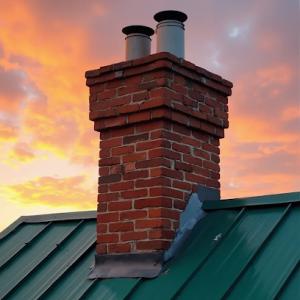
J&Q,Construction Inc,
(508) 436-0575 jqconstructionincma.com
Serving
5.0 from 25 reviews
At J&Q Construction INC, we are more than just a construction company - we are a team of passionate individuals dedicated to bringing your dream projects to life. With over 17 years of experience, we have built a reputation for excellence, quality, and reliability. Our commitment to delivering exceptional service and exceptional work sets us apart from the rest. Our team consists of highly skilled professionals who are driven by our core values of integrity, innovation, and diligence. From planning to completion, we ensure that every project is executed with precision and attention to detail. With our expertise in residential and commercial construction, we promise to turn your vision into reality.
Maynard Roofing & Sons/ 40 years in business
(508) 287-8623 www.mayardroofingandsons.com
Serving
5.0 from 9 reviews
Hand nail roofing company established in 1984 Maynard Roofing and sons is a professional locally owned family operated business, offering high quality work at competitive rates. We have been servicing the south shore and cape cod for almost 40 years. Estimates are free and we look forward to hearing from you.
MJY Construction
(866) 766-3637 mjyconstructionma.com
Serving
5.0 from 151 reviews
MJY Construction is a roofing contractor in Brockton, MA serving Avon, Holbrook, Randolph, Whitman, Abington and nearby areas. Our roofing company offers residential roofing, commercial roofing, residential roof repair, chimney services, and more. Customers love us because of our comprehensive roof warranties and our affordable roof financing options. We also have industry affiliations and certifications such as CertainTeed Select Shingle Master, Velux Certified, GAF Certified, Owens Corning Preferred Contractor and many more. If you want to experience how your most trusted Brockton roofing company embraces our motto "One Call Does It All", call us now for a free estimate!
SUNGAZE home improvement
(508) 484-4912 sungazeroofing.com
Serving
5.0 from 37 reviews
Sungaze Home Improvement in Brockton, MA, is your trusted roofing company, offering a wide range of services from repairs to complete renovations. With a commitment to excellence, we ensure that your home improvement project is handled with care and craftsmanship. Contact us today for quality roofing solutions that you can rely on.

REI Roofing
Serving
5.0 from 215 reviews
Residential Exteriors, Incorporated (REI) is a fully licensed and insured contracting company specializing in the roofing industry. Owner, P. Nicholas Kazolias, of Quincy, Massachusetts is a second generation roofer committed to excellence in all of the trades. Since 2001, REI has been providing quality service to the entire South Shore and Greater Boston area. In addition to roofing we also provide siding repair and replacements, and replacement windows. We employ a highly trained staff of craftsmen and we use only the highest quality materials and guarantee all workmanship to ensure customer satisfaction with each and every project we complete.
Ferreira Exteriors
(781) 867-5580 ferreiraexteriors.com
Serving
5.0 from 90 reviews
If you are looking for quality Roofing, Skylight, Chimney, Gutters, Roofing Repairs, Roofing Tuneups, Moss Removal or Rubber Roofing work in SE MA., then Ferreira Exteriors is eager to be of service. We are Manufacturer Certified and have over 40 Years of Experience. We are local and family owned. Get in touch with us today and Ferreira Exteriors will gladly start you off with a free quote and consultation!
Asphalt shingles are the dominant practical choice for homes with typical Stoughton rooftops. They strike a reliable balance between upfront cost and long-term performance in the town's cold, freeze-thaw winters and humid summers. For many older houses in the area, asphalt can be matched to historic color accents and roof lines without overwhelming the budget. When you're evaluating a re-roof, focus on a shingle with good frost resistance and a strong granule finish to withstand repeated freeze-thaw cycles. Look for a product with a solid warranty and an installer who understands proper underlayment and attic ventilation to keep attic temperatures from driving additional ice dam risk.
Metal roofing is present in the local market and can help with snow shedding, a real advantage during Nor'easter season. The quick shedding helps reduce snow load on the eaves, which matters when ice dams form. However, installation quality around fasteners, trim, and condensation control matters in freeze-thaw conditions. In Stoughton, ensure you choose a metal panel profile with reliable edge detailing and a well-sealed starter and flashing kit. A contractor who coordinates venting and insulation at the same time as the metal panels will help minimize cold spots that contribute to condensation and ice buildup. For homes facing long, windy exposures, a properly sealed metal roof can stay durable through many winters if placed on a solid deck and with careful gutter and drip edge integration.
Slate, clay tile, synthetic/composite, and fiber cement appear in the local material mix, which means you may be weighing historic-style durability against structural load, repair complexity, and budget. Slate and clay tile offer authentic look and longevity, but their weight often requires structural reinforcement and careful drainage planning-more planning for older homes that were never built to carry heavy loads. Synthetic/composite shingles provide a compromise: lighter weight than slate or clay, with realistic aesthetic cues and good freeze-thaw performance if installed with proper underlayment and ventilation. Fiber cement shingles bring a middle ground in durability and resistance to weathering, with manageable weight and a broader color palette.
When weighing options, investigate how each material handles cold snaps and slush on the roof edge. Ask about underlayment type, attic ventilation, and how the installer plans for drainage and ice dam mitigation. Review the fastener layout and flashing details, particularly around chimneys, vents, and skylights, to ensure you won't invite leaks during a harsh winter. For a home with historical features, explore whether a material can emulate the look you want while still offering dependable performance under Stoughton's freeze-thaw conditions. Choosing a system that respects both the local climate realities and the house's structural needs will pay off in fewer problems after the snow flies.
Typical pricing runs about $350 to $650 per square for asphalt shingles, $700 to $1200 for metal, $1500 to $3000 for clay tile, $450 to $800 for synthetic/composite, $2000 to $4000 for slate, and $500 to $900 for fiber cement. Those figures reflect the climate-driven realities of aging roofs on older homes, where a straightforward shingle swap can quickly become a more involved project if damaged decking or venting elements are found during the process. In this market, a straightforward shingle replacement is usually the most economical path, but the options above cover the main material categories homeowners near the South Shore consider when winter wear has left telltale signs of frost damage, ice dam potential, or visible wear along eaves and rake edges.
Costs in this area can rise when winter damage compresses spring scheduling, because many homeowners wait for safer spring-through-fall installation windows after snow season. When spring arrives and melt cycles begin, crews can book up quickly, and delays can push the overall project into peak demand periods. That dynamic can translate into short-term price shifts or expedited scheduling charges if a contractor needs to secure a slot between ongoing jobs. If you're weighing options, plan for a longer lead time after winter if you want to lock in a preferred material and color, and prepare for potential weather-related hold-ups that can stretch timelines without changing the base material price.
A full re-roof may trigger attention to decking condition, venting, and drainage details rather than just shingle replacement. Decking that shows rot, soft spots, or widespread weathering adds expense because it requires removal, repair, and possible reinforcement before new roofing can be installed. Venting and drainage considerations-such as properly configured exhausts, ridge vents, and ice-damming prevention measures-also affect final pricing. When a contractor reviews the job, expect a careful assessment of these elements in addition to the shingles themselves. Even with a clear plan, be prepared for a final price that reflects both material choice and the extra work needed to ensure long-term performance against freeze-thaw cycles and Nor'easter winds.
Get a clear picture of your project costs upfront - no commitment required.
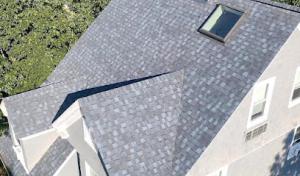
Castro construction roofing & siding
(929) 525-8034 castroconstructionroofingandsinding.us
Stoughton, Massachusetts
4.2 from 20 reviews
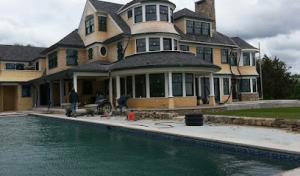
Maynard Roofing & Sons/ 40 years in business
(508) 287-8623 www.mayardroofingandsons.com
Serving
5.0 from 9 reviews
In this town, full re-roofs typically require a Building Permit from the Building Department before any shingle or metal work starts. The permit is not granted automatically; it hinges on a careful review of the plans and a payment of the associated fees. The department may request documentation that the chosen contractor holds the appropriate licensing, so having that on hand early helps prevent delays that could push a project into the harsher parts of winter. If the project moves forward without the permit, the consequences can include stop-work orders and potential code compliance issues that complicate future repairs or resale.
When the permit is under consideration, expect a review that focuses on venting, decking integrity, and drainage strategy-elements that matter for freeze-thaw cycles and Nor'easter winds. The town's inspectors want assurance that the roof assembly will perform under Stoughton's climate realities, including ice dam risks and proper ventilation to minimize condensation that can compromise decking over time. The department may require proof that the contractor holds current licensing and any other credentials applicable to the scope of work. Having a licensed contractor documented in the file helps keep the timeline smooth and reduces the chance of the permit being delayed or denied.
Inspections are scheduled during the course of the project and again after completion. These inspections serve as checks that the installed materials, venting layouts, and drainage setups align with code expectations and the specific conditions of the older housing stock present in town. Expect reviewers to look closely at whether eaves and soffits allow adequate airflow, whether attic and roof deck ventilation meets minimums, and whether drainage channels and downspouts will reliably move meltwater away from the home.
A final inspection is required to close the permit. If anything documented during the review or on-site inspection is not up to par, the inspector will outline corrective steps. Completing these promptly helps avoid lingering permit status or unused approvals that could complicate future maintenance or renovations. In a neighborhood where ice dams and winter wear are common, final clearance often hinges on demonstrated attention to venting efficiency, decking condition, and robust drainage.
Massachusetts insurers serving Stoughton generally expect standard wind and hail claim documentation, including contractor estimates, photos, and permit-related records when applicable. In practice, that means you should gather a clear, dated set of materials that connect the event to the roof itself rather than to unrelated wear. Photos should show both the damaged area and the surrounding context, while a professional estimate should itemize the work and connect findings to typical weather-driven causes rather than routine aging.
In Stoughton, roof age and pre-loss condition can strongly affect claim outcomes because adjusters often scrutinize whether damage is storm-related or tied to wear from freeze-thaw aging. Freeze-thaw cycles are not shy about showing up on older decking and underlayment, and that nuance matters when a claim is evaluated. If the roof has existing issues such as prior leaks or soft spots, the adjuster may view the damage as part of ongoing deterioration rather than a discrete event, which can influence settlement decisions.
Older roofs can also affect underwriting and renewal decisions in this market, which can push homeowners toward replacement even when repairs seem possible. Because Nor'easter winds and harsh winters stress flashing, vents, and drainage, insurers may view continued upkeep as risky if the structure shows long-term wear. Understanding that distinction-between an acute, storm-driven failure and chronic, weather-age-related wear-helps a homeowner approach claims more strategically and align expectations with what the insurer is likely to consider.
Connect with contractors who help homeowners navigate the claims process from damage assessment to final approval.
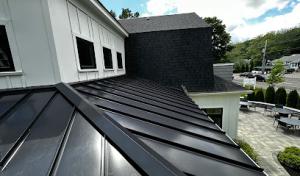
In this area, skylights are a frequent source of trouble once freeze-thaw cycles begin to stress a roof. Local contractors note that leak troubleshooting often extends beyond field shingles to where skylights meet the deck. Look for signs of condensation around the flashing, raised nails, or worn sealant around the curb. Freeze-thaw movement can widen gaps between the skylight base and roofing, inviting water intrusion during Nor'easter rain events. If moisture shows up near the skylight during a thaw, don't assume a simple sealant fix will hold through another winter. A staged approach-remove the skylight flashing, re-flash with a compatible seal, and verify the curb interface with proper shingle integration-often saves a larger re-roof later. Inspect the surrounding decking for soft spots or signs of prior patching, as these hint at more extensive water exposure that will drive decisions about repair versus replacement. When the penetration is older, upgrading to a self-sealing membrane at the skylight base can provide a durable barrier against repeated cycles.
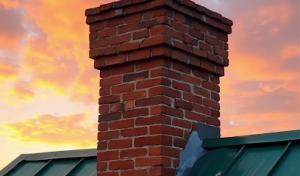
Chimney flashing is a common sticking point because transitions can loosen with wind-driven rain and continual freeze-thaw movement. Local work shows that chimney-to-roof joints tend to fail at the step flashing where the brick and roof meet, and at the counter-flashing where the chimney cap sits. Look for rust stains, calcium buildup on the flashing, or hairline cracks along the mortar line that align with water tracks. A small area of misalignment can allow significant leakage when wind direction shifts or when heavy rain accompanies a thaw. In many cases, the deciding factor between a targeted repair and a full re-roof is how well the chimney flashing has held up relative to surrounding decking. If decking shows moisture staining or delamination near the chimney, plan for more extensive attention rather than a patch job that only touches the surface. For those with aging chimneys, upgrading to a reinforced flashing system and ensuring a tight seam with the surrounding shingles is a wise step to weather the next winter.
Find contractors experienced in skylight installation, flashing, and leak repairs to bring natural light into your home.
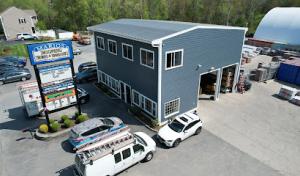
Marios Roofing
(781) 344-2420 mariosroofing.com
1520 Washington St, Stoughton, Massachusetts
4.9 from 441 reviews
In this market, you'll notice many long-established, family-owned firms alongside manufacturer-certified crews. Look for a contractor with solid local roots and a track record of completed projects on similar Stoughton homes. Tenure often signals familiarity with common local issues-ice dams, freeze-thaw wear, and how crews handle older decking and ventilation concerns. Ask for a short list of Stoughton projects and for references you can verify. A familiar name that stands by its work and offers a meaningful warranty can save headaches when leaks or wind-driven debris occur after a storm.
The quick-response expectation matters here. A contractor should confirm availability for emergency calls, coordinate debris containment, and protect landscaping during roof removal and installation. On a windy Nor'easter day, you want a crew that covers mature shrubs, keeps gravel and nails off driveways, and cleans gutters and the yard before leaving. When you reach out, note how promptly the team returns calls, whether they provide a written schedule, and how they communicate any weather-related delays. The way a company handles cleanup-including evidence of tarping as needed and a thorough final cleanup-speaks to their respect for your property and your time.
Homeowners in this area often value firms that can explain the installation sequence in plain terms and align it with the typical Stoughton weather cycle. Manufacturer-certified crews bring knowledge of the materials you're considering and the nuances of system compatibility with existing ventilation and deck substrates. Compare how they present warranty coverage, what parts of the roof are covered, and how service calls are handled. The best choice balances solid local reputation, clear communication, and a warranty backed by a company that has stood the test of time in the neighborhood.