
Last updated: Apr 19, 2026
Randolph sits in eastern Massachusetts where Nor'easters combine wind-driven rain, wet snow, and rapid temperature swings that stress shingles, flashing, and roof edges. The recurring freeze-thaw cycle gnaws at asphalt shingles and their underlayment, turning small defects into leaks after a thaw. Shingles with curling edges, missing granules, or soft spots lose their protective layer far quicker than a calm day would suggest. The risk isn't just about a single storm; it's about the cumulative battering from New England winters that leaves roofs vulnerable to wind-driven rain and ice damming at the eaves. If the roof is older, every cresting wave of a Nor'easter can push moisture deeper into fasteners and flashing transitions, where failure begins.
Massachusetts freeze-thaw cycles are a primary local aging factor because trapped moisture can expand at shingle tabs, around fasteners, and at flashing transitions after winter storms. In Randolph, wind-driven rain from Nor'easters can push water under loose shingles and along edge trim, while rapidly fluctuating temperatures cause contraction and expansion that loosen nails and loosened joints. Gutters, valleys, and chimney flashing become high-risk zones where a single storm can flip a minor seep into a visible leak. The seasonal rhythm matters: storms in late winter and early spring often reveal hidden damage that winter storms masked, making timely detection critical for preventing interior damage.
Look for granule shedding in the gutter after a heavy freeze-thaw cycle, or shingle tabs that lift or curl at the corners. Dark streaks on ceilings or walls near corners, around chimneys, or where roof lines meet walls indicate moisture intrusion. Widespread staining along fascia boards, missing flashing sealant, or rust on metal edge trim signals flashing turnover issues that won't heal on their own. If the attic shows sudden temperature-driven condensation, especially after a thaw, that's a red flag. Aging roofs in this climate often reveal leaks first in the weakest zones: near valleys, around dormers, and at roof-to-wall intersections.
In Randolph, project timing matters because winter snow and ice can pause tear-offs while spring storm patterns can delay dry-in and rescheduling. A delayed tear-off means your roof remains vulnerable to another round of storms, which can compound damage and push interior moisture deeper into the ceiling and wall assemblies. Scheduling needs to account for drying days after removal and the window for installing underlayment and final shingles before the next cold snap. With Nor'easter season concentrated in late winter and early spring, plan for a tight sequence: winter weather can force a sudden pause, so align trusted crews for a swift follow-up.
Begin with a rapid interior check for signs of active leaks, especially around ceilings under attic lofts and near any external protrusions. If shingles show curling, missing granules, or exposed fasteners, treat the roof as compromised and seek a professional evaluation promptly. Ask for a targeted inspection focusing on flashing transitions, eave details, and valley protection. When a contractor identifies vulnerable zones, prioritize resealing and edge protection to curb moisture ingress during thaw cycles. For ongoing winters, consider reinforcing vulnerable edges and ensuring proper attic ventilation to minimize condensation buildup. In this climate, proactive steps taken now reduce the risk of expensive, disruptive water damage later.
In Randolph, asphalt shingles are the dominant practical choice, aligning with the suburban housing stock and the strongest concentration of local contractor specialization. The typical roof cycles through multiple Illinois-style winters with freeze-thaw, and Nor'easter exposure that drives careful reroof timing and leak response. Asphalt shingles hold up well to the seasonal stress, are familiar to local crews, and install quickly without changing roof geometry or existing underlayment routines. For most mid-sized homes in this area, a standard asphalt reroof delivers reliable performance and straightforward maintenance, which helps neighborhoods stay together visually and functionally after big winter storms.
Metal roofing is present in the Randolph market but remains a smaller specialty segment. Because installer selection matters more with metal, the choice should hinge on local contractor depth and proven track records with metal systems. If a home has unusual roof lines, shallow slopes, or a desire for extended life with a metal option, a careful contractor hand-picks panel profiles, fasteners, and coatings. In these cases, a metal roof can offer excellent wind resistance and a long service life, but the project benefits most from installers who routinely handle metal and can provide a seamless integration with existing attic ventilation and drip-edge details.
Heavy materials such as slate, clay tile, and concrete tile do exist in the market, but they are less typical fits for mainstream reroofs in Randolph. The local climate's freeze-thaw cycle and Nor'easter exposure amplify the importance of proper roof structure and drainage, and these heavier options demand careful evaluation of roof framing, spacing, and deck condition. If a home already carries a tile or slate aesthetic, a retrofit may be possible, but it requires a precise structural assessment and a compatible underlayment strategy to prevent ice damming and leakage during harsh winters.
Start by verifying the age and current condition of the existing roof deck, and inspect for warped decking or prior ice dam damage. Evaluate attic insulation and ventilation to minimize future freeze-thaw stress and reduce condensation risks in the attic space. When considering replacements, prioritize shingles or metal systems that local crews can install confidently with standard drainage and flashing details. For metal, insist on a proven local installer who can demonstrate successful projects on similar Randolph homes and provide a clear plan for integration with gutters, dormers, and chimney penetrations. For asphalt, confirm that the selected shingle line matches typical Randolph weather patterns and offers robust impact and wind resistance suitable for Nor'easter exposure.
When planning a reroof in this area, the price you see will hinge on the material choice within the regional ranges provided. Asphalt shingles top the affordable end, roughly 350 to 700 USD per square. Metal roofing sits higher, about 650 to 1300 USD per square. If clay or concrete tile is appealing, expect 900 to 2000 USD per square for clay and 750 to 1400 USD per square for concrete. For premium appearances or longevity, slate spans roughly 1400 to 3000 USD per square, while fiber cement shingles run about 500 to 900 USD per square. In a typical South Shore housing stock mix, many homes lean toward asphalt for initial cost familiarity, with tile and slate reserved for higher-end or long-term value projects. Local decisions often trade initial outlay for longer-term durability under freeze-thaw cycles and Nor'easter exposure.
Randolph reroofs can swing in cost and schedule when severe weather presses across eastern Massachusetts after Nor'easters or during a late-spring storm stretch. Scheduling pressure affects labor availability and dry-in urgency, which can push both material and labor charges upward for a window of days or weeks. In practical terms, expect prices to drift toward the upper end of the chosen material band if a back-to-back storm season compresses the typical work calendar. Contractors who can stay ahead of the weather and secure shingle stock promptly tend to keep project timelines tighter and costs steadier than those juggling winter pushes.
The freeze-thaw pattern and winter moisture in Randolph place a premium on achieving a solid dry-in quickly after removal of the old roof. That urgency naturally nudges some homeowners toward faster-install options, such as asphalt, to reduce the exposure window and minimize bid complexity during a tight schedule. Conversely, if a home already has a structure deserving of a longer-term solution-like metal, tile, or slate-property owners might tolerate a longer dry-in phase if the anticipated payoff in durability and energy performance aligns with the broader project goals. The key is balancing immediate protection with long-term value, knowing that the weather-driven calendar can compress or extend the project timeline and influence unit costs accordingly.
The dense suburban housing stock common in Randolph means roofs often present access challenges, overhanging trees, and shared wall or ridge lines during work. Those logistical factors can nudge quoted prices within each material band, particularly for larger or multi-slope roofs. A contractor who can sequence crews efficiently and stage materials with minimal on-site disruption usually stays closer to the lower end of the band for that material, while complex layouts or limited staging areas may push costs up. In all cases, plan for a practical balance between reliable dry-in timing, weather risk, and the chosen material's long-term performance in this climate.
Get a clear picture of your project costs upfront - no commitment required.
GN Exteriors
(781) 436-2234 randolph-ma.gnexteriors.com
900 N Main St, Randolph, Massachusetts
5.0 from 71 reviews
GN Exteriors is a local leader among roofing companies in Randolph, MA, providing residential and commercial roof replacement, inspections, and roof repair for over 2 decades. Aside from roofing, we also offer solar panel sales, gutter installation, and vinyl siding in Randolph, MA, and nearby areas. With our high level of attention to detail and quality materials, you can rest assured you’re getting the best roof possible for your home or commercial building. We are a certified roofing crew with the following credentials: CertainTeed ShingleMaster, Owens Corning Preferred Roofing Contractor, and Velux Certified Skylight Installer.
Able Roofing Company
(617) 327-7000 ableroofingcompany.com
Serving
4.7 from 40 reviews
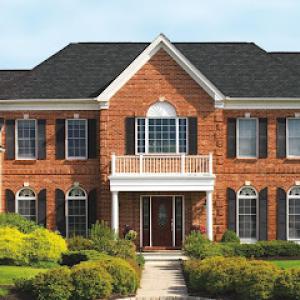
ABLE ROOFING has been providing superior, high-quality service to families and businesses in the greater Boston area. Now in our 4th generation as a family-owned business, Able Roofing offers a wide selection of professional services, including the installation and repair of roofs, siding, gutters, doors, windows and decks.
StormCare Roofing
(781) 885-7001 stormcareroofingma.com
Serving
5.0 from 106 reviews
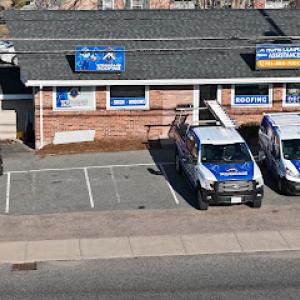
At StormCare Roofing, we specialize in providing top-quality roofing and siding services to homeowners in Massachusetts. We have a 10 year labor warranty guarantee and emergency service available 24/7. With years of experience, we ensure every project is completed with the highest standards of craftsmanship and quality by our team. Whether you need a roof repair, full roof replacement, or new siding installation, we use the best materials to protect and enhance your property. Trust StormCare Roofing for reliable, efficient, and affordable roofing and siding solutions.
REI Roofing
Serving
5.0 from 215 reviews
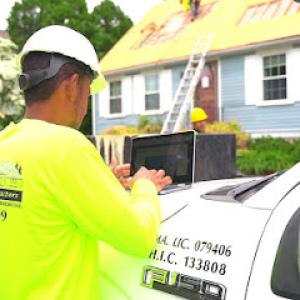
Residential Exteriors, Incorporated (REI) is a fully licensed and insured contracting company specializing in the roofing industry. Owner, P. Nicholas Kazolias, of Quincy, Massachusetts is a second generation roofer committed to excellence in all of the trades. Since 2001, REI has been providing quality service to the entire South Shore and Greater Boston area. In addition to roofing we also provide siding repair and replacements, and replacement windows. We employ a highly trained staff of craftsmen and we use only the highest quality materials and guarantee all workmanship to ensure customer satisfaction with each and every project we complete.
Legacy Modern Roofing & Siding
(857) 367-9633 legacymodernroofing.com
Serving
5.0 from 25 reviews
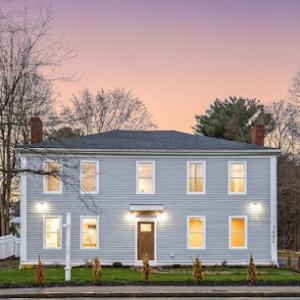
Legacy Modern Roofing & Siding is a trusted local contractor offering affordable, high-quality roofing and siding solutions. As experienced developers in the area, we understand the importance of providing services that are both dependable and attainable for homeowners. Whether it’s a full roof replacement or new siding installation, we combine modern craftsmanship with flexible financing—thanks to our bank partners, you can get a brand new roof for as low as $130/month or siding for just $200/month. Our mission is simple: to protect and elevate your home without breaking the bank.
Marine Home Improvement & Roofing
(781) 384-2021 www.marinehomeimprovement.com
Serving
5.0 from 31 reviews
Marine Home Improvement offers roofing, siding, decking, and window installations since 1999. Our dedication to craftsmanship and attentive customer service has resulted in a stellar 5 star average rating across platforms.
Associate Roofing
(781) 848-4222 www.associateroofing.com
Serving
4.9 from 147 reviews
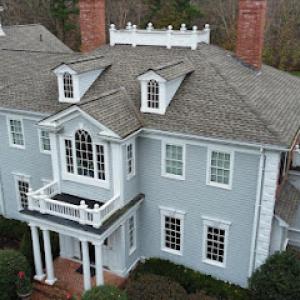
We specialize in roof replacements, repairs, and storm damage restoration, using only the highest-quality materials to ensure lasting results. But it’s not just about the work—it’s about the experience.
Marios Roofing
(781) 344-2420 mariosroofing.com
Serving
4.9 from 441 reviews
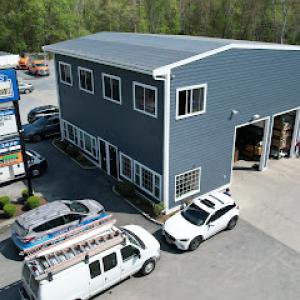
Since 2005, Mario’s Roofing has been providing high quality roofing services throughout southern Massachusetts. Over time we have expanded our services and now offer solutions to all your home improvement needs, inside and out. From a single window installation to a complete roofing replacement we have the tools and expertise to get each job completed correctly.
Evergreen Exteriors
(617) 460-2792 evergreenexteriorsma.com
Serving
5.0 from 29 reviews
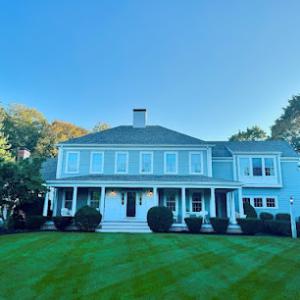
At Evergreen Exteriors, a third-generation, family-owned business, we specialize in expert roofing, siding, window, and deck services for both residential and commercial properties across the South Shore, Cape Cod, and surrounding areas. Whether you’re planning a full exterior renovation or need a quick repair to protect your home, our team is dedicated to delivering top-quality craftsmanship, honest communication, and reliable results you can count on. Your home deserves nothing but the best. That’s why we approach every project as if it were our own—meticulous in detail, uncompromising in quality.
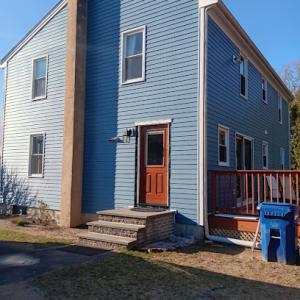
Loja General Construction
(978) 875-6088 lojageneralcontractor.com
Serving
4.9 from 29 reviews
Loja General Construction is a residential and commercial roofing specialist in Brockston and other Massachusetts counties. We offer roof replacement, roof cleaning, maintenance and emergency repair services. With more than 20 years of experience working in the state of Massachusetts. If you need an expert roofing contractor, call us now!
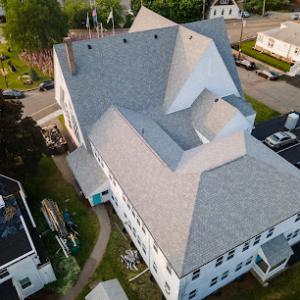
Rainbow Roofing & Siding
(617) 471-2999 rainbowroofingsiding.com
Serving
5.0 from 15 reviews
When it comes to Roofing Company, Roofing Contractor, Siding Services and more, no one compares to Rainbow Roofing & Siding. With years of combined experience, Rainbow Roofing & Siding has worked hard to build the trust of our clients in Quincy and surrounding areas. Visit our website to learn more or better yet, call us today!
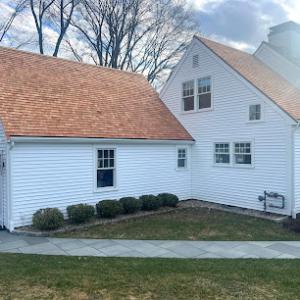
Portanova Roofing
(617) 331-5815 www.portanovaroofing.com
Serving
4.9 from 107 reviews
Portanova Roofing, located at 110 King Ave, Weymouth, MA, specializes in expert roof repair, roof installation, and roof replacement services for residential clients throughout the Boston area. Founded by fifth-generation master roofer Ken D. Portanova, we blend meticulous craftsmanship with competitive pricing, making us a top “roofing contractor near me” in cities like Braintree, Quincy, and Weymouth. Our services include rubber roof replacement, architectural shingle installations, and energy-efficient roof restoration solutions. As a certified CertainTeed SELECT ShingleMaster and Owens Corning Preferred Contractor, we ensure high-quality materials and superior workmanship. Call us today for a free consultation!
In this area, a full reroof usually triggers a building permit rather than being treated as informal maintenance work. That means the project isn't something you can slide through under the radar; the local building department expects a formal process. The permit is issued after submitting basic project details, so you should confirm the exact scope before any tear-off begins. If the plan changes mid-course-say you switch from asphalt shingles to a metal roof or adjust ventilation details-update the permit application promptly. Getting the scope locked in up front helps avoid delays once the crew pulls off the old roof and prepares the deck for the new install.
Randolph's process emphasizes clear communication about what is happening on the roof. When you prepare your submission, include the proposed roofing materials, underlayment type, venting plan, and any attic insulation changes. This information guides the inspector in verifying code compliance and prevents back-and-forth during the actual install. Because winter conditions and Nor'easter exposure influence how a roof is chosen and installed, detailing wind-resistance ratings and venting specifics becomes particularly important. The department will review these items to ensure proper attic ventilation, which is critical for preventing ice damming and premature shingle aging as temperatures swing between freezing and thawing.
Randolph requires a completion inspection to verify proper installation and ventilation. The inspector will look for a sound deck, correct underlayment, and that the roof vents and soffit intakes are functioning as designed. Proper alignment of shingles or panels, correct fastening patterns, and flashing at valleys, chimneys, and vent pipes all come under scrutiny. Since the local climate routinely throws freeze-thaw cycles and Nor'easter winds, the inspector will specifically assess moisture barriers and ventilation performance to minimize heat buildup and moisture intrusion inside the attic. Plan the inspection after the majority of interior finishing is complete and the exterior is fully weather-protected; heavy rain or snow can complicate access and inspection timing.
Inspection timing can vary depending on department backlog. In periods of high activity-common after winter storms or early spring thaw-expect potential delays between the roof completion and the final inspection. It helps to coordinate with the contractor to align tear-off completion, material deliveries, and venting verification so that the inspector has a clear window to review. If any deficiencies are noted during the inspection, address them promptly and document the corrections, as re-inspection typically follows the same process. Keeping conversations with the building department and the contractor transparent reduces the risk of rework and keeps the project on track for a timely final approval.
After a Nor'easter and the freeze-thaw cycles that hammer aging shingles, wind and hail claims in this area are usually considered, but insurers scrutinize the roof's age and overall condition more than for newer homes. If the roof has seen several winters of heavy use, expect questions about whether preexisting wear contributed to the damage. The insurance company will rely on documentation to separate storm-driven damage from normal deterioration, so clear evidence matters. A homeowner should anticipate a careful review rather than an automatic acceptance of the claim.
Following regional storm events, insurers commonly ask for contractor estimates and photo documentation before adjusting roof claims. In practice, that means having visible, dated photos of the affected areas and a detailed written estimate from a licensed contractor who can identify specific storm-related issues-loose shingles, curling edges, dented flashing, or compromised underlayment. If the damage is scattered, a professional assessment can help establish a plausible link to the event. This is especially true for older roofs, where the line between storm damage and aging wear can blur.
Massachusetts claim outcomes can be affected by depreciation and by insurer requirements for older roofs, so Randolph homeowners should document damage before temporary repairs conceal it. If parts of the roof show long-standing wear, the insurer may apply depreciation to the loss or request evidence that the storm caused a discrete, replacable failure rather than ongoing decline. To protect the claim, avoid covering up damage with quick fixes that obscure the true extent. Transparent, ongoing documentation of the storm's impact helps establish the severity and timing of the damage.
When a Nor'easter hits, start with careful, time-stamped photos of all affected areas from multiple angles, plus close-ups of any lifted shingles or damaged flashing. Keep a log of dates when you first noticed leaks or moisture intrusion. If temporary measures are needed, use proper coverings that reveal the original condition rather than hiding it, and photograph the covered areas. Communicate openly with the insurer, providing the contractor's written assessment and any supplemental pictures promptly. This approach helps prevent surprises in the adjustment and supports a fair resolution.
Connect with contractors who help homeowners navigate the claims process from damage assessment to final approval.
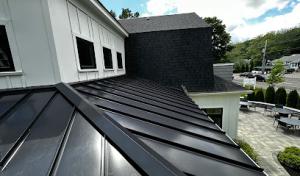
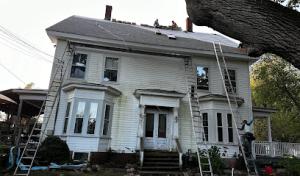
Randolph's contractor market shows meaningful demand for skylight work, and your roof's risk profile changes when you add penetrations. Start with a careful assessment of each skylight's surrounding flashing. In winter, freeze-thaw cycles push through sealants and edge flashing, so check for hairline gaps around the curb and along the base flange. If you notice any condensation or staining inside the attic near a skylight, investigate from the exterior first-missing flashing or improper slope around the curb often leads to leaks after Nor'easters. When planning replacements or upgrades, consider a roof-penetration layout that keeps skylights away from heavy wind exposure and overhangs that channel rain onto the sealant joints. Seasonal checks after storms help catch small issues before they become big leaks.
Chimneys are a common exterior focal point in the local landscape, and this matters because flashing transitions are vulnerable during freeze-thaw cycles and wind-driven rain. Begin with the sill and step flashing where the chimney meets the roof. Look for loose or corroded metal, gaps at mortar joints, and warped caulk lines. If you see efflorescence or dried mortar dust on the roof surface near the chimney, that signals moisture intrusion that can travel under shingles. Repointing the chimney footing and resealing the flashing edges often cures recurring leaks, but matching the flashing color and material to the surrounding roof helps keep the appearance clean and durable through successive winters. For larger chimneys or complex intersections, a professional should verify that the counter-flashing intersects properly with the roof plane to avoid wind-driven rain entry.
Flat and low-slope roofing is an active specialty in Randolph, even with a largely residential stock, so additions, porches, and mixed rooflines deserve separate inspection from the main pitched roof. Pay attention to valleys, transitions to gutters, and any purlins or flashings that traverse low surfaces. These areas are most prone to ponding water, which accelerates deterioration of underlayment and edge details during freeze-thaw. When a project adds a new section or remodels an attachment, have the contractor review all penetrations and transitions for proper drainage and sealant compatibility. If a low-slope patch or new porch roof ties into an existing system, insist on a dedicated water control plan that addresses both rain and melting snow paths to prevent hidden leaks.
Find contractors experienced in skylight installation, flashing, and leak repairs to bring natural light into your home.
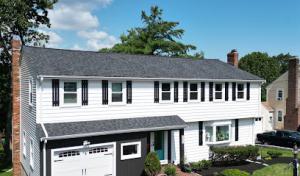
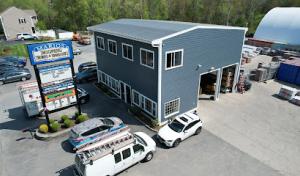
GN Exteriors
(781) 436-2234 randolph-ma.gnexteriors.com
900 N Main St, Randolph, Massachusetts
5.0 from 71 reviews
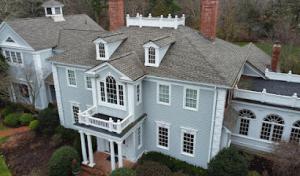
In a market that leans toward reroofing and emergency response, you'll notice many crews advertise rapid response windows and storm availability. Use that to your advantage, but balance it with a clear plan. Ask for a concrete start date, a phased schedule, and a written sequence of work that respects weather gaps and winter freeze-thaw cycles common to the South Shore. A crew that can commit to a practical timeline and communicate updates earns steady points.
Cleanup is a major local hiring signal. Homeowners value crews that shield landscaping, manage debris on tight suburban lots, and leave a clean, undisturbed yard after every day. Look for a written commitment to daily cleanup, tarping of vulnerable areas, and a dedicated waste disposal plan. If debris piles up or tarps fail during a late-w season storm, that's a red flag in Randolph's leaves-and-wind season.
The local market includes affordable, long-established companies, so the differentiator is responsiveness, scope clarity, and whether the crew regularly handles your roof type. If your home has asphalt shingles with a solar vent, or a clay tile replacement in a two-story corner lot, verify that the crew has prior, verifiable experience with that exact configuration. Request recent projects, photos, and on-site references, preferably within a 15-mile radius.
Treat the first phone call as a pulse check. Do you reach a live person quickly? Is the initial visit scheduled promptly? On-site, listen for plain-language explanations of the proposed scope, materials, and sequencing. A crew that provides a written, itemized plan and sticks to it shows reliability that's particularly valuable during Nor'easter season.
Ask for local references and contact them. Prioritize crews that stand behind their work with straightforward warranties and a clear process for post-install inspections after severe weather events. In a market driven by storm response, a crew that follows through after the finish line stands out and minimizes interruptions to your winter months.