
Last updated: Apr 19, 2026
In Braintree, winters punch cold and snow, then thaw cycles that pull and push the roof deck year after year. Those repeated expansion and contraction events shorten a roof's life more quickly than milder parts of the state. Shingles, underlayment, and flashing all feel the stress together, and the result is brittle edges, hairline cracks, and faster granule loss. When the temperature swings from below freezing to above, that rapid movement nudges the fasteners and joints just enough to loosen them over time. The roof isn't simply enduring one rigid season; it's enduring a rhythm that tests every seam and seam line.
Ice buildup at the eaves is a practical concern in this area because many homes use asphalt-shingle rooflines over conditioned attic space. Ventilation and insulation details become central to replacement planning. If warm attic air leaks into the roof, it melts snow near the ridge while still freezing along the eaves, creating ice dams that back up under shingles. That creeping water can reach the sheathing and insulation, inviting rot and mold behind the scenes. The result isn't just a messy ceiling; it's a deteriorated edge line at the gutter, a misfit where roof meets wall, and a warning flag that ventilation and attic insulation need to be evaluated before a new roof is installed. Plan for a system that breathes properly and stays tight against the cold, not one that relies on temporary patching after the first thaw.
Replacement timing in Braintree tends to favor spring through fall because winter conditions can interfere with tear-off, sealing, and safe staging. If a roof is showing advanced damage from freeze-thaw cycles, waiting through a harsh winter can drive leaks deeper and complicate deck and flashing work. In practice, the best window often sits just after the snow melts and before the attic heat ramps up for summer, when crews can maneuver safely and materials can sit in favorable temperatures for sealing. For homes with vented roofs or soffit-to-ridge systems, a coordinated replacement plan that aligns venting upgrades with new underlayment is the smart move. Delays aren't just uncomfortable; they're a risk to interior spaces and to the roof's future performance when the next thaw arrives.
First, have a professional inspect the eaves, soffits, and attic insulation for gaps and moisture intrusion. Address any ventilation inadequacies and consider upgrading insulation to keep warm air from riding up into the roofline. Second, request a plan that details how flashing and drip edges will be integrated with the existing wall lines to prevent water entry during future thaws. Finally, discuss a replacement schedule that prioritizes spring-to-fall windows, with staged tear-off and careful waste management so crews can seal and re-vent efficiently. This approach reduces the risk of earlier-than-expected wear and preserves the roof's performance through another long Braintree winter.
Asphalt shingles are the dominant practical choice in Braintree, aligning with the town's large stock of traditional pitched residential roofs. The familiar layered look, quick repairability, and straightforward replacement fit the way older colonials and capes were originally built and later upgraded. In many neighborhoods, you'll see asphalt as the standard, with a long local service life when paired with proper underlayment and ventilation.
Metal roofing is present in the market but remains a secondary option. It is typically considered for longevity and snow-shedding performance rather than as the default material. If a home has a lower slope, a metal retrofit can help reduce ice buildup along eaves and transitions, especially on structures that previously struggled with frequent ice dam issues. In areas with heavier winter loads or limited attic ventilation, metal can offer benefits, but it's not a universal fix for all seasonal challenges.
Tile and wood products exist locally but are less common fits for many homes in this area. Added weight is a real consideration on older structures, and detailing complexity can complicate retrofits. In capes and colonials with limited attic space, the extra weight of clay or concrete tile, or the maintenance demands of wood shingles, often outweigh the perceived longevity benefits. If a retrofit is contemplated, it's important to run a structural assessment and confirm that the existing framing can handle the new load without compromising the roof plane or interior ceilings during freeze-thaw cycles.
The South Shore climate brings sharp freeze-thaw cycles that stress roof coverings and flashing. Asphalt shingles generally tolerate these cycles well when installed with proper attic ventilation, integrated soffit intake, and effective attic insulation. Poorly vented spaces trap moisture, accelerating bond failures and promoting ice dams along eaves. Metal roofs respond differently: they shed snow more aggressively, but underside condensation and thermal movement require careful seam detailing and compatible underlayment to prevent leaks. Across all materials, ensuring clean gutters, robust drip edges, and correct flashing at chimneys and skylights matters more in this climate than in milder regions.
If the goal is a straightforward, reliable, low-maintenance solution for a typical Braintree home, asphalt shingles offer predictable performance with familiar repair paths. For longer-term snow management and potential performance improvements in stubborn winter conditions, a well-designed metal option can be worth considering, provided the home's structure and roof geometry support it. For non-standard roofs, such as those with extensive detailing, limited attic access, or heavy ornamental features, consult a local roofer who understands how snow and ice interact with those specifics and can tailor ventilation, insulation, and flashing accordingly.
Braintree presents a practical middle ground: straightforward suburban reroofing on many homes, but also older colonials and capes where a full tear-off reveals issues with ventilation or decking. When a tear-off uncovers damaged decking or improper ventilation, costs can rise quickly as crews address those latent problems during the same project window. That means your final price isn't just the new material and labor, but the potential for mid-project corrections. In cold winters, older homes tend to show more of these hidden needs, especially if attic access or soffit vents haven't kept pace with insulation upgrades. Expect a wider price swing if the project starts as a simple shingle replacement and ends up needing decking repairs or vent reconfigurations.
Seasonal demand spikes after winter damage are common around here. After heavy snows and freeze-thaw cycles, roofs that looked fine in autumn can reveal soft spots or granular loss in early spring. The preferred installation window-spring through fall-tends to tighten scheduling and labor availability. In practice, that can push lead times from a few weeks to a few months, especially for higher-demand crews who handle both residential and commercial work. If your project hinges on a specific timeline, you'll pay a premium for expedited scheduling or for broader labor options. Prices per square can shift slightly as crews balance winter backlog with spring demands, so a plan that accommodates some flexibility can help control costs.
Costs can rise on tree-lined lots and tighter residential streets where debris handling, delivery access, and cleanup logistics are more involved. Narrow driveways and limited staging space force crews to bring materials in smaller loads or use more careful maneuvering, which can extend project time and increase labor hours. In addition, pine needles, sap, and occasional storm debris found in late winter and early spring can complicate cleanup and disposal, adding incremental costs for containment and disposal services. For homes with mature trees, gutter protection during reroofing might be worth factoring in to prevent pine-needle clogs and future damage that could otherwise drive additional visits and costs.
Different roof types respond differently to freeze-thaw cycles. Asphalt shingles remain a common balance of cost and performance for a typical suburban roof. Metal can show advantages in edge protection and ice dam resistance, but initial price and installation nuances matter in older homes with varying roof deck conditions. Tile options (clay or concrete) bring durability, yet installation complexity and weight considerations can influence both labor and structural prep. In the Braintree climate, choosing a material often hinges on balancing upfront cost against mid-life durability, ventilation compatibility, and the likelihood of future repairs after freeze-thaw seasons.
Get a clear picture of your project costs upfront - no commitment required.
GN Exteriors - Roofers in Braintree
(781) 436-2234 www.gnexteriors.com
44 B.V. French St, Braintree, Massachusetts
5.0 from 102 reviews
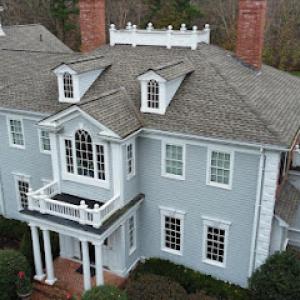
GN Exteriors is a local roofing contractor specializing in residential roofing and commercial roofing. As a leading roofing contractor in the South Shore and the best roofers in Braintree, we provide our customers with the highest quality roofing products for roof replacement, repairs, and maintenance. We believe in educating our customers on the roof installation process and the options available to them. We proudly serve Boston and surrounding areas including the South Shore. CertainTeed ShingleMaster TM and Owens Corning Preferred Roofing Contractor
Associate Roofing
(781) 848-4222 www.associateroofing.com
21 Arnold St, Braintree, Massachusetts
4.9 from 147 reviews
We specialize in roof replacements, repairs, and storm damage restoration, using only the highest-quality materials to ensure lasting results. But it’s not just about the work—it’s about the experience.
Braintree Roofing Pros
(781) 549-9876 roofing-braintreema.com
43 Longwood Rd, Braintree, Massachusetts
4.9 from 27 reviews
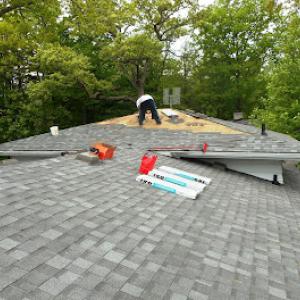
Braintree Roofing Pros offers roof repair, roof replacement, roof installation in Braintree MA and nearby areas. We pride ourselves to be the best roofing contractor in Braintree, MA. Our crew are also experts in roof installation & repair in Braintree, MA. We have more than 20 years of experience in roofing installation. So what are you waiting for, contact the best roofing contractor in Braintree, MA.
Rainbow Roofing & Siding
(617) 471-2999 rainbowroofingsiding.com
Braintree, Massachusetts
5.0 from 15 reviews
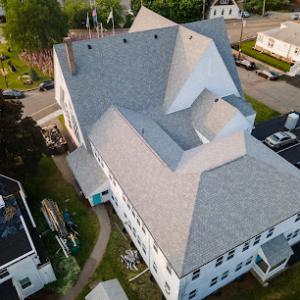
When it comes to Roofing Company, Roofing Contractor, Siding Services and more, no one compares to Rainbow Roofing & Siding. With years of combined experience, Rainbow Roofing & Siding has worked hard to build the trust of our clients in Quincy and surrounding areas. Visit our website to learn more or better yet, call us today!
Roof Maxx of Quincy, MA
Braintree, Massachusetts
5.0 from 11 reviews
Roof Maxx® is a scientifically formulated and 100% safe, plant-based roof rejuvenating spray treatment that was developed by renowned scientists from the world’s largest private research and development company.
J.L. Goode Roofing & Building Contractors
(781) 963-7663 joegooderoofing.com
258 Common St, Braintree, Massachusetts
4.6 from 9 reviews
J.L. Goode Roofing and Building Contractors provides slate and copper roofing, gutter services, and carpentry services.

Vellox Construction & Roofing
(857) 417-7960 www.velloxconstruction.com
Braintree, Massachusetts
4.0 from 8 reviews
Are you looking for a reliable roofer for your home or business in the Weymouth, MA area? Your search for an experienced roofing contractor ends here. Vellox Construction & Roofing installs and repairs all kinds of roofs in the Weymouth, MA area. If your roof is in rough shape and needs to be repaired, reroofed or replaced, our roofer can handle it. You can rely on us to help you decide on the right type of roof and install it on your home or place of business. We also install gutters and repair chimneys.

Marine Home Improvement & Roofing
(781) 384-2021 www.marinehomeimprovement.com
Serving
5.0 from 31 reviews
Marine Home Improvement offers roofing, siding, decking, and window installations since 1999. Our dedication to craftsmanship and attentive customer service has resulted in a stellar 5 star average rating across platforms.
Portanova Roofing
(617) 331-5815 www.portanovaroofing.com
Serving
4.9 from 107 reviews
Portanova Roofing, located at 110 King Ave, Weymouth, MA, specializes in expert roof repair, roof installation, and roof replacement services for residential clients throughout the Boston area. Founded by fifth-generation master roofer Ken D. Portanova, we blend meticulous craftsmanship with competitive pricing, making us a top “roofing contractor near me” in cities like Braintree, Quincy, and Weymouth. Our services include rubber roof replacement, architectural shingle installations, and energy-efficient roof restoration solutions. As a certified CertainTeed SELECT ShingleMaster and Owens Corning Preferred Contractor, we ensure high-quality materials and superior workmanship. Call us today for a free consultation!
Evergreen Exteriors
(617) 460-2792 evergreenexteriorsma.com
Serving
5.0 from 29 reviews
At Evergreen Exteriors, a third-generation, family-owned business, we specialize in expert roofing, siding, window, and deck services for both residential and commercial properties across the South Shore, Cape Cod, and surrounding areas. Whether you’re planning a full exterior renovation or need a quick repair to protect your home, our team is dedicated to delivering top-quality craftsmanship, honest communication, and reliable results you can count on. Your home deserves nothing but the best. That’s why we approach every project as if it were our own—meticulous in detail, uncompromising in quality.
Flynn Roofing Company
(617) 479-3431 www.flynnroofing.com
Serving
5.0 from 63 reviews
Flynn Roofing is a small, family-owned Roofing business serving the South Shore, Metro West and greater Boston area. We have been in business for over 20 years and take pride in our work.
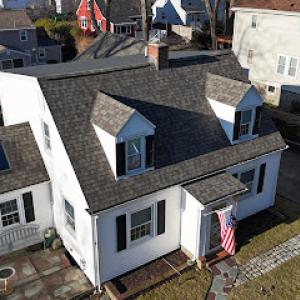
Pro Roof Solutions
(781) 223-6079 www.proroof-solutions.com
Serving
5.0 from 22 reviews
Pro Roof Solutions offers roofing services including roof replacement and residential roof repair. We provide sustainable, long-lasting, and cost-effective roofing solutions that meet your need and your budget. We are family owned and operated with 12 years of experience. Call us today.
Before any roof work begins, you'll be submitting through the Braintree Building Department, not a county office. This local pathway keeps review focused on what you're proposing and who will do the work. A key checkpoint early in the process is confirming that the contractor's licensing is up to date and that the project scope matches what the permit applicant intends to undertake. If your plan includes significant ventilation work or a change to the roof assembly, make sure those details are clearly stated in the permit application. The Building Department will want to see that the chosen roofing contractor is properly licensed and insured, and that the scope aligns with code requirements for your neighborhood's design and exposure.
Braintree inspections tend to follow a logical progression tied to the stages of the project. In many cases, you'll face stage checks that are connected to framing conditions or ventilation considerations when applicable. This means the assessor will verify that roof framing meets structural and clearance standards, and that attic or roof ventilation is arranged correctly to handle the region's humid summers and winter freeze-thaw cycles. After those mid-project checks, a final inspection is conducted once the work is complete and any penetrations, flashing details, and ventilation pathways have been installed and tested. Expect inspectors to confirm that the roof assembly is continuous, that vent booting and flashing are properly integrated with drainage planes, and that any penetrations in older structures are properly sealed to minimize ice dam risk.
Begin by compiling a clear scope of work that matches the project's realities, including the exact roof type, number of layers to be removed or reused, and any ventilation or soffit upgrades you're pursuing. You'll want to provide the Building Department with a proposed sequence of work so the inspector can validate staging and safety procedures in advance. If ice-related issues are a concern, note any planned enhancements to attic ventilation, underlayment choices suitable for freeze-thaw cycles, and eaves protection that helps mitigate ice dam formation. Have your contractor verify nailing patterns, drip edges, and flashing transitions to align with local expectations and weather patterns. Scheduling inspections in coordination with weather windows helps avoid delays tied to winter conditions, which is particularly relevant for South Shore climate realities.
On inspection day, bring the permit card and any requested documentation showing contractor licensing, material certifications, and a written project timeline. The inspector will walk the roof area to confirm installation meets code and matches the approved plan, then verify attic configuration and ventilation when those elements are part of the scope. After work is complete, ensure all final details-such as sealant integrity around vents, proper termination at ridges, and clean drainage paths-are present for the final review. A clear, organized handoff with the contractor can help keep the process orderly and reduce back-and-forth between stages.
In Braintree, winter weather and spring storm events are the most relevant triggers for roof damage documentation rather than large hail-driven claim patterns common in other regions. The combination of freeze-thaw cycles, drifting snow, and sudden rain during thaws can create leaks, ice damming, and decking movement that show up after the fact. When a storm brings wind-driven rain or a rapid temperature swing, focus on visible symptoms like interior stains, attic condensation, or damp insulation as early warning signs.
In this market, photo documentation and a formal claim package are expected by many Massachusetts carriers. Gather clear images of damaged sheathing, flashing, shingles, and any interior water intrusion, along with timestamps from weather events. Keep a written record of when leaks were first noticed and after which storm they appeared. If ice-related failures show up, photograph icicles, ice dams, and any gutters or downspouts that misdirect meltwater. Having a concise report that ties the damage to a recent storm makes the adjuster's review more straightforward and reduces back-and-forth delays.
Braintree homeowners may need to coordinate adjuster site visits with local contractor findings. Arrange for a contractor or roofer to accompany the adjuster when access is granted to attic spaces, crawl spaces, and roof lines. This third-party perspective helps validate the cause and extent of damage, particularly when winter-related wear interacts with aging components. Clear, collaborative communication minimizes misunderstandings and can speed up the review process, while ensuring the scope reflects actual repair needs.
Because claim handling can vary by carrier and municipality, documentation should be initiated promptly after leaks, wind events, or ice-related failures are observed. Delays can complicate assessments if moisture has time to spread or if seasonal access changes (like snowmelt-driven roof surface exposure) obscure the damage. Maintain a simple, dated trail of storm dates, observed damage, and any temporary mitigations, so the claim narrative remains coherent for the adjuster and the roofing contractor.
Connect with contractors who help homeowners navigate the claims process from damage assessment to final approval.
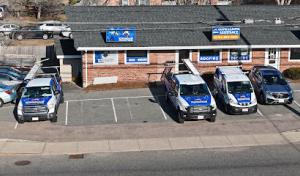
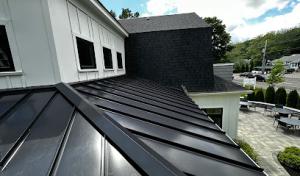
The flat- or low-slope roofs common along Braintree's major retail and office corridors sit in a climate that cycles through heavy ponding, sun exposure, and repeated freeze-thaw cycles. The contractor market here shows meaningful flat-roof activity, with a mix of commercial-grade membranes and residential flat-roof projects on older properties and newer mixed-use buildings. Unlike pitched shingle homes, these roofs contend with membrane aging, seam wear, and ponding-related stress that require attentive timing and robust drainage planning.
On low-slope roofs, standing water during melt and rain events can accelerate membrane wear and edge flashing deterioration. Freeze-thaw cycles in winter magnify this effect, especially around joints and terminations where debris accumulates. In corridors with long, flat runs, the risk of localized leaks grows if drainage is restricted or inspections are deferred. Keeping an eye on ponding patterns after storms and after winter resets helps catch early signs of vulnerability before cap sheets blister or seam tapes pull away.
Annual inspections should focus on membrane surface condition, edge detailing, and the condition of any added ballast or granular layers. Pay particular attention to drains, scuppers, and any penetrations near parapets. After heavy snows and thaws, remove excess meltwater and clear minor debris to reduce ice and water backup. For properties with a history of ice-related wear, consider more frequent mid-season checks in late winter to verify drainage performance and seal integrity before the next freeze.
Roof coatings appear in the local market but as a niche service rather than the dominant solution for most homes and small commercial properties. They can offer temporary relief on aging membranes with careful surface preparation, but coatings are not a universal fix for ponding or long-term membrane aging. When coatings are considered, assess the roof's current condition, substrate compatibility, and anticipated service life, then pair them with targeted maintenance and drainage upgrades.
Find specialists in TPO, EPDM, and built-up flat roofing systems for residential and commercial properties.
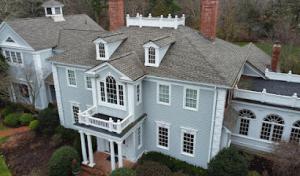
Associate Roofing
(781) 848-4222 www.associateroofing.com
21 Arnold St, Braintree, Massachusetts
4.9 from 147 reviews
Rainbow Roofing & Siding
(617) 471-2999 rainbowroofingsiding.com
Braintree, Massachusetts
5.0 from 15 reviews
In Braintree, the mix of older colonials and capes with aging roof systems means that leak risk often sits at transitions rather than across the field shingles. The contractor market shows strong skylight and chimney activity, indicating that flashing transitions are a common homeowner concern locally. Freeze-thaw cycles push water into small gaps around penetrations, and ice buildup can pry flashing loose or push caulk past its prime. Understanding that these points are the most vulnerable helps you prioritize inspections after winter storms and during reroofing projects.
Skylights are frequent trouble spots on low-slope sections and tighter roof lines common in the South Shore corridor. Check the curb flashing where the skylight meets the roof deck, and inspect the field-side counterflashing for any lifting or gaps. Look for paint, tar, or sealant buildup that has hardened or peeled away. In homes with aging asphalt or synthetic shingles, the flashing can lose its bend and form over time, inviting meltwater to track under shingles. When you see algae staining or interior water marks near a skylight, start by reassessing the sealant strip and reseating the skylight with proper play in the flashing to accommodate shifting seasonal temperatures.
Older Braintree homes almost always pair masonry chimneys with older roofs, making step flashing and counterflashing details critical during reroofing. Inspect the joint where chimney masonry meets the deck; look for cracked masonry, loose mortar, or missing flashing from previous repairs. Step flashing along the chimney should be continuous and lapped properly with no gaps. If counterflashing is not properly embedded behind the chimney's flash, water can breach the seam during freeze-thaw cycles. Maintain sealant over any parged or stuccoed chimney faces, and ensure the chase cap is intact and sealed to prevent ice-damming from directing water toward the flashing.
Diagnose leaks by tracing interior stains to exterior penetrations, then test each transition individually rather than assuming a shingle failure. For repairs, prioritize resealing and reseating skylight flashings and reworking step and counterflashing on chimneys with recent mortar deterioration. On reroofs, require proper integration of flashing with the roof deck, allowing for seasonal movement. Regular inspections after heavy snows help catch ice dams forming at these points before they escalate into larger leaks.
Find contractors experienced in skylight installation, flashing, and leak repairs to bring natural light into your home.
GN Exteriors - Roofers in Braintree
(781) 436-2234 www.gnexteriors.com
44 B.V. French St, Braintree, Massachusetts
5.0 from 102 reviews
Associate Roofing
(781) 848-4222 www.associateroofing.com
21 Arnold St, Braintree, Massachusetts
4.9 from 147 reviews
Rainbow Roofing & Siding
(617) 471-2999 rainbowroofingsiding.com
Braintree, Massachusetts
5.0 from 15 reviews
Spring brings typical South Shore storms that can show up fast and dump heavy rain. In Braintree, thosecapturing fronts can delay tear-offs and push project timelines beyond the ideal windows for asphalt shingle or metal installations. Plan for a few extra days of weather contingency, especially on projects that need roof decking inspection or ventilation improvements. If gutters are clogged from late winter debris, take a careful pass before ladders go up to minimize field delays. A well-timed pre-spring walkthrough helps identify shingles and sealant work that should be prioritized once the skies clear.
Summer heat changes how materials behave and how crews move on the roof. In this area, asphalt installation quality benefits from avoiding the hottest heat of the day and humidity that can complicate fastener setting or sealant curing. Schedule strips and vent work during cooler mornings, with a mid-afternoon pause for safety and material care. On low-slope roofs, heat can also influence the choice of underlayment and the sequence of waterproofing steps. Communicate a realistic pace to the crew so shingles lay flat, nails seat properly, and attic ventilation tasks aren't rushed in the heat.
Fall brings wind and fallen leaves that can hide fasteners or obscure inspection points. Tree-covered properties in this season require meticulous cleanup and a clear final inspection path. Plan for a thorough debris sweep after each substantial wind event, and reserve time for a final walkthrough to verify flashing, drip edge, and sealants are intact before winter. Scheduling gaps often occur after brisk, windy days, so align expectations for a thorough, staged finish rather than a single, rushed final pass.
In this market, homeowners look for contractors who can move fast when a leak appears after a freeze-thaw cycle or a heavy Nor'easter. Firms with consistent reroofing experience across both older colonials and Cape styles are favored, because they understand how shingle nailing, underlayment, and venting play out on low-slope sections and steep peaks alike. A contractor's ability to schedule promptly, arrive with a full crew, and complete the job without lingering weather delays matters more than glossy marketing.
Cleanup is a major local hiring signal. Braintree homeowners expect paths and driveways kept clear, with debris contained at the end of each day and at project close. Teams that bring marked containers, tarps, and a practiced workflow for ladder use and material staging demonstrate respect for the neighborhood and the home's surrounding landscaping. A neat, orderly site translates to fewer call-backs and faster final inspections.
The market includes long-established firms alongside more affordable operators, so homeowners often weigh tenure and responsiveness together. A company with a steady local history and repeat crews tends to mis fewer miscommunications and handoffs, especially on reroofs that involve coordinating attic ventilation, ice-dam strategies, and membrane installation. Quick follow-up visits after storms also separate dependable teams from the rest.
When evaluating bids, ask for recent Braintree-area projects with similar roof types, request detailed cleanup plans, and verify the crew's lead with a short on-site walkthrough. Prioritize contractors who can provide a timeline, a clear plan for ice-darm mitigation in winter, and a dedicated point of contact for weather-related scheduling changes.