
Last updated: Apr 19, 2026
In the inland southeastern Massachusetts setting, Mansfield homeowners face repeated freeze-thaw cycles that melt and refreeze roof-edge snow, making ice dam risk a first-order roofing issue. When water backs up behind ice at the eaves, it finds its way under shingles, leaks into soffits, and can damage sheathing, ceilings, and interior finishes. Winter storms bring Nor'easter-type snow and wind, and without the salt-heavy coastal conditions found closer to shore, the focus here is on proactive edge protection, rapid response to leaks, and durable edge detailing that can withstand repeated freeze-thaw cycles. This is not a problem to tinker with during a lull; ice dams and snow load wear accelerate roof deterioration if left unaddressed.
Replacement work in this area is typically concentrated from late spring through fall because winter conditions complicate tear-offs, shingle sealing, and safe staging. The seasonal rhythm matters: cold concrete-like roofs are not friendly for long, noisy projects, and crews cannot safely work in deep snow or rapidly freezing conditions. If a roof already shows signs of active ice damming or water intrusion during the season, plan for a targeted, daylight-limited response to mitigate damage now and schedule full replacement or major repairs for the milder months. The temperature swings in Mansfield push sealants and asphalt shingles to their limits, so preparation for a warmer window is essential to minimize shutdowns and ensure a durable installation.
Edge snow that lingers along the eaves is the primary trigger for ice dam formation. When meltwater refreezes, it forms a solid dam that blocks drainage from the gutter line. Over time, this process forces water to back up under shingle tabs, penetrate underlayment, and push through ceilings. Look for stained or blistered soffits, granular loss along shingles, and frost patterns on interior ceilings near exterior walls after storms. Ridge and vent areas should not show obvious gaps or displacement; if wind-driven snow accumulates unevenly on the peak or along the vents, it can create micro-dams that worsen moisture intrusion. Early detection is your best defense, especially after Nor'easter events when wind-driven snow loads top edge temperatures.
Begin with drainage management: clear gutters and downspouts so meltwater can exit the roof quickly and away from the fascia. Ensure attic ventilation is balanced-enough soffit intake paired with ridge exhaust helps keep roof decks closer to the outside air temperature, reducing ice dam potential. Inspect edge fasteners and shingle sealant at joints; poor sealing in the fall increases vulnerability to early-season leakage. Consider upgrading edge metal or adding a heated cable system if recurring dam formation is observed near the eaves, with attention to the electrical setup and frost-coverage safety. For homes with steep asphalt re-roofing common in the area, confirm that flashing at valleys, chimneys, and vents is continuous and integrated with the new roof system so meltwater does not find creeping channels behind dumb flashing. In heavy snow seasons, keep a plan for rapid remediation: have a trusted local roofer ready to remove snow buildup along the eaves after a major storm, without tearing away at delicate ice formations that become anchors for further damage.
As temperatures rise, you will want a careful inspection of the roof's surface and underlayment to assess damage from freeze-thaw cycles. Look for lifted shingles, granule loss, and any softened spots that could indicate moisture penetration beneath the surface. A targeted assessment after the last heavy storm of the season helps determine whether a repair suffices or a full-edge overhaul is warranted. In Mansfield, the goal is to establish durable defenses against repeated damming while maintaining the integrity of a steep asphalt re-roofing stock that most homes rely on, ensuring the roof can withstand the next cycle without escalating interior damage.
Spring hail and wind events are a stated seasonal risk in this area, making post-storm shingle, flashing, and ridge inspections especially relevant after shoulder-season weather swings. After a storm, you should walk the property with a flashlight (even in daytime) and focus on the visibly exposed roof areas: ridges, vent flashings, and the valleys where debris tends to accumulate. In many homes, the first sign of trouble is a stray shingle lip or lifted edge. If you notice curling, cracking, or torn sealant at the valleys, address it promptly to minimize water intrusion while you plan the next steps. Given inland Bristol County's freeze-thaw pattern, small gaps can widen quickly as temperatures swing, so a careful, methodical check is crucial.
Massachusetts insurers commonly require documentation of prior damage and detailed estimates, so date-stamped photos and written scope notes before temporary repairs are made are essential. When you photograph, include the entire roof line and any interior signs of leaking in the top floors or ceilings. Capture close-ups of flashing at roof-to-wall transitions, along the eaves, and around dormers if present. Create a simple written list that notes the observed condition, approximate date of the storm, and what you expect a professional to verify. If temporary tarping or minor cover-ups are suggested by a roofer, photograph those steps as well, since insurers will want to see both the damage and the mitigation actions before a full claim is considered.
Adjusters in this market may request supplemental information, which matters when hidden decking, ventilation, or flashing issues are discovered during a tear-off. If the roof is lifted to expose decking, maintain a clear chain of custody for any new materials or replacements. Document ventilation components-intakes, exhausts, and any signs of moisture or mold behind the attic access-as these can influence the scope of a repair. For flashing, record the exact location of any corrosion, rust, or lift at penetrations and transitions. In Mansfield, where snow loads and freeze-thaw cycles stress the roof differently than milder climates, concealment of these factors is a common point in negotiations. Provide the adjuster with labeled photos and a concise scope note that differentiates visible, undamaged elements from those needing further inspection.
When a tear-off is scheduled, keep a real-time log of the work window, weather conditions, and any discoveries that expand the scope beyond what was initially estimated. Hidden decking or ventilation issues discovered during removal will shape the final claim and the restoration plan. If a ceiling leak is found in the attic or upper stories during the tear-off, immediately document the date and the progression of the leak during the process. A clear before-and-after record helps both the homeowner and the insurer align on what work is necessary and why, reducing back-and-forth once the claim moves into the repair phase.
Find local contractors experienced in assessing and restoring roofs after hail, wind, and severe weather events.
Peak Roofing
(339) 201-7769 www.peakroofing.co
15 Berkshire Rd, Mansfield, Massachusetts
4.8 from 36 reviews
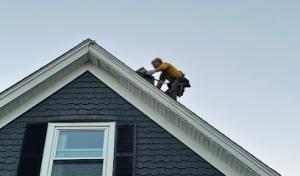
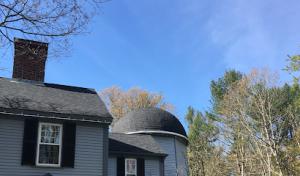
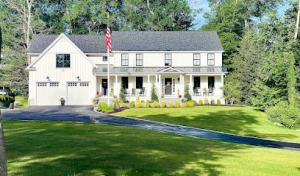
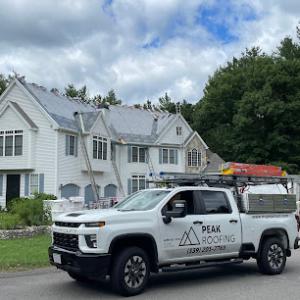
Peak Roofing is committed to providing our customers with outstanding roofing services. Our skilled staff adds over 75 years of combined expertise and understanding to each project, ensuring it is done on time and to the highest standard. You can rely on Peak Roofing to get the job done right, whether you need a new roof installed or skilled repairs for your existing roof. Contact Peak Roofing now if you want excellent services.
Ferreira Exteriors
(781) 867-5580 ferreiraexteriors.com
Serving
5.0 from 90 reviews
If you are looking for quality Roofing, Skylight, Chimney, Gutters, Roofing Repairs, Roofing Tuneups, Moss Removal or Rubber Roofing work in SE MA., then Ferreira Exteriors is eager to be of service. We are Manufacturer Certified and have over 40 Years of Experience. We are local and family owned. Get in touch with us today and Ferreira Exteriors will gladly start you off with a free quote and consultation!
M&M Roofing
(508) 541-9246 www.mmroofingco.com
Serving
4.7 from 12 reviews
Roof, rubber roofs, repairs, siding, gutters
Capitol Roofing
(617) 913-2966 www.capitolroofingne.com
Serving
5.0 from 187 reviews
Capitol Roofing, Inc. is a leading provider of residential and commercial roofing services in Massachusetts and New Hampshire. Our team of experienced roofing professionals is equipped to handle all of your roofing needs, from minor repairs to full roof replacements. We use only the highest quality materials and workmanship to ensure that your roof is strong, durable, and long-lasting. Contact us today for a free quote, and let us help protect your home or business with the best roofing solutions available.
NEPS Roofing
(508) 243-4228 nepsroofing.com
Serving
5.0 from 29 reviews
NEPS Roofing is a locally owned roofing company serving homeowners and commercial property managers across Massachusetts and Rhode Island. With more than 20 years of construction experience, NEPS specializes in fast, clean, one-day residential roof replacements and expert commercial roofing solutions for HOAs, multi-unit housing, schools, warehouses, and more. Fully licensed, insured, OSHA-compliant, and NRCIA-certified, NEPS combines skilled craftsmanship with outstanding project management and communication. From start to finish, we deliver roofing done right—with no mess, no stress, and no shortcuts.
Bardi's Construction Up On The Roof
(508) 375-8199 bardiroofconstruction.com
Serving
5.0 from 48 reviews
Bardi's Construction Up On The Roof provides roof repair services & more in the Attleboro, MA area. Call a roofing contractor at our roofing company today!
Connell Roofing
(781) 444-7577 connellroofing.com
Serving
4.9 from 268 reviews
Connell Roofing, Inc. is your trusted roofing contractor located at 25 Commercial Dr Unit 204, Wrentham, MA 02093, specializing in top-quality roofing solutions throughout Massachusetts. As local roofers dedicated to excellence, we offer comprehensive services including roof installation, repair, and maintenance. Recognized among leading local roofing companies, we also provide expert siding and gutter installation services tailored to your needs. Whether you're searching for residential roofers near me or reliable roof contractors, our skilled team delivers unmatched results to ensure your home's protection and aesthetic appeal. Choose Connell Roofing, Inc. for top-notch local roofing services and gutter services today.
Easton Roofing
(617) 756-4429 eastonroofingma.com
Serving
4.9 from 125 reviews
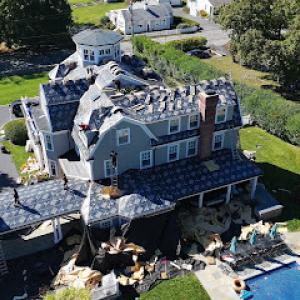
WE OFFER 0% FINANCING FOR 24 MONTHS ON NEW ROOF INSTALLATIONS Easton Roofing has proudly served communities south of Boston and Cape Cod for over three decades. Established in 1994, this family-owned business has built an outstanding reputation as a leading roofing contractor. Their comprehensive services extend beyond roofing to include expert gutter and siding solutions, window supply, and skylight installations. Dedicated to precision and safety, Easton Roofing ensures every project, from new installations to intricate repairs and ice dam removal, receives meticulous attention, delivering lasting quality and peace of mind for your home.
Pride Exteriors
(774) 696-2732 www.callpride.com
Serving
4.9 from 208 reviews
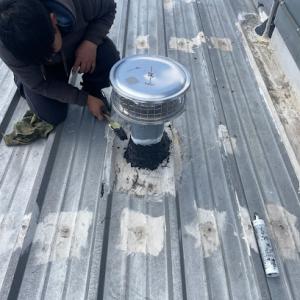
With a dedication to excellence and a commitment to customer satisfaction, Pride Exteriors has proudly served North Attleboro and its surrounding communities since 2002. Their skilled team of roofing and siding contractors is dedicated to enhancing the beauty and durability of homes and businesses by providing exceptional craftsmanship and attention to detail. Using only the highest-quality materials and meticulously executed techniques, Pride Exteriors delivers flawless, long-lasting results, earning them a reputation as a trusted and sought-after roofing and siding contractors in the region.
Robert Kierce Contracting
(508) 698-3806 www.kiercecontracting.com
Serving
4.8 from 32 reviews
Now is the time to plan ahead to re-roof your house, replace your gutters, install replacement windows or schedule your exterior painting project. Give Bob a call today at 508-698-3806 to make an appointment to review your project. Estimates are always free and all work is guaranteed. We use quality products and have confidence in our workmanship, so we stand behind our work. Bob works with his customers from start to finish insuring that your needs are met. According to the old adage, the best advertising is a satisfied customer,” Bob finds that most of his customers are referrals from previous clients. So call Robert Kierce Contracting, Inc. today to experience the professional service his customers have come to expect. #Roofing
Long Home Products
Serving
4.7 from 2770 reviews
For over 8 decades, Long Home has helped families throughout the East Coast enjoy safer, more beautiful homes. From durable roofs to stunning baths, our quality products, outstanding craftsmanship, and dedication to customer satisfaction are at the core of our philosophy. We work with customers to make home improvement projects more affordable through competitive loan rates and flexible payment plans that fit your budget.
Rei Roofing & Construction
Serving
4.8 from 54 reviews
Rei Roofing & Construction supplies roofing contractor services to the Norton, MA area.
Asphalt shingles are the dominant practical choice in this market, aligning with the town's re-roofing-heavy contractor base and the typical suburban roof stock. For a standard re-roof, you're looking at roughly $450 to $900 per square installed, depending on shingle quality, underlayment, and the complexity of the project. In a winter-damaged home that needs quick leak control, the pace of work can tighten the window for crew scheduling, and costs can rise if rapid teardown and emergency protection measures are required. Asphalt remains the most cost-effective option for most Mansfield projects, and the long-term performance with proper ventilation and ice-dam prevention strategy is a practical balance for local freeze-thaw cycles.
Metal presents a longer-term option when snow loads and freeze-thaw wear are a concern, but it comes with a higher upfront price. Expect roughly $700 to $1,500 per square installed. The higher end reflects steeper pitches, reduced neighborhood disruption during installation, and potential integration with attic ventilation improvements. For homes that suffer repeated ice dam issues, metal can reduce melt-back risk, yet the initial bidding in Mansfield often factors in a faster tear-off and precise flashing work to minimize storm-related leaks during the winter-to-spring transition.
Clay tile and concrete tile systems are less common on the long-term re-roof cycle here but can be appropriate on higher-end homes with the right structure and ventilation. Clay tile tends to run from about $1,200 to $2,300 per square, while concrete tile ranges roughly $900 to $1,800 per square. If a Mansfield home requires a tear-off, cost escalations may occur when old layers or damaged sheathing are uncovered. Tile installations also demand careful attention to snow load and ballast, which can influence both the scope and schedule, particularly after hard winters or heavy Nor'easter events.
Wood shingles or shakes typically sit in the $600 to $1,500 per square range, while synthetic or composite shingles run about $700 to $1,400 per square. In towns with significant freeze-thaw cycles, wood can be prone to faster deterioration under repeated ice dam stress, whereas synthetic options may offer improved dimensional stability with a lower maintenance profile. Both categories can see price movement when a tear-off exposes damaged sheathing or when additional attic ventilation work is needed to address moisture concerns uncovered during inspection.
Project pricing in Mansfield is also affected by permit scope, ventilation corrections required at inspection, and whether older roof layers or damaged sheathing are uncovered during tear-off. Costs can rise locally when replacement demand bunches into the late spring through fall window, especially after winter damage or spring storm events create scheduling pressure. When evaluating bids, consider not just the per-square price but also the potential for added costs tied to ventilation retrofits, deck and fascia work, and any necessary repairs to reach a solid, leak-free roof that stands up to the town's ice dam and snow load realities.
A full roof replacement in Mansfield typically requires a building permit filed with the Town of Mansfield Building Department by the contractor or homeowner. The permit process is not optional when replacing a roof in this climate, where freeze-thaw cycles, Nor'easters, and heavy snow loads can influence fix details and material choices. The permit is your formal authorization to proceed and serves as the official record for any structural or ventilation work tied to the roof, including skylights or vents that are part of the replacement plan.
In practice, either the contractor or the homeowner can file the permit, but most homeowners coordinate through the contractor to ensure plans match the actual installation. Before submission, gather details about the proposed roof system, including material type, underlayment, ventilation strategy, and any structural repairs or skylight work. The Building Department will want clear project scope, site access details, and contact information for the person responsible for on-site work. Having a complete package reduces back-and-forth and keeps the project moving through Mansfield's review queue.
Mansfield inspections are typically performed mid-project and again at completion. The mid-project inspection focuses on framing integrity, underlayment installation, and ventilation provisions, ensuring there is proper airflow from eaves to ridge and that attic ventilation remains adequate after the replacement. The final inspection confirms that all work aligns with the approved plans, all penetrations are properly flashed, and the roof system is weather-tight and safe for winter conditions. Ventilation is among the items verified before the job is signed off, which matters a great deal in this climate where ice dams and freeze-thaw wear are common concerns.
Because Mansfield winters subject roofs to ice dam risk and freeze-thaw cycles, the permit review and inspections place emphasis on ventilation strategy. Expect the inspector to verify attic intake at the eaves and exhaust near the peak, and to confirm that any ridge vents or box vents are continuous and unobstructed. If the plan includes ventilation upgrades or added soffit vents, have evidence ready that those changes comply with the latest code interpretations and local standards. Proper ventilation helps reduce condensation, limits moisture-related issues, and supports a longer, more durable roof life under winter stress.
One frequent delay is incomplete documentation or mismatches between what's on the permit and what is installed. Double-check that skylight placements, structural repairs, or full replacement scope listed on the permit align with the actual work. If the project includes a mid-fit change, request an amended permit before proceeding to avoid compliance issues during inspections. Coordinate with the inspector on access, especially in winter when snow and ice can slow entry or require temporary coverings. Keeping a clear, up-to-date record of communications and approved changes helps ensure a smooth sign-off and a dependable roof for the next harsh season.
Find contractors experienced in skylight installation, flashing, and leak repairs to bring natural light into your home.
Asphalt shingles are the dominant Mansfield roofing material because they fit the town's mainstream residential housing stock and are widely supported by local re-roofing crews. For most homes facing inland Bristol County winters, asphalt provides reliable performance when paired with proper attic insulation and ventilation. The standard 3-tab or architectural profiles shed snow predictably and can be blended with modern underlayments that help manage meltwater during thaw cycles. If you expect regular snow loads and freeze-thaw cycles, a high-quality asphalt option with a strong leakage barrier and reflective granules can help reduce ice dam risk by promoting quicker, safer drainage from the eaves.
Metal roofing is present in the Mansfield market but remains more specialized, making installer experience more important than simply choosing the material. Metal panels or shingles excel in heavy-snow environments because they shed snow more efficiently and resist the freeze-thaw damage that can affect other surfaces. The key here is choosing a installer who understands how to integrate metal with correct flashing, venting, and snow guards. A well-installed metal roof can reduce ice dam formation risk at the eaves and maintain a tighter roof deck during the coldest months, but performance hinges on details like panel overlap, sealants, and proper attic ventilation.
Clay tile, concrete tile, wood shakes, and synthetic shingles exist as options in Mansfield, but they are less prevalent locally and should be evaluated against winter performance, roof structure, and contractor availability. Clay and concrete tiles offer excellent longevity and a distinctive look, yet their weight requires a reinforced deck and careful structural assessment to handle heavy snow without compromising the roof plane. Wood shakes provide a traditional appearance and good insulating value, but they demand rigorous maintenance and are less forgiving in damp winters with ice formation. Synthetic shingles imitate many aesthetics while offering improved impact resistance and lighter weight, but the long-term performance in freeze-thaw conditions depends on the specific composition and installation details.
In winter, ice dams are a real concern when snow sits on the roof and meltwater refreezes at the eaves. The best approach across materials is a combination of adequate attic insulation, ventilated soffits, and precise shingle installation that promotes uniform heat loss and drainage. For homeowners weighting winter reliability, the choice should align with the roof's slope, deck strength, and the availability of local, experienced crews who can execute correct flashing, ice dam protection, and snow guards. In this climate, the material selection pairs with proper installation practices to keep roofs performing through repeated freeze-thaw cycles and Nor'easter-focused snow loads.
Explore specialists in steel, aluminum, and standing seam metal roofs built to last 50 years or more.

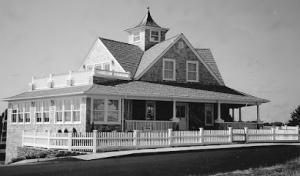
In winter, ice backup commonly stresses eaves, flashing transitions, and gutter lines before leaks show up inside the home. Freeze-thaw cycles push water up under shingle edges where heat escapes from the attic. The result is hidden damage that only becomes obvious after a thaw, when ceilings and walls start showing discoloration or damp spots. Pay attention to sagging soffits or loose gutters, because that's a sign ice is pressing at the roof edge.
Summer heat and heavy rain are identified local seasonal risks, which can speed up wear on exposed shingles and reveal weaknesses in flashing and penetrations. Asphalt seams along valleys and around vents expand and contract, cracking where flashings meet asphalt. A small crack here invites moisture that travels unseen to the attic or interior ceilings. Metal flashings can corrode at fasteners, especially near roof-to-wall transitions after heavy rains.
Autumn wind and rain in Mansfield can worsen drainage problems just before winter, making clogged valleys and edge details a recurring pre-snow concern. Shingle granules shed faster after sustained heat, filling gutters and scuppers. Debris at eaves blocks water flow, forcing runoff over the edge and into fascia. Edge nails and drip edge wear with wind exposure, increasing the risk of leaks once snow load arrives.
Inspect gutters and downspouts in late summer and again after storms, clearing debris and ensuring smooth flow to the storm drains. Check attic insulation and ventilation to keep roof deck temperatures balanced, reducing ice dam formation. After autumn storms, inspect valleys, ridge caps, and around penetrations for signs of movement or corrosion. Schedule a professional rooftop check if a storm shows unusual shingle curling or loose flashings.
Leaks don't wait for a storm to be dramatic. After every cold snap, inspect eaves and gutters for ice dam remnants and any new staining along ceilings from attic leaks. In spring, freeze-thaw cycles can wake up weaknesses that were hiding under a winter blanket. Summer storms bring lightning and heavy rain that test exposed flashing and penetrations that already showed signs of wear in autumn. Keep a photo log of water marks, missing shingles, or rusted flashing; it makes a diagnosis faster when the roofer visits.
When you can't wait, these contractors offer fast response times to stop leaks and prevent further damage.
Bardi's Construction Up On The Roof
(508) 375-8199 bardiroofconstruction.com
Serving
5.0 from 48 reviews
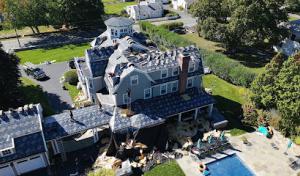
Flat-roof specialization exists here but isn't the town's dominant roof type. In Mansfield, low-slope sections are most often found on additions, porches, and mixed residential-commercial properties rather than the core steep shingle rooflines. This means your project may involve handling a different membrane and detailing approach than the surrounding main roof.
Snow and ice conditions here make drainage a critical factor on any low-slope section. Prioritize a proven, weather-ready membrane system with overlapping seams, proper edge terminations, and robust drip edges. Pay particular attention to transitions where the low-slope area meets the steeper roof, as ice dams can push meltwater into vulnerable seams. Insist on a complete edge-to-edge water management plan for additions and porch roofs, not a single-area patch.
Many Mansfield contractors are focused on re-roofs rather than fresh low-slope installations. When gathering quotes, verify that the quoted scope explicitly addresses the low-slope sections separately from the main roof. You want separate membrane detailing, fasteners, flashing, and edge closures for those areas, with a clearly defined warranty that covers both the low-slope and the adjoining steeper sections. Ambiguity here can leave you with gaps where ice dams and ponding water recur.
Choose a system with reinforced seams and ample insulation above the deck to reduce heat loss into the membrane during freeze-thaw cycles. Ensure proper ventilation details around the low-slope area to avoid condensation that can degrade membrane performance. For additions that butt up against the existing roof, demand precise flashing transitions and a dry-out plan for any interior signs of moisture.
Request a written sequence that outlines the installation of insulation, deck, membrane, flashing, and coping at the junctions. Have the installer mark critical drainage points and confirm there is satisfactory slope toward the drainage outlets. In heavy snow years, a staged inspection plan during and after installation helps confirm continued performance through thaw cycles.
Find specialists in TPO, EPDM, and built-up flat roofing systems for residential and commercial properties.
Bardi's Construction Up On The Roof
(508) 375-8199 bardiroofconstruction.com
Serving
5.0 from 48 reviews
A storm season in this inland Bristol County corridor brings standard wind and hail risk, but coverage details and endorsements vary significantly by carrier. A steep asphalt roof may present smoothly under one policy and trigger questions under another, depending on the fine print and endorsements. This isn't a uniform Massachusetts picture; it's a patchwork that homeowners feel when they file a claim, especially after a Nor'easter or rapid freeze-thaw cycle that stresses sheathing and flashing. A careful approach to understanding your policy now can prevent confusing denials later, and it keeps you from being blindsided when an adjuster reviews your claim.
Keep meticulous records from the outset: past repairs, inspection photos, contractor estimates, and dated notes from any professional survey. Insurers in this environment want proof that the damage being claimed is new storm impact rather than old wear. Organized files lighten the path to a fair result and help show how conditions progressed from aging decking or ventilation issues to the current roof replacement. Collect this material promptly after a notable event and maintain it for the duration of the claim process.
Massachusetts claim handling can include supplemental requests after a tear-off. Hidden ventilation or decking issues can surface once the roof is opened, and that can shift the scope of the work and payment. Homeowners should expect the possibility of revised estimates or additional charges if the claim review reveals elements that were not visible before the removal. Document everything and respond promptly with clear, labeled visuals and measurements so the adjustment reflects the actual rollback of the project.
Maintain a file with dated photos taken before, during, and after replacement. Note every contractor's estimate and what it covers, and keep it aligned with what the insurer has requested. If the insurer asks for more information, respond quickly with clear, labeled photos and measurements. Coordinate with the contractor to provide a detailed scope that matches the claims file, so there are fewer surprises when work begins and the project unfolds.
Connect with contractors who help homeowners navigate the claims process from damage assessment to final approval.
Mighty Dog Roofing of South Shore
(508) 928-3755 www.mightydogroofing.com
Serving
5.0 from 146 reviews