
Last updated: Apr 19, 2026
Winter in this area delivers cold, snowy stretches followed by repeated freeze-thaw swings. Meltwater can be forced back under shingles and push against weak flashing details, especially on aging roofs. The result is a slow course of moisture that undermines decking and accelerates deterioration when temperatures bounce between freezing and above-freezing. Attic heat loss plays a crucial role here: as warm air rises, it thaws snow on the roof surface from the inside out, creating meltwater that can refreeze at the eaves. On older homes with uneven insulation or ventilation, that cycle becomes a daily risk during mid-winter storms and after heavy snows. Awareness of these dynamics is your first line of defense.
Early warning signs show up inside and outside. You may notice damp spots or staining on ceilings beneath attic or upper floors, particularly after a warm day followed by another cold night. Look for soft or rumbling decking when you peek at attic access panels after a thaw-sagging or spongy boards indicate moisture penetration and potential structural weakness. On the exterior, observe for ice buildup at the eaves with icicles that seem undersized for the snow load, or for fascia boards that feel slightly loose from repeated freeze-thaw stress. Hidden leaks often reveal themselves only after the snow has melted away and the winter loads are gone, exposing attic or eave damage that wasn't visible during the cold period.
Start with insulation and ventilation. Ensure attic insulation thickness and continuity are sufficient to keep heat from escaping into the roof assembly, and confirm that soffit vents, ridge vents, or other ventilation pathways are open and unobstructed. If attic vents are blocked by insulation or stored materials, heat builds up under the roof, accelerating snow melt and increasing the likelihood of water infiltrating through weak flashing. Seal obvious air leaks around penetrations-chimneys, vent pipes, and where ducts pass through the attic-to reduce warm air spilling into the roof cavity. Inspect flashing details over skylights, chimneys, and valleys. Weak, cracked, or poorly sealed flashing invites meltwater to seep under shingles during warm spells or heavy snowfall.
When snow starts to recede, inspect the roof edge and eaves closely. Saturated decking and eave damage often become visible only after the last snow load has diminished. Look for softened, warped, or cupped decking indicators beneath shingles that hint at moisture exposure. If you see staining on interior ceilings or notice persistent dampness despite dry weather, plan a thorough roof and decking assessment as soon as the weather allows. Early discovery reduces the risk of widespread rot and costly, invasive repairs later.
If you identify ongoing or recurrent ice dam formation, advanced flashing concerns, or signs of deck saturation, engage a roofing professional promptly. A local expert can assess ventilation balance, insulation depth, and the integrity of flashing in areas prone to water intrusion, then recommend precise mitigation steps. In Royal Oak, the combination of older housing stock and harsh freeze-thaw cycles makes a tailored plan essential to prevent incremental damage and maintain roof longevity.
When fall winds scatter branches and debris across tightly spaced lots, roofs in this neighborhood can hide hidden damage. A quick post-storm inspection becomes essential, especially on older homes with vulnerable decking and limited attic ventilation. Look for lifted shingles, creased edge tabs, and signs of granule loss along gutters and downspouts. Check for small leaks that appear after the first warm spell or thaw, and pay close attention to staggered, overlapping roof sections where wind-driven debris can cause unseen punctures.
Michigan carriers typically cover hail and wind damage, so thorough documentation is a must. Photograph multiple angles of each suspect area, including the attic if visible light filters through compromised decking. Keep weather records handy-date-stamped photos paired with recent wind speeds and fallen-branch reports help establish a clear timeline. In established neighborhoods with mature trees, debris buildup along the gutter line can signal hidden fascia or soffit damage. Collect contractor quotes and note areas where temporary stabilizing measures are needed to prevent further moisture intrusion.
In Royal Oak, many homes have limited roof-to-deck ventilation and older decking that can deteriorate quickly after freeze-thaw cycles. Look for cracked or cupped shingles near valleys, chimney flashing, and edge caps where wind can peel material away. Ice dam remnants on the eaves can exaggerate moisture intrusion during spring thaws. Debris-filled gutters and downspouts can back up water onto the deck, accelerating rot in vulnerable sections. Don't overlook roof intersections with neighboring homes-the close spacing can amplify impact damage from even modest wind events.
If damage is suspected, schedule a same-week roof inspection-timeliness matters for preventing further deterioration. Clear safe access paths to the roof so a professional can assess without delay, but avoid disturbing loose sections that may fail in a later storm. Have a plan for temporary protection, such as a leak barrier or tarping, if a long wait for a repair is anticipated. Communicate clearly with insurers about the storm date, debris conditions, and any observed leaks or attic moisture.
Because streets and yards are tree-lined and densely built, debris accumulation along the gutter line is a frequent post-storm concern. Blocked gutters can cause standing water that infiltrates fascia boards and soffits, undermining roof integrity over the winter. Regular post-storm clearance should be paired with a thorough inspection of flashing seals around vent stacks and skylights, where even small gaps can become moisture channels during freeze-thaw cycles.
Find local contractors experienced in assessing and restoring roofs after hail, wind, and severe weather events.


Homey Roofing
810 W 13 Mile Rd, Royal Oak, Michigan
5.0 from 82 reviews
Homey Roofing is on a mission to serve the communities residential and commercial roofing needs. Our goal is to provide you with the best quality service. All while adhering to our company values of dedication to the customer, integrity in all workmanship, and honesty in all estimates. We aim to be your number one contractor in the Detroit Metropolitan area.
Tresnak Roofing
(248) 435-4848 www.tresnakconstruction.com
1620 Northwood Blvd, Royal Oak, Michigan
4.8 from 260 reviews
Tresnak Roofing is a family owned, women led Royal Oak Roofing business. We have been a trusted roofing contractor serving the Detroit , Troy MI, Farmington Hills MI, and Warren MI areas for over 38 years. We specialize in roof replacements using SBS shingles and offer financing options to help make your project more affordable. We back our projects with up to a 25 year labor warranty. Our services also include vinyl siding replacement, gutter guard installation, or new seamless aluminum gutters. Contact us today for a free no-pressure estimate in person or via email. See why homeowners say we are one of the best roofers in metro Detroit!
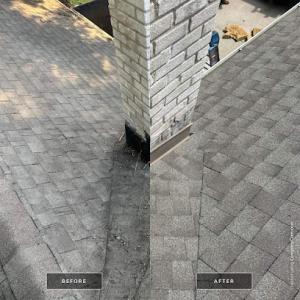
Big Cat Roofing
(248) 709-3746 bigcatroofs.com
Royal Oak, Michigan
5.0 from 32 reviews
Big Cat Roofing is the leading roofing company in Eastpoint, MI and the surrounding area. We proudly offer roof repair, roof replacement, and more in Eastepoint, MI! Contact us for all your roof repair needs! The roof is one of the first lines of defense between your building and the elements. Make sure your roof is in the best shape possible by partnering with Big Cat Roofing. Our roofing contractors offer a variety of solutions in Eastpointe, MI and the surrounding areas. Whether you need to repair your residential roof or replace your commercial one, we’ve got you covered. Call our licensed and insured roofing company today to get started.

Sargent Roofing
(800) 465-7460 www.sargentservices.net
220 S Main St #403, Royal Oak, Michigan
4.9 from 37 reviews
Welcome to Sargent Roofing, your trusted experts in roof replacement, siding replacement, and gutter services across Southeast Michigan. We specialize in gutter cleaning and gutter guard installation, backed by our 25-Year No Clog Guarantee when you purchase our premium gutter guards—so you’ll never clean your gutters again! We also offer a 25-Year No Leak Guarantee for roofing, ensuring long-lasting protection for your home. We proudly serve Royal Oak, Ferndale, Birmingham, Southfield, Clawson, Troy, Bloomfield, and all of Southeast Michigan. At Sargent Roofing, we’re committed to delivering clear communication, exceptional service, and unmatched integrity in every project.
Tittle Brothers Construction
(248) 639-7268 tittlebrothers.com
Serving
5.0 from 31 reviews
Roofing Contractor In Berkley, MI
Richards & Swift Roofing
(248) 544-3908 www.richardsandswiftroofing.com
Serving
4.6 from 62 reviews
Family owned company with 25 years of experience specializing in residential and commercial roofing; serving Oakland, Macomb, & Wayne Counties. Our goal is 100% customer satisfaction and we have nearly 10,000 satisfied customers! And we are proud to offer quality service, products, & workmanship without compromise so our customers know they are getting the best service, product, & warranties for an unmatched value. You can trust us for all your roofing needs!
Murray Built Construction
(248) 541-4600 www.murraybuilt.com
Serving
4.5 from 20 reviews
Murray Built Construction is a renowned Berkley roofing provider catering to residential clients. We offer professional roof installation, efficient repair and maintenance, reliable siding replacement, and high-quality general construction work. Our contractors use only quality materials and advanced techniques to deliver durable and aesthetically pleasing results. Our qualified team brings a wealth of experience and expertise to every project, ensuring it is completed on time and within budget. But it's not just our skills that set us apart. We take pride in our open and honest communication, providing straightforward and transparent quotes without hidden fees.
Mills Siding & Roofing
(248) 453-2056 millssidingandroofing.com
Serving
4.8 from 1574 reviews
Mills Siding and Roofing has been trusted by homeowners and businesses since 1946, completing over 100,000 roofs with a 4.9-star rating and thousands of glowing reviews on Google. Headquartered in Detroit, MI, with regional offices across Michigan and Ohio, we specialize in residential, multi-family, and commercial roofing. Whether it's storm damage, a new installation, or an upgrade, we offer expert insurance assistance, direct payment, and flexible financing options. Fully licensed, insured, and certified, Mills delivers top-tier service, helping you choose the perfect shingles and ensure long-lasting protection. Book a free consultation today and see why so many trust Mills for their roofing needs!

Troy Roofing Company
(248) 587-8250 www.roofingtroy.com
Serving
4.9 from 54 reviews
We at Troy Roofing Pros have the top certificates from the best roofing manufacturers within the roofing industry and we’re proud to become the lead roofing company in the entire Troy area of Michigan. We approach every roofing project from our clients with our utmost care and perfectly capable roofing crews with a plan to complete them without causing even the slightest mistakes or delays. As the lead roofing company around the Troy area, we cannot afford to make minor mistakes on our job that would put you in danger and ruin our reputation at the same time. Our experience over the years taught us perfectly to not make any minor mistakes as any inexperienced roofing company meant to do inevitably.

Green Homes Roofing & Solar
Serving
4.6 from 58 reviews
Green Homes brings our spirit of service to the Detroit Metro area with quality residential and commercial roofing, gutter, and solar solutions.
Reliant Roofing Solution
(248) 657-4260 reliantroofingsolution.com
Serving
5.0 from 18 reviews
Reliant Roofing Solutions is a skilled and reputable roofing contractor serving Michigan. We uphold excellence in every aspect of your roofing project, providing the best possible roofing solutions for your property. Our knowledgeable team is dedicated to delivering craftsmanship and utilizing high-quality materials to ensure your complete satisfaction. From assessments to repairs and installations, we go above and beyond to guarantee exceptional results and enduring protection for your roof.

Lighthouse Exteriors
(248) 629-9260 www.lighthouseexteriors.com
Serving
4.7 from 491 reviews
Welcome to Lighthouse Exteriors, your trusted Michigan-based partner for high-quality home improvement services. As a faith-based company, we are dedicated to guiding homeowners through every step of their exterior renovation journey with integrity, craftsmanship, and care. We specialize in roof replacement, roof repair, storm damage restoration, and siding installation, using durable materials and expert techniques to ensure your home is protected and looks its best. In addition to roofing and siding, we also offer professional concrete contracting services, including the installation and repair of driveways, patios, walkways, and other hardscaping features.
Asphalt shingles are the dominant practical choice for detached residential roofs in this area. The local contractor community has long specialized in asphalt replacement, matching the typical housing stock-a mix of early- to mid-20th-century shapes with modest roof slopes and well-defined eaves. That specialization translates into predictable timelines, readily available materials, and installers who understand the specific weather rhythms of winters with ice dams and humid summers that push ventilation and underlayment needs to the forefront. The decision between asphalt and metal should begin with how your roof handles the region's freeze-thaw cycles, not with the marketing claims of one material or another.
In neighborhoods where decking is sound and ventilation pathways are well established, asphalt shingles offer reliable performance with a straightforward replacement routine. The time-tested behavior of asphalt under freeze-thaw stress benefits from proper attic ventilation, a continuous underlayment layer, and correct fastening patterns. If the roof deck shows signs of moisture damage or improper venting, asphalt can be a forgiving option because it pairs well with traditional underlay systems and standard drip edge detailing. For most single-family homes with dormer pockets or gable ends common in Royal Oak, asphalt installations align with the existing roof geometry and provide a durable, repairable surface that integrates cleanly with siding and trim colors.
Metal roofing is available in this market, but it remains a smaller specialty segment. Expect a narrower pool of installers who regularly handle metal panel layouts, flashing details, and long-term corrosion considerations in a climate with strong freeze-thaw cycles. When metal is chosen, the emphasis should be on compatible underlayment, correct nailing patterns, and precise fastening to mitigate panels' thermal movement in warm summers and cold winters. The local climate rewards metal installations that address attic brightness and condensation control just as much as the metal's exterior profile. For homeowners who value a high-end aesthetic, unusual roof lines, or need exceptional durability, metal can be a fit-but the installation team should be vetted for experience with Royal Oak's specific weather patterns and older-seam or modern composite deck scenarios.
Regardless of choice, the roof's performance hinges on the ventilation strategy and the integrity of the underlayment. In this area, improper ventilation or moisture-trapped decking can negate the best material selection. Ice dam risk, attic moisture buildup, and the tendency for wet summers to stress heat buildup all require careful planning: a continuous soffit-to-ridge vent approach, a well-sealed underlayment that resists moisture migration, and fasteners that accommodate temperature-driven movement without compromising the deck. The distinction between asphalt and metal should thus be framed by how well the installation addresses these elements, ensuring that the roof remains dry, stable, and energy-efficient through Royal Oak's winter and summer extremes.
For a full reroof, a building permit is required and the contractor typically files it with the City's Building Department. This process helps ensure that the work plan aligns with Royal Oak's structural and safety standards, especially when dealing with aging decking and ventilation needs. Before work begins, confirm that the chosen contractor will submit the permit and carry the necessary inspections. Expect a brief exchange of project details, such as roof size, venting strategy, and underlayment quality, to satisfy the permit application.
Inspections in Royal Oak can occur before, during, and after the reroof, not just after the finished surface is installed. The inspector focuses on venting adequacy, decking condition, flashing around chimneys and valleys, and rain protection during the build. This approach helps catch decking rot, improper ventilation, or flashing gaps that could lead to ice dam problems or moisture intrusion once winter arrives. If any deficiencies are found, the schedule may shift to allow for corrections before proceeding.
Permit turnaround can range from a few business days to a couple of weeks, depending on Building Department workload. This timing can affect scheduling after storms or during peak season. Plan for potential pauses if an early warning of bad weather coincides with the permit review. Coordinate with the contractor to align material delivery, scaffold setup, and sequencing of each phase so that inspections-especially the pre- and mid-roof checks-do not become bottlenecks.
Begin by identifying a contractor who is experienced with older housing stock and the freeze-thaw cycle that drives ventilation and decking concerns. Confirm upfront that the contractor will handle the permit paperwork and set aside time for pre-roof and mid-roof inspections. After the permit is filed, keep a single point of contact in the contractor's office to receive inspection scheduling notices and any deficiency letters. When inspections are scheduled, ensure access to attic spaces, vents, and decking areas so the inspector can verify proper ventilation channels, underlayment placement, and rain protection detail behind flashing. If a deficiency is noted, address it promptly to avoid delaying the project and exposing decking to moisture longer than necessary.
Your Royal Oak cost planning should start with local material ranges: asphalt shingles 350 to 550 USD per square, metal 600 to 1100, clay tile 1200 to 2400, concrete tile 900 to 1500, wood shingles or shakes 500 to 900, and synthetic or composite shingles 750 to 1200. These figures reflect the mix of older housing stock in dense neighborhoods and the way winter moisture interacts with decking. When you price a project, use these bands as your baseline and adjust for the exact roof size, slope, and any special detail work.
Costs in Royal Oak can rise when tear-off exposes moisture-damaged decking from winter leaks or spring thaw, since hidden substrate repairs are often discovered only after removal. If plywood or decking shows rot or cupping once the old shingles come off, expect extra days of labor and higher material costs. A thorough pre-tear-off assessment is essential, but be prepared for adjustments once the old layers are exposed. Planning a contingency of 5-15 percent on total costs is a sensible guardrail in this climate.
Scheduling pressure after regional wind or hail events can tighten labor availability in this area and nearby metro Detroit communities, pushing pricing and lead times upward. If a storm hits, you may see quicker turnarounds but higher bids or longer waits for crews. Build a realistic timeline that buffers for weather windows, and have a plan for coordinating inspections, decking assessments, and material deliveries so that you do not get caught during a peak-demand stretch.
For homes with classic asphalt-look aesthetics, asphalt shingles remain the most cost-effective and reliable option, especially where decking is sound. If longevity and unique roof lines are priorities, metal or synthetic options can reduce maintenance in the long run, though upfront costs will be higher. Tile options-clay or concrete-offer strong performance but require careful substrate and flashing work to handle freeze-thaw cycles typical of the region. Consider your attic ventilation and insulation as a parallel project, because proper configuration can reduce ice dam risk and further protect the decking during harsh winters.
Don't let upfront costs delay a critical repair - these contractors offer payment plans to fit your budget.
Tresnak Roofing
(248) 435-4848 www.tresnakconstruction.com
1620 Northwood Blvd, Royal Oak, Michigan
4.8 from 260 reviews

In Royal Oak, insurers expect a clear trail of documentation after a storm event, especially when winter ice dams and freeze-thaw cycles have already stressed aging decking. Homeowners should amass detailed pre-loss and post-loss photos, a precise repair scope, and evidence that separates storm damage from age-related wear. The goal is to show that the roof failure is a result of an event rather than gradual deterioration, a distinction that matters once the claim reaches the adjuster's desk.
Adjusters in this market scrutinize roof age and replacement-cost estimates, a reality that weighs heavily on older structures common in tighter neighborhoods. Photos should capture the overall roof, flashing, vents, and any sagging or moisture intrusion, paired with dated timestamps. A well-structured repair scope helps avoid surprises later in the process and reduces back-and-forth clarifications that slow payment. Have independent, labeled bids that clearly state what is being replaced and why, so the scope aligns with the evidence already documented.
Tighter coverage terms and higher deductibles seen in parts of Michigan make documentation and prompt inspection especially important after hail or wind events affecting the area. Delays in reporting can complicate the path to a fair settlement and risk insufficient compensation for necessary decking repairs or ventilation improvements. If possible, arrange a prompt roof inspection by a qualified professional after a damaging event, and keep a dated log of any observed leaks, staining, or attic moisture. Consistency between field notes, photos, and the adjuster's questions will support a smoother claim process and help protect a roof system that's already battling winter-induced stress.
Connect with contractors who help homeowners navigate the claims process from damage assessment to final approval.

In Royal Oak, many homes carry masonry chimneys that were built long ago and have seen decades of winter freeze-thaw cycles. Those bricks and mortar joints are porous, and the flashing where the chimney meets the roof becomes a frequent leak point when moisture moves through the joint sealants. The combination of dense, older roofing pitches and heavy snowfall can push water into the most vulnerable seams. If flashing dries or shifts after a season of cold snaps, you may notice damp spots along attic rafters or dark streaks on interior ceilings near the chimney line. This is the type of failure that tends to worsen year after year if left unchecked.
Royal Oak's established homes often present layered flashing challenges. Counterflashing on a brick chimney needs to be well-seated and free of gaps, but mortar dust and heat cycling can loosen it. Step flashing along the rake and the side of the chimney should interlock with shingles; if the steps pull away or corrode, wind-driven rain and meltwater can seep behind the siding and into the roof deck. The consequence is not just a drip, but potential rot in decking and compromised ventilation pathways. A careful, moisture-first approach to flashing inspection can prevent larger, more invasive repairs later.
Skylight repairs matter locally because they are a meaningful specialty among area contractors, signaling recurring homeowner demand rather than a rare add-on service. Poor sealant borders, warped curb flashing, or degraded skylight gaskets can become constant sources of leakage during thaw cycles or early spring rains. Since skylights live on the roof's surface, even small gaps can channel water straight into attic spaces if forgotten during a routine roof check. A proactive seal and flashing refresh can save more intrusive work down the line.
Moisture intrusion around roof penetrations in this area is often first noticed during spring rains after winter movement has stressed sealants and flashing joints. Look for increased attic humidity, musty smells, or paint stains around interior ceilings near penetrations. If you spot moisture after warmer days melt snow, it's a sign that the roof assembly around those penetrations needs attention-before the next freeze seals the issue behind interior finishes.
Regular, targeted inspections after the heavy snows are essential. Check chimney and skylight flashing from the ground with a binocular view or a careful ladder test, focusing on any loosened metal, rust streaks, or lifted shingles nearby. Keep an eye on caulking around skylights and around the chimney base; when it shows cracking or spalling, plan a reseal promptly. For homeowners, documenting exact problem spots during the dry season makes spring checks more efficient and helps local contractors tailor repairs to Royal Oak's seasonal rhythms.
Find contractors experienced in skylight installation, flashing, and leak repairs to bring natural light into your home.
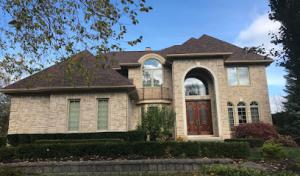
Flat and low-slope roofing is a real but secondary need in this market, reflecting a mix of residential additions, porches, garages, and commercial properties rather than citywide dominance. The old housing stock in dense neighborhoods means you'll often encounter varied roof geometries on a single property. For a homeowner, this increases the likelihood of encountering both steep-slope shingles and a low-slope tie-in on additions or outbuildings. Understanding how these pieces fit together helps prevent surprises during replacement or repairs.
Royal Oak's winter snow accumulation followed by spring rain creates a demanding drainage environment on low-slope sections. Ponding water not only sits longer but also concentrates freeze-thaw stress on the membrane and flashing. When planning a roof refresh, prioritize a drainage-first approach: ensure proper slope, confirm adequate edge drainage, and verify that scuppers or gutters remain clear through late winter. In addition, check transitions where low-slope areas meet steeper sections, since misalignment here is a common source of leaks after the snow melts.
Mixing roof types on one property is common, so a single project may require both steep-slope shingles and low-slope membrane work. A practical approach is to select a contractor who can handle the full scope: assess decking condition under all segments, verify ventilation adequacy for any attic or underlayment, and ensure a seamless tie-in where the low-slope area connects to the steep-slope portion. Pay particular attention to penetrations-pipes, chimneys, and vents-where different roof planes meet, as these are frequent leakage points after winter cycles.
During inspections, walk the perimeter with a flashlight after a light snow or rain to spot scupper blockages or unusual ponding on low-slope areas. Examine edge details along transitions to steeper sections for sharp changes in slope that could trap moisture. If a porch or garage roof is involved, verify that the internal flashing aligns with the main roof flashing to prevent a bottleneck of water at any corner. Approaching the project with a unified plan for both roof types reduces the chance of gaps that ice and thaw cycles can exploit.
Find specialists in TPO, EPDM, and built-up flat roofing systems for residential and commercial properties.
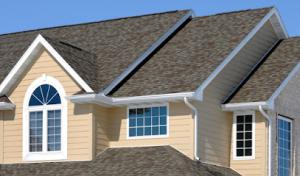
Cedar shake, tile, and composite roofs exist in Royal Oak but represent a smaller specialty market than asphalt, so installer selection is more limited. The local housing stock - often older, with varied rooflines and hidden rafters - means choosing a roof material isn't just about aesthetics; it's about compatibility with decking, ventilation, and the winter climate. When winter ice forms along eaves and gutters, the weight and rigidity of a roof come into play, making material choice a practical, not just a cosmetic decision.
Cedar remains a classic touch for historic sections and character homes. In this market, you'll encounter good-looking shakes, but the material is sensitive to freeze-thaw cycles. Proper underlayment, continuous ventilation, and well-sealed end joints reduce splitting and cupping after cold snaps. Because Royal Oak roofs can conceal deteriorated decking behind older sheathing, a shake re-cover often demands careful deck assessment before the project starts. If weight and structure are sound, you gain a warm, natural appearance that pairs well with brick and stone accents typical of older neighborhoods.
Clay and concrete tiles sit at higher local cost ranges and carry substantial structural implications. Heavy assemblies require precise framing and optimized attic ventilation to prevent sag and accelerated deck wear during freeze-thaw cycles. The luxury of tile comes with a need for seasoned installers who respect subtle roof geometry and parapet work. In homes with limited attic access or existing insulation gaps, tile work becomes more complex, making early evaluation critical to long-term performance.
For premium looks without some fragility of real wood or weight of tile, synthetic or composite products offer an appealing middle ground. They can mimic cedar or slate with enhanced impact resistance and dimensional stability in winter conditions. In older homes, composites also ease installation constraints, reducing the risk of deck exposure during installation. This makes them a practical alternative when a traditional wood or tile finish is desired but the structure benefits from a lighter, more forgiving material.
Connect with specialists in the installation and restoration of natural cedar shake and shingle roofs.
Bloomfield Construction & Restoration
(248) 333-3987 www.bloomfieldconstruction.com
Serving
5.0 from 174 reviews

Performance Roofing & Siding Pontiac
(734) 259-7464 performanceroofsystems.net
Serving
4.9 from 127 reviews