
Last updated: Apr 19, 2026
In this climate, the warm attic sneaks up against the cold exterior and repeatedly pushes water into tiny crevices as temperatures swing. The repeated freeze-thaw cycles open up small flashing gaps and loosened shingles long after a calm autumn sun. In Roseville, that means a roof that looked sound in fall can start leaking not from a dramatic storm, but from slow, steady deterioration beneath the surface. If attic insulation isn't doing its job or a vent is blocked, heat loss accelerates this process, pushing moisture into decking and around penetrations. The result is a leak that appears suddenly after a few weeks of freezing nights and still-chilly days, even without a new weather event. The warning sign is moisture staining near dormers, vents, or where valleys meet the ridge line; the fix is rarely cosmetic-it's a close inspection of flashing seams, pipe boots, and the integrity of the underlayment.
Snow buildup is a primary stressor in this market, and when attic heat melts the snow, the refreeze at colder eaves creates hard ice dams that chase water back under shingles. The effect concentrates around valleys and edges, where the wind-driven snow can pile and back up against blocked eaves. Once an ice dam forms, water wicks up under the shingle tab and into the attic, often behind bathroom vent pipes or at the chimney flashing. If that cycle repeats, rot and staining can accelerate along the decking, and the risk of a saturated attic becomes real. The clue is damp insulation or a musty attic odor during a thaw, plus occasional ceiling drips near exterior walls or light fixtures. Addressing this means checking vent placement, ensuring soffit vents are unobstructed, and confirming that the drip edge and flashing are continuous and sealed to resist meltwater routes.
Replacement timing in Roseville is commonly pushed into late spring through early fall because winter conditions make tear-off, deck drying, and sealing less predictable. If a roof shows signs of advanced wear-soft spots in decking, widespread flashing rust, or repeated ice dam damage-plan for a window when temperatures cooperate and the snow is gone. The risk of delaying a full tear-off into milder months is structural: decking moisture pockets, compromised ventilation, and lingering seals that can fail again with the next freeze. A practical approach is to identify the most vulnerable sections of the roof-valleys, chimneys, and flues-and map a plan that minimizes exposure, prioritizes ventilation restoration, and coordinates a controlled dry-in. In Roseville, this means aligning the project with the most favorable weather blocks, rather than chasing perfect conditions in the heart of winter. If a leak is actively weeping, treat it as a signal to isolate the affected slope, dry the area, and implement a temporary but reliable sealing approach while scheduling the full replacement window.
In this market, roof claims are less about a single threat and more about a pattern: hail, wind, and winter storm damage all show up on the same roofs. In Southeast Michigan, adjusters look for multiple affected areas, and they often correlate hail marks with missing shingles, dented metal, or compromised flashing. In a typical Roseville street with older, weathered decking and ventilation details, a storm can expose underlying issues that weren't obvious before. If a claim happens after a severe wind event or a heavy ~Michigan winter, expect the process to assess not only the visible damage but also the integrity of decking and soffits, attic ventilation, and any preexisting vulnerabilities.
Insurers may scrutinize hail-related claims more carefully than wind-only events. The more you can show-photos from before and after, close-ups of damaged areas, and a clear timeline of when you first noticed issues-the better your position. After a windstorm or winter storm, document every affected area from multiple angles: roof slope, valleys, exhaust vent penetrations, and flashing around chimneys or skylights. If you can, keep a dated record of when you observed leaks inside the attic or living spaces during thaw cycles or after storms. A single, scattered leak can trigger a broader review, especially if the roof is older or has known vulnerabilities typical of the area's housing stock.
Expect requests for objective evidence: contractor estimates, detailed damage reports, and loss details. Photo documentation helps illustrate the scope, while a professional estimate helps translate observed issues into repair or replacement needs. Because Roseville homes often show aging deck boards, compromised underlayment, or marginal ventilation, the insurer will want to understand whether damage is isolated to the surface or if it extends to decking and insulation. If a claim crosses a winter-storm threshold, the adjuster will look for wind-driven lift, ice dam-related breaches, and any freeze-thaw-induced cracking. Being prepared with a clear, itemized account of all affected areas can streamline the review process.
After wind or winter events, avoid delaying action to protect the interior. Cover exposed spots temporarily with tarp or board up openings to prevent further water intrusion, but keep the work non-invasive enough to preserve evidence for the claim. Do not perform invasive fixes that could alter the damage narrative or limit the adjuster's assessment of the original condition. If possible, schedule a no-pressure, independent assessment to document current damage before any contractor work begins. This helps avoid confusion between preexisting conditions and new storm-related issues when the claim is processed.
Because the market often sees complex damage patterns after storms, a cautious approach to assessing need is prudent. If a roof shows signs of underlying issues-deteriorated decking, sagging areas, or compromised ventilation-document those conditions clearly. In a reroof situation, insurers will weigh reported damage against the observed condition of decking, flashing, and ventilation. Roseville homes with lake-effect freeze-thaw stress may reveal hidden weaknesses only after a thorough inspection, so ensure the claim narrative conveys both surface damage and any latent problems revealed by the storm event.
Connect with contractors who help homeowners navigate the claims process from damage assessment to final approval.

5 Star
19010 E Thirteen Mile Rd, Roseville, Michigan
4.8 from 38 reviews
We are well aware most people don't want to think about replacing their roof or windows. Maybe you have storm damage or maybe your roof is old and needs to be replaced either way we all have to do it eventually. At 5 Star we want to make your next home improvement a pleasant memory, we will get your project finished and cleaned up in a timely manor. We know the key to impressing you is simple, fix the problem quickly for a good price. I will be the first to tell you that we can definitely make that happen! Give 5 Star the chance to shine and I am certain we can leave you satisfied.

J&J Roofing
(586) 445-6455 www.jjroofing.com
29522 Little Mack Ave, Roseville, Michigan
4.6 from 10 reviews
Family-owned and operated for over 30 years, J&J Roofing is Macomb County’s go-to roofing company for high-quality, reliable service. Based in Roseville, Michigan, our experienced team proudly serves homeowners across Warren, Sterling Heights, Clinton Township, Shelby Township, and all surrounding areas. Whether you need new roof replacement, roof repair, or gutter installation, we’re here to protect your home with craftsmanship you can trust. From minor roof repairs to major storm damage restoration, no project is too big or small. When you choose J&J Roofing, you’re choosing local expertise, affordable pricing, and a reputation built on integrity and customer satisfaction. Call today for estimate.
L&S Home Improvements
(586) 879-7006 www.lnshomeimprovements.com
Serving
4.9 from 305 reviews
L&S Home Improvements, located in Warren, MI, is your premier roofing company serving Southeast Michigan, including Macomb, Oakland, and Wayne counties. With a specialization in roofing installation, siding, and gutters, our experienced team of roofers is dedicated to delivering top-quality craftsmanship and exceptional service. Having completed over 1,600 roofs in the area, we take pride in our reputation for reliability and excellence. Whether you need a new roof, roof repairs, or a complete roofing system overhaul, trust L&S Home Improvements to protect and enhance your home. Contact us today for a free inspection and no-obligation quote. L&S Home Improvements will take care of all your roofing, siding, and gutter needs!
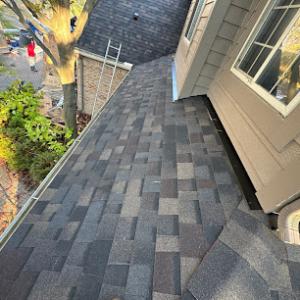
Michigan Home Restoration
Serving
4.9 from 71 reviews
Michigan Home Restoration is the leading Roofing Company in the Tri-County area. We’re a team of fully-certified professionals who tackle everything from large, complex projects to smaller scale jobs. Fueled by our commitment to excellence, we go the extra mile to make sure clients are completely satisfied with our work. Call us today to schedule a FREE Inspection.

Premier Roofing & Renovations
(888) 770-4245 premierenovations.com
Serving
4.6 from 180 reviews
Established in 2015, Premier Roofing & Renovations serves Southeast Michigan with residential and commercial roof replacement, repair, siding, and gutters. We are an Owens Corning Platinum Preferred installer, storm-damage experts, and provide detailed inspections for aging or damaged roofs. Our Fraser office is staffed Monday–Friday, 9 AM–5 PM, and visits are available by appointment. After hours our call center schedules next-day service. Manufacturer-backed warranties, licensed and insured, and trusted by Michigan homeowners for dependable craftsmanship and honest service.
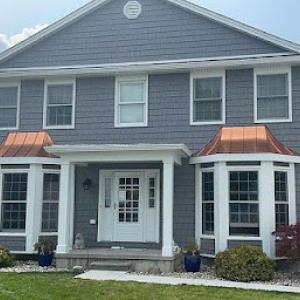
3G Home Exteriors
(586) 533-8343 3ghomeexteriors.com
Serving
4.4 from 209 reviews
3G Home Exteriors in Fraser, Michigan delivers expert siding, roofing, gutter, and window services for homeowners across Southeast Michigan. Whether you're looking for a siding contractor near you, need a roofing company for a full roof replacement or repair, or want new gutters or energy-efficient window replacements, our experienced team is here to help. We install premium vinyl siding and fiber cement siding from brands like CertainTeed and James Hardie, offering durable, attractive solutions built to last. Our roofing contractors handle everything from asphalt shingle replacements to leak repairs. We also provide seamless gutter installation with optional gutter guards to protect your home from water damage, along with window replacem
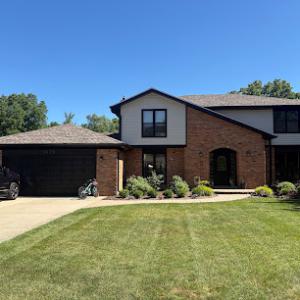
Leach Construction
(586) 822-1981 leachconstruction-mi.com
Serving
5.0 from 73 reviews
Welcome to Leach Construction, LLC Your Trusted Partner for Quality Roofing Solutions Serving Wayne, Oakland, Macomb, St. Clair, and Washtenaw counties, Leach Construction, LLC is a family-owned company with roots dating back to the 1960s. Based in St. Clair Shores, we specialize in residential and commercial roofing systems, as well as siding, gutters, and deck installations and renovations. Whether you need a new roof for your home or a reliable commercial system for your business in Metro Detroit, our experienced team is committed to delivering durable, efficient solutions tailored to your needs. At Leach Construction, we take pride in craftsmanship, precision, and customer satisfaction—building with care, every step of the way.
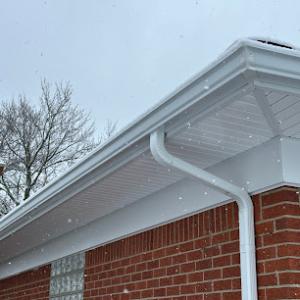
BCD Roofing
(313) 707-4747 www.bcdroofing.com
Serving
4.9 from 113 reviews
Roofing, Siding, Gutters Installation Experts; Licensed and Insured; Serving Macomb, Oakland, and Wayne counties
Bach Roofing Company
(586) 244-2086 www.bachroofingcompany.com
Serving
5.0 from 105 reviews
Your local family-owned, quality St. Clair Shores roofing company. Bach Roofing Company can handle all your residential & commercial roofing needs. From minor repairs to full roof replacement. While we're based out of St. Clair Shores, we service homes and businesses in cities all over Metro Detroit, including Grosse Pointe, Grosse Pointe Farms, Grosse Pointe Park, Harrison Township, Chesterfield, New Baltimore, Macomb, Clinton Township, and Shelby Township.

Select Renovations
(586) 541-8821 selectrenovations.build
Serving
4.9 from 60 reviews
With over 30 years of combined experience, Select Renovations provides top-notch roofing services in Fraser, Michigan. We specialize in Residential Roofing Installation, Residential Roofing Repair, Roof Leak Repair, Commercial Roofing Installation, Metal Roofing, Commercial Roofing Repair, Roofing Inspections, and Emergency Roofing Repair. As certified Duro-Last contractors with Elite Contractor status, we ensure quality, professionalism, and integrity in every project. Contact us today to experience the Select Renovations difference! Fully Licensed & Insured SELECT THE BEST, WE'LL DO THE REST!
Oak Roofing
Serving
5.0 from 134 reviews
We only do complete replacements, Sorry we do not do repairs.

Shelby Construction Services Roofing Siding Windows
(833) 674-3529 www.shelbyconstructionservices.com
Serving
4.8 from 167 reviews
Shelby Construction Services is a trusted exterior remodeling and roofing contractor based in Clinton Township, MI, proudly serving all of Macomb County. Voted the #1 Roofing Contractor in the area, we specialize in roof replacement, siding installation, window replacement, and seamless gutters. Whether you need a full exterior upgrade, or roofing, siding or window replacement our licensed and insured team delivers quality craftsmanship with honest pricing. Financing options are available to make your project affordable. Call today for a free estimate on roofing, siding, or window replacement in Macomb County and surrounding Michigan communities.
Asphalt shingles are the dominant practical choice in this market because they fit the common residential reroofing scope and moderate roof structures found in the area. They're familiar to local crews, install efficiently on typical ranch and cap-style roofs, and offer reliable performance through freeze-thaw cycles. When evaluating, prioritize sealant integrity around vent stacks and attic eave gaps to keep ice dam risk manageable. Look for shingles with good granule adhesion and a factory-backed warranty that covers wind uplift in this climate.
Metal roofing is present locally but remains a smaller specialty segment compared with asphalt-focused contractors. It presents appealing long-term durability and better snow shedding, which can reduce ice dam buildup on steeper sections. If choosing metal, ensure the substructure is prepared for the weight and that flashing details at valleys, hips, and chimneys are integrated with a corrosion-resistant finish. A metal roof can be a solid upgrade where roofs are on the cusp of needing replacement and where the installer schedules precision in underlayment and venting to avoid condensation issues in colder months.
Heavy materials such as clay tile, concrete tile, and slate are available but less typical for mainstream housing stock. They can raise structural and installation complexity, especially on modestly pitched roofs or homes with limited attic ventilation. If a home is considering one of these, a structural engineer's input becomes essential, along with a detailed plan for integrated flashing and waterproofing at penetrations. In Roseville's climate, ensure the deck is checked for soundness and that the fastener schedule is prepared for freeze-thaw stress to prevent cracks and leaks from developing at seams.
Some homes blend material types to address aesthetic goals or local shading considerations. In those cases, ensure the design maintains consistent drainage to minimize water backup behind valleys and at eaves. Ventilation remains a top concern across all materials; ensure soffit vents, ridge or turbine vents, and attic baffles are sized to support seasonal humidity shifts. Local crews often tailor these details to the roof's exposure to winter winds and nearby deciduous canopy changes, which influence ice dam formation and moisture control.
Reroof pricing in this market is shaped by winter damage and spring storm activity, which creates seasonal demand spikes. That means scheduling can tighten up after a harsh winter or during a stretch of windy, wet springs, and labor availability can tilt toward higher bids or shorter windows. When choosing materials, asphalt shingles, metal, and synthetic options sit in the middle of the market, with higher-end choices like clay, concrete, slate, and upscale composites pushing the total per-square price upward. In practice, you'll typically see asphalt shingles in the lower to mid range and metal or tile options at the higher end, with roof complexity and decking condition acting as multipliers on the base material costs.
Roseville reroof pricing is affected by seasonal demand spikes after winter damage and storm events, which can tighten scheduling and labor availability. If a storm creates widespread need, crews may be booked weeks out, and a project can encounter longer access times for material deliveries. This can translate into higher temporary labor rates or a premium for expedited service. Budgeting for a reroof in a transition period (late winter into early spring or late summer after storms) helps smooth the pacing and reduces the risk of rushed decisions when crews are scarce. Expect a more variable timeline and, consequently, a potential edge in overall cost during peak demand.
Costs can rise when tear-off reveals decking deterioration from long-term moisture intrusion after repeated freeze-thaw seasons. If the plywood or oriented strand board hidden under peak shingles shows water damage or rot, replacement becomes part of the job. That adds material and labor, often elevating the per-square price beyond the base roof replacement estimate. In Roseville, where freeze-thaw cycles stress older housing stock, a plan that includes a moisture check and a contingency for decking repair helps avoid surprises mid-project.
The city's reroof process, along with peak-season processing, can affect project pacing. Expect at least a modest extension in project start times or a need for phased work if the crew is handling multiple properties in the same area after a major storm. Build a buffer for weather delays and delivery hiccups, especially when ordering larger quantities of shingles or metal panels. In practice, set aside a contingency of 5-15% for decking repairs and an additional 2-5% for scheduling gaps due to seasonal demand. Having a clear, phased plan with material choices locked in helps keep the reroof on track and within a reasonable budget.
Get a clear picture of your project costs upfront - no commitment required.
Shelby Construction Services Roofing Siding Windows
(833) 674-3529 www.shelbyconstructionservices.com
Serving
4.8 from 167 reviews
Pankow n Sons Roofing & repair
(586) 216-6141 www.pankowandsonsroofing.com
Serving
4.9 from 38 reviews
A full reroof in Roseville typically requires a permit through the local building department before work begins. The process is designed to ensure that critical elements-ventilation, flashing, and decking-meet current code and suit the lake-effect freeze-thaw realities that stress roofs here. Start by submitting a straightforward plan set, including roof type, underlayment, venting strategy, and flashing details around valleys, chimneys, and skylines. Have your contractor provide the required contractor registration, lien waiver language, and any project-specific notes about attic ventilation and ice dam mitigation. If your home has historic features or if you're tying into existing gutters and downspouts in a unique way, mention that up front to avoid delays.
Permit review commonly runs about 1-2 weeks, with longer waits possible during the busy roofing season. If spring storms flood the calendar or a cold snap drives urgent work, the department can experience backlogs. Plan your schedule accordingly and consider requesting a preliminary review or asking for a rough estimate of review time when you apply. While you wait, gather all documentation the inspector may request at pre-inspection, such as attic ventilation calculations, shingle manufacturer installation guidelines, and flashing detail diagrams. Having these on hand speeds up the process and reduces the chance of a re-submittal.
Roseville inspections commonly verify flashing, ventilation, and decking condition after installation, and a final inspection is usually required before closeout. The flashing check focuses on proper integration with existing walls and chimneys, with particular attention to any valley metal and step flashing that must withstand winter moisture and freeze-thaw cycles. Ventilation is assessed to ensure the attic maintains a balanced airflow, reducing ice dam risk and moisture buildup in colder months. Decking condition is examined for signs of water intrusion or energy-driven swelling that could compromise the roof's longevity. Expect an interim inspection if components like attic vents or ridge vents are being upgraded, and a final inspection once all systems are in place and materials are secured.
Coordinate timing with your contractor to align material deliveries with the permit approval window, so work can proceed promptly once clearance is given. Keep a dedicated folder of permits, inspection approvals, and reinspection notices, since you'll need to present these at closeout. If an inspection flags a flashing or ventilation shortfall, address it quickly-winter concerns in this area hinge on controlling moisture and preventing ice dam-related leaks. A well-documented, code-compliant reroof not only satisfies Roseville's permit review but also supports a durable roof through the region's winter demands.
In older neighborhoods, you'll notice leaks more often trace to flashing transitions than the field of shingles. Valley and chimney transitions battle freeze-thaw cycles and shifting framing, so the path of a leak can run along a metal strip you barely notice until staining appears. When inspecting, focus on the point where roof meets walls, vent pipes, and abutting structures. Look for loose, bent, or torn flashing, and for any concrete or asphalt sealant that has cracked or pulled away. If you find cracked tar lines or exposed nails at these joints, address them before water travels farther.
Masonry penetrations are a familiar sticking point on many homes here. Chimneys and hearth flues create a challenge because mortar, brick, and flashing age at different rates. You'll want to verify that chimney cricket or saddle supports water away from the stack and that flashing steps are properly integrated with counter-flashing into the masonry. Any sign of slimy staining, efflorescence, or soft brick near the base should raise a flag. Routine checks after heavy rains or quick freezes can catch deteriorating sealant, rusted nails, or loose counter-flashing before a leak becomes a bigger problem.
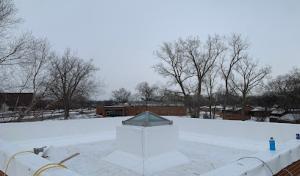
Skylights are a notable specialty, and their curb details often dictate whether a roof stays dry during a thaw. You'll find that the most reliable roofs treat skylight curbs as a system, with careful integration of flashing, sealant, and waterproof membranes. If a skylight is older or has seen repeated resealing, the risk climbs for ice dams forming around the curb and leaking into the interior when temperatures swing. Pay attention to any frost buildup along the curb, uneven glazing, or degraded rubber gaskets.
Winter storms amplify small vulnerabilities into visible leaks. A slow drip that follows a dramatic temperature swing can signal a compromised flashing joint or a degraded sealant. In reroof planning, prioritize the inspection of flashing transitions, chimney interfaces, and skylight curbs. A proactive crew will pull back shingles at critical joints, reseal with compatible materials, and verify that ventilation downstream remains capable of handling winter moisture without pushing warm attic air into cold roof planes.
Find contractors experienced in skylight installation, flashing, and leak repairs to bring natural light into your home.

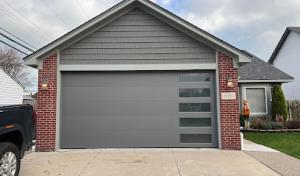
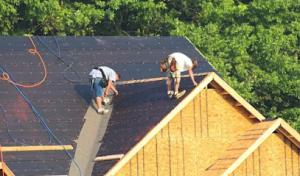
In this market, additions, porches, and garages often end up with flat or low-slope roofs that age differently from the main house roof. These areas freeze and thaw with the winter pattern and shoulder into spring storms where drainage slows. That combination makes low-slope sections a frequent source of leaks if flashing, decking, or membrane details aren't addressed during a reroof. Treat these zones as separate roof systems within the larger Roseville reroof project, with their own material and flashing decisions.
Start by checking how water moves on the flat or near-flat sections after a rain or thaw. Look for standing water, even small depressions, and any damp spots on the underside of eaves or overhangs. Inspect edge flashing where the low-slope meets walls, and verify that transitions to the main roof are sealed properly. Examine the decking under the low-slope area for sagging, soft spots, or signs of prior ponding. Check gutters and downspouts for debris and ensure they drain away from the structure rather than pooling at the base of the low-slope roof. If you notice ongoing dampness after storms, treat those zones as separate trouble spots requiring specific membrane detailing.
Low-slope sections often benefit from membrane systems designed for water management and durability under freeze-thaw stress. Consider a dedicated flat- or low-slope product that pairs well with the adjacent main-roof materials and tolerates seasonal temperature swings. Pay particular attention to edge details, parapets, and penetrations (vents, gas lines, and skylights) where leaks tend to start. In a Roseville reroof project, these zones should be specified with independent installation notes-flashing with clean, continuous seams and properly terminated terminations at walls and transitions. If a low-slope area has significant ponding or age-related decking concerns, plan for targeted replacement of decking and vetted flashing assemblies during the reroof. Maintenance after completion should emphasize keeping drainage paths clear during thaw cycles and promptly addressing any new dampness or telltale staining at these zones.
Find specialists in TPO, EPDM, and built-up flat roofing systems for residential and commercial properties.
Pankow n Sons Roofing & repair
(586) 216-6141 www.pankowandsonsroofing.com
Serving
4.9 from 38 reviews
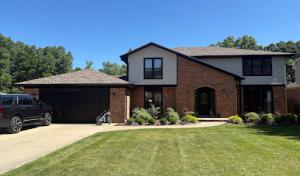
In Roseville, homeowners commonly hire for reroofing and repair rather than specialty luxury systems. The typical contractor mix favors established, family-run teams that keep work predictable and personable. That means projects often proceed with straightforward communication, transparent scheduling, and dependable crew turnout. The market favors practical solutions that hold up under snow, ice, and seasonal freeze-thaw cycles, rather than high-end installs that target a particular niche.
Quick response and thorough cleanup are standout hiring priorities in this market. After a storm or a leak, a prompt response helps minimize interior damage while crews locate the source of moisture. Cleanup afterward should leave the yard tidy and the roof area safe for foot traffic, especially during de-icing periods when debris can become a driving hazard. Homeowners value contractors who coordinate a clear sequence: initial assessment, temporary measures if needed, and a decisive plan for full or partial reroofing when warranted.
The older Metro Detroit-style homes common in this area often rely on combinations of asphalt shingles or mid-range metal options, with attention to venting, flashing, and decking condition. Homeowners look for contractors who can identify signs of ice dam risk, fascia and gutter issues, and compromised decking before heavy rains return. Family-owned crews tend to offer approachable warranties and flexible scheduling, which aligns with local expectations of reliable follow-through after storm season and during spring thaw.
Seek contractors who provide clear project milestones, documented inspections, and a plan that addresses both winter damage prevention and post-storm leak response. Emphasize coordinating ventilation, flashing, and decking checks as part of any reroofing or repair, and prioritize crews that demonstrate respectful site cleanup and punctual communication as hallmarks of their service.