Last updated: Apr 19, 2026
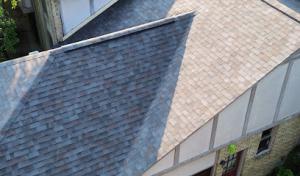
In Rochester, cold snowy winters are followed by spring hail storms, creating a two-part damage pattern that hits steep residential roofs hard. First comes winter moisture intrusion: ice dams form where warm attic air meets a cold roof, driving meltwater under shingles and into the underlayment. That moisture can degrade decking and insulation even before spring shows its weathered face. When spring arrives, the real visibility begins-shingle bruising from hail becomes evident. Those bruises are not cosmetic; they signal compromised surface protection and potential micro-cracks that allow moisture to sneak back in during the next freeze. The sequence means an early, targeted inspection after winter and again after spring storms is not optional-it's essential to head off leaks before the next freeze cycle.
Rochester's climate pushes replacement windows into a narrow, practical frame. Late spring through early fall is the most stable period for replacements because winter freeze-thaw can undermine underlayment performance and summer humidity can slow installation pace. If a roof system is damaged enough to need replacement, align the project to that late-spring-to-early-fall stretch when temperatures stay moderate, days are longer, and materials settle without sudden cold snaps. Planning around this window reduces the risk of reopening work due to hidden damage and helps ensure the underlayment and fasteners perform as intended through the next weather cycles. Do not let a lingering issue drag into winter-the combination of persistent cold and snow makes every misstep more expensive and more invasive.
The city's housing stock features many established neighborhoods with steep-sloped roofs, where ice and snow shed unevenly and storm exposure is high. This design makes leak tracing notably more difficult than on simple low-pitch layouts. Ice dams can form along eaves where overhanging gutters funnel meltwater back toward the fascia, then creep beneath shingles where flashing or joints show wear. Spring hail bruising adds another layer of vulnerability: bruised shingles may appear superficial, but the impact can disrupt the protective granules and create micro-fractures that progress under repeated freeze-thaw cycles. On steep roofs, fall risks and the need for careful ladder work complicate inspections, so a professional assessment after every major storm is strongly advised.
Start with a careful visual review after the last spring hail event. Look for visible bruising on asphalt or composite shingles, unusual granule loss in gutters, and any new dark patches that hint at moisture staining. If winter moisture signs are present-soft decking, lingering frost on the attic side, or a damp attic space-treat them as warning indicators of potential underlayment compromise. For steep slopes, do not climb onto the roof yourself; call a roofer who uses proper safety gear and has experience with Rochester's weather patterns. A professional should perform a two-part assessment: (1) an exterior inspection focused on hail bruising, flashing integrity, and shingle lift, and (2) an interior inspection to identify signs of water intrusion in the attic and ceilings.
In this climate, resilience means proactive, staged maintenance. After a harsh winter and a heavy spring hail season, prioritize repairs that seal weak points around hips, valleys, and dormers where water tends to accumulate. Ensure proper ventilation and a sound underlayment system to withstand the next freeze-thaw sequence. If replacement is necessary, choose materials with a durable surface that can better absorb hail impacts and resist granule loss, especially on steep slopes where exposure is highest. Since leakage paths on steep roofs are more complex, invest in a comprehensive leak-tracing protocol that tracks potential entry points from the roof edge to the attic, rather than relying on surface appearance alone. That approach saves weather-related surprises when the first real storms roll in.
In Michigan, roof claim handling remains broadly available, but hail-related claim activity can slow adjuster scheduling and increase the importance of photo documentation and material records. When a storm hits, you are wise to shift from general impressions to precise evidence. Take comprehensive photos from multiple angles: the entire roof, nearby property features for scale, gutters, vents, and any interior signs of water intrusion. Capture dated images after storms, then again after a temporary patch if a leak is observed. Storing these images with clear labels helps a later adjuster understand the sequence of events and reduces back-and-forth. In this market, adjusters may be juggling many files, so quality, organized visuals save time and keep your claim moving.
Rochester homeowners dealing with spring storm damage often need contractor documentation that distinguishes hail impact from older wear exposed by winter weathering. Inspect the shingles on a representative portion of the roof rather than a single patch. Hail damage tends to show round, angular divots, pockmarks, or bruising patterns that are inconsistent with wind scuffs or curling from aging. Compare new markings with signs of freeze-thaw cycles that leave hairline cracks or granule loss scattered more diffusely. Have a licensed roofer or an experienced inspector evaluate whether the observed damage aligns with the storm's timeframe and with hail-specific indicators such as concentrated impact zones on slopes exposed to the prevailing wind. Written notes tying the inspection findings to the storm event can be especially persuasive during claim review.
Because local replacements commonly involve permit review, homeowners should keep insurer scope sheets, product specifications, and final approval records aligned from claim through closeout. When a contractor provides estimates or scope outlines, make sure the material types, underlayment, and fastener patterns match what the insurer approved, and that the proposed roofing system is suitable for the steep residential rooflines frequent in the area. If a product change occurs during the claim, obtain a revised, dated scope sheet and ensure the insurer is notified promptly. Retain product data sheets, warranty details, and installation notes that specify installation steps tailored to steep pitches and cold-weather conditions. These documents help prevent miscommunication and speed up the approval process as the project advances.
Begin by submitting the claim with a concise summary of what happened and the storm date, attaching your photo set and the contractor's initial assessment. Expect follow-up questions about whether interior damage occurred and whether temporary protections were installed. If the insurer requests a second opinion, coordinate with your contractor to arrange a site visit that demonstrates the extent of hail impact and differentiates it from prior wear. Keep a running file of communications, including dates, names, and contact methods, so nothing slips through the cracks as the review progresses. When a scope is approved, verify that the final product aligns with the insurer's approved materials and that any deviations are documented with updated specifications and signatures.
As the project wraps, collect final invoices, material takeoffs, and a comprehensive warranty packet. Photograph the completed roof from several vantage points, ensuring the seams, transitions, and flashing are clearly captured. If a permit review was part of the process, store the approval letter and any inspection notes in the same claim folder. Before closing, reconcile the contractor's final scope with the insurer's payout record and your product specifications to confirm alignment. A tidy, well-documented closeout reduces the chance of dispute and supports a smooth transition from claim to completed repair.
Connect with contractors who help homeowners navigate the claims process from damage assessment to final approval.
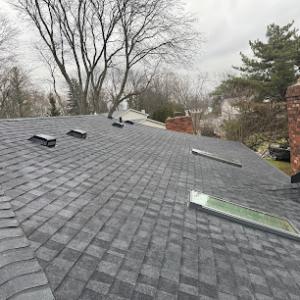
Asbury Roofing & Solar
(248) 963-8462 asburyroofingandsolar.com
361 South St Unit C, Rochester, Michigan
4.9 from 61 reviews
Asbury Roofing & Solar is ready to meet your home improvement needs, whether it is a simple roof repair or a full replacement or siding and windows and solar. We also count on a large network of like-minded home improvement companies and would love to assist you in any way possible to reduce the headache and costs that come along with maintaining your home.
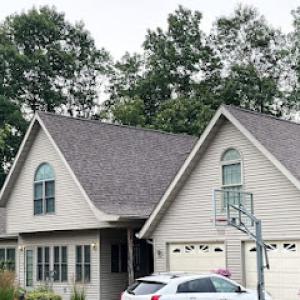
KBC Roofing
410 W University Dr Suite 215, Rochester, Michigan
5.0 from 11 reviews
At KBC Roofing, a division of Key Builders Construction, Inc., we bring over 40 years of trusted experience from our roots in Princeton, Illinois, to homes across Michigan. Founded by the Peacock family in 1978 and incorporated in 1988, our company has always stood for quality, trust, and family values. With a strong presence in Rochester, Michigan, we are proud to offer the same exceptional service and craftsmanship that has made us a trusted name in the roofing industry for decades. What truly sets KBC Roofing apart is how we treat every roof as if it’s our grandma’s house. We approach each project with care, respect, and attention to detail, ensuring your roof receives the highest level of craftsmanship.
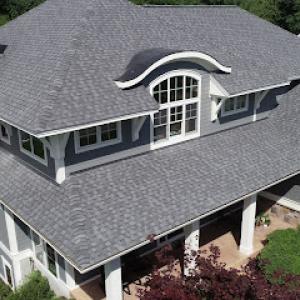
Original Roofing Company
(248) 266-4646 originalroofing.com
Serving
4.9 from 140 reviews
Michigan's trusted partner in storm damage restoration. We help homeowners, condo/HOAs, and businesses secure insurance coverage for hail/wind-damaged roofs. Quality work and personalized service. 100% family owned & operated. 1,000+ roofs approved!
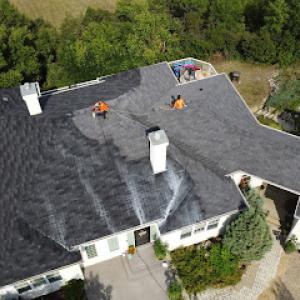
MI Roof Renewal
(248) 694-8890 www.miroofrenewal.com
Serving
4.9 from 44 reviews
MI Roof Renewal delivers state-of-the-art roof maintenance with eco-friendly shingle rejuvenation that’s guaranteed to extend roof life by up to 15 years. Our quick, quiet, and complete service includes inspection, cleaning, and minor repairs — all at a fraction of the cost of replacement. We restore your roof’s protection and appearance while saving you thousands of dollars. Reach out today for a free estimate, and protect the roof that protects your home.

Prime Home Remod
(734) 530-0344 www.primehomeremod.com
Serving
4.9 from 15 reviews
Prime Home Remod provides the top-value experience for exterior home improvements. Your home's value and protection start outside. Prime will solve all your replacement and repairs for roofing replacement, window replacement, siding replacement, gutter replacement, and gutter protection replacement. The proper installation and materials for roofing, windows, siding, and gutters on the exterior of your home establish a high-valued, protected asset.

Rochester Hills Roofing
(248) 266-9979 www.rhillsroofing.com
Serving
4.9 from 35 reviews
Rochester Hills Roofing comes with over 20 years experience and is a well know name in the Metro Detroit Area. If you need your roof repaired or replaced we will do a great job and we guarantee to meet or beat any competitors pricing. Our quality of work is excellent and we can help you with your insurance company to help cover the cost of repairs. Give us a call today for a free inspection and quote.

Evolve Construction
(248) 891-1755 evolveconstructionmi.com
Serving
4.8 from 53 reviews
We are a family-owned general-contracting business that specializes in roof installation, repairs, & skylights. With over 10 years of experience, we take pride in offering top-notch service from the time we receive your inquiry through the completion of your project. Fully licensed & insured, contact us today for your free estimate!

G&M Gutter Company
(248) 923-2309 www.gmgutter.com
Serving
4.7 from 19 reviews
Family Owned & Operated Since 1951 Roofing, Siding, and Gutter Installation

Skyline Roofing Solutions
(248) 499-3115 www.skylinesolutionsnow.com
Serving
4.9 from 14 reviews
Specializing in delivering exceptional roofing services, Skyline Roofing Solutions expertly caters to both residential and commercial property owners in Oakland and Macomb Counties. Offering a complete spectrum of roofing solutions, from intricate repairs and replacements to custom installations and state-of-the-art ventilation systems, their team of highly skilled professionals is committed to using only premium-quality materials, including GAF, Owens Corning, and CertainTeed. With a core value of integrity, Skyline Roofing Solutions prides itself on providing honest advice, competitive pricing, and unwavering reliability. Contact them today to arrange a free estimate and experience the difference in quality and craftsmanship.
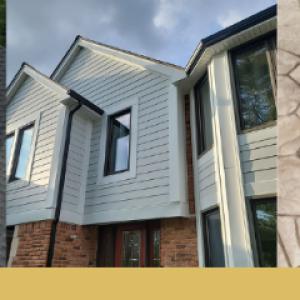
Lighthouse Exteriors
(586) 544-4478 www.lighthouseexteriors.com
Serving
5.0 from 25 reviews
Welcome to Lighthouse Exteriors, your trusted Michigan-based partner for high-quality home improvement services. As a faith-based company, we are dedicated to guiding homeowners through every step of their exterior renovation journey with integrity, craftsmanship, and care. We specialize in roof replacement, roof repair, storm damage restoration, and siding installation, using durable materials and expert techniques to ensure your home is protected and looks its best. In addition to roofing and siding, we also offer professional concrete contracting services, including the installation and repair of driveways, patios, walkways, and other hardscaping features.

Butcher & Butcher Construction
(248) 852-2323 www.bbconstruction.com
Serving
4.6 from 86 reviews
Specializing in custom glass, roofing, architectural metal, and waterproofing, Butcher & Butcher has established a reputation for providing the finest workmanship in the building envelope industry. With Michigan locations in Harbor Springs and Rochester Hills, we can complete any project across the state. We are proud to partner with Fleetwood for luxury windows and doors. Stop by our Rochester Hills headquarters to visit our Fleetwood showroom.
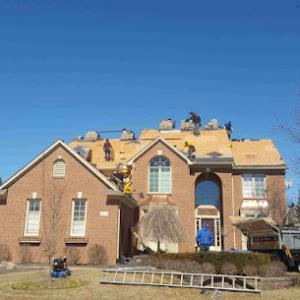
Aero Roofing
(248) 428-3386 www.aeroconstructionllc.com
Serving
4.9 from 19 reviews
Aero Construction, located in Rochester Hills, MI, has been serving the community with high-quality roofing and seamless gutter solutions for over 25 years. They are known for their reliable service, attention to detail, and commitment to lasting craftsmanship. Whether it’s a new roof installation, repair, or custom-fit gutters, they bring decades of hands-on experience to every project. Their long-standing reputation is built on trust, customer satisfaction, and a dedication to protecting homes from Michigan’s toughest weather. They take pride in delivering durable, efficient solutions tailored to each property. Aero Construction is the name homeowners trust for roofing and gutter work done right the first time.
Asphalt shingles dominate Rochester replacements for good reason. The material's familiar installation, broad availability, and straightforward maintenance fit the typical steep residential roofs found in this area. In your winter sessions, asphalt's ability to shed light snow while maintaining a predictable profile helps keep rooflines clear of heavy meltwater. In spring, the shingles' flexibility helps them cope with freeze-thaw cycles that can stress edges and penetrate small gaps. When contemplating a replacement, you'll often find asphalt shingles the most reliable balance of performance, local availability, and ease of inspection after a hail event. To optimize long-term performance, pair asphalt with solid attic ventilation and a well-sealed ridge line to minimize heat buildup that can accelerate granule loss during warm summers.
Metal is increasingly seen in Rochester's market, especially on homes with steeper pitches or modern profiles. The metal's high resistance to hail and its excellent shedding characteristics can be a boon after severe spring storms. The key with metal is to ensure proper installation that accounts for thermal movement due to cold winters and hot summers. Corrugations, fastener spacing, and sealant choices matter more here than with asphalt. Metal also performs well in drain water management; a well-designed snow and ice guard plan helps prevent ice dams at eaves and penetrations. If the structure supports the heavier mass of some metal systems, this option can become a durable, low-maintenance choice that reduces the frequency of mid-life replacements compared with lighter shingles.
Wood shakes and shingles offer a distinctive, time-honored aesthetic that suits many Rochester neighborhoods. Cedar, redwood, or other softwoods bring natural insulation benefits and a warm visual texture that pairs nicely with historic downtown and surrounding homes. However, wood products demand meticulous moisture control, especially given the freeze-thaw cycle. Proper ventilation, a high-quality underlayment, and regular maintenance to prevent moss and rot are essential. When temperatures swing from cold winters to humid summers, ensure the roof has a solid drainage plan and that fasteners, flashing, and sealants remain compatible with wood's expansion and contraction. If the goal is a traditional look with reasonable longevity, cedar shingles or shakes can deliver, but they require a proactive maintenance rhythm.
Synthetic or composite shingles combine some of the ease of installation found in asphalt with enhanced resistance to impact and moisture. For snowy winters and spring hail, these products often provide improved hail resilience and dimensional stability compared with traditional asphalt. They also tend to maintain color and form better under repeated freeze-thaw cycles. Aesthetically, they can mimic wood or slate while offering lower upkeep in the long run. In homes with steeper pitches, synthetic options give you flexibility in style without sacrificing the protective features needed for Rochester's climate. Be mindful of the underlayment and ventilation strategy to ensure the system breathes well through seasonal transitions.
Clay and concrete tiles appear in the local market, but they are less common here and typically reserved for homes with existing structural capacity to bear their heavier weight. On steep residential rooflines, the added mass can amplify seismic or wind-related stresses, and subfloor or rafter reinforcement might be necessary. For homes originally built for lighter roofing assemblies, tile requires careful assessment of load-bearing capacity and potential reinforcement. If chosen, tile systems demand meticulous detailing around roof penetrations, valleys, and eave lines to manage thermal movement and moisture migration. Proper installation and a solid inspection plan ensure these tiles perform reliably through Rochester's cold winters and humid summers.
When planning a replacement, expect asphalt shingles to run about $350 to $650 per square, with metal between $700 and $1200 per square. If clay or concrete tile is chosen, costs typically fall in the $900 to $1700 or $900 to $1500 per square ranges, respectively. Wood shingles or shakes land around $600 to $1000 per square, and synthetic or composite shingles sit in the $650 to $1000 per square band. These are Rochester-style numbers reflecting local material suppliers, delivery, and installation standards that align with historic downtown and established neighborhoods near Paint Creek and the Clinton River. The mix of steep rooflines and detailed flashing seen on many homes can push the final figure above the simplest, generic pricing lists.
Costs in Rochester can rise after spring hail events when demand surges for tear-offs, emergency dry-in, and insurance-related scheduling, which can tighten labor availability and material lead times. With the region's winter freeze-thaw cycles, a late-season weather event or a rapid thaw can reveal hidden damage that expands the scope of a replacement. If a project needs extra vapor barriers, higher-grade underlayment, or upgraded ventilation to handle the long Rochester winters, the price can move upward. It's common for a straightforward job to become more complex when damaged gutters, chimneys, or skylights require careful flashing and resealing around steep pitches.
Older Rochester homes and architecturally varied neighborhoods can increase labor due to steeper pitches, chimneys, skylights, and more detailed cleanup and flashing work than simple suburban ranch layouts. Steeper roofs demand more safety measures and longer installation times, which translates to higher labor costs. Carpentry repairs around deteriorated decking or localized rot also add to the bill. Expect a modest premium if the roof color or material choice requires precise color matching and meticulous shingle alignment to preserve curb appeal in historic districts.
Start with a color and material plan that respects the roof's pitch and surrounding features. If spring hail damaged a roof, set aside a cushion for possible expedited scheduling or additional tear-off days, especially when the contractor's calendar tightens after a storm. For steeper or more ornate roofs, request a detailed scope that itemizes flashing, underlayment, and ventilation improvements so the final estimate reflects actual needs rather than assumptions.
Get a clear picture of your project costs upfront - no commitment required.
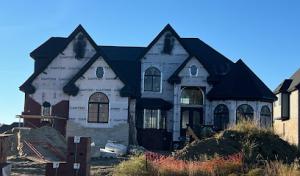
This city's residential roofing work typically must go through the City of Rochester Building Department. The permit process exists not to complicate work, but to ensure steep slopes, winter loads, and spring hail are addressed safely under city codes. You are looking at a formal path that helps protect your home and neighbors, especially during the rough Rochester winters. A permit signals that the project scope, roofing materials, and timing have been reviewed before any tear-off or new installation begins.
The local application covers project scope, roofing materials, and timing, with forms that spell out what you plan to do and when you expect to finish. When you prepare the packet, ensure the scope clearly describes whether the project is a full roof replacement or a repair, the exact roofing type and underlayment, and any ventilation changes. The timing portion should include anticipated start and completion dates, since winter weather and spring hail can force schedule shifts. Submitting accurate diagrams or photos of the current roof helps the city review move quickly and reduces the chance of delays.
Inspections are staged, with an initial inspection early in the process to verify safety measures, required sheathing or underlayment, and adherence to permit scope. A final inspection is conducted before permit closeout to confirm that work conforms to code and that ventilation, flashing, and drainage meet local standards. If something doesn't align with the permit or building code, expect a pause to correct it before the permit can be closed. The staged approach can feel meticulous, but it catches issues that could otherwise lead to leaks or patchwork after the snow has arrived.
Some neighborhoods and homeowners associations may add separate approval requirements beyond the city permit, especially where appearance standards or material restrictions apply. Before you commit, verify any HOA guidelines on roof colors, materials, or edge details to avoid a denial or a costly reface later in the project. If HOA approval is required, factor in extra lead time and documentation into your scheduling, since approvals can hinge on both aesthetic and structural criteria.
In the older residential areas, chimneys are a recurring concern because repeated freeze-thaw cycling can open flashing pathways over time. Start with a careful visual scan from the ground and then up close-look for loose or separated step flashing where the chimney meets shingles, deteriorated drip edges, and any visible mortar cracks that can channel moisture inward. Ice dams in winter can push along the chimney side and pry flashing loose, so check for gaps at the interface where metal meets masonry. If any flashing looks suspect, plan a targeted repair rather than a full rebuild; misfitted flashing is a common source of ongoing leaks after spring thaws. When replacing or resealing, aluminum or copper flashing matched to the roof's material tends to hold up better under Rochester's winter conditions.
Skylights are a meaningful specialty in the local contractor market, which suggests homeowners frequently need repair or replacement work tied to aging seals and flashing details. Inspect around the skylight flange for wrinkled or lifted flashing, torn or hardened sealant, and any condensation or moisture pooling between panes. In the spring, sun exposure and lingering ice can reveal slow leaks that weren't obvious in winter. For a curb-mounted skylight, verify the curb is sound and fasteners are secure; for a dome or flat-glass unit, check the glazing seals and the surrounding shingle-to-flashing transition. If water shows up along the edge, the first fix is resealing with a compatible, long-lasting sealant, followed by flashing reseal or replacement as needed.
Leak diagnosis in Rochester often has to separate penetration failures from broader storm or ice-related moisture entry after winter and spring weather swings. Begin with a dry-in test: seal off the interior, wait for a dry period, and then gently introduce moisture at suspected points to observe where it travels. Trace leaks to their highest point of entry-chimney and skylight penetrations tend to funnel water downward even if the actual path begins elsewhere. Document every susceptible seam, including step flashing, counter-flashing, and the skylight-roof interface. This targeted approach minimizes unnecessary repairs and focuses on the true failure points.
Find contractors experienced in skylight installation, flashing, and leak repairs to bring natural light into your home.

In this market, cleanup quality is a top priority because established neighborhoods demand driveway, landscaping, and yard protection during replacement. A dependable crew will lay down ground covers, edging, and protective mats at every access point, and will seal off the work area to keep debris from wandering into flower beds or onto the street. After the job, crews should remove all scrap metal, nails, and litter with a thorough sweep, not a cursory broom pass. You should see daily housekeeping during multi-day projects, not just at completion.
Steep residential roofs near historic streets require careful tear-off procedures to avoid damage to gutters, vents, and nearby landscaping. A responsible crew uses a full tear-off, not a partial underlayment or patchwork, and they protect surrounding surfaces with temporary barriers. During winter and spring, weather can shift quickly; expect a plan for securing the site if a setback occurs, with tarps and wind-proofing to prevent snow or hail from re-accumulating on exposed decking.
Because many contractors emphasize long tenure and warranty support, Rochester homeowners should verify how workmanship promises align with manufacturer-backed material coverage. Ask for written confirmations that the installer's warranty mirrors the coverage terms of the shingle or panel system chosen, including workmanship specifics and any limitations tied to re-roof timing, stacking, or product integration. A reliable crew will provide clear, dated documentation and contact points for follow-up.
Cleanup quality reflects in the final impression and neighborhood sentiment. Confirm before work begins that the crew follows a defined end-of-day checklist, properly bagging nails and hauling debris, with a responsible disposal plan for waste materials. A punctual finish and neat site leave neighbors with confidence that the project respects the surrounding yards and driveways.
While steep-slope residential roofing dominates the area, the local contractor mix shows a smaller but real need for flat and low-slope work on additions, porches, garages, and some commercial properties. In these projects, you're often tying into an existing roof with different geometry, which makes careful detailing essential.
On low-slope sections, drainage becomes a frontline concern. In winter's freeze-thaw cycles, standing water can refreeze and push against membranes, so pay close attention to pitch, transitions, and drip edges. The goal is to prevent water from backing up at ridge lines or along wall flashings where an addition meets the main house.
Membrane selection matters. With the added exposure of a porch or attached garage, a reinforced EPDM, TPO, or modified bitumen can provide the durability needed for winter storms. Factor in UV exposure from southern exposures and shading from mature trees when choosing color and surface texture.
Detailing around penetrations is where many low-slope failures occur. Ensure proper flashing at curbs, skylights, and vertical ties to the main roof. In mixed-roof homes, where the main house uses shingles but rear additions require low-slope assemblies, use compatible transition materials and ensure fastener patterns align to prevent leaks.
Construction quality is amplified by winter conditions. Scheduling ahead to avoid thawing periods is wise, and temporary heat or cloth enclosures can keep materials within their intended temperature range. Ensure contractors have experience with low-slope details on attached structures rather than treating it as a simple add-on.
Maintenance and inspection should focus on the joints between the main roof and the low-slope add-ons. Check for solvent or adhesive failures, seam separations, and edge pucker where gutters tie in. A careful inspection after spring hail helps detect punctures or micro-tears that can worsen if ignored.
Find specialists in TPO, EPDM, and built-up flat roofing systems for residential and commercial properties.