
Last updated: Apr 19, 2026
Utica's cold winters with repeated freeze-thaw cycles make ice dam formation a primary local roof risk. When attic heat escapes and melts the snow on the roof, the refreezing at the eaves creates ice dams that back up into shingles, underlayment, and gutters. This is not a cosmetic issue: it can drive water into your ceilings, rot sheathing, and compromise insulation. In neighborhoods with older suburban homes near the Clinton River corridor, those dammed waters can find small gaps and weak seams and turn them into lasting interior headaches. Treat ice dams as a warning signal that your roof system isn't managing heat, moisture, or airflow effectively.
Snow and ice loads commonly turn minor attic heat loss or poor ventilation into eave leaks and shingle lifting during Utica winters. When heat leaks into the attic, it not only increases melt at the deck but also weakens the protective roof layers over time. The result is a creeping cycle of damp insulation, faster wear on shingles, and vulnerable edges where wind-driven snows push against exposed nail lines. If you notice ice buildup along the gutters, you should treat it as a sign that your roof system needs immediate attention to ventilation, insulation, and protective underlayment. Shingle lifting at the edges is a telltale sign that the wind and weight are exploiting a weak spot in the roof's seal.
Timely action matters, because replacement and major repair planning in this area is typically driven by spring through fall. Winter tear-offs and sealing are risky, messy, and often obstructed by snow, ice, and short sunlight hours. Planning ahead means coordinating with a roofing professional early, so you have a clear path for a thorough ventilation retrofit, insulation upgrades, and any necessary deck or fascia work when the outdoor conditions are more forgiving. If your roof is aging or shows signs of moisture penetration, don't wait for a thaw to reveal the full extent of damage.
What you should inspect now
Immediate steps you can take
When to bring in a pro
Spring in this area brings hail and high winds that can crease shingles, loosen ridge components, and damage flashing. Those random spring gusts can extend from a quick afternoon downpour to a wide arc of storms rolling off the Clinton River corridor. If you notice uneven shingles, lifted tabs, hairline cracking, or obvious wear on ridge caps after a storm, treat it as a potential claim-triggering event. In Utica's older suburban rooftops, a small crease can turn into a larger leak once freeze-thaw cycles resume, especially where valleys and penetrations meet the roof edge. Don't delay addressing wind-driven damage-small issues become big water risks quickly when meltwater refreezes along eaves and rakes.
Michigan's higher storm and wind claim activity means insurers will ask for detailed photos, scope documentation, and post-loss inspections. After a blow, take wide and close-up photos showing the overall roof, any blown shingles, flashing at chimneys and vents, and areas where ice damming or gutter splash appears. Create a simple diagram of the affected zones on the top surface and include date stamps from the photos. When you begin communicating with your insurer, present a quick, organized scope: note impacted elevations, chimney and vent flashing concerns, any ridge line disturbances, and the condition of any existing attic ventilation and insulation. If you have a recent roof color or shingle type, keep samples or a record handy to verify the exact material when the adjuster arrives. A clear, consistent narrative helps prevent back-and-forth that slows the claim during Utica's busy storm weeks.
Demand can spike locally after regional storm events, which affects scheduling and can push homeowners toward temporary tarping before full replacement. If a wind or hail event has just occurred, arrange temporary coverage-strong tarps secured at multiple anchor points-to protect interior spaces while you wait for an adjuster. Schedule a professional roof evaluation promptly, focusing on roof-to-wall flashing integrity, ridge vent performance, and drip edge continuity. Ask your contractor to prepare a line-itemized assessment that matches insurer expectations: note damaged shingles, missing granules, compromised flashing, detached boot seals, and any vent or skylight vulnerabilities. Keep a dated log of communications with your insurer, the contractor's inspection notes, and any temporary repairs. In neighborhoods near the river, wind-driven path patterns can create uneven damage, so consider a follow-up inspection a few weeks after the initial claim to catch late-revealing issues tied to freeze-thaw progression and seasonal wind shifts. This proactive approach helps protect interior spaces and keeps the replacement on a predictable path despite Utica's spring surge.
Find local contractors experienced in assessing and restoring roofs after hail, wind, and severe weather events.
Swift Services
(586) 932-2130 swift-servicesllc.com
45636 Van Dyke Ave, Utica, Michigan
5.0 from 38 reviews
"Since 2015, Swift Services has been providing top-notch roofing services to homeowners in Utica, MI and surrounding areas. Call us when you need a roofing contractor to inspect, repair or replace your roof. Not only are we a local roofer, but we're also proud to... - Be family-owned and -operated - Offer financing through Hearth - Perform thorough roof inspections - Use materials made by the leading manufacturers - Be roofing experts with over 30 years of experience Our repeat clients say we're knowledgeable, reliable and dedicated to quality. Call us today for your free estimate!"
C.A.S. Roofing & Siding
(586) 350-8102 casroofingandsiding.com
Utica, Michigan
4.7 from 13 reviews
C.A.S. Roofing and Siding is a family owned and operated roofing company with over 30 years experience. When you choose C.A.S. Roofing and Siding, you'll deal directly with the owner, not high pressure salesmen! We pride ourselves in the quality of work and craftsmanship. As a licensed roofing contractor, you can be certain that your roof is done right and finished on time. We offer a wide variety of asphalt shingles and industry-leading roofing products and we'll work with you to match the aesthetics of your home and your budget. Whether you need a complete roof replacement or just a repair, give our owner a call at 586-350-8102.

On the Level Roofing & Siding
(888) 535-3835 www.onthelevelroofing.com
Serving
4.9 from 52 reviews
Roofing and storm repair contractor
Diamond Roofing & Construction
Serving
5.0 from 17 reviews
At Diamond Roofing and Construction, we bring familial love and skills to every project, ensuring an exceptional home experience. With 15 years of expertise, our team goes beyond just roofing, offering top-notch solutions for skylights, siding, and gutters. From our humble abode in Shelby Twp, Michigan, we're devoted to preserving and enhancing the beauty of your home, creating a sanctuary that reflects your family's love and joy.
J Taylor Construction
(586) 254-2700 www.jtaylorconstruction.com
Serving
5.0 from 227 reviews
J Taylor Construction - 25 Years Roofing Excellence Trusted Metro Detroit roofing specialists serving residential and commercial clients. Expert installation of roofing, siding, and gutters for ranches, colonials, condos, apartment complexes and multi-units. NO PRESSURE SALES EVER!! 25 Years Proven Experience Complete Exterior Solutions Licensed & Insured Commercial and Flat Roofing Specialists Quality Craftsmanship Guaranteed From storm repairs to full replacements, we protect your investment with professional service and premium materials from Certainteed. Visit our website or call for your free in-home estimate!

Olson Roofing & Siding
(248) 907-0808 www.olsonroof.com
Serving
4.9 from 75 reviews
Olson Roofing and Siding offers residential roofing and siding services for those in southeast, MI. We are family owned and operated, licensed and insured, and are certified inspectors and installers. Call us today for a free inspection and estimate.
Roofing Above All | Ridgecon Construction
(586) 803-3626 roofingaboveall.com
Serving
4.9 from 262 reviews
We go above and beyond because we care about more than your roof. We care about the people living under it. That’s why our licensed builders and authorized installers ensure that your home is protected by an integrated roof system. Our roof company also offers gutter installation and gutter guards, vinyl siding, attic insulation, and skylights. The expert team of roof installers has dedicated their lives to making families happy. We offer various roofing services and we excel at all of them. Years of experience and satisfied customers testify to this.
Seal-Rite Roofing & Siding
(586) 221-3250 www.sealriteroofing.com
Serving
4.6 from 45 reviews
Seal-Rite Roofing & Siding provides insulation services, roof installation, roof repairs, specialized roofing services, specialty roof repairs, gutter installation, gutter protection installation, maintenance and repair, siding installation, siding repair, specialized siding services, and trim and fascia services to the Shelby Township, MI area.
M & A Roofing
(586) 731-6650 www.maroofingllc.net
Serving
3.8 from 31 reviews
Since 1990 M&A Roofing has served the Metro-Detroit area as roofing, window, siding, and gutter professionals. We are a family owned and operated business offering fair prices, outstanding work, and prompt service. Call today for a free no-obligation estimate.

Lighthouse Exteriors
(586) 544-4478 www.lighthouseexteriors.com
Serving
5.0 from 25 reviews
Welcome to Lighthouse Exteriors, your trusted Michigan-based partner for high-quality home improvement services. As a faith-based company, we are dedicated to guiding homeowners through every step of their exterior renovation journey with integrity, craftsmanship, and care. We specialize in roof replacement, roof repair, storm damage restoration, and siding installation, using durable materials and expert techniques to ensure your home is protected and looks its best. In addition to roofing and siding, we also offer professional concrete contracting services, including the installation and repair of driveways, patios, walkways, and other hardscaping features.
Weatherseal Home Improvements
(586) 323-1188 weathersealhomeimprovements.net
Serving
4.4 from 62 reviews
At Weatherseal Roofing & Home Improvements, we specialize in delivering top-notch roofing and home improvement services. With over 36 years of experience, owner Al brings unmatched expertise and a commitment to quality in every project. Whether you need residential or commercial roofing, siding replacement, or window replacement, we’ve got you covered. As an owner-operated business, we prioritize personalized service and exceptional craftsmanship to ensure your home or business is protected and looks its best. From minor repairs to complete replacements, we use high-quality materials and industry-leading techniques to deliver lasting results.

My Quality Construction & Roofing Contractors
Serving
4.9 from 72 reviews
For over 20 years, My Quality Construction has been providing a complete Home Repair, Remodeling, Maintenance & Disaster Restoration Service. Our company started as, and remains a family run business focused on providing high quality home repairs and improvements to customers in South Eastern Michigan. We offer excellent customer service all at a price you wouldn’t believe possible!
Asphalt shingles remain the practical backbone for most homes with the Clinton River corridor climate in mind. In Utica's winters, shingles have to endure ice dam cycles and cold snaps, while summers push UV exposure that ages the surface faster. When choosing asphalt, prioritize a shingle with a good granule adhesive and a solid wind rating, and plan for a tighter attic air seal to reduce heat buildup that accelerates aging. If adding a new layer, ensure there is enough ventilation and that the roof deck is dry and solid; poor ventilation makes winter mornings harsher on the shingles, and you'll notice more brittleness from cold snaps. For homes with existing attic insulation gaps, address those gaps first, because even the best asphalt shingle loses life if heat and moisture wander into the attic.
Metal roofing is a logical choice for Utica's snow loads and wind-driven spring events. A metal panel or shingle system sheds snow more readily, reducing ice dam risk along eaves. The downside to watch for is expansion and contraction from seasonal temperature swings. That movement stresses fasteners and seams, so a metal roof should be installed with a careful fastener pattern, and underlayment should be compatible with the metal profile chosen. Seams should be sealed and inspected routinely after heavy snow and thaw cycles. If the home is closer to the higher wind corridors and has existing ridge venting, metal can work well, but plan for a thorough fastener schedule and a robust roof-edge detail to prevent wind-driven leaks during spring storms.
Tile, wood shake, and synthetic options exist, but heavier systems may trigger closer structural review on homes not originally framed for them. Clay or concrete tile, for example, adds significant weight; check for proper framing and a capable deck before committing. Wood shakes introduce beauty and natural insulation, yet Utica winters can push them toward accelerated splitting if ventilation is poor or if moisture management isn't tight. Synthetic shingles offer a middle ground with mechanical flexibility and more uniform performance, but still require a solid substrate and compatible underlayment to handle freeze-thaw cycles. In all cases, the attic should be equipped with adequate ventilation and a sane condensation plan, because even the strongest surface won't resist repeated freeze-thaw damage if heat and moisture are allowed to cycle in the roof assembly. For best long-term performance, match material choice to the home's structure, climate exposure, and seasonal weather patterns, and schedule regular inspections after heavy snow seasons and swift spring winds. In Utica, attentive maintenance and proper ventilation are the linchpins that let any roof material perform well through the year.
Utica winters bring ice damrisks and freeze-thaw cycles that punish roofs built for milder climates. When you're evaluating reroof options, price per square is your most reliable starting point, because local material ranges drive final numbers. Think of a square as that 100-square-foot area you'll actually measure on the roof; costs above reflect typical Utica conditions and local supplier ranges rather than national averages.
Asphalt remains the most common choice for Utica homes with pitched roofs and suburban layouts near the Clinton River corridor. Expect costs in the 350 to 600 per square range, depending on shingle quality, underlayment, and attic ventilation specifics. In a winter-damaged year, you may see quick replacement timelines that push labor costs up if multiple homeowners are scheduling at once, so plan for potential short-term price shifts after storms.
Metal offers resistance to wind-driven damage and better ice-shedding characteristics, which helps in mitigating ice dam buildup after a harsh Utica winter. Prices typically run from 700 to 1100 per square. When you're comparing metal types, consider panel profile and coating, because higher-end finishes can close the gap against future ice damage and may reduce long-term maintenance costs.
Clay tile provides excellent durability but needs solid roof framing and careful installation in snow-prone environments. Expect costs in the 900 to 1500 per square range, with labor complexity rising if structural reinforcement or roof deck repairs are required to address freeze-thaw stress.
Concrete tiles bring a strong, dense option with good longevity under Utica's freeze-thaw cycles. Per-square pricing generally falls between 800 and 1300, again influenced by tile profile, underlayment, and any necessary roof system adjustments to handle winter moisture.
Wood shingles or shakes offer a traditional look but can be more sensitive to moisture and freeze-thaw cycles. Costs typically run 600 to 1000 per square, with higher values tied to premium wood species and meticulous attic ventilation work that helps prevent damming.
Synthetic or composite options blend durability with manageable weight and good performance in cold weather. Expect price ranges from 550 to 900 per square, with variety driven by fiber content and warranty terms, which matter when Utica winters hammer a roof year after year.
Costs in Utica can rise after storm-driven demand surges, especially when many homeowners are booking repairs and replacements at the same time. Keep an eye on schedules and supplier availability in the months following major storms. Remember, larger reroofs and any work involving structural changes can add administrative cost beyond materials and labor, and those scenarios are not uncommon after severe winters.
Don't let upfront costs delay a critical repair - these contractors offer payment plans to fit your budget.
Swift Services
(586) 932-2130 swift-servicesllc.com
45636 Van Dyke Ave, Utica, Michigan
5.0 from 38 reviews
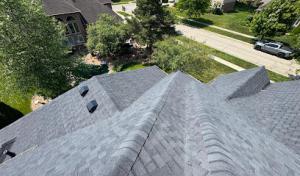
In Utica, reroof permits are typically required and the contractor usually applies through the City of Utica Building Department. This is not something to overlook, because missing or delayed paperwork can stall your project mid-strip or leave you with interim aging underlayment that won't pass a final review. The Building Department expects clear communication from the contractor about the roof type, material, and any changes to structure or ventilation. Before you sign on, ask your roofer how they handle the permit submission and what documentation you'll receive for your records. You should also confirm that the contractor's license and insurance are up to date, because the city will verify these as part of the permit process.
Inspections in Utica are scheduled during and after the work, and a final inspection is required to close the permit. Do not plan a large reroof without calendar blocks for multiple checks; winters bring ice dams and spring storms can reveal wind-related vulnerabilities, so the city will want to see that ventilation, flashing, and underlayment are installed to code. Your contractor should coordinate with the Building Department to set inspection windows and provide access to the attic and exterior roof line. If you have a tight driveway or alley access, discuss staging with the inspector ahead of time to avoid re-calls, which can delay sealing the permit and extending exposure to weather.
If a Utica project includes structural changes rather than a like-for-like reroof, the Building Department may require plan review before approval. Structural alterations carry higher risk for long-term performance, especially under freeze-thaw cycles and wind events common in Michigan winters. Expect detailed drawings, including joist spans, ridge and hip support, and any modifications to attic ventilation. Your roofer should bring these plans to the department and secure a formal review date. Delays here can push back start dates and complicate coordination with material delivery windows and cold-weather install schedules. Always keep a copy of the approved plans on site so crews can align their installation with the approved configuration.
In this climate, ice dams and freeze-thaw cycles stress roofing components early and late in the season. Insurers serving Utica may scrutinize how damage evolved from winter conditions and how temporary repairs were handled before debris removal. Thorough documentation helps you tell an accurate story of loss, prevents gaps in coverage, and supports the claim when wind-driven spring storms break through weakened areas.
Because Michigan carriers see regular storm, hail, and wind claims, you should photograph and note the roof's condition before any temporary fixes and before debris is removed. Keep a running set of images that captures each angle, any icy buildup, and visible wear on flashings and fasteners. Scopes from contractors should clearly outline the work performed, and updates should be added as the roof is evaluated or restored, to reflect changes from initial assessment to final completion.
Post-loss inspections are common in this market, so organizing documents matters. Assemble permit records, photo sets, and contractor scopes in a single folder that traces the process from first inspection through final completion. This continuity helps the adjuster understand the sequence of events, including any pre-existing conditions and the impact of recent weather events on roof integrity.
Plan to compare notes across multiple visits-seasonal shifts can reveal new evidence of damage. If a dispute arises over what was present before work began, you'll have consistent references to rely on. Keep digital and physical copies of every item, and ensure captions or dates tie directly to inspection milestones. A clear, complete trail reduces surprises in the claim review and supports a smoother resolution.
Connect with contractors who help homeowners navigate the claims process from damage assessment to final approval.
Swift Services
(586) 932-2130 swift-servicesllc.com
45636 Van Dyke Ave, Utica, Michigan
5.0 from 38 reviews
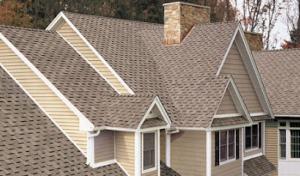
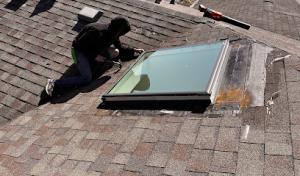
In a neighborhood of older suburban homes with modest roof pitches, skylights and chimneys are the most frequent trouble spots after winter. Utica's contractor market shows strong demand for skylight and chimney-related roof work, indicating homeowners frequently need help where roof penetrations meet flashing. Pay attention to the transition from shingles to flashing around these points, especially where metal or plastic flashing overlaps masonry. Look for loose fasteners, deck nails that missed the deck, or gaps at corners. A small, persistent drip here often means a flashing seam has failed, not just a shingle issue.
Freeze-thaw cycles in the winter can widen tiny flashing gaps around skylights and masonry intersections into recurring interior leaks. Water that seeps under flashing can migrate along the flashing base and behind siding, finding a path toward ceilings below. When you inspect after a thaw or a mid-winter warm spell, focus on the seam lines around skylights and chimney step-flashing where it meets masonry, bricks, or concrete. Signs to watch for: damp patches on interior ceilings near penetrations, staining along interior walls beneath the flashing, and any daylight showing through gaps from the attic side.
On older homes, leak tracing often involves distinguishing between field shingle damage and water entry at penetrations after snow and spring storms. Loose or missing granules on field shingles near a skylight can mimic flashing leaks, so test by tracing interior wet spots to likely roof line sources in calm, dry conditions. If water appears primarily during or after wind-driven storms, scrutinize hip and ridge areas and any flashing laps. Document observed damage with photos from the attic above and the exterior roof line, keeping flashing weep holes clear and debris-free.
During a dry day, slide a broad-end caulk tool along skylight and chimney flashing to feel for gaps. Check for rust, corrosion, or torn metal at the apron flashing and step-flashing intersections. In the attic, look for condensation patterns that align with penetrations rather than random shingle staining. If a leak is traced to a penetration, plan a targeted repair rather than a full roof refresh to preserve age and minimize disturbance to surrounding shingles.
Find contractors experienced in skylight installation, flashing, and leak repairs to bring natural light into your home.
Swift Services
(586) 932-2130 swift-servicesllc.com
45636 Van Dyke Ave, Utica, Michigan
5.0 from 38 reviews
Although pitched residential roofs dominate the neighborhood, the local contractor signal for flat roof work shows up repeatedly on additions, porches, and some garage areas. Those low-slope sections often behave differently than the main roof, so treating them as an afterthought can lead to quicker failures. In Utica's climate, the combination of winter ice buildup, spring wind events, and frequent freeze-thaw cycles makes these transitions more prone to leaks and edge wear than the steeper field of the home.
Snow accumulation and slow drainage are common on low-slope roofs in this climate. Without a reliable slope and clear drainage pathways, standing water can freeze, thaw, and refreeze, accelerating material movement and edge flashing deterioration. Pay attention to how water leaves the garage or addition; blocked scuppers, clogged gutters, and sagging transitions invite ice dam issues that are less forgiving than on the primary roof. Regularly inspect for pooled areas after storms and after heavy snowfall.
Low-slope assemblies demand membranes and detailing that account for ponding and freeze-thaw stress. In these spaces, you'll encounter different wear patterns than the main roof-flashing around penetrations, edge details, and seam integrity are front-line concerns. Materials chosen for these sections should prioritize robust waterproofing and compatible sealants, with attention to movement joints where the addition meets the existing structure.
Treat the garage and addition roofs as distinct projects: assess their condition separately from the main roof, especially after winter. Early signs of moisture intrusion, blistering, or seam separation warrant targeted repair or replacement before the issues migrate to the primary roof. Keep a documented maintenance plan for these low-slope areas, noting weather events, drainage changes, and any sagging or deflection.
Find specialists in TPO, EPDM, and built-up flat roofing systems for residential and commercial properties.

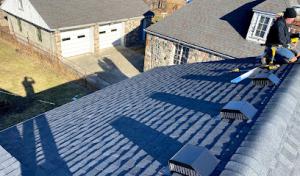
Urged by winters with ice dams and spring wind events, the contractor market in Utica concentrates on reroofing, quick response, and cleanup included. Homeowners typically face active leaks and post-tear-off debris, so speed and tidy work trucks matter as much as the shingles themselves.
Long-established and family-owned firms are common, so tenure and everyday responsiveness often outweigh flashy niche offerings. When a crew shows up promptly after a leak report, you gain confidence that they will stay with the project through weather interruptions and unexpected repairs, minimizing delays that compound damage.
Because emergency repair and storm work are prevalent, you should confirm whether the same team that tarps the roof will also manage follow-up items like permits, inspections, and final closeout. Some squads run end-to-end projects; others subcontract portions. Clarity on this flow reduces finger-pointing if a spring wind disrupts timelines or a rescheduled inspection slips.
First, verify that the contractor can mobilize quickly with a trained crew and backup tarping materials, so you're not left bleeding water into the attic. Next, ask for a recent local job reference that involved a storm repair and a clean one-day tarp-to-shingle turnaround. Then confirm that the crew will handle debris containment and daily cleanup to keep the yard and driveway clear. Finally, discuss a realistic timeline that accounts for winter conditions and potential weather delays, and get a written plan for any gaps caused by forecasted storms.
In this market, you'll value a contractor who communicates clearly about weather-impacted schedules and who can document progress with photos or brief daily reports. A reliable team should walk you throughshingle options that align with your home's mass, slope, and exposure, while keeping the site secure and presentable between tarps and final roof covers.