
Last updated: Apr 19, 2026
Jackson's cold winters with repeated freeze-thaw cycles make ice dam formation and moisture intrusion a primary roof concern. The combination of snow accumulation on steep slopes and rapid temperature swings creates a dangerous pattern: meltwater from the sun or warm afternoons refreezes at the eaves, pushing water under shingles and flashing. In neighborhoods where trees drop needles and branches, accumulated debris compounds the problem by insulating snow and trapping moisture against the roof. The result is a domino effect: ice dams form, moisture seeps into underlayment and attic spaces, and tiny leaks quietly progress into visible interior damage after a thaw. This is not about coastal salt or high humidity; it's about the cold, the snow load, and the way water behaves on a steep roof when the temperatures dip below freezing again and again.
Replacement timing in Jackson generally favors spring through fall because winter tear-offs and sealing are more difficult under snow and freezing conditions. A roof that needs attention after a heavy snow year should be planned for the milder months when crews can safely and thoroughly remove old material, address ice dam triggers, and reseal valleys and penetrations. Scheduling repairs or full re-roofs outside of winter reduces the risk of reopening leaks mid-season and minimizes exposure to additional freezing cycles that can reinitiate dam formation. If a severe freeze event occurs and leaks appear, urgency increases: once the thaw begins, water enters more rapidly, and interior damage can accelerate in a matter of days.
The local risk pattern is less about salt-air corrosion and more about snow load, refreezing at eaves, and leaks that appear after thaw events. Steep-slope roofs, common to Jackson's commuter-driven housing stock, shed snow in uneven patches, creating inconsistent heat loss across the roof. Warm attic zones can generate concentrated melting at the top of decks, while cooler eave regions refreeze, forming a dam that traps water against shingles. Over time, this cycle weakens underlayment and can rot decking if the attic ventilation is poor. In wooded neighborhoods, frequent debris loads add another layer of risk by promoting warm pockets under piles of needles and branches, which intensify melt and refreeze dynamics.
Early detection hinges on careful attic and exterior observation after warmth follows a snowfall. Look for stained or softened shingles near eaves, damp spots on interior ceilings that align with exterior walls, and small icicles that indicate meltwater is not draining properly. If a thaw coincides with new leaks, treat it as a warning sign of dam-related intrusion. Schedule an inspection promptly after a major thaw or a heavy snow event, focusing on flashing around chimneys, vent pipes, and skylines, as well as the integrity of the drip edge and underlayment along eaves. Maintain clear exterior drainage paths; piles of snow near gutters and downspouts can channel water toward vulnerable seams during a midday sun melt.
A practical plan emphasizes proactive prevention ahead of each winter. Prioritize thorough attic insulation and ventilation to keep the roof cold where it needs to be, reducing heat loss that accelerates snow melt on the upper roof while leaving eaves to refreeze. Regular removal of overhanging debris around the roof line reduces insulation pockets where snow melts unevenly. When ice dams form, address the source: improve attic sealing, repair compromised flashing, and ensure gutters and downspouts are free of obstruction to promote continuous drainage. For homeowners with experienced do-it-yourself tendencies, routine checks after heavy snows and after-thaw periods can prevent minor issues from becoming major leaks. For those relying on professionals, seek technicians who specialize in winter-only access strategies and effective ice dam mitigation for steep slopes, who can provide targeted repairs that restore a dry, secure roof line as temperatures stabilize.
If multiple leaks appear in different rooms after a thaw, or if attic moisture patterns persist across several days of warmth followed by refreezing, a prompt professional assessment is warranted. An expert can verify attic ventilation adequacy, inspect for decking damage, and confirm the integrity of flashing and eaves. Timely intervention helps prevent escalating moisture intrusion and long-term damage to insulation and structural components, preserving the roof's performance through Jackson's recurring freeze-thaw cycles.
In Jackson, wind and hail claims follow the storms that sweep inland across Ocean County, especially after the winter freeze-thaw cycles push moisture into the attic and under the steep-slope roof lines. New Jersey homeowners commonly file wind and hail claims after storms, and Jackson-area owners should expect insurers to request roof age, prior damage history, and contractor estimates. Plan your response to a hail event by having a recent inspection available, ideally from a local roofer who understands the common debris patterns and the steep-slope configurations found in the neighborhood. When a storm hits, the insurer's priority is documenting what failed and when, so having precise dates and photos helps the process.
Spring and early summer storms bring high rainfall and hail potential during the same months many Jackson homeowners try to schedule replacements. That overlap can create scheduling bottlenecks: contractors juggle multiple steep-slope jobs while adjusting to sudden demand spikes after a big event. If you face both a leak issue and a planned replacement, you may need temporary repairs to bridge the gap before replacement work begins. Expect a bid review period where adjusters compare your claim to the visible damage, the roof's age, and the contractor's estimate, which should align with typical steep-slope re-roof projects common in this area's housing stock.
Claim timelines in this market can be affected by regional demand surges after storms and by New Jersey insurance rules and adjuster documentation standards. Keep a detailed record of every contact: dates of storms, symptoms of moisture intrusion on the interior, and any temporary mitigation you have performed (like tarping leaks) with photos and notes. Have the contractor's estimate ready to corroborate the scope of work, including the anticipated replacement method for steep-slope shingles. Insurers tend to scrutinize wind-driven damage and impact from hail differently than aging or wear, so you should be prepared to distinguish new damage from pre-existing conditions with the help of a local, experienced roofer.
Before storm season peaks, confirm your preferred contractor is available for a rapid post-storm inspection and understands the documentation the insurer will require. After a storm, promptly initiate contact with the insurer and schedule an on-site adjuster visit within a few days if possible, while the details remain fresh. If the roof shows signs of moisture intrusion after a thaw cycle, request a complete assessment that includes attic ventilation and potential secondary damage, since Jackson winters tend to drive moisture deeper into the attic space on steep roofs. Having a clear, locally-informed plan helps keep the claim on track and reduces delays caused by timing conflicts between weather, workmanship, and insurer schedules.
Find local contractors experienced in assessing and restoring roofs after hail, wind, and severe weather events.
Central Jersey Roofing & Siding
(732) 928-4888 www.centraljerseyroofingandsiding.com
Serving
4.4 from 19 reviews
FB Roofing & Siding
(732) 785-4988 www.fbroofingsiding.com
Serving
4.8 from 141 reviews
FB Roofing & Siding specializes in roofing installation and replacement, siding installation and replacement, and comprehensive gutter services. Based in Jackson, NJ, we are committed to providing our clients with reliable and high-quality exterior solutions for their homes. Our team of experts ensures that every project meets the highest standards of craftsmanship and durability. Whether you're looking to enhance your home's curb appeal or need to replace aging infrastructure, FB Roofing & Siding has the experience and resources to deliver outstanding results. Trust us to protect and beautify your home with our professional exterior services. Contact us at (732) 364-1040 for a consultation or visit our website to learn more about offe
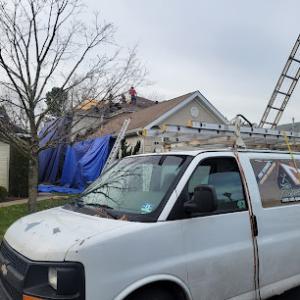
C&A Renovations Contractors
(732) 546-3208 www.carenovationsllc.com
Serving
4.9 from 61 reviews
Roofing Siding and windows services
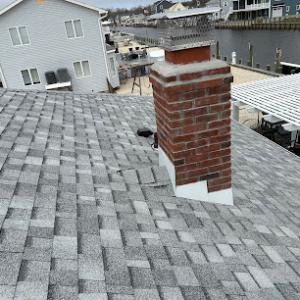
Central Jersey Roofing & Siding
(732) 928-4888 www.centraljerseyroofingandsiding.com
Serving
4.4 from 19 reviews
Central Jersey Roofing and Siding specializes in comprehensive roofing and siding solutions. With 38 years of experience, owner Bob ensures each project is handled with meticulous care and precision from start to finish. Offering new installations and repair services for roofs, sidings, windows, chimneys, skylights, and roof flashing, the company prides itself on reliability and high-quality workmanship. A 10-year labor warranty underscores their commitment to excellence and customer satisfaction. Central Jersey Roofing promptly addresses any issues, providing free inspections to prevent future problems. Depend on their industry expertise for a secure and well-protected home.

Fischer's Roofing & Siding
(732) 589-7663 fischerroofingandsiding.com
Serving
4.9 from 47 reviews
Fischer Roofing was established over a decade ago. It began as a small company with only three employees. Today, we have grown to a team of over 150. Fischer Roofing is all about top-quality products, high-level workmanship, and remarkable customer service. Our customer base consists of homeowners, builders, developers, property owners, and management companies. Our goal is to ensure that they are all satisfied.
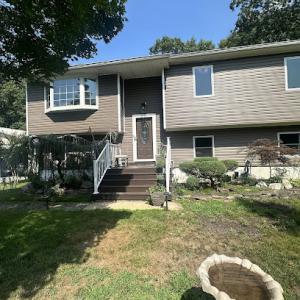
All in Roofing
(732) 584-0700 www.allinroofingnj.com
Serving
5.0 from 17 reviews
ALL IN ROOFING offers a comprehensive solution for your home's exterior. Their experienced team tackles all aspects of roof, gutter, siding, and window care, from repairs and replacements to new installations. Count on ALL IN ROOFING for quality craftsmanship and exceptional customer service.

Wayne’s Roofing
(732) 847-6201 waynesroofingco.com
Serving
5.0 from 304 reviews
Wayne’s Roofing your trusted local roofing contractor serving Ocean and Monmouth Counties, including Toms River, Lakewood, Jackson, Howell, and Manchester, NJ. We specialize in roof replacement, roof repair, shingle and flat roofs, leak detection, vinyl siding, seamless gutter installation, and gutter cleaning. Our team delivers fast turnaround, honest service, and affordable roof financing—so you can protect your home without the stress. Wayne’s Roofing Please Call, WhatsApp, or text us today at (732) 847-6201 for a free estimate! Include: • Address • Service needed • Email • Photos (if possible)

Roof Maxx of Wall Township, NJ
Serving
5.0 from 62 reviews
Roof Maxx® is a scientifically formulated, and 100% safe, plant-based roof rejuvenating spray treatment that was developed by the world’s largest private research and development company.
JVW Contracting
(908) 601-3733 www.jvwroofing.com
Serving
4.8 from 26 reviews
JVW Contracting is a residential roofing company located in Millstone, New Jersey. Since 1984 JVW Contracting has been owned and operated by roofer Joe Williams and has served thousands of homeowners throughout Monmouth, Middlesex, and Ocean County in NJ making Joe and his team of professional roofers one of the most trusted roofing companies in Central NJ.

Bloodgood & Sons Roofing Contractor
(609) 661-8823 bloodgoodroofing.com
Serving
5.0 from 19 reviews
Roofing contractor with over 25 years of experience.
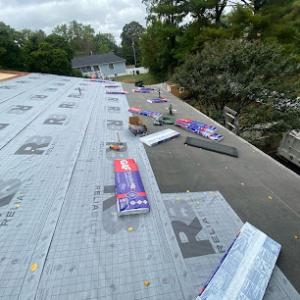
Abe’s Roofing
(732) 994-8260 abesroofing.com
Serving
5.0 from 11 reviews
We at Abe’s Roofing specialize in delivering a stress-free roofing experience to residential customers. With our friendly and professional service, we ensure that every project is completed with meticulous attention to detail and long-lasting results. We are committed and determined to provide high-quality roofing solutions for all your needs. We use only innovative techniques and premium materials, guaranteeing the protection and integrity of your property for years to come At Abe's Roofing we stand out as your honest and reliable choice for superior roofing services and unparalleled customer satisfaction. Just give us a call!
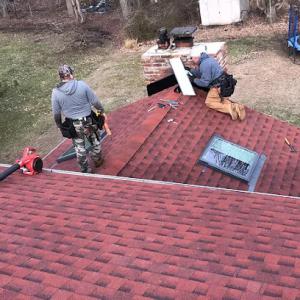
Hidalgo Remodeling
(732) 766-9559 www.hidalgoremodelingllc.com
Serving
5.0 from 11 reviews
Since 2010, Hidalgo Remodeling has worked as a renowned Roofing Contractor in central New Jersey. We are here to renovate, remodel or redo what you need, when you need it. Contact us today to find out how I can help you get the results you want. We are a Local Expert Committed to Excellence. We have the know-how to tackle everything from the smallest of repairs to large-scale projects. No matter the size of the job. we always work hard to ensure our clients are completely satisfied with the work. Call to schedule an initial consultation today.

Prime Exteriors
Serving
5.0 from 37 reviews
Prime Exteriors is dedicated to have every job done with pristine workman ship. The owner Chris Boardingham always treats costumers like family. You will be greeted with a smile and a handshake. We are committed to please our costumers with all of your exterior needs to make your house not only reliable but gorgeous with it's new facelift. We expert in roofing, siding, windows, doors, gutters, skylights and more. We are fully insured and licensed. HIC #13VH11377500
Asphalt shingles are the dominant practical choice in Jackson, while metal, tile, wood, and synthetic systems occupy smaller but active segments of the market. For a typical steep-slope home, you'll see asphalt shingles priced in the common range of 350 to 650 USD per square, depending on thickness, warranty, and local crew availability. When a storm or rapid thaw after a deep freeze hits, re-roof projects can compress scheduling and push materials and labor into the higher end of the range. In those moments, asphalt remains the most predictable option for getting a solid roof over your head without a long lead time.
Winter ice dams and moisture intrusion after Jackson snow and freeze-thaw cycles don't change the base material price as much as they affect logistics. If winter damage forces urgent work, crews may need to stage equipment, bring in additional safety gear, or work in tighter windows, which can lift daily rates and extend project duration. Heavier materials like clay or concrete tile also demand more labor planning and sometimes structural support checks, which translates into higher per-square costs and potentially longer timelines when winter schedules are tight. In practice, expect costs to rise modestly during peak storm recovery periods and when crews must juggle multiple steep-slope roof replacements in a tight weather window.
Steep-slope residential re-roofing is more representative of the local market than large urban flat-roof replacement, which affects crew mix and pricing expectations. On a typical Jackson project, the crew will include specialists for steep-slope work, plus a shingle installer or metal roofer depending on material choice. For metal, expect 700 to 1,400 USD per square, reflecting fast installation but higher material cost and structural checks for supports. Clay tile can run 1,200 to 2,600 USD per square, where the added weight and careful handling drive both material and labor costs upward. Concrete tile sits around 1,000 to 2,200 USD per square, balancing durability with heavier substructure needs. Wood shingles/shakes span roughly 600 to 1,100 USD per square, while synthetic or composite shingles offer a middle ground at 550 to 900 USD per square.
If winter moisture and dam protection are a priority, plan for a slightly higher total per-square cost in the worst months due to scheduling pressures and the need for rapid, weather-safe moisture barriers. In dry periods, asphalt remains the most cost-stable choice, with the shortest lead times and broad availability among Jackson crews. For homes with existing heavier roofing or oak- or pine-shaded lots that accumulate debris, factor in debris removal and blower services into the estimate, as wooded neighborhoods can influence both the scheduling and the time needed to complete a safe, watertight installation post-winter.
For a full roof replacement, the municipal building department typically issues a building permit. In the Jackson area, the process is designed to ensure the job meets local code and safety standards, especially after winter's freeze-thaw cycles that can stress steep-slope roofs. Before tearing off existing shingles, you should verify that your chosen contractor has the proper credentials and that the permit is pulled in advance of any work starting. The permit serves as a formal channel to document the scope, time frame, and materials, and it creates a reference point if questions arise during inspections.
Inspections are a routine part of a replacement project here. Common practice is to conduct an inspection after tear-off, to confirm sheathing and roof deck are sound and prepared for the new system, and again after completion, to verify that the installation complies with code and manufacturer requirements. These two checkpoints are standard, and they help catch issues early, especially when wind, snow, or debris have challenged the roof line during the project window. If your local schedule varies, your contractor will relay the exact timing, but plan to accommodate both stages to avoid delays.
Some jurisdictions in the Jackson area may require plan review or contractor registration. This means the municipal building department could request architectural or engineering details, especially for steep-slope configurations or if the replacement involves significant structural changes. Before scheduling tear-off, confirm whether plan review is needed for your project and whether your contractor is currently registered with the municipality. Confirming these details ahead of time helps prevent a hold-up when the crew is ready to start and ensures the project follows the expected sequence for inspections.
Begin by selecting a licensed contractor who understands the local climate's impact on steep-slope roofs, including how ice dams form after heavy snows and freeze-thaw cycles. Ask for the permit application and any plan review requirements in writing, and request a clear schedule that aligns with inspection windows. Submit any required plans or documentation early-especially if plan review is flagged-so that the project timeline can be maintained. After tear-off, schedule the first inspection promptly to avoid weather-related delays. Keep a copy of the permit and inspection notices accessible at the job site, as the inspector may reference them during visits.
Weather in this region can shift quickly, so work plans should build in potential pauses for snow or ice conditions. If utilities or ventilation are part of the project scope, confirm that those components meet code with the inspector's guidance. Maintain open lines of communication with your contractor regarding permit status, inspection dates, and any documentation the building department requests. With the two-posture inspection approach and proper prestart confirmations, the pathway from tear-off to completion becomes a predictable, documented process aligned with Jackson's local requirements.
Asphalt shingles remain the most common choice for steep-slope roofs in this area. In Jackson's climate, those shingles face a double challenge: long, hot summers that accelerate aging and freezing winters that stress the same material through freeze-thaw cycles. When attic ventilation is inadequate or intake and exhaust vents aren't balanced, warm attic air can melt snow near the eaves and refreeze higher up, creating ice dams that back up under shingles. A high-quality underlayment and careful shingle installation are essential to slow moisture intrusion. Look for shingles with good UV resistance and a warranted performance in cold conditions, and pair them with a ventilation strategy that keeps the roof deck closer to ambient temperatures in winter, reducing condensation and ice dam risk.
Metal roofs shed snow more reliably, which is a practical benefit in winters with heavy snowfall and frequent Nor'easters. However, installation details matter here too. In a market with winter ice and seasonal storm exposure, the fastener pattern, panel overlap, and proper sealing around penetrations determine whether water can infiltrate at seams during freeze-thaw cycles. Metal's longevity and light weight make it appealing for Jackson homes with steeper pitches, but ensure the roof is properly vented and that a moisture barrier is included beneath the metal panels. A well-installed metal roof can reduce ice dam formation by encouraging more uniform surface temperatures and better drainage.
Clay and concrete tile exist in this market but carry higher weight and cost considerations that are less common in mainstream re-roofing stock. Their pronounced thermal mass can help moderate interior temperatures, yet improper attic ventilation can still invite moisture problems in winter. Tile roofs require solid deck preparation and a compatible underlayment to manage condensation and to resist freeze-thaw stress at the clips and fasteners. For homes with limited structural upgrades, tiles may not be the best fit compared to lighter options, especially on steeper slopes where wind-driven debris and snow load interact with tile integrity.
Wood shingles or shakes bring a traditional look but demand meticulous ventilation and moisture control. In winter, they are susceptible to moisture intrusion if ventilation is weak, and decay can accelerate under repeated freeze-thaw cycles. If choosing wood in this climate, prioritize advanced sealants and a continuous ventilation plan that keeps the roof deck drier in cold months while resisting sun-driven drying in summer. Proper installation detail is vital to prevent gaps where ice can form and back up moisture toward the interior.
Regardless of material, the best protection against ice dams starts with a well-sealed roof edge and a balanced venting strategy that keeps the roof deck closer to ambient temperatures. In Jackson, a tight drip edge, continuous underlayment, and carefully placed exhaust vents help limit meltwater migration toward the eaves. A contractor who understands how snow behaves on steep slopes, how debris from nearby trees affects drainage, and how winter winds push snow into protected channels will deliver the most durable, moisture-resilient result for this specific climate.
Explore specialists in steel, aluminum, and standing seam metal roofs built to last 50 years or more.
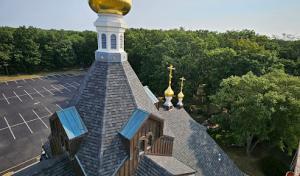
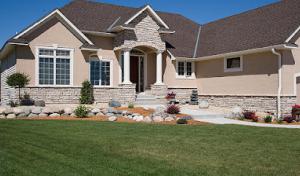
In this wooded residential setting, debris piles up in roof valleys, around flashing, and near any penetrations much faster than in more open tracts. pine needles, leaves, and small branches collect where two roof planes meet or where a dormer, skylight, or gutter line interrupts the surface. When winter moisture follows a fall storm or a light snowfall, that debris becomes a wick for ice and thawwater, pushing into underlayment and flashing seams. If a valley is blocked, meltwater can back up and find micro-cracks in shingles or tile fasteners, turning a small leak into a soggy attic or ceiling quickly after a freeze-thaw cycle.
Fall wind events can rapidly load roofs and gutters with debris, which then interacts with winter moisture and spring rain to expose weak flashing details. In Jackson, flashing around chimneys, skylights, and vent pipes often bears the brunt of this combined stress. Debris keeps drainage paths from performing, gutters load down, and water starts to back up under shingles at the edges. The result is moisture intrusion that shows up in upper walls, along soffits, or as damp spots on ceilings below. Regular inspection after windy falls, with careful attention to the most exposed corners and where two roof planes meet, helps catch loose tabs, uplifted flashing, or deteriorated sealants before a leak becomes a stain.
Skylights are a meaningful local specialty category, indicating that leak diagnosis around penetrations is a recurring homeowner concern in this market. The seal between skylight flanges and the roof deck endures more stress than plain shingles when leaves and needles build up near the curb. Snow loads overlay those edges, and year-to-year movement can loosen fasteners or degrade sealant. If a leak appears around a skylight, check the flashing step by step: sealant integrity, corner mitering, and the transition from skylight base to shingle line. A careful reseal or flashing refresh in the off-season can prevent more serious intrusion during the next freeze-thaw cycle.
Find contractors experienced in skylight installation, flashing, and leak repairs to bring natural light into your home.
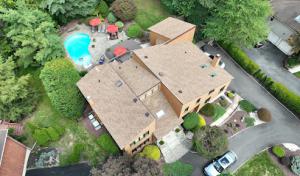
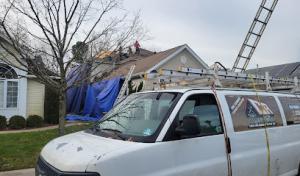
Jackson homeowners should document storm dates, interior leak evidence, exterior damage photos, and prior repair history because New Jersey carriers often scrutinize roof age and pre-existing wear. In typical steep-slope re-roof scenarios after freeze-thaw cycles, a clear timeline helps adjusters separate recent damage from older issues. Photograph snow buildup on eaves, ice dam formation, and any gutter or fascia damage after each storm so the pattern of moisture intrusion is easy to follow.
Experienced roofers can matter in this market because adjusters may give more weight to organized inspection records and detailed estimates. Keep a bound file or digital folder with dated inspection notes, the roofing contractor's assessment, fabric samples if relevant, and a line-by-line estimate that highlights work tied to storm-related damage. If possible, have the same roofer pre- and post-storm document the change in conditions, including attic insulation status and ventilation checks, since these factors influence ice dam risk on steep slopes.
Insurance decisions in Jackson are influenced by broader New Jersey market conditions, including claim volume after regional storms and state-regulated insurer practices. Expect adjustments to consider multiple weather events in a season, and understand that older roofs with visible wear may be weighed against the cost of full replacement versus targeted repairs. If a claim is denied or deferred, request a written explanation and use the organized records to support a resubmission or a supplementary claim. In practice, timely, thorough documentation paired with clear, contractor-backed estimates helps align coverage outcomes with the realities of winter moisture intrusion on steep-slope roofs.
Connect with contractors who help homeowners navigate the claims process from damage assessment to final approval.
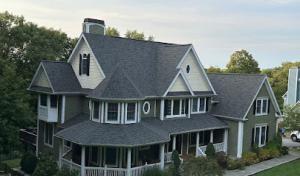
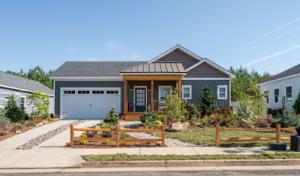
Flat-roof and roof-coating services are present in the contractor market, but they are secondary to the dominant steep-slope residential reroof segment. After heavy snows and freeze-thaw cycles, flat and low-slope sections-in additions, porches, and mixed-roof homes-need careful attention to drainage and membrane integrity. In Jackson, winter moisture intrusion tends to surface first where the transition between a steep main slope and a low-slope area is poorly sealed or carries runoff from multiple directions.
On homes with both steep and low-slope elements, ensure that drainage paths are explicit and reliable. The main roof should shed water quickly, while low-slope areas must be kept dry even when debris-laden gutters back up. Pay particular attention to edge detailing, scuppers, and transitions around parapets. Debris from wooded neighborhoods can clog outlets, so regular seasonal checks are essential. When a low-slope area drains toward a central planter or a hidden gutter, consider upgrading to a more robust drip edge and a clearly defined emergency outlet to prevent ponding during thaw cycles.
Membrane selection in this market should prioritize warmth-tolerant, UV-stable, and compatible options for restoration scenarios. For existing low-slope sections, a properly installed membrane with a reinforced seam offers better long-term performance against ice dam pushback than a single-layer alternative. In restoration cases, confirm that the substrate is sound and dry before applying any coating, as moisture trapped under a coating can lead to blistering or accelerated degradation once temperatures swing.
Coatings are most effective when applied to select low-slope or restoration cases rather than as a full shingle replacement strategy. Use coatings to address small, localized leaks or to extend the life of a marginal membrane, not as a blanket fix for a roof with widespread substructure concerns. In practice, coatings work best when paired with ongoing maintenance of the surrounding steep-slope system, ensuring that snow melt and runoff from the primary roof do not overwhelm the coating's protective function.
Find specialists in TPO, EPDM, and built-up flat roofing systems for residential and commercial properties.

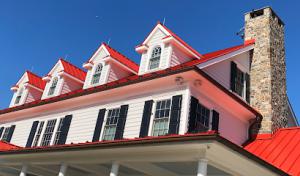
Solar roofing is an active but still secondary specialty in this area, so you need to coordinate roof work with panel plans before any replacement begins. Most Jackson replacements ride the spring-to-fall weather window, so align solar detach-and-reset timing with the typical re-roof schedule to avoid backtracking on bids, crews, and material orders. If you already have panels, confirm their mounting system and any roofed penetrations early to prevent surprises during tear-off and disposal.
When your project involves a steep-slope roof and solar, the sequencing should favor a clean, watertight start. Start with a roof-only phase to establish a solid, leak-free base, then install or relocate solar mounts after the new covering is secured. If panels stay in place during a partial teardown, ensure the existing rafter and underlayment condition supports the added load and potential vibration from sheathing work. In wooded neighborhoods, debris protection becomes part of the schedule, so plan an extra day or two for temporary containment before final roof finish and panel installation.
Because detach-and-reset timing can affect project sequencing, set a clear project plan with the solar installer that mirrors the contractor's second phase. Coordinate trimming, flashing adjustments, and sealant work so that the solar racking and wiring do not become impediments to the final roof finish. Establish a phased hand-off, with a written timeline, to minimize weather exposure and avoid re-entry into already completed sections after panels are adjusted.
Insurance and paperwork can become more complex when roof work and solar scope overlap in the same project. Ensure both contingencies are aligned with the schedule, and designate inspection checkpoints that cover the roof, flashing integrity, and electrical disconnects. A coordinated plan reduces the risk of weather-related setbacks and keeps the project moving through Jackson's seasonal windows.
Find contractors who integrate solar panels or solar shingles into your roof for long-term energy savings.
Elegant Exteriors, LLC Roofing Siding Windows & Gutters
(609) 949-6061 www.elegant-exteriors-llc.com
Serving
5.0 from 200 reviews

Fortified Roofing - Roofing Contractor in NJ
(732) 201-2019 www.fortifiedroofing.com
Serving
4.9 from 205 reviews