Last updated: Apr 19, 2026
Repeated freeze-thaw cycling during frigid months opens and closes shingle seals, and that action does not stop at the edge of a roof. In pitched residential roofs common to this borough, flashing sits at joints, vents, and valleys, and those metal seams take a beating as moisture freezes and expands. When seals flex, granules loosen, and over time the protective layer weakens, inviting accelerated wear along the eaves and at transitions. Gutter-edge ice damming forms where meltwater refreezes against the edge, pushing against underlayment and driving water toward vulnerable spots. The result is a cascade: small leaks grow into visible staining, and the risk of interior damage increases after every thaw.
Cold-season work is less ideal locally because replacement planning is favored in drier periods after winter moisture and before peak summer humidity. The window between the last thaw and the first real heat spell matters, as dry air and steady interior temperatures help seal and fasten properly. If a replacement must occur in winter, expect tighter schedules and potential weather-related pauses that can extend exposure of roof decking and interior spaces. In Englishtown's climate, a well-timed project targets a stretch when days are dry, temperatures are moderate, and wind uplift considerations for full replacements can be reviewed without the heavy humidity that swells adhesives and complicates ventilation. Waiting for stable conditions reduces the chance of repeat thaw damage during construction and helps the new roof form a durable bond from day one.
The borough's common pitched roofs are especially exposed at eaves, valleys, and gutter lines where thaw-refreeze patterns concentrate. Ice forms along the eave line first, then migrates inward where flashing meets siding or trim, creating a path for meltwater to bypass ordinary drainage routes. Valleys teem with pressure from thawing snow, and any underlying degradation in underlayment shows as dark staining or a soft feel when pressed. Gutter lines catch the brunt of dripping melt, and the resulting moisture can wick into fascia or soffit areas if flashing or drip edges are damaged. The combination of exposed edge work and narrow roof pitches seen in many local homes makes proactive inspection essential after the deepest cold snaps.
Look for curling or cupped shingles, exposed granules in gutters, and any lifted edges near corners, vents, or chimneys. Noticeable ice along the eaves after a thaw suggests improper drainage or compromised edge flashing. Interior signs include small stains near ceilings along exterior walls, or damp spots in attic spaces around penetrations. If these indicators appear, prioritize a professional assessment focused on wind-uplift risk and edge detailing, as these are the areas most likely to fail first under Englishtown's freeze-thaw cycles. Prompt action helps prevent larger, costlier damage when spring warmth returns and humidity climbs.
In Englishtown, spring storms are a major roofing trigger because wind-driven rain, hail, and tree debris arrive after winter has already weakened vulnerable roof areas. The combination of freeze-thaw cycles and residual moisture leaves shingles, underlayment, and flashing more susceptible to punctures, lifting, and fastener loosening. When a storm hits, the rain can drive into micro-tears you might not have noticed, and hail can exploit those weak points in minutes. That means a routine inspection can't wait until you notice a damp attic or suspect a leak-head off slow leaks now by acting promptly after a storm.
New Jersey insurers commonly scrutinize whether damage was storm-created or pre-existing, so Englishtown homeowners need dated photos and notes tied to specific weather events. Start a simple storm log the moment the next front blows through: snap photos of missing shingles, lifted edges, granule loss, and any dings on siding or fascia; timestamp everything with the storm date and local weather reports. Keep copies of the photos on a phone and in a cloud album, and write a concise note about the visible symptoms and where they appear on the roof. Focus on areas where wind and impact commonly strike-ridge lines, vent margins, dormers, and valleys-and capture interior signs in the attic if possible: daylight through gaps, damp insulation, or staining along the rafters.
Carriers in this market may ask for wind-mitigation details and field documentation before approving roof-related claims after major storms. Having a professional assessment ready can shorten the process considerably: a dated report detailing observed damage, suspected uplift zones, and any pre-existing weaknesses can be the difference between a smooth claim and a prolonged back-and-forth. If a contractor suspects hail damage, request a written note describing hail type, localized impact marks, and the affected roofing components. Retain receipts for any temporary tarping or emergency fixes you perform to protect the home and to demonstrate proactive care.
You should not wait for a stubborn leak to appear before acting. Immediate steps after a storm include protecting vulnerable entry points with tarps, preventing water from pooling in gutters, and avoiding simultaneous heavy climbs on a compromised roof. When you schedule a professional inspection, choose a contractor who understands the local climate realities, including how the winter's stress shows up on pitched roofing and in typical Englishtown housing stock. Ask for a thorough walk-through that targets wind-driven failure points, and request a written estimate that accounts for the exact damage you document. In a town where weather can turn quickly, timely action preserves structure, reduces further damage, and supports a stronger claim.
Find local contractors experienced in assessing and restoring roofs after hail, wind, and severe weather events.
GSC Manalapan Roofing & Siding
(732) 941-5816 roofingcontractormanalapantownship.com
Serving
5.0 from 39 reviews

GSC Manalapan Roofing & Siding
(732) 941-5816 roofingcontractormanalapantownship.com
Serving
5.0 from 39 reviews
GSC Manalapan Roofing has 20+ years of experience, and Siding provides top-quality roofing contractor services in the Manalapan Township NJ area. For more information about our pricing, feel free to give us a call.
The USA Roofer
(732) 201-3310 theusaroofer.com
Serving
5.0 from 50 reviews
The USA Roofer specializes in commercial roofing systems for office buildings, warehouses, industrial facilities, and multi-unit properties across New Jersey. Our team delivers commercial roof repairs, flat roof systems, TPO and EPDM installations, preventative maintenance, and emergency services. We also provide residential roof repair and replacement services for homeowners.
USA General Contractors
Serving
4.9 from 49 reviews
USAGCC has established itself as an elite construction company in the Tri-State area. We have been family owned and operated since 1993. Our reputation was built on hard work, dedication, and of course, top-quality performance. We are 100% committed to providing unparalleled service to each of our clients. We offer general contractor service, commercial roof repair, and new roof installation services. We have two locations in New Jersey with a 3,000 square foot office, 8,000 square feet of warehouse space, and 5 acres of land with state-of-the-art equipment and technology to keep us abreast with today's rapidly changing industry. We fabricate our own custom metal in our shop as well. We are licensed, bonded, and fully insured.
Reese Roof & Repair
(908) 910-1796 www.reeseroofandrepair.com
Serving
4.9 from 78 reviews
Fourth generation roof specialists
Exterior Improvements
(732) 210-9440 www.exteriorimprovements.com
Serving
4.9 from 118 reviews
We are a locally owned, licensed and insured contractor known for our community-minded, service-focused, high-quality residential, commercial and multifamily projects.
Dynamic Home Improvement
(855) 446-6887 dynamichomeimprovements.org
Serving
5.0 from 109 reviews
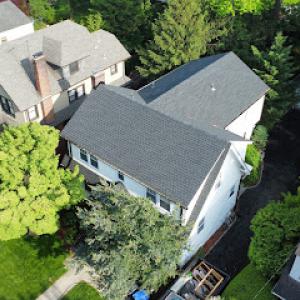
Dynamic Home Improvements is a trusted provider of roofing, gutter, siding, chimney, and masonry services. Our experienced professionals use only top-quality materials and advanced techniques to deliver outstanding results that enhance the functionality and appearance of your home. We pride ourselves on our exceptional customer service, personalized solutions, and competitive prices. Contact us today for a consultation and discover why homeowners in New Jersey trust us for their home improvement needs.

Lightning Construction
(862) 972-3610 lightningconstructionnj.com
Serving
4.9 from 246 reviews
Lightning Construction, a preferred contractor of Decra Metal Roof, offers a modern take on the classic metal roof that combines elegance and durability. Take advantage of our affordable, one-of-a-kind roofing solutions and discover our high-quality laminated architectural shingles. These heavyweight shingles offer weather protection in vibrant, high-definition colors and feature copper-coated granules that prevent unsightly algae stains
Thomas Bartley A to Z Contracting
(732) 991-2909 a-zcontractingllc.net
Serving
5.0 from 52 reviews
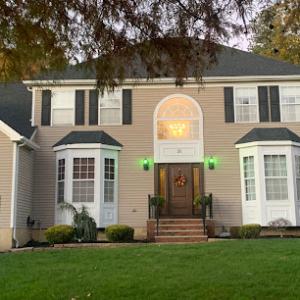
Thomas Bartley A to Z Contracting is a veteran-owned roofing and remodeling company with 35+ years of experience. We now focus on more selective, hands-on projects where quality, communication, and craftsmanship always come first. We specialize in roofing, siding, kitchens, bathrooms, basements, decks, and targeted interior renovations. As GAF Certified roofers, we offer the System Plus Manufacturer’s Warranty with up to 50 years of non-prorated coverage. Tom brings Marine Corps Drill Instructor discipline and precision to every project, supported by skilled, detail-driven craftsmen. NJ licensed and insured, HIC #13VH06985200.

PL Roof Repair & Replacement
(732) 808-3566 plroofrepairandreplacement.com
Serving
5.0 from 128 reviews
With over 20 years of experience in the roofing industry, we've built a reputation for quality workmanship and exceptional customer service. PL Roof Repair and Replacement team of certified professionals is dedicated to providing the best roofing solutions for your home or business.

Amore Homes Roofing & Siding
(732) 648-2195 amorehomesllc.com
Serving
5.0 from 69 reviews
Amore Homes Roofing & Siding is your trusted, full-service roofing and siding contractor based in Monroe Township, NJ. With over 20 years of experience serving homeowners across Monmouth and Middlesex Counties, we specialize in roof replacements, repairs, vinyl siding installations, double as home remodeling contractors. Our team is fully GAF-certified, licensed and insured ensuring top-tier workmanship and lasting results. We offer free, no-pressure estimates, competitive pricing, and fast turnaround times and as proud members of the community, we stand by our work and are committed to delivering honest service, quality craftsmanship, and real value on every job. With over 20 years of experience, we are confident in any home project!
Westgate Roofing
(732) 393-2572 www.westgateroofing.com
Serving
5.0 from 29 reviews
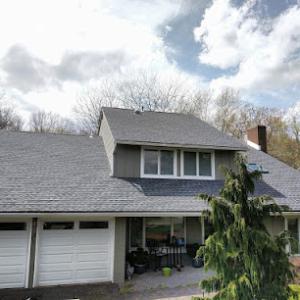
Expert Roofing company Serving Your Area. It's important that you choose an experienced and trustworthy roofing contractor, Westgate Roofing based in Middletown, NJ is here for all your residential & commercial roofing needs. From new roof installation to repairing your existing one, we can handle it all. Call us today for a FREE estimate. At Westgate Roofing, we are committed to delivering top-notch services tailored to meet the unique needs of each customer. Whether you require urgent repairs or are considering a full roof replacement, our team is equipped with the skills and expertise to ensure your roofing project is a success.
Biondo Contracting-Roofing Specialists
(732) 257-2926 biondoroofing.com
Serving
4.9 from 54 reviews
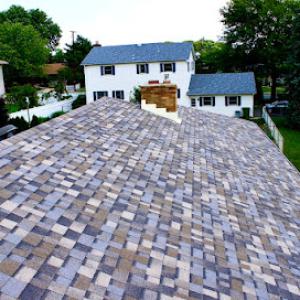
Welcome to BIONDO CONTRACTING - Your Trusted Roofing Experts in Monroe Township, NJ! Specializing in roof repair, replacement, installation, and skylight replacement, our team of experienced roofers is dedicated to providing high-quality roofing services that exceed your expectations. As one of the top roofing contractors in Monroe Township, NJ, we take pride in our craftsmanship and attention to detail. At BIONDO CONTRACTING, we understand that your roof is a crucial element of your home or business, and that's why we are committed to delivering reliable and affordable roofing solutions tailored to your specific needs. For all your roofing needs, trust BIONDO CONTRACTING to deliver exceptional results. Contact us today for a free estimate.
Asphalt shingles fit much of the local residential stock, and they are the most familiar option for quick, reliable coverage on pitched roofs. In summer, the heat and UV exposure can accelerate granule loss and age the underlayment more quickly than you'd expect. When choosing this material, plan for a robust sealant and proper asphalt underlayment that can stand up to long, dry spells followed by sudden summer storms. If your home leans toward smaller parcels with little attic space, ensure the roof deck is well vented to reduce heat buildup that can accelerate aging of the shingle layers. In areas with frequent freeze-thaw cycles, you'll want a shingle that carries a strong nailing zone and good wind resistance to prevent uplift during winter wind events. Regular inspection after harsh winters helps catch loose or missing granules before leaks form in tight roof-to-wall junctions.
Metal roofs perform well against freeze-thaw cycles and shed snow and rain efficiently, making them attractive where homeowners want lower moisture retention and stronger wind performance. In this climate, metal panels with a standing seam installation provide a tight seal against wind-driven rain and reduce the risk of ice dams in colder spells. Consider the slope and overhangs on your home, since a properly designed metal system relies on a careful flashing plan at eaves, hips, and ridge lines. The reflective surface can also help keep attic heat down in humid summers, though proper attic ventilation remains essential to avoid condensation. If you expect frequent spring storms, a metal roof paired with well-sealed penetrations around chimneys and vents will help minimize leaks. Regular checks after heavy wind events will confirm that fasteners remain tight and that sealant joints stay intact.
Clay tile, concrete tile, synthetic/composite, and slate appear in the market but require careful structural and flashing planning because winter movement and storm exposure can turn small installation errors into leaks. Clay and concrete tiles are heavy, so the roof structure must be evaluated for load and anchoring strength. Slippage and cracked tiles during freeze-thaw cycles are common if any ridge or hip flashing wasn't integrated with a continuous waterproof path. Synthetic or composite shingles offer a lighter option with improved impact resistance, but they still depend on solid deck integrity and correct underlayment. Slate brings long life, yet its weight and precision fastening mean professional workmanship is essential to prevent micro-movement leaks during freeze-thaw transitions. For all of these, the smallest misalignment in flashing around chimneys, vents, and skylights can become a leak point after a winter storm. Plan on reinforcing roof decks where needed and selecting flashing materials that complement the chosen roof system.
In this borough, the re-roofing market runs hot after storms and during seasonal swings, which can tighten scheduling and labor availability. When a full replacement is on the table, job start times and crew availability can stretch longer than a simple repair or tear-off, especially on pitched residential roofs common in the housing stock. This means you should expect some variability in labor timelines and, occasionally, short-term price shifts tied to demand surges.
Englishtown sees pricing that reflects both the labor climate and material selection. Asphalt shingles remain the most common starting point for a full replacement, with typical costs around 350 to 700 USD per square. If choosing metal roofing, plan for roughly 700 to 1,400 USD per square due to installation complexity and adhesive/wrap considerations in a climate with humid summers. Premium options such as clay tile and concrete tile come in higher, with clay tile generally 1,200 to 2,500 USD per square and concrete tile 900 to 1,800 USD per square. Synthetic or composite shingles offer a middle ground at about 450 to 900 USD per square, while slate sits at the upper end, roughly 1,800 to 3,200 USD per square, reflecting heavier weight and careful flashing requirements.
Material choice matters sharply here because premium systems carry higher installation complexity in a climate with freeze-thaw stress and humid summer exposure. Performance under frost cycles can differ by product, and tile or slate options, while offering longevity, demand careful substrate prep, underlayment, and professional wind-uplift detailing. In contrast, asphalt and metal provide robust performance with generally quicker installs but still require attention to attic ventilation and proper flashing to mitigate wind-driven leaks during storm events.
When weighing replacement timing, consider how weather windows and crew availability intersect with the project scope. If a full replacement triggers a longer scheduling horizon, it's wise to align material selection with anticipated climate stresses-ensuring that chosen systems can endure freeze-thaw cycles and humid-season exposure. Budget buffers help absorb potential price shifts from storm-driven demand, and coordinating with a reputable local contractor about lead times can reduce idle-down periods between removal and install.
Get a clear picture of your project costs upfront - no commitment required.
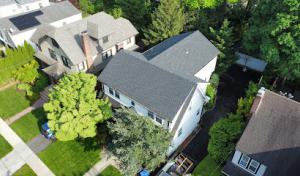

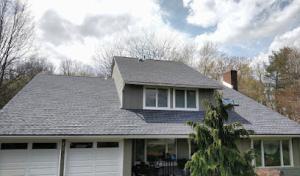
A full roof replacement is not treated as cosmetic work in this town. The local building department typically requires a formal permit, and the process is designed to verify that the project meets current wind-uplift standards and structural safety. This means you'll need a complete plan set, submitted through the building office, rather than a simple upgrade notice or a cosmetic overlay. If the contractor suggests skipping permit steps to save time, that choice can backfire with delays, fines, or rework. Expect the permitting path to be clearly defined and to unfold in measured steps, even for straightforward roof replacements.
Once the permit is issued, inspections are scheduled at key milestones, usually including a rough-in (or rough completion) inspection and a final completion inspection. The rough inspection verifies that roof framing, nailing patterns, and underlayment are installed correctly and that the wind-rated components comply with local standards. The final inspection confirms that the entire job is finished to code, including flashing, ventilation, and eave details. If the contractor uses temporary materials or practices during the project, those choices may be flagged during inspections and require adjustments. Planning the timing to accommodate both inspections helps avoid project stalls.
A local quirk is occasional back-and-forth on plan confirmation and wind-uplift compliance before the job is fully cleared. Some projects arrive with plan details that initially miss a doorway or vent placement requirement, or with an uplift calculation that doesn't align with the borough's wind-resistance expectations. In Englishtown, this back-and-forth is not unusual and is meant to prevent costly rework after materials are ordered or once roof sheathing is revealed. To minimize friction, share a clear, stamped plan set from a licensed roof designer or engineer, and be responsive to any notes the building office issues about fasteners, clips, or anchor points.
Coordinate closely with the contractor to align the permit timeline with weather windows and the borough's inspection calendar. Early communication about upcoming inspection dates helps ensure that crews arrive prepared, with the right mesh of underlayment, venting, and wind-upture components. Remember that failing an inspection often triggers plan corrections or additional testing, which can push the schedule back and extend the project beyond the original window. Keeping documentation organized and readily accessible-permits, plan sheets, and inspection notices-speeds the process and reduces the chance of unexpected delays.
After a major storm rolls through Monmouth County, the insurance review can be tighter than many homeowners expect. In this market, the combination of freeze-thaw winters and humid summers means roofs show wear in subtle ways long before a visible failure. An adjuster may focus on whether the roof's current condition matches the scale of the claimed damage, rather than assuming all hail or wind issues are entirely new. The result can be a longer path to a settlement or a more limited scope of reimbursement than anticipated.
Adjuster inspections can be thorough, with attention to maintenance history, prior wear, and whether damage aligns with recent local weather. A careful eye is kept on whether issues are isolated to impact points, or if widespread aging aligns with years of exposure to Englishtown's climate. In practice, this means records of routine repairs and known weaknesses matter. If the roof shows signs of prior leaks, missing flashing, or sagging underlayment, the claim review will weigh how those conditions relate to the reported storm damage.
Because pre-existing-condition disputes are common in this market, Englishtown homeowners benefit from keeping seasonal roof photos, repair invoices, and inspection records. Photos taken after each major season can document gradual wear and any coinciding events. Repair invoices demonstrate ongoing maintenance and problem areas, while independent inspections provide objective baselines. A well-organized file helps an adjuster distinguish between damage from a recent event and long-term deterioration, reducing the likelihood of post-storm surprise.
Skylights are a meaningful local specialty, and many homes in this small-borough stock rely on them for light without sacrificing roof slope. The curb flashing around a skylight is a common leak point, especially when aging seals meet the freeze-thaw cycle. After a hard winter, you may notice more damp patches along the skylight edge where the curb meets the roofing. In spring, wind-driven rain can push water under marginal flashing if seals have started to fail. When inspecting, check the curb flashing for chalky or hardened sealant, loose fasteners, or gaps where condensation sits. If you see staining or efflorescence on the shingles near the skylight, address it promptly. Sealant can degrade under repeated expansion and contraction, so plan for resealing or flashing replacement if you detect any movement or cracking.
Chimney-related roofing work is also common in this market, pointing to flashing failures at masonry intersections as a frequent repair category. The junction where brick or stonework meets the roof plane is vulnerable to water intrusion, especially after winter when joints contract and expand with temperature shifts. Look for rust stains, spalling brick, or mortar gaps that allow wind-driven rain to track under the flashing. Loose or bent counter-flashing can shed water poorly during heavy rains, while a deteriorated base flashing may resemble a slow drip along the chimney base. Regular checks after winter storms help catch these issues before hidden rot advances.
Before calling a pro, perform a visual walk along the affected zones during dry days and after a light rain. Lightly tap around the skylight curb and chimney flashing to listen for hollow or soft spots, which can signal underlying deck or shingle damage. When you see minor gaps or dried sealant, a repair might be enough to bridge the spring load. For ongoing issues, plan a targeted flashing replacement that addresses both the curb and the chimney intersection, ensuring a seamless transition to the shingles. In Englishtown, timely attention to these penetrations reduces the risk of winter expansion-contraction damage and spring wind-driven rain intrusion.
Find contractors experienced in skylight installation, flashing, and leak repairs to bring natural light into your home.
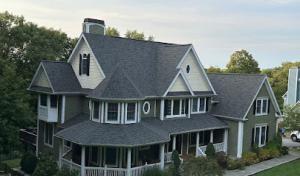
Flat and low-slope roofing is present in the Englishtown contractor market even though the borough is primarily pitched-roof residential. This means there are add-ons, porches, garages, and a few commercial-style buildings with low-slope sections to plan for. These areas sit near the back of the house or on newer additions, and they behave differently than the main roof when it comes to weather cycles.
These roof areas are more vulnerable locally to ponding after humid-season storms and to membrane stress during winter freeze-thaw swings. After a heavy downpour, standing water on a low-slope surface can accelerate seam leaks or edge failures if the drainage plan isn't kept clear. In winter, the membrane can flex and crack where ponding concentrates, especially along flashings and terminations. Seasonal salt exposure from road runoff and yard debris can also push edge membranes toward early wear. A practical mindset is to treat every low-slope section as its own "mini-roof" with its own drainage and wear patterns.
Schedule mid-season inspections after the humid months to catch ponding-related wear early. Look for blisters, soft spots, or lifted edges along interior corners and around penetrations. Keep gutters and scuppers clear to minimize ponding risk. For added protection, confirm that drip edges and terminations are intact and that flashing at transitions to pitched roofs remains properly sealed. In Englishtown, wind-driven debris can lift loosened edges, so periodic tactile checks are prudent.
When a low-slope section nears the end of its service life, treat it as a separate system from adjacent pitched areas. Coordinate replacement plans so that membrane transitions remain continuous, and ensure flashing at the wall/hood interface is renewed to maintain a watertight seal. If a mixed-roof scenario exists, plan staged replacements to minimize disruption and to preserve the integrity of both roof types over time. This local approach helps prevent one aging system from compromising the other during storms or freezes.
Find specialists in TPO, EPDM, and built-up flat roofing systems for residential and commercial properties.
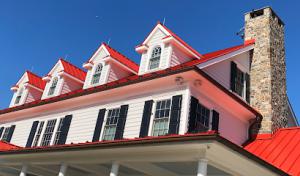
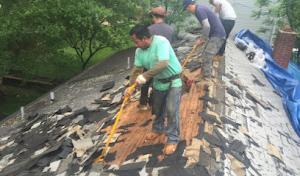
In Englishtown, the market strongly signals re-roofing, quick response, and cleanup as top homeowner priorities. The area's mix of long-standing homes and small-borough housing stock means many crews are accustomed to pitched roofs and limited yard space for staging. Storm-driven demand can create tight timelines, so selecting a contractor who can mobilize quickly without sacrificing quality is essential.
Long-established, family-owned, manufacturer-certified, licensed, and insured firms are visible in this market, so screen for stability rather than just the lowest bid. Look for local references, a track record of completed projects in nearby neighborhoods, and sustained storefront or shop address. A company that has weathered multiple seasons in the same community tends to map better to Englishtown's climate and your home's needs.
Because permit coordination and storm documentation matter locally, favor contractors who can handle inspections, photos, and post-storm communication cleanly. Ask for a pre-work assessment that includes attic and roof deck checks, a post-installation photo log, and a written verification plan for any storm-damage notes. Confirm someone will be available for questions during and after the project, not just at the bid stage.
Request a written project plan with a defined cleanup protocol and a daily work log. Verify crew size, protective measures for landscaping, and a plan to minimize disruption to neighbors, especially during debris removal and material staging. Check how the contractor plans to protect gutters, flashing, and sensitive roof penetrations during replacement. Ensure the firm can provide and explain a warranty that covers both materials and workmanship.
When comparing bids, prioritize responsiveness, a clear timeline, and a commitment to thorough post-storm documentation. Favor a contractor who can coordinate the necessary follow-up after heavy winds or hail, including photos and written summaries. A solid local choice will balance speed with attention to detail, ensuring the roof is secure and the property remains clean and protected as soon as the crew signs off. In Englishtown, that combination often distinguishes a solid, dependable partner from a quick but flaky option.
Solar roofing appears in the Englishtown contractor market but is still a smaller specialty than standard re-roofing and storm repair. Homeowners will encounter solar shingles, standing-seam solar mounts, and integrated solar options alongside traditional roofing choices. For a typical pitched roof common in the borough, you'll find solar projects that emphasize durability and a clean attachment approach rather than flashy installation. The local climate-with its freeze-thaw cycles and humid summers-means that any solar roof plan should be evaluated for long-term performance in your specific attic and flashing details, not just the panel count.
For local homeowners, solar-related roof work should be timed with replacement planning so penetrations and flashing are not reworked twice in a freeze-thaw climate. When a roof is due for replacement, consider coordinating the solar interface at the same time to ensure weatherproofing integrity and proper flashings around penetrations. If only partial repairs are needed, the installer should evaluate how existing penetrations may impact both the roof and the mounting system, especially where slope and exposure influence wind loads and moisture pathways.
Permit and inspection coordination is especially important when roofing scope overlaps with mounted or integrated solar components. In practice, that means aligning the roof replacement schedule with the solar contractor's timeline to avoid conflicting inspection sign-offs or retrofits. Ask for a single point of contact who can track flashing transitions, shingle overlays, and mounting rails in one plan. In areas with strong storm events, a well-coordinated approach helps ensure the roof remains watertight during the transition, while solar contributions align with overall home performance goals.
Find contractors who integrate solar panels or solar shingles into your roof for long-term energy savings.