Last updated: Apr 19, 2026
In this inland Mercer County borough, winter freeze-thaw cycles, hot, humid summers, and year-round precipitation shape how roofs age and fail. The housing stock is compact and older, so layered repairs, aging flashing, and ventilation corrections are common parts of a replacement scope. The focus here is on practical responses you can use when storms strike or when a roof shows signs of aging under this climate.
Winter brings repeated freeze-thaw stress that can push shingle edges upward and loosen fasteners. In the spring, moisture saturation and fluctuating temperatures can reveal hidden leaks. A roof that looks sound in late autumn may show weaknesses after a long winter, especially around dormers, chimney flashing, and around vents. Practical steps center on catching small issues early: keep an eye on attic insulation and ventilation, because overheating the attic in winter drives ice damming and creates hidden moisture paths that show up as ceiling stains later. When spring rains arrive, test for drips near the edges of the flashing and around roof penetrations and be prepared to address minor gaps before they become larger problems.
The hot, humid months stress roofing membranes and underlayment, especially on older homes with aging insulation and ventilation. Poor attic ventilation can cause shingles to overheat, accelerating wear and softening of the underside of the roof deck. A practical approach is to verify that soffit intake and ridge or turbine vents align to promote good air flow. In homes with layered repairs, check for mismatched ventilation corrections that leave pockets of heat and moisture behind, which can shorten the lifespan of the roof even when the outer layer appears intact. If a summer storm brings hail or driving rain, note if granules wash away, as that can indicate underlying wear that will worsen with repeated weather swings.
Storms in this area often produce sharp shifts in wind direction, heavy rain, and hail that can impact older flashing and vulnerable seams. When a leak is detected, prioritize the path of water to reach an interior space and minimize further intrusion by placing a tarp over the most exposed areas when safe to do so. Inspect around valleys, dormers, chimneys, and vent flashing for lifted metal or detached sealant. Older homes frequently show signs of prior repairs where flashing was resealed or re-flashed; those places merit a closer look during any roof assessment. After a storm, document damage with clear photos, and keep samples of any missing shingle granules or lifted shingles for reference when an assessor or contractor evaluates next steps.
Because spring and fall offer the most workable windows for replacement, plan around milder days and lower humidity when possible. This helps ensure proper sealant cure and allows installers to work with less risk of weather-related disruption. If an older home has multiple layers of repair, use the milder seasons to address underlying ventilation and flashing corrections in concert with shingle replacement. A measured approach reduces the chance of revisiting the same issues soon after a roof is replaced, which is a common pattern on older stock in this borough.
A practical neighborly mindset focuses on proactive maintenance: clear gutters and downspouts to prevent ice dam buildup, keep vents unobstructed, and closely monitor flashing around chimneys and dormers. When an issue emerges, address it promptly with a scope that considers layered repairs and the likelihood of aging components. In Hightstown, a considered, season-aware approach that aligns with spring and fall replacement windows yields the steadier performance that older roofs in this borough require, minimizing the surprises that come with winter and summer extremes.
In this borough, spring and summer thunderstorms are a primary trigger for wind-driven shingle loss, flashing displacement, and sudden leak calls. Roofs on older homes often show the first signs of trouble after a quick burst of gusty wind-shingles peel back, fasteners loosen, and attic vents or skylights begin to leak. That sudden cascade of damage can overwhelm a do-it-yourself fix and leave a small leak to grow into a ceiling stain before you even notice it inside the next room. When you hear a strong gust or see shingles skittering across a neighboring yard, act fast: walk the roof only if safe, and document the damage with photos from the ground to share with a roofer. Prioritize temporary measures to protect interior spaces, like placing buckets under active drips and covering obvious openings with a tarp or heavy-duty plastic secured with roofing nails or screws. Timing matters because the same storms that deliver flash flooding also accelerate interior water intrusion once leaks start near vulnerable penetrations and edge details.
Winter freeze-thaw cycles and occasional snow or ice buildup can reopen vulnerable areas around penetrations and roof edges on older borough homes. Water that saturates through micro-cracks freezes, expands, and widens gaps at valleys, chimney flashing, roof-to-wall transitions, and around vents. By the time a neighborhood snowfall clears, you may notice a leak path you hadn't spotted in milder weather. Don't wait for the next sleet event to check; a quick visual survey after a thaw or following a storm can reveal loose flashing, lifted shingles, or rusted flashing nailing strips. If you see whitened mineral deposits, lifted tabs, or dark streaks running down the siding, treat it as a warning sign. On a storm-damp roof, avoid walking the surface unless you have proper foot protection and fall protection; loose shingles can fail underfoot and create more damage. Immediate action to protect interior spaces is essential, especially around ceilings and walls that share a line with penetrations like vent pipes or chimneys.
The local contractor signal mix strongly favors emergency repair and storm damage work, indicating that homeowners here often need rapid tarping and leak stabilization before full replacement decisions. When damage is observed, initiate a temporary tarp or plastic sheeting over the affected area to prevent rain from tracking into the attic or living spaces. Secure the tarp with roofing nails or staples and add weight along the bottom edge with sandbags or heavy rocks to resist wind uplift. If a leak is actively dripping into living spaces, place buckets and towels to manage water while you arrange professional assistance. Keep your eye on the forecast: a lull in rain may be the window to secure temporary stabilization and arrange for a full assessment. Acknowledge that older roofs may have multiple vulnerable zones-each needs a targeted stabilization plan to prevent cascading damage.
Check around penetrations and along the eave lines after every significant storm. Photograph any dislodged flashing, lifted shingles, or mysterious stains on ceilings. Schedule an emergency inspection if you notice active leaks, ceiling bulges, or dark marks on interior walls. For a rapid response, pick a local contractor known for storm damage work and document the roof's condition with clear photos and notes on when the first signs appeared. In the days after a storm, prioritize a durable temporary protection strategy, then move to a full assessment and repair plan that addresses all high-risk areas rather than chasing isolated symptoms.
When you can't wait, these contractors offer fast response times to stop leaks and prevent further damage.

Accurate Roofing & Siding
(609) 599-1632 www.accurateroofing.com
Serving
5.0 from 57 reviews
Accurate Roofing and Siding is top-rated, certified roofing and siding contractor in New Jersey and Pennsylvania. Since 1987, we have offered complete roofing and exterior systems services for home and business owners. Our family-owned and managed company set high workmanship standards from the beginning and built long-term success through hard work, intensive training and dedication to our customers.
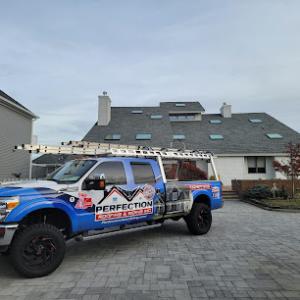
Perfection Roofing & Siding
(732) 877-2129 perfectionroofsiding.com
Serving
5.0 from 22 reviews
Our team has over 20 years of experience in Commercial & Residential Properties. We focus on roofing, siding & gutter jobs. Check out our services to fully understand how we can help you. The goal is to provide a safe & durable roof for the years to come!
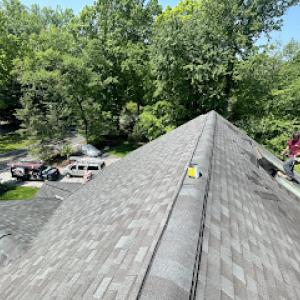
Lita Construction
(201) 540-7772 litaconstructionllc.com
Serving
4.9 from 70 reviews
Welcome to Lita Construction—your go-to specialists for roofing, siding, chimney, and masonry projects. With our focus on quality and precision, we deliver top-tier construction services tailored to your needs. From fixing roofs to enhancing exteriors, restoring chimneys, and perfecting masonry, we excel in every aspect. Count on us for reliable, efficient, and cost-effective solutions. Choose Lita Construction for all your construction needs and experience unmatched professionalism and expertise.
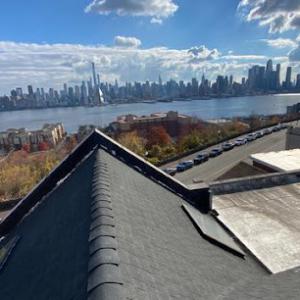
Elite Work Home Improvement & Roofing
(201) 699-7959 eliteworkhomeimprovement.com
Serving
4.9 from 104 reviews
Since 2005, Elite Work Home Improvement & Roofing has been the trusted name for homeowners in Clifton and beyond. With a wide range of services, including expert roofing, professional deck building, and meticulous chimney services, they are dedicated to enhancing your home's exterior. The skilled team also specializes in siding and window installation, ensuring every project is completed with a commitment to quality and craftsmanship. From the roof down to the last detail, Elite Work Home Improvement & Roofing provides comprehensive solutions for all your home improvement needs. Call us now for a FREE Estimate!

Dream Home Roofing
Serving
4.9 from 361 reviews
Dream Home Roofing is a trusted, top-rated roofing company serving New Jersey, Eastern Pennsylvania, New York, and Connecticut. Since 2018, we’ve specialized in residential roof replacement, roof repair, siding installation, gutter solutions, solar panel removal and reinstall, and storm damage restoration. Our licensed and insured team is known for honest service, expert craftsmanship, and reliable results. We’re committed to protecting your home with high-quality, affordable exterior solutions and exceptional customer care. Contact us today to schedule your free roof inspection and get the professional service your home deserves.
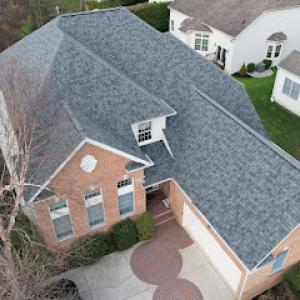
Eleven Exterior
(201) 800-5856 www.elevenexterior.com
Serving
5.0 from 24 reviews
Family-owned and local, Eleven Exterior is a GAF-Certified, Google Guaranteed contractor—licensed, insured & bonded for total peace of mind. Since 2006 we’ve served Highland Park, Edison, and all Middlesex County. Our mission: deliver humane, honest service that deliver value to customer and builds long-term, win-win relationships. Searching for roofers in Highland Park? Factory-trained crews finish most roof, siding, gutter, and storm-damage jobs in one day, installing architectural shingles, James Hardie or Ply Gem siding, and copper/aluminum seamless gutters. Enjoy a free 30-minute inspection, photo report, and transparent quote—no upsells. Backed by 50 + five-star reviews and strong workmanship warranties for lasting confidence.
AD Roofing
(609) 540-2983 www.adroofinginc.com
Serving
5.0 from 212 reviews
AD Roofing provides services for roofing, siding, gutters, windows, doors, kitchen remodeling, and bathroom remodeling in New Jersey and Southeast Pennsylvania.
Dynamic Home Improvement
(855) 446-6887 dynamichomeimprovements.org
Serving
5.0 from 109 reviews
Dynamic Home Improvements is a trusted provider of roofing, gutter, siding, chimney, and masonry services. Our experienced professionals use only top-quality materials and advanced techniques to deliver outstanding results that enhance the functionality and appearance of your home. We pride ourselves on our exceptional customer service, personalized solutions, and competitive prices. Contact us today for a consultation and discover why homeowners in New Jersey trust us for their home improvement needs.
Reese Roof & Repair
(908) 910-1796 www.reeseroofandrepair.com
Serving
4.9 from 78 reviews
Fourth generation roof specialists

Amore Homes Roofing & Siding
(732) 648-2195 amorehomesllc.com
Serving
5.0 from 69 reviews
Amore Homes Roofing & Siding is your trusted, full-service roofing and siding contractor based in Monroe Township, NJ. With over 20 years of experience serving homeowners across Monmouth and Middlesex Counties, we specialize in roof replacements, repairs, vinyl siding installations, double as home remodeling contractors. Our team is fully GAF-certified, licensed and insured ensuring top-tier workmanship and lasting results. We offer free, no-pressure estimates, competitive pricing, and fast turnaround times and as proud members of the community, we stand by our work and are committed to delivering honest service, quality craftsmanship, and real value on every job. With over 20 years of experience, we are confident in any home project!
The USA Roofer
(732) 201-3310 theusaroofer.com
Serving
5.0 from 50 reviews
The USA Roofer specializes in commercial roofing systems for office buildings, warehouses, industrial facilities, and multi-unit properties across New Jersey. Our team delivers commercial roof repairs, flat roof systems, TPO and EPDM installations, preventative maintenance, and emergency services. We also provide residential roof repair and replacement services for homeowners.
Thomas Bartley A to Z Contracting
(732) 991-2909 a-zcontractingllc.net
Serving
5.0 from 52 reviews
Thomas Bartley A to Z Contracting is a veteran-owned roofing and remodeling company with 35+ years of experience. We now focus on more selective, hands-on projects where quality, communication, and craftsmanship always come first. We specialize in roofing, siding, kitchens, bathrooms, basements, decks, and targeted interior renovations. As GAF Certified roofers, we offer the System Plus Manufacturer’s Warranty with up to 50 years of non-prorated coverage. Tom brings Marine Corps Drill Instructor discipline and precision to every project, supported by skilled, detail-driven craftsmen. NJ licensed and insured, HIC #13VH06985200.
Asphalt shingles are the dominant practical choice for homes in this borough, matching the common residential roof forms you're most likely to see on street-facing houses and side yards. They install well on existing rafters without heavy structural changes and are supported by the local contractor base that frequently works with this material. In areas prone to freeze-thaw cycles, asphalt shingles perform reliably when paired with a solid underlayment and proper flashing transitions, especially around chimneys, skylights, and vent booting. You'll find a wide range of colors and profiles that help maintain the historic charm of older neighborhoods while offering decent impact resistance for seasonal storms. For most mid-century and earlier homes, asphalt remains the easiest balance of performance, availability, and repairability.
Metal is a more selective upgrade path in this market. It's chosen when longevity and snow-shedding performance take priority over a broader population of homes. If the roof is already reaching the end of its life and you expect many years of service but want reduced maintenance, metal can be appealing. It handles wind-driven rain and hail well and can improve attic ventilation with appropriate overhangs and underlayment. However, metal is not the default choice for most of the borough's housing stock, which means fewer nearby contractors specializing in complex metal retrofit details and potentially higher labor variability. If you love a modern look or anticipate long-term durability in a high-wind, winter-heavy climate, metal is worth a focused consultation.
Clay tile and concrete tile exist in the market, but their use is relatively limited and they bring a different set of realities for older homes. Tile systems are heavy and often require structural reinforcement, careful ridge ventilation, and precise detailing around eaves and penetrations. In many older Hightstown houses, the roof framing and exterior walls weren't designed for tile's extra weight, so a retrofit could involve substantial engineering. Wood shakes and synthetic products offer distinct aesthetics and can suit historic appearances, yet they demand diligent maintenance in this climate-wood is sensitive to moisture cycles, and some synthetics behave differently in freezing conditions. If you're considering these options, assess the existing roof's structure, attic insulation, and the potential for moisture intrusion around joints, valleys, and penetrations. A specialist familiar with older homes can help determine whether the visual appeal is worth the extra feasibility checks and maintenance effort.
Older borough homes often feature tight roof lines, multiple intersecting roofs, and various venting setups. Before selecting a material, evaluate whether the underlying deck and rafters can support heavier options like tile or shakes; consider retrofit needs such as additional insulation, improved ventilation, and upgraded underlayment. Color and texture choices should respect the period look of the neighborhood, while also favoring reflective or lighter shades if attic heat is a concern. In addition, ensure the chosen product has proven performance in local storm patterns, where wind-driven rain and hail can test edge protections. A well-ventilated, properly flashed, and tightly sealed system dramatically improves the long-term performance of any material in this climate.
In this borough, the local stock skews toward older, smaller homes with compact roof silhouettes, and that shapes price. Asphalt shingles typically run 350 to 700 USD per square, with metal from 800 to 1500, clay tile 1100 to 2300, concrete tile 900 to 1800, wood shingles or shakes 700 to 1400, and synthetic or composite 550 to 900 per square. Those ranges reflect a mix of reroof projects after freeze-thaw cycles, and the weight and installation complexity seen on older structures. Expect higher quoted prices when unusual roof pitches or long runs add labor time.
Costs in a typical Hightstown job can rise when older roof decks need repair, when ventilation must be brought up to inspection expectations, or when flashing around chimneys and penetrations needs full replacement. A fatigued deck adds material and labor beyond a straightforward shingle swap, while inadequate attic ventilation can necessitate additional components or corrective work to meet performance goals. Flashing around vents, skylights, and chimneys on century-old or mid-century homes often requires careful, custom fabrication to seal against future leaks.
Storm-driven demand spikes after regional thunderstorm events can tighten scheduling and labor availability in this market, especially for quick-response crews and full re-roofing contractors. When a storm hits, lead times lengthen and crews may price rush work higher to secure a slot. If multiple houses in your neighborhood are affected, expect variability in availability and potential delays or premium permitting-adjacent coordination in the weeks immediately after a storm.
Start with a careful, written assessment that identifies deck integrity, ventilation needs, and flashing conditions. Request bids that itemize materials, labor, and disposal, plus any required deck or ventilation upgrades. Consider phased work if the roof structure can support it, and compare contractor schedules with known storm windows to minimize overextension during peak demand. Keep a close eye on the anticipated weather pattern for the coming season to time the project away from peak storm weeks when possible.
Get a clear picture of your project costs upfront - no commitment required.
Elite Work Home Improvement & Roofing
(201) 699-7959 eliteworkhomeimprovement.com
Serving
4.9 from 104 reviews
A full re-roof in this borough typically requires a building permit, and the responsible party is usually the contractor who submits the application to the Borough of Hightstown Building Department. Do not assume a permit will be handled automatically; verify who is pulling the permit and ensure the submission includes accurate scope and materials. If work begins without a permit, the city can require uncovering sections of the roof to inspect for compliance or impose penalties. Keep a copy of the permit and any approvals in your records so you can reference them during inspections or future repairs.
Roof work is inspected during and after installation, with attention to code compliance, ventilation, underlayment, flashing, and installation details that align with manufacturer guidelines. In aging homes, the inspector will look closely at connections around valleys, elbows, chimneys, and vent pipes, as well as the attic ventilation balance and the condition of underlayment under the shingles or other coverings. The inspection process is not a formality; it directly influences acceptance of the work and the durability of the roof. If something isn't up to code, the contractor may be required to correct it on-site before the project can pass final review.
Because inspection is part of the local process, homeowners should expect replacement scope to include corrections that may not be visible from ground level, especially on older roofs. Issues like past venting tweaks, marginal underlayment, or flashed joints may need to be addressed to satisfy the inspector, even if they aren't obvious from a street view. Plan for potential non-visible corrections and coordinate with the contractor to prioritize proper ventilation, drip edges, and flashing details that hold up under freeze-thaw cycles and seasonal storms typical to this area.
After storms and thunder events in Hightstown borough, keeping solid photo records matters for wind and hail claims. Document the roof's condition before any work, then again after crews finish. In this market, an adjuster will rely on clear images showing damage, flashing, and any sagging or missing shingles. Use a dated sequence: broad roof shot, close-ups of damaged areas, interior signs like attic leaks. For New Jersey weather, ensure images show surface wear that aligns with storm timing and nearby property impact.
When you file, expect the claim to move through standard documentation and an adjuster review. Be ready to supply notes about when leaks began, peculiar sounds during storms, and any prior repairs. If insurers request a mitigation timeline, provide it with receipts and contractor estimates. Vendors in this area value adherence to installation guidelines; a claim may hinge on showing that replacement materials and methods meet manufacturer requirements.
For older roofs, some carriers may require code-compliant upgrades as part of the replacement. If that happens, your contractor should explain which upgrades are needed and how they integrate with the claim scope. Take clear photos of any existing ventilation, underlayment, and drip edge to compare post-work installation.
Document pre-work and post-work conditions and keep manufacturer installation guidelines handy. Your photos should demonstrate that the work followed the product's directions and that fasteners, nailing pattern, and shingle alignment match the recommendations. This level of documentation can materially affect claim outcomes in this market.
Ask your contractor for a written summary tying photos to damage and repairs.
Connect with contractors who help homeowners navigate the claims process from damage assessment to final approval.

Unique Roofing & Restoration
(609) 245-8364 www.uniqueroofingrestoration.com
Serving
5.0 from 51 reviews
Skylight installations and repairs are a meaningful specialty in this market, and homeowners frequently report leak tracing around curb details and flashing transitions. In older borough homes, the curb-and-flash intersection is a common trouble spot even when the surrounding shingles appear solid. When a leak trace leads you to a skylight, expect tight scribing with multiple layers of sealant, and be prepared for the reality that the weakest link is often the flashing itself rather than the glass. A careful inspection should map where water enters during a rain or thaw cycle, then test those joints with controlled moisture to verify the source before replacing components.
Chimneys and masonry intersections are perpetually vulnerable on these early-century homes. Brick and mortar settle over time, and flashing where the chimney meets the roof line can crack or lift after seasonal freezes. In practice, leaks here tend to travel along the joint lines, then seep into attic decking or ceiling spaces well away from the visible chimney brick. When trouble shows up, the first clue is not always a damp ceiling near the chimney but a damp spot that moves with wind-driven rain or a thaw-driven melt. Expect repeated cycling of small repairs rather than a single, permanent fix.
In the local climate, freeze-thaw stress amplifies minor imperfections around curb edges and chimney flashing. Even if the main field shingles look serviceable, the edges, valleys, and transitions bear the brunt of repeated freezing and thawing. Wind-driven rain can force moisture laterally under flashing and into concealed channels. The practical consequence is that small, persistent leaks can emerge long after the visible shingles appear fine. A conservative, methodical approach to tracing, cleaning, and resealing these joints helps prevent escalating damage to attic spaces and ceilings.
Find contractors experienced in skylight installation, flashing, and leak repairs to bring natural light into your home.
Elite Work Home Improvement & Roofing
(201) 699-7959 eliteworkhomeimprovement.com
Serving
4.9 from 104 reviews
Flat-roof specialization is active in this borough even though the market remains primarily residential, meaning you may encounter low-slope sections on additions, porches, and mixed-use structures. Those areas require a targeted approach because standard steep-slope tactics don't always translate to flat or nearly flat systems. When a retrofit or new build touches a rear addition or a covered porch, recognize that the detail work-drainage, flashing, and bonding to existing slopes-will shape both performance and longevity.
Year-round precipitation and autumn leaf buildup make drainage reliability especially important on low-slope sections. In practice, that means confirming that scuppers, interior gutters, and downspouts carry water away promptly, and that gutter lines are clear during every season. Pay attention to any standing water after rain or ice formation near parapets and transitions to steeper roofs. Regular inspections after storms or heavy leaf fall help catch subtle sagging or mineral buildup that can impede flow before leaks appear.
Homeowners should separate the condition of low-slope rear additions or porch roofs from the main steep-slope roof because failure timelines and repair methods differ. A leak in a porch roof may manifest more quickly after a heavy shower or freeze-thaw cycle, while the primary roof might show slow, long-term degradation. Treat each section as its own system: check flashing at transitions, sealant joints, and membrane integrity independently to avoid cross-sectional misdiagnosis.
On a typical Hightstown home, look for blisters, surface cracking, or blurring where the low-slope membrane meets vertical walls. Ensure edge metal selections direct water into the drainage system and that any penetrations (vent pipes, skylights, or radiant heat lines) have continuous, compatible sealants. For porch and addition roofs, verify that any decking or substrate remains sound and that fasteners do not back out as temperatures swing through New Jersey winters.
Find specialists in TPO, EPDM, and built-up flat roofing systems for residential and commercial properties.
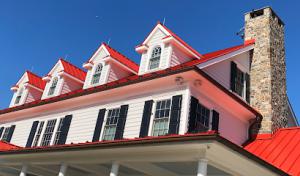
When a roof is due for replacement in this borough, solar is something to plan for rather than a main focus. In older homes, the condition of the roof deck and the quality of flashing matter as much as the mounting hardware. Before any solar penetrations are proposed, assess the deck for rot, soft spots, and overall stiffness, and verify that existing flashing around chimneys, vents, and dormers is sound. The remaining service life of the roof should guide decisions about where and how to place any solar hardware. If the roof isn't solid, adding solar components can complicate repairs later and reduce performance.
Coordinating solar timing with a full re-roof saves labor and avoids reopening a newly installed roof on borough homes. Plan to install solar mounts or integrated modules at the same time the shingles or tiles are replaced, rather than adding them a season later. This approach minimizes cutting into fresh roofing, reduces the risk of water intrusion during follow-up work, and helps ensure a clean, long-lasting interface between roof surface and mounting hardware. Talk with both the roofer and the solar installer about a shared sequence, so flashing transitions and edge detailing are addressed in one pass.
Evaluate roof orientation, shading from nearby trees or structures, and the compatibility of roofing material with solar mounting systems. If a replacement is already planned, select a roof type that provides a stable, uniform surface for penetrations and has proven performance for older homes in the area. Ensure the chosen system leaves room for future maintenance access, and document any deck or flashing upgrades necessary to support solar equipment. In this borough, a thoughtful, integrated plan reduces the risk of leaks and later retrofit complications.
Find contractors who integrate solar panels or solar shingles into your roof for long-term energy savings.