Last updated: Apr 19, 2026
In this Piedmont town, storms don't wait for perfect conditions. The heaviest roofing disruption risk clusters come in late summer to early fall, when hurricane-season rain and wind-driven storms collide with already humid air. That combo can flood a tear-off schedule, complicate dry-in windows, and leave a roof vulnerable during the most intense storm months. When a storm rolls through, shingles loosen, flashing gets strained, and saturated underlayment accelerates wear. Replacing at the wrong moment can mean a rushed job, compromised installation, or repeated call-backs. The practical goal is to align the project with windows that minimize rain exposure and wind-driven blow-off risk, while still avoiding the most punishing heat and humidity that slow crews.
Hot Piedmont summers bring frequent afternoon thunderstorms that break up tear-offs and dry-in windows. That is why many local roofs get better results with spring or early fall replacements, when temperatures are cooler and afternoon storms are less intense. The key is to secure a solid dry stretch of weather and keep an eye on humidity, which drives curing times and adhesive performance. If a hot spell leads to a sudden storm, expect crews to pause and re-schedule, which can extend the project timeline. Plan for a contingency that accounts for late-summer weather swings and the possibility of back-to-back wet days, especially around hurricane-season peaks. A well-timed replacement uses a consistent sequence: protect the interior during rain, complete a full tear-off, ensure proper ventilation, and sequence leak barriers to ride out any remaining storms without inviting interior damage.
In Lincolnton, replacement timing is driven less by snow load or coastal corrosion and more by repeated wetting, wind exposure, and storm-related shingle or flashing damage. That means a roof showing new signs of moisture intrusion after a heavy rain, noticeable wind lift at the eaves, or flashing that has started to separate should trigger a faster decision. The priority is to avoid letting compromised sections linger through the next round of storms. If multiple storms have battered the same area, and flashing edges or valley joints show wear, the window for a risk-reducing replacement narrows. Don't wait for a pristine week of dry weather to address obvious damage-action in the near term reduces the chance of a storm driving more extensive interior exposure and more costly repairs.
Look for frequent shingle cupping, granule loss in hotspots, or crusted granules near gutters after storms. Visible exposed underlayment or sagging at flashing corners is a strong signal that water has reached vulnerable layers. If a contractor notes wind-related dislodgement in multiple spots, or if wet conditions persist across several weeks, that's a cue to consider scheduling the replacement sooner rather than later. The goal is to complete the project during a stretch of stable weather with minimal rain chances, while ensuring the crew has ample daylight and cooling conditions to finish correctly. In any case, plan around the storm calendar and be ready to adjust the schedule to keep the roof and home protected through Lincolnton's volatile late-summer to early-fall pattern.
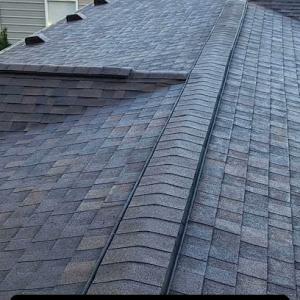
Brock Builders Roofing
(980) 429-0396 www.brockbuildersroofing.com
162 Shell St, Lincolnton, North Carolina
5.0 from 65 reviews
Brock Builders Construction Group offers services in roofing, siding and interior trim. We specialize in new construction roofing, siding and interior trim. We also handle all major insurance claims for roofing and siding. At Brock Builders we work on each home as if it where our own.
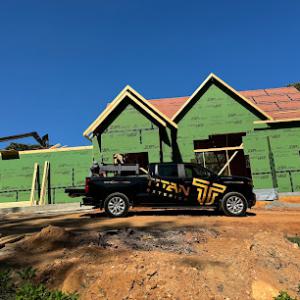
Titan Exterior
(704) 742-6213 titanextpro.com
Lincolnton, NC
5.0 from 20 reviews
Titan Exterior is your trusted roofing contractor in Lake Norman, Charlotte, NC, offering premium roofing installation, siding, and gutter services for residential and commercial properties. With over 12 years of experience, we provide affordable roofing solutions to safeguard your home or business. Our residential roofing services ensure peace of mind, with high-quality materials. We deliver aesthetic, long-lasting roofing for residential and commercial properties in Lake Norman and all surrounding areas. Whether you need a roof replacement, gutter installation, or beautiful new siding, Titan Exterior has the expertise to meet your needs with excellence. We proudly serve North Carolina, Northern SC, and Southern Tennessee!
Gaston Roofing, LLC - Lincolnton
(704) 861-8166 gastonroofing.com
417 E Main St Suite 103, Lincolnton, North Carolina
5.0 from 13 reviews
Gaston Roofing is a family-owned and operated company based in Gastonia, NC, with an additional office in Lincolnton, proudly serving all of Lincoln County. We specialize in roofing, gutters, siding, doors, and windows, delivering quality workmanship and friendly local service. Fully insured and trusted by homeowners, we offer free estimates, assist with insurance claims, and provide a 10-year workmanship warranty. Count on Gaston Roofing for reliable home exterior solutions built to last.
Stevens HomeBuilding Group
(704) 995-4582 www.stevenshomebuildinggroup.com
1536 Weatherwood Dr, Lincolnton, North Carolina
4.8 from 17 reviews
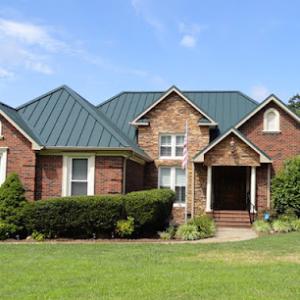
Established in 2008, Stevens HomeBuilding Group is a leading provider of comprehensive roofing and siding solutions in Lincolnton and the surrounding areas. With over a decade of experience, we specialize in a full spectrum of services, including expert roof installations, precise repairs, and efficient gutter cleaning. Our team is dedicated to providing high-quality craftsmanship and exceptional service. We are committed to ensuring the longevity and integrity of your home's exterior, offering dependable and professional service you can trust.
Browning Construction
718 Hoke St, Lincolnton, North Carolina
4.9 from 7 reviews
Residential Roofing and gutter installation services
My Roof Repair
(980) 722-6892 www.myroofrepairnc.com
1380 John Lutz Cir, Lincolnton, North Carolina
5.0 from 6 reviews
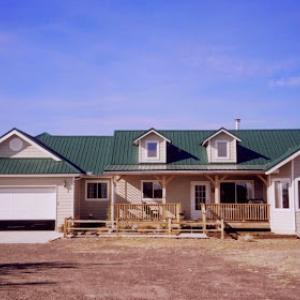
Locally Owned company providing roof replacement and roof repair services.
W Roofer Corporation
Serving
5.0 from 57 reviews
At W Roofer Corporation, we take pride in being a trusted roofing contractor serving Shelby, NC, and the surrounding areas with over 18 years of experience. As a veteran-owned business, we bring integrity, precision, and craftsmanship to every project we complete. Our skilled roofers specialize in roof installations, inspections, leak detection, repairs, replacements, and new construction roofing for residential and commercial properties. We also offer quality home remodeling services to enhance your property’s value and comfort. We're committed to delivering dependable, high-quality results that protect and beautify your home or business.
Carolina Elite Roofing
(704) 452-0466 carolinaeliteroofing.com
205 S Academy St, Lincolnton, North Carolina
5.0 from 2 reviews
Carolina Elite Roofing is one of the most trusted, qualified, and professional roofing companies in North Carolina. Whether you're in need of a roof repair, or replacement, or you have a new construction project, we have the best roofers to handle the job. Call us at 704-452-0466.
Roofology
3416 Asbury Church Rd, Lincolnton, North Carolina
5.0 from 1 review
Roofology™ was created to bring Residential and Commercial Roofing into the 21st Century. Through the application of the latest technological advances in Building Sciences, we are able to extend greater value to our Clients. We're passionate in our mission to make Roofing Installation, Repair and Maintenance an affordable and practical endeavor from the average Homeowner to the largest Property Management Groups and Engineering Firms in our area. We're able to consistently deliver an exceptional experience on any Project thanks to numerous proprietary processes we've designed and implemented. From VR Roof Inspections to Drones equipped with FLIR. If you're ready to be amazed, give us a call. Roofology™. "Roofing. Reimagined."™
Zarate General Contractors
(828) 308-5051 zarategeneralcontractors.com
Serving
5.0 from 26 reviews
Established in 2015, Zarate General Contractors is a leading expert in home improvement. Based in Maiden, North Carolina, their dedicated team transforms houses into dream homes with a comprehensive suite of services. From full-scale remodels and additions to essential upgrades like roofing, siding, and windows, Zarate General Contractors handles every project with unwavering precision. They are committed to delivering top-tier craftsmanship and personalized service, ensuring every detail of your home vision is brought to life.
Catawba Valley Roofing & Restoration
(828) 962-0617 www.catawbavalleyroofing.com
Serving
5.0 from 158 reviews
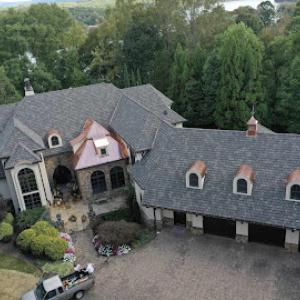
Is your roof ready to stand the test of time? Catawba Valley Roofing & Restoration, serving Hickory, NC, and surrounding areas since 2019, provides top-tier roofing solutions for homes and businesses. We specialize in complete roof replacements using durable CertainTeed Asphalt Shingles. Our team offers FREE roof inspections to assess your roof's condition, identify potential storm damage, and assist you through the insurance claim process. Experience the peace of mind that comes with knowing your property is protected by a roof built with quality and integrity. At Catawba Valley Roofing, we treat every project with the utmost care and attention to detail.
RST Roofing
(828) 827-1434 rstroofingnc.com
Serving
5.0 from 13 reviews
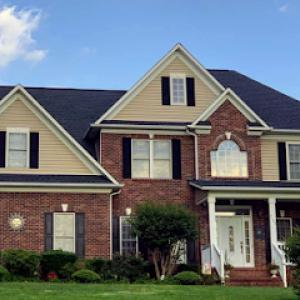
RST Roofing is a trusted 4th-generation roofing company serving North Carolina for over 50 years. We specialize in high-quality residential and commercial roofing, delivering exceptional craftsmanship and customer service.
Asphalt shingles dominate the local re-roof market because they fit the typical residential build and align with a lower upfront budget. In Lincolnton's hot Piedmont summers and humid early autumns, expect prolonged heat to fade color and shorten appearance life if ventilation isn't up to par. While shingles are easy to install and repair, heat and humidity can reveal venting weaknesses or attic air leaks faster than you'd anticipate. When choosing asphalt, look for vented or air-flow-friendly underlayment combinations and a ridge vent or mechanical exhaust that matches the attic footprint. You'll want shingles with reputable impact resistance ratings for the afternoon thunderstorm bursts that occur during wet-season bands. In homes with attic ventilation gaps or older soffit zones, consider upgrading intake vents to push hot air out and reduce heat buildup under the roof deck.
Metal roofing has a meaningful local specialty presence and is especially relevant for shedding heavy rain quickly and improving durability during thunderstorm and tropical-weather periods. In this area, metal can help keep attic temperatures a notch lower and resist water intrusion during fast-moving storms. If you lean toward metal, focus on panel designs that provide solid overlap at seams and a well-sealed flashing package around chimneys, skylights, and valley intersections. The lighter weight helps on older deck structures, but the installation still must account for local framing and deck condition to avoid fasteners corroding after repeated heavy rains. A metal roof's reflective qualities can lessen heat gain, which translates to lower cooling loads in peak summer months. Pro installers in this market will highlight the importance of proper attic venting and a continuous drip edge to handle storm-driven rainfall efficiently.
Clay tile, concrete tile, wood shakes, and slate exist in the market but are more sensitive to structural loading, deck condition, and specialized installation than the standard asphalt re-roof jobs. Clay and concrete tiles require a reinforced decking plan and careful weight management; older homes or those with marginal framing may need significant prep to avoid sagging or long-term fastener stress. Wood shakes bring a traditional look but can degrade quickly with high humidity, mold risk, and faster weathering unless treated and maintained. Slate delivers durability, but it demands careful assessment of roof geometry and support to accommodate its weight. If you're considering any of these, engage a contractor who can perform a thorough structure check and provide a detailed installation plan that accounts for Lincolnton's storm history and moisture exposure. In many cases, these materials are best reserved for homes with the right roof structure, ongoing maintenance plans, and a willingness to invest in a custom solution.
The heat that settles in during summer and the sharp swings of winter temperatures push moisture into roofing assemblies in ways that homeowners rarely anticipate. In Lincolnton, attic and deck spaces can feel dry on the surface while lingering dampness hides behind underlayment and decking. The local pattern of late-season tropical rain bands means storms can deliver heavy moisture in short bursts, followed by drying days that never fully replace the wet air already trapped underneath. This is not a problem you can see from the shingles alone; it travels through underlayment and into the decking, where it can sit and source rot long after the rain stops. The risk isn't dramatic every week, but the pattern over several storm cycles matters for long-term performance and the likelihood of leaks down the line.
Lincoln County inspections commonly focus on decking, underlayment, and ventilation, reflecting how moisture management is a central performance issue for local roofs. If the deck shows signs of swelling, dark staining, or mildew, that is a signal that moisture has been persistent and may have penetrated beyond the surface. Exterior look-alikes like curled shingles or blistered underlayment can mask a compromised deck beneath. In slow-season work, when crews aren't pressure-testing the system every week with heavy rains, it's easy to assume the deck stayed dry. That assumption can be costly if repeated storms have taken a toll on boards, fasteners, and sealant. A dry surface may hide a wet story behind it, especially in areas where ventilation is cramped or attic air is still. Do not rely on a single dry afternoon; check for subtle signs of moisture damage, such as soft spots along joists or mismatched nail patterns that hint at swelling.
Ventilation is the quiet hinge in this climate. When attic spaces lack adequate intake and exhaust, moisture lingers and condensates on cold winter mornings, driving plywood and decking toward decay. The goal is not to rush air through for comfort, but to move moisture out before it rots the deck. In practice, this means ensuring soffit vents are clear, ridge or continuous vents are functional, and baffles provide a clear channel from attic floor to the ventilated space above. A common misstep here is to add more shingles or more insulation without expanding airflow. You want a balanced system where the air moves in a way that dries the deck and underlayment between cycles of rain. In Lincolnton, that balance pays off most during the wet, humid months when storms come back-to-back and the roof has to dry out quickly between events.
Reroof decisions in this market hinge on whether the existing decking stayed dry through repeated storm cycles rather than surface shingles alone. If a deck shows signs of moisture exposure-soft spots, granule loss in concentrated areas, or persistent staining in the sheathing-replacement becomes less a matter of cosmetic aging and more a matter of structural resilience. When moisture has married with poor ventilation or compromised underlayment over multiple seasons, it's prudent to view replacement as a chance to restore dry, well-ventilated drainage pathways rather than a cosmetic upgrade. The weather pattern here rewards proactive planning: a dry, ventilated decking system can often outlast glossy shingles, while a compromised deck invites recurring leak events that linger well into the next storm season.
In Lincolnton, local pricing can rise after regional storm periods when demand for re-roofing, tarping, and insurance-related work surges across Lincolnton and nearby Piedmont communities. That means a project started in late summer storm season may show higher bids or tighter scheduling, even for straightforward jobs. Weather patterns in the Piedmont heat and sudden thunderstorm bursts drive faster wear on shingles and underlayment, so timing matters financially as well as physically.
Asphalt re-roofing remains the most common entry point for homeowners facing storm-driven wear. In this market, costs typically run from about 350 to 650 USD per square for a standard overlay replacement, and can climb if a tear-off exposes damaged decking or requires additional ventilation work. If decking checks out clean and the job stays as a simple overlay, the price gap versus premium options stays meaningful, which is often the practical choice for tight budgets or quick storm repairs.
Metal systems become appealing when fast leak response and longer life cycles are priorities. Expect 700 to 1,200 USD per square for a practical metal installation in this area. The premium here is the durability under late-season rains and high heat; however, metal requires closer attention to flashing and deck condition. If a tear-off is needed or substantial decking repairs are identified during inspection, the project may shift toward the higher end of the range or beyond, depending on shop drawings and attachment details.
Clay tile, concrete tile, wood shingles/shakes, and slate sit at higher price points, reflecting installation skill and weight considerations. Clay tile typically lands in the 1,100 to 1,900 USD per square band, concrete tile 900 to 1,600, wood shingles 450 to 900, and slate 1,800 to 3,200. Local choices matter sharply here because the market supports both budget-focused asphalt re-roofing and higher-skill metal or premium steep-slope systems. If storm-repair urgency collides with a home's historic selection or aesthetic goals, the price path will follow the required material and decking work.
Get a clear picture of your project costs upfront - no commitment required.
Gaston Roofing, LLC - Lincolnton
(704) 861-8166 gastonroofing.com
417 E Main St Suite 103, Lincolnton, North Carolina
5.0 from 13 reviews
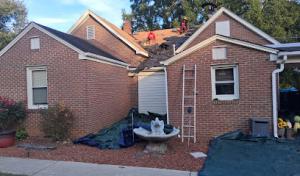
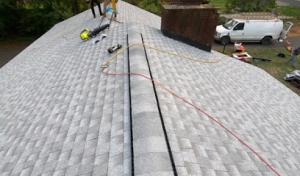
A full re-roof in Lincoln County typically requires a permit rather than being treated as a no-paperwork maintenance item. This is especially true for projects that involve more than a simple shingle swap or that alter the roof's structural elements. The local building department emphasizes documenting the scope of work, the type of roofing material, and any changes to decking or ventilation. Expect the process to start with a basic project information form and a simple description of materials and hours of work. While plan review is generally limited, the permit ensures that the replacement aligns with current code standards for wind resistance, ventilation, and deck integrity. If a project includes upgrades to attic ventilation or alterations to the decking, that review becomes more involved, so plan accordingly.
Communication with the building department should be straightforward: provide the proposed roof area, the planned underlayment, and the chosen roofing material. In many cases, the review focuses on ensuring there are no hidden structural changes without proper oversight. The absence of major decking modifications or structural changes often keeps the review light, but never neglect the requirement for accurate measurements and layout drawings if requested. In Lincolnton, the hope is to keep homeowners informed without slowing down routine replacements, yet the permit acts as a safeguard against undersized or inappropriate installations that could fail during seasonal storms.
Post-installation checks may verify decking condition, underlayment integrity, ventilation adequacy, and final workmanship. Expect a walkthrough or a targeted inspection that assesses how well the underlayment lays flat, whether fasteners are properly spaced, and if ridge or soffit vents are correctly installed for hot Piedmont summers and sudden thunderstorm bursts. The inspector may examine attic ventilation balance to prevent moisture buildup and ensure attic air is effectively exhausted. Final workmanship checks often include evaluating flashing around chimneys, vents, and roof-to-wall intersections. Homeowners should be prepared to demonstrate access to the attic and to point out any ventilation modifications that were part of the project. A thorough pass happens when decking is solid, underlayment is intact, and the overall installation shows attention to detail that resists wind-driven uplift and rapid rain infiltration.
Lincolnton houses frequently feature varied roof lines, older decking, and combination systems that pair modern underlayment with legacy framing. When scheduling the permit, allow extra time for a potential quick plan check if decking work is proposed. Communicate clear expectations about attic ventilation upgrades if they're part of the replacement. During the inspection window, have all exterior penetrations accessible and clearly labeled. This local approach to permits and inspections aims to keep storm resilience high and leak response fast, particularly after those midsummer storms and late-season tropical rain bands.
Storm and hail activity in the Piedmont heat and summer thunderstorms shape how claims move through Lincolnton's market. Carriers anticipate weather-driven wear, and documentation often becomes the deciding factor for timely decisions. The local pattern is not about coast or mountains, but about how fast moisture can work into vulnerable spots after a thunderstorm or tropical rainband. If a storm hits, the first response should be to assess visible damage to shingles, flashings, and vents, and to note any interior signs of water intrusion that appear after the next heavy rain.
Adjusters commonly request before-and-after photos to establish a clear timeline of damage. Take wide shots of the roof and close-ups of damaged areas, then document gutters, drip edges, and soffits. Proof of proper wind and moisture barriers matters, particularly in areas with rapid storm chatter and recurring downpours. Keep a dated photo log from the storm onset through the repair phase, and preserve records of any temporary covers used to mitigate leaks. Local homes often have mixed-material roofs, so photos should capture both shingles and flashings, plus attic ventilation and visible insulation conditions.
There is no broad statewide insurer pullback pattern defining Lincolnton, but carrier appetite and policy terms can still vary by insurer and region. If a carrier delays a decision, use your documentation kit to demonstrate how the roof performed under multiple storms and how quickly moisture exposure could worsen. When talking to adjusters, present a concise narrative tying weather events to observed conditions, and remind them that rapid leak response and robust ventilation reduce long-term interior damage.
Skylight work appears often enough in the Lincolnton contractor market to merit separate attention when chasing leaks after thunderstorm or tropical-rain events. A roof can look rain-tight, but wind-driven rain easily finds its way around a skylight lip, flashing seams, or the curb where the unit meets the roof deck. The fast pace of Lincolnton weather-hot days followed by sudden downpours-means small gaps can become big problems fast if left unchecked.
In this area, leak investigations should not stop at shingles because repeated wind-driven rain can expose weaknesses at skylights, flashing transitions, and penetrations. Check every flashing joint around the skylight, the valley between the skylight curb and the deck, and any sealant that has aged or cracked. Look for wet plywood, staining, or musty odors inside attic spaces that hint at ongoing seepage rather than a one-off surface leak. A careful exterior inspection often saves you from chasing a phantom drip indoors.
Fast-response repair demand in Lincolnton suggests homeowners frequently need targeted leak control before a full replacement decision is made. Temporary tarps or sealant on small, obvious gaps can stop further moisture ingress while you arrange a proper repair. Prioritize secure flashing seams and proper underlayment condition beneath the skylight. The goal is to cold-start the drying process and reduce interior damage while planning more durable fixes.
If storm history shows repeated skylight leaks or the surrounding deck and flashing show chronic failure, a more durable solution may be warranted. Consider skylight pan replacement, upgraded flashing kits, or a more weather-tight curb system. In all cases, document the leak history and storm dates to guide a repair-or-replace decision that stands up to Lincolnton's wet Piedmont climate.
Find contractors experienced in skylight installation, flashing, and leak repairs to bring natural light into your home.
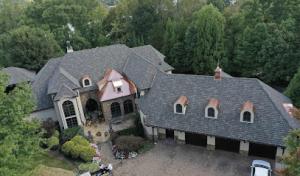
Catawba Valley Roofing & Restoration
(828) 962-0617 www.catawbavalleyroofing.com
Serving
5.0 from 158 reviews