
Last updated: Apr 19, 2026
Piedmont thunderstorms pound roofs in this area with sudden wind, hail, and driving rain that can undermine shingles, flashing, and attic ventilation. The pattern here is predictable enough to lean on: hot-season storms surge through spring and summer, and late-summer to fall can bring inland tropical systems that push wind-driven rain far enough to affect homes in Catawba County. The result is a spike in emergency repairs and insurance-driven replacement activity, even though this market is not coastal. This is not a "maybe later" situation; damage can hide under shingles and behind soffits, then escalate quickly if left unmanaged.
If a storm proves severe enough to loosen granules, lift shingles, or flood the attic with dampness, you should consider initiating a claim promptly. Insurance cycles in this region tend to react to large storm events, and delays can complicate coverage or lead to disputed claims. Early notification helps a homeowner align construction windows with favorable weather and reduces the risk of secondary damage from subsequent storms. Do not wait for the insurer to notice; you need to show that the damage is current and directly tied to the latest storm.
Insurance providers in this area are accustomed to the storm-driven pattern described above. They will want a clear link between the claim and the Piermont-driven weather event you describe, plus evidence that damage existed immediately after the storm and before any leaks caused new issues inside the home. A thorough, date-stamped record of the storm event, combined with professional assessment, strengthens the claim. Quick action signals preparedness and reduces questions about wear-and-tear versus storm impact. Expect adjusters to request a scope of work from a roofing professional you hire - preferably one who can clearly explain what was damaged by wind, rain, or impact and what needs replacement versus repair.
Take comprehensive, date-stamped photos that show the roof from multiple angles, the interior leaks, and any blown shingles or damaged flashing. Keep notes on when you first noticed signs of water intrusion, damp ceilings, or attic mold. If you have a satellite or weather service image showing the storm's timing, attach it to the claim. Collect any prior roof work records to demonstrate pre-storm conditions. This level of documentation helps the adjuster understand the scope and avoids back-and-forth disputes that stall repairs when strong storms have already passed through.
The local signal mix emphasizes storm damage response, emergency repair, and insurance-claim familiarity. Look for a contractor who can accelerate emergency tarp services if needed and who can provide a detailed, line-item scope of work tied to the claim. The right contractor will walk you through the claim process, help anticipate the staging and sequencing of repairs, and coordinate with your insurer while keeping you informed about practical timelines. A reliable team will also align temporary protective measures with the upcoming weather, reducing further exposure from late-summer squalls or fall fronts.
Expect a rapid onset of activity following a storm: claim submission, adjuster inspection, and contractor mobilization within days to weeks, depending on crew availability and weather windows. Newton homeowners should plan for the fall season to become a busy period for storm-related replacements. Realistic scheduling depends on the extent of damage, material availability, and the staging needed to complete work safely. Maintain open communication with the contractor and insurer, and push for a clear sign-off on substantial completion so lingering leaks don't drag into the next storm season.
Asphalt shingles and metal roofing stand out in Newton's replacement market. Shingles offer easy, quick repairs and broad contractor support, making them a practical everyday choice after storms. Metal roofs bring durability and faster installation, which can be a real advantage when storm recovery timelines matter. Tile and slate exist in the mix, but they're less aligned with the area's mainstream contractor base and typical replacement pacing. If a homeowner wants a design edge or exceptional longevity, tile or slate can be considered, but plan for a longer lead time and more on-site coordination.
The Piedmont climate brings hot, humid summers and frequent rainfall, so moisture management is a central concern. Regardless of the chosen material, prioritize a high-quality underlayment, sealed seams, and a dependable ice-and-water shield in valleys and eaves. Attic ventilation becomes a performance lever: adequate intake and exhaust keep attic temperatures closer to outside levels, reducing heat buildup that can degrade roofing components and encourage wicking through fasteners. When selecting asphalt or metal, work with products and contractors who emphasize continuous moisture control-from roof deck to soffit vent to ridge vent. In this climate, attic air quality matters as much as the roof surface itself.
Newton's housing stock often pairs modest to moderate roof slopes with shallow framing in older neighborhoods and more varied construction in newer sections. For asphalt shingles, consider a shingle line that balances wind resistance with ease of repair after a storm, and choose an underlayment system designed to complement local winds and rainfall patterns. If metal is chosen, look for standing-seam or concealed-fastener options that maximize wind performance and minimize expansion noise during heavy summer storms. Tile and slate, while visually appealing, require careful assessment of roof framing, drainage capacity, and seasonal scheduling, given their heavier weight and longer installation windows.
In storm-driven scenarios, lighter systems-namely asphalt and metal-tend to align with faster mobilization and smoother post-storm recovery. Heavier materials like clay tile, concrete tile, and slate can slow crews during winter freezes and complicate rapid re-covering after tropical downpours. If the goal is prompt restoration after a Piedmont thunderstorm or tropical system, prioritize asphalt or metal with a robust underlayment and a well-ventilated attic setup, and reserve heavier options for remodels or new builds where timing is less critical.
In this area, the cost landscape for common roofing materials sits in a narrow band that reflects local labor, weather risks, and material availability. For asphalt shingles, plan on roughly $350 to $650 per square. If you're considering metal, expect $700 to $1100 per square. Clay tile runs higher, about $1000 to $1800 per square, and concrete tile typically lands from $900 to $1600 per square. Synthetic or composite shingles sit between asphalt and higher-end options, at roughly $500 to $900 per square, while true slate can push from $1200 to $2000 per square. Those ranges are representative for Newton-area projects and help you set realistic expectations when you're evaluating bids after a storm event or tropical system.
Storm season reshapes the local timeline in noticeable ways. Piedmont thunderstorm activity, hail episodes, and tropical-system arrivals can suddenly spike demand for re-roofs. When a weather event hits, you'll often see a rush of homeowners seeking bids, which compresses scheduling windows and can push crews to juggle multiple jobs at once. If you're aiming to line up work after a big storm, expect possible delays in the shortest-weather spells and be prepared for backlogs in inspection-ready phases as crews shift between emergency-need projects and planned replacements.
In Newton, costs aren't just about the roof deck and shingles. The presence of any hidden decking issues becomes a real wildcard after a storm sequence. A thorough inspection frequently reveals water-damaged plywood or minor framing concerns that weren't visible from the attic hatch, and those findings can adjust the scope up from a straightforward tear-off and re-shingle. Conversely, a clean deck with intact underlayment can keep the project closer to its base material cost. The need for faster mobilization after a thunderstorm may raise labor rates slightly, but it also creates the chance to lock in more favorable material pricing if you secure something before demand spikes.
Start with a clear readiness plan: verify your preferred material type and color, and confirm the square footage accurately so bids reflect true scope. Get at least three detailed bids, focusing on tear-off requirements, underlayment choices, and any decking repairs that might be needed. Ask each contractor how they handle staged inspections and the order of operations-deck assessment first, then underlayment, then final inspection-so you can align your timelines with Newton's typical inspection cadence. If a storm just passed through, expect bids to reflect compressed schedules; you'll want a contingency for stretched lead times in materials or crew availability.
If you're choosing asphalt shingles after a speeding up season of storms, you'll likely stay at the lower end of the price spectrum, especially on a straightforward reroof with a solid deck. A metal roof, while higher upfront, can offer longevity and performance through future storms, which matters given the Piedmont exposure. Clay and concrete tiles bring dramatic durability and distinct aesthetics but carry higher installed costs and heavier weight, which may necessitate structural checks and potential upgrades in some homes. Synthetic shingles provide a middle ground with improved impact resistance and easier handling in storm-dominated weeks, while slate remains the premium option with the steepest price tag and the longest lifespan.
Get a clear picture of your project costs upfront - no commitment required.
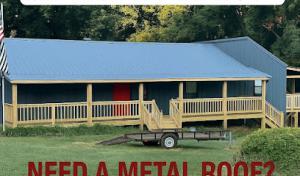
Piedmont Metal Roofing
(828) 465-0054 www.piedmontmetalroofing.net
60 E 27th St, Newton, North Carolina
4.7 from 34 reviews
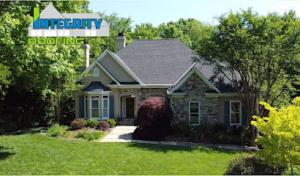
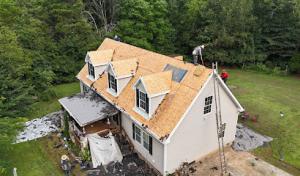
Fidelity Roofing
(828) 708-7663 www.fidelityroofing.net
1725 McRee Rd, Newton, North Carolina
4.9 from 269 reviews
𝐅𝐢𝐝𝐞𝐥𝐢𝐭𝐲 𝐑𝐨𝐨𝐟𝐢𝐧𝐠 𝐈𝐧𝐜., a 𝐭𝐫𝐮𝐬𝐭𝐞𝐝 𝐫𝐨𝐨𝐟𝐢𝐧𝐠 𝐜𝐨𝐧𝐭𝐫𝐚𝐜𝐭𝐨𝐫 in 𝐍𝐞𝐰𝐭𝐨𝐧, 𝐍𝐂, offers expert 𝐫𝐨𝐨𝐟 𝐫𝐞𝐩𝐥𝐚𝐜𝐞𝐦𝐞𝐧𝐭, 𝐫𝐨𝐨𝐟 𝐫𝐞𝐩𝐚𝐢𝐫, and 𝐬𝐭𝐨𝐫𝐦 𝐝𝐚𝐦𝐚𝐠𝐞 𝐫𝐞𝐩𝐚𝐢𝐫. We 𝐢𝐧𝐬𝐩𝐞𝐜𝐭, 𝐦𝐚𝐢𝐧𝐭𝐚𝐢𝐧, and 𝐢𝐧𝐬𝐭𝐚𝐥𝐥 all 𝐭𝐲𝐩𝐞𝐬 of 𝐫𝐞𝐬𝐢𝐝𝐞𝐧𝐭𝐢𝐚𝐥 𝐫𝐨𝐨𝐟𝐢𝐧𝐠 𝐬𝐲𝐬𝐭𝐞𝐦𝐬. As 𝐩𝐫𝐞𝐟𝐞𝐫𝐫𝐞𝐝 𝐢𝐧𝐬𝐭𝐚𝐥𝐥𝐞𝐫𝐬 of 𝐎𝐰𝐞𝐧𝐬 𝐂𝐨𝐫𝐧𝐢𝐧𝐠 and 𝐌𝐚𝐬𝐭𝐞𝐫 𝐀𝐩𝐩𝐥𝐢𝐜𝐚𝐭𝐨𝐫𝐬 of 𝐂𝐞𝐫𝐭𝐚𝐢𝐧𝐓𝐞𝐞𝐝 𝐬𝐲𝐬𝐭𝐞𝐦𝐬, we serve 𝐇𝐢𝐜𝐤𝐨𝐫𝐲, 𝐂𝐨𝐧𝐨𝐯𝐞𝐫, 𝐌𝐨𝐨𝐫𝐞𝐬𝐯𝐢𝐥𝐥𝐞, 𝐍𝐂, and nearby areas.

Piedmont Metal Roofing
(828) 465-0054 www.piedmontmetalroofing.net
60 E 27th St, Newton, North Carolina
4.7 from 34 reviews
We are a local contractor that specializes in metal roofing. Having over 40 years of experience we have seen all types of roofs. Just give us a call for a free quote today.
Iredell Roofing & Gutters
(828) 994-7379 www.iredellroofs.com
Serving
4.9 from 42 reviews
Roofing Contractor, Gutter Cleaning, Installation & Repair, Home Remodeling/Painting and Improvements, Concrete Work...All Your Roofing & Home needs.
Northwest Roofing
(844) 766-3762 northwestroofingnc.com
Serving
5.0 from 122 reviews
Northwest Roofing - North Carolina's Trusted Roofing Experts Since 1997 Licensed NC General Contractor specializing in residential & commercial roofing. Insurance claims experts helping homeowners maximize storm damage coverage. Services: Roof installation/repair, emergency storm response, free inspections, shingle/metal/composite roofing, flat roofs, seamless gutters. Why Choose Us: A+ BBB rating, 25+ years experience, insurance specialists, manufacturer warranties. Service Areas: Alexander, Avery, Burke, Caldwell, Catawba, Davidson, Gaston, Iredell, Lincoln, Mecklenburg & Surry Counties including Charlotte, Hickory, Statesville, Gastonia, Boone, Mooresville, Concord, Lincolnton, Morganton, Lenoir, Mount Airy, Banner Elk & more.
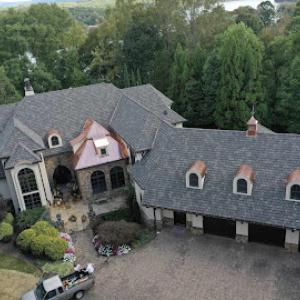
Catawba Valley Roofing & Restoration
(828) 962-0617 www.catawbavalleyroofing.com
Serving
5.0 from 158 reviews
Is your roof ready to stand the test of time? Catawba Valley Roofing & Restoration, serving Hickory, NC, and surrounding areas since 2019, provides top-tier roofing solutions for homes and businesses. We specialize in complete roof replacements using durable CertainTeed Asphalt Shingles. Our team offers FREE roof inspections to assess your roof's condition, identify potential storm damage, and assist you through the insurance claim process. Experience the peace of mind that comes with knowing your property is protected by a roof built with quality and integrity. At Catawba Valley Roofing, we treat every project with the utmost care and attention to detail.
Zarate General Contractors
(828) 308-5051 zarategeneralcontractors.com
Serving
5.0 from 26 reviews
Established in 2015, Zarate General Contractors is a leading expert in home improvement. Based in Maiden, North Carolina, their dedicated team transforms houses into dream homes with a comprehensive suite of services. From full-scale remodels and additions to essential upgrades like roofing, siding, and windows, Zarate General Contractors handles every project with unwavering precision. They are committed to delivering top-tier craftsmanship and personalized service, ensuring every detail of your home vision is brought to life.
A Plus Roofing - Hickory
(828) 851-6440 aplusroofingnc.com
Serving
5.0 from 152 reviews
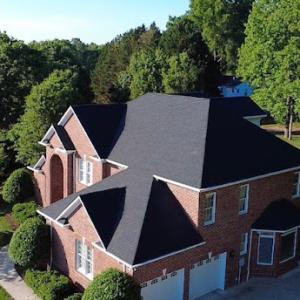
A Plus Roofing, established in 2021, offers high-quality residential and commercial roofing installation and repair services in Hickory, NC and surrounding areas. Our skilled team specializes in standing seam metal roofs and shingle roofs, ensuring durability and longevity for your property. We provide seamless gutter installations, repairs, and replacements, along with reliable gutter guards to prevent debris accumulation. When storm damage strikes, A Plus Roofing responds quickly—arriving at your doorstep the next day after you contact us. Experience exceptional customer service and unparalleled roofing solutions that prioritize both satisfaction and efficiency.
Integrity Roofing
(828) 448-0855 integrityroofingnc.com
Serving
4.8 from 254 reviews
We provide complimentary roofing quotes and inspections for homeowners and property owners in NC. Our services cover residential and commercial roofing, including asphalt, metal, slate, and flat roofing systems. Additionally, we offer roof maintenance, power washing, siding, and gutter services. As a locally owned and operated business, we pride ourselves on delivering quality service and are A+ accredited by the BBB.
Conover Construction & Roofing
(828) 304-0103 conoverroofing.com
Serving
5.0 from 7 reviews
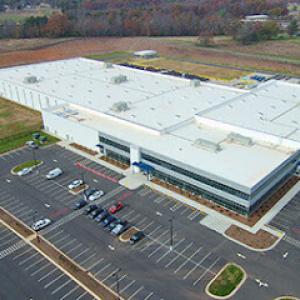
Serving the commercial roofing needs of Hickory, NC and the surrounding areas since 1995.
Best Choice Roofing
(828) 481-8980 bestchoiceroofing.com
Serving
4.7 from 260 reviews
Best Choice Roofing is your trusted roofing expert and the Best Choice when it comes to choosing a Hickory area roofing company with a commitment to impeccable customer service. In business since 2009, Best Choice Roofing’s industry-leading contributions to the roofing industry include a customer-first mentality, a dedication to top-quality products and a leadership team focused on the growth of its people. Because of this framework, we have created a loyal base of customers all over the United States.
MBA Roofing of Hickory
Serving
4.9 from 129 reviews
MBA Roofing proudly serves the Hickory area with expert residential and commercial roofing and gutter solutions. As an Owens Corning Platinum Preferred Contractor, we provide top-tier workmanship, materials, and service—whether it’s a repair, replacement or new build.
Providence Roofing Hickory
(704) 883-6052 providenceroofs.com
Serving
4.9 from 83 reviews
Based in the heart of Hickory, North Carolina, Providence Roofing is a veteran-owned and operated company built on a foundation of integrity and craftsmanship. We provide a full range of services for homes and businesses in the Hickory area along with all of Catawba, Burke, Alexander, and Caldwell counties. Specializing in roof replacements, repairs, and inspections. Our team is committed to delivering exceptional quality with every project, using premium GAF Timberline HDZ shingles and offering comprehensive warranties for lasting protection. From storm damage to new builds, our crews ensure a seamless and professional experience from start to finish.
A full roof replacement in this area typically requires a permit through the Newton Building Department serving this Catawba County jurisdiction. The permit process is designed to ensure that the work meets local wind, shingles, and underlayment requirements, which are important given Piedmont thunderstorm exposure and humid summers. The permit is generally applied for by either the contractor performing the work or the homeowner if you're personally coordinating the project. While the paperwork can feel routine, getting the permit in place early helps prevent delays that can arise after a storm when crews are in high demand.
Once the permit application is submitted, plan or scope review is conducted to verify that the proposed replacement meets Newton's code expectations and the county's building standards. This step is extra important after storm damage, when insurers often require specific materials or installation methods to qualify for coverage. If your contractor has already prepared a detailed scope-including decking, underlayment type, and flashing details-submit those documents with the permit package. Clear, cooperative communication during plan review helps align your insurer's requirements with the city's inspections.
After review, the permit is issued and the project can proceed. Scheduling inspections should be done promptly, especially in the wake of a storm when crews are in high demand and weather windows for installation can be tight. The Building Department will coordinate inspection dates with the project's progress, so keep your contact information up to date with both the contractor and the department. If a storm-related timeline affects access to the property, communicate those constraints early to avoid administrative hold-ups.
Inspections in this jurisdiction are staged to verify critical stages of the installation. The first inspection typically occurs after the roof deck has been installed and the underlayment is in place. This step confirms that the decking is sound, properly spaced, and that underlayment is correctly installed to create a weather-tight barrier before shingles or other roofing materials are applied. In storm-relevant installations, this stage also provides an early check for any moisture intrusion or decking damage that would influence subsequent repair decisions.
The second inspection happens at final completion to verify workmanship and code compliance. At this stage, inspectors assess flashing around chimneys, valleys, vents, and roof-to-wall interfaces, as well as attic ventilation and insulation details where applicable. The final review confirms that the replacement adheres to local wind provisions, material specifications, and installation practices appropriate for the Piedmont climate. Having a clean, organized job site and a clear record of the installed materials helps the inspector verify compliance efficiently and can speed up approval.
Once inspections pass, keep the permit documentation and inspection reports with your homeowner files. If an insurer required the permit or specific installation methods for coverage, ensure those documents are accessible during claim review. Should any follow-up issues arise, knowing the exact permit scope and inspection outcomes makes addressing them straightforward with both the Building Department and your insurer.
Hail and high winds from Piedmont thunderstorms are a common trigger for roof claims in this area. After a passing storm, you may notice new granule loss, dented shingles, lifted flashing, or early wear that wasn't obvious before. Because Newton sits in a thunderstorm-prone corridor, keep an eye on your roof after each severe event, especially during the humid summer season when shingles can weaken more quickly. If damage is suspected, act promptly to document what happened and start the communication with your insurer before things worsen or additional weather intervenes.
Insurers typically want solid photo documentation, a clear date-of-loss, and a straightforward narrative of what happened and when. Store those storm photos in a dated folder and keep a simple log of affected areas on your roof and any interior signs of water intrusion. An adjuster may be sent for an on-site inspection, so prepare to show weathered shingles, lifted edges, hail impact marks, and any interior damage from leaks. If an area looks minor but looms behind the eaves or under flashing, mention it during the claim to avoid surprises later.
There is no broad statewide insurer withdrawal noted here, but claim handling expectations can vary by carrier and by recent local storm activity affecting Newton. Insurance decisions can hinge on the adjuster's assessment and the photos you provide, so avoid posting "after" shots that omit critical angles or missing damage. Be thorough but accurate in your description, and keep your documentation organized by date. If an inspection is scheduled, be present or designate a trusted representative to point out damaged shingles, attic staining, or ceiling darkening that could indicate hidden leaks. Know your policy's deductible structure and whether your coverage includes rapid temporary repairs to prevent further interior damage.
After a thunderstorm, perform a cautious exterior check from ground level; look for lifted tabs, broken seals around vent pipes, or torn shingles. Inside, check ceilings and walls for damp spots that align with roof sections. If a claim is filed, coordinate promptly with the insurer, but avoid signing off on repairs before the adjuster reviews the scope. The pressure of multiple storms can influence timing and decisions, so keep steady records and ask questions if the process seems uncertain.
Connect with contractors who help homeowners navigate the claims process from damage assessment to final approval.
Fidelity Roofing
(828) 708-7663 www.fidelityroofing.net
1725 McRee Rd, Newton, North Carolina
4.9 from 269 reviews
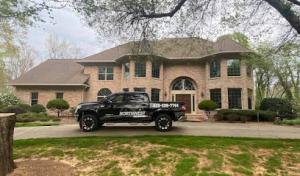
In Newton, summer humidity and frequent thunderstorms can interrupt tear-off and installation sequencing and affect when crews can safely dry in a roof. Work typically progresses best on dry, warm days, but sudden downpours can halt progress and push critical steps like underlayment and flashing to a later window. If a storm arrives mid-sequence, expect temporary pauses to protect decking and attic spaces from moisture. Plan for slightly slower progress during heat spikes when crews need extra hydration, shade, and time to manage equipment safely.
Late summer into fall brings added interruption risk from hurricane season and inland tropical systems reaching the western Piedmont. Wind-driven rain, intermittent power outages, and debris storms can delay resealing and full dry-in. Crews may need to re-sequence steps to accommodate brief dry spells, and insurance-driven timelines can tighten when a storm event is forecast. Have flexibility in your scheduling and communicate potential re-tiling or resealing contingencies with your contractor so delays don't cascade into longer project timelines.
Winter cold in Newton is usually moderate, but freezing periods can still slow tile or slate work and affect sealants and related installation details. Freezing temperatures can hinder adhesive curing and mortar work for certain materials, and short daylight hours reduce safe working windows. If a cold snap hits during a project, expect temporary pauses to let materials acclimate and to protect delicate sealants. Plan a sequence that preserves roof integrity through cold spells, with emphasis on leak prevention during any idle periods.
Piedmont storms bring gusts and rain that hammer exposed roof areas and push water through joints faster than dry-season wear would predict. A mixed roof in this area often reveals leaks at penetrations-chimneys, vent pipes, skylights-as well as where flat or low-slope transitions meet steeper field tiles or shingles. The combination of clay or concrete tiles, synthetic underlayers, and occasional metal flashings means a single compromised seal can cascade into attic moisture and visible staining inside the ceiling. The risk isn't just what you see during a storm, but what you discover after a quick drying spell ends.
Market signals show a notable demand for skylight repair and low-slope roofing repairs, indicating that leak troubleshooting is not limited to standard shingle fields. Skylight seams, curb flashings, and the junctions where low-slope portions meet steeper roof planes tend to siphon water during wind-driven rain. If your home has any combination of those features, expect inspectors and repair crews to focus attention on those edges first, because that's where moisture tends to travel most aggressively in the right weather.
In Newton, the prevalence of repair-oriented projects means many contractors will identify active leak points before suggesting a full roof replacement. That approach can save time and money, but it also carries risk: a patch may stop the current drip yet miss a latent weakness that surfaces after the next storm. A candid contractor will explain whether the leak is a localized fix or a symptom of broader deck or flashing deterioration, and should outline the trade-offs clearly before any decision to replace is finalized.
When you suspect a leak, photograph affected areas and track moisture pathways across days following a storm. Pay attention to attic condensation, warped ceiling paint, and any musty odors. Ask for a leak map that shows where water enters, travels, and where repairs would be concentrated. Given the local mix of materials, expect evaluations to address both penetrations and transitions, with emphasis on how weather patterns here accelerate degradation at vulnerable points.
Find specialists in TPO, EPDM, and built-up flat roofing systems for residential and commercial properties.
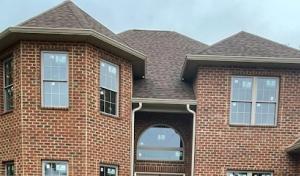
Newton homeowners are hiring in a market where re-roofing is more prevalent than new construction, so replacement experience matters more than builder volume. When evaluating crews, prioritize teams with solid storm-damage experience and a proven track record handling occupied properties without lengthy disruption. Look for a crew that can provide a realistic timeline, maintain access for inspections, and communicate clearly about post-storm cleanup. A long-standing, locally owned company with a history of steady response often delivers the stability and reliability that homes in this climate demand.
In a storm-affected neighborhood, quick response is visibly valuable. Seek a crew that can mobilize promptly after hail or heavy rain events, shield vulnerable areas, and stage materials with minimal disturbance to landscaping and driveways. On the day of tear-off and installation, expect a clean, organized site: protective tarps to catch debris, dedicated waste containment, and a plan to minimize dust and noise for occupied homes. Ask for daily progress updates and a designated supervisor who can address questions during the job.
The market favors long-established, affordable, family-owned or locally owned crews. These businesses tend to prioritize repeat neighbors, reliable scheduling, and respectful neighborhood presence over flashy branding. Look for referrals from nearby homeowners who share similar house styles and storm histories, and verify that the crew carries clean documentation of workers and proper cleanup standards. A local crew that has weathered multiple Piedmont storms will understand the specific moisture cycles, shingle installation windows, and seasonal timing that suit Newton properties.
When insurance-driven replacements are involved, clarity matters. Expect the crew to coordinate with adjusters, provide thorough documentation of damage and scope, and ensure a seamless transition from assessment to installation while staying mindful of an occupied home's daily rhythms. A dependable team will outline staging, access points, and contingency plans for weather delays, keeping neighbors informed through every step.