
Last updated: Apr 19, 2026
Springboro sits in southwest Ohio where spring hail, strong thunderstorms, and fall wind events regularly create clustered roof damage and sudden demand spikes for reroofing. The pattern is predictable: a string of storms over a few days can leave many homes with dented shingles, granule loss, and loose edges. When that happens, your neighbor's roof often becomes the first test of whether the storm is a quick patch or a full replacement. The urgency isn't just about the visible damage-it's about the weather window that follows. Freeze-thaw cycles after storm season can turn a small leak into a bigger problem fast, and that risk rises once rain soaks into decking or into attic spaces.
The local contractor signal mix leans heavily toward storm-oriented work. Emergency repairs, rapid assessments, and insurance-driven reroofing are among the most prevalent specialties in this market. That means you will encounter many crews offering fast responses, but the fastest response isn't always the best long-term choice. Look for a contractor who can demonstrate documentation-ready assessments that align with typical Midwest storm damage: hail impact patterns, wind uplift indicators, and a credible timeline from damage discovery to permanent repair. When insurers are involved, expect requests for photos, a documented path from temporary protection to full replacement, and a clear explanation of whether the roof can be repaired or must be replaced. A trustworthy contractor will guide you through that process with factual, timely updates rather than promising instant results that don't hold up in later inspections.
Because cold winters and freeze-thaw conditions follow storm season, homeowners often have to balance immediate temporary protection with scheduling full replacement around weather windows. If you can secure a durable tarp or temporary cover quickly after a storm, it buys you time without inviting rot or ice dam risk. Prioritize a plan that ambulates from temporary protection to a defined replacement window that favors dryer, milder stretches of late spring or early fall. Keep in mind that insurance-adjusted timelines can compress or stretch based on storm clustering and contractor availability, so it's crucial to establish a realistic schedule early and to document all temporary protections and assessments. If you notice new or worsening leaks, don't wait for a pristine sunny day to act-address the vulnerability now with a proper temporary fix while outlining a concrete replacement plan for the coming weeks.
In a market driven by storm damage, you want a contractor who can deliver expedient assessments with solid documentation and a transparent path to permanent repair. Favor teams that show a track record of storm claims coordination, prompt on-site evaluations, and a documented plan that aligns with typical Ohio weather patterns. Ask for before-and-after photos, a clear sequencing of temporary protection to permanent replacement, and references from nearby homeowners who faced a similar storm sequence. An informed neighbor can be your best resource for spotting red flags and confirming a contractor's capability to navigate the tight timelines that follow a clustered storm event.
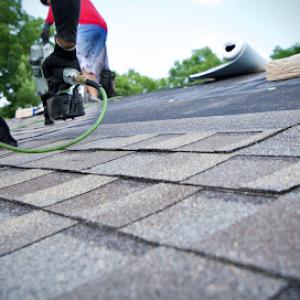
Springboro Roofing
(513) 292-2758 www.springbororoofing.com
333 Park Ln, Springboro, Ohio
5.0 from 189 reviews
Roofing, siding and gutter
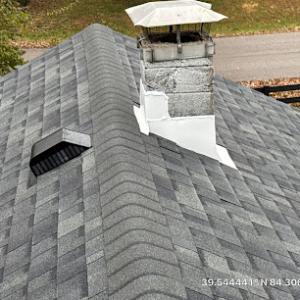
Rembrandt Roofing & Restoration
(937) 353-9711 rembrandtroofing.com
38 N Pioneer Blvd, Springboro, Ohio
4.9 from 279 reviews
Discover unparalleled service with Rembrandt Roofing & Restoration in Springboro, OH. As a trusted local contractor, we specialize in comprehensive roofing, gutters, attic insulation, and storm damage repairs. Our expert team also assists with insurance claims, ensuring a smooth and hassle-free process. Dedicated to quality and customer satisfaction, we use top-grade materials and the latest techniques to protect and enhance your home. Choose Rembrandt Roofing & Restoration for reliable, professional, and friendly service that you can count on. Contact us today for a consultation!
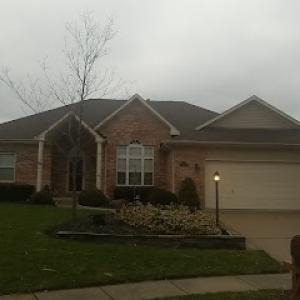
Nu-Finish General Contracting
Springboro, Ohio
4.1 from 51 reviews
Nu-Finish General Contracting offers high quality home renovations in the Montgomery County and Dayton area including roofing, siding, gutters, decks and more. We do all types of roofing from small repairs to full roof replacements. We also install all types of siding from vinyl, cedar, or concrete. We are highly proficient in dealing with insurance claims as well. Residential and commercial services. 24 hour emergency tarp services. All jobs are owner supervised.

Nations Roof
(937) 439-4160 nationsroof.com
275 S Pioneer Blvd, Springboro, Ohio
3.4 from 12 reviews
Nations Roof delivers commercial roofing services with the scale of a national provider and the care of a local partner. Serving Springboro and surrounding areas, we offer preventive maintenance, repairs, replacements, and emergency service. Our certified crews work on all roof systems without voiding manufacturer warranties. With 24/7/365 support from our National Service Center and a proven safety culture backed by a 0.47 EMR, we help protect your people, property, and peace of mind. Call our 800 line for emergencies!

Dyer Renovations
Serving
4.9 from 56 reviews
I am a contractor who specializes in doing larger and unusually projects. Because of my wide range of skills and continuing education. I understand how the systems of a house work together. Customer satisfaction and proper fit are very important to me. I'm a contractor not a Salesman! 90% of my customers are repeat clients or referrals.
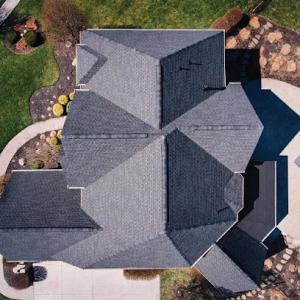
DesireeHome Roofing
(937) 287-5125 desireehome.com
Serving
5.0 from 40 reviews
At Desireehome, we take pride in delivering exceptional construction, exterior and interior renovation services. Our commitment to quality, attention to detail and customer satisfaction ensures a seamless experience from concept to completion.
Elite Restoration, Remodeling, & Roofing
Serving
5.0 from 33 reviews
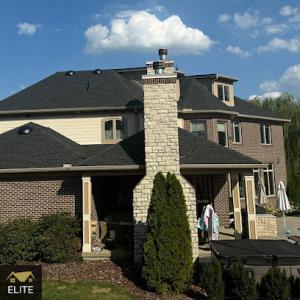
Elite Restoration and Remodeling, the roof contractor Waynesville trusts, offers roof replacements, roof repairs, free roof inspections, vinyl siding replacement, and seamless gutter installation services. We draw on years of experience and install top-quality products like Owens Corning and GAF dimensional shingles to make sure every roof we install is built to last. Our commitment to delivering remarkable results through skilled craftsmanship ensures the highest quality and long-lasting durability. We offers free inspections to assess roof health, ensuring transparency and dependability. We proudly serve the Greater Dayton and Greater Cincinnati areas. This includes Waynesville, Springboro, Centerville, Mason, Hamilton, and much more!
Taylormade Renovations
(937) 744-7663 www.taylormade-renovations.com
Serving
5.0 from 85 reviews
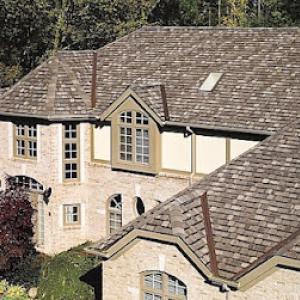
The Taylormade Renovations team brings over 50 years of experience to the Dayton and Cincinnati market. Our team specializes in roofing, gutters, siding, and windows. Here at Taylormade Renovations we consistently provide our clients with the highest level of workmanship and customer service. We are among the most trusted roofing contractors in the Dayton and Cincinnati regions. No job is too big or too small. Whether you are needing a small tarp put on your roof, a roof repair, or have a large industrial building that needs a new roof we can handle it all. The Taylormade team takes pride in our reputation, we aim for complete customer satisfaction on every job. Let us know how we can help you out!

WD Renovations
(937) 848-8414 wdrenovations.com
Serving
5.0 from 9 reviews
Update or Restore Your Home or Office RESIDENTIAL AND COMMERCIAL RENOVATION SERVICES IN BELLBROOK, CENTERVILLE, KETTERING & DAYTON, OH Have you been putting off a renovation around your home or office? Don’t compromise curb appeal or risk larger repairs down the road – let the team at WD Renovations in Bellbrook, OH handle your project for you. For 15 years, home and business owners have relied on us to provide the personalized service and customized solutions they deserve. No matter what update you’re considering, count on us to do the same for you!
Entrust Roofing
(937) 299-9993 www.entrustroofing.com
Serving
5.0 from 182 reviews
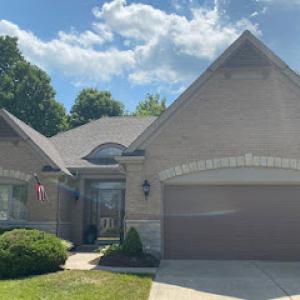
Entrust Roofing, located at 790 Enterprise Ct., is a top-rated roofing contractor dedicated to serving Dayton, Miamisburg, and the greater Miami Valley with over 25 years of experience. As a family-owned, minority-owned business, we specialize in a wide range of roofing services including roof repair, shingle roofing, roof installation, and commercial roofing solutions. We also excel in gutter installation and siding services, ensuring your property is protected and visually appealing. With a focus on quality, reliability, and customer satisfaction, Entrust Roofing is your go-to "Roofer Near Me" for expert craftsmanship and comprehensive exterior home improvement needs.
E&L Roofing
Serving
4.8 from 42 reviews
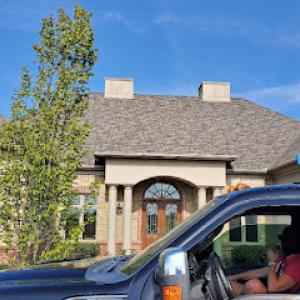
E&L Roofing has been the most trusted, top rated, Veteran owned roofing contractor in the Dayton area for over a decade! We are locally owned and operated out of Centerville. Being a full-service roofing company, E&L offers Insurance help, Roofing, Siding, Gutters, for both commercial and residential customers in the Dayton region. Our commitment to honesty, integrity, and attention to detail has made us Dayton's most trusted roofing contractor. We will ALWAYS take the hard right over the easy wrong! With hundreds of references for nearly 15 years, our roof replacement has withstood the test of time and we have probably done a roof or siding project on your street! Looking for a "roofer near me"? Contact us today for a FREE roof inspection!

Roof Dayton Ohio by Xpro Elite
(859) 486-7573 xproroofingohio.com
Serving
4.9 from 48 reviews
"XPRO Elite Roofing & Exteriors proudly serves the Dayton and Cincinnati areas as a trusted leader in roofing, solar, and exterior building solutions. Our skilled team specializes in high-quality roofing installations, solar energy solutions, and storm damage restoration to protect and enhance your home. With a commitment to quality, reliability, and innovation, we offer tailored services that meet the unique needs of Ohio homeowners. From energy-efficient upgrades to custom exterior designs, XPRO Elite ensures lasting craftsmanship and superior results. Experience the difference with a local company dedicated to your satisfaction. Contact us today for a free consultation."
In Springboro, hail and wind drive most insured roof losses, so the patterns to watch are bruised surfaces, granule loss, lifted shingles, and ridge damage. Impact bruising may appear as darkened spots on asphalt shingles or soft edges on metal profiles; these signs can escalate quickly after a strong storm. Granule loss exposes the underlying mat, which accelerates wear and can shorten the roof's useful life if left unchecked. Lifted tabs on some shingle profiles create vulnerable seams that catch wind gusts, sometimes tearing free during the next storm. Ridge lines are particularly susceptible when high winds slam along the valley and crests, producing micro-matches or cracks that, if ignored, invite leaks.
Ohio carriers commonly require photo documentation and written estimates after hail or wind events, so homeowners need condition records before temporary repairs hide evidence. A clear sequence helps: take wide-area shots of the entire roof, then close-ups of any bruising, lifted tabs, or granule patches. Keep dated photos and note the exact storm date, wind speeds if available, and any rough weather patterns that followed. When a contractor arrives, request a written estimate that itemizes damaged sections, materials, and the scope of roof work. If an adjuster visits, having a well-documented history of prior conditions and recent impacts can prevent disputes about what was already present versus what is new damage.
Older roofs in this market can face tougher claim outcomes because carriers often weigh roof age and prior damage history when deciding between repair and full replacement. If a roof has recurring hail hits or repeated wind-driven symptoms, an insurer may prefer a full replacement rather than patching isolated areas. Conversely, a newer or well-maintained roof with a clean damage record stands a better chance of a repair staying within acceptable limits. The practical takeaway is to document and monitor roof performance after each storm, because what looks like a minor bruise today could become a larger issue after the next season's freeze-thaw cycles.
After a hail or wind event, begin with a cautious, for-now assessment from ground level, then consider a professional roof inspection within a short window. Look for lifted tabs, discoloration around fasteners, and any shimmering along ridge lines that might indicate loose or damaged flashing. If you discover or suspect damage, prioritize a timely, professional evaluation rather than waiting for a stubborn leak to appear. A local roofer familiar with the area can distinguish weather-driven bruising from preexisting wear, which helps both you and the insurer.
The seasonal pattern in this market means that a thorough, evidence-based claim approach pays off over time. Impact bruising and granule loss, while not always delivering immediate leaks, can compromise the roof's protective layer and accelerate aging. A cautious mindset-document, photograph, and obtain a detailed estimate-keeps you prepared for the next storm cycle. When choosing a contractor, prioritize firms with a track record of working through Ohio weather patterns, understanding impact-related damage, and coordinating with insurers in a way that preserves the integrity of the roof while meeting the necessary documentation standards.
Find local contractors experienced in assessing and restoring roofs after hail, wind, and severe weather events.
Springboro Roofing
(513) 292-2758 www.springbororoofing.com
333 Park Ln, Springboro, Ohio
5.0 from 189 reviews
Rembrandt Roofing & Restoration
(937) 353-9711 rembrandtroofing.com
38 N Pioneer Blvd, Springboro, Ohio
4.9 from 279 reviews
In this market, asphalt shingles dominate practical reroofing decisions, especially for typical suburban homes with standard framing. Metal roofing also has a meaningful local presence and is often chosen for durability against wind, hail, and temperature swings. The combination of fast-growing housing stock and seasonal Ohio weather means the right roof must handle regular freeze-thaw cycles, storm-driven impacts, and the need for reliable attic ventilation and underlayment. Heavier options exist, but their weight and installation detail require careful structural assessment.
Asphalt shingles are familiar, quick to install, and perform well with the seasonal shifts you see around the I-75 corridor. They pair with proven underlayment systems that handle thermal movement without excessive complexity. Metal roofing is a strong alternative when wind and hail resistance are priorities, and it often offers longer-term durability in the same weather cycle. For homes that already have a solid structure capable of bearing heavier systems, clay tile and concrete tile provide distinct aesthetic and wind-resistant benefits, but their weight, fastening patterns, and repair logistics demand careful evaluation of the roof framing and roof-to-wall connections. Synthetic/composite shingles bring a good balance of weight, cost, and performance, while slate delivers premium durability if the roof structure is designed to support it. In all cases, the detailing around penetrations, valleys, and transitions matters far more in this climate than color or texture alone.
Springboro's cold winters, warm summers, and seasonal storms make thermal movement an important factor. Underlayment quality, attic ventilation, and fastening patterns are especially critical, regardless of material. Reroofing in a storm season means accounting for potential hail damage to existing decks and ensuring the new system can shed water promptly during thaw cycles. If the home has multiple roof planes or complex geometry, the installation sequence and fastener spacing should be adjusted to maintain wind uplift resistance and to prevent water entry at joints during temperature-driven movement. For heavy materials such as clay or concrete tile or slate, ensure the roof deck is adequately reinforced and the spacing aligns with local wind and load considerations to avoid long-term problems from temperature swings.
When evaluating a replacement after hail or wind events, use a hands-on approach: inspect the typical trouble spots-valleys, edges, and chimney flashings-and verify that the chosen system aligns with the home's roof slope and framing. For metal options, confirm panel alignment and seam sealing will accommodate seasonal expansion, and verify fastener patterns match the roof's exposure to wind-driven rain. For lighter systems like synthetic shingles, pay close attention to the underlayment installation and the compatibility with existing ventilation provisions. Ultimately, the best choice supports reliable performance through Winter freezes, Summer heat, and the storms that arrive with Ohio springs.
In this part of the region, storm-driven reroof demand after hail and high winds can tighten local labor availability for several weeks. That means pricing can spike briefly after a notable weather event, and scheduling can push into a tighter window than usual. Homeowners should expect some variability around the typical range when a hail storm sweeps through, followed by a surge of contractors trying to meet demand. The Springboro/Warren County area also tends to see a steady flow of projects as the housing stock ages and seasonal cycles push replacement timelines forward, especially when initial inspections reveal damage that warrants attention.
Asphalt shingles remain the practical entry point for most homes in this market. The typical cost range is 350 to 550 dollars per square installed. That low-to-mid range reflects straightforward installation, readily available materials, and a broad contractor base. For many neighborhoods with standard roof geometry and common sheathing, asphalt offers predictable scheduling and a straightforward tear-off and replacement process. The material choice here is sensible when the goal is to balance initial outlay with reliable performance in temperate winters and summer storm cycles.
Metal roofing generally runs from 700 to 1100 dollars per square. The higher entry barrier reflects installation complexity, improved wind resistance, and a longer service life. In this market cluster, metal can be a strong long-term value if the existing structure supports it and if wind and hail resistance are priorities. Expect a tighter window for coordination after major storms, since skilled metal crews can be in high demand. The premium cost often pays off through reduced maintenance and potential energy savings, but it pays to confirm compatibility with existing roofing geometry and attic ventilation.
Clay tile sits around 900 to 1800 dollars per square, while concrete tile ranges from 800 to 1500 dollars per square. Both bring distinct benefits in terms of curb appeal and durability, but they require careful assessment of structural support, roof pitch, and long-term upkeep. In areas with freeze-thaw winters, tile systems can demand meticulous detailing around penetrations and vents. Synthetic or composite shingles land between asphalt and metal, typically 450 to 800 dollars per square, offering a balance of installation ease and enhanced weather resistance without the premium of clay or slate.
Slate roofs commonly fall in the 1200 to 2400 dollars per square range, reflecting their weight, specialized installation, and long service life. For the typical suburban stock around I-75, slate becomes a thoughtful investment when a home's structure and budget align with a premium, long-lived system. Each option carries unique installation nuances, so conversations with a local contractor should focus on roof geometry, attic support, and the expected performance during harsh Ohio storms.
Get a clear picture of your project costs upfront - no commitment required.

Reroofs in Warren County typically require a permit submitted through the local building department with plans and contractor details. That means before any tear-off or new roofing material goes on, you should have a clear scope of work, a current contractor license, and proof of liability coverage on file with the department. The permit process helps ensure that the roof replacement follows the county's wind resistance standards and attic venting requirements, which are more than a formality in this area. If the project involves removing and replacing a vented roof system, expect the review to specifically verify components that affect ventilation and attic sealing.
Inspections commonly occur after tear-off and again after installation, so homeowners should expect the job sequence to be tied to inspector availability and weather. In practical terms, the first inspection confirms that the structure has been prepared correctly for new decking, underlayment, and fastenings, and that any necessary flashing details meet code. The final inspection verifies installation compliance, wind-rated components, and proper ventilation. Scheduling can hinge on the county's inspection queue and seasonal weather windows, so coordinating with the contractor to align tear-off completion with an anticipated inspection slot helps reduce delays.
The department may require compliance documentation for wind resistance and attic venting, making ventilation and fastening details part of the approval process rather than just contractor preference. Expect to provide wind-resistance ratings for the chosen system, confirmation of ridge, soffit, and other vent placements, and documentation showing proper attic ventilation is in place. Records such as manufacturer installation guides, fastening patterns, and deck or underlayment specifications should be readily accessible. Keep in mind that changes to venting or roof deck fasteners after the permit is issued can trigger amendments or a new inspection window.
Work with the contractor to map out a realistic sequence that anticipates permit processing times and potential weather interruptions. If a storm event precedes a project, the permit status may influence when the crew can begin and how quickly the inspections can occur. Build in a weather buffer for tear-off days and anticipate the need for temporary ventilation or vent closures during the tear-off phase. Finally, keep communication lines open with the building department-clarity on plan details, wind ratings, and attic venting expectations helps prevent hold-ups during the review and inspection steps.
Winter ice dams and freeze-thaw cycling are a named seasonal risk in Springboro, so eave protection and attic airflow deserve more attention here than in milder Ohio markets. Ice can back up at the eaves when warm attic air melts the roof edge, then refreezes along the overhang, pushing against shingles and underlayment. That pressure often creates hidden damage that only shows up after a thaw, when leaks appear around fascia, vents, or roof transitions. Prioritize a robust ice-and-water shield at eaves and rakes, and ensure attic insulation is reasonably matched to divider air in the attic space.
Because local inspections may review venting compliance, ventilation upgrades can become part of a reroof scope rather than an optional add-on. In practice, that means checking the balance between intake soffit vents and exhaust anywhere from the peak to the ridge. If soffits are blocked by insulation or weep holes are clogged, warm, moist air can linger, accelerating ice dam formation. A well-designed venting plan reduces condensation, lowers attic humidity, and minimizes wintertime backup that contributes to leaks even when shingles themselves remain intact.
Leak complaints in late winter are often tied to snowmelt backup at eaves and roof transitions, not just missing shingles from storms. Watch for melted runoff finding its way behind drip edges or flashing at transitions to walls and chimneys. When a reroof is considered, look closely at continuing ventilation, corresponding attic insulation, and the integrity of flashing at eave-to-roof joints. Addressing these points now helps prevent the familiar cycle of snowmelt, damming, and late-season surprises.
In Ohio's current insurance environment, Springboro homeowners should expect carriers to request dated photos, written estimates, and clear storm-event documentation before approving major roof work. That means you should start gathering records as soon as storm damage is suspected. Photos should be time-stamped and show both wide views and close-ups of damaged areas, including shingles, flashing, and vent collars. A written estimate from a licensed roofer that outlines the scope of work and any necessary repairs helps the adjuster see the full picture, not just a quick fix.
Clear storm-event documentation matters. Keep a simple timeline: when the storm hit, what you noticed the next day, and when you first contacted a contractor. If you had temporary patches or tarping, note the dates and materials used. Insurers often compare pre-storm conditions to the current state, so any previous claims or repairs should be referenced honestly. In markets with many insurance-claims contractors, the emphasis is on credible documentation, not pressure to bypass proper assessment.
Because this market has a strong insurance-claims contractor presence, homeowners need to separate legitimate documentation help from pressure to file weak claims. Choose a contractor who will provide objective, itemized estimates and who encourages a thorough inspection by your insurer's adjuster. Ask for a preliminary scope of work in writing, and confirm that the documentation aligns with the adjuster's expectations. If an estimate seems to authorize a broader replacement than the damage supports, question it and request a second opinion.
Connect with contractors who help homeowners navigate the claims process from damage assessment to final approval.
Springboro Roofing
(513) 292-2758 www.springbororoofing.com
333 Park Ln, Springboro, Ohio
5.0 from 189 reviews
Rembrandt Roofing & Restoration
(937) 353-9711 rembrandtroofing.com
38 N Pioneer Blvd, Springboro, Ohio
4.9 from 279 reviews
Springboro's roofing market shows meaningful local demand for skylight-related work, especially when a reroof is on the horizon. Skylights sit at a chronic weak point where flashing meets the roof deck, and in this area, hail and wind tend to reveal hidden weaknesses quickly. The harsh freeze-thaw cycle in southwest Ohio stresses sealants, plastics, and metal flashing around skylight bases, making leaks more likely even if the field shingles look intact. When a heavy rain arrives after a hail event, you may notice damp spots that track toward the skylight curb or drip lines along the interior drywall. Plan extra attention to these penetrations during replacement and flashing checks.
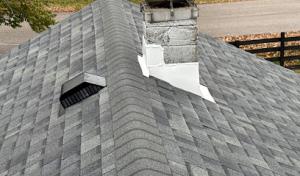
Chimneys combine multiple roof planes and materials in a tight footprint, which is why chimney flashing is a common leak source in Springboro. The chimney is a natural convergence point for step flashing, counter-flashing, and the seal between the chimney chase and roof deck. In freeze-thaw conditions, small hairline cracks in mortar joints or deteriorating boot insulation can expand, allowing water to seep behind the shingles. A well-seated counter-flashing wrap and properly sealed boot are critical, because wind gusts can lift edges if the flashing isn't firmly anchored. After a severe storm, inspect for loose bricks, mortar cracks, and any signs of water seepage near the flue or around the base.
Where the roof meets the wall, especially near skylight framing and the chimney chase, flashing laps must remain watertight. In this area, the combination of roof slope and wall texture in older Springboro homes can create micro-movements that loosen sealants over time. Freeze-thaw cycles compound this by forcing seasonal expansion and contraction. If flashing around a skylight or chimney seems bent, cracked, or inadequately sealed, water can bypass the surface shingles and travel along the flashing line. Proactive inspection and precise resealing during a reroof reduce the risk of interior staining.
After hail or high-wind events, these penetrations are often the first point of concern. Water can exploit small gaps that were previously inconsequential, turning a minor drip into a larger leak during heavy rain. When evaluating a roof in Springboro, start at skylight seals and chimney flashing, then trace the water path to identify other compromised areas. Look for loose or missing flashing pieces, worn sealant, and cracked mortar around the chimney. A careful, field-by-field check during reroof planning helps prevent surprises during final inspections.
Find contractors experienced in skylight installation, flashing, and leak repairs to bring natural light into your home.
Springboro Roofing
(513) 292-2758 www.springbororoofing.com
333 Park Ln, Springboro, Ohio
5.0 from 189 reviews

While the main housing stock around here is pitched-roof, you will notice flat-roof specialists handling recurring work on low-slope sections like additions, porches, and attached garage transitions. Those surfaces behave differently under the weather patterns you experience in our area: wet springs, quick drainage changes, and the annual freeze-thaw cycles that put extra stress on seams and fasteners. A practical approach is to treat low-slope transitions as a separate project within the overall roof replacement plan, rather than assuming one system fits every part of the structure.
Low-slope areas in additions and garages are often the first to show signs of trouble after a heavy rain or a sudden warm spell. Look for irregular drainage around the perimeter, pooling water near transition lines, and peeled or blistered membrane edges along parapet walls or skylight penetrations. In rooms or spaces below these sections, you may notice higher humidity or staining where moisture wicks through fasteners or degraded flashing. In Springboro, those warning signs tend to emerge sooner because the wet spring storms arrive when the ground is still saturated, and the following freeze-thaw cycles can aggravate tiny gaps in the flashing and seam tapes.
If you are replacing the main roof, examine whether the low-slope tie-ins require separate materials or detailing. The goal is a seamless drainage solution that matches the main roof's warranty while addressing the unique needs of flat or gently sloped areas. Pay attention to edge treatments, drip pans, and transition flashings where the low-slope roof meets the vertical walls or the primary roofing system. Consider adding extra slope or improving the substrate in the addition area to encourage efficient drainage during heavy spring rain events. In addition, verify that fasteners and sealants chosen for the low-slope sections can stand up to repeated freeze-thaw cycles without becoming brittle.
Spring storms can reveal drainage issues quickly, so align the timing of low-slope work with the main roof replacement when possible. This helps ensure a unified installation sequence, consistent flashing details, and a coherent warranty path for both surfaces. If a retrofit or add-on project is already underway, work with a contractor who understands how to integrate the flat- or low-slope components with the existing pitched roof, rather than treating them as a generic add-on. A knowledgeable local contractor will map out the tie-in details, ensuring the entire envelope performs well through Springboro's wet springs and winter splits.
Find specialists in TPO, EPDM, and built-up flat roofing systems for residential and commercial properties.
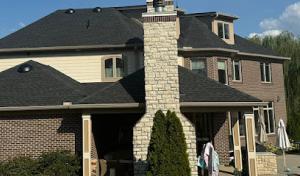
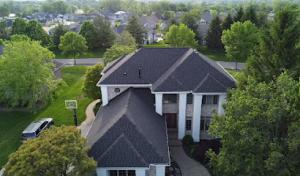
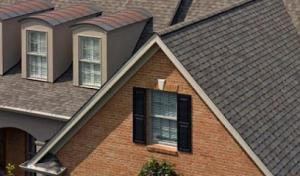
The local market is crowded with quick-response reroofers, so you should expect many contractors to compete aggressively after storms. That competition can drive tempting one-call guarantees and fast timelines, but it also raises the risk of sloppy workmanship slipping through the cracks. In this area, where the I-75 corridor feeds a steady stream of newer homes and aging shingles alike, a storm-wrought project can turn into a year-long reminder if corners are cut. You'll notice crews arriving with more trucks than tools, and that's a warning sign you should not ignore.
Cleanup-included and affordable pricing are prominent local hiring priorities, which means homeowners often compare not just price but how well crews protect landscaping and leave the site after tear-off. Ask how debris will be contained during teardown and what happens to nails, asphalt shingle scraps, and plant beds along driveways and foundations. If the crew mentions just "tarps and haul-away" or can't commit to a thorough, end-to-end cleanup, press for a written plan and a concrete timeline. In a suburban neighborhood with mature landscaping, even a small misstep can leave lasting damage.
Long-established, residential-focused contractors stand out in this market because homeowners are balancing urgency after storms with concern about workmanship and follow-through. Look for a company with a recognizable local footprint, a history of weather-related replacements, and clear aftercare commitments. A contractor rooted in this community tends to respect the seasonal freeze-thaw cycles, the local roofing materials, and the inspection expectations that come with a tear-off. If a crew can't demonstrate a solid record of completed Springboro projects and a trustworthy cleanup track record, keep looking.
Trusting a contractor after a storm means verifying that the crew will protect your yard, cover delicate landscaping, and conduct a meticulous final walkthrough. Ask for a written photo-documented teardown plan, a proof of insurance, and a detailed schedule that includes site protection steps. In Springboro, where urgent needs collide with high workmanship standards, patience and due diligence save future headaches-especially when the worksite mirrors the care you expect in your own yard, and the team shows up ready to finish what they start in a thorough, respectful manner.