
Last updated: Apr 19, 2026
The strongest local demand driver is spring hail and wind damage, which increases both claim activity and competition for scheduling in Miamisburg. When those storms roll through, you'll notice a spike in urgency from neighbors who suddenly find shingles curled, granules washed away, or flashing compromised around chimneys and vents. That rush can strain contractor calendars because many homes in the area were built with similar roof lines and insulation patterns, meaning a shared vulnerability. Your best move is to recognize the moment you see damage and treat it as time-sensitive. Waiting too long invites bid compression, longer outages, and the risk that a small issue becomes a larger, more disruptive repair.
Winter freeze-thaw cycling compounds storm damage in a way that is unique to this climate. Storm-created shingle damage can turn into active leaks when moisture enters and refreezes around vulnerable roof areas. In practical terms, a hail hit that creates micro-cracks or loosened granules can sit dormant through spring but flash dangerous in a late-winter thaw or a sudden cold snap. When moisture gets behind the surface, every freeze can push the damage further, widening the gap for water intrusion. If a leak starts during a warm spell, the clock is already ticking, because rapid deterioration follows once moisture enters the decking and attic spaces.
After the next hail or high-wind event, photograph damage from multiple angles, including skylights, vent flashings, chimneys, and edge profiles. Document date, time, and visible weather conditions for insurance records. If you notice any damp spots on ceilings or attic warmth where it doesn't belong, treat those areas as potential active leaks and arrange a temporary mitigation plan. A quick, temporary fix-covering exposed gaps with tarps or plastic sheeting and securing loose shingles-can buy critical time, but it is not a substitute for a professional assessment. The goal is to prevent further moisture intrusion while a claim is in process and a contractor is scheduled.
Late spring through early fall is the main replacement window locally, so homeowners hit by spring storms often face the tightest contractor calendars of the year. A crowded schedule means that two outcomes are likely if damage is left unmanaged: longer repair timelines and a compressed window for tear-off, decking assessment, and ventilation checks. To avoid delay, start the inspection and claims process promptly, prioritizing a licensed roofer who can verify the extent of damage, confirm intact decking, and evaluate ventilation paths. Quick validation of roof structure and attic ventilation can prevent post-repair problems, such as trapped heat or moisture, that complicate warranty claims or lead to accelerated wear in the next season.
Insurance documentation should be organized as soon as possible after a storm event. Collect contemporaneous weather reports, contractor assessments, and any visual proof of damage. When scheduling becomes scarce, having a clear claim file helps contractors prioritize and reduces back-and-forth with insurers. If a claim is approved, you'll want to coordinate a firm start date with the contractor to ensure the tear-off and replacement stay on track, especially before peak summer demand drives further scheduling congestion.
In this community, it helps to establish a primary point of contact-a trusted roofer with a track record of fast mobilization and transparent communication. Request a written damage summary and a phased repair plan that includes temporary protection, full tear-off if needed, decking check, ventilation verification, and a final inspection. Keep a simple log of weather events that may affect scheduling and any correspondence with the insurer. This approach minimizes miscommunication and keeps the repair timeline focused, which is crucial when spring storms collide with tight local calendars and the risk of moisture-related leakage persists.
Entrust Roofing
(937) 299-9993 www.entrustroofing.com
790 Enterprise Ct, Miamisburg, Ohio
5.0 from 182 reviews
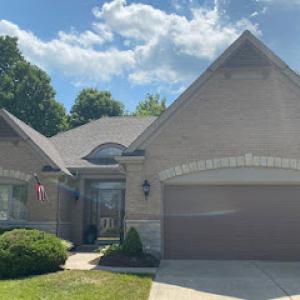
Entrust Roofing, located at 790 Enterprise Ct., is a top-rated roofing contractor dedicated to serving Dayton, Miamisburg, and the greater Miami Valley with over 25 years of experience. As a family-owned, minority-owned business, we specialize in a wide range of roofing services including roof repair, shingle roofing, roof installation, and commercial roofing solutions. We also excel in gutter installation and siding services, ensuring your property is protected and visually appealing. With a focus on quality, reliability, and customer satisfaction, Entrust Roofing is your go-to "Roofer Near Me" for expert craftsmanship and comprehensive exterior home improvement needs.
Dyer Renovations
1839 Mellow Dr, Miamisburg, Ohio
4.9 from 56 reviews
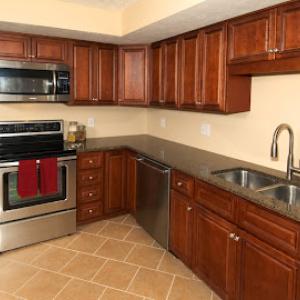
I am a contractor who specializes in doing larger and unusually projects. Because of my wide range of skills and continuing education. I understand how the systems of a house work together. Customer satisfaction and proper fit are very important to me. I'm a contractor not a Salesman! 90% of my customers are repeat clients or referrals.

Roof Dayton Ohio by Xpro Elite
(859) 486-7573 xproroofingohio.com
108 Mound Builder Pl, Miamisburg, Ohio
4.9 from 48 reviews
"XPRO Elite Roofing & Exteriors proudly serves the Dayton and Cincinnati areas as a trusted leader in roofing, solar, and exterior building solutions. Our skilled team specializes in high-quality roofing installations, solar energy solutions, and storm damage restoration to protect and enhance your home. With a commitment to quality, reliability, and innovation, we offer tailored services that meet the unique needs of Ohio homeowners. From energy-efficient upgrades to custom exterior designs, XPRO Elite ensures lasting craftsmanship and superior results. Experience the difference with a local company dedicated to your satisfaction. Contact us today for a free consultation."
Cpm Roof
4601 Soldiers Home Rd, Miamisburg, Ohio
4.9 from 34 reviews
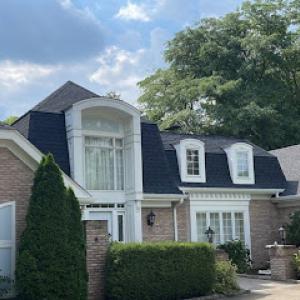
CPM ROOF is a roofing contractor serving the Dayton and Cincinnati areas. We offer free estimates and insurance claim assistance. We have been in business for over 12 years and have hundreds of happy
American Restoration Consultants
(859) 240-1717 www.arcroofingusa.com
8523 N Springboro Pike, Miamisburg, Ohio
4.4 from 39 reviews
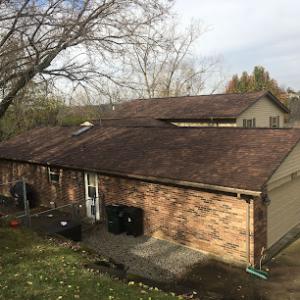
ARC is your all-star team of general contracting experts working to provide you with the very best in quality home restoration. Whether it's the roof, siding, windows, or gutters, we find out how to get you the most out of your insurance claim.
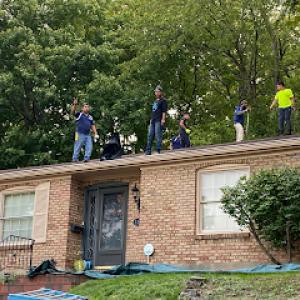
Castro Roofing & Siding
(937) 561-8597 www.castroroofingohio.com
3626 Belvo Rd, Miamisburg, Ohio
4.7 from 15 reviews
Roofing
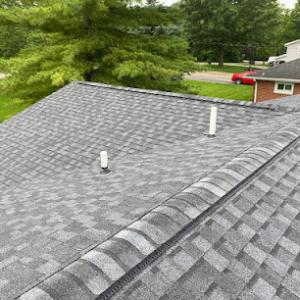
Towne Roofing
(937) 405-3051 towneroofing.com
804 E Central Ave, Miamisburg, Ohio
5.0 from 8 reviews
Put your best roof forward and protect your home from extreme weather. Using quality materials and proven installation methods sets Towne Roofing above the competition. Check out our website or call today to see what roof type(s) best fits your home or business. Towne roofing also provides seamless gutter installation, gutter repair, siding installation, soffit installation, and custom sheet metal work.

Defend Exteriors
(937) 903-8422 www.defendexteriors.com
10501 Landing Way, Miamisburg, Ohio
4.3 from 6 reviews
Defend Exteriors provides exceptional residential and commercial roofing, siding and Window installation services in the Greater Cincinnati and Dayton, OH markets.
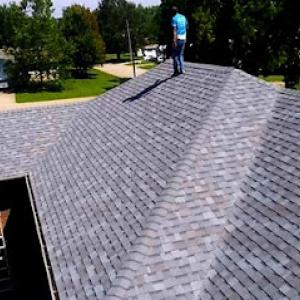
PrimeTime Roofing & Restoration
Miamisburg, Ohio
3.9 from 9 reviews
Our Specialization is in Insurance Claims. Roof claims can be complicated and involve a lot of back and forth between insurance adjusters and your roofing contractor. We have years of experience to help you negotiate a fair settlement with your insurance company, and get a new roof over your heads, fast. We will ensure the highest quality materials, and most experienced roofers. That's why we provide all of our customers with a lifetime workmanship warranty at NO charge. Feel free to contact us today for a FREE inspection, and let us see if we can get you a new roof all paid for by your insurance company!

Choice 1 Roofing
Serving
5.0 from 9 reviews
Choice 1 Roofing provides a multitude of services covering all of your Roofing, Gutter and Siding needs. Locally owned and operated we are known for our integrity, A+ BBB rating, quality of work and building life long relationships with our customers. Choice 1 Roofing believes in offering savings to our customers with competitive pricing by keeping our overhead costs low and quality above our competitors. Contact Choice 1 Roofing for all of your Roofing, Gutter and Siding needs today and save our number for your neighbors, they will be asking for it!

D&G Roofing & Restoration
(937) 439-0554 dgroofingcontractor.com
Serving
4.9 from 259 reviews
We are D&G Roofing and Restoration, a roofing company located in the Dayton, Ohio area. The Greater Dayton and Northern Cincinnati's most trusted roofing and restoration company!
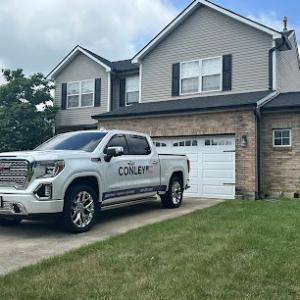
Roofing by Conley Exterior Solutions
(937) 765-6775 conleyexteriorsolutions.com
Serving
5.0 from 138 reviews
Roofing | Siding | Gutters. Conley Exterior Solutions is a well-established roofing and siding company dedicated to providing top-quality roofing services to the Dayton, Ohio area. With a commitment to professionalism and customer satisfaction, we bring a fresh approach to the roofing industry. Our team of skilled experts is well-equipped to handle roof replacements, siding installations, and gutter replacements. “Where Everyone Is Treated Like Family". Primary services are for shingle roofing, roof repair, roof replacement, gutter repair and gutter replacement, siding updates, siding replacement. We offer free roofing inspections and will consult with your insurance company in cases of storm damage claims.
Asphalt shingles remain the practical backbone for most residential roofs around town. The Miami Valley sees spring hail and gusty winds that can nick the surface, and those winter freeze-thaw cycles stress aging asphalt. When choosing shingles, opt for a high-quality 3-tab or architectural style with good impact resistance and a solid warranty. In addition, consider selecting shingles with enhanced granule embedding to resist washing off during heavy spring rains. If a roof sits under mature trees, you'll want a thicker shingle that sheds debris more easily and resists moisture intrusion into the gaps where valleys and flashing meet. For maintenance, schedule an inspection after severe hail events or heavy wind to catch loose or damaged tabs before leaks set in during the next freeze.
Metal yields a noticeable upgrade path for homeowners who want durability beyond a quick fix. The profile that most often suits a local climate combines good wind resistance, solid snow shedding, and reliable moisture management. Metal performs well with multi-layered roofing systems where ventilation and deck integrity are addressed during installation. A driving factor is long-term resilience against freeze-thaw stress and rapid drainage of spring melt, which reduces the risk of ponding and ice dams on lower-slope sections. If choosing metal, pay attention to panel width, fastener types, and the seam system. Proper attic ventilation remains essential to avoid condensation that can corrode fasteners or degrade panels over time. Metal installers should verify that decking can handle the load and that flashing around chimneys and skylights is integrated with a weather-tight seal to withstand local wind-driven rain.
Clay and concrete tiles offer a distinct curb appeal and strong durability, but their weight and detailing demand careful alignment with the existing structure. In the region, winter cold can stress lighter substrates, and summer heat can expand tiles enough to loosen fasteners if the deck isn't solid. Tile roofs require a robust underlying structure and proper underlayment to manage moisture migration. Local homeowners who like the Mediterranean or Southwestern aesthetic often lean toward tile for longevity, but the added weight necessitates a structural evaluation before committing. Expect more intricate flashing around roof penetrations and vents, and plan for professional repairs that honor the tile's pattern. When rows break or a tile cracks, replacement must match the profile to preserve the seal against wind-driven rain.
Synthetic or composite shingles bring similar aesthetics with lighter weight and the potential for easier repair. In this climate, they handle hail damage reasonably well and can be a favorable choice where older decks show wear but need a modern, impact-resistant layer. Look for products with UV stability and a flexible binder that holds up in freeze-thaw cycles. Installation should mirror asphalt practice, but with attention to a compatible underlayment and reinforced fastener patterns to prevent nail pop in cooler months. If the roof has complex geometry or multiple penetrations, ensure the manufacturer's recommendations for this material are followed to sustain warranty coverage.
Slate delivers a timeless appearance and excellent longevity, but it's a high-stakes choice in this area. Weight and the need for meticulous detailing around penetrations mean slate suits homes already built to handle heavy tiles or where structural reinforcement is feasible. In climates with freeze-thaw cycles, proper ventilation and a rigorous underlayment strategy are key to preventing moisture intrusion at seams. Slate repairs require specialized craft, and matching the slate color and thickness matters for a cohesive finish after a few decades. If the local building department is involved in structural work, anticipate heightened scrutiny for the additional loads and the method used to secure the slate to the deck.
In this area, the price you see for a roof replacement depends on whether the job is a straightforward re-roof or a full tear-off with decking corrections. Local inspections verify decking and venting during replacement work, so if the project uncovers damaged boards or ventilation needs work, expect adjustments to the base estimate. Storm-season demand spikes can push scheduling pressure and pricing, especially after spring hail events when many homeowners seek estimates at once. Material choice has an unusually wide local spread because the market includes everything from common asphalt shingles to premium slate and tile systems. The consequence is that a two- or three-bids scenario often reveals a broad range, even for similar roof sizes.
Typical per-square costs in the area align with several options. Asphalt shingles remain the most affordable entry point, while slate and clay or concrete tile sit at the high end of the spectrum. Synthetic or composite shingles offer a middle ground with solid performance and a narrower delta between basic and premium looks. Concrete and clay tiles bring substantial weight and require careful deck assessment, which can influence both labor and material costs in the base price. When budgeting, consider the long-term value: higher-end materials may reduce maintenance needs, but the upfront investment is noticeably larger. The local market today shows a broad spread because buyers mix traditional and premium systems, so you may see quotes that vary widely at the same square footage.
A straight re-roof sits on existing decking and typically saves time and money, but it may not address hidden rot or ventilation issues uncovered during removal. A full tear-off with decking corrections increases labor and disposal costs, and it triggers more extensive inspections. If the project requires new decking or venting upgrades, pricing reflects those components and can shift the overall cost by a notable margin. Weather and storm recovery periods also influence availability of crews and material lead times, which can compound the total cost during peak season. Plan for a buffer if a tear-off is anticipated, especially after significant hail events when crews are scarce.
1) Clarify whether decking or venting work is anticipated; this signals a higher base price and potentially longer timeline.
2) Benchmark at least three material tiers to understand the local spread and value proposition.
3) Schedule estimates early in the spring window to avoid peak-season pricing surges.
4) Confirm each bid details disposal, potential deck work, and ventilation upgrades to prevent surprise add-ons after work begins.
In this market, savvy homeowners align material choice, scope (re-roof vs tear-off), and timing to land a durable result without overpaying for peak-season demand in spring.
Get a clear picture of your project costs upfront - no commitment required.


In this city, you will encounter a building permit requirement for full roof replacements rather than treating the work as simple maintenance. The permit process is designed to ensure that a full tear-off and reinstallation accounts for the seasonally variable Miami Valley weather, the weight and boarding of decking, and proper ventilation. Planning ahead for a permit helps prevent delays when a spring hail event leaves shingles and underlayment compromised and a quick response is needed.
Contractors are expected to submit application details that cover the scope of work, the materials chosen, and tear-off plans before any replacement begins. This includes a clear outline of the ventilation strategy, decking condition, and any structural considerations that accompany the project. In this region, inspectors will look for evidence that the roof system will maintain performance through freeze-thaw cycles and high-wind events, so accurate descriptions and material specifications reduce back-and-forth later. If the project includes any reconfiguration of penetrations, all flashing and termination details should be described in the submission.
The city schedules inspections during and after the replacement to verify venting, decking, and overall compliance. Expect at least one mid-project check to confirm that ventilation and decking align with the approved plan, and a final inspection to confirm all components are installed to code. The inspection trajectory is particularly important after a spring storm when heat and moisture exposure can reveal gaps in the underlayment or flashing. Having a well-documented plan-especially for ventilation rates and decking condition-facilitates smoother inspections and reduces the likelihood of call-backs.
Inspections may request additional details or drawings if structural work is involved alongside the roof replacement. If rafters or supports show wear or require reinforcement, be prepared to provide structural drawings or notes from the contractor. For homes with complex rooflines or multiple elevations, ensure the submission includes clear diagrams of vent locations, attic space cross-sections, and any changes to the roof geometry. Clear, proactive documentation helps the process stay on schedule and supports a durable, compliant result that stands up to Ohio's variable climate.
In Miamisburg, the insurance environment treats hail and wind claims as routine after severe spring storms, so carriers expect a thorough set of documentation before any decisions are made. Your file might include detailed photo sets, roof age information, and formal replacement estimates. Facing a fast-moving storm event means the timeline from damage discovery to claim approval can feel tight, and the carrier's adjuster will want a clear trail of what happened and when.
Adjuster visits are a normal part of the process after those spring wind and hail events. You should be prepared with a comprehensive record: photos of the damaged areas taken from multiple angles, a dated log of when you first noticed leaks or visible damage, and any relevant maintenance notes that show the roof's condition prior to the storm. If temporary repairs or tarping are necessary, you'll need documentation of those steps and the condition of the roof before those measures were taken. This helps prevent disputes about what was damaged versus what was already worn.
Older roofs may face tighter coverage terms or depreciation issues, which becomes especially relevant when many replacements in this market are driven by storm events rather than planned upgrades. If your roof is past its prime, expect the insurer to scrutinize the remaining life and the depreciation you might see applied to a replacement. A well-prepared file that demonstrates the extent of storm-related damage and the roof's age can influence how quickly a claim moves and what portion of a new installation the policy covers.
As storms roll in, take proactive photos of the entire roof and exterior edges, including any visible damage after the weather clears. Keep a dated contact log with the insurer and contractor notes, so you can reference decisions made during the claims process. When an adjuster arrives, present your organized documentation first to set a clear foundation for the discussion and avoid delays caused by incomplete information.
Connect with contractors who help homeowners navigate the claims process from damage assessment to final approval.
Entrust Roofing
(937) 299-9993 www.entrustroofing.com
790 Enterprise Ct, Miamisburg, Ohio
5.0 from 182 reviews

Roof Dayton Ohio by Xpro Elite
(859) 486-7573 xproroofingohio.com
108 Mound Builder Pl, Miamisburg, Ohio
4.9 from 48 reviews
Winter in Miamisburg brings repeated freeze-thaw cycling and shifting snow loads, which can widen small defects into leaks by repeatedly wetting and stressing roof components. Those cycles push already marginal flashing, edge details, and shingle tabs toward failure, especially on older roofs or ones with prior damage. A spare ice dam at eave level is more than a nuisance-it's a sign that attic ventilation and deck protection may be insufficient to handle the season's demands. When temperatures swing, even tiny gaps become avenues for moisture intrusion that travels unseen into attic spaces, then shows up as a damp ceiling or isolated stains after a thaw. The practical takeaway is to look for hairline cracks around vent stacks, chimney flashing, and where shingles meet the soffit line, and to keep an eye on any unusual attic condensation after cold snaps.
Spring is the local damage season for hail and wind, making it the most important inspection period for missing shingles, bruising, flashing displacement, and sudden leak onset. After a storm, perform a careful exterior sweep for lifted shingles, dented metal vents, or loose step flashing along walls and chimneys. Inside the attic, look for newly formed stains, damp insulation, or compressed baffles that signal a fast-moving leak. Because Miamisburg homes often sit beneath gusty spring fronts, rapid response matters: a small breach can become a larger roof problem in a matter of hours when wind-driven rain drives into unobvious gaps. Document any observed damage with photos and note the storm date, so that you can track paths of water migration from the deck into the attic and into living spaces.
Summer heat and humidity matter locally because they speed asphalt wear and make attic ventilation performance more consequential during and after replacement. High indoor humidity can mask attic leaks, while hot, stagnant air weakens roof deck materials over time and stresses vulnerable underlayment edges. If a replacement is underway, ensure that attic venting remains effective during every stage of work; poor ventilation can trap heat beneath tarps and cause decking to warp or adhesive components to cure unevenly. Post-storm inspections should emphasize any signs of shingle edge curling or lifted tabs persistent through the warm season, since heat accelerates the progression of these issues.
Chimneys are a frequent focal point after storms in this area, and many local contractors pair chimney work with standard re-roofing. If a leak appears near the flashing or where the chimney seal meets the roof, inspect the flashing first, then the mortar joints above the roof line. Ice and thaw cycles can push flashing loose, so pay attention to metal step flashing, counter-flashing, and any caulked joints. When scheduling repairs, confirm that the contractor includes chimney-to-roof transitions in the scope, not just the main shingles. A proper seal around the chimney base helps prevent wind-driven rain from sneaking under shingles during spring storms and freeze-thaw cycles.
Skylights are common enough to merit a dedicated check after hail or rapid temperature swings. Start with the skylight curb and flashing where it ties into the roof deck. Look for loose or cracked sealant, shingle entries into the skylight opening, and any wind-damaged edge flashing. If a leak traces to the skylight, consider resealing the curb or replacing compromised flashing first, rather than a full roof tear-off. For vented or curb-mounted units, ensure the flashing still overlaps the roof waterproofing and that any flashing above the skylight remains mechanically secure. In homes with multiple skylights, a small leak at one unit can mimic a broader roof issue, so isolate each source during testing.
Even when steep-slope residential roofing dominates, low-slope specialists are active in this market, and that matters for porches, additions, and mixed-roof configurations. Inspect transitions where a low-slope porch roof meets a higher slope, paying particular attention to the edge drip edge, gutter integration, and valley details if present. In mixed-roof homes, ensure the drip edges and underlayment are compatible across materials and that flashing transitions between slopes are continuous and properly sealed. After storms, check for pooling or standing water near low-slope sections, as prolonged moisture exposure can compromise decking and insulation more quickly than on steeper pitches.
Find contractors experienced in skylight installation, flashing, and leak repairs to bring natural light into your home.
Entrust Roofing
(937) 299-9993 www.entrustroofing.com
790 Enterprise Ct, Miamisburg, Ohio
5.0 from 182 reviews
After a hail or high-wind event, the local market fills with contractors advertising urgency. Quick response is valuable, but speed alone isn't enough. Look for crews that clearly describe their storm-ready process: they should bring tarps, roof jacks, and a plan for wind-stable access without rushing through your tear-off. In Miamisburg, some outfits promise instant service but rely on surface fixes or pressure-filled inspections. Ask for before-and-after photos, a written assessment, and references from homeowners who had the same storm-hardened needs. A true storm-capable crew will walk you through deck inspection, vent checks, and a staged plan that protects your interior from seasonal freeze-thaw cycles.
Cleanup is a major local hiring priority, especially on tear-off projects where nails and debris can spread across suburban lots and driveways. A responsible roofer will lay down containment and responsible disposal practices, including a debris chute, magnetic cleanup, and a post-project sweep of the yard and driveway. If your property sits near landscaping or a gravel drive, discuss how nails will be tracked and removed to prevent later repairs to lawn or vehicles. Ask for a cleanup checklist and a walk-through with the crew supervisor before leaving the site.
Miamisburg's market includes many long-established and family-run firms, so homeowners often weigh local tenure and residential re-roofing experience against the lowest bid. A mature company tends to have deeper experience with common local issues: Miami Valley spring hail, wind-driven debris, and the freeze-thaw rhythm that stresses underlayment and ventilation. Look for evidence of stable crews, long-term warranties that cover deck and ventilation, and a history of steady communication through the cleanup and repair phases. If a candidate looks unfamiliar with Miamisburg-specific weather patterns, proceed with heightened scrutiny and request detailed, site-specific recommendations.