Last updated: Apr 19, 2026
Spring hail and wind events are a primary trigger for roof inspections, temporary tarping, and full re-roof demand spikes in this area. When a storm sweeps through, you need to move quickly: inspect for missing shingles, granule loss, dented vents, and any interior signs of water intrusion. If damage is suspected, arrange a professional roof inspection within 48 hours of the storm, so you can capture the initial condition while it's fresh. Temporary tarping should be placed promptly to prevent further water intrusion, especially during spring wind bursts that can drive additional rooftop movement and debris ingress. Delays create the risk of hidden structural damage that can complicate later restoration and increase the chance of insurance disputes.
Southwestern Ohio insurers commonly scrutinize roof age, material choice, and photo documentation more closely after major regional storms. After a hail event, you must assemble a complete damage narrative with dated photos from multiple angles: wide shots of the roof, close-ups of damaged shingles, and any hail impact marks on gutters or vents. Keep a dated log of all communications with the insurer, including dates of calls, the names of representatives, and the guidance given. If an adjuster visit is delayed by weather, be prepared to demonstrate ongoing stabilization measures-temporary tarps, board-ups, and interior moisture mitigation. Accurate, timely documentation helps prevent claim delays and minimizes the risk of being steered toward less robust repair options when a full replacement is actually warranted.
Winter snow and freeze periods in Franklin can delay replacement work, so storm-damaged roofs often move from emergency stabilization into later full replacement scheduling. When spring arrives, the backlog from prior storms quickly stretches contractor availability and material supply. Plan for a phased approach: stabilization first, followed by a defined restoration window. If the roof is functionally compromised, do not defer a full replacement beyond the storm season when the contractor's schedule tightens and weather risk climbs. Communicate with your contractor about possible weather-driven postponements and confirm a concrete sequence of stabilization, temporary protection, and final completion dates before ice and lingering cold snaps tighten labor lanes again.
Open, proactive communication between you, the insurer, and the contractor is essential to keep the timeline predictable. Provide the insurer with the scope of damage, notes from the initial inspection, and the emergency measures you've implemented. Share third-party assessment findings when available, and ensure the contractor's proposal aligns with the documented condition and the insurer's expectations. If a weather event creates a window of performance, document it in writing and seek a written extension for the stabilization phase, then lock in a firm schedule for the full roof replacement to minimize the risk of work stalling mid-project due to late-season cold or heavy precipitation. The goal is to secure steady progress through the storm cycle without exposing the home to additional moisture risk or protracted exposure to weather-induced damage.
Franklin's warm humid summers pair with cold winters and repeated freeze-thaw cycles. Water intrusion at shingle edges, flashing transitions, and fastener penetrations tends to wear lifespan faster than heat alone. Each thaw and frost cycle pushes moisture into small gaps, then freezes to expand, stressing seals and encouraging leaks. This dynamic makes reliable edge protection, proper flashing details, and thoughtful fastener placement critical for a long-lived roof.
Asphalt shingles dominate locally because they match the common housing stock and replacement budgets. However, repeated Ohio storm exposure accelerates granule loss and shortens replacement intervals. A pipeline of hail storms and windy days means shingles take direct hits and granules wash away, reducing UV protection and accelerating aging. The result is a practical reality: expect more frequent inspections and timely maintenance to keep water out between replacements.
Tile and wood options exist in the market but are less common locally, making installer availability and repair matching more limited than for asphalt and metal systems. Tile can be a beautiful, long-lasting choice, but local crews with tile experience are fewer, and matching broken pieces or reattaching displaced tiles after a hail event can be tricky. Wood shingles and shakes add charm, yet they are more susceptible to moisture intrusion if ventilation and sealing aren't meticulous. If you pursue these routes, plan for a tradesperson with proven experience in Ohio weather and a ready supply of matching components.
Asphalt shingles remain the most practical, budget-conscious option. For this climate, choose a shingle with a robust granule coating and good wind rating. Edge detailing matters: ensure drip edges and underlayment extend properly to guide water away from the fascia. Pay particular attention to transitions around chimneys, skylights, and vents, where flashing integrity is most vulnerable after a hail event or a hard winter.
Regular inspections are essential. After major storms, inspect for loose or missing granules, lifted tabs, or displaced flashing. In Franklin, where summer storms and winter cycles converge, a proactive maintenance routine helps catch issues before they leak. If a roof shows repeated granule loss or aging seals at flutter points, plan timely resealing or replacement rather than waiting for a leak to appear.
Metal offers strong resistance to wind and hail and can shoulder multiple cycles of freezing and thawing with less risk of edge-related leakage if installed with careful flashing and solid fastener strategies. In this region, metal often pairs well with mid-sized roofs and a streamlined appearance that suits many local homes. If choosing metal, ensure overlapping seams are properly sealed against moisture intrusion and that fasteners are corrosion-resistant and correctly sealed at penetrations and roof transitions.
Clay and concrete tiles can shed heavy hail better than some other materials, but broken tiles create leak pathways that are expensive to repair, especially when matching colors and textures becomes challenging. Wood shingles/shakes, while aesthetically pleasing, require precise ventilation and moisture management to avoid rot during the freeze-thaw cycle. If selecting these, prioritize roofs with solid substrate, proper venting, and a local craftsman experienced in matching damaged components after storms.
When hail and high winds slam through the Great Miami River valley, the local market tightens fast. In Franklin, contractor schedules tighten and homeowners compete for replacement slots, especially in the days right after a string of storm events. That compression pushes not just wait times but unit prices upward, because crews shift to emergency work and limited availability makes scheduling more challenging. You'll notice a quicker turn from contract to install, but you'll also see some premium charges for expedited material and crew deployment.
Asphalt shingles run about 350 to 550 USD per square locally, a range that remains common even after a storm spillover. Metal roofing sits higher, commonly 700 to 1100 USD per square, and it's the option many homeowners consider when hail damage is likely to recur or when a shorter replacement cycle is desired. Tile systems-whether clay or concrete-are the high end of the spectrum, with clay tiles often drifting toward 900 to 1800 USD per square and concrete tiles typically 800 to 1400 USD per square. Given Franklin's mix of aging rooftops and newer builds, you'll see a noticeable split between these categories, driven by existing roof structure, local weather history, and the expected lifespan you want to chase after a storm.
Costs in Franklin can shift based on ventilation corrections requested during review, tear-off complexity, and whether storm demand is pushing emergency work ahead of planned replacements. If the roof system needs more robust ventilation or attic modifications to meet code or to handle heat and humidity, expect higher labor and material costs. Tear-off scenarios vary: if the old roof sits on top of difficult sheathing or you discover concealed damage, the waste removal, disposal fees, and labor time climb. When a storm creates a backlog, crews may charge a premium for rapid scheduling, and some suppliers limit access to preferred shingle finishes or metal profiles. In practical terms, plan for a contingency if you're replacing shortly after a hail event: the quote you receive in calmer months could be a baseline, but the final bill may tilt higher if storm recovery work crowds the calendar.
To stay on track, start with a conservative budget range that accounts for the material you prefer and a realistic window for crew availability after a hail or wind event. If you're weighing asphalt against metal or tile, evaluate not just the upfront cost per square but the expected lifespan, local repair history, and the impact of potential wind-driven debris on future performance. In storm-affected periods, you'll want to secure a firm project schedule and a written scope that includes vapor barriers, underlayment, and any immediate repairs that protect home interiors during the replacement window.
Don't let upfront costs delay a critical repair - these contractors offer payment plans to fit your budget.


CentiMark Corporation
(937) 743-3150 www.centimark.com
319 Industrial Dr, Franklin, Ohio
4.4 from 12 reviews
CentiMark is a premier provider of commercial and industrial roofing solutions. With over 55 years of experience, we service Ohio, Eastern Indiana, Northern Kentucky and beyond. We handle diverse roofing issues specific to these regions, from weather-related damage to routine wear and tear. Our services include installation, emergency repairs, preventive maintenance and more. We use advanced technology and adhere to industry best practices to ensure top-notch results. At CentiMark, we prioritize safety, quality and customer satisfaction. Trust us for reliable, professional roofing solutions customized to your needs.
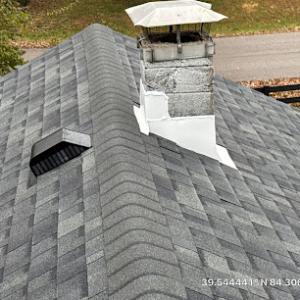
Rembrandt Roofing & Restoration
(937) 353-9711 rembrandtroofing.com
Serving
4.9 from 279 reviews
Discover unparalleled service with Rembrandt Roofing & Restoration in Springboro, OH. As a trusted local contractor, we specialize in comprehensive roofing, gutters, attic insulation, and storm damage repairs. Our expert team also assists with insurance claims, ensuring a smooth and hassle-free process. Dedicated to quality and customer satisfaction, we use top-grade materials and the latest techniques to protect and enhance your home. Choose Rembrandt Roofing & Restoration for reliable, professional, and friendly service that you can count on. Contact us today for a consultation!
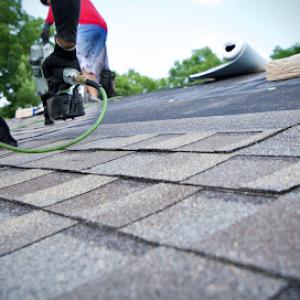
Springboro Roofing
(513) 292-2758 www.springbororoofing.com
Serving
5.0 from 189 reviews
Roofing, siding and gutter

Roof Dayton Ohio by Xpro Elite
(859) 486-7573 xproroofingohio.com
Serving
4.9 from 48 reviews
"XPRO Elite Roofing & Exteriors proudly serves the Dayton and Cincinnati areas as a trusted leader in roofing, solar, and exterior building solutions. Our skilled team specializes in high-quality roofing installations, solar energy solutions, and storm damage restoration to protect and enhance your home. With a commitment to quality, reliability, and innovation, we offer tailored services that meet the unique needs of Ohio homeowners. From energy-efficient upgrades to custom exterior designs, XPRO Elite ensures lasting craftsmanship and superior results. Experience the difference with a local company dedicated to your satisfaction. Contact us today for a free consultation."
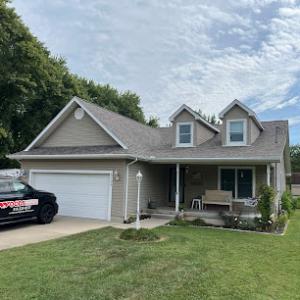
WOODS Roofing & Exteriors
(513) 320-9517 www.woodsroofingexteriors.com
Serving
5.0 from 54 reviews
WOODS Roofing & Exteriors provides top-quality roofing solutions for residential properties. Our firm, based in Middletown, Ohio, is known for being a dependable and reputable independent contracting company. We are committed to upholding the highest standards of integrity and professionalism in our treatment of homeowners; this is our work mission. If you are in the market for a new roof or a roof repair, please get in touch with us via phone, email, or by using the quote button on our site. We will then arrange a convenient time for you to receive a complimentary estimate. Thank you for the opportunity to bid on your project!
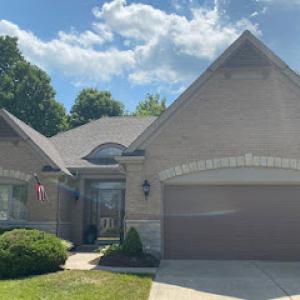
Entrust Roofing
(937) 299-9993 www.entrustroofing.com
Serving
5.0 from 182 reviews
Entrust Roofing, located at 790 Enterprise Ct., is a top-rated roofing contractor dedicated to serving Dayton, Miamisburg, and the greater Miami Valley with over 25 years of experience. As a family-owned, minority-owned business, we specialize in a wide range of roofing services including roof repair, shingle roofing, roof installation, and commercial roofing solutions. We also excel in gutter installation and siding services, ensuring your property is protected and visually appealing. With a focus on quality, reliability, and customer satisfaction, Entrust Roofing is your go-to "Roofer Near Me" for expert craftsmanship and comprehensive exterior home improvement needs.

Dyer Renovations
Serving
4.9 from 56 reviews
I am a contractor who specializes in doing larger and unusually projects. Because of my wide range of skills and continuing education. I understand how the systems of a house work together. Customer satisfaction and proper fit are very important to me. I'm a contractor not a Salesman! 90% of my customers are repeat clients or referrals.
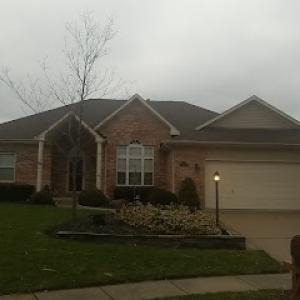
Nu-Finish General Contracting
Serving
4.1 from 51 reviews
Nu-Finish General Contracting offers high quality home renovations in the Montgomery County and Dayton area including roofing, siding, gutters, decks and more. We do all types of roofing from small repairs to full roof replacements. We also install all types of siding from vinyl, cedar, or concrete. We are highly proficient in dealing with insurance claims as well. Residential and commercial services. 24 hour emergency tarp services. All jobs are owner supervised.
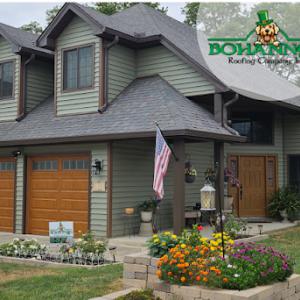
Bohannon Roofing Company
(513) 425-9711 www.bohannonroofing.com
Serving
4.9 from 171 reviews
👉For over 30 years we have specialized in Residential and Commercial Roofing repair and replacement. ⭐️With fully guaranteed warranties for your new roof, gutters, windows and more, you can rely on us to provide you with peace of mind. 🤩We also offer financing! 🤩
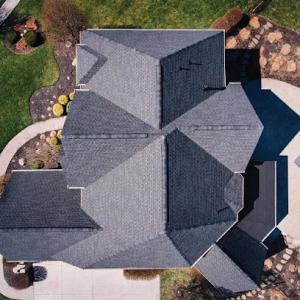
DesireeHome Roofing
(937) 287-5125 desireehome.com
Serving
5.0 from 40 reviews
At Desireehome, we take pride in delivering exceptional construction, exterior and interior renovation services. Our commitment to quality, attention to detail and customer satisfaction ensures a seamless experience from concept to completion.

Redemption Home Improvement Specialist
(513) 388-8147 redemptionpros.com
Serving
5.0 from 25 reviews
We specialize in roofing and seamless gutter systems, including storm and insurance -related work. We provide a thorough inspections, detailed documentation, and professional installation. We also fabricate continuous gutters on-site and offer leaf protection upgrades. Fully Licensed, insured, and Google Guarantee.
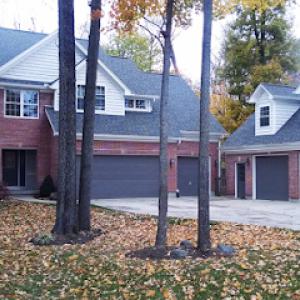
Weather Guard Roofing Company, L.T.D.
(937) 609-9956 www.weatherguardroofingoh.com
Serving
5.0 from 17 reviews
Weather Guard Roofing provides commercial roofing, residential roofing, roofing repairs, gutters and downspouts services to the Waynesville, OH area.
In this market, a full roof replacement typically triggers a permit rather than being treated as routine maintenance. The local process is streamlined for small-city operation, but it still requires filing the right paperwork and scheduling an inspection timeline that aligns with city expectations. Plan your project calendar around permit review, plan changes if inspectors request them, and keep a copy of the permit handy at the jobsite. Missing a permit step can stall work and complicate insurance documentation after a hail event.
The building department closely scrutinizes ventilation details as part of the roofing plan review. Attic ventilation compliance is not a cosmetic add-on; it affects energy efficiency, moisture control, and the long-term performance of the new roof system. Expect reviewers to check intake and exhaust pathways, vent locations, and compatibility with the chosen decking and insulation. If the attic is particularly tight or if there are signs of prior moisture issues, be prepared to adjust venting strategy or add baffles and ridge vents to meet code expectations.
Inspection points occur during construction and again at final completion, so the job sequence should account for municipal sign-offs rather than contractor completion alone. Scheduling should include interim inspections for roof deck, underlayment, and ventilation installations as they go in. Communicate with the contractor about temporary protections for interior spaces during these checks, especially in humid summers or wet springs when delay could impact interior conditions. After the last nail is driven, a final inspection verifies that roof ventilation, flashing, and flare details meet local standards before the warranty becomes fully official.
Keep an organized file with permit numbers, plan drawings, and inspection dates, then share copies with your insurer and contractor. Before stepping onto the job, confirm that the chosen ventilation strategy aligns with the attic's size and existing cavity space, since undersized or misrouted ducts can fail to satisfy the review without rework. If hail damage is suspected, document every affected area with photos and notes to accompany permit applications and insurance claims, ensuring that the sequence of approvals does not become a hidden bottleneck.
In a storm-driven market, roof claims tend to center on wind and hail, not wildfire or coastal water loss. When a hailstorm sweeps through the Great Miami River valley, the clock starts ticking on roof damage, and insurers look carefully at what happened and when. That makes a clear paper trail essential: dates of storms, repair notices, contractor communications, and photos taken at the time of impact. If a storm wears down shingles over several seasons, the line between damage from a single event and ordinary wear can blur with adjusters, so precision matters.
Insurers often want photos before any work begins and after installation to document what changed, which means your camera roll should get organized long before a claim is filed. Label images by date, describe what you see, and keep them with the insurance correspondence. In Franklin, a move from storm repair to full replacement is common, so the post-install shots should show every new layer, flashing, valleys, and edge details. Missing angles or dates can stall a claim or invite disputes about workmanship, and that matters when timing aligns with the next hail season.
The material choice can influence what an adjuster accepts as a repair versus a replacement, and whether upgrades count as covered improvements. Adjusters may question whether observed damage is storm-created or maintenance-related, especially on older roofs. When selecting shingles or panels, know that the insurer will compare your chosen material against the roof's age and condition. Having a documented history of storms and repairs helps justify larger scopes of work if the replacement becomes necessary, and it can shape how the claim is framed in negotiation.
Keep every receipt, contractor estimate, and weather report in one folder. If a hail event triggers a replacement later, the chain of documentation should show the cause and the sequence of events. In neighborhoods where a storm-driven market moves quickly, a disciplined file can keep the claim from slipping between the cracks, ensuring the process stays tied to verifiable damage rather than assumptions. And keep storm photos handy for your adjuster during the first appointment-without it, a legitimate claim may be questioned, and timeline slips can impact settlement.
In Franklin, skylight trouble is a recurring homeowner concern that local contractors flag as a signal of aging penetrations. You will notice that sealants crack after repeated freeze-thaw cycles, and the surrounding curb flashing can lift if step flashing wasn't integrated cleanly from the start. When the rain starts, water often travels sideways along the curb and finds the thinnest point-where glazing beads meet roofing. Inspect skylight flanges for hairline cracks, dried caulk, and any silt or algae buildup that slows drainage. A careful trace from interior ceiling staining to the skylight edge is the fastest way to confirm a culprit.
Begin where water enters the attic and work outward along the skylight perimeter. Look for gaps in the sealant and for any misaligned or missing metal flashing at the corners. If you see softened sealant or a gap where the curb meets the roof deck, plan to reseal or reflash in stages to minimize broader roof disturbance. When you replace flashing, ensure step flashing is embedded into the shingles with proper overlap and that the skylight flange is bedded in a compatible sealant. Avoid hard-soled activation of the area during damp conditions to prevent further damage to the deck.
Chimneys are a frequent target for leaks in the local contractor mix, aligning with older regional housing stock where flashing transitions need periodic rebuilding. Inspect around the base for loose or cracked step flashing, rusted boots, and any mortar cracks that admit moisture behind the flashing. Freeze-thaw cycling makes these joints especially vulnerable if you notice loose shingles adjacent to the chimney or damp staining along the brick line. Tighten, reseal, or rebuild as needed with compatible flashing materials and a proper transition to the roof slope.
Spring hail and late-winter freezes accelerate deterioration around skylights and chimneys. Plan diagnostic checks after heavy storms and before the next heating season to catch creeping leaks early. Document with photos from both interior ceilings and exterior roof edges, so a trusted local contractor can reproduce the problem and tailor a targeted repair.
Find contractors experienced in skylight installation, flashing, and leak repairs to bring natural light into your home.
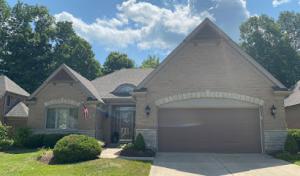
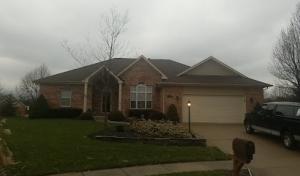
Although this area is primarily a pitched-roof market, signals from local contractors show a meaningful niche for flat and low-slope work, especially on additions, porches, and garages. These zones carry different wear patterns and load during storm seasons, so treating them as a separate subsystem from the main roof helps prevent misdiagnosis and mis-timed repairs. In practice, a low-slope roof often serves as the first line of exposure to winter moisture and spring drainage challenges, so plan for inspections that specifically target those surfaces after heavy snows or thaw cycles.
Low-slope sections face slower drainage in winter, which increases the risk of standing water and ice dam back-ups near transition edges. Freeze-thaw cycles pressure the underlayment differently than on a steep field, leading to hairline separations that can escalate if not caught early. Porches and garages typically have tighter perimeter details, making edge flashing and gutter attachment more critical. When the temperature swings, pay attention to any slight wrinkling or localized moisture infiltration along low-slope seams, as these are early signs that the system is not shedding water as designed.
Repairs on these areas follow a distinct sequence from the main roof. First, verify the integrity of edge flashing and sealant joints where the low-slope meets walls or parapets. Then test drainage paths with a careful water test during a dry-to-wet transition to confirm that no slow seep paths exist through the underlayment. If damage is found, address flashing and underlayment issues before replacing any surface material on the adjacent pitched roof, to avoid repeating repairs due to residual moisture at the boundary.
When scheduling a winter inspection, coordinate a targeted check of additions, porches, and garages with a contractor who understands the freeze-thaw dynamics here. Ask for a focused assessment of seam integrity, edge detailing, and drainage convergence at low-slope interfaces. If a repair is needed, expect a tighter sequence that prioritizes flashing and underlayment repairs before any adjacent shingle field work. This approach helps maintain long-term performance in the areas most vulnerable to winter drainage slowdowns.
Find specialists in TPO, EPDM, and built-up flat roofing systems for residential and commercial properties.
Weather Guard Roofing Company, L.T.D.
(937) 609-9956 www.weatherguardroofingoh.com
Serving
5.0 from 17 reviews