
Last updated: Apr 19, 2026
After a heavy hail event or a brisk wind, rooftops in this region bear the brunt of rapid weather swings from spring into summer. Hail can leave scattered dents, granule loss, and hidden shingle fractures, while sustained gusts tear at flashing, vents, and edge metal. In this climate, every severe storm is a reset button for roof integrity, and a single event can trigger multiple claims across a neighborhood. The risk isn't only cosmetic-undetected damage accelerates deterioration, leaks, rot, and mold. Recognize that your roof's first line of defense is staying intact long enough to weather the next round of storms.
Local contractor demand spikes after Midwest storm events, which can compress scheduling and make rapid temporary protection important for homeowners. After a storm, walk the property with a flashlight at dusk to spot loose shingles, lifted tabs, or ice dam patterns along the eaves. If shingles are displaced or there are granules in gutters, treat the roof as compromised. Temporary tarping or boarding doors and window openings may be necessary to prevent further damage while you arrange a repair plan. Prioritize securing the most vulnerable areas first-valleys, dormers, and chimneys-because water will exploit the weakest joints.
Insurers serving this area commonly ask for pre- and post-repair photos, detailed estimates, and contractor invoices because storm-related roof claims are frequent in this market. When you file, keep a folder with timestamped photos from multiple angles, especially of damaged flashing, skylights, and any interior staining. If a claim adjuster schedules a visit, have your contractor present to guide the inspection and verify the scope. Be prepared to provide a concise narrative of storm timing, the observed damage, and any temporary protections you implemented. Clear, organized documentation reduces back-and-forth and helps ensure the claim reflects the true scope.
In this market, quick response can be as valuable as quality work. Look for a contractor with proven Xenia-area references, a track record handling insurance-backed projects, and transparent communication about scheduling, staging, and material selection. Ask for a written scope that details tear-off, replacement, and flashing work, plus a realistic timeline. Beware of crews that arrive with only generic solutions; a storm-focused project requires adjustments for attic ventilation, ice shield placement, and long-term roofing performance under future weather cycles. A steady, on-site supervisor who can explain progress daily helps you maintain control.
Keep all repair-related invoices, material receipts, and warranty papers in a centralized file. Insurers will want contractor invoices and detailed estimates to verify scope and cost provenance, so ensure those documents clearly itemize materials, labor, and any ancillary work. If you need temporary protection, document what was installed and when, since this is often referenced in post-storm claim reviews. In Xenia, the goal is to halt further damage quickly, secure a solid claim path, and restore your roof with a durable solution that stands up to the next storm cycle.
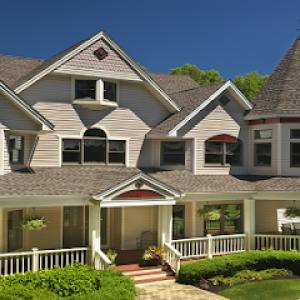
Kerrigan Roofing & Restoration
(937) 848-6056 www.kerriganroofing.com
986 US-42, Xenia, Ohio
4.8 from 255 reviews
Kerrigan Roofing and Restoration is a GAF Master Elite Contractor. We offer the best warranties in the industry and are well-versed in handling insurance claims for customers. Most roof replacements are completed in one day!
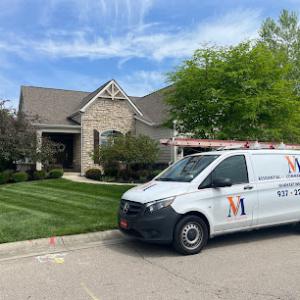
Van Martin Roofing
(937) 872-3737 vanmartinroofing.com
2960 W Enon Rd Suite 323, Xenia, Ohio
4.8 from 43 reviews
Van Martin Roofing is your leading roofing company for expert roof repair, roof replacement, and roof maintenance in Xenia. Serving homeowners and businesses across the Miami Valley, we specialize in quality roofing solutions that last. Our team is committed to dependable communication, skilled roofers, and our VanGuard Warranty for long-term protection. Whether it’s leaking roof repair, storm damage, or a full roof installation, we provide fast, reliable service. Searching for a local roofing contractor or roofing help for your home in the Xenia area? Choose Van Martin Roofing—your professional partner for residential roof replacements and commercial roofing.
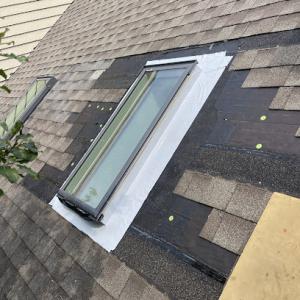
Fly high roof restoration
(937) 963-7808 flyhighroof.com
Serving
5.0 from 15 reviews
Any roofing siding gutter chimney metal repairs or cleaning no job to small
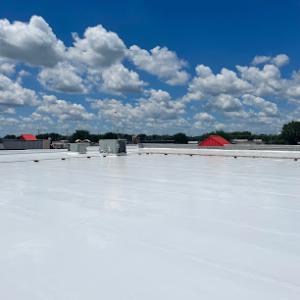
Glacier Industrial
(937) 718-1353 www.glacierind.com
Serving
5.0 from 16 reviews
Glacier Industrial is a low-slope and metal roof restoration, repair and replacement company. We provide a seamless waterproofed membrane often for a fraction of the cost of replacement. In addition, your new membrane has favorable tax advantages over replacement. We offer 20 warranties that rival the top replacement roof warranties. The membrane can be installed with little disruption to your business compared to a replacement, and we will keep your old roof out of the landfill making our solution a sustainable choice over replacement. We eliminate seams on roofs with restoration system creating a monolithic roof that is warranted against ponding water. When we install white membranes they cool the roof substantially.

Xenia Roofing & Siding
(937) 376-4881 xeniaroofingandsidingohio.com
Serving
4.5 from 8 reviews
Have you noticed mold growing on your siding? Are your gutters clogged? You'll be glad to know that Xenia Roofing & Siding provides exterior home repair services in Xenia, OH. Our skilled crew can replace siding, clean out gutters, repair roofs and do almost anything else that's needed to keep your property's exterior looking its best.
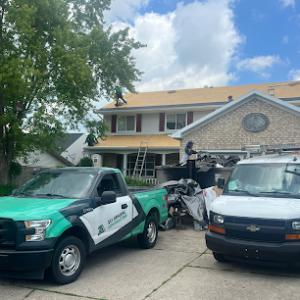
ZCI General Contracting
(937) 697-5063 www.zcicontracting.com
Serving
4.9 from 131 reviews
At ZCI General Contracting, we're more than just your average roofing contractor. We're a team of dedicated professionals who are committed to providing exceptional service and results to every customer we serve. We take pride in our work and are committed to delivering exceptional results on every project. If an issue arises after we’ve completed our work, we'll come back to make it right—that's our promise to you.

Monster Roofing & Construction
(937) 532-5645 www.roofsbymonster.com
Serving
5.0 from 80 reviews
Monster Roofing and Construction is a local Dayton-area family-owned business focused on customer service. We are a one-stop-shop for all your commercial and residential re-roofing, roof repair, or roof maintenance needs. We stand by our work, and stand ready to help rebuild our communinity after the recent storms. Our roofing personnel and repair teams are experienced, long term, established crews. We’ve brought together the best in the business to ensure each job is done promptly and professionally.
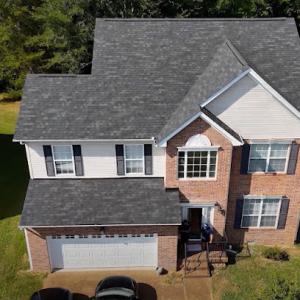
Mr. Roof Dayton
Serving
4.9 from 32 reviews
Mr. Roof Dayton is the premier roofing contractor in Dayton, Ohio, serving homeowners with premium exterior solutions since 1962. We specialize in high-quality roof replacement and roof repair, often completing installations in just one day. As an Owens Corning Platinum Contractor, we offer industry-leading Lifetime Warranties on labor and materials. Beyond roofing, our team is expert in vinyl siding, replacement windows, gutters, and masonry. Whether you need emergency storm damage repair or a full exterior makeover, trust our licensed and insured team for honest pricing and free estimates. Experience why we are Dayton’s top choice for residential and commercial roofing. Call today!
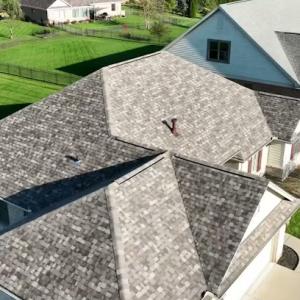
WIW Roofing
(937) 254-4926 wiwenterprises.com
Serving
4.7 from 150 reviews
WIW Roofing is a locally owned and operated general contractor and an Owens Corning preferred roofers in Bellbrook, OH. We can take the worry off your shoulders! Our contracting business specializes in roof repair, roof replacement, siding, and gutters for the greater Dayton area. We take great pride in the quality of our work and services, and it is our goal to leave each of our clients completely satisfied with their home renovation project. Whatever your roofing needs, we will make sure to provide effective solutions. Contact us today to get your free quote!
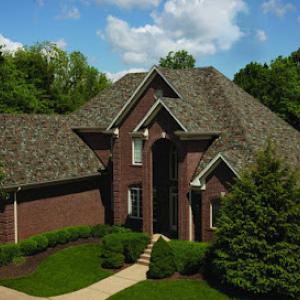
Helping Hands Roofing
(937) 606-3193 www.hhrdayton.com
Serving
4.8 from 190 reviews
Helping Hands Roofing is a local Roofing Contractor in Dayton, OH. Our team is also highly specialized in storm damage restoration. We have years of experience successfully navigating homeowners through the claims process. As Dayton's Preferred Owens Corning Roofing Contractor, Helping Hands Roofing specializes in roof replacement and repair services for both residential and commercial properties. We also provide additional exterior services such as siding replacement, gutter replacement and fascia & soffit replacement services. We are dedicated to delivering a world-class customer experience and guarantee top-notch quality installations. We back that up by offering our customers a 100% satisfaction guarantee!
TH Roofing
(937) 520-8334 www.throofingpro.com
Serving
5.0 from 29 reviews
Trustworthy and Honest Roofing (TH Roofing) is a top-rated roofing contractor proudly serving Dayton, Kettering, Beavercreek, Moraine, and surrounding Ohio areas. We specialize in residential roofing, commercial roofing, roof replacement, roof repair, metal roofing, asphalt shingles, gutter installation, siding, and emergency roof repair. Whether you're dealing with storm damage, a roof leak, or need a full roof inspection, we’re here to help with fast, affordable, and reliable service. We are fully licensed and insured, offering free roofing estimates. We’re known for our quality craftsmanship, honest pricing, and friendly customer service. If you’re searching for the best roofing company near you, TH Roofing is your trusted local choice.
Feazel Roofing
(937) 431-7663 www.feazelinc.com
Serving
4.4 from 165 reviews
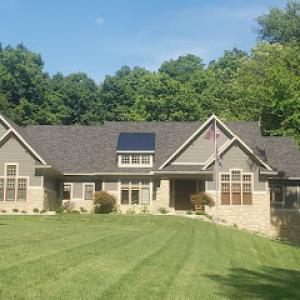
Serving the residents of Ohio since 1988, Feazel maintains an honorable reputation and is an accredited roofing company with the Better Business Bureau with an A+ rating. With a commitment to serve clients on a personal and professional level, you can count on Feazel to deliver an end-product you’ll be confident in. Feazel offers high-value solutions for roofing, windows, siding, gutters, chimneys, masonry, skylights, insulation and more. Changing the way roofers do business, Feazel’s software, ServicePointTM, provides instant access to estimates, service scheduling and project status information. You’ll never have to wait when it matters most.
Xenia's cold winters and freeze-thaw cycles can slow installation and affect shingle sealing, making winter work more weather-sensitive than spring and summer projects. Outside temperatures that hover around freezing can cause shingle tabs to misalign or sealing to take longer, especially on high-slope roofs or in shaded spots. When planning, account for frost delays on mornings with frost build-up and protect exposed underlayment from repeated freezes-thaw cycles that can shorten the life of newly installed products. In contrast, warm, humid summers can improve production windows but also create heat-related handling and curing concerns for some roofing products, particularly self-sealing asphalt shingles and certain metal systems. If a crew is rushing a job in peak heat, insist on regular breaks, proper ladder and scaffold safety, and shaded storage for materials to avoid premature aging or warping.
Spring-to-summer is generally the most reliable stretch for roofing work, thanks to longer daylight hours and milder temperatures. That said, this period overlaps with storm season and hail-related backlog, which can push start dates and extend timelines, especially after a major hail event. If a claim is involved, expect a short surge of activity in late spring and early summer as insurers authorize replacements and contractors allocate crews. To minimize disruption, target early-to-mid spring for initial planning and scope confirmation, then lock in a start date once a weather lull is forecast for several days in a row. Track local thunderstorm patterns and avoid loading materials during windows with persistent heat and humidity, which can complicate adhesive curing and sealant performance.
In a storm-prone market, decisions become time-sensitive. After a confirmation from an insurer or adjuster, secure a firm start date with your chosen contractor and require a written schedule that includes weather contingency days. Keep communication channels open with the contractor about forecasted heat waves or late-spring cold snaps, so terms for temporary coverings or minor repairs can be adjusted without stalling the project. If a hail event clears a backlog, understand that timelines may tighten quickly; having a pre-approved materials list and a defined installation sequence helps the crew stay on track even when rain or wind interrupts progress. On days with gusty winds or heavy rain, postpone roof work to protect underlayment and newly installed components, and use the downtime to finalize interior protection and debris management plans. This practical approach keeps the project moving during Xenia's typical storm cycle while preserving shingle sealing and overall roof performance.
As a homeowner juggling frequent hail, strong winds, and the rigors of freeze-thaw cycles, you face a very concrete set of decisions about roof materials. The storm-prone environment around Greene County means your roof not only sheds water and resists wind but also holds up through rapid temperature swings that push shingles and fasteners to their limits. The right choice balances performance under those stresses with compatibility to the local housing stock and the way repairs and replacements unfold after a major hail event or windstorm.
Asphalt shingles are a dominant choice because the typical Xenia roofline and replacement market align well with this option. They fit most standard roof pitches found on neighborhood homes, are widely available, and support quick, straightforward installations when storm-response crews are in town. In your area, however, these shingles remain particularly vulnerable to hail bruising and wind loss after regional storms. If you lean toward asphalt, consider premium self-sealing or high-wind-rated classes, thicker shingle layers in hail-prone zones, and attention to the rated wind speed for your roof's exposure. Pairing asphalt with a well-designed underlayment and robust flashing helps minimize moisture intrusion during those sharp temperature swings in late winter and early spring. For best long-term performance, plan inspections that specifically check for hail damage, lifted shingles, and any wind-driven gaps around penetrations.
Metal roofing has a meaningful presence in this market and is often considered by homeowners looking for stronger performance against recurring storm exposure and long-term maintenance concerns. Metal panels can resist hail impact better than many standard shingles, and their fasteners are typically less vulnerable to blow-off when properly installed. In Xenia's climate, you still need good preparation: a solid deck, a high-quality sealant, and careful flashing around chimneys, vents, and dormers to avoid water intrusion during freeze-thaw cycles. Because metal conducts heat differently, you may notice attic temperatures changing more quickly after sun exposure, which can influence your insulation strategy. If you opt for metal, request a panel profile and fastening pattern that reduce water entry points and ensure compatible underlayment to shield against cold snaps that can stress seams. Regular inspections after severe storms help catch loose panels or damaged seals early.
Tile, wood, and synthetic/composite options exist in this market, but Xenia's freeze-thaw conditions make underlayment, flashing, fastening, and roof-structure suitability especially important when moving beyond standard shingles. Clay and concrete tiles bring durability and a distinct look, but they demand a reinforced deck, careful attic ventilation, and a detailed plan for frost cycles that push freeze-thaw expansion at fasteners and through penetrations. Wood shingles and shakes offer a classic aesthetic, yet they require meticulous maintenance to resist moisture intrusion and decay in wet spring months. Synthetic or composite shingles provide versatility and often better impact resistance than pure asphalt, but they still rely on quality installation and compatible flashing details. In all these cases, the roof system must be designed to accommodate the local temperature swings without compromising sealants and drip edges. Prioritize products with proven performance under freeze-thaw stress and select installers who emphasize precise nailing patterns, proper spacing, and continuity of underlayment across roof transitions.
Across material types, the practical keys are comprehensive underlayment, meticulous flashing at all penetrations, and correct fastening patterns tailored to your roof's pitch and exposure. After a major storm, you'll want a swifter assessment that differentiates cosmetic from structural damage and recognizes where wind or hail can create hidden weaknesses. In this climate, a well-chosen roof material is not only about the surface but about how the system behaves as temperatures swing and moisture moves through the year.
As you plan a roof replacement, you'll notice Xenia's market prices sit on a distinct curve shaped by local weather and housing stock. Asphalt shingles stay at the lower end of the range, while tile and wood systems sit toward the upper end. In practice, you'll often see asphalt shingles around the low end of the local market, with metal and synthetic options occupying the middle, and clay tile, concrete tile, and wood systems at the higher end. This spread reflects both material performance options and the way storm damage drives quick decisions in Greene County.
When you compare options, the sticker price is only part of the story. Storm-driven demand in this area can push labor availability tighter after hail and wind events, which may affect pricing and lead times even when material costs are stable. In a busy post-storm window, you might encounter shorter scheduling horizons and higher crew demand, which translates into faster timelines but tighter margins on the contractor side. If a storm hits, plan for both a potential premium on rush scheduling and a need to secure a trusted, licensed team quickly to avoid delays on critical wear and tear.
Several project elements beyond the basic roof surface can swing the final cost in a Xenia replacement. Inspection findings may reveal deterioration that requires extra attention, while flashing upgrades can fix corrosion or compatibility issues with new materials. Ventilation corrections are not cosmetic; poor attic airflow can shorten the life of a roof and affect your indoor comfort and energy bills. Finally, a tear-off of older roofing layers adds labor and disposal costs, especially if the existing stack has multiple plies or hazardous materials that require special handling. These factors tend to accumulate as you move up the material ladder or as the scope expands to address the underlying attic and drainage needs.
In practical terms, budgeting is about layering risk management with material choice. For planning purposes, expect asphalt shingles to anchor the lower end of the cost spectrum, with synthetic shingles and metal offering solid mid-range options. Clay and concrete tiles, and wood systems, push toward the higher end, especially when additional work like flashing upgrades or ventilation corrections is necessary. Talk through contingencies with your contractor and weather the post-storm window by locking in a trusted crew early, balancing price, timing, and long-term performance.
Get a clear picture of your project costs upfront - no commitment required.
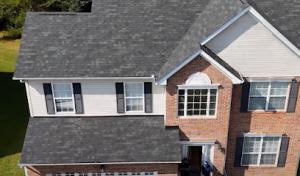
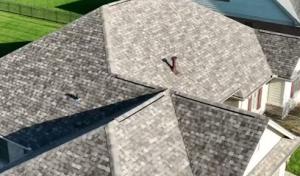
Full roof replacements require permits issued by the local building department. When a storm hits and damages start stacking up, the temptation is to move fast, but in this market you must secure the permit before heavy work begins. The permit signals that the project plans meet local codes and that electrician, vented soffits, underlayment, flashing, and drainage are coordinated with the rest of the home. Delays in pulling permit approvals can push start dates well past the first inspection window, turning a two-week job into a longer disruption. It's worth having a frank conversation with the contractor about whether plan review will be needed and what documents will be required, so there are no surprises.
In this area, inspections are both during and after the job. Rough-in inspections verify that flashing, ventilation, and the overall roof assembly align with code expectations before the roof is closed up. Final inspections confirm everything from attic ventilation balance to proper eave and ridge venting, and that the installed materials comply with local standards. These checks aren't cosmetic; they're designed to catch issues that could shorten the roof's life or invite leaks after the next hailstorm. If a mismatch or oversight is found, the contractor will need to address it before the final sign-off. Expect the inspector to pay attention to any penetrations, skylights, and penetrations through the flashing, since those areas are common flash-point defects after big wind events.
Processing times in this jurisdiction can vary based on department workload and whether plan review is required. After a storm, the office can become temporarily overwhelmed, and that backlog affects when a permit is issued and when inspections can be scheduled. The permit timing can, therefore, influence start dates after storms, sometimes delaying work until the permit is in hand and the inspection sequence is mapped out. To reduce back-and-forth, have a clear line of communication with the contractor about expected inspection windows and be prepared to adjust scheduling as the department processes new paperwork. In high-storm periods, it helps to keep your project in the calendar with backups in mind for weather delays and inspection reschedules.
Keep all documentation organized: permit application, any plan-review notes, and a clear sheet that tracks inspection appointments. Before any roof work begins, confirm the site access for inspectors and ensure that the roof is safe for both workers and the building's interior. If weather creates a hold on drying or sealing steps, ask the contractor about interim measures to protect the interior while waiting for the next inspection slot. Remember, the goal is not just a roof that looks right, but one that meets the region's standards to withstand Xenia's storm-prone climate.
Hail, wind, and severe storms in Greene County routinely lift roofs from their quiet routines, and that storm-induced wear shows up quickly after a bright, windy day or a heavy hail event. Roofing in this area often becomes a rapid-fire cycle: damage appears, claims are filed, and replacements move toward plastering over a tight window of time. This means your priority should be anticipating how a large claim can shape your options and timelines, not merely reacting to the first contractor knocking on your door.
Some insurers in the Midwest have tightened coverages or raised deductibles after major hail events, directly affecting how an owner budgets for a replacement. In Xenia, that shift can translate into evolving appraisal expectations and a need to align your preferred materials with what the policy will reasonably cover. The consequence is that decisions made in the first 48 hours after damage can pull on longer-term finances, so clarity on what the adjuster prioritizes matters. Being prepared to discuss exact damage scope and anticipated mitigation steps helps in steering toward a coverage path that fits the roof's actual condition rather than a rushed canvas.
When an adjuster arrives, the more you can show with date-stamped photos, interior leak evidence, contractor scopes, and final invoices, the smoother the response. In this market, where rapid storm response dominates the contractor scene, having organized proof of prior conditions and subsequent repairs reduces back-and-forth and the risk of disputes about what was damaged, what was replaced, and when. A simple, consistent record-photos taken during the first signs of damage, notes on interior moisture, and a summary of material choices-helps ensure the claim reflects the true scope rather than a best-guess estimate. This archival habit serves your timeline, minimizes second-guessing, and supports a transparent dialogue with the adjuster.
In Greene County's climate, repeated freeze-thaw cycling can reveal weaknesses at flashing transitions and around roof penetrations after harsh winter weather. Ice damming and cold snaps stress chimney, vent, and valley details, pushing sealant and shingle edges to peel back. When snow recedes, look for hairline cracks, lifted tabs, and daylight showing at valleys or skylight flanges. These micro-failures often grow into leaks after a quick thaw followed by another freeze.
Spring hail and wind in this area commonly show up as shingle damage, loosened ridge components, and leak paths that may not be obvious from the ground. A quick post-storm walk can miss uplift damage beneath cresting shingles or along the fascia line. Pay attention to granule loss on asphalt shingles, bent ridge caps, and sections where waterproof underlayment might be exposed. Even small punctures can become drip points during warm days or sudden downpours.
Fall leaf buildup and retained moisture in Xenia can complicate drainage paths and make flashing and edge details harder to evaluate during inspections. Clogged gutters, clogged valleys, and damp debris near roof edges can accelerate rot at eaves and along drip edges. Moisture trapped behind leaf layers can mask soft spots, making it necessary to clean and recheck once leaves have fallen and the roof has dried.
Look for sudden changes in attic humidity after storms, spongy feel when walking the roof over access points, and rusting on metal flashings. Weaknesses in transitions around chimneys, vents, and dormers should raise suspicion, especially if winter damage combines with spring or fall stress. When in doubt, a professional roof inspection focused on flashings, penetrations, and ridge lines can prevent costly surprises later.
Find contractors experienced in skylight installation, flashing, and leak repairs to bring natural light into your home.
Van Martin Roofing
(937) 872-3737 vanmartinroofing.com
2960 W Enon Rd Suite 323, Xenia, Ohio
4.8 from 43 reviews

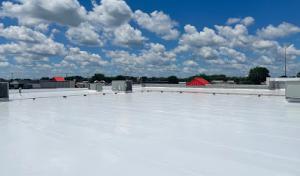
Although Xenia is primarily a residential re-roofing market, local contractor signals show a meaningful presence of flat and low-slope roof work for additions, porches, and some commercial structures. This means attention to how seams, transitions, and drainage are detailed becomes as important as the main roof. Snow loads, freeze-thaw cycles, and storm debris stress these areas differently than steep-slope roofs.
Low-slope sections in this area need close attention after snow, standing moisture, and storm debris. Seams can open where composite membranes or built-up systems meet vents, skylights, or parapets. Drainage details matter: verify that gutters and scuppers are clear, downspouts align with the overall roof pitch, and edge flashings seal properly. In porch and sunroom additions, ensure flashing integrates with the main roof to prevent hidden leaks that mimic a larger problem.
Mixed-roof homes often require different repair scopes where low-slope sections meet shingled main roofs. Look for mismatched materials at transitions, uneven edge protection, and wind-driven blows that can loosen flat-seam or membrane edges. Repairs may involve more than resealing a seam; anticipate reinforced flashing around door heads, step-flashings at wall penetrations, and attention to any ice dam risk where a flat roof abuts a higher slope.
After a storm, focus first on areas where flat or low-slope sections were present, then assess the meeting lines with the high-slope roof. Document debris accumulation, note any pooling water, and test for moisture intrusion along transitions. Prompt, targeted repairs to these zones reduce the chance of widespread interior damage and streamline any subsequent insurance discussions.
Keep low-slope areas free of debris, especially in late fall and early winter. Inspect edge flashing seasonally and after heavy wind events, and maintain clear drainage paths at any added-on structures. A careful annual check of all connections between low-slope and steep-slope elements helps catch failure points before they become leaks.
Find specialists in TPO, EPDM, and built-up flat roofing systems for residential and commercial properties.
Van Martin Roofing
(937) 872-3737 vanmartinroofing.com
2960 W Enon Rd Suite 323, Xenia, Ohio
4.8 from 43 reviews
In this storm-driven market, you evaluate crews by how quickly they respond, how they manage cleanup, and how smoothly they handle insurance paperwork. Look for a contractor that can be on-site within 24 to 48 hours after a claim is filed, and that commits to a thorough cleanup and tarp strategy if weather turns nasty again. Ask how they document damage photos, timelines, and the sequence of repairs so the insurance adjuster can follow the work clearly. A crew that treats the process as a careful workflow tends to minimize lag during busy post-storm periods.
The local market includes many re-roofing-focused and long-established companies, so homeowners often distinguish crews by warranty offerings, manufacturer certifications, and how they document storm damage. Check whether the contractor carries appropriate liability and worker-compensation coverage, and confirm they hold manufacturer-endorsed certifications for the materials they install. In Xenia, a solid warranty backed by the installer and the product maker provides important protection against weather-induced failures and premature wear.
Chimney-related roof intersections are a recurring service area reflecting the older-home mix nearby neighborhoods. Probe how the crew handles flashing, chase details, and safe integration with masonry work. Request recent, camera-backed examples of chimney penetrations they repaired, plus references from homes with similar roofing materials and age. A project plan should cover flashing, step-flashing transitions, and debris containment around the chimney stack to prevent future leaks.
Ask for a written schedule, a clear point of contact, and a plan for storm-season contingencies. In a market shaped by rapid response, a dependable crew keeps you informed without pressure, documents every storm-damage step, and coordinates where needed with siding or attic specialists to ensure a cohesive, long-lasting repair.