Last updated: Apr 19, 2026
Temperance experiences cold, snowy winters followed by warm-season thawing, creating repeated freeze-thaw cycles that shorten roof life. Those cycles push moisture in and out of shingles, underlayment, and roof decking. When water refreezes at gutters, eaves, and flashing, it pries apart sealants and loosens nails. Over time, that stress invites small leaks that expand after every thaw. The result is a roof that looks steady but quietly loses its edge against hidden rot and compromised ventilation. If you notice granule loss, curling shingles, or damp attic rafters after a thaw, you're already feeling freeze-thaw damage taking hold.
Winter ice dams and heavy snow are identified local seasonal risks that can force leak repairs before full replacement season begins. When warm attic air melts snow at the eaves, the meltwater refreezes at the overhangs, creating damming that backs up water under shingles. This pushes moisture toward interior ceilings, especially on lower pitches or under edges where ventilation is weak. bundled icicles, damp soffits, and ice pockets along ridge lines should be treated as urgent warnings. If repairs aren't timely, those dammed flows can saturate decking, rot underlayment, and compromise flashing where two roof planes meet.
Replacement timing in Temperance commonly shifts to late spring through fall because moisture and winter conditions complicate tear-offs and dry-in work. Cold, saturated decks slow fasteners from seating correctly, and frozen flashing or underlayment makes proper sealants unreliable. Scheduling during a window of milder temperatures reduces risk of new leaks while the roof is open. The goal is to finish dry-in before or during a warm spell, so the roof can seal fully without being blasted by late-season freezes. If a leak appears during thaw, treat it as a signal that a cautious, staged replacement plan may be needed rather than pushing straight through a winter tear-off.
Start with attic and ventilation checks to curb moisture driving ice dam formation. Ensure soffit vents, ridge vents, and baffles are unobstructed, and add insulation where winter heat loss is evident to limit warm air reaching the roof deck. In the cold season, clear a safe path for snow to slide, but avoid aggressive metal scraping that can damage shingles or flashings. When you see icicles forming heavily, or damp patches appearing on ceilings after a warm spell, call a roofing pro for a quick assessment of flashing transitions, drip edge condition, and eave ventilation. Schedule any necessary repairs or replace compromised sections as soon as temperatures stay above freezing for long stretches, prioritizing the areas most prone to damming and water intrusion. Stay vigilant through late-winter thaws, because that is when small problems become expensive, system-wide leaks.
Spring hail and wind events are a defined local risk and often create sudden repair demand in the Temperance market. The combination of cold winters, repeated freeze-thaw cycles, and the Erie-influenced climate means roofs endure repeated stress. Hail can punch through softer shingles, dent metal, and loosen flashing, while strong winds can peel back edges and lift lighter sections. This is not theoretical here-damage shows up quickly, and delays can compound problems by letting moisture migrate into the attic and rafters. If you notice dented shingles, granule loss, loose shingles, or ripped flashing after a storm, treat it as an emergency signal, not a cosmetic issue.
Michigan insurers in this area may require detailed condition reports, tear-off records, and age-based documentation after hail or wind losses. A solid file starts with dated photos of the entire roof from multiple angles, close-ups of damaged areas, and a clear ledger of any repairs already made. Keep records of all accompanying water intrusion, attic signs of moisture, and any observed ice dam activity along the eaves. If the roof is older, you will be asked to prove its age and the overall condition prior to the event. Gather shingle samples or manufacturer details when possible, and store these records in a weatherproof location. The better your documentation, the more straightforward the path to a fair settlement.
Local claim handling is documentation-heavy, with adjusters often focusing on roof age, material type, and pre-existing wear when evaluating payment. Expect questions about whether a full tear-off is needed versus a selective repair, and be prepared to show that venting, flashing, and nailing were up to modern standards before the loss. If the roof has experienced prior repairs or patches, those will be scrutinized for longevity and compatibility with current damage. The adjuster will look for signs that moisture infiltrated beneath the surface and may request a professional assessment of attic insulation and ventilation conditions. Honest, precise reporting can accelerate the process and reduce the risk of underpayment for necessary replacements.
Begin by inspecting gutters and downspouts for granules and debris, which can indicate shingles nearing the end of their life. After a hail event, document any new dents or loosening with clear photos that reference specific roof sections. Collect and preserve correspondence with your insurer, including claim numbers, adjuster names, and timelines. If you hire a contractor or a public adjuster for your assessment, ensure they provide a transparent, itemized scope that addresses flashing, underlayment, and fastener integrity. Finally, schedule a moisture check interiorly if you notice any dampness in the attic; early detection minimizes risk of mold and more extensive repairs later.
Find local contractors experienced in assessing and restoring roofs after hail, wind, and severe weather events.
Tri-State Windows, Siding & Roofing
(419) 478-6577 www.remodelwithtristate.com
Serving
4.8 from 188 reviews
T-J Roofing & Sheet Metal
(734) 847-0661 www.t-jroofing.com
150 Reed Dr, Temperance, Michigan
4.6 from 19 reviews
T-J Roofing has been serving Michigan and the Toledo area for over 40 years. Located in Temperance, Michigan, we emphasize a safe work environment and professional workmanship by installing high quality roofing systems that protect your buildings and homes. We proudly stand behind both our workmanship and product warranties.
Ryan's Roofing & Repair
(734) 334-3835 ryansroofingandrepair.com
Serving
4.7 from 69 reviews
Why Choose Ryan's Roofing & Repair? We are licensed and insured! You'll want to work with a professional roofing company in Lambertville, MI You can't afford to take shortcuts when the integrity of your roof is on the line. With over 15 years of experience, the local roofers at Ryan's Roofing & Repair can reinforce your existing roof and make sure your new one can withstand whatever Mother Nature can throw at it.
Pro Craft Home Products
(419) 475-9600 www.procrafthomeproducts.com
Serving
4.8 from 109 reviews
Pro Craft Home Products is one of the top Roofing Companies Toledo Ohio, offering roof replacement, roof repair, metal roofing Toledo, and asphalt shingle roofing. Our Toledo Ohio roofing contractors provide residential and commercial roofing services, siding replacement, window replacement, gutter installation, gutter guards, and blow-in insulation. Serving Toledo, Northwest Ohio, and Southeast Michigan, our certified Toledo roofing company delivers reliable service, free inspections, and strong warranties to protect homes and businesses.
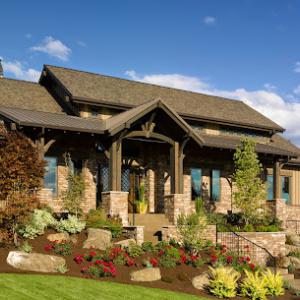
Tri-State Windows, Siding & Roofing
(419) 478-6577 www.remodelwithtristate.com
Serving
4.8 from 188 reviews
Quality Roof Replacements, Home Siding Installations & Vinyl Window Replacements Since 2007 in Northwest Ohio & Southeast Michigan! Yes, there are many exterior home remodelers in the local area who do roof replacements, roof repairs, roofing, siding installation, siding repair, replacement window installs, entry doors and sliding doors - BUT NOT ALL of the other remodelers are Licensed, Google Certified, and Customer Approved like Tri-State is...AND It all begins with Owner Todd Moore. At Tri-State Windows, Siding And Roofing our goal is to be the home improvement company you can trust to work with on one of your biggest investments, YOUR HOME when it comes to a new roof, vinyl siding, replacement windows, entry doors or sliding doors
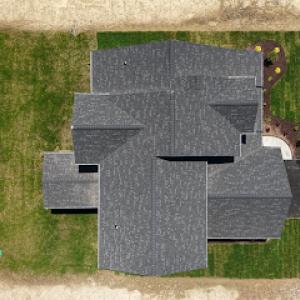
Top Roofing
(419) 262-2177 www.toproofingllc.com
Serving
5.0 from 118 reviews
Facing a leaky roof or considering a roof replacement? Top Roofing, Toledo's Top Rated Roofing Company, is here to be your trusted partner. We serve Toledo, Ohio and the surrounding areas, ensuring your home receives the best in roofing care. At Top Roofing, exceptional quality and customer satisfaction are paramount. Our professionals use only industry-leading materials and proven techniques, guaranteeing a roof built to withstand the elements. Worried about budget constraints? Top Roofing offers competitive pricing and flexible financing options to fit your needs. We believe a beautiful, reliable roof shouldn't break the bank. Let us create a customized plan that protects your investment while enhancing your property's value.

Holt Roofing Company
(419) 478-2900 holtroofing.com
Serving
4.7 from 169 reviews
Holt Roofing Company, Inc provides residential and commercial roofing installations and repairs, gutter installations, skylight installations for all types of materials including shingles, metal, flat, TPO, EPDM, PVC, modified bitumen, and roof coating in the Toledo, OH area.
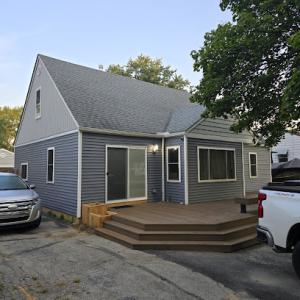
Recovery Remodeling
(419) 460-1483 www.recoveryremodeling.org
Serving
4.9 from 31 reviews
With over 25 years of contracting and home remodeling experience, we are confident as an insured and licensed contracting company. We can complete your project with the desired outcome, leaving you satisfied with the recent work performed. Our team is committed to delivering high-quality, affordable home renovation services with a customer-first approach. We prioritize honesty, clear communication, and fair pricing, making each project an enjoyable and engaging experience for our clients.
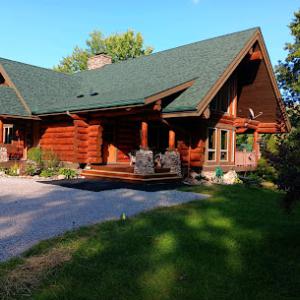
Phillips Residential Roofing
(734) 735-3296 phillipsresidentialroofing.com
Serving
4.9 from 63 reviews
Do you need a roof installed for your home or commercial building? Is your current roof in need of serious repairs? Phillips Residential Roofing can help with all of that and more. We provide a variety of roofing services in Temperance & Erie, MI. We can install roofs for new construction, replace roofs for existing structures or repair roofs to make them look as good as new. Get in touch with us now to speak to one of our residential and commercial roofing contractors about your project.
Manchester Roofing
(419) 269-1415 manchesterroofinginc.com
Serving
4.6 from 10 reviews
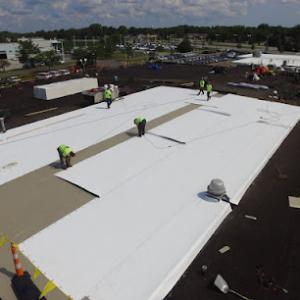
Manchester Roofing is a commercial and industrial roofing contractor serving Fremont, Findlay, Toledo, Ohio, and Southeast Michigan. We specialize in commercial roof repair, preventative maintenance programs, emergency leak repair, and full roof replacements for flat and low-slope roofing systems. Our team works with EPDM, TPO, PVC, metal roofing, roof coatings, flashing, and custom-fabricated metal. We partner with building owners, property managers, and facility managers to extend roof life, protect assets, and plan proactive roofing solutions. Manchester Roofing is known for responsive service, quality workmanship, 24/7 emergency roofing service, and customized maintenance memberships across Ohio and Michigan.
Perry's Professions
(419) 975-5382 perrysprofessions.com
Serving
4.8 from 19 reviews
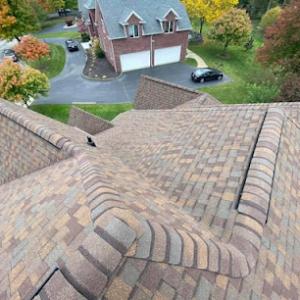
All your roofing, siding, window, door, home exterior & framing needs in one place. Repairs, replacement & maintenance provided by our experienced staff. We guarantee our quality work & offer it at an affordable price. Contact us for a free estimate today!
Roofing419 - Toledo Roofing Company
Serving
5.0 from 4 reviews
Roofing419 is a locally owned roofing contractor based in Toledo, Ohio, focused exclusively on residential roofing services. We provide roof installation, roof replacement, roof repair, and emergency leak repairs using reliable materials and skilled workmanship. Our services include asphalt shingle roofing, metal roofing, and storm damage insurance claims . We prioritize honest inspections, clear communication, and practical solutions for storm damage, aging roofs, and routine maintenance. Whether it’s a full roof replacement or a minor repair, our team works efficiently and carefully to protect your home. Free estimates are available, and we proudly serve homeowners throughout Toledo and surrounding areas.

Great Lakes Home Remodeling
(419) 279-8716 greatlakeshomeremodeling.com
Serving
4.5 from 295 reviews
With over two decades of experience in the home improvement and Stone Coated Metal Roofing industry our Team has the knowledge, skills, and licensing to handle many different home renovations and permanent home solutions for our customers. Our goal is to offer you dependable and permanent home improvement services and craftsmanship. We provide premium roofing and siding products such as Stone Coated Metal Roofing, insulated siding and architectural fiberglass shingles for customers throughout Ohio, Michigan, and Indiana.
In Temperance, asphalt shingles and metal roofing are the most market-supported options by homeowners and local installers. Asphalt shingles offer a reliable balance of protection and cost, while metal delivers longer life and strong resistance to winter moisture and wind-driven events. Tile and slate sit at substantially higher per-square replacement costs, often driving overall project budgets well above typical shingle or metal installations. When weighing options, consider how each material behaves under repeated freeze-thaw cycles, especially on slopes where ice dams can form and moisture can linger at eaves and rakes. For most homes in this area, a practical path often starts with asphalt or metal, with tile or slate reserved for upgrades where a long service life and distinct architectural style justify the premium.
Asphalt shingles commonly run from roughly 350 to 700 USD per square installed, depending on shingle quality, underlayment, and flashing needs. In Temperance's climate, upgrades such as higher wind resistance, algae resistance, or extended warranties can push the price toward the upper end of that range. Metal roofing tends to be 700 to 1,100 USD per square, reflecting panel systems, fasteners, and coatings that improve resilience against freeze-thaw cycles and moisture intrusion. Clay tile projects generally range from 900 to 1,700 USD per square, with concrete tile commonly between 800 and 1,500 USD per square; both require more robust deck and roof structure considerations to handle weight and temperature stress. If slate is pursued, costs commonly fall between 1,200 and 2,600 USD per square, with installation complexity and long-term durability driving the highest budgets. Fiber cement shingles offer a middle ground, typically 450 to 800 USD per square, combining reasonable performance with lower weight and quicker installation.
Freeze-thaw exposure intensifies the need for solid ventilation, flashing, and secure nailing during installation, and can also influence moisture-related deck repairs if existing sheathing shows signs of water infiltration after winter cycles. Moisture retention at the roof deck, especially on shaded or tree-covered sections, can affect underlayment and require additional inspection during the project. Storm-driven scheduling surges are a reality in this region, where abrupt winter storms or late-spring wind events can compress available labor windows and push scheduling out a few weeks. These elements can push project totals beyond base material pricing, even before accounting for any structural repairs that become apparent once old roofing is removed.
When planning, start with the lowest-cost winner that meets local climate demands-typically asphalt or metal-and plan for a mid-season inspection to catch any latent moisture issues early. If tile or slate is attractive for architectural reasons, build in extra contingency for structural assessment and potential decking work, as weight, freezing cycles, and careful installation drive both labor time and materials. For projects leaning on metal, specify coatings designed to withstand lake-influenced winters and consider standing-seam profiles for superior water shedding during rapid melt events. Ultimately, the choice should balance initial outlay, expected lifespan, and the ability to maintain proper ventilation and flashing to minimize ice dam risk and moisture accumulation.
The most popular roofing material in the US. Find pros who install, repair, and replace asphalt shingles.
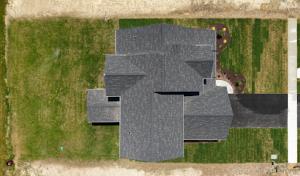

In this part of Monroe County, a full roof replacement generally isn't treated as routine maintenance. Most municipalities in the Temperance area require a building permit to proceed with a complete roof overhaul. The permit helps ensure the project addresses ventilation, flashing, and nailing comprehensively, which matters greatly for Temperance's cold, lake-influenced winters and the freeze-thaw cycles that stress roofs. If a project is flagged as minor or interim by a local inspector, you may encounter extra steps, but the main goal remains clear: verify that the roof system will shed moisture reliably and resist ice dams during harsh winters.
Contractors typically submit the permit package to the local building department, and processing times vary by jurisdiction within the Temperance area. Expect a review period that accounts for the roof type, ventilation strategy, and flashing details, especially on older homes with unique eave configurations or existing soffit vents. The package should include a roof plan, venting calculations, and a nailing schedule that aligns with the local code requirements. If the project uses complex materials or specialized underlayment, make sure those product approvals and installation methods are clearly documented to avoid delays.
Inspections are commonly scheduled after framing and underlayment are in place and again at completion. The first check focuses on structural readiness: framing integrity, proper installation of underlayment, and how the ventilation paths are designed to combat moisture buildup in cold months. A second, final inspection looks at the finished roof system for proper nailing pattern, secure flashing at valleys and penetrations, and the overall workmanship that prevents leaks during freeze-thaw cycles. In Temperance, inspectors will specifically note whether attic ventilation meets or exceeds minimum requirements and whether eave and ridge vents create a balanced flow that minimizes condensation and ice dam risk on the most exposed elevations.
If the permit process lingers, use the time to confirm that the chosen shingles or metal system, along with the underlayment and flashing details, have documented acceptance from the local jurisdiction. Double-check that the contractor's installation sequence includes timely sealing at all penetrations and a continuous nailing pattern that aligns with local code. For ice-dam-prone seasons, ensure the plan includes a vented attic strategy and a condensation-control approach, so the finished roof performs reliably through another harsh Michigan winter.
Temperance faces cold, Lake Erie-influenced winters and repeated freeze-thaw cycles that stress every roof surface. Ice dams and moisture migration are common concerns when attic ventilation isn't optimal or when flashing isn't solid. The dominant materials around town reflect a practical balance between durability, weight, and repairability under those conditions. Asphalt shingles remain familiar for many homes, while metal, clay tile, concrete tile, slate, and fiber cement provide options that respond differently to heat exposure, wind, and moisture. In this climate, how a roof breathes and sheds water matters as much as the surface finish.
Asphalt remains the workhorse for Temprance rooftops. It's versatile, easier to inspect after winter storms, and forgiving to repair. However, asphalt and its sealants age more quickly with accelerated summer UV exposure and heat, especially after winter stress. Choosing a higher-quality shingle with good UV resistance and ensuring proper attic ventilation and effective flashing reduces vulnerabilities to ice damming and moisture intrusion. When installed with careful nailing patterns and a solid underlayment, asphalt can deliver reliable protection in a home that experiences both cold snaps and hot summers.
Metal panels excel at shedding snow and resisting wind-driven moisture. They handle freeze-thaw cycles well and can reduce the likelihood of ice buildup along eaves if installed with proper insulation and ventilation. The lighter, cleaner profile of metal often suits tighter retrofits and steep pitches common on Temperance homes. Metal is a smart match where rapid snow release and minimal maintenance are priorities, provided the deck and fascia are solid and flashing is well-sealed.
Clay tile and concrete tile bring striking curb appeal and excellent longevity, yet their substantial weight can drive structural considerations. These surfaces resist freeze-thaw damage when properly installed, but storm damage or moisture issues can complicate repairs due to weight and fragility. If the existing roof structure isn't reinforced, tile options may not be ideal. When projects proceed, plan for careful integration with ventilation and flashing to manage water flow and ice formation at transitions.
Slate offers exceptional longevity and a timeless look, but it's among the heaviest options and costs can be higher to replace. Fiber cement shingles provide a more budget-conscious alternative with solid performance against moisture and heat, while still delivering a longer service life than basic asphalt. Both require attention to roof deck integrity and reinforcement where freeze-thaw cycles are punishing.
When choosing a material, balance weight, durability, and local storm resilience with the home's existing structure. Heavier systems like slate, clay tile, and concrete tile demand a compatible roof frame and careful moisture management to avoid reinforcing pre-existing moisture pathways. In homes with moisture issues, prioritize systems that tolerate temperature swings and promote rapid drainage, paired with robust ventilation and well-sealed flashing. For many properties, a well-ventilated attic, quality underlayment, and meticulous installation can extend roof life far beyond standard expectations, regardless of surface finish.
Temperance sits in a Michigan insurance environment with periodic hail- and wind-related claim activity rather than a constant-catastrophe pattern. That means your roof can be cited for freeze-thaw damage, moisture infiltration, or ice dam issues without always triggering a big, dramatic claim. Expect adjusters to scrutinize the age and condition of the roof, as well as visible wear from seasonal pressure, when a file opens. You are not facing a flood of claims, but you are navigating a system that rewards clear documentation and honest reporting of ongoing problems.
Homeowners benefit from keeping photo records, maintenance history, and tear-off documentation because adjusters may scrutinize condition and prior wear. When a storm or freeze event happens, you want a folder with dated photos showing where ice dams formed, where flashing appeared compromised, and where insulation or ventilation fell short. If a repair or replacement is underway, retain invoices, roofer notes, and any tear-off receipts. That documentation helps establish continuity of condition and can shape whether the insurer views existing damage as pre-existing or a new failure.
Coverage outcomes here can be influenced by state-level reforms and company-specific underwriting guidelines, especially for older roofs. If your shingles show high granule loss, flashing has shifted, or there are gaps around plenums and vents, expect closer scrutiny. An older roof that has had intermittent maintenance may be more susceptible to denials or reduced claim coverage in a later incident. Proactive maintenance and timely, well-documented repairs can help align your file with smoother adjuster decisions when a weather event tests the roof again.
In a climate shaped by freeze-thaw cycles, you are wise to pair moisture control with consistent upkeep. Address attic ventilation, manage ice dam risk during weighty snows, and schedule routine inspections after severe winters. Clear, organized records support your position when a claim arises, reducing surprises in the settlement process and helping keep coverage outcomes predictable through the ups and downs of Temperance's seasonal weather.
Local inspection emphasis on flashing makes penetrations such as skylights and chimneys a recurring concern during reroof projects. In Temperance, aging or improperly flashed skylights can trap moisture and create quiet leaks that show up only after freeze-thaw cycles. When assessing a roof, check that flashing courses terminate over high-slope shingles, not over vent flashing or roof seams. Look for loose or uplifted metal, sealant gaps at corners, and any adhesive deterioration where skylight flanges meet the roofing material.
Freeze-thaw movement and seasonal moisture swings in this market increase the importance of watertight detailing around roof penetrations. Water can seep behind skylight frames, refreeze, and widen gaps, producing slow leaks that worsen during spring thaws or heavy snow melt. Pay attention to the skylight curb height, the condition of the sealant joints, and whether the curb is properly integrated with the new roof edge. In cold snaps, even small gaps become pathways for water infiltration.
Skylights rarely fail in isolation; chimney flashing often mirrors the same vulnerabilities. Inspect the joint where the skylight flashing meets the chimney masonry or metal flashing. In Temperance, repeated thermal movement requires flexible sealants and continuous counter-flashing. If a chimney cap or cricket exists, verify its integration with the skylight area to prevent overlooked drainage routes.
Develop a seasonal checklist that prioritizes skylight perimeter cleanliness, loose fasteners, and visible gaps in sealant. Replace aging silicone or polyurethane around the skylight and retrofit with a continuous step-up flashing detail where feasible. Consider upgrading to a skylight with a drip edge or integrating an metal apron to channel water away from the curb during heavy melt periods. Regular proactive maintenance reduces the risk of ice dam-related leaks around penetrations.
Find contractors experienced in skylight installation, flashing, and leak repairs to bring natural light into your home.
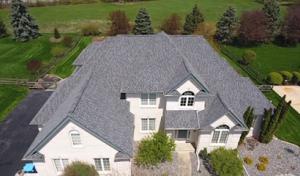
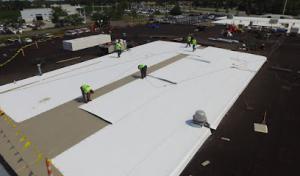
Low-slope roofing appears in the Temperance contractor mix but is clearly secondary to the area's dominant re-roofing market for pitched residential roofs. That means you'll find fewer specialists, but the options you do encounter can be high-quality when paired with the right maintenance plan. The limited emphasis on low-slope projects also means you should approach them with a cautious eye toward compatibility with existing attic ventilation, insulation, and the typical interior moisture load of SEM winters.
Moisture retention and freeze-thaw cycling make drainage performance especially important on low-slope roofs in this part of southeast Michigan. In practice, that means designing for rapid runoff after thaws, careful slope assessment, and robust edge details to keep water from ponding in corners or laps. A common pitfall is underestimating leave-behind debris or ice buildup near gutters, which can create hidden pockets of moisture that worsen ice dam risk once temperatures swing again. Expect to address scuppers, gravel stops, and internal drains proactively to avoid damage that mirrors the issues seen on steeper roofs after harsh winters.
Memorable options in this climate include segments of reinforced membranes and low-profile metal systems that can tolerate repeated freeze-thaw cycles when properly sealed and ventilated. If considering a coating approach, recognize that coatings are a minor specialty locally and most homeowners pursue full replacement or targeted repairs for longer-term reliability. For durability, prioritize systems with proven seam integrity, robust perimeter detailing, and compatibility with existing insulation and ventilation strategies. When evaluating warranties, look for coverage that explicitly addresses ponding, thermal cycling, and wind-driven moisture infiltration typical of Temperance winters.
Expect annual inspections focused on edge flashing, drip edges, and any penetrations that could become initiation points for leaks as temperatures swing. Moisture management should be reviewed after heavy snow events and thaw cycles, with attention to clog-prone drainage paths. A proactive approach-catching minor pooling or edge wear early-helps preserve the roof's performance through the region's challenging seasons.
Find specialists in TPO, EPDM, and built-up flat roofing systems for residential and commercial properties.