Last updated: Apr 19, 2026
Canby sits in the Willamette Valley climate pattern of mild, wet winters and dry summers, which creates repeated damp roof surfaces that support moss and mildew growth. That slow, steady moisture isn't just a cosmetic problem-it's a structural risk if the roof isn't actively managed. When moss blankets shingles, it traps additional moisture, cushions spores, and accelerates granule loss on asphalt, while metal roofs can corrode under persistent moisture at vulnerable seams and penetrations. The simple truth: a roof that looks fine from the ground can be quietly failing right above you, driven by damp air, shaded eaves, and lingering rain. Treat moss not as an aesthetic nuisance but as a red flag that tells you moisture is lingering where it shouldn't.
In Canby, winter rains and occasional freezing temperatures can turn small flashing or penetration defects into active leaks before replacement season opens up. That means a discreet drip at the kitchen ceiling or a damp spot along the wall can be the first sign of a more extensive problem. Moss isn't the only issue-fasteners, vent flashing, chimney cricket gaps, and valley intersections can all deteriorate under repeated freeze-thaw and persistent moisture. The result is a cycle: damp surface, minor defect, leak, repeat. If you've noticed a wetter attic, higher humidity in the living space, or dark streaks along interior walls, you're not imagining it-the roof is signaling distress, and delays only compound the damage.
Because the driest working window is typically late spring through early fall, many Canby homeowners are managing roofs through one more wet season before full replacement can be scheduled. That means practical, temporary mitigation matters as much as any long-term plan. If a full replacement is on the horizon, you'll want to prioritize addressing active leaks, flashing failures, and trapped moisture now, especially in shaded areas where moss thrives. Spot repairs may stop the immediate drip, but they won't cure widespread moisture intrusion caused by aging underlayment or compromised roof decks. Think of the wet season as a test period: any defect that leaks now is likely to leak more when spring rains resume.
Act quickly if you see moss encroaching on roof edges or in valleys, especially where shade from trees persists. Schedule a focused moss and debris removal to prevent premature wear, but avoid aggressive mechanical brushing that can lift shingles or loosen granules. Have a qualified roofer inspect flashing details around chimneys, skylights, and vent stacks; these are common leak paths that deteriorate quietly during damp winters. Pay attention to attic ventilation and insulation as well-poor ventilation compounds condensation and accelerates mildew growth on the underside of the roof deck. If you're nearing the end of the current wet season, prioritize securing vulnerable areas so the upcoming dry spell can facilitate a safer, more effective replacement when the calendar allows.
Spring timing is the most practical window for a full tear-off in this area. The late spring through early fall pattern aligns with the Canby Building Department's typical inspection cadence and minimizes the risk of weather delays. Start planning once soil and air temps consistently rise above freezing and daily rain totals begin to ease. A tight schedule during this window helps avoid the unpredictable pull of late-wall and early-fall storms that can disrupt work and push projects into the next season.
During the wet months, especially through winter, tear-off and dry-in become more challenging. Roof replacement in Canby is concentrated into late spring through early fall because the city's wet winters make tear-off, dry-in, and inspection scheduling less predictable. If a project must begin in late fall, anticipate faster-than-expected rain events and plan for extra protective measures on exposed sections. The goal is to secure a weather-compatible dry-in window before the approaches of winter storms, so interior moisture intrusion is minimized and shingle laps stay secure.
Spring storms and windy conditions in the area can interrupt open-roof work and blow debris onto partially completed sections. When planning, factor in the likelihood of sudden gusts or short-duration downpours that can force crews to cover and re-secure underlayment or shingles. Communication with the crew should include clear criteria for pausing work, securing materials, and protecting interior spaces. If a wind event is forecast, consider staging components on the driveway or yard in a sheltered area to prevent wind-driven damage to exposed edges.
Midspring through early summer offers the best balance between predictable weather and progress pace. This window typically avoids the heaviest winter rains while providing enough warmth for practical adhesive set times and shingle installation. Try to align the schedule with a stretch of drier days, and build a buffer for potential weekend or holiday interruptions. A well-paced sequence-tear-off, underlayment, minor repairs, drip edge, and first layer of shingles-keeps the roof surface protected long enough to prevent moisture intrusion without exposing the structure to extended wet conditions.
Fall moisture and leaf buildup in Canby can affect both moisture control during installation and the timing of final inspections. As leaves accumulate, gutters and downspouts need closer attention to prevent clogs that compromise drainage and moisture management during installation. Plan for additional cleanup steps and temporary containment so debris does not hinder the work or compromise substrate. Inspections in this season can be more sensitive to moisture spots and the condition of flashings after leaf fall, so ensure that critical flashings are fully sealed and accessible for inspection once the final layer is installed.
In practical terms, coordinate a phased schedule with the roofing crew that matches reliable weather forecasts and accommodates typical Canby variability. The goal is to complete tear-off and dry-in during a continuous stretch with minimal weather interruptions, then finish the final overlaps, sealants, and flashing ahead of any early fall rain risk. A thoughtful sequence minimizes moisture exposure, reduces the chance of backtracking for repairs, and keeps the project moving toward a smooth inspection and a secure, weather-tight roof.

Royce Roofing
(503) 902-0629 www.royceroofingllc.net
Serving
5.0 from 30 reviews
We are your region's premier choice for high quality roofing contractor services. Our experts bring more than twenty five years of experience to each project. Royce Roofing in Woodburn, OR is fully licensed (CCB # 208011) as well as being bonded and insured. Our services include roofing installation, replacement and repairs. We work with a variety of roofing materials to ensure you get just what you need for your property. We also offer gutter installation and cleaning, downspout cleaning, moss removal and pressure washing. Our contractors provide siding installation and repairs. We provide emergency roofing services, temporary tarpaulin services and much more.

Five Star Homes
(971) 451-6850 fivestarhomesnw.com
Serving
5.0 from 67 reviews
At Five Star Homes, we are a trusted roofing and painting company based in Portland, OR. Our team is dedicated to providing top-quality services to homeowners and businesses in the Portland and Beaverton areas. With our commitment to excellence and years of experience in the industry, we offer a range of roofing services, including repairs, maintenance, and installations. We also provide general home contracting services, such as indoor painting, renovations, and more. We take pride in delivering durable and aesthetically pleasing results tailored to the unique weather conditions and architectural styles of the Portland area. Rely on us as a home or property owner for exceptional service and outstanding results. Contact us for a quote!
C&V Roofing & Construction
(503) 756-5030 cvroofingandconstruction.com
Serving
4.9 from 47 reviews
Roofing Installation, emergency roof repairs - roofing needs.
United Construction & Roofing
(971) 379-7163 www.unitedconstructionroofing.com
Serving
5.0 from 78 reviews
United Construction & Roofing are trusted Beaverton roofing contractors specializing in expert residential and commercial roofing services throughout the Portland Metro area. We specialize in roof installation, repair, replacement, and maintenance for asphalt shingle, standing seam metal, and TPO roofing systems. Whether it’s a roof leak repair, storm damage restoration, or a full roof replacement, our team delivers professional service that is fast and reliable. We prioritize quality craftsmanship, exceptional customer care, and durable results for every project. That’s why so many property owners turn to us when searching for top-rated Beaverton roofing companies that truly stand apart. Contact us today to schedule your free consultation.
Ckb Services
(971) 444-2121 www.ckbservicesllc.com
Serving
5.0 from 200 reviews
CKB SERVICES specializes in roof installation and repair. We also offer an array of roof cleaning and moss removal, but we also offer a variety of exterior and interior cleaning services. Every job is an opportunity to establish a new relationship, showcase our talents, and solidify our position in the community as a reliable roofing and cleaning company. We respond quickly to customer requests, for estimates and job starts. We have earned our great reputation for the exceptional services we provide and attention to detail. We also paint all types of projects — interior and exterior residential, commercial, public, and industrial buildings.
Pacific West Roofing
(503) 635-8706 pacificwestroofing.com
Serving
4.8 from 139 reviews
Looking for a reliable, energy-saving roofing solution in the Portland area? At Pacific West Roofing, we help you protect your home and lower your bills with expert roof repairs and replacements designed for lasting comfort. We specialize in affordable, eco-conscious roofing tailored to your home—from urgent repairs in Oregon City to full replacements in Lake Oswego. Serving Wilsonville, Canby, and all surrounding communities, our local team ensures durable, quality workmanship you can trust season after season. Your comfort and peace of mind come first. Let’s keep your home secure and efficient year-round. Contact us today for a trusted roofing partner. #RoofingCompany #RoofRepair #RoofReplacement #PortlandRoofer #EnergyEfficientRoofing

Keller Roofing
Serving
5.0 from 19 reviews
Locally Owned and Operated Oregon City based Roofing Company. Licensed Bonded and insured. Offering Roofing tear off and installation of Comp shingles and standing seam metal roofing. Fence removal and Installation, and siding repair or replacement
Peak Performance Roofing
(971) 979-7325 peakperformanceroof.com
Serving
5.0 from 206 reviews
Peak Performance Roofing is a local, family-owned business specializing in full replacements of roofing, siding, and windows, as well as exterior painting. We proudly serve Portland and it’s surrounding areas.

Highland PDX Roofing
(503) 867-9246 highlandroofingpdx.com
Serving
5.0 from 5 reviews
Discover Highland PDX Roofing, an esteemed family-owned roofing company in the heart of Portland. We proudly cater to all your residential roofing requirements, offering expert renovation, cleaning, inspection services, and various siding solutions. Trust us to handle every aspect of your roofing needs, as we strive for quality and precision in every project we undertake.
Tilly's Roofing Repair
(503) 638-1096 www.tillysroofing.com
Serving
4.8 from 29 reviews
At Tilly's Roofing Repair & Construction, we're a father-and-son team with over 25 years of experience keeping roofs strong and reliable. As a family-owned business, we take pride in offering top-quality roof repairs, new installations, and full maintenance services. We're fully licensed, bonded, and insured, so you can trust us to get the job done right. Your home deserves the best, and we’re here to help. Give us a call today!
Mr Roof Pro
Serving
5.0 from 14 reviews
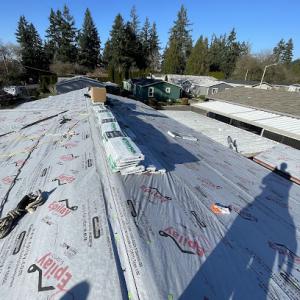
We are professional roofing company, we offer services like roof replacement gutter cleaning, roof cleaning, moss removal, moss treatment, roof repair, gutter repair.

Guardian Roofing, Gutters & Insulation
(503) 299-1260 www.guardianroofing.com
Serving
4.9 from 427 reviews
Since 2005, Guardian Roofing, Gutters & Insulation has been the trusted partner for top-of-home solutions in Wilsonville, OR, and throughout the Pacific Northwest. With nearly two decades of experience, our award-winning team specializes in roofing, roof repair, gutter installation and repair, K-Guard clog-free gutter systems, masonry, and attic insulation. As an Owens Corning Platinum Contractor—an honor held by only 1% of roofing contractors nationwide—we offer unmatched craftsmanship and extended warranty protection for the life of your roof. Every project is driven by honesty, precision, and a commitment to doing it right the first time. Schedule your service today and experience the Guardian difference!
In this damp Willamette Valley pattern, roofing choices must account for moss, moisture, and the timing of upgrades. The dominant roofing materials used by Canby homeowners are asphalt shingles, metal roofing, clay tile, concrete tile, wood shingles or shakes, and synthetic or composite shingles. Surface maintenance and drainage behavior become especially important when comparing these systems, since Canby's wet seasons invite moss growth and potential slip hazards on slopes. Heavier tile systems in older homes deserve careful evaluation, because a re-roof may require more than a simple like-for-like tear-off decision.
Asphalt shingles remain a practical default for many Canby roofs because of balance, ease of repair, and availability. In a climate with frequent damp periods, surface cleaning and a good underlayment strategy matter more than in drier regions. When choosing asphalt, consider darker colors with better infrared resistance to limit dew deposition in shady spots, and ensure the roof's drainage plan channels water away from weakened seams or edge details. For homes with nearby trees, a well-sealed drip edge and clean gutters help curb moss-friendly moisture pockets along eaves. Regular moss mitigation and proactive cleaning during the shoulder seasons can extend the life of an asphalt roof, particularly where shade from mature maples and pines is common.
Metal brings durability and rapid shedding of moisture, which is advantageous in Canby's damp climate. A metal roof can resist moss growth on the surface if panels are installed with proper fastener sealing and continuous panel edges. Pay attention to edge detailing and valley performance, as moss can accumulate at high-precipitation junctions if drainage isn't optimized. Metal's reflective surface can reduce heat buildup in attic spaces, but edge heat and ice melt considerations should be reviewed for homes with limited overhangs or heavy tree canopy. Maintenance primarily centers on keeping fasteners sealed and inspecting for any panel deformation after storms.
Clay tile handles moisture differently and offers a long lifespan when properly installed. Its weight means structural evaluation is essential, especially on older Canby homes. Tile roofs shed rain effectively, but moss can establish itself in the joints and beneath chipped tiles where water pools. Roofers should verify underlayment compatibility and ensure solid roof deck attachment with the added load. If upgrading to clay, plan for careful inspection of roof framing and potential reinforcement, since a re-roof may exceed standard tear-off scope on certain vintages of construction.
Concrete tile shares many traits with clay: long lifespan, generous water shedding, and substantial weight. In rain-heavy seasons, drainage design and gutter capacity are critical to prevent water backup under overhanging eaves. Concrete tiles tolerate moss reasonably well when kept clean, but cleaning routines must address the rougher surface texture that can trap organic debris. For Canby homes with limited attic ventilation, the roof's thermal response and moisture migration should be considered in the replacement plan.
Wood shingles or shakes provide a traditional look but demand vigilant maintenance in damp environments. Moss and mildew can colonize shaded surfaces, accelerating decay if moisture remains tucked beneath the surface. A weathered, dry canopy installation helps, but wood requires more frequent inspection of flashing, fasteners, and surface coatings. If a wood roof is considered, ensure a robust maintenance schedule and a plan for proactive moss control to protect the integrity of the decking and underlayment.
Synthetic or composite shingles offer versatility in texture and color, with potential Moss resistance advantages depending on the synthetic composition. These materials can mimic the appearance of wood, tile, or slate while providing a more forgiving weight profile in some configurations. Regular cleaning and inspection routines should focus on debris retention and drainage behavior, since Canby's moss pressure can otherwise create hidden moisture pockets. Synthetic options can be tailored to balance surface hardness, flexibility, and resistance to moss-related wear, matching the home's framing and eave details for robust performance during wet seasons.
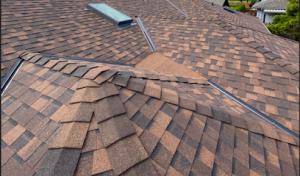
During re-roofs, Canby inspections commonly verify flashing and workmanship, making leak-prone transitions a major local concern. Skylights, chimneys, and roof-to-wall interfaces are often the first spots to show trouble when a roof is compromised or water management isn't precise. In a town shaped by long damp seasons, even a small misstep at these points can turn into a slow drip that erodes decking and invites mildew. When a contractor cuts corners on these details, the result is not just a stain-it's a path to recurring leaks that haunt you through wet months.
In the rainy season, the details most likely to reveal weaknesses are the skylight wells, chimney bases, and the transitions where the roof meets the wall. Canby's moisture pattern pushes water laterally across small gaps, so a tiny seam or under-flashed edge can become a bigger problem than a visible shingle issue. If the roof line overhangs a bit but the flashing isn't fully sealed and caulked, you'll see what looks like a simple drip turn into a damp spot spreading along rafters. Pay special attention to these areas during inspection checklists and gutter cleanout cycles.
Cold wet weather in Canby can complicate flashing installation quality, especially when crews are trying to work around winter rain or freezing conditions. Flashing materials can stiffen, caulking can fail to seal, and mortar-like sealants may not cure properly in persistent damp cold. If a replacement is scheduled in late fall or winter, the risk of a regrettable, premature leak increases. Scheduling timing to avoid peak winter storms helps, but when a winter project is unavoidable, insist on ample attention to clean, dry substrate and meticulous seam work before the first freeze.
When planning a re-roof, prioritize a clear plan for skylight, chimney, and wall transition flashing. Request detailed diagrams, confirm the flashing steps with the contractor, and ask how they manage work during wet weather. If you notice shingles displaced near these features after a storm, don't wait for a dry spell-have the flashing rechecked promptly. In Canby, keeping moisture at the front of the plan reduces the chance of long-term damage and keeps the home safe through the wet months.
Find contractors experienced in skylight installation, flashing, and leak repairs to bring natural light into your home.
West Coast Roofing
(503) 651-9032 www.westcoastroofingllc.com
1460 N Maple St, Canby, Oregon
4.5 from 45 reviews

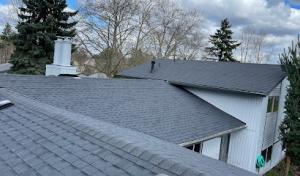
Before lifting a shingle bundle, verify that a full re-roof requires a building permit. In Canby, the permit process is handled by the Canby Building Department, so your first stop is the permit desk to confirm whether your project needs a permit based on roof size and materials. Do not assume; even small framing or structural changes attached to the roof line can trigger reviews. If a permit is needed, gather the required site plan, material specification, and contractor information to avoid delays. The department emphasizes timely submission because the late start can push your project into restricted weather windows and complicate inspections.
Inspections are scheduled after installation begins and again after completion, when the roof is in place and cap sheets or final flashing are visible. The Building Department typically coordinates the inspection timeline with you and the contractor, so expect a day and a specific window for the visit. Plan your project so that the inspection slot aligns with a dry day and a finished edge detail, because inspectors focus on workmanship and finish connections rather than waiting for minor touch-ups. If you need to reschedule, contact the department promptly to avoid a hold on occupancy or final approvals.
Expect the inspection to verify flashing around penetrations, roof-to-wall transitions, and any skylight or vent details. Ventilation adequacy is a common focus, ensuring soffit and ridge lines are balanced to manage moisture-critical in the long damp seasons that Canby experiences. The inspector will also assess overall workmanship, including shingle alignment, proper nailing patterns, and correct sealing at eaves and underlayment. If the design includes unusual features-such as irregular dormers, complex valley configurations, or unusual materials-plan reviews may be routine but can take a bit longer. Respond promptly to any department comments to keep the project on track.
Because Canby's climate concentrates moisture during the wet season, schedule the permit submittal and final inspections within a window that aligns with dry, moderate weather. Early coordination with the Building Department helps secure necessary review without delaying installation. If a plan review is needed for unusual features, allow additional lead time so that the final permit is issued before significant roofing work begins. Keep the contractor's inspection readiness checklist on hand to minimize revisit requests and ensure a clean, conforming installation for the final approval.
Typical Canby material pricing runs about 350 to 550 dollars per square for asphalt shingles, 700 to 1100 for metal, 1000 to 1800 for clay tile, 1100 to 1900 for concrete tile, 450 to 900 for wood shingles or shakes, and 550 to 900 for synthetic or composite shingles. Those ranges reflect the local option mix you're most likely to encounter when talking with Canby-area roofers who know the damp Willamette Valley pattern and the way it affects installation details, underlayment choices, and long-term performance. If a bid comes in outside these bands, expect explanations tied to steeper slopes, added dry-in measures, or unique deck framing.
Pricing can rise when homeowners try to book during the late spring through early fall peak replacement window, when most local re-roofing demand is concentrated. The tight schedule means crews are busier, material lead times tighten, and several contractors may be competing for the same slots. If you're aiming for a late spring start, factor in the possibility of slight price bumps and the need for flexible timing around pre-inspections and weather windows.
Wet-season scheduling in Canby can increase labor complexity because crews may need extra dry-in planning, debris protection, and return visits around rain interruptions and inspections. Work during damp months often involves more tarps, temporary drainage strategies, and careful membrane sealing to keep interior spaces dry during a rain event. You'll see the most value from choosing a contractor who has a proven plan for rapid dry-in and effective debris containment, even if the upfront bid is a touch higher. If you can book mid-to-late spring, you'll typically secure a smoother process with fewer rain-related delays and less need for intermittent returns.
Don't let upfront costs delay a critical repair - these contractors offer payment plans to fit your budget.

After a storm or hail event, Oregon roof claims are common, and insurers will likely ask for photos, roof age, and material details. Canby homeowners should prepare for a rapid information request and be ready to document damage before it worsens. Weather in the north Willamette Valley can turn a small issue into a bigger leak fast, especially on roofs with aging shingles or delicate metal edges. If a claim looks straightforward, lenders and adjusters still expect clear evidence of impact, wind-lift, and any moisture intrusion.
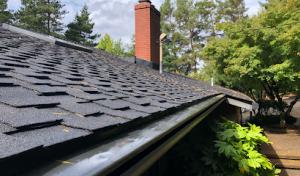
Canby's spring storms and windy conditions can create debris impact, lifted edges, and water-entry issues that are not always obvious from the ground. Take wide and close shots of all exposed surfaces, gutters, vents, and chimney flashing. Photograph any granule loss, cracked shingles, or pulled-up edges, as well as interior signs of moisture near ceilings and walls. Keep a dated log of the storm timeline and note any nearby trees or branches that could have contributed to damage. Save receipts for temporary tarp or protective measures, since insurers often consider mitigation steps part of the claim process.
Coverage for a Canby roof damage depends on policy terms and the specific local weather event, so documentation should start immediately after a storm. Contact the agent promptly, and ask for an adjuster visit timeline. If an inspection is delayed, store all documentation in a single place and continue capturing any changes in condition. Communicate clearly about roof age, material details, and evidence of new leaks, since these factors shape the claim decision. In complex cases, a licensed local inspector can provide an independent report that supports the claim. Acting quickly reduces the risk of further water intrusion and strengthens the repair or replacement case.
Find local contractors experienced in assessing and restoring roofs after hail, wind, and severe weather events.
United Construction & Roofing
(971) 379-7163 www.unitedconstructionroofing.com
Serving
5.0 from 78 reviews
In this climate, the real value of a roof warranty hinges less on the tile or shingle itself and more on how it was installed. In your area, Canby inspections specifically check flashing, ventilation, and workmanship, so warranty value is closely tied to installation quality rather than material alone. A sound warranty should reflect thorough attention to these details, with clear terms about what is guaranteed and for how long.
Workmanship defects tend to reveal themselves first at penetrations, vent conduits, and flashing details, especially through a damp Willamette Valley season. If moisture breaches a seam or a corner flash, the resulting leaks can show up long before the material fails. A contractor who documents their workmanship with meticulous flashing calculations, venting layout, and a step-by-step installation log gives you a stronger avenue to address problems without tearing the roof back down.
When evaluating bids, pay close attention to who backs the installation warranty and whether manufacturer-backed coverage is available. A robust installation warranty from a reputable local contractor, paired with manufacturer coverage for specific components, offers the best protection against wind-driven leaks, moss-related moisture intrusion, and eventual deterioration around penetrations. Ask for written specifics: what is covered, what voids the warranty, maintenance requirements, and the claim process. In practice, the strongest warranties align with a clearly stated maintenance plan, regular inspections, and a commitment to standing by workmanship during the challenging wet season that Canby experiences every year.
In this area, flat and low-slope roofs over additions, porches, and attached structures face moisture challenges that are less common on steeper main roofs. The damp weather pattern drives more moss, mildew, and leak risk on these surfaces, and drainage paths can clog or misdirect under heavy rains. When a low-slope roof sits adjacent to a taller main roof, the flashing details become critical for long-term performance. A small misalignment in edge flashing or improper termination against a wall can channel water into concealed spaces, where damage may go unnoticed until a leak appears. Because these sections often lack the same wind exposure and snow load dynamics as the primary roof, a dedicated, detail-focused approach helps prevent slow leaks that degrade decks, ceilings, and interior finishes.
When you plan work that includes low-slope roofs, treat the scope as a separate project from the main roof. Materials and detailing differ: you may need edge flashings that terminate into vertical walls, counter-flashing over counter-flashing, and specialized drainage considerations that align with the adjacent structure's flashing plane. The transition between a steeper main roof and a flat or low-slope section should be carefully lined up to avoid a water trap at the joint. Consider using flashing sleeves, scuppers, or internal drains tailored to low-slope geometry, and verify that the insulation and vapor retarders are compatible with the added roof plane. In Canby's damp months, adding a deliberate slope and ensuring clean, unobstructed drainage paths helps minimize standing water and moisture infiltration.
Local work often involves contractors who regularly handle both home-level roofs and additions. Because low-slope areas concentrate moisture risk, insist on a two-layered inspection approach: one set of checks for the primary roof and a focused review for the low-slope sections. Ask for explicit notes on flashing terminations, sealant choices, and the compatibility of joint peripherals with existing exterior walls. Good coordination between the main roof crew and the addition crew reduces the chance of overlooked overlaps and ensures that moisture pathways stay clear. This careful separation of scopes supports durable performance through Canby's wet-season cycles.
Find specialists in TPO, EPDM, and built-up flat roofing systems for residential and commercial properties.
United Construction & Roofing
(971) 379-7163 www.unitedconstructionroofing.com
Serving
5.0 from 78 reviews