
Last updated: Apr 19, 2026
The cold, snowy winters here create repeated freeze-thaw cycles that turn attic heat loss into eave ice buildup. When snow piles along the roof edge and heat leaks upward, the cycle melts a stripe of snow near the edge, which refreezes into hard ice dams that push water under shingles and into soffits, fascia, and ceilings. This is not theoretical in this market-it's a repeat pattern that locally targets attic vents, roof edges, and valleys. If attic insulation or air sealing is lacking, the danger climbs quickly after a few heavy snows and several overnight freezes.
Homes in this area often face moisture problems at roof edges, valleys, gutters, and around penetrations after snow sits and then refreezes overnight. Ice dam formation starts at the eave and travels up the roof as meltwater refreezes, backing up under shingles and causing leaks into the attic and second-floor ceilings. Valleys collect meltwater that can back up under flashing if drainage is obstructed or if the valley is undersized for the load. Penetrations around vents, pipes, and chimneys are common leakage points once ice dam pressure builds. The combination of tight homes with dense neighborhoods and a landscape that traps cold air means moisture problems can show up quickly after a storm cycle.
Because local permit review emphasizes venting, ventilation details are especially important in roof replacements tied to winter leak prevention. Poor attic ventilation creates a hot, moist attic space in winter, accelerating snowmelt and feeding dam formation. A well-designed venting plan should ensure a balanced intake at the soffits or lower areas and exhaust near the ridge, with attention to baffles and insulation to prevent warm, moist air from reaching the roof deck. In Wexford, where snow sits for longer periods, adequate continuous venting reduces the likelihood of ice dam development and helps keep edge shingles dry and intact. Ventilation must align with the roof's slope, attic space, and any soffit configurations to work during the toughest winter days.
Attention to roof edges is non-negotiable. Ensure eave and rake edges are protected with properly sized drip edges and ice/water shield underlayment to channel meltwater away from the fascia. Valleys require robust flashing and compatible sealant systems because water concentrates there during thaw-refreeze cycles. Around penetrations-antennas, vent stacks, and chimney flashing-double-check that flashing integrates with the underlayment and roof deck. In this climate, a careful, code-conscious installation that prioritizes continuous barriers against water entry pays dividends for decades and reduces the need for emergency repairs after big storms.
Inspect before the next heavy snow: verify insulation quality in the attic, check for obvious air leaks around wiring and plumbing penetrations, and ensure soffits are clear for proper airflow. If planning a replacement, insist on an integrated package that prioritizes attic ventilation, high-quality underlayment with ice and water shield at eave edges and in valleys, and flashings that seal around penetrations. After snowfall, keep gutters and downspouts clear to maintain drainage paths, and avoid letting snow accumulate excessively near eave lines. In a region where a few inches can become hazardous overnight, proactive prevention and precise installation are the difference between a dry home and a winter leak nightmare.
After spring storms roll through the North Hills, heavy rain and wind can expose older shingles, ridge caps, flashing, and tree-adjacent roof sections in a hurry. That exposure isn't just cosmetic: it opens pathways for water intrusion, ice dam formation later in the season, and accelerated moisture damage in attics and ceilings. If you hear wind-driven rain or notice shingles lifting, address the vulnerable areas without delay. A temporary cover or careful pruning of overhanging branches can reduce further impact during the next round of storms, but the goal is to minimize open seams and gaps that let water in.
The regional insurance environment relies heavily on adjuster documentation, so your photo records matter more than ever. Start a quick, disciplined d immage log: date, time, weather conditions, a wide shot of the roof, close-ups of damaged flashing, ridge lines, and any tree contact. After wind or hail events, arrange for a professional inspection as soon as it's safe. If shingles are curling, granules are missing, or you see flashing corrosion, capture those specifics in multiple angles. This evidence will shape evaluation, determine repair versus replacement needs, and support timely claim processing.
Local contractor activity shows a strong tilt toward emergency repair and storm damage work, underscoring that weather-driven roof calls are a major homeowner concern. If shingles or flashing fail during a storm, you should not wait for a full repair plan to begin protection. Use tarps or high-grade roof film to secure exposed areas, especially over ridge caps and valleys where ice dams can form later. Maintain a path from the roof to a dry interior, ensuring no water pools around vents or exhausts. Document any temporary solutions with photos and notes to demonstrate proactive protection to the insurer.
When coordinating a post-storm assessment, request a two-part review: an immediate safety check to confirm there is no active leakage or structural risk, followed by a thorough roof and attic moisture evaluation. Focus on vents, chimney details, flashing joints, and the condition of the worst-impacted sections first. If insulation or decking shows moisture staining, flag it early with the contractor and the adjuster so it's included in the claim scope. Prompt action protects the home's interior and streamlines the path to a proper recovery.
Find local contractors experienced in assessing and restoring roofs after hail, wind, and severe weather events.
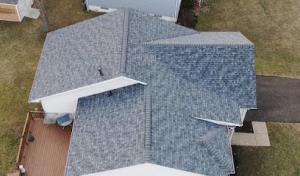
Watertight Roofing Systems
(844) 448-7663 www.watertightroofingsystems.com
5923 Pavillion Ct, Wexford, Pennsylvania
4.8 from 20 reviews
MAT Roofing formerly M.A. Thompson Roofing
(412) 487-3337 www.mathompsonroofing.com
Serving
5.0 from 100 reviews

Roof-Tastic & Beyond Exteriors - Pittsburgh
(412) 822-9650 pennsylvania.rooftastic.com
Serving
5.0 from 58 reviews
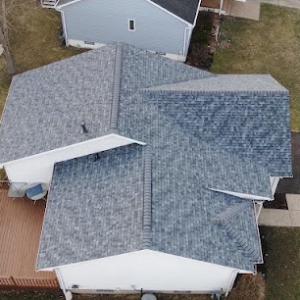
Watertight Roofing Systems
(844) 448-7663 www.watertightroofingsystems.com
5923 Pavillion Ct, Wexford, Pennsylvania
4.8 from 20 reviews
At WaterTight Roofing Systems, LLC our mission is to serve the community both commercially and residentially with the most qualified, uncompromising workmanship and service. We work with dedication and integrity as we strive for a position of leadership in the roofing industry. We boast 40+ years of combined experience serving the Western Pennsylvania and Northeast Ohio areas in the Home Improvement business.
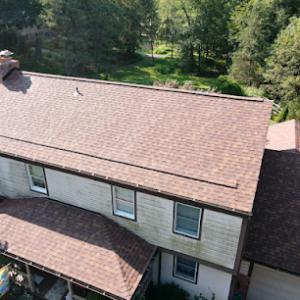
Blue Chip Roofing
(412) 903-7176 www.bluechiproofingllc.com
Wexford, Pennsylvania
5.0 from 8 reviews
At Blue Chip Roofing, founded by two cousins from Western PA, we bring 15 years of experience to every roofing and siding project. Serving both commercial and residential clients, we pride ourselves on our community roots and commitment to integrity. We deliver honest, responsive service and ensure top-quality craftsmanship using only the best materials. Our focus on excellence sets us apart in the industry.

Schultheis Bros. Heating, Cooling & Roofing
(724) 831-2379 www.schultheisbros.com
Serving
4.9 from 13 reviews
Schultheis Bros is a premier Heating, Cooling & Roofing contractor established in 1946. We are a third generation family owned business who prides themselves on providing quality services. We provide FREE estimates on new install quotes for HVAC equipment, gutters, roofing, and siding.
Real Roofing
(724) 888-7325 www.getrealroofing.com
Serving
4.9 from 52 reviews
Real Roofing: Your Trusted Pittsburgh Roofing Company Looking for a reliable roofing company in Pittsburgh? We offer comprehensive roofing solutions for your home or business. Specializing in roof replacement, repair, and installation for all roof types, including shingles, synthetics, metals, and natural materials. We also offer gutter and siding installation services to enhance your home's exterior. At Real Roofing, we prioritize transparent communication, quality assurance, and preventative measures. Our team of certified professionals creates customized plans to address your specific needs, ensuring a professional quality finish that reflects our mastery of the craft. If you want an honest roofing service, get in touch today!
MAT Roofing formerly M.A. Thompson Roofing
(412) 487-3337 www.mathompsonroofing.com
Serving
5.0 from 100 reviews
M.A Thompson Roofing has been providing homeowners in the North Hills of Pittsburgh with great roofs for nearly 50 years. We specialize in asphalt shingle re-roofing, ensuring your home is protected with top-quality materials that stand the test of time. But we don't stop there – our expert team also offers gutter cleaning and other adjacent services to keep your roof in great form for decades to come. What sets us apart? Our commitment to excellence. We provide you with peace of mind that your roof is built to last. With a rich history of repeat satisfied customers, we take pride in delivering the best quality in Northern Pittsburgh.

Roof-Tastic & Beyond Exteriors - Pittsburgh
(412) 822-9650 pennsylvania.rooftastic.com
Serving
5.0 from 58 reviews
We are Roof-Tastic & Beyond Exteriors, proudly serving Pittsburgh, PA, and the surrounding areas. We specialize in residential roofing, siding, windows, gutters, and more. With an A+ BBB rating and a customer-first approach, we’re committed to delivering exceptional work and service you can rely on. We’re offering 15% off all services and low montly investment options available. Give us a call to book your free inspection and get a same-day estimate.
Dynamic Roofing Solutions
(412) 407-7927 www.dynamicroofingpittsburgh.com
Serving
4.9 from 147 reviews
Our mission is to provide the highest quality, most reliable roofing solutions for homeowners in our community by combining expert craftsmanship, a holistic approach to home protection, and unmatched customer service. We aim to build lasting trust by ensuring every project is completed with integrity and care, reflecting our commitment to excellence on every roof we work on. Pledge to Our Customers: Hiring Dynamic Roofing Solutions means you are choosing a team that is committed to your complete satisfaction, from the first call to the final cleanup. Holistic Expertise: We look beyond just the shingles, understanding how your roof interacts with your home's entire system, including drainage, ventilation, and much more! Call us today!
Bradley's Roofing & Home Improvements
(724) 847-0373 www.bradleysroofing.com
Serving
5.0 from 37 reviews
Bradley's Roofing and Home Improvements, Inc. is a local, family owned business since 1980. We install all types of ROOFING, as well as SIDING, GUTTERS, DOWNSPOUTS, LEAF COVER, SIDING, WINDOWS, DOORS AND BLOW IN INSULATION. Our employees are all certified and payroll based. The owner is present on each and every job to give you that personal service that is missing in today's service industry. We would appreciate the opportunity to earn your business. 724-847-0373
Knockout Home Solutions
(412) 545-6776 www.knockouthomesolutions.com
Serving
5.0 from 82 reviews
Knockout Home Solutions is your go-to partner for roofing, siding, gutters, solar, and home inspections in Pittsburgh, PA. From roof replacements to siding repairs and gutter installs, we protect your home against the elements with quality craftsmanship and dependable service. We also specialize in new construction and builder warranty inspections, helping you catch issues early and work with your builder to get them resolved. Whether you’re maintaining an older home or settling into a new build, we make the process easier—so you can focus on enjoying your home, not stressing over it.
Buccos Roofing
(724) 973-3101 buccosroofing.com
Serving
5.0 from 124 reviews
As a leading roofing contractor in Cranberry Township, Buccos Roofing is committed to delivering premium roofing solutions for residential and commercial properties. Our expert team provides services such as roof repairs, replacements, and maintenance using top-grade materials for long-lasting durability. We ensure each project is completed on time and within budget, tailored to meet your unique needs. Whether you're dealing with storm damage or upgrading your home, Buccos Roofing has you covered. Contact us today for a free consultation, and let us help protect your home with a reliable, professional roofing system you can trust. Call now or schedule your appointment online to experience the Buccos Roofing difference!
Empire Roofing & More
(412) 484-3528 www.empireroofingandmore.com
Serving
4.9 from 240 reviews
Empire Roofing & More provides specialized roofing services, roof repair services, siding installation, siding repair, specialized siding services, trim and facia services, gutter installation, gutter protection systems, and gutter maintenance and repair to the Allison Park, PA area.
Maverick Roofing
(412) 496-4080 www.maverickroofs.com
Serving
5.0 from 31 reviews
Maverick Roofing is an experienced, dependable, and honest Pittsburgh roofing company. We pride ourselves on great communication & hard work at great value. Whether we are repairing a storm damaged roof or replacing the roof on your home- you can count on us. Maverick has got your 6.
Asphalt shingles dominate practical replacements in Wexford, offering a reliable balance of cost, install familiarity, and decent warranty coverage. For most suburban roofs with a mix of slopes, they shed snow and rain effectively when paired with proper underlayment and a well-designed drip edge. The key is choosing a shingle with good granule adhesion and a compatible underlayment system that can handle freeze-thaw cycles. In steeper sections, ensure fasteners are installed per manufacturer specs to prevent lift-off during wind events and heavy snows. A correct attic ventilation plan helps keep the roof assembly closer to a uniform temperature, reducing condensation risk that could undermine underlayment over time. When considering asphalt, focus on the roof's overall ventilation, insulation, and the presence of a sealed, moisture-resistant attic to complement the shingle's performance.
Metal roofing offers excellent snow-shedding and durability, but installation quality matters more here than with asphalt. In a climate with regular precipitation and winter freeze-thaw cycles, ensure the metal panels are properly lapped, sealed at overlaps, and backed by an underlayment designed for metal systems. Metal's thermal movement can cause panel gaps if fasteners and seams aren't properly accommodated. Slate, clay tile, and copper bring longevity and distinctive looks but require structural consideration. Heavier materials demand a capable roof frame and careful flashing details, especially where roof-to-wall transitions meet valleys, chimneys, and skylights. In higher-end homes with complex roof geometry, expect professional detailing for proper water shedding and to prevent ice dam opportunities created by slow melt and re-freeze cycles. Synthetic or composite shingles mimic the appearance of natural materials while offering lighter weight and sometimes better impact resistance; they can be a sensible compromise when heavier traditional options aren't practical. Regardless of material, the emphasis remains on reliable water shedding, continuous underlayment, and attention to thermal movement that accompanies seasonal temperature shifts.
In a market where snow-driven ice dam risk is real, the selection should be paired with a ventilation strategy that promotes consistent roof deck temperatures. Favor underlayments that perform under freezing rain and resist moisture migration into attic spaces. For steeper or complicated roofs, confirm that flashing details are robust enough to handle repeated freeze-thaw cycles and that attic baffles or soffit vents provide steady air intake to sustain a dry roof deck. When opting for heavier materials like slate or clay tile, verify that the existing structure can bear the load and that the installation crew is trained in the specific fastener patterns and flashing methods those materials require. If choosing metal, ensure panel seams and edge fasteners are sealed and supplemented with appropriate closure details at eaves and penetrations. In all cases, the goal is a roof that sheds moisture effectively, resists ice dam formation, and accommodates seasonal movement without compromising edge seals or interior compartments.
When planning a replacement, you'll see asphalt shingles priced from 350 to 700 USD per square, metal from 800 to 1300, clay tile 900 to 1800, synthetic or composite 420 to 680, slate 1200 to 2300, and copper 1800 to 3500 per square. Those figures reflect the North Hills market where winter conditions, storm timing, and local crew availability push pricing up at times. In practice, a typical detached home with a standard four-square roof often lands in the asphalt or synthetic range, but the exact mix of materials and details can swing the total a few thousand dollars either way.
Costs in Wexford can rise when winter damage creates urgent scheduling pressure or when spring storm demand tightens contractor availability across the North Hills market. If a late-season freeze or heavy spring melt damages underlayment, flashing, or roof edge details, you may see quicker project starts but higher expedited labor charges. Scheduling flexibility matters: negotiating a fall replacement can lock in lower rates, while springtime demand can shorten options and raise bid competitiveness in the short term.
Steep suburban rooflines drive more labor time and higher safety measures, which pushes costs upward, especially on shingles that need precise cutting and careful water shedding on steep pitches. Chimney flashing work adds complexity; a missing or leaking flashing detail during replacement is a common costly snag. Skylights demand careful sealing and flashing integration, often adding per-feature charges. Tear-off complexity matters too: if a previous roof has multiple layers or difficult waste removal paths, expect additional disposal and labor charges. In Wexford, these factors frequently appear on detached homes with varied roof lines and visible chimney stacks, making a precise, on-site estimate valuable.
Asphalt shingles remain the most common starter choice for cost-conscious projects, but metal and synthetic/composite options can offer better performance in freeze-thaw cycles and ice dam risk. Clay tile or slate bring durability and distinct aesthetics but at higher initial cost and heavier structural considerations. For homes with attic ventilation patterns and water-shedding needs, a well-sealed underlayment and properly vented ridge line complement any material choice, helping prevent moisture damage during Wexford winters. Copper, while pricey, can provide lasting flashings that resist corrosion around chimneys and skylights if the budget allows.
Get a clear picture of your project costs upfront - no commitment required.

Schultheis Bros. Heating, Cooling & Roofing
(724) 831-2379 www.schultheisbros.com
Serving
4.9 from 13 reviews
MAT Roofing formerly M.A. Thompson Roofing
(412) 487-3337 www.mathompsonroofing.com
Serving
5.0 from 100 reviews
Roofing projects in this area are not a no-paperwork replacement-permits are required through the local municipal building department. Before any shingle gets stripped or a ridge vent installed, you need to submit plans that show the scope of work, including how attic ventilation will be addressed. The process acts as a check against skylight additions, venting changes, and access locations that could affect drainage or ice dam risk in winter. If the permit is delayed, work may be halted, and a corrective order could extend the project. Don't assume a quick, informal repair will pass inspection; the city wants an official record of what's happening on the roof and how it ties into the home's overall mechanical system.
The department reviews venting details alongside the project scope, turning what might seem like a performance recommendation into a local compliance issue. In this climate, proper attic ventilation and soffit, ridge, and baffle arrangements matter to control moisture and reduce ice dam risk. A design that looks fine on paper but neglects balanced intake and exhaust can lead to trapped humidity, condensation on sheathing, and accelerated shingle deterioration. Make sure your contractor provides a ventilation plan that aligns with the local expectations and the house's existing venting route. The inspector will verify that the proposed system meets contemporary code and actually functions as intended in the cold snaps and heavy snows common here.
A final inspection is required after completion to verify code compliance and workmanship before the job is fully closed out. The inspector will check flashing, attic access, ventilation, insulation continuity, and the roof's drainage plan. Expect questions about any deviations from the initial permit submittal, such as changes in venting, chimney flashing, or vent pipe penetrations. If issues are found, corrections must be made on-site and re-inspected. Failing to complete the final inspection or to address deficiencies can delay certificate of occupancy for the project and leave the homeowner without formal approval that the work meets local standards.
Coordinate timing with the building department early, and ensure the contractor aligns the venting design with the approved plan. Keep copies of the permit, plan sheets, and any correspondence from the inspector. If questions arise during the project, reach out promptly to avoid hold-ups at the finish line. A well-documented permit trail and a clean final inspection reduce the risk of moisture-related issues later and help protect the home against winter damage.
In this Pennsylvania market, insurers may not accept a simple contractor opinion for roof damage claims. The claim file often needs detailed photos, measurements, and a written assessment that ties damage to specific weather events. If a storm hits, prepare to organize before you call in a remediation plan: note the exact date, lane of wind-driven or hail impact, and any prior vulnerabilities that could influence the claim. Consistency and clarity in your records can prevent a drawn-out dispute and help the adjuster understand the severity of what happened.
Hail and wind events are important claim drivers regionally, so homeowners should document elevations, interior leaks, gutters, and detached accessories immediately after storms. Take high-resolution photos of roof faces, soffits, and roof-to-wall interfaces from multiple angles. Capture interior signs of water intrusion from the attic, ceilings, and upper walls, even if the drip appears minor at first. Photograph gutters and downspouts for denting, bending, or displacement, and note any detached decorative elements or roof fixtures. This evidence supports both the damage narrative and any needed justification for pursuing upgrades or ventilation improvements during replacement.
Policy language in PA often emphasizes proper ventilation and underlayment during replacement, which can affect both claim scope discussions and upgrade decisions. A claim may hinge on whether the proposed remediation meets current standards for ventilation, underlayment type, and decking condition. When discussing settlement options, expect the insurer to consider whether upgrades-particularly for moisture control and ice-dam resilience-align with the policy's language and thresholds. Keeping a careful file of how these elements relate to your damage helps ensure your claim reflects necessary improvements rather than a bare restoration.
The local market shows a strong emphasis on quick response, re-roofing capacity, affordability, and cleanup-included messaging. Homeowners here often compare how fast a crew can start, how thoroughly they haul away debris, and how transparent the overall project plan feels, especially when winter weather threatens more than one active project at a time.
Wexford-area homeowners will encounter a blend of long-established firms, family-owned companies, and some manufacturer-certified contractors rather than a market dominated by one model. That variety means you can find personalized service and tailored product recommendations, but it also requires careful vetting to ensure consistency in workmanship, warranty coverage, and responsiveness after installation.
Because chimney work appears frequently in local contractor profiles, homeowners should pay close attention to flashing coordination where masonry intersects the roof. Proper flashing at valleys and around brick chimneys matters a lot in freeze-thaw cycles, and sloppy transitions can become ice dam weak points. Ask for detailed diagrams of how flashing integrates with masonry and how adjustments are handled in snowy months.
Look for local references that can speak to winter performance, especially regarding moisture management and cleanups after storms. Gauge how the contractor communicates about potential ice dam risks, ventilation alignment, and shingle selection for Wexford winters. A reputable option will combine solid craftsmanship with transparent project timelines and realistic expectations for the season's challenges.
Request a thorough written scope that outlines flashing details, ventilation considerations, and a plan for coordinating with existing insulation. Confirm the project schedule includes winter-ready precautions, a clear cleanup checklist, and reliable post-installation support. Prioritize firms that demonstrate momentum in maintaining good neighborly communication and proactive problem-solving during the cold months.
Get a clear picture of your project costs upfront - no commitment required.
Schultheis Bros. Heating, Cooling & Roofing
(724) 831-2379 www.schultheisbros.com
Serving
4.9 from 13 reviews
MAT Roofing formerly M.A. Thompson Roofing
(412) 487-3337 www.mathompsonroofing.com
Serving
5.0 from 100 reviews