
Last updated: Apr 19, 2026
The combination of Allison Park's cold winters and repeated freeze-thaw cycles acts like a saw on shingles, edges, and flashing. Edge wear accelerates where moisture sits and re-freezes, and flashing movement becomes more likely at joints and around penetrations after a season of freezing and thawing. Shingle lap lines, sealants, and fasteners take repeated stress as water works its way under seams, then expands during cold snaps. In practice, that means a minor pasting or lifting on a roof edge today can become a leak tomorrow if the cycle repeats without attention. The pattern is not theoretical here: every heavy freeze followed by a thaw chips away at protective layers, while the surrounding snowmelt and rain push moisture toward vulnerable seams and penetrations. The result is a higher propensity for small leaks to become active in late winter or early spring when attic temperatures shift and roof surfaces are still damp.
Regular precipitation followed by winter freezing makes moisture control and attic ventilation more consequential here than in milder Pennsylvania markets. When attic air is not ventilated effectively, warm, moist air from living spaces rises and condenses on cold roof decks during winter nights. That condensation can soak shingles from the inside, creep under edges, and degrade underlayment before a visible leak shows up. In the North Hills, the extra load from wet snow and the tendency for long airtight indoor seasons amplify this effect. Proper ventilation reduces formation of ice dams and limits internal humidity migration that feeds edge rot and flashing movement. A practical approach is to pair continuous soffit-and-ridge ventilation with sealed, well-sealed attic hatches and baffles that keep air moving along the roof plane rather than backing up into corners. This is not cosmetic; it is a critical line of defense against moisture-driven failures that show up as damp patches, stained ceilings, and hidden rot behind deteriorated flashing.
Late spring through early fall is the most practical replacement window locally because winter snow load and frozen conditions can interrupt tear-off, dry-in, and material handling. Sloppy winter conditions stall work, compromise attachment methods, and extend exposure of vulnerable roof edges to wind-driven moisture. If a full roof replacement is on the horizon, plan for a window when temperatures moderate and days are longer, so crews can dry-in properly and materials can acclimate without shivering in the cold. Within that window, expect coordination around roof penetrations, vents, and chimneys where improper flashing or insufficient sealing invites early moisture intrusion.
Identify signs of edge wear, lifting shingles, or loose flashing during daylight inspections after storms or during rare warm snaps. If a prior leak patch shows dampness near vents or along rakes, treat it as a red flag for compromised ventilation and potential flashing movement. Prioritize upgrading attic ventilation with a balanced intake-exhaust strategy that suits the roof's pitch and tree cover, ensuring airflow travels the length of the deck. When planning replacement, schedule with a contractor who prioritizes a dry-in and robust underlayment, and who can document a leak-preventive flashing method around penetrations. In tree-dense neighborhoods, schedule cleanups to reduce debris that can trap moisture against the roof edge and in the gutters, where that debris later worsens freeze-thaw damage. Acting now-before the next freeze-can stop a small, manageable issue from becoming a costly, water-damaged failure later.
Spring storms in Allison Park bring heavy rain and wind that can expose weak shingles and quickly turn minor flashing defects into interior leaks. The North Hills can swing from sunny to gusty fronts in hours, and an afternoon downpour can push moisture into attic vents, rakes, and ridges that looked sound yesterday. On steep roofs typical of the local stock, wind-driven rain can force water under imperfect shingle laps, while leaf-litter and pine needles clog eaves and fascia, accelerating moisture intrusion. If shingles are curled, lifted, or missing granules after a windy bout, don't hesitate-water travels fast on a slope, and attic insulation bears the spill.
Western Pennsylvania insurers commonly evaluate wind and hail exposure on roof claims here and may request photos, roof age, material specifications, and a detailed contractor estimate. In Allison Park, claim reviewers often want a tight record of the most exposed roof planes, including any changes in slope or vent locations that could affect wind uplift. Keep a clear path to the roof for documentation, and ensure that you can demonstrate visible damage from multiple angles. If flashing around chimneys, vent caps, or roof penetrations shows signs of movement, expect inquiries about the severity and a timeline of events leading to the leakage. The better the documentation, the smoother the claim review.
Claim timing can tighten after significant regional weather events, so homeowners in Allison Park benefit from documenting damage immediately before temporary repairs are made. Take dated photos from ground level and from the ladder, capturing ridge lines, valleys, drip edges, and any staining on ceilings below. Photograph nearby trees for wind exposure context, since heavy tree cover is common here and branches can contribute to impact damage or shingle punctures. Save calculations of roof age, known maintenance, and a simple inventory of affected areas. If gutters are full or fascia shows lift, note those conditions as part of the storm's impact. When a contractor arrives with temporary tarps or plastic, request a written scope that distinguishes temporary from permanent repairs to avoid muddy claim trails.
Start by identifying the most exposed roof planes and any shingle anomalies that appeared after the last storm cycle. Schedule a rapid rooftop inspection with a contractor who can confirm wind uplift risks, flashing integrity, and vent suitability for a full replacement if needed. Ask for a professional assessment of attic ventilation, a critical factor after freeze-thaw cycles in this area; improper venting can trap moisture and worsen leaks after heavy rain. Keep a running log of weather events, repairs, and communications with insurers. If any interior signs emerge-staining, musty odors, or damp spots-route those findings to your insurer promptly with the corresponding photos and roof notes. Acting quickly minimizes long-term damage and helps ensure a smoother claim experience when the next storm rolls through.
Find local contractors experienced in assessing and restoring roofs after hail, wind, and severe weather events.

Empire Roofing & More
(412) 484-3528 www.empireroofingandmore.com
2100 Legendary Ln, Allison Park, Pennsylvania
4.9 from 240 reviews
Empire Roofing & More provides specialized roofing services, roof repair services, siding installation, siding repair, specialized siding services, trim and facia services, gutter installation, gutter protection systems, and gutter maintenance and repair to the Allison Park, PA area.
Pittsburgh #1 Roofer
(412) 910-2040 pittsburgh1roofer.com
4960 William Flinn Hwy #6-711, Allison Park, Pennsylvania
5.0 from 2 reviews
We offer a wide range of roofing and waterproofing services for both new and vintage buildings. We can individually handle any roofing issue or concern you may have. Our knowledge and experience can best be summed up by the word "EFFECTIVE". We have developed into one of Pittsburgh's most respected roofing companies. We have a professional working for us for every type of roofing system. And if you have a query that we are unable to answer, we will look into it for you. We want to make doing business with us as easy and enjoyable as possible. We respect your time and consideration and are aware that you have many options when choosing Pittsburgh #1 Roofer. In order to achieve your desired result, we are ready to hear from you.
Ireland Contracting
(412) 492-7663 irelandcontracting.com
Serving
4.8 from 483 reviews
Ireland Contracting provides roofing, siding installation, windows, storm damage repair, gutters, soffits, fascia, electrical services, and generators to the Glenshaw, PA area.

EAS Roofing
(412) 744-8084 www.thepittsburghroofer.com
Serving
4.7 from 427 reviews
In 2010, our exterior remodeling company was hired to do our first job. Today, we’re still going strong, and equally as committed to delivering the same exceptional results that we were so proud to provide to that very first customer. EAS Roofing insists on the best for the Pittsburgh area homeowners who trust us with their roofing projects. That’s why we only use premium materials, and hire only home remodeling professionals whom we know will deliver excellent craftsmanship. Enjoy beautiful, durable results—guaranteed—when you choose EAS Roofing!

E.H. Roofing
(412) 867-9690 www.ehroofingpa.com
Serving
5.0 from 54 reviews
Welcome to E.H. Roofing, your premier choice for residential roofing services in Glenshaw, PA, and the greater Pittsburgh area. Founded and led by Christopher Norchi, a seasoned professional with two decades of hands-on experience, we pride ourselves on delivering unmatched expertise and quality craftsmanship. At E.H. Roofing, we specialize in residential roofing, siding, gutters, soffit & fascia, ensuring comprehensive solutions for your home. Our commitment to excellence goes beyond the exceptional work we provide; we prioritize a personalized touch by directly involving the owner, Christopher Norchi, in every project.
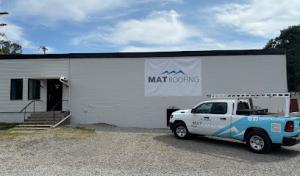
MAT Roofing formerly M.A. Thompson Roofing
(412) 487-3337 www.mathompsonroofing.com
Serving
5.0 from 100 reviews
M.A Thompson Roofing has been providing homeowners in the North Hills of Pittsburgh with great roofs for nearly 50 years. We specialize in asphalt shingle re-roofing, ensuring your home is protected with top-quality materials that stand the test of time. But we don't stop there – our expert team also offers gutter cleaning and other adjacent services to keep your roof in great form for decades to come. What sets us apart? Our commitment to excellence. We provide you with peace of mind that your roof is built to last. With a rich history of repeat satisfied customers, we take pride in delivering the best quality in Northern Pittsburgh.
Dr. Roofer
(412) 239-8671 www.dr-roofer.com
Serving
5.0 from 95 reviews
Dr. Roofer offers high-quality roofing, siding, gutter, door, and window services in Pittsburgh, PA.
AA Roofing
(724) 351-0488 www.aaroofingpgh.com
Serving
5.0 from 119 reviews
We are a local company who services the Pittsburgh metro area, North Hills, South Hills and Southern Butler County. We at AA Roofing do not use subcontractors so you will deal with our full time staff directly throughout the entire process. Our goal is to offer quality service and workmanship at a competitive price. We are accredited with the Better Business Bureau and are a GAF Certified Contractor providing Lifetime Shingle Warranties with labor backing from the Shingle Manufacturer.
The Exterior Company
(724) 765-8054 www.theexteriorcompany.com
Serving
4.7 from 71 reviews
The Exterior Company (TEC) is a top-rated roofing contractor known for quality craftsmanship and trusted service. We specialize in residential and commercial roofing, storm damage restoration, siding, and gutters. As certified Owens Corning and GAF experts, we offer industry-leading products backed by the best warranties. Our team guides you from inspection through installation and insurance claims, delivering a seamless experience. With thousands of successful projects and a reputation for excellence, TEC proudly serves communities across Pennsylvania and beyond. Discover the TEC difference—where your home is treated like our own.
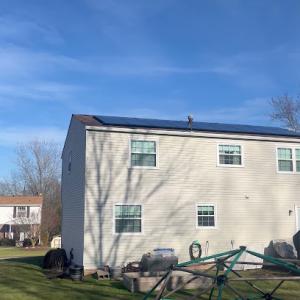
Maverick Roofing
(412) 496-4080 www.maverickroofs.com
Serving
5.0 from 31 reviews
Maverick Roofing is an experienced, dependable, and honest Pittsburgh roofing company. We pride ourselves on great communication & hard work at great value. Whether we are repairing a storm damaged roof or replacing the roof on your home- you can count on us. Maverick has got your 6.
Real Roofing
(724) 888-7325 www.getrealroofing.com
Serving
4.9 from 52 reviews
Real Roofing: Your Trusted Pittsburgh Roofing Company Looking for a reliable roofing company in Pittsburgh? We offer comprehensive roofing solutions for your home or business. Specializing in roof replacement, repair, and installation for all roof types, including shingles, synthetics, metals, and natural materials. We also offer gutter and siding installation services to enhance your home's exterior. At Real Roofing, we prioritize transparent communication, quality assurance, and preventative measures. Our team of certified professionals creates customized plans to address your specific needs, ensuring a professional quality finish that reflects our mastery of the craft. If you want an honest roofing service, get in touch today!
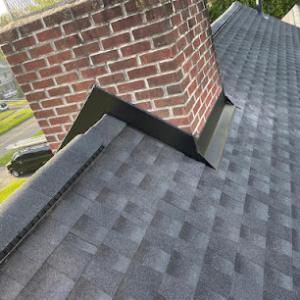
R&P Construction Roofing
(724) 217-6342 rpconstructionroofing.com
Serving
5.0 from 7 reviews
R&P Construction Roofing, Inc. tackles residential roofing projects in Penn Hills, PA. They specialize in both flat and shingle roof replacements, tackling leaks and ensuring a weatherproof home. Their services extend beyond the roof, including siding, gutter, and remodeling solutions.
Asphalt shingles dominate the local re-roof market because they fit typical residential layouts, are straightforward to install, and align with homeowners' price expectations. For a steep North Hills roof subjected to freeze-thaw cycles, standard 3-tab or architectural shingles offer reliable performance when paired with a proper underlayment and attic ventilation. In Allison Park, leaf litter from surrounding trees can trap moisture against underlayment if ventilation is neglected, so ensure a continuous venting strategy and consider closed or soffit-to-hip ventilation with adequately spaced intake vents. Asphalt remains forgiving during freeze-thaw moisture events, and repairs or replacements can be accomplished with minimal disruption to yards shadowed by trees. If you want a balance of value, ease of repair, and broad local availability, asphalt shingles are the most sensible daily driver for this market.
Metal roofing is a practical upgrade for homeowners prioritizing snow shedding and resilience through repeated wet-freeze cycles. In this climate, a standing-seam metal roof tends to shed accumulating snow more predictably than many other materials, reducing ice dam risk at eaves and along ridge lines. Metal also tolerates leaf debris well, provided gutters and downspouts are kept clear and the attic ventilation path remains open. Note that the steep, north-facing slopes common in the area can amplify condensationIf a complete roof replacement is planned, a metal system can be integrated in a way that preserves attic air flow and avoids creating trapped pockets of moisture. For those considering long-term performance, metal earns a mark for durability and a smoother maintenance profile in a tree-heavy neighborhood.
Clay and concrete tile are available in this market, but they are less typical for Allison Park homes. Tile roofs bring distinctive curb appeal and excellent longevity, yet their weight often demands structural review when the roof is being materially changed. For steep North Hills roofs, consider the additional structural assessment and potential reinforcement requirements before choosing tile. Tile can perform well in freeze-thaw conditions if properly installed with a compatible underlayment and ventilation plan, but the heavier weight and more complex flashing details heighten the need for professional evaluation on retrofit projects. If a home already fits well with tile, it can be a long-lasting option, though planning should address drainage and debris management to protect underlayment and fasteners from repetitive moisture exposure.
Wood shingles or shakes offer a traditional appearance that some Allison Park homes cherish. They can perform adequately with good ventilation and moisture control, but the climate's freeze-thaw cycles and leaf litter demand vigilant maintenance. Wood materials absorb moisture more readily than metal or asphalt, requiring consistent ventilation and thorough debris management to prevent moisture buildup in the roof deck. If a retrofit or replacement is being considered, confirm that the roof framing and ventilation strategy align with the wood option, since improper moisture management can accelerate wear and complicate future repairs.
Synthetic or composite shingles provide a modern alternative that mimics natural textures while delivering improved moisture resistance and installation flexibility. In areas with heavy debris and cold cycles, these materials can offer dependable performance with lower maintenance needs over time. Ensure the product choice supports adequate underlayment and ventilation compatibility for steep roof sections, and verify that the color and profile align with long-term freeze-thaw behavior to minimize thermal cycling impacts.
A full roof replacement in Allison Park typically requires a permit through the local township building department before work begins. The process is not something to guess at from a neighbor's note-permitting helps ensure the work fits the township's safety, drainage, and structural standards, especially given the freeze-thaw cycles that stress roof systems here. Before scheduling any crew, check with the building department to obtain the correct permit application, and make sure the contractor knows to submit plans for review as part of the permit package. Expect the timeline to hinge on plan completeness and the department's current workload.
The local process generally includes a basic plan review, a rough-in or ventilation-related inspection during installation, and a final inspection after completion. The plan review is your first checkpoint: it confirms that the chosen roof system, venting strategy, and flashing details align with local requirements. For steep North Hills roofs, the plan should specifically address attic ventilation rates, intake and exhaust placement, and any changes to existing vents or soffit details. When you receive the approval or any required clarifications, your contractor should incorporate those notes into the installation schedule to avoid delays. During rough-in, inspectors will look for clear, accessible ventilation pathways and proper attic sealing practices, which are crucial in this climate.
If the project changes structure or alters attic venting, Allison Park jobs may need added approvals and weather can affect inspection scheduling. Any modification to venting, including bringing in additional soffit vents, adding gable or ridge vents, or updating baffles, tends to trigger a more thorough check. Because freeze-thaw moisture control hinges on keeping the attic dry and well-ventilated, ensure that the ventilation plan is fully captured in the permit package and that attic access remains unobstructed for the inspector. In winter months, scheduling inspections can be sensitive to weather windows, so coordinate with the township and your contractor to maintain predictable timing.
On inspection day, have the site clean and accessible, with the roof ready for the rough-in or final review as applicable. The inspector will verify that ventilation paths are installed as designed and that flashing, underlayment, and fasteners meet local standards. After a final inspection, expect the paperwork to be closed out with a certificate of completion or a similar approval notice. If any issues are identified, address them promptly to keep the project moving and to avoid weather-related setbacks.
Replacement timing in this area is tightly tied to the workable season, which runs from late spring into early fall. When you compare projects side by side, you'll notice that contractor demand is strongest during these months, and pricing tends to reflect that pressure. Heavy winter snowfall and spring storm backlogs can create noticeable demand surges that push scheduling and pricing for homeowners who wait until summer or fall. If you can align your project to start early in the workable window, you'll often find more predictable crews and steadier materials availability. In practical terms, plan for a window that avoids mid-winter delays and early-spring rushes, and be prepared for potential small price shifts if a late spring storm stretches the schedule.
Steep residential roofs are common in the Pittsburgh North Hills, and that reality shows up in the numbers for Allison Park. Higher labor and staging costs stem from extra safety measures, longer setup times, and more careful tear-off work. The complexity of a steep, multi-story roof translates to higher crew hours and potential extended timelines, even if the underlying material costs stay the same. When you get estimates, expect a clear breakdown that separates tear-off, disposal, and staging fees from the material line item so you can compare apples to apples. If your home has additional features like chimneys or skylights, that can further influence the scope and the final price.
Heavy winter snowfall and spring storm cycles create predictable demand spikes in the area. That pattern matters for both scheduling and pricing. If a replacement is planned for a year with an unusually harsh winter, you may encounter longer lead times and tighter crew availability, which can drive up mobilization and labor costs. Conversely, a dry late spring with good cutting and weather windows can keep crews efficient and pricing steadier. Talk through contingency timing with your contractor and ask how they handle backlog days, so you're not surprised by a temporary price bump or a delayed start when Leah-like weather events hit the calendar.
Typical replacement costs are listed per square, reflecting common materials in the market. Asphalt shingles range roughly from 350 to 700 USD per square, with metal from 900 to 1800, and high-end tile and synthetic options falling higher as expected. Steep roofs and heavy debris seasons can nudge labor-related portions of the project upward, so use these figures as a baseline and expect a modest premium if your roofline requires extra staging or an extended tear-off.
Get a clear picture of your project costs upfront - no commitment required.
MAT Roofing formerly M.A. Thompson Roofing
(412) 487-3337 www.mathompsonroofing.com
Serving
5.0 from 100 reviews
Allison Park's mature-tree suburban setting means fall leaf debris can hold moisture at valleys and around penetrations, complicating drainage and cleanup. When leaves collect in roof valleys or around transitions, meltwater can back up and seep under shingles or flashing before you notice it. This is especially true after a heavy leaf drop followed by rapid freezing, which can magnify ice dam risks. Regularly clearing leaves from valleys, gutters, and the drip edge during late autumn reduces moisture retention and minimizes slow leaks that show up after a few thaw cycles.
Chimney work appears frequently in the contractor market serving homeowners here, and roof penetration around chimneys is a common failure point if flashing or counter-flashing is compromised. Inconsistent sealant, worn boot flanges, or displaced step flashing can allow wind-driven rain to exploit small gaps. When inspecting after storms or in the spring, check the chimney base for soft mortar or stone shifting, and look for loose or missing shingles along the termination where the chimney meets the roof. If a crown or chase cover is damaged, it can funnel water directly into vulnerable flashing corners, so treat any crack or deterioration as a warning sign.
Skylight leak points deserve special attention in this climate because freeze-thaw movement and wind-driven rain can expose weak flashing details. Pay attention to the flashing around skylight bases, the seaming along the curb, and the sealant bead where the skylight meets the deck. Inconsistent or aging sealant can crack with cold snaps, creating channels for moisture to migrate under shingles. Regular inspection after storms and before heavy snow season helps catch flashing gaps or missing shingle nail lines that could widen with winter heating cycles.
Develop a fall inspection habit that intentionally checks leaf buildup in valleys, around chimneys, and at skylight flashings. Tighten, reseal, or replace as needed before the first deep freeze, and document any patchwork you see on the roof surface. A cautious approach now can prevent water intrusion that quietly undermines roof integrity through multiple seasons.
Find contractors experienced in skylight installation, flashing, and leak repairs to bring natural light into your home.
Empire Roofing & More
(412) 484-3528 www.empireroofingandmore.com
2100 Legendary Ln, Allison Park, Pennsylvania
4.9 from 240 reviews

In this part of western Pennsylvania, there isn't a broad statewide insurer pullback affecting Allison Park, but underwriting can tighten after hail-heavy years or major storm events. This means a roof claim may be scrutinized more carefully when the winter-to-winter cycle has produced a string of repair needs across neighboring homes. Carriers serving this area often coordinate with adjusters on-site to assess the condition of the roof and surrounding components, ensuring any depreciation or replacement-cost terms are weighed against the actual damage. The result is a claim review that can feel more collaborative yet more exacting than in calmer seasons.
When an adjuster visits, you may see notes about depreciation layered against replacement-cost figures. The on-site evaluation tends to focus on whether the observed damage aligns with the policy's category of covered loss, and whether the roof has reached a point where replacement would be more prudent than minor repairs. The North Hills climate, with freeze-thaw cycles and leaf-driven debris, can influence the expert's view on long-term performance. Understanding that depreciation discussions are part of the process helps homeowners anticipate how settlements are framed and what the insurer considers when presenting a final settlement.
Allison Park homeowners should keep dated photos, installation records, material specifications, and contractor estimates because documentation quality can materially affect claim outcomes. A well-organized file helps the adjuster verify when and how a roof was installed, the exact materials used, and the scope of the original work. This becomes especially valuable after a severe storm, when more detailed verification may be requested. Having clear timelines and concrete documentation reduces back-and-forth, aligns expectations, and supports a smoother settlements path during the review phase.
When a claim is opened, request a written summary of the adjuster's scope of work and the expected timeline. Keep notes on conversations and demand a copy of any depreciation calculations or replacement-cost assessments the insurer references. If possible, have your contractor present for the on-site visit to translate technical notes into install-specific realities. This collaboration helps ensure the final claim reflects the true condition of the roof and its components after the event.