
Last updated: Apr 19, 2026
Western Pennsylvania weather makes hail, wind, and storm-related roof damage a common insurance claim angle for Cranberry Township homeowners. When a storm whips through the area, shingles can lift, granules wash away, and flashing can fail. In spring, heavy rainfall paired with gusty winds tests top edges and valley joints, while fall storms bring hail and debris that can puncture surfaces or push roofing underlayment into compromise. Each season follows a recognizable rhythm: sudden damage during a storm, followed by moisture intrusion if left unaddressed, then a rush of activity as crews try to beat future weather cycles. The result is a corridor of risk that you must actively monitor from the first alert to the moment a repair completes.
After a storm, your first move should be to map the damage with precise photos and notes before anything is moved or repaired. Take exterior shots from multiple angles, focusing on missing shingles, lifted edges, dented metal, damaged gutters, and any visible leaks inside the attic or ceiling. Photograph hail marks on siding, decks, and vent pipes, since insurers often look for corroboration beyond the roof line. Keep a dated record of each affected area and capture close-ups of damaged seals around vents, chimney flashing, and skylights. Weather radar or local storm reports that show the timing and intensity of the event you're filing for can help anchor your claim. As a Cranberry homeowner, you are competing with a rapid-fire season; your best chance is clear, organized evidence that ties the damage to a specific storm window.
Pennsylvania insurers commonly expect a detailed estimate, photo documentation, and proof of completed permitted repairs before finalizing roof-related settlements. That means your claim package should include a licensed contractor's scope of work, color-accurate shingle samples or product specifics, and a line-by-line estimate that aligns with the observed damage. Do not wait to begin the documentation process; the longer you delay, the harder it may be to connect the damage to the storm event for the adjuster. If questions arise about whether a prior repair already addressed a portion of the damage, provide dates and prior work orders to prevent coverage gaps. In fast-moving Cranberry storms, the insurer's review window can be tight; promptly responding to requests for additional photos or documentation helps keep the claim on track and reduces the risk of partial settlements.
Storm timing in this area often collides with the freeze-thaw cycle and the first heat of summer storms. You want to capture the claim while the roof is still in a status that accurately reflects storm-induced damage, but before delaying repairs creates further interior water intrusion. If you must stage work due to weather or scheduling, maintain thorough notes of dates, weather conditions, and the expected start times for repairs. When possible, align replacement or major repair work with a period of calm weather to minimize exposure to additional storms that could complicate your claim or compound damage. A local contractor who understands Cranberry's seasonal patterns can help you forecast a practical sequence: temporary measures to prevent leaks, a detailed replacement plan, and a secure timeline that respects the typical buildup of storm-related requests in the late spring and early autumn windows.
Choose a Cranberry-area roofer who can translate season-specific risk into a precise, defensible claim package. The right contractor will inventory all visible damage, provide a product spec that matches the existing roof profile and color, and deliver a comprehensive, itemized estimate that aligns with the insurer's expectations for documentation and permitted work completion. They should be prepared to revisit the roof after storms to ensure damage was not overlooked and to verify that temporary leak prevention measures are in place. In this market, a neighborly, locally trusted contractor can help you navigate the abrupt shifts of storm season, the adjuster's questions, and the scheduling pressures that follow a major Cranberry storm event. Stay proactive: document, respond quickly to requests, and maintain a clear repair plan so your claim proceeds with the urgency the weather, the risk, and the season demand.
Find local contractors experienced in assessing and restoring roofs after hail, wind, and severe weather events.
C.E. Little Contracting
(724) 777-3604 celittlecontracting.com
2100 Old Ehrman Rd Box 1598, Cranberry Township, Pennsylvania
4.9 from 276 reviews
C. Kalcevic Roofing & Contracting
(724) 494-5614 www.ckalcevicroofing.com
Cranberry Township, Pennsylvania
5.0 from 62 reviews
C.E. Little Contracting
(724) 777-3604 celittlecontracting.com
2100 Old Ehrman Rd Box 1598, Cranberry Township, Pennsylvania
4.9 from 276 reviews
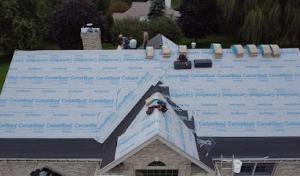
Welcome! At C.E. Little Contracting, proudly serving the Pittsburgh area for 40 years, owner Chuck leads our team with integrity and a commitment to exceptional quality. We specialize in residential and commercial roofing, roof replacements and roof installations. Certified by Carlisle, Johnstone, Conklin, and CertainTeed as a Master Roofer, we install asphalt shingles, synthetic slate, TPO, PVC, EPDM, and seamless gutters. Backed by an A+ BBB rating, we provide 24/7 emergency services, roof insurance claim assistance, free inspections, estimates, and drone assessments. When you're searching for "roofer near me" you can count on us. Your satisfaction is our top priority!
C. Kalcevic Roofing & Contracting
(724) 494-5614 www.ckalcevicroofing.com
Cranberry Township, Pennsylvania
5.0 from 62 reviews
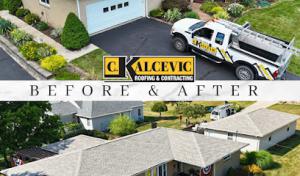
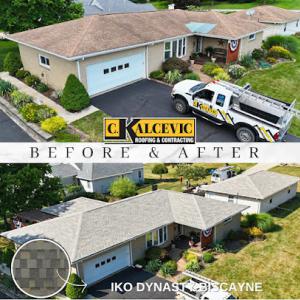
C. Kalcevic Roofing & Contracting is a family-owned roofing company with over 25 years of experience serving Beaver & Allegheny Counties. We specialize in roof repair, full roof replacement, storm damage repair, siding, gutters, soffit & fascia. Our licensed and insured team is Google Guaranteed and known for honest, skilled, and reliable work. We proudly maintain a 5-star reputation built on customer trust, quality craftsmanship, and service that goes above and beyond. Whether you need asphalt or metal roofing, emergency leak repair, or a complete exterior upgrade, we’re here to protect and improve your home.
Bradley's Roofing & Home Improvements
(724) 847-0373 www.bradleysroofing.com
Cranberry Township, Pennsylvania
5.0 from 37 reviews
Bradley's Roofing and Home Improvements, Inc. is a local, family owned business since 1980. We install all types of ROOFING, as well as SIDING, GUTTERS, DOWNSPOUTS, LEAF COVER, SIDING, WINDOWS, DOORS AND BLOW IN INSULATION. Our employees are all certified and payroll based. The owner is present on each and every job to give you that personal service that is missing in today's service industry. We would appreciate the opportunity to earn your business. 724-847-0373
Erie Home
Serving
4.5 from 30 reviews
Since 1976, Erie Home has manufactured, supplied, and installed the best-performing roofing on the market. By providing ironclad warranties and convenient financing, we ensure that every homeowner we work with receives top quality service and value for their homes and properties. Erie Home professionals are the roofing company of choice in the greater Cranberry, PA area. Whether you need roof inspections or roof damage repair services, Erie Home has been the go-to roofing contractor for nearly 50 years because of our attention to detail and dedication to making sure our customers are satisfied with their results. Contact us today for a quote and see why we're the trusted roofing company Cranberry counts on.

T. Rosinsky Roofing
Cranberry Township, Pennsylvania
5.0 from 4 reviews
U.S. Veteran Owned. FREE Estimates. No Money Down. Complete Roof Replacements
Knockout Home Solutions
(412) 545-6776 www.knockouthomesolutions.com
Serving
5.0 from 82 reviews
Knockout Home Solutions is your go-to partner for roofing, siding, gutters, solar, and home inspections in Pittsburgh, PA. From roof replacements to siding repairs and gutter installs, we protect your home against the elements with quality craftsmanship and dependable service. We also specialize in new construction and builder warranty inspections, helping you catch issues early and work with your builder to get them resolved. Whether you’re maintaining an older home or settling into a new build, we make the process easier—so you can focus on enjoying your home, not stressing over it.
Answer Construction
(724) 987-0334 answerconstructionllc.com
Cranberry Township, Pennsylvania
5.0 from 3 reviews
"Building your vision from the ground up with quality craftsmanship and reliable project management."
Buccos Roofing
(724) 973-3101 buccosroofing.com
Serving
5.0 from 124 reviews
As a leading roofing contractor in Cranberry Township, Buccos Roofing is committed to delivering premium roofing solutions for residential and commercial properties. Our expert team provides services such as roof repairs, replacements, and maintenance using top-grade materials for long-lasting durability. We ensure each project is completed on time and within budget, tailored to meet your unique needs. Whether you're dealing with storm damage or upgrading your home, Buccos Roofing has you covered. Contact us today for a free consultation, and let us help protect your home with a reliable, professional roofing system you can trust. Call now or schedule your appointment online to experience the Buccos Roofing difference!
Steel Town Contracting
(724) 799-0707 412improvement.com
Serving
4.7 from 13 reviews
Do you need home improvement service in the Cranberry Township, PA area? We offer reliable roof replacement, siding repair, painting service, floor installation, concrete and gutter installation service in Ambridge, Cranberry Township and all nearby towns. Call us now to get home improvement service for your property.

Roof-Tastic & Beyond Exteriors - Pittsburgh
(412) 822-9650 pennsylvania.rooftastic.com
Serving
5.0 from 58 reviews
We are Roof-Tastic & Beyond Exteriors, proudly serving Pittsburgh, PA, and the surrounding areas. We specialize in residential roofing, siding, windows, gutters, and more. With an A+ BBB rating and a customer-first approach, we’re committed to delivering exceptional work and service you can rely on. We’re offering 15% off all services and low montly investment options available. Give us a call to book your free inspection and get a same-day estimate.
Dynamic Roofing Solutions
(412) 407-7927 www.dynamicroofingpittsburgh.com
Serving
4.9 from 147 reviews
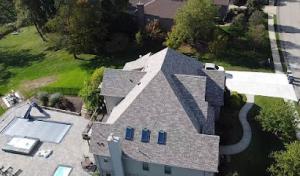
Our mission is to provide the highest quality, most reliable roofing solutions for homeowners in our community by combining expert craftsmanship, a holistic approach to home protection, and unmatched customer service. We aim to build lasting trust by ensuring every project is completed with integrity and care, reflecting our commitment to excellence on every roof we work on. Pledge to Our Customers: Hiring Dynamic Roofing Solutions means you are choosing a team that is committed to your complete satisfaction, from the first call to the final cleanup. Holistic Expertise: We look beyond just the shingles, understanding how your roof interacts with your home's entire system, including drainage, ventilation, and much more! Call us today!
Aspen Contracting
(724) 691-3804 roofsbyaspen.com
Serving
4.0 from 4 reviews
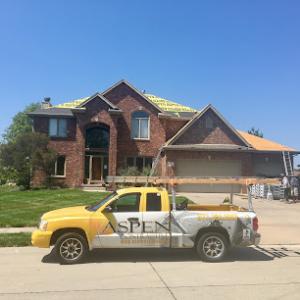
Aspen is a nationally recognized exterior contractor, trusted to restore residential and commercial roofs, siding and gutters. We are committed to our mission to do the right thing, through higher standards and integrity. We carry out this mission each day by providing high quality service and following through on our commitments. We hold this dedication for our customers, insurance companies and strategic partners in manufacturing, distribution and technology. With this formula, Aspen has grown into one of the largest roofing contractors in the United States.
In Cranberry Township, the most reliable roof replacement window is typically late spring through early fall because western Pennsylvania winters and freeze-thaw cycles complicate installation and curing. That period offers the least risk of unexpected cold snaps that can stall adhesive sets or shingle seals. If a storm or leak forces attention earlier, plan for a targeted, temporary fix to protect interior spaces while crews arrange a fall replacement. A typical full-replacement project often benefits from aligning with mild temperatures, steady daylight, and accessible crew scheduling.
Summer heat in the region can affect asphalt shingle adhesion and installation conditions, so timing and crew practices matter during hot stretches. On hot days, shingles can become more pliable, making rapid handling and secure nailing essential to avoid lift in a gust. Expect longer days and potential water-shedding delays if afternoon storms interrupt work. Crew members should monitor ventilation at the ridge and ensure piles are kept shaded and off the roof when not in use. If a homeowner notices curling edges or adhesive blemishes post-installation, document it and discuss warranty-adjusted remediation with the contractor.
Winter freezes and snow loads in the Cranberry area can stress aging roofs and increase ice damming risk, often pushing homeowners to schedule work once spring conditions stabilize. After a heavy storm, structure and attic ventilation become critical to prevent condensation and ice dam formation during the thaw. Plan around anticipated thaw cycles: when days inch above freezing and nights stay above, roofers can perform decking inspection, flashing resealing, and underlayment checks without the disruption of deep frost. If an indoor leak is present, address it promptly to minimize interior damage while arranging a spring replacement calendar.
Storm events commonly drive the need for rapid assessment and documentation. Start with a clear map of affected sections: identify loose or missing shingles, bubbled underlayment, and compromised valleys or flashing. Take dated photos from multiple angles and note any interior signs of water intrusion. This evidence helps when coordinating with a contractor and insurers, and it supports scheduling around Cranberry Township's typical window for full replacements. Plan to complete the replacement before the shift into the next cooling season, but avoid rushing through peak heat or humidity, which can compromise sealant performance and warranty adherence.
Material choice should reflect local cycles: shingles that resist wind uplift and maintain flexibility during freeze-thaw transitions are beneficial. Asphalt remains common for a balance of performance and cost, but metal, clay, or concrete tiles bring different benefits under load, solar exposure, and maintenance rhythms. When evaluating options, consider local hail patterns, tree shading, and attic insulation quality, which influence heat buildup and moisture behavior on roof surfaces. A thoughtful selection pairs with a disciplined install window to maximize longevity in this climate.
Asphalt shingles are a dominant roofing material in Cranberry Township, matching the area's large stock of suburban residential re-roof projects. They strike a balance between cost, ease of installation, and performance through repeated freeze-thaw cycles and summer storm exposure. For homeowners considering a replacement or refresh, asphalt shingles offer reliable wind and moisture resistance when paired with a quality underlayment and proper attic ventilation. In the context of Cranberry's freeze-thaw patterns, look for shingles with good granule adhesion and stiff, durable cores to minimize granule shedding after heavy storms. If a roof has multiple overhangs or adjacent trees, prioritize a architectural or 3-tab profile with a proven wind speed rating to reduce blow-off risk during strong spring winds.
Metal roofing is also a meaningful local category, reflecting homeowner interest in durability against western Pennsylvania snow, freeze-thaw exposure, and storm wear. Metal systems excel in shedding heavy rain and snow, and they resist impact from hail better than many broader roofing options. In Cranberry's climate, choose metal panels or shingles with accurate sealants and a robust fastener pattern to deter wind-driven leaks. Proper attic ventilation and cold-bridging considerations remain important, as metal can conduct heat and affect ice dam potential if insulation is lacking. For retrofit projects, ensure edge detailing around ridges, vents, and skylights is designed to handle the typical late-winter thaw cycles without developing condensation or ice buildup.
Tile, wood, and synthetic/composite roofs exist in the market but require attention to how heavier or specialty materials perform through repeated cold-warm cycling in this region. Clay and concrete tiles bring long service life and unique aesthetics, yet their weight demands a solid structural assessment and appropriate fasteners to resist seasonal movement. Wood shingles or shakes contribute a traditional look but demand vigilance for moisture-related aging, especially after wet springs or summer storms. Synthetic or composite shingles often mirror the appearance of natural materials while offering improved impact resistance and lighter weight; however, they still respond to freezing temperatures and rapid thaw cycles with movement at fasteners and seams. When considering these roof types, ensure the roof deck and framing can support the material's weight and that installation uses membranes or underlayments tailored to defend against ice formation and rain intrusion during mis-timed thaws.
The best roof for a given home in Cranberry depends on roof slope, exposure to prevailing winds, shade from mature trees, and the typical storm profile your street experiences. Homes with moderate slopes and solid existing decks often benefit from asphalt or metal upgrades for straightforward maintenance and predictable performance through freeze-thaw seasons. If a home already presents a heavier roof structure or seeks a distinctive look, tile or synthetic options can be appealing, provided the roof's structural readiness and detailing are addressed. In all cases, the emphasis remains on durable seams, robust fasteners, and ventilation that supports the region's temperature swings and storm load.
The most popular roofing material in the US. Find pros who install, repair, and replace asphalt shingles.
C.E. Little Contracting
(724) 777-3604 celittlecontracting.com
2100 Old Ehrman Rd Box 1598, Cranberry Township, Pennsylvania
4.9 from 276 reviews
C. Kalcevic Roofing & Contracting
(724) 494-5614 www.ckalcevicroofing.com
Cranberry Township, Pennsylvania
5.0 from 62 reviews
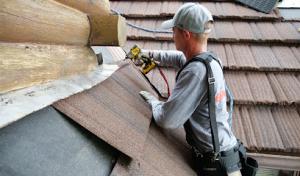
In this market, asphalt shingles are a practical baseline option. Pricing is framed per square (100 square feet), with typical ranges of $350 to $650 per square. Throughout high-demand periods after a regional storm, expect prices to tilt toward the upper end as crews stay busy and supply chains tighten. For homeowners watching budgets, asphalt remains the most approachable path for a full replacement, especially when quick restoration of weather-tightness is a priority.
Metal options come with stronger long-term durability, which can help offset short-term weather-driven cost spikes. Budget typically runs from $600 to $1,100 per square. Metal is sometimes favored after a storm due to quicker installation and reduced maintenance in subsequent years. In heavy storm seasons, local crews may see a tight window for scheduling, nudging quotes upward if materials have to be rushed or if supplementary ventilation considerations are requested during the replacement.
Clay tile presents a distinct aesthetic and performance profile, with costs commonly in the $900 to $1,500 per square range. The weight and installation complexity can influence lead times and labor needs, particularly after knock-on damage to existing roof decks or when extra bracing is needed. During major storm events, expect prices to climb as crews coordinate elevated scopes and ensure long-term wind resistance is addressed in the new system.
Concrete tile sits a step above clay in both cost and heft, typically $1,000 to $1,600 per square. Concrete tiles can deliver strong freeze-thaw resilience, which matters in the local climate, but their weight means structural assessment often accompanies material selection. Storm surges can drive up scheduling and material handling costs, contributing to higher final pricing when rapid replacement becomes critical.
Wood alternatives run roughly from $700 to $1,200 per square. They offer a distinctive look, but vulnerability to moisture and decay can influence overall lifecycle costs, especially in storm-prone periods. After severe weather, expect discussions about ventilation and attic air flow to accompany a full replacement, potentially lifting pricing due to added scope and longer installation times.
Synthetic or composite options provide a middle ground on price and performance, at about $500 to $900 per square. In the wake of regional storms, demand for quick deployments can compress lead times, nudging bids upward. If the project expands to a full replacement with upgraded underlayment or improved attic sealing, pricing may rise accordingly.
Cranberry Township costs can rise after regional storm events when demand surges for quick-response re-roofing and emergency leak work. Project pricing can also move upward when a full replacement triggers township permitting, post-completion inspection, or added review for structural or ventilation changes. In planning, align expectations with the anticipated weather window and the need for timely waterproofing, while balancing material choice, weight, and long-term performance.
Don't let upfront costs delay a critical repair - these contractors offer payment plans to fit your budget.

Cranberry Township generally requires a building permit for a full roof replacement. Before any nail is driven, you or your contractor should submit a basic scope of work to the Planning & Development Department for approval. The approval process is intended to keep projects aligned with zoning, drainage, and safety standards, and it can influence scheduling, especially when crews are tied up with storm-related repairs across the township. If the project involves more than a straightforward shingle swap, or if ventilation or structural components are in play, expect the review to take a bit longer and to receive clear guidance on what changes the township expects before work begins.
Because weather in this area features rapid freeze-thaw cycles and summer storms, documentation of the scope and any temporary safety measures is especially important. Your permit package should include accurate equipment details, a plan for roof ventilation (if affected), and any structural alterations. Having this documentation ready helps the Planning & Development Department move review along and reduces the chance of a mid-project pause. If a contractor plans to adjust attic ventilation or add new saddle vents, make sure those details are reflected in the submission, since such changes commonly trigger additional review.
The township typically performs an inspection after completion to confirm compliance. It is not unusual for inspectors to walk the roof, verify venting, flashing, and drainage, and check that all work aligns with the approved scope. If discrepancies arise, a stop-work order or a required revision can delay occupancy of the home and extend the renovation window. Plan for this possibility, especially if the roof replacement intersects with recent storm repairs or seasonal maintenance downtime. A clean final inspection not only satisfies the permit but helps ensure long-term performance through the next freeze-thaw cycle.
Changes involving structure or ventilation can trigger additional review, potentially adding time and cost to the project. In practice, that means if a replacement plan evolves after permit submission-such as upgrading to a different roof deck underlayment or altering attic exhaust routes-the township may require updated drawings or additional field checks. Delays can be most noticeable when storm-damaged roofs demand urgent attention, yet the permit process must still be followed to protect residents and neighboring properties. Understanding these steps ahead of time helps balance urgent repair needs with the rigorous, safety-focused standards that govern full replacements.
Repeated freeze-thaw cycling in western Pennsylvania accelerates wear at vulnerable roof details and can shorten the service life of aging systems in Cranberry Township. Shingle edges, flashing joints, and vent penetrations take the brunt of those cycles, especially after a long winter with several cold snaps. When small cracks form, a single thawing day can push moisture deeper, and every subsequent freeze tightens that damage. The result is a roof that looks fine on a clear day but hides slow leaks that show up after a heavy rain or a late-season snow melt.
Ice damming is a recurring cold-season risk in this region, especially after snow events followed by temperature swings. When heat escapes from the attic or warm air beneath the deck, snow up top melts unevenly. That melt runs toward the eaves, refreezing at the colder edge and backing water behind shingles or under flashing. Over time, this process can lift shingles, corrode underlayment, and force water into ceilings and walls. Ice dams aren't always dramatic; the slow seepage behind drywall often goes unnoticed until a stubborn stain or a musty odor appears after a thaw.
Moisture exposure from spring rain on already winter-stressed roofs is a common local pattern that turns minor defects into active leaks. A blown-off shingle corner, a loose valley, or dried-out sealant can become a doorway for rain when spring showers arrive. Even modest leaks during spring can undermine insulation, promote mold growth, and accelerate deterioration of decking. The best defense is timely attention to stubborn stains, peeling paint near ceilings, or feel of dampness in attic spaces after a rain event.
When reporting or inspecting, look for soft spots in the deck, curling shingles, and rust or gaps at metal flashings. Small ice dams on girders or gutters during a cold spell deserve early evaluation, not a wait-and-see approach. If a winter week ends with a thaw followed by another freeze and a rainy spell, check attic access for signs of moisture and monitor ceilings for new stains. Addressing seemingly minor issues promptly helps prevent leaks that creep in after the next round of storms.
Cranberry-area contractor signals show meaningful demand for skylight work, indicating roof leak concerns often extend beyond field shingles to penetrations and flashing details. When a leak trails from a skylight, check the curb height, flashing sag, and the sealant around the curb. In this climate, freeze-thaw cycles can push and pull at flashing joints, so you want a joint that remains flexible and fully sealed through a winter that's often followed by a wet spring. If a skylight is original to a mid-century home or sits on a low-slope ridge, expect more attention to the transition between skylight framing and the shingle field. Plan for careful repair or replacement of flashing alongside the skylight if you see wet insulation or staining around the curb. Ventilation around the skylight can also affect condensation and interior comfort; consider coordinating any roof vent or attic baffle updates with skylight work so moisture moves away from living spaces.
Chimney-related work is also common in the local contractor market, which matters because masonry-to-roof transitions are vulnerable during western Pennsylvania freeze-thaw cycles. Inspect chimney flashing where it meets the roof deck: copper or lead-coated flashings, step flashing, and a properly sealed counter-flashing are essential. Ice dam pressure can lift shingles near a brick or stone chimney, so plan for a broader scan of nearby shingles and underlayment. Masonry deterioration, cracked mortar, or spalling bricks may require tuckpointing or capstone work concurrent with any roof refresh. If a chimney is integrated with attic vents or a chase, ensure vent clearances and flashing details accommodate any changes during a full reroof.
When full replacements include ventilation or detail changes around penetrations, Cranberry Township may require additional review beyond a basic reroof scope. Coordinate early with the contractor to map every penetration and confirm continued attic airflow and weatherproof transitions.
Find contractors experienced in skylight installation, flashing, and leak repairs to bring natural light into your home.

Roof-Tastic & Beyond Exteriors - Pittsburgh
(412) 822-9650 pennsylvania.rooftastic.com
Serving
5.0 from 58 reviews
Dynamic Roofing Solutions
(412) 407-7927 www.dynamicroofingpittsburgh.com
Serving
4.9 from 147 reviews
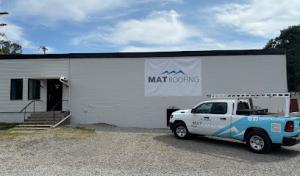
MAT Roofing formerly M.A. Thompson Roofing
(412) 487-3337 www.mathompsonroofing.com
Serving
5.0 from 100 reviews
Cranberry homeowners are shopping in a market where warranty offers and manufacturer-certified positioning are present but not universal, so warranty terms should be compared carefully. Some shingle manufacturers provide material-only warranties, while others pair materials with a workmanship component through the installer. In this climate, where storm-driven impacts and repeated freeze-thaw cycles test roofs, a robust workmanship warranty can be as valuable as the product warranty itself. Look for coverage that explicitly names flashing, underlayment, and ventilation components, and verify how long each portion lasts and what conditions void coverage.
When you review proposals, watch for what is covered after wind, hail, or ice dam events, and whether coverage is transferrable to future owners. A common point of difference is whether the warranty requires using certain underlayment or flashing materials, or adherence to installation manuals from the shingle manufacturer. In this region, a warranty that includes proper attic ventilation and drip edge installation can matter as much as the shingle brand. Ask for a written explanation of any exclusions for existing deck conditions, re-roofing timelines, or prior damage that could affect eligibility.
Because the township commonly requires permits for full replacements, keeping permit and inspection records can support warranty and insurance documentation later. Maintain a clean file with purchase receipts, product型号, batch numbers, and installation dates. After a storm event, photograph the roof's condition and keep notes on any repairs or temporary fixes, along with dates of inspections. This documentation helps when asserting warranty claims, especially if the evidence shows that the installation met the manufacturer's criteria and that necessary ventilation and flashing details were properly executed.
In a region with storm claims and freeze-thaw wear, workmanship quality at flashing, ventilation, and cleanup matters as much as the shingle brand itself. Ensure the installer demonstrates attention to detail in step flashing at chimneys, vents, and skylights, and that attic intake and exhaust vents are correctly balanced to prevent ice dams. A solid workmanship warranty paired with a reputable product can offer real peace of mind through the region's characteristic weather swings.