
Last updated: Apr 19, 2026
In Sewickley, cold winters regularly create freeze-thaw cycling that is especially hard on older asphalt, flashing joints, and slate fasteners. The repeated expansion and contraction of shingles, metal flashing, and roof penetrations can loosen fasteners, crack sealants, and widen gaps that let moisture creeping into the attic space or under the roofing edge. When a roof already carries decades of wear, these cycles accelerate degradation and invite leaks at vulnerable points long before a modern roof would fail. If the attic is poorly vented or insulation is thin, the surface may frost over more quickly, producing hidden damage that only shows up after a heavy thaw.
Ice damming is a practical concern during winter because snow and refreeze conditions can back water up at eaves and valleys on the borough's many steep residential roofs. When warm air from the attic escapes upward, snow near the top melts while lower portions stay cold, creating a dam that prevents meltwater from draining properly. Water then seeks any available seam or fastener, often penetrating under shingles or flashing. In homes with slate or tile, the risk concentrates at flashing joints and where fasteners corrode or loosen. Left unchecked, ice dams can cause interior leaks, staining, and accelerated edge rot, especially on older gutters and downspouts that struggle to carry the extra load.
Homes shaded by mature trees common in established neighborhoods can hold snow and moisture longer, slowing roof dry-out and increasing moss, debris, and gutter blockage risk. Dense canopies shelter roofs from daily sun, so snow persists into mid-winter and into the early thaw, keeping moisture against roof surfaces longer than a sun-exposed roof. Moss growth traps additional moisture, which can seep under shingles or into deck seams and ridge caps. Debris from nearby trees-pin needles, leaves, berries-collects in gutters, creating standing water that freezes and expands in cold snaps, aggravating edge seals and encouraging gutter leakage.
You should prioritize a proactive, season-ready plan. Start with a thorough inspection of the attic, checking for obvious air leaks, insufficient insulation, and signs of moisture intrusion after thaw cycles. Improve attic ventilation and insulation to limit warm air reaching the underside of the roof deck, which fuels ice dam formation. In the roof plane, ensure flashing joints are tight and sealed, especially at valleys and dormer connections, and inspect slate fasteners for loosening or corrosion. Clear gutters and downspouts of moss, debris, and ice buildup before heavy snowfalls, and keep clear eaves to promote unobstructed drainage. If snow accumulates, do not chisel away ice along the eaves; instead, consider gradual removal from the ground or with proper fall-protection procedures by a qualified professional. For roofs with high moss risk or aging components, a professional assessment can identify compromised fasteners, degraded underlayment, and drainage bottlenecks, enabling targeted repairs before winter intensifies damage. In every case, treat steep slopes and slate or tile surfaces with respect to fragility; prioritize safe access and professional guidance to mitigate freeze-thaw and moisture risks effectively.
Sewickley's historic homes often pair steep, long-ridge roofs with bold masonry chimneys that anchor the facade. When a roof needs attention, the chimney flashing interfaces become a focal point. A careless patch or tear-off can open the crown molding of masonry work or disturb mortar joints that have stood for a century. Expect contractors to carefully carve flashing to meet the chimney's masonry profile, rather than forcing a generic seal. The goal is a continuous, watertight interface that respects the chimney's position and materials, not a quick holiday-sizzle fix. If a repair requires re-setting a lead or copper step flashing, the workmanship should mirror the original detailing, with corrosion-resistant materials chosen to weather decades of freeze-thaw cycles. In practice, that means prioritizing compatible metals, precise bends, and a plan that protects the brick or stone from spalling during thawing and refreezing.
Local roofs show a mix of slate, clay tile, concrete tile, and wood shingles or shakes, all perched above narrow eaves and tall masonry chimneys. Heavy materials demand careful handling on steep slopes, including temporary rodding and secure staging. Replacement approaches must consider not only the exposed surface but also the underlayment and deck details beneath. When slate or tile is present, matching the color, finish, and edge detail becomes a preservation concern, not just aesthetics. A leap to a generic shingle often creates visible mismatches and can undermine historic character. If a full replacement is needed, plan for partial removal and reinstallation that preserves roof geometry and maintains authentic rake lines, gutter lines, and roof-to-chimney transitions. For wood shingles or shakes, ensure the installation pattern aligns with the original rhythm of the roof plane and that moisture management accounts for wider roof valleys typical on historic homes.
Steep slopes require equipment and methods that minimize disruption to intricate interior details and adjacent historically sensitive features. Access equipment, ladder placement, and hoisting plans should be tailored to the property footprint and landscape. Beyond the visible shingles or tiles, the underlayment and attic ventilation deserve scrutiny; poor ventilation can intensify ice damming and freeze-thaw damage that ravages cornice lines and rafter tails. In these settings, upgrading underlayment to a more robust, breathable system helps move moisture away from the interior while preserving the roof's long-term performance. Any retrofit should consider the home's brick or stonework surrounding the roofline, ensuring that fasteners and sealants do not inadvertently compromise historic masonry. The result should be a durable, weather-tight roof that respects the home's heritage rather than a retrofit that looks out of place against a historic skyline.
Find contractors who specialize in clay and concrete tile roofs, known for their durability and curb appeal.

Roof-Tastic & Beyond Exteriors - Pittsburgh
(412) 822-9650 pennsylvania.rooftastic.com
Serving
5.0 from 58 reviews
Newhouse Contracting
(724) 375-8853 newhousecontracting.com
Serving
4.8 from 25 reviews
Established in 2007, Newhouse Contracting is a trusted roofing contractor serving Pittsburgh, PA and the surrounding areas. They specialize in a variety of roofing services, including roof repair, shingle replacement, and comprehensive roof maintenance.
Tri-State Roofing Solutions
(724) 494-6433 www.tristateroofingsolutions.com
Serving
5.0 from 27 reviews
We are one of the best roofing companies in western PA and located in Monaca Pa specializing in roof replacement, roof repairs, and metal roof replacement with a focus on quality and a seamless customer experience serving most of western Pennsylvania and parts of eastern Ohio. We also offer gutter cleaning and complementary roof inspections.
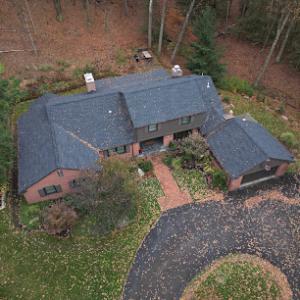
LINC Roofing & Contracting
(814) 475-1877 linc-roofing.com
Serving
4.8 from 88 reviews
Harsh condition's such as rain, sleet, snow, and hail can damage the strength and stability of your roof; what's worse, wet or leaky situations can add to the damage and put your entire property at risk. With LINC Roofing & Contracting, understanding and maintaining such a crucial part of your home is the highest importance and should only be handled by experienced professionals. We are a family owned and operated roofing contractor in the Pittsburgh area. We specialize in full roof replacements, repairs, rubber roofing, gaco applications, gutters, siding, fascia, metal trim work; we also offer home repairs and emergency services. We service the Pittsburgh and surrounding areas, including parts of Ohio and West Virgina.

Tectum Quality Roofing
(412) 512-5824 www.tectumqualityroofing.com
Serving
4.9 from 57 reviews
We are a community-oriented roofing company serving the Greater Pittsburgh Area. Our focus is on operational efficiency and fostering a customer-centric culture. TQR is committed to delivering exceptional quality, ensuring unmatched customer satisfaction, and providing fair pricing on every project. With over 25 years of experience in the construction industry, we are dedicated to meeting our customers' needs, one project at a time.
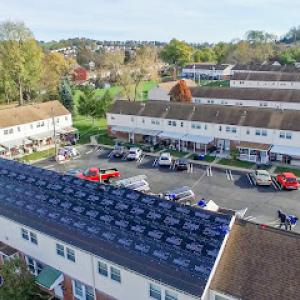
Royal Roof & Gutter
Serving
5.0 from 74 reviews
We are insured, reliable, roof replacement specialists. We use specialized equipment to collect and manage the debris from the old roofing and eliminate the mess associated with replacing a roof. We are an Owens Corning Preferred Contractor and also DaVinci Roofscapes Master Contractor. Our roofs are backed by the biggest names in the business. Royal can help you with roofing repairs, chimney leaks, and gutter cleaning. Our quotes are free and we use eagle view satellite technology to quickly and accurately measure your roof for replacement quotes.
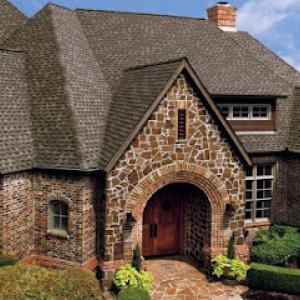
MHI Roofing
Serving
4.8 from 1403 reviews
MHI Roofing has been a trusted roofing contractor since 1979, serving Pittsburgh, Mt Lebanon, Bethel Park, Monroeville, Upper St Clair, McCandless, and nearby areas in Allegheny & Washington County. We specialize in Shingle Roofing, Roof Repairs, Roof Inspections, and Seamless Gutters. Call us now for a free estimate!
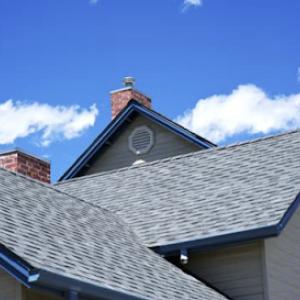
TaylorMade Solutions
Serving
4.5 from 71 reviews
For all your roofing and solar needs, contact TaylorMade Solutions. As a one-stop shop for Roofing, Solar, Siding, Soffit, Fascia, Gutters, Decks, we offer a wide range of services. And because we care deeply about your experience with us, we'll make sure to sit down and work directly with you for all your needs, from the consultation to the installation. We are Owens Corning Platinum Preferred Partners and Palmetto partners, so rest assured you'll be receiving quality services that only official partners can offer. Contact our office today for a No Hassle, No Pressure, No Obligation experience! Be sure to ask about our financing Options!

Schultheis Bros. Heating, Cooling & Roofing
(724) 831-2379 www.schultheisbros.com
Serving
4.9 from 13 reviews
Schultheis Bros is a premier Heating, Cooling & Roofing contractor established in 1946. We are a third generation family owned business who prides themselves on providing quality services. We provide FREE estimates on new install quotes for HVAC equipment, gutters, roofing, and siding.
Malick Brothers Exteriors
(412) 616-0191 malickbrothersexteriors.com
Serving
4.9 from 360 reviews
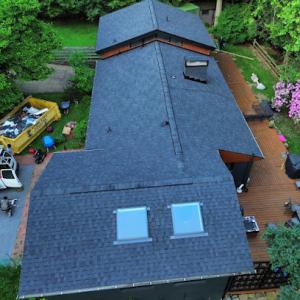
Malick Brothers Exteriors is an AtlasPRO+ Platinum Level Certified Contractor proudly serving Pittsburgh and its surrounding communities. Specializing in roofing, siding, and gutter solutions, we bring unmatched expertise and top-tier craftsmanship to every project. From Baldwin, Dormont, and Brentwood to Mt. Lebanon, Cranberry Township, and Castle Shannon, we’re the trusted choice for homeowners across Allegheny County, including North Hills, Brookline, and Beechview. Our family-owned business is committed to using premium materials and delivering personalized service to enhance and protect your home. Whether its roof replacement, siding installation, or gutter repair, Malick Brothers Exteriors provides professional, affordable solutiions.
Hope Roofing & Gutters
(412) 264-7598 www.hoperoofingandgutters.com
Serving
5.0 from 5 reviews
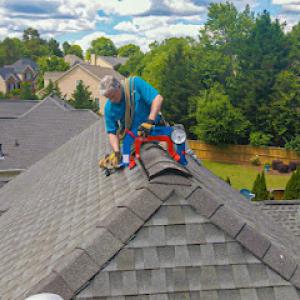
At Hope Roofing & Gutters we specialize in Roofing installations, Roof Repairs, Gutter Installations, Gutter Repairs & Gutter Cleanings. We offer quality work at affordable prices. Hope is just a phone call away!
C. Kalcevic Roofing & Contracting
(724) 494-5614 www.ckalcevicroofing.com
Serving
5.0 from 62 reviews
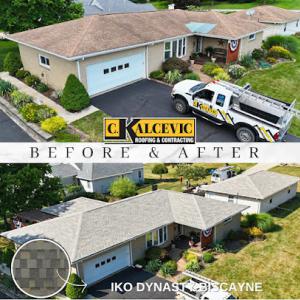
C. Kalcevic Roofing & Contracting is a family-owned roofing company with over 25 years of experience serving Beaver & Allegheny Counties. We specialize in roof repair, full roof replacement, storm damage repair, siding, gutters, soffit & fascia. Our licensed and insured team is Google Guaranteed and known for honest, skilled, and reliable work. We proudly maintain a 5-star reputation built on customer trust, quality craftsmanship, and service that goes above and beyond. Whether you need asphalt or metal roofing, emergency leak repair, or a complete exterior upgrade, we’re here to protect and improve your home.
Dr. Roofer
(412) 239-8671 www.dr-roofer.com
Serving
5.0 from 95 reviews
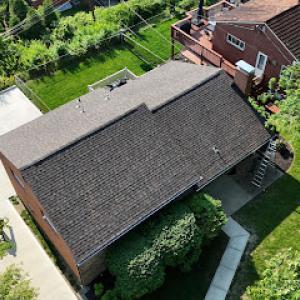
Dr. Roofer offers high-quality roofing, siding, gutter, door, and window services in Pittsburgh, PA.
Late spring through early fall is the window when replacement work tends to proceed most smoothly. Winter snow and ice limit access to steep, historic roofs, and spring rain can disrupt the sequence of installation, especially on slate or clay tile where plywood and battens need uninterrupted dry conditions. Scheduling in this stretch helps crews move from prep to metal or shingle layups with fewer weather-driven delays. For homes with premium coverings, the longer contractors can stay on a single phase without frost risk, the more consistent the outcome will be.
Warm, humid summers in western Pennsylvania push crews to pace work differently on dark asphalt roofs and steep slopes. Heat can soften asphalt shingles and challenge ventilation on attics, so work often progresses in cooler parts of the day and includes more frequent hose-down breaks for both material handling and crew safety. On steep terrains, plan for additional time when heat slows maneuvering around chimneys, dormers, and slate edges. A practical approach is to target mid-mpring or late summer windows to avoid peak heat while still staying ahead of autumn leaf buildup.
Fall leaf drop is a real factor in tree-lined streets and around mature landscapes. Debris can quickly clog valleys, gutters, and lower drainage paths, which compounds ice dam risk as temperatures drop. Timing work before heavy debris buildup minimizes the need for repeated access during the mounting fall cleanup. When scheduling, coordinate with tree maintenance to clear surrounding branches ahead of installation so gutters and valleys stay clear through the critical drying and curing phases.
Older homes with steep roofs often carry rooflines that demand careful handling of slate, clay, or concrete tiles. The best season aligns with dry, steady conditions that preserve the integrity of existing detailing and minimize scrapes on delicate edges. For crews, a clear sequence-from scaffold setup to flashing checks and final ventilation tests-flows more predictably in the preferred window, reducing the risk of moisture intrusion during transition periods. A focused plan that anticipates weather windows can save days of downtime and protect the roof's long-term performance.
The most popular roofing material in the US. Find pros who install, repair, and replace asphalt shingles.
C. Kalcevic Roofing & Contracting
(724) 494-5614 www.ckalcevicroofing.com
Serving
5.0 from 62 reviews
Sewickley's historic, steep-roofed homes push many roofing projects above basic asphalt pricing due to premium materials like slate, tile, and wood shakes. The mix of old detailing and higher wind exposure around the Ohio River means the cost difference isn't just material: it's labor, fit and finish, and careful preservation work. In practice, a slate or clay tile project often requires skilled craftsmen, temporary sedans of scaffolding, and precise flashing that respects original architecture.
A practical rule of thumb is that complexity drives price as much as material. Older homes commonly feature chimneys, dormers, and irregular ridge lines, with flashing transitions that must be carefully integrated into the roofline. Cut-up roof sections demand more seams, more edge exposure management, and longer scaffold runs. All of these add labor hours and joint details that push final numbers upward relative to simple, rectangular shapes.
Material costs by square give you a framework for budgeting. Asphalt Shingles typically run from about 350 to 700 USD per square. Metal Roofing sits between 600 and 1000 USD per square. Clay Tile ranges from roughly 900 to 1800 USD per square, while Concrete Tile spans 800 to 1500 USD per square. Wood Shingles or Shakes fall around 520 to 1000 USD per square, and Slate rises from 1000 to 2200 USD per square. In Sewickley, premium materials often land toward the higher end, especially when detail work and exact color matching are required to preserve the home's historic character.
Seasonal demand and lot constraints also shape pricing. Debris handling on tight residential lots, and the tighter scheduling windows after regional storms, can create short-term price spikes. When planning, expect a few weeks of lead time for orders of premium materials and a careful site setup to protect delicate masonry and detailing classic to Sewickley's established borough homes.
Get a clear picture of your project costs upfront - no commitment required.

Schultheis Bros. Heating, Cooling & Roofing
(724) 831-2379 www.schultheisbros.com
Serving
4.9 from 13 reviews
On many of Sewickley's older, steep-roofed homes, a full roof re-roof is handled as a building project rather than informal maintenance. The borough expects a formal permit process for significant roof replacements, reflecting preservation considerations and the need to verify proper drainage and ventilation for lengthy, weather-exposed slopes. If a contractor proposes a complete new roof, anticipate a permit submission and plan review as part of the workflow.
In practice, the contractor typically submits the permit application and the accompanying roof plans to the borough. This arrangement helps keep the project aligned with local requirements, including fire access, drainage, and venting arrangements that are important for steep roofs and freeze-thaw cycles. While the applicant is the contractor, you should stay aware of the timelines and any information the borough requests to avoid delays.
Inspections in Sewickley are commonly scheduled during installation and again after completion to verify key performance elements. Expect inspectors to check that venting meets the needs of a steep, historic roof, that underlayment is appropriately installed to resist moisture intrusion during freeze-thaw events, and that material selections comply with local standards for historic or preservation-sensitive homes. The process can include a short review delay, so plan for a small window between substantial completion and final clearance.
Some projects bring extra scrutiny in the form of on-site permit number display requirements or other easy-to-check documentation for the inspector. Your contractor should be prepared to show the permit number visibly on the job site, and to provide any required notes about ventilation, attic access, and drainage details. If a contractor asks for temporary waivers or alternative methods, verify that those deviations still align with borough rules and the specific needs of a steep, historic roof.
Coordinate with the contractor early to align the permit timeline with weather windows, particularly in a climate with harsh winters and heavy tree cover. Confirm that the plan includes proper venting layout, an underlayment system suitable for snow and ice, and material choices that respect the home's architectural character. Finally, maintain open communication with the borough office about any required documentation or adjustments to the plan to keep inspections on track and minimize interruptions to the installation schedule.
After a major regional storm, you should expect your insurer to want dated photos, a record of the roof's age, and verification from a licensed contractor that damage exists and what it is likely to cost to repair. Gather clear images from multiple angles, show the flashing and gutters, and timestamp them. In Sewickley, winters' freeze-thaw cycles and mature tree cover can create subtle moisture signs that aren't obvious at first glance, so meticulous documentation helps separate pre-existing wear from new storm damage.
In Sewickley, adjusters may coordinate directly with roofing contractors to confirm whether damage is repairable or requires full replacement. If an adjuster schedules a visit, have your chosen local roofer present or provide a written assessment that outlines observable damage, expected service life, and the feasibility of repair versus replacement. This collaboration can speed decisions and reduce back-and-forth caused by vague descriptions of wear on steep, historic roofs.
Some carriers may change rates after severe weather events or request a roof condition report before approving replacement. Keeping a well-maintained pre-loss file-photos, prior inspection notes, and any professional opinions from an earlier season-can tilt the decision toward a fair outcome. For older roofs with slate or tile, precise condition notes (loose fasteners, broken tiles, moisture in decking) help justify replacement when warranted.
Create a storm-damage dossier that starts with current-year photos, then includes a dated roof-age estimate, and ends with a contractor's written verification of damage and repair or replacement scope. Maintain copies in both digital and physical form. If an adjuster requests a site visit, verify that the contractor's assessment aligns with the insurer's coverage interpretation before signing any agreement. In Sewickley, this approach aligns with how steep, historic roofs and premium materials are evaluated after severe weather.
Connect with contractors who help homeowners navigate the claims process from damage assessment to final approval.

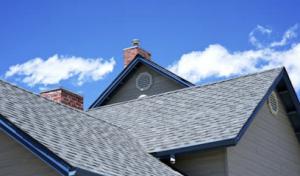
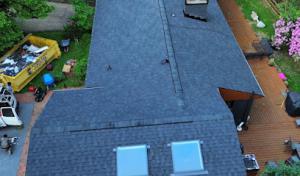
The town's historic, steep-roofed homes stack multiple roof planes against masonry chimneys, creating more potential leak points. Flashing at chimney-to-roof and roof-to-wall intersections often bears the brunt of freeze-thaw cycles and shifting masonry. When failures occur, you can see slow interior leaks that worsen in winter storms or after heavy rainfall. Regular inspection of flashing seams, chimney base sheets, and the transition from brick to roof deck is essential to catch loose, corroded, or split-metal pieces before water travels into attic framing and ceiling finishes.
Valleys where two roof slopes meet and the gutter lines running along the eaves become high-risk zones in this climate. Sewickley's regular precipitation, coupled with seasonal leaf debris from mature trees, can trap moisture and debris in delicate valley folds and over gutter hangers. If debris backs up, ice dams form more readily, and water can creep under weak shingle overlaps or through exposed fasteners. A neglected valley with deteriorated underlayment invites rot and accelerated wear around penetrations like vents and vent pipes.
Freeze-thaw exposure accelerates granule loss on shingles, which dulls protection and invites quicker UV/aging damage. Older repairs may rely on brittle sealants that crack with temperature swings, opening narrow pathways for moisture intrusion around penetrations. This is particularly true where shingles meet flashing, chimneys, or vent stacks. In Sewickley, what seems like a minor crack or lifted shingle can become a conduit for water during a thawing cycle, underscoring the need for timely resealing and targeted replacement before damage radiates into the attic or ceiling.
When you can't wait, these contractors offer fast response times to stop leaks and prevent further damage.
C. Kalcevic Roofing & Contracting
(724) 494-5614 www.ckalcevicroofing.com
Serving
5.0 from 62 reviews
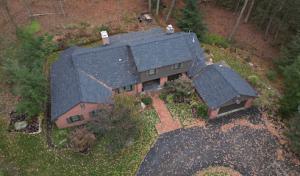
Local homeowners insist on rapid attention when ice damming or leaks appear as temperatures swing. In tight, tree-shaded neighborhoods with historic, steep roofs, a delayed response can lead to attic moisture, exterior staining, and cedar or slate damage. You'll want a contractor who can arrive promptly, diagnose quickly, and implement temporary containment to protect ceilings and insulation while a longer-term plan is set. In practice, that means favoring crews with on-call capabilities and a track record of coordinating snowbelt weather timing, rain events, and freeze-thaw cycles typical to this area.
The roofing common stock here includes steep pitches and materials that age with character, from slate to clay tile to wood shakes. Homeowners prioritize moisture management that respects these surfaces without forcing premature replacements. Focus areas include ridge and valley ventilation, attic air sealing, and drainage alignment on drainage-challenged, older shingles. Prioritizing proven repair methods over quick fixes helps maintain the integrity of historic look and structure while standing up to freeze-thaw stress, pine needle buildup, and moss in shaded eaves.
Close-set properties mean debris and dumpster visibility matter just as much as the leak repair itself. Residents look for contractors who provide thorough cleanup, protective ground covers, and magnetized debris removal routes so no nails or fragments linger in yards or driveways. A respectful crew minimizes driveway disturbance and coordinates with neighboring homes to reduce disruption during busy fall and spring schedules.
The market shows meaningful demand for long-established, family-owned outfits that bring decades of local know-how. Homeowners prefer teams that demonstrate steady performance on older residential roofs, with documented references from Sewickley homes, rather than businesses focused mainly on new construction. This preference aligns with the borough's pride in preserved character and the nuanced timing of repairs around mature trees and solid, time-tested roofing systems.
Get a clear picture of your project costs upfront - no commitment required.
Schultheis Bros. Heating, Cooling & Roofing
(724) 831-2379 www.schultheisbros.com
Serving
4.9 from 13 reviews