
Last updated: Apr 19, 2026
Gibsonia sits in western Pennsylvania's four-season weather pattern, where winter freezing followed by thawing can widen small roof defects and shorten the service life of aging shingles and flashing. That cycle doesn't just age the roof-it exposes nail heads, seals, and valley joints to repeated stress. Every time a freezing night meets a rising daytime temperature, shows of weak spots appear: hairline cracks in shingles, lifted edges, and loose flashing around chimneys and vent pipes. If your roof is steep, those micro-damages become more pronounced, and the risk of a sudden leak climbs quickly after a thaw. The early season freeze-thaw rhythm is a predictable adversary in Pine Township-style homes, so you should treat any sign of granule loss, waviness, or soft spots as a red flag rather than a nuisance.
Spring hail and heavy rain are a meaningful local trigger for roof leaks and insurance activity in the Gibsonia area, making post-storm inspections especially relevant after early-season storms. Hail can leave dime- to quarter-sized bruises on shingles, even if the surface still looks intact. Those bruises damage the protective coating, accelerating wear under the next freeze-thaw cycle. After a storm, check the entire roof for impact marks, especially along the edges of steep planes and near roof penetrations. If gutters are overflowing or if you notice damp spots inside an attic ceiling after a rain, don't wait-these are often the first signs of trouble from a stormy season. In Pine Township's climate, timely assessments save you from cascading water problems and more invasive repairs down the line.
Many homes in the Pine Township area are surrounded by mature trees, so autumn leaf buildup and falling branches commonly add gutter overflow and impact damage concerns on top of weather wear. Leaves can trap moisture against the roof surface, promoting mold and rot under shingles, while branches can nick edges during windy storms. Debris in gutters creates standing water that seeps into fascia and underlayment, accelerating deterioration on aging roofs. In autumn, devote extra attention to the roof edge, fascia, and downspouts. Clearing debris and ensuring good drainage isn't glamour work, but it's your first line of defense against slow leaks that hide above living spaces.
After any significant storm, perform a careful walk-around inspection of visible sections of the roof from the ground. Look for lifted or curling shingles, missing granules, or dark spots that might indicate water intrusion. Use binoculars for high, steep sections you can't safely reach. Pay special attention to valleys, chimneys, vent stacks, and metal flashing-these are common leak pathways after winter cycles and hail hits. If you spot dented metal flashing, bent gutters, or loose fasteners, treat these as urgent issues rather than cosmetic problems. Quick action is especially critical when the attic shows signs of moisture, like staining, musty smells, or visible mold growth.
Implement a fall and spring maintenance cadence that focuses on the parts most affected by local weather: shingles with signs of wear, flashing seams, vent flashings, and valley intersections. Use a sturdy ladder, a helper, and proper fall protection if you're accessing steep sections. Clean gutters regularly to prevent overflow during heavy rains, and ensure downspouts direct water away from the foundation. Consider trimming overhanging branches to reduce ongoing impact risk and debris loading. If you notice recurrent leaking after storms or if the roof has aged beyond its expected life, don't delay professional evaluation-steep suburban roofs can hide failures until they suddenly fail.
If you observe persistent leaks, large hail bruising, or obvious flashing displacement after a storm, contact a local roofing professional promptly. A qualified roofer can perform a targeted inspection of steep roof areas that are hard to judge from the ground, assess structural integrity, and recommend a plan to address both cosmetic and functional damage. In this climate, proactive repair and timely replacement when warranted save you from higher repair costs and more extensive water damage later.
Asphalt shingles are the dominant practical choice in Gibsonia because they fit the area's suburban housing stock and lower replacement budgets better than slate or tile. On steep suburban roofs typical of Pine Township, asphalt shingles offer reliable performance through freeze-thaw cycles and seasonal hail without adding excessive weight. They also respond well to the pace of local home remodeling, where timing and cost flexibility matter for wary homeowners handling repairs after winter storms.
Metal roofing is a strong local upgrade option for snow shedding and durability, but installer experience matters because western Pennsylvania temperature swings can expose detailing mistakes around fasteners and trim. If choosing metal, prioritize a crew with extensive local Pine Township experience and a clear plan for sealing penetrations, flashings around chimneys, and edge details. A well-installed metal roof can resist heavy snow loads and wind-driven hail, but it only performs at peak when the fasteners, sealants, and trims are executed with attention to seasonal temperature shifts.
Slate, clay tile, and concrete tile appear in the broader north Allegheny market but require attention to structural load, specialized repair skills, and replacement matching that is less straightforward than standard shingle work. These materials bring distinctive beauty and long life, yet their weight demands a careful assessment of the existing structure, especially on older homes or additions common to Pine Township. When considering these options, plan for an engineered retrofit if the attic or rafters weren't sized to handle the heavier roof assemblies. Matching replacement pieces after storm damage can be tricky, so alignment with a contractor who has a track record with these materials matters.
Start with your roof's slope and current structure as the baseline. For high-slope, tree-dashed properties, ensure debris management and hail resistance are built into the plan. If choosing asphalt, discuss shingle granule hardness and warranty terms that address repeated freeze-thaw cycles. For metal, insist on a dedicated fastener pattern and a trimming detail plan to minimize ice dam risk and wind uplift. If slate or tile is on the table, demand a structural assessment, a tested repair protocol, and a sourcing strategy that guarantees color and texture compatibility for future replacements.
In this climate, the best material is the one that you can maintain with the smallest seasonal disruption. A shingles-based system typically offers straightforward upkeep and quick repairs after storms, while metal requires vigilance on flashing and fastener seals through rapid temperature swings. Choosing wisely now reduces the chance of recurring repairs after each winter and spring hail event.
Reroofing in this area follows a practical rule: steep pitches and cut-up suburban roof designs common around Pine Township push labor time higher and require more staging, extra crew shifts, and careful tear-off management. That everyday reality shows up in the bottom line, especially on multi-angled garages, dormers, and wraparound ridge lines that are typical in Gibsonia's newer developments. When a contractor faces a complex plan, you'll see a noticeable lift in both labor hours and disposal handling, even before material choices come into play.
Disruption from hail and wind events in western Pennsylvania can tighten schedules quickly. When a storm hits and crews are chasing fast inspections and replacements, costs can rise as crews juggle backlogs and limited window availability. In practice, this means a rushed teardown and re-roof can push crews to use adjacent days as backups, which can add to mobilization charges and temporary equipment needs. If your project lands in a busy period, you may also see material suppliers shift delivery schedules, slightly compressing or extending the lead times you rely on for a smooth replacement.
Typical material options each bring their own scale of value and installation nuance. Asphalt shingles stay the most common in Pine Township neighborhoods, with a broad cost range that reflects steep slopes and tear-out complexity. Metal roofing, while starting higher, can offer longer life and better wind resistance for Pine Township's weather pattern, but it also requires precise attic venting and flashings on cut-up roof lines. Clay and concrete tiles bring eye appeal and durability, yet they demand solid framing and careful staging due to weight and access. Wood shingles and shakes, with their distinctive texture, add labor time for precise cutting and sealing on steep sections. Slate, while premium, compounds both cost and handling complexity on complex roof geometries.
As a reference, the typical cost range per square for common materials includes asphalt shingles, roughly mid-range for steep suburban layouts; metal roofing at a higher tier; clay and concrete tiles at premium levels; wood shingles/shakes in the mid to upper range; and slate as a high-end option. In Gibsonia, plan for these material baselines while accounting for the extra staging and tear-off time that your specific roof geometry demands.
Disposal logistics can add administrative and onsite handling costs beyond the base material price per square. Pine Township-style driveways and yards necessitate careful debris containment, truck routing, and temporary surface protection. Expect additional charges for on-site dumpsters, tarp systems, and daily cleanup if the tear-off uncovers unexpected contaminants or requires extended containment. Properly budgeting for staging-scaffolding, ladders, and safe access routes-helps prevent delays that bite into labor hours and can drive up the final tally.
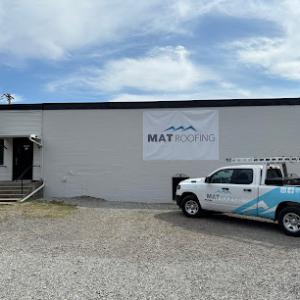
MAT Roofing formerly M.A. Thompson Roofing
(412) 487-3337 www.mathompsonroofing.com
3804 Gibsonia Rd Suite A, Gibsonia, Pennsylvania
5.0 from 100 reviews
M.A Thompson Roofing has been providing homeowners in the North Hills of Pittsburgh with great roofs for nearly 50 years. We specialize in asphalt shingle re-roofing, ensuring your home is protected with top-quality materials that stand the test of time. But we don't stop there – our expert team also offers gutter cleaning and other adjacent services to keep your roof in great form for decades to come. What sets us apart? Our commitment to excellence. We provide you with peace of mind that your roof is built to last. With a rich history of repeat satisfied customers, we take pride in delivering the best quality in Northern Pittsburgh.
Real Roofing
(724) 888-7325 www.getrealroofing.com
5205 Karrington Dr, Gibsonia, Pennsylvania
4.9 from 52 reviews
Real Roofing: Your Trusted Pittsburgh Roofing Company Looking for a reliable roofing company in Pittsburgh? We offer comprehensive roofing solutions for your home or business. Specializing in roof replacement, repair, and installation for all roof types, including shingles, synthetics, metals, and natural materials. We also offer gutter and siding installation services to enhance your home's exterior. At Real Roofing, we prioritize transparent communication, quality assurance, and preventative measures. Our team of certified professionals creates customized plans to address your specific needs, ensuring a professional quality finish that reflects our mastery of the craft. If you want an honest roofing service, get in touch today!
Maverick Roofing
(412) 496-4080 www.maverickroofs.com
1104 Eddy Ct, Gibsonia, Pennsylvania
5.0 from 31 reviews
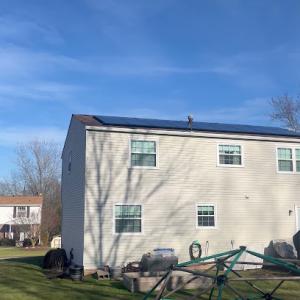
Maverick Roofing is an experienced, dependable, and honest Pittsburgh roofing company. We pride ourselves on great communication & hard work at great value. Whether we are repairing a storm damaged roof or replacing the roof on your home- you can count on us. Maverick has got your 6.
Empire Roofing & More
(412) 484-3528 www.empireroofingandmore.com
Serving
4.9 from 240 reviews
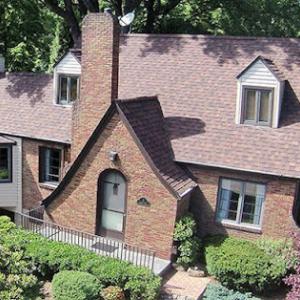
Empire Roofing & More provides specialized roofing services, roof repair services, siding installation, siding repair, specialized siding services, trim and facia services, gutter installation, gutter protection systems, and gutter maintenance and repair to the Allison Park, PA area.
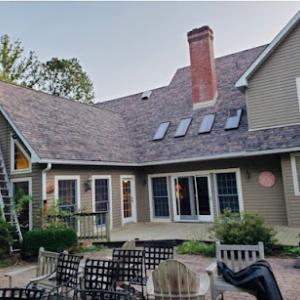
Doing It Right Roofing Powered by Valor
(724) 639-7663 www.roofingcontractorpittsburgh.com
Serving
4.7 from 263 reviews
Doing It Right Roofing is committed to excellence in every aspect of our business. We uphold a standard of integrity bound by fairness, honesty, and personal responsibility. Our distinction is the quality of service we bring to our customers. Accurate knowledge of our trade combined with ability is what makes us true professionals. Above all, we are watchful of our customers' interests and make their concerns the basis of our business.
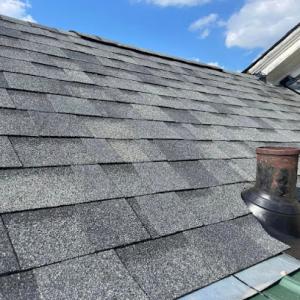
Wright Way Contracting
(724) 220-6071 www.wrightwaycontracting.net
Serving
5.0 from 54 reviews
Wright Way Contracting is a roofing and siding company based out of Saxonburg Pennsylvania. We also provide demolition, clean-outs, and junk removal. We are licensed and fully insured call now for a quote!
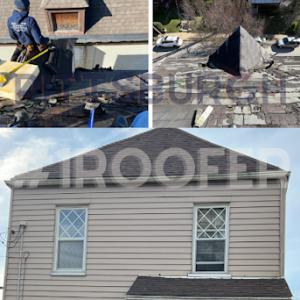
Pittsburgh #1 Roofer
(412) 910-2040 pittsburgh1roofer.com
Serving
5.0 from 2 reviews
We offer a wide range of roofing and waterproofing services for both new and vintage buildings. We can individually handle any roofing issue or concern you may have. Our knowledge and experience can best be summed up by the word "EFFECTIVE". We have developed into one of Pittsburgh's most respected roofing companies. We have a professional working for us for every type of roofing system. And if you have a query that we are unable to answer, we will look into it for you. We want to make doing business with us as easy and enjoyable as possible. We respect your time and consideration and are aware that you have many options when choosing Pittsburgh #1 Roofer. In order to achieve your desired result, we are ready to hear from you.
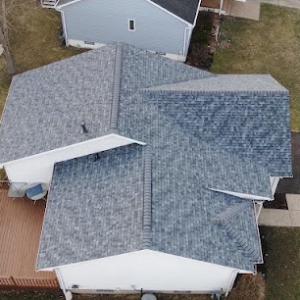
Watertight Roofing Systems
(844) 448-7663 www.watertightroofingsystems.com
Serving
4.8 from 20 reviews
At WaterTight Roofing Systems, LLC our mission is to serve the community both commercially and residentially with the most qualified, uncompromising workmanship and service. We work with dedication and integrity as we strive for a position of leadership in the roofing industry. We boast 40+ years of combined experience serving the Western Pennsylvania and Northeast Ohio areas in the Home Improvement business.
Ireland Contracting
(412) 492-7663 irelandcontracting.com
Serving
4.8 from 483 reviews
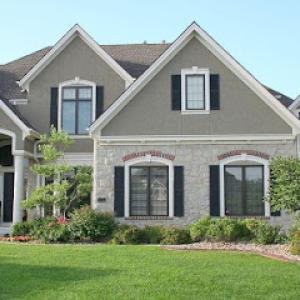
Ireland Contracting provides roofing, siding installation, windows, storm damage repair, gutters, soffits, fascia, electrical services, and generators to the Glenshaw, PA area.
Roofs R Us
(412) 557-1644 www.roofsruspgh.com
Serving
4.6 from 41 reviews
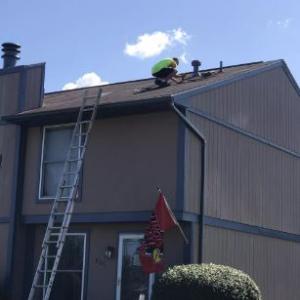
Roofs R Us is a Pittsburgh contractor that provides residential and commercial roofing. The services include roof repair, roof replacement, roof installation, etc. Our license number is PA# 150190. We have 22+ years experience and proudly service the following areas: Allegheny, Armstrong, Beaver, Butler, and Washington counties. Some of the materials we commonly work with include: asphalt shingles, clay or concrete tile, metal, rubber, wood shingles or shakes, and slate.
EAS Roofing
(412) 744-8084 www.thepittsburghroofer.com
Serving
4.7 from 427 reviews
In 2010, our exterior remodeling company was hired to do our first job. Today, we’re still going strong, and equally as committed to delivering the same exceptional results that we were so proud to provide to that very first customer. EAS Roofing insists on the best for the Pittsburgh area homeowners who trust us with their roofing projects. That’s why we only use premium materials, and hire only home remodeling professionals whom we know will deliver excellent craftsmanship. Enjoy beautiful, durable results—guaranteed—when you choose EAS Roofing!

E.H. Roofing
(412) 867-9690 www.ehroofingpa.com
Serving
5.0 from 54 reviews
Welcome to E.H. Roofing, your premier choice for residential roofing services in Glenshaw, PA, and the greater Pittsburgh area. Founded and led by Christopher Norchi, a seasoned professional with two decades of hands-on experience, we pride ourselves on delivering unmatched expertise and quality craftsmanship. At E.H. Roofing, we specialize in residential roofing, siding, gutters, soffit & fascia, ensuring comprehensive solutions for your home. Our commitment to excellence goes beyond the exceptional work we provide; we prioritize a personalized touch by directly involving the owner, Christopher Norchi, in every project.
Roofing work in Gibsonia is typically handled through Pine Township's building department, where the contractor or homeowner files permit information before work begins. This process helps confirm that the steep suburban rooflines common in the area meet local structural and safety standards, especially given the four-season western Pennsylvania climate. When you initiate a project, ask your contractor for the permit submittal checklist well in advance, and confirm whether the plan includes venting, drainage, and attic access details. Because Pine Township reviews roofing changes in the context of overall property compliance, expect documentation of roof type, underlayment, and fastener specifications to be part of the package. If you're doing a replacement, the department may want to see a wind-resistance or impact-resistance strategy, reflecting local weather realities such as freeze-thaw cycles and hail events.
Inspections are commonly scheduled during and after the project to verify installation and code compliance rather than treating reroofing as a no-paperwork job. In practice, you'll typically encounter a rough-in inspection when underlayment and flashings are installed, followed by a final inspection once the roof is complete and all hardware, ventilation, and skylight penetrations are properly sealed. With Pine Township's emphasis on safety and structural integrity, expect inspectors to check nailing patterns, shingle overhangs at eaves and rakes, and adherence to seismic and wind-load requirements relevant to northern Allegheny County conditions. If your home has unique features-such as a very steep pitch or a multi-story section-coordinate access for multiple inspectors and staggered inspection windows to avoid delays. Timely weather windows help as well: on a busy spring or fall schedule, plan for potential rescheduling around heavy storms or deep freeze cycles that can complicate edge protection and temporary tarping.
A final inspection is needed to close out the permit, ensuring the project meets local codes and department standards before you can deem the job complete. In Gibsonia, the closeout step often confirms proper disposal of old materials, accurate venting and drainage alignment, and the integrity of any temporary protection used during the project. Some contexts include disposal-related requirements that specify how debris, old roofing material, and packaging must be handled and where it can be taken. In certain projects, temporary occupancy considerations may arise if attic work or interior access constraints impact living spaces during installation. Communicate with both the contractor and the building department about any occupancy-related questions well ahead of the final inspection date to avoid hold-ups.
Keep a copy of all permit documents and inspection notices in a central spot on-site, accessible to both you and the contractor. Before work begins, confirm the timeline with your roofer and schedule inspection appointments early to align with weather windows and material delivery. If disposal rules require adjacent property or municipal waste streams, plan a storage and removal timetable that minimizes yard clutter and debris risk to surrounding trees and drive zones. Remember: the final seal of approval hinges on a thorough, documented closeout that proves the installation withstands the local freeze-thaw cycles and occasional hail that characterize this part of western Pennsylvania.
Western Pennsylvania is a recurring wind and hail claim environment, and Gibsonia homeowners routinely find themselves navigating that reality after a storm. The typical roof on the hillside streets of Pine Township is steep and often aged to the point where a single hail hit or a stubborn wind gust can reveal more than just surface scratches. When you file, expect the adjuster to look beyond obvious shingle lift or granule loss. They'll want a clear record of roof age, material type, and the storm date. Having those facts ready helps avoid later disputes about history and responsibility.
Adjusters in this region may focus on factors that extend beyond visible shingle damage. Attic ventilation, soffit intake, ridge vent performance, and the condition of underlayment play a pivotal role in whether repairs are deemed sufficient or whether replacement is warranted. On steep suburban roofs, inadequate ventilation can mask or exaggerate problems caused by wind and hail, especially in Pine Township's four-season climate where freeze-thaw cycles add stress. Documenting how the attic is vented and how the roof deck looks behind the shingles helps anchors for a fair assessment.
Because claim outcomes hinge on separating storm damage from long-term wear, thorough documentation matters. Take dated photos immediately after a hail or wind event, focusing on both the roof surface and exposed attic areas if accessible. Do not rely on pictures taken after temporary repairs or tarp deployments, as those can blur the evidence of pre-event conditions. Your goal is to present a clear before-and-after narrative to the adjuster so they can distinguish what the storm caused from what existed beforehand.
Keep a simple log of storm dates, wind speeds you observed, and any shingles that dislodged or curled. If you can safely access the attic, make note of any signs of moisture intrusion, unusual staining, or compressed insulation, as these details support how the underlayment and ventilation performed during the event. When arranging a roof inspection for a claim, request assessments that include both the visible surface and the underlayment condition, since that combination often drives whether a full replacement is needed or targeted repairs suffice. Acting with disciplined documentation helps you protect the integrity of the claim through Gibsonia's seasonal twists.
Connect with contractors who help homeowners navigate the claims process from damage assessment to final approval.
Resnick Roofing & Contracting
(412) 213-6535 www.resnickroof.com
5320 William Flinn Hwy, Gibsonia, Pennsylvania
4.9 from 1339 reviews
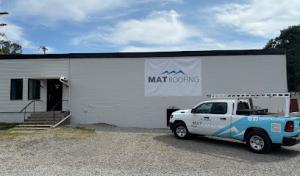
MAT Roofing formerly M.A. Thompson Roofing
(412) 487-3337 www.mathompsonroofing.com
3804 Gibsonia Rd Suite A, Gibsonia, Pennsylvania
5.0 from 100 reviews
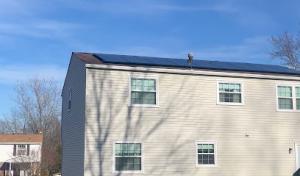
Maverick Roofing
(412) 496-4080 www.maverickroofs.com
1104 Eddy Ct, Gibsonia, Pennsylvania
5.0 from 31 reviews
Winter snow and ice in Gibsonia can make active leaks harder to access safely, which is why temporary tarping and interior water control are often the first step before full repair. Do not crawl into attic or crawlspace if ice is actively pouring or the roof is slick; keep everyone off the roof and preserve heat in the home by closing interior doors to the affected area. A tarped protection plan reduces ice damming pressure and limits further interior damage until a crew can reach the site.
In winter, access is limited by cold and a steep suburban roofline. Arrange tarping from the ground with a pro who can stage equipment from ladders. Keep gutters clear of ice and debris only after the roof is secured; improper probing can trigger more water intrusion. Interior water control matters: place buckets under drips, protect ceilings with plastic, and document when and where the leak worsens during thaw cycles.
The wooded lots increase the odds of branch strikes, clogged valleys, and backed-up gutters. Fallen needles and limbs can hide flashing failures and leaks until a thaw repeats the damage. Inspect safely after storms, but never climb a wet, icy roof. Clear debris from gutters from ground level or with a pro using fall protection.
Fast response matters locally because repeated freeze-thaw cycles can turn a minor flashing or shingle failure into decking and attic moisture problems before a full reroof is scheduled. Coordinating a temporary fix, drainage control, and a plan for the next repair window minimizes long-term damage. Act quickly to limit interior spread during thaws.
When you can't wait, these contractors offer fast response times to stop leaks and prevent further damage.
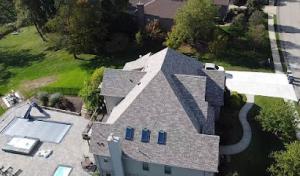
Dynamic Roofing Solutions
(412) 407-7927 www.dynamicroofingpittsburgh.com
Serving
4.9 from 147 reviews
The local market is heavily oriented toward reroofing and repair rather than exotic specialty systems, so homeowners should compare crews based on response time, cleanup practices, and experience with storm-driven replacements. In Pine Township, where steep suburban roofs are common and weather swings from freeze-thaw cycles to hail, timely service and careful debris cleanup matter after every storm.
Because many contractors emphasize long-established, family-owned, or locally rooted operations, tenure and neighborhood reputation carry unusual weight in hiring decisions around Gibsonia. Look for a company that has stayed active through multiple winter cycles and received referrals from neighbors with similar roof types. A locally rooted contractor often brings a practical sense of driveways, landscaping damage, and the realities of steep pitches in winter conditions.
Chimney flashing and roof-to-masonry transitions deserve extra scrutiny in this area because chimney-related work appears frequently in the local contractor mix and older western Pennsylvania homes often have these leak points. When interviewing, ask specifically about past chimney flashing fixes, whether they use the latest counterflashing or sealant methods, and how they handle transitions around masonry surfaces to minimize ice dam risk.
Visit a few recently completed jobs within a similar roof style and take notes on cleanup, tarp management on windy days, and how waste shingles are disposed. Request a written sequence of work from the contractor, including how they secure the site at the end of each day and what warranty coverage accompanies both labor and materials. In this market, a clear, neighbor-tested process often correlates with fewer surprises after the first winter thaw.
Get a clear picture of your project costs upfront - no commitment required.
Resnick Roofing & Contracting
(412) 213-6535 www.resnickroof.com
5320 William Flinn Hwy, Gibsonia, Pennsylvania
4.9 from 1339 reviews
MAT Roofing formerly M.A. Thompson Roofing
(412) 487-3337 www.mathompsonroofing.com
3804 Gibsonia Rd Suite A, Gibsonia, Pennsylvania
5.0 from 100 reviews

Schultheis Bros. Heating, Cooling & Roofing
(724) 831-2379 www.schultheisbros.com
Serving
4.9 from 13 reviews