
Last updated: Apr 19, 2026
Shingle edge wear in this area is not just about sun and wind; it's driven by real winter arithmetic. Whitehall experiences cold stretches followed by thawing, then refreezing, repeatedly over the season. That cycle pushes and pulls at asphalt edges, flashing joints, and sealant lines. When snow sits on a roof and meltwater hits a cooler eave line, the edges are the first to take the brunt. Over several seasons, you'll notice curled or cracked edges, loose or slipping flashing, and increased granule loss where the roof meets the overhangs. If you see rusted or loose metal flashings along the rake and valley gutters, that's a telltale sign the frost cycle is doing damage at the points your roof relies on to shed water. In practical terms, the longer this cycling continues on a single roof without proactive maintenance, the faster small issues turn into big leaks.
Ice damming is a real risk here because meltwater can back up at eaves and around roof penetrations during those melt-refreeze events. When ice forms at the lower edge of the roof, it creates a dam that prevents water from draining properly. The trapped water can seep under shingles and into attic spaces, vents, and around chimneys or vent stacks. In homes with less-than-ideal insulation or ventilation, the problem compounds as heat makes its way to the roof deck, melting snow from the inside out. If you notice icicles that are unusually large, dark roof stains on the eaves, or damp patches on ceilings after a thaw, take it as a warning. Ice dams don't just threaten the surface; they push against flashing and ridge lines, loosening fasteners and creating pathways for water to find its way into your attic and walls. Act quickly when you detect any of these signals. The risk isn't theoretical-left unchecked, an ice dam can cause accelerated wear on roofing edges and penetrate vulnerable penetrations such as vent pipes, skylights, and chimney flashings.
In this market, replacement timing is driven less by age and more by how repeated winter cycling and spring storm damage accumulate on the same roof. A roof that has endured multiple freeze-thaw seasons and repeated hail or wind impacts will reach a tipping point sooner than a roof with a shorter, milder exposure history. If you can identify recurring winter damage-edge deterioration, lifted shingles, breached flashing, recurring ice dam patterns, or water staining after thaws-consider planning for replacement sooner rather than later. This isn't a schedule based on calendar years; it's about the roof's resilience to ongoing freeze-thaw stress and the cumulative impact of spring storms. A one-season repair won't necessarily stop the cycle from returning; the problem tends to compound with each winter. If a roof shows more than one of the following signals within a single season or across two consecutive seasons-shingle edge lift, flashing movement, granule loss concentrated at eave lines, intermittent attic moisture, or recurring ice dam-related staining-prioritize a staged replacement or a comprehensive retrofit that future-proofs against repeated cycles.
Set reminders to inspect after the last substantial snowfall and again after the first thaw of spring. Focus checks on eaves, fascia boards, and flashing along valleys and vents. Look for signs of moisture intrusion in attic spaces, ceiling stains, or musty odors after warm spells. Engage a local contractor who understands Whitehall's winter patterns: they should perform a thorough inspection of shingle integrity, edge sealing, and flashing-to-roof connections. When you see repeating damage in the same roof areas, don't delay-addressing the underlying cycle with timely repairs or a planned replacement is the best defense against escalating costs and interior damage. In the long run, a robust, properly installed solution that accounts for freeze-thaw stress and ice dam dynamics will deliver the most reliable protection against moisture and structural degradation.
Spring in this area brings lively storms with hail and high winds, and impact damage can sneak in when you least expect it. Whitehall homeowners often discover lifted shingles, dented panels, or loose flashing after the hail sweeps through a neighborhood. The risk isn't only in the big storm events; even modest hail can create micro-cracks that allow moisture to penetrate over time, especially on older roofs. When a gusty front rolls in, wind-driven debris can nick edges and loosen fasteners, creating a domino effect on shingles and underlayment. This is not a distant concern; it's a recurring inspection issue for many homes in the valley.
Pennsylvania insurers commonly ask for three things when hail or wind damage is filed: the roof age, clear damage photos, and a detailed contractor estimate. In practice, that means you should have recent, well-lit photos showing any lifted edges, granule loss, or critter access points, plus a documented assessment from a qualified roofer. If a claim is pursued, the adjuster will compare the reported condition with the roof's remaining life and the storm's timing. Being organized helps avoid delays and questions that stall coverage decisions.
Older roofs face depreciation during claims, which can push homeowners toward replacement sooner after a storm rather than repeated patching. In Whitehall, that reality matters because heavy tiles or higher-end systems endure weather stress differently than standard shingles. A roof past its mid-life can show accelerated wear from freeze-thaw cycles and spring impacts. If a claim is approved, understand that depreciation adjustments may influence whether repair or replacement is the most prudent path to reliability and long-term protection.
If a storm rolls through, conduct a rapid safety check first: look for loose shingles, torn underlayment, and any visible water entry inside the attic or ceiling. Then verify that the most exposed sections of the roof-valleys, edges, and near chimney or adds-are inspected by a licensed roofer within 24 to 72 hours if possible. Prompt, professional assessment reduces the risk of hidden moisture and avoids surprise leaks during the next freeze-thaw cycle.
Keep a storm diary: dates of hail events, wind gusts, and any visible roof changes. Save photos taken from multiple angles and maintain a folder for every claim event. A written contractor estimate that clearly details scope, materials, and workmanship helps align expectations with the insurer. In this climate, timely, precise documentation is not optional; it's the cornerstone of a smooth claims experience and a durable roof.
Find local contractors experienced in assessing and restoring roofs after hail, wind, and severe weather events.

3 Days Later Roofing + Renovations
(484) 709-1443 www.3dayslaterroofing.com
Serving
5.0 from 56 reviews


New Heights Roofing
(908) 319-5952 www.nh-roofing.com
Serving
5.0 from 12 reviews
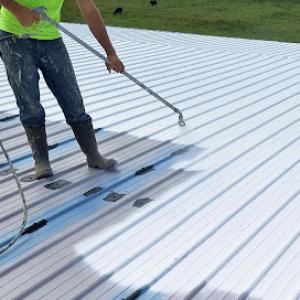
New Heights Roofing is a commercial / industrial roofing contractor that is currently serving 5 states with over 40 years of commercial roofing experience. * We also have our “Roof Life” service program that will lock you into a reduced labor rate on all service repair calls and gives you “head of the line” privileges before all non- program customers. Our “Roof Life” program takes the worry out of maintaining your commercial roof. We design a plan and schedule to fit your needs and budget. Our services include: • Complete Roof Replacements • Roof Asset Management for Single or Multi-Site Owners • Inspection & Maintenance • Repair Services • Restoration • Roof Audits • Quality Assurance Inspections • Materials Testing • Infrared Survey

3 Days Later Roofing + Renovations
(484) 709-1443 www.3dayslaterroofing.com
Serving
5.0 from 56 reviews
3 Days Later Roofing & Renovations is a family-owned roofing contractor serving Allentown, Bethlehem, Easton, and the greater Lehigh Valley, PA. We specialize in roof replacement, roof repair, storm damage restoration, siding installation, kitchen remodeling, deck construction, and full-home renovations. As a GAF Certified contractor with a BBB A+ rating, our crew delivers expert craftsmanship backed by industry-leading warranties on every project. Our name reflects our commitment to efficiency most roofing jobs are completed within three days, keeping your home and life on track.
In The Light Roofing
(484) 553-0213 inthelightroofing.com
Serving
4.9 from 237 reviews
In The Light Roofing is a leading roofing company dedicated to ensuring that your home's roofing not only provides protection but also enhances its aesthetic appeal and value. With extensive experience and a commitment to excellence, we take pride in delivering tailored roofing solutions that meet your requirements. Whether it's a minor repair or a total roof replacement, our skilled professionals approach each project with keen attention and superior craftsmanship. We understand the importance of clear communication and transparency, which is why we collaborate closely with you throughout every stage of the process, from the initial consultation to the final inspection.
Stormtrooper Roofing
(215) 885-7663 stormtrooperroofingllc.com
Serving
5.0 from 242 reviews
Storm Trooper Roofing, located at 40 S 5th St, Allentown, PA, is your trusted partner for top-notch roofing services in the Lehigh Valley, Northampton ,Bucks and Montgomery Counties. Specializing in roof repair, roof replacement, and comprehensive roofing solutions, we serve Allentown, Bethlehem, Easton, Emmaus and beyond. As a leading roofing company near you, our team of certified roof contractors excels in both residential and commercial projects. We use premium materials such as GAF & Owens Corning asphalt shingles, Metal roofing, and EPDM for commercial flat roofs. Our customer-first approach, supported by numerous awards, makes us a standout choice for all your roofing needs. Save Thousands over Competitors. 250 +5☆ Google Reviews ..
Roofera Roofing
(484) 429-4411 www.roofera.com
Serving
5.0 from 39 reviews
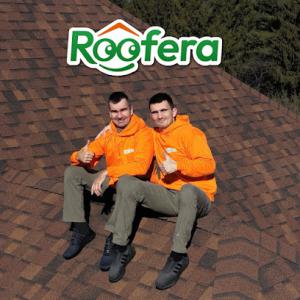
Roofera is a locally owned roofing company serving homeowners in Allentown, Bethlehem, Easton, and surrounding areas. In 2016, we came to the United States with a dream and a strong work ethic. We started as exterior contractors, learning the trade from the ground up before focusing on roofing. Today, we specialize in roof installation, roof repair, and roof replacement. Roofera is led by two brothers who stay personally involved in every project. We believe in honest work, clear communication, and standing behind what we build, because a roof isn’t just another job—it protects everything underneath it.
Builders & Management Plus
(610) 440-4082 www.buildersmanagementplus.com
Serving
4.9 from 45 reviews
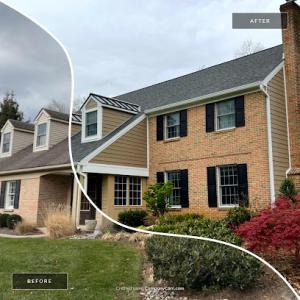
Builders & Management Plus is an experienced roofing company serving the greater Lehigh Valley specializing in repairing and replacing roofs damaged by storms. We work with your insurance company to get the most out of your homeowners policy so that your home can go back to normal by replacing the damaged roof, siding, gutters, and windows. No storm damage and just need a new roof? We do that too. Asphalt, wood shake, or metal roofs - the choice is yours! We look forward to providing you with excellent service and the comfort of living under a quality roof.
Paul Wright Roofing
(610) 770-3979 www.paulwrightroofing.com
Serving
4.3 from 87 reviews
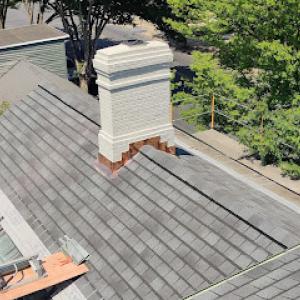
Paul Wright Roofing was founded by Paul Snellen in 1990 and has been serving the Allentown, Bethlehem, Easton, and surrounding Greater Lehigh Valley area ever since. Paul continues to be active in all areas of the business today and is proud to have his family members working with him. Our professional roofers have over 100 years combined experience and most members have been with us for more than 6 years. We regularly drug test and background check our members for your safety. Our goal is to provide a professional roofing experience superior to any other. This is part of our culture and our team strives to exceed client expectations with every job we do.

Ortiz Roofing & General Contracting
(484) 957-6068 www.ortizroofinggeneralcontractingllc.com
Serving
4.8 from 36 reviews
Ortiz Roofing & General Contracting provides roofing, siding, chimney and gutter cleaning, and fencing to the Allentown, PA, area.

Holencik Exteriors
Serving
4.8 from 826 reviews
Holencik Exteriors has been committed to providing and installing superior roof, gutter, and insulation products in the Lehigh Valley for decades. Residents and businesses alike place their trust in us for roof and gutter repairs, replacements, and maintenance. We provide a GAF Weather Stopper Integrated Roof System to our customers with every roof installation. Holencik Exteriors is a GAF certified contractor and a certified installer of Mastershield Gutter Protection Systems and GAF Timberline Solar Shingles. Our roof mechanics, gutter installers, and the members of our repair crew, are trained and certified by GAF and Mastershield so that we can insure the quality of each and every visit.

All Pro Roof Stone Atlas
Serving
5.0 from 13 reviews
All Pro Roof Stone Atlas is Allentown's premier destination for high-quality roofing materials. Located at 429 S West St, this store offers a comprehensive selection of products to meet the needs of professional roofers and DIY enthusiasts alike. With a focus on exceptional service and durable supplies, All Pro Roof Stone Atlas ensures every project is built to last. Their knowledgeable team is dedicated to helping you find the perfect solutions for any roofing challenge, ensuring your next project is a success.
ROOFX Roofing
Serving
5.0 from 139 reviews
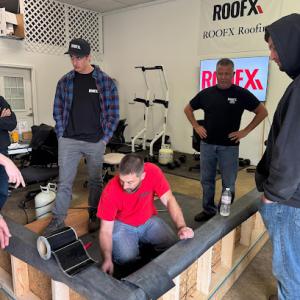
Roofx Roofing & Siding, nestled in the heart of Allentown, PA, is your premier destination for top-tier roofing and siding solutions. With a commitment to excellence, we specialize in a comprehensive range of services to safeguard your property. Our adept team excels in seamless roof replacements, expert roof repairs, and cutting-edge metal roofing installations. For businesses seeking robust solutions, we provide specialized commercial roofing services tailored to industry standards. At Roofx, we blend expertise with innovation, delivering unparalleled craftsmanship to meet all your roofing and siding needs. Trust us to elevate your property's protection and aesthetic allure with precision and care. Contact us today!
Bethlehem Roofing Pros Plus
(484) 510-8061 bethlehemroofingprosplus.com
Serving
5.0 from 12 reviews
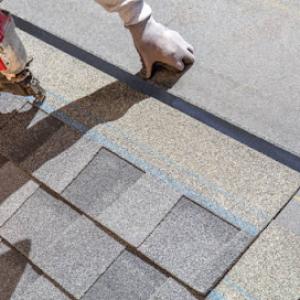
Proudly serving the Bethlehem community with exceptional roofing services, we've built our reputation on quality workmanship, transparent pricing, and outstanding customer service. Our team of certified roofing professionals brings years of expertise and dedication to every project, ensuring your home receives the protection it deserves. Why Choose Us? Licensed and Fully Insured Professionals 24/7 Emergency Response Available Free Estimates and Roof Inspections Premium Quality Materials Competitive and Honest Pricing 100% Customer Satisfaction Guarantee
Asphalt shingles are the dominant practical choice in Whitehall because they balance cost with performance under the area's winter temperature swings and wind exposure. For the typical ranch, colonial, or mid-century home, asphalt provides reliable protection against freeze-thaw cycles without overwhelming structural budgets. In winter, choose a shingle with good edge stability and strong UV resistance to fight off rapid aging from sun and reflected heat off snow. When inspecting, pay attention to granule loss after heavy storms, which can accelerate aging. In areas with challenging wind gusts, ensure the installation includes proper nailing patterns and attic ventilation to minimize lateral movement during blizzards.
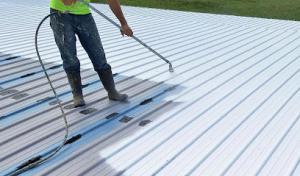
Metal roofing is a strong fit in Whitehall for snow shedding and durability, but detailing around fasteners and flashings matters because of freeze-thaw movement. If you live on a windy street or a home with tall eaves, metal can reduce ice dam risk by promoting faster snow release. The panel profile and seam type influence how well snow slides off and how water is directed at roof edges. Pay close attention to flashing around chimneys, skylights, and transitions to gutters. Seasonal inspections should verify that sealants remain flexible after cold snaps, and that the underlayment remains dry behind the panels to prevent hidden corrosion.
Clay and concrete tile appear in this market but can trigger added structural review in Whitehall Township because heavier roof systems may require load considerations during permitting. Tile brings a long service life and nuanced color options, but the weight requires a solid structural assessment, especially on older homes or ones with existing smaller exterior footprints. Flooring, parapets, and underlying rafters should be checked for adequate support and spacing. If tile is installed, ensure a professional layout that accounts for snow accumulation and ice dam risk at low-slope transitions. A proper underlayment and moisture barrier remains essential to minimize freeze-thaw damage behind tile edges.
The conjunction of Lehigh Valley freeze-thaw cycles and spring storms means a proactive approach pays off. Ice damming can be more pronounced on homes with marginal insulation or gutters that clog during heavy snow events, so ensure insulation in the attic is continuous and vented to reduce warm rising air meeting cold surfaces. When a major storm is forecast, prioritize a rapid inspection and prompt, professional-only repairs to avoid progressive water intrusion. If a full replacement becomes unavoidable after sustained winter damage, coordinate the project for the clearest possible window to minimize exposure to additional freeze-thaw cycles and wind-driven debris.
Whitehall cost ranges run from 350 to 650 USD per square for asphalt shingles, 500 to 900 for metal, 800 to 1500 for clay tile, 700 to 1200 for concrete tile, 550 to 900 for wood shingles or shakes, and 550 to 900 for synthetic or composite shingles. For most mid-season projects, these figures reflect typical weather-driven scheduling and material availability in the Lehigh Valley. When you're budgeting, keep in mind that your attic ventilation and existing deck condition can nudge these numbers up or down by a notch or two.
Costs in Whitehall can rise when storm demand spikes after spring hail or wind events, since emergency scheduling and material lead times tighten across the Lehigh Valley market. If a hail season hits, you may see shorter notice windows for shingle delivery or crew availability, which can translate into higher labor rates or expedited-shipping charges for materials. In practice, that means it's prudent to line up estimates early, and to have a plan for possible temporary accommodations if a replacement window narrows due to weather.
Heavier materials such as clay or concrete tile can increase Whitehall project costs because structural review or reinforcement may be needed before approval. The local climate accelerates freeze-thaw cycles, and those heavier systems demand careful assessment of soffits, rafters, and the overall load on your home. If your attic or ceiling shows signs of sag, moisture damage, or prior repairs, expect a thorough structural check as part of the replacement process. A good contractor will flag any needed reinforcements before ordering materials, helping prevent delays or unplanned expenses later in the job.
When you're choosing a material, pair your aesthetic goals with the long-term performance in this climate. Metal roofs tolerate hail and wind well, but weight and fastener compatibility with existing decking matter. Tile options bring longevity and curb appeal but can cost more and require additional framing. Asphalt remains the most flexible starter option, balancing cost with quick availability during busy spring months.
Don't let upfront costs delay a critical repair - these contractors offer payment plans to fit your budget.
Builders & Management Plus
(610) 440-4082 www.buildersmanagementplus.com
Serving
4.9 from 45 reviews

A full roof replacement in Whitehall Township typically requires a permit through the Whitehall Township Building Department. The process is there to ensure the job is done safely and to code, especially for heavier tile systems or projects that involve significant structural work. If you've got an older home, or one with unusual roof geometry, the permit review can flag concerns about wind uplift, load paths, and drip-edge detailing. The outcome of that review can quietly extend timelines, so it pays to plan with a little built-in cushion for paperwork.
In Whitehall, the contractor or homeowner usually applies for the permit, so homeowners should confirm before work starts who is handling township paperwork. Miscommunication here can lead to delays, rejected work during inspections, or the need to pause progress while corrections are issued. If your contractor says they "have it under control," ask for the permit number, the expected inspection dates, and a copy of the approved plan. Keeping that documentation on site helps when neighbors or the township staff ask questions about the scope of the project.
Whitehall inspections are commonly scheduled during the job and again at final completion, with an intermediate check around framing or underlayment conditions and a final inspection after installation. The intermediate check is where you'll want to see confirmation that rafters, sheathing, and any venting or ice-damming measures meet code expectations. If there's a storm or supply delay, inspectors may adjust timing, but that does not mean you should skip a scheduled visit. A missed or rushed inspection can trigger rework, added weather exposure, or the need for temporary protective measures to prevent damage to the newly installed materials.
Coordinate with your roofer to map out a realistic sequence of work that accommodates Whitehall's freeze-thaw cycles and potential spring storm timing. If a heavy tile system is chosen, confirm that the framing and fastenings are prepared to meet uplift and wind requirements, and that underlayment and flashing details are in place before the final inspection. Have the site clearly accessible for inspectors, with all indoor work protected and exterior areas free of debris. A respectful, proactive approach with the Building Department tends to smooth the process and reduce the risk of missteps that could cost you time and multiple re-inspections.
Chimney-related roofing work is notably common in the Whitehall contractor market, which matches the leak patterns seen on older homes with masonry penetrations. The risk isn't only the crown and flashing; freeze-thaw cycles push masonry joints and step flashing out of place, especially where brick meets shingles. Look for dark staining, spalling bricks, or recurring puddling at the base of the chimney. If a leak is intermittent, it often traces to the transition between flashing and surrounding shingles rather than a single sheet of metal.
Skylight service is also a meaningful specialty in Whitehall, making curb flashing and surrounding shingle integration a local repair topic rather than a niche add-on. When addressing a leaking skylight, inspect the curb seals, flashing bolts, and the sealant bead around the base. Curb flashing tends to crack first at rapid temperature changes, so pay attention to any hairline gaps or looseness. In older homes, the surrounding shingles may need re-nailing or a small shingle re-lay to ensure proper integration with the skylight's flashing.
Freeze-thaw cycling makes flashing transitions around chimneys and skylights more vulnerable than broad field shingles alone. Start with a careful roof surface assessment: test for lifted shingles, missing granules, and rust on metal components. Next, reseal and reflash as needed, ensuring the base layer is clean and dry. Replace any degraded boot flashing around vents or masonry corners, and tie the flashing into a continuous line with the adjacent shingles to minimize future gaps. Finally, monitor for new ice dam formation during late-wall or gutter-fed melt events.
Find contractors experienced in skylight installation, flashing, and leak repairs to bring natural light into your home.

Alliance Fire Water Storm Restorations
(484) 314-3367 www.getalliancelv.com
Serving
4.7 from 38 reviews
Whitehall homeowners should document storm damage immediately with date-stamped photos because Pennsylvania carriers commonly request visual proof before approving hail or wind work. Focus on capturing the most vulnerable angles of the roof, the extent of granule loss, and any visible damage on vents, flashing, and gutters. Keep a dated diary of when storms occurred and when damage was first noticed, so the claim trail remains clear if questions arise during processing.
Adjuster inspections are a normal part of the Whitehall-area claim process, so homeowners should preserve damaged shingles, interior leak photos, and any emergency tarp invoices. Do not remove damaged material before the adjuster sees it, and arrange access for the inspection promptly after filing. If interior leaks appear, photograph the affected ceilings and walls with a timestamp to document progression. Emergency tarp coverage should be kept with the documentation, including the installer's contact information and the tarp installation date.
Because depreciation on older roofs can materially affect claim outcomes in Pennsylvania, Whitehall homeowners often need to compare insurance proceeds against full replacement costs rather than assume a claim will cover everything. Understand that hail and wind damage may not be paid at replacement value for older systems, and deductions can apply for wear and tear. Communicate clearly with the insurer about the roof's age, prior repairs, and any recent storm-driven impact. If a claim seems insufficient, request a detailed explanation of depreciation and seek an independent assessment to verify what restoration approach reflects true restoration needs.
Time matters after a major storm: delayed reports can complicate eligibility or valuation. Share the evidence promptly, maintain a consistent file of communications, and align your photos with the date and storm events. When in doubt, favor thorough documentation and transparent dialogue with the insurer to navigate the process without unexpected gaps.
Connect with contractors who help homeowners navigate the claims process from damage assessment to final approval.
Builders & Management Plus
(610) 440-4082 www.buildersmanagementplus.com
Serving
4.9 from 45 reviews
Advance Exterior Solutions of Macungie
(484) 601-5137 advanceexteriorsolutions.com
Serving
5.0 from 26 reviews
Flat-roof capability is meaningfully present in the Whitehall market, indicating that low-slope sections on porches, additions, and mixed-roof homes are a real local service need. The street-level reality is that these areas often tie into steeper shingle roofs, so careful detailing matters for long-term performance.
Snow and ice buildup behave differently on low-slope sections, especially where they connect to upper, steeper roofing. In Whitehall, ensure that boundary transitions between low-slope and steeper roofs are explicit: specify a continuous, properly lapped membrane system at any parapet, dormer, or porch edge, with a solid slope to drain. Pay particular attention to termination details at edge flashings and penetrations, so ice damming can't pry the membrane up or push water under seams during melt cycles. The goal is a continuous, watertight layer that channels runoff away from interior spaces and toward properly flashed scuppers or gutters.
Low-slope problem areas often become urgent only after winter ponding, ice backup, or spring storm intrusion rather than from visible shingle loss alone. Look for ponding spots on porches or additions, especially where scuppers are blocked or where the deck-overhang creates a narrow channel. Leaks may track a long way from the original intrusion point, so track suspected trouble paths during a rain test or after a thaw to identify slow losses before they become indoor leaks. Address compromised membranes promptly to prevent deeper damage in the attic and framing.
Homes with mixed roofs require careful integration between flat sections and adjacent steeper shingles. Use appropriate flashing that accommodates movement and temperature shifts, and keep transitions smooth to avoid sudden changes in slope that trap debris or meltwater. Regular inspections after heavy snows and spring storms will help detect edge lift, seam separation, or flashing corrosion before a leak manifests inside. Prioritize accessible inspection points around skylights, dormers, and porch connections where drainage paths converge.
Find specialists in TPO, EPDM, and built-up flat roofing systems for residential and commercial properties.
Builders & Management Plus
(610) 440-4082 www.buildersmanagementplus.com
Serving
4.9 from 45 reviews