Last updated: Apr 19, 2026
Perkasie roofs endure a punishing cycle: winter freeze-thaw cycling can open shingle tabs, loosen flashing, and worsen small penetrations well before the first spring rain. Those tiny gaps become big trouble once warm weather returns, letting moisture travel under shingles and into attic spaces where it can condense and cause hidden rot. In Perkasie you'll often see trips of ice damming that pry shingles upward at eaves or push flashing loose around vent stacks and chimney cricket details. The window of opportunity to catch these issues is narrow-once the thaw hits, leaks can spread quickly from a single compromised seam to widespread interior staining. If you notice shingle tabs that lift when you walk the roof, or flashing that can be moved with a gentle wiggle, treat it as urgent. Have a trusted Perkasie roofer inspect and secure those seams before the next round of heavy spring rains.
Warm, humid summers in this area bring frequent afternoon storms that test roof integrity with wind-driven rain and hail. In Perkasie, this means tiny gaps around joints or aging underlayment can become pathways for water during a storm-even when the rest of the roof seems intact. The practical concern for homeowners scheduling repairs or documenting sudden damage is how swiftly a small breach can escalate into a roof-wide problem. After a thunderstorm, check interior ceilings for new discoloration near walls, around chimneys, or along valleys. On the roof, look for lifted edges, granule loss, or impacted hail marks that mirror into the attic through vent penetrations. If you suspect impact or wind damage, document it with quick photos from multiple angles and arrange a same-day or next-day assessment with a local roofer who understands Perkasie's specific weather patterns and the way it stresses ventilation, flashing, and edge details.
Autumn wind events matter locally because leaf and branch debris can trap moisture at valleys and roof edges before winter snow and ice set in. In Perkasie, a fall gust can push leaves into eaves troughs and into valleys, where moisture remains trapped and slowly corrodes metal flashing or degrades sealant joints. Debris-filled valleys are a common pre-winter trap that accelerates rot and invites ice dams once temperatures drop. The risk isn't only aesthetics; lingering moisture at roof edges makes soffits and fascia vulnerable to timber rot and creates pathways for cold air to infiltrate attic spaces. Actively clear debris from valleys, hips, and edge locations after storms, and verify that valley flashing is continuous and properly sealed. If you notice moisture staining near eaves after a windy day, treat it as a warning sign and pursue a targeted inspection to verify that flashing, underlayment, and ventilation are still performing as designed.
Late spring through early fall is typically the most workable replacement window in Perkasie because winter cold can complicate sealing and spring storms can disrupt tear-off schedules. When planning, aim for a stretch where temperatures stay consistently above freezing at night and humidity isn't at its peak yet. This helps ensure sealants cure properly and flashing sits tight without fighting frost or sudden shifts from afternoon downpours. If a project spans multiple days, choosing a period with predictable daily highs allows crews to stay on track and reduces the chance you'll need to pause for weather. In a borough-towship environment like this, a tight schedule matters just as much as the materials chosen.
Summer humidity in southeastern Pennsylvania can slow crews and affect daily production, so homeowners in Perkasie often benefit from booking before peak storm-season backlogs build. Humidity can make caulks and adhesives take longer to set, and high dew points can complicate air sealing around sashes and sills. A practical plan is to select a window that aligns with a dry spell and to avoid scheduling during the most humid weeks if possible. If a delay is unavoidable, communicate a realistic fallback window to the crew so they can protect interior spaces and keep interior temps stable during work. The goal is to keep the inside dry and the outside protected, without forcing crews to rush critical steps.
Because Perkasie sees both snow loading in winter and thunderstorm activity in warmer months, delaying a marginal window replacement through two seasonal swings can accelerate interior leak risk. If there are signs that the existing windows are failing-condensation, drafts, or broken seals-addressing them before the next freeze or another active storm period minimizes the chance of water intrusion while sides and flashing are being resealed. When a window unit is near the end of its life, delaying a replacement through deep winter or peak storm season increases the likelihood of interior damage and complicates temporary containment. A steady, proactive approach tends to yield the most predictable outcome.
A solid plan aligns with local habits and labor rhythm. Start by identifying a window that can be safely removed and installed with dry, moderate weather. Coordinate with the crew to secure interior plastic, door blankets, and floor protection in advance, especially for homes with multiple levels or tight stair access. In Perkasie, it helps to pre-arrange a contingency day or two for potential storm interruptions; unexpected rain can pause tear-off, and lingering moisture can affect finish quality. Communicate a preferred sequence: remove interior blinds or window treatments early, protect surrounding trim, and then move to exterior sealing and flashing. This reduces final cleanup time and minimizes the chance of moisture sneaking into wall cavities.
During the work, ensure exterior brick or siding transitions around the frame are protected to prevent chafing or scuffs. The crew should monitor the sealant application on warm, dry days and verify that flashing is properly integrated with the surrounding Roofing environment, especially at corners and near venting. After installation, test for drafts with a simple airflow check and inspect for consistent flashing line along the jambs. In Perkasie, where seasonal swings are common, the most dependable results come from completing the project during the recommended window and having a follow-up check scheduled in the weeks after installation to catch any settling or minor shifts before winter resumes.
Get a clear picture of your project costs upfront - no commitment required.
Franco Roofing & Siding Inc - Bucks County
(215) 766-0266 francoroofinginc.com
1104 Bucks Rd, Perkasie, Pennsylvania
5.0 from 35 reviews

Franco Roofing & Siding Inc - Bucks County
(215) 766-0266 francoroofinginc.com
1104 Bucks Rd, Perkasie, Pennsylvania
5.0 from 35 reviews
Franco Roofing is a trusted, second-generation roofing contractor serving Bucks & Montgomery Counties, PA, and Western NJ since 1971. We specialize in expert installation, repair, and maintenance of slate, cedar, metal, asphalt, Spanish tile, EPDM rubber, and modified bitumen roofing. With decades of craftsmanship and a commitment to quality, we provide durable, high-quality roofing solutions for homes and businesses. Licensed and insured, we offer a 10-year workmanship guarantee on new roof installations. Contact Franco Roofing today for a free estimate and expert service you can trust! We also offer siding services installation and replacement to enhance curb appeal, efficiency, and protection—coordinated with your roofing project.
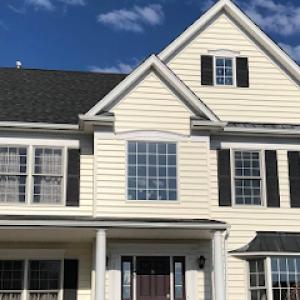
Bone Dry Roofing
514 Blue School Rd, Perkasie, Pennsylvania
5.0 from 10 reviews
Bone Dry Roofing provides water-tight, quality work at affordable prices. With 20 years experience in residential roofing, siding, gutters, windows and doors, we are your go-to for all of your exterior home maintenance needs. Specializing in hard to find leaks and working to protect your home from whatever Mother Nature may throw its way, our battle cry has become, “The leak stops here!”
Hammer Noise Roofing
(267) 203-6272 hammernoiseroofing.com
Perkasie, Pennsylvania
5.0 from 4 reviews
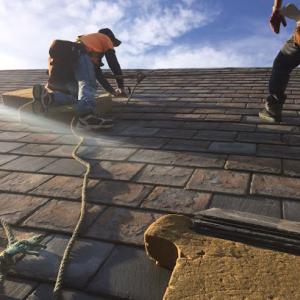
We are certified professional roofing contractors with experience in residential roof repair and replacement and new roof installations within Philadelphia and surrounding areas.

QE Keystone Roofing
(267) 517-2035 qekeystoneroofing.com
Serving
4.9 from 73 reviews
At QE Keystone Roofing our mission is to provide our customers with the highest quality of work at a fair price . Services include roofing, 24 hour emergency roofing, roof replacement, roof installation, commercial roofing, roof repair, shingle roofs, metal roofs, tile roofs, flat roofs, roof coating, roof vents, gutters and gutter guards. We work closely with our customers and their insurance companies to ensure that you get the coverage you deserve. Call us today for your free quote.
Hmc Roofing Pro
(610) 349-2174 hmcbusiness.site.com
Serving
5.0 from 12 reviews
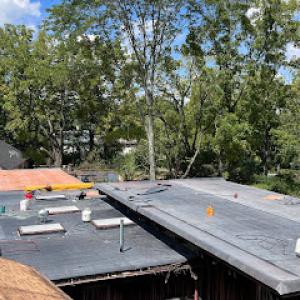
SATISFACTION AND GUARANTEE
Banes Roofing
(215) 723-2888 www.banesroofing.net
Serving
4.8 from 164 reviews
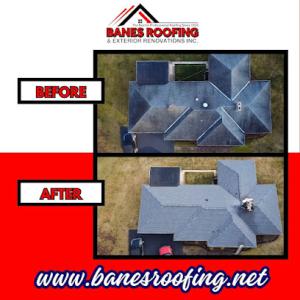
FREE estimates. LIFETIME warranties. Residential and commercial roofing services and repair. We also provide Siding, Windows, Doors and Gutters. We Opened In 1950… Back When Honesty, Integrity & Following Through Mattered. At Banes Roofing, These Values STILL Matter. For 70+ years, we’ve dotted every single I, crossed every single T, and given it our ALL on every single job. It’s why many loyal customers have been with us through multiple generations of their families! Bottom line: We’re the roofer that’s been doing things the right way -- and treating people the right way -- since 1950. Give us a call to see how our “old-school” values guarantee you a stress-free experience… and outstanding results.

Bachman's Roofing
(215) 273-6161 www.bachmansroofing.com
Serving
4.9 from 297 reviews
Since 1972, we’ve evolved from a small family roofing company—just a couple of guys and a truck—into the most trusted home improvement company in the tri-state area. With family values at our core, we’ve spent over 50 years setting the standard for dependability, quality, honesty, and professionalism in the roofing industry. Proudly ranked in the top 1% of roofing contractors nationwide, we’re dedicated to delivering top-quality products, exceptional craftsmanship, and sustainable solutions. Our success is a team effort, and we have the best team in the business.
Figueroa Contracting
Serving
4.7 from 29 reviews
Figueroa Contracting is a fully licensed and insured roofing company. We service Pennsylvania and New Jersey.
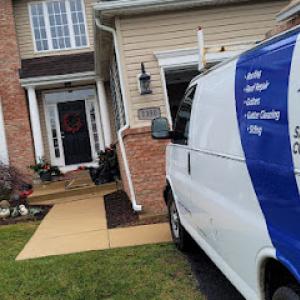
Sanchez Contracting
(267) 460-3817 www.sanchezcontractingpa.com
Serving
4.9 from 127 reviews
Sanchez Contracting provides roof installation, repairs, and a full range of specialized services to customers in King of Prussia, PA, Bucks County, PA, and the surrounding areas.
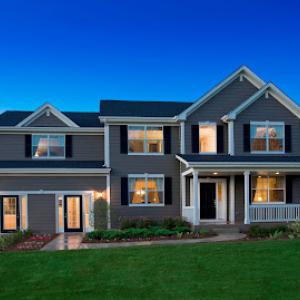
Unity Exteriors
(267) 897-8263 www.unityexteriors.com
Serving
5.0 from 77 reviews
We’re all about putting people first, attending to their needs and making a difference together! We are a Family owned and operated business. We specialize in all types of residential roofing, siding, windows, doors and decks!

Bates Construction
(610) 900-6884 www.brucebatesconstruction.com
Serving
5.0 from 3 reviews
Bates Construction has been providing residential and commercial roofing services to Nazareth, PA and the surrounding areas for over 35 years. We handle every type of roofing project, and always put our customers first.
Hamburger Roofing & Sheetmetal
(267) 718-8797 www.hamburger-roofing.com
Serving
5.0 from 4 reviews
Our mission is to improve the way roofing systems are installed. By investing in our employees we have developed a team of expert craftsmen committed to the proper installation of a specialized set of high-quality products, including but not limited to Metal Roofing & Wall Panels, Single Ply Flat Roofing, Shingles, Slates, and Cedar Shakes.
Asphalt shingles fit much of Perkasie's residential stock and are commonly chosen because they balance cost with performance under the area's snow, rain, and wind exposure. In a borough-town environment where spring storms can slam roofs with driving rain and hail, asphalt shingles offer straightforward repair options and broad installer availability. Look for impact-resistant variants that carry a color and profile you like, and prioritize a durable underlayment and well-sealed edges to handle freeze-thaw cycles.
For many homes in this county, asphalt shingles deliver dependable service through a long cold season and a humid summer. When selecting, consider shading choices that minimize heat absorption in attic spaces during the warmer months, which helps keep shingles from expanding and contracting excessively. A solid ventilation plan-paired with continuous soffit and ridge intake-reduces moisture buildup and supports shingle longevity, especially where attic temperature swings are frequent after heavy storms. In Perkasie, where winter weather can stress flashing at transitions, a well-installed shingle roof with properly sealed step and counter-flashing around chimneys and walls is worth prioritizing. If a roof bears recovery from a major wind event, you'll appreciate the ease of matching or replacing individual courses rather than redoing large sections.
Metal roofing is locally relevant for homeowners prioritizing snow shedding and long-term durability. It resists the wear from repeated freeze-thaw cycles and can maintain a clear line on the roof surface during heavy rain. However, detailing at flashing transitions matters in a climate with thermal movement, so ensure all penetrations-vent stacks, skylights, and valleys-are properly flashed and sealed. In Perkasie's mixed housing stock, metal can be a smart upgrade for a home with an exposed roof plane or an older shell that benefits from reduced weight on structure and a quicker installation. Pay attention to fastener color and sealant compatibility, since mismatches can lead to staining or edge leaks over years of shifting temperatures.
Slate, clay tile, concrete tile, and synthetic alternatives appear in the broader Bucks County market, but their weight, repair complexity, and installer availability can materially affect project planning in Perkasie. Slate offers elegance and durability but demands a strong structural assessment and a specialized crew for timely repairs. Clay and concrete tiles bring distinctive aesthetics and good life cycles in dry climates, yet weight and wind performance must be weighed against attic structure and local storm history. Synthetic options mimic the look of natural materials with sometimes simpler installation and maintenance, offering a balanced middle ground. When choosing among these, consider the home's existing framing, the ease of access for future repairs, and how the material behaves under Perkasie's typical spring storm sequences. In areas where trees overhang the roof or where roof lines include multiple small planes, a lighter, well-flashed system can reduce load concerns and simplify ongoing maintenance.
Pricing in this area hinges on whether the home sits in the borough or the surrounding township, because permit handling and inspection coordination can vary by jurisdiction. In the borough, crews often juggle tighter schedules and more frequent storm-related requests, which can nudge a typical project into the higher end of the range for the same material. In the township, the mix of older, steeper homes and more frequent tear-offs can tilt costs upward or downward depending on access and roof complexity. When talking about the total price, expect the same basic material to land differently depending on where the work is staged and how many crews are available locally.
Spring hail and summer thunderstorm season drive noticeable bumps in Perkasie pricing. After a hail event or a series of damaging storms, regional demand spikes quickly, and quick-response crews are booked out across Bucks County. That means temporary surcharges, faster mobilization fees, and compressed scheduling that can increase both material and labor totals for a roof replacement. If a storm hits, the best approach is to lock in a plan and a price window sooner rather than later, while crews still have capacity. In calmer months, the same job can drift closer to the lower end of the price bands if labor is readily available and there's less rush.
Steeper rooflines add both material waste and required labor time, pushing per-square costs higher than a flat or low-slope roof. Chimney flashing work is a frequent and meaningful local cost driver in southeastern Pennsylvania homes, where chimneys are common and joints need careful sealing to handle freeze-thaw cycles. Tear-off complexity matters too: an older home with multiple layers or fragile decking demands more setup, safety measures, and disposal capacity than a simple overlay. These details tend to be more common here than a bare, straightforward install, so the expected price should reflect the extra handwork and risk.
Material choice remains the biggest lever on cost. Asphalt shingles typically range from 350 to 650 USD per square, offering solid value for Perkasie's climate. Metal roofs can run from 500 to 1000 USD per square, with durability and wind resistance often justifying the premium. Clay tile (900-2100) and concrete tile (700-1400) push prices higher, while synthetic or composite shingles (450-900) strike a middle ground with good weather resistance. Slate, while a premium option (1200-3200), is less common but may be considered for historic or high-end remodels. The local mix of roof shapes and historical homes often makes a blended approach practical: install durable underlayment and flashing on steeper sections, then select materials that balance cost with the expected service life.
Don't let upfront costs delay a critical repair - these contractors offer payment plans to fit your budget.
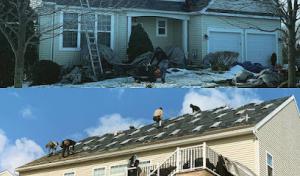

A full re-roof commonly requires a permit in this jurisdiction, with the contractor or homeowner applying through the relevant local borough or township office serving the property. The process can feel tedious, but it's nonnegotiable when weather extremes swing from freeze-thaw cycles to spring storms. If the permit is delayed, your project can stall, and storms mid-replacement can complicate or void warranties. Your best move is to confirm who handles the application (borough versus township office) and to start the paperwork early, especially if the project spans multiple weeks of tricky weather.
Perkasie-area roofing inspections typically occur during installation for items such as underlayment, flashing, and ventilation, followed by a final inspection after completion. Inspections are not mere box-checking; they verify that venting is adequate to prevent condensation, flashing is integrated with walls and chimneys to resist wind-driven leaks, and underlayment choices suit the local freeze-thaw patterns. If you skip or rush these checks, you risk unseen problems that show up after a heavy rain or a late-winter thaw.
Some local reviews may ask for wind-resistance or attic-ventilation documentation, so homeowners should confirm scope and paperwork before materials are delivered. Having clear wind-resistance details and ventilation specifications on hand helps avoid delays at the job site or potential rework. Before ordering materials, talk with the contractor about what the permitting authority will require: ensure the scope aligns with the expected build and that your chosen roofing system meets Perkasie's climate realities. If inspections reveal missing or undersized components, plan for timely corrections to prevent weather-related setbacks.
Storms in this area bring wind-driven damage and hail that can stress a roof long before a visible leak shows up. Pennsylvania homeowners in Perkasie generally have access to standard roof replacement coverage when damage is well documented and tied to a covered event. The claim file benefits from tying the roof wear to a specific spring or summer storm pattern rather than vague conditions. Keep in mind that a borough-township environment makes the documentation trail-photos, dates, and a clear narrative-weighty in the review process.
Adjusters commonly want photos of current roof conditions that show the extent of shingle loss, lifted edges, and flashing issues. Include clear images of any damaged vents, chimneys, and dormers, plus attic photos if there is interior staining or daylight visible through the decking. Alongside visuals, provide a concise loss description that connects damage to wind or hail events typical of Perkasie's spring and summer storms. If a contractor notes missing underlayment, ventilation faults, or other code-related items, include that professional assessment as part of the package. Because some carriers may ask for proof of current code compliance related to ventilation or underlayment, permit records and inspection sign-offs can directly support a claim file.
The adjuster will look for a clearly defined event window-the date range of a single storm or a burst of consecutive storms-that aligns with the damage observed on the roof. You should be prepared to show that the damage is not from wear or deferred maintenance alone but tied to a covered peril, typically wind or hail. Perkasie's climate makes it common for damage to appear across multiple elevations, so include multiple angles and, if possible, a comparison shot of a nearby home with similar age and exposure for context.
Once damage is documented and the event is established, the insurer will provide a scope of repairs or replacement. If additional code-related items are found-such as ventilation or underlayment corrections-coordinate with your contractor to confirm these items are addressed as part of the claim, and retain any inspection sign-offs that arise from the restoration.
Connect with contractors who help homeowners navigate the claims process from damage assessment to final approval.
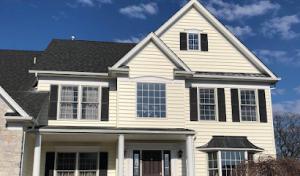
Bone Dry Roofing
514 Blue School Rd, Perkasie, Pennsylvania
5.0 from 10 reviews
Flashing at chimneys, valleys, and roof penetrations is a recurring concern in Perkasie because freeze-thaw movement and repeated storm wetting expose weak detailing quickly. Over time, small gaps and brittle metal can crack, allowing water to track into the attic or between decking and shingles. In spring storms, wind-driven rain can force water into aging joints long before a visible missing shingle appears. Regular inspection of flashing joints, sealant beds, and step-flashing at intersections is not a luxury; it's a practical shield against hidden leaks that surprise homeowners after a heavy rain.
Attic ventilation matters locally not just for summer heat buildup but because poor airflow can worsen winter moisture issues and shorten shingle life in a four-season Bucks County climate. In Perkasie's climate, stagnant air combined with lingering winter condensation can exacerbate ice dam risk and accelerate roof deck deterioration. Ensure soffit and ridge vents are clear, with balanced intake and exhaust. A well-ventilated attic helps keep shingles cooler in summer and drier in winter, reducing the likelihood of granular loss and deck rot that lead to expensive repairs down the line.
Skylight perimeters deserve extra scrutiny in Perkasie's storm pattern because wind-driven rain can exploit aging seals long before field shingles visibly fail. The combination of frequent storms and freeze-thaw cycles can loosen sealant and allow moisture to migrate around the skylight edge. If you notice staining, condensation at edges, or soft surrounding decking, treat the perimeter promptly. A focused check around skylights during seasonal storms can catch seal failures early, before they propagate into larger interior damage.
Find contractors experienced in skylight installation, flashing, and leak repairs to bring natural light into your home.
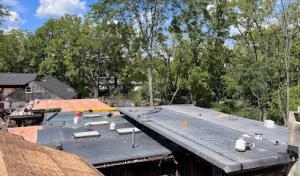
While steep-slope residential roofs dominate locally, Perkasie homes with porches, additions, and rear low-slope sections need separate evaluation because ponding and seam failures behave differently than shingle wear. The winter freeze-thaw cycles accentuate edge failures on low-slope areas, and storm-driven rainfall in spring and summer can push preexisting flaws into leaking conditions even when the main roof still looks serviceable. Focus on how these sections tie into the primary roof and how drainage balance is achieved across the full roof system.
Transitions where low-slope additions tie into older main roofs are a practical leak point in Perkasie re-roof projects and should be scoped before tear-off begins. Start with a careful inspection of membrane integrity at the junctions, flashing details, and any existing parapet or counter-flashing conditions. Identify ponding risk zones and verify that drainage lines are sized to handle heavy summer storms. If a low-slope section appears marginal, plan for a coordinated approach that treats the addition and the original roof as a single drainage system rather than two separate pieces.
Heavy rain from spring and summer storms can expose drainage weaknesses on low-slope sections even when the main roof still appears serviceable. Check for visible ponding, slow drainage, and confirm that downspouts and gutters are sized for the full system, including any added porch or rear deck roofs. In Perkasie, where storm intensity can surge quickly, ensure the edge detailing and terminations are robust against wind-driven rain and that seam tapes or flashing are compatible with the chosen roof assembly.
A practical plan allocates proper staging for tear-off, accommodates hidden deck or substrate conditions, and sequences the installation so that flashing between the main roof and the low-slope area is refreshed without creating a window for leaks. Document all transitions with photos, and prioritize seamless integration of waterproofing at the connection points to reduce the risk of late-stage failures.
Find specialists in TPO, EPDM, and built-up flat roofing systems for residential and commercial properties.
Franco Roofing & Siding Inc - Bucks County
(215) 766-0266 francoroofinginc.com
1104 Bucks Rd, Perkasie, Pennsylvania
5.0 from 35 reviews