Last updated: Apr 19, 2026
Spring through-fall wind and rain are the top disruptors for roofs in this area, with a quick burst of hail or a sudden downpour turning a small leak into interior damage fast. A damaged roof means moisture can track into insulation, ceilings, and walls before you even realize it, especially if your home has older borough-era framing or newer subdivisions with mixed materials. The risk isn't just water-it's structural strain under freeze-thaw cycles, which can worsen widespread leaks after a storm. The goal is fast leak containment and reliable dry-in so you can protect belongings and keep the rest of the roof from deteriorating while you arrange permanent repairs.
When a storm hits, you should act within hours, not days. First, locate the most obvious active leaks and collect the area's belongings from overspray and water. Place a sturdy container under drips and move valuable items away from affected rooms. If you can safely reach the attic, check for wind-driven gaps and loose shingles around attic penetrations; loose materials can become windborne projectiles in the next gust. Take clear, wide-angle photos of the roof, any curled or missing shingles, dented flashing, and interior water intrusion. This documentation is essential for insurance and for a contractor to assess scope quickly.
Engage a contractor who prioritizes emergency repair and storm-damage work. In this market, fast leak containment is not a just-add-on service-it is a core buying decision. Request a same-day or next-day inspection, with a plan for a weather-tight temporary dry-in if the roof cannot be fully repaired before another storm. If you have power lines, gas, or structural concerns, contact the utility or emergency services first, then bring in the roofing team.
Pennsylvania wind and hail claims commonly require photo documentation and a detailed replacement bid. Immediately after a storm, have the contractor document existing roof conditions, including a dated set of photos showing the extent of damage, exposed underlayment, and any interior moisture intrusion. Ask for a written condition report that outlines observed failure points-shingles cupping, flashing separation, attic condensation, and any decking concerns. Insurers often request copies of these observations along with a professional estimate that breaks down the scope of work by area and material type. If you do not have a preferred roofer, request referrals from neighbors who had storm claims resolved recently, but verify licensing and insurance before work begins.
The local contractor market leans toward emergency repair and storm-damage work, so timing and clear communication matter. Look for a contractor who can commit to a rapid dry-in plan and which can sequence work to minimize months of exposure to weather. Ask for a written dry-in protocol, including tarping methods, temporary fasteners, and debris containment. Confirm the contractor's crew familiarity with typical Quakertown attic layouts and borough roof lines, so they can anticipate common weak points in older homes and new builds alike.
Once the leak is contained, schedule a formal assessment and a comprehensive replacement plan. The goal is a durable fix that stands up to future spring storms and the humidity of hot summers. Keep a written log of all communications, inspection dates, and agreed timelines. Returning to normal occupancy with a secure roof should be your north star while navigating storm-related delays and the insurance process.
In the Quakertown area, asphalt shingles remain the default for many aging borough homes and newer subdivisions alike. The typical price range is about 350 to 700 USD per square installed. When spring through fall storms drive insurance-backed replacements, prices can creep up as contractor schedules tighten across Bucks County. If a roof replacement has to be rushed after a wind or hail event, outsourcing the teardown and disposal of old shingles, plus decking or underlayment refresh, can add to the bottom line. For typical homes with standard decking and simple flashing around chimneys, estimate toward the middle of the range, but budget for a modest bump if any decking repair is required or if a storm response insurer mandates expedited service.
Metal roofing in Quakertown markets toward durability and longer life, often appealing where storm exposure and temperature swings matter. Expect a cost range around 600 to 1,000 USD per square installed. Costs can spike during storm-driven demand as crews balance multiple insurance-backed projects, especially after hail events. Heavier legacy materials or retrofit applications may require deck adjustments or enhanced flashing around chimney penetrations, which pushes the price higher. For homes with complex roof lines or limited access, anticipate added labor and potential scaffold fees that can extend timelines and budgets.
Slate remains a specialty choice on older homes or those with existing slate decks, typically commanding the higher end of the spectrum. Installed costs commonly run from 1,000 to 2,600 USD per square. In Quakertown, storms that force rapid replacements can compress scheduling and raise the per-square burden through expedited removal, careful handling of fragile slate, andsensitive underlayment concerns. Older decking scenarios are more common here, and tear-off complexity with slate or cedar can substantially raise labor hours, flashing replacement around chimneys, and disposal costs. If slate is being considered, set aside a contingency for matching that historic look while maintaining an upgraded underlayment and potential roof deck repairs.
Fiber cement shingles offer a middle ground between longevity and upfront cost, with typical installed pricing around 450 to 800 USD per square. Storm-driven demand in Bucks County often lifts pricing slightly as crews are booked tight after wind events. Fiber cement can also require careful flashing around penetrations and may necessitate some deck or sheathing work if the existing structure is uneven or has moisture issues. For replacement projects tied to insurance-driven timelines, plan for possible schedule-based surcharges and ensure the contractor confirms compatibility with any existing chimney flashings and vent stacks.
Cedar shakes bring a distinct look and strong insulating qualities but demand precise installation. Typical costs run from 650 to 1,100 USD per square. In Quakertown, older houses that use cedar can incur higher labor costs due to slower nailing patterns, more meticulous detailing, and the need for extra flashing around chimneys. When heavy legacy materials are involved, tear-off complexity increases, and the risk of moisture-related decking repairs grows if the roof structure shows signs of prior water intrusion. Storm demand can further elevate pricing and shorten the decision window, so budgeting for both material and labor variability is prudent.
Sanchez Contracting
(267) 460-3817 www.sanchezcontractingpa.com
111 Station Rd, Quakertown, Pennsylvania
4.9 from 127 reviews
Sanchez Contracting provides roof installation, repairs, and a full range of specialized services to customers in King of Prussia, PA, Bucks County, PA, and the surrounding areas.
Clarke Roofing & Siding
(610) 844-4822 www.clarkeroofingpa.com
1924 PA-212, Quakertown, Pennsylvania
5.0 from 80 reviews
Roofing Contractor Serving Pennsylvania and New Jersey. Leaders in Quality Roofing, Siding and Windows. Clarke Roofing is a third Generation Family Owned Company offering the best Roofing Systems in the Lehigh Valley. A+ Warranties, Financing Available. Specialists in New Construction, Renovations, Additions and Remodeling. Using Top Industry Brands. We hold a distinguished place among home construction for roofing and siding companies. We offer Superior Customer Service and our team of professional roofers are committed to building successful relationships with our clients and agrees that the effort is just as important as knowing how to construct a quality roof. Clarke Roofing has you covered!
Redfield & Sons Contracting
(215) 420-0048 www.redfieldcontracting.com
104 N Vassar Dr, Quakertown, Pennsylvania
5.0 from 50 reviews
Redfield & Sons Contracting provides interior & exterior remodeling services in Bucks County, PA and
E&K Contracting
(267) 347-4680 ekcontracting.com
1803 W Broad St, Quakertown, Pennsylvania
4.6 from 39 reviews
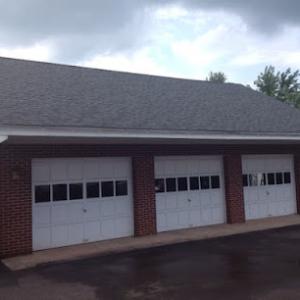
A locally owned and trusted residential contractor, E&K Contracting specializes in a range of services including roofing, siding, windows, doors, and gutters. Proudly recognized as an Owens Corning Preferred Contractor, we stand by our work and offer the best warranties in the business. Schedule a free inspection for your roof, gutters, siding, or windows, and let us guide you every step of the way. With our expertise and commitment to customer satisfaction, we ensure your project is handled with utmost care. Serving communities throughout Southeastern Pennsylvania, E&K Contracting is your go-to contractor for exceptional residential services. Contact us today to get started!
Unity Exteriors
(267) 897-8263 www.unityexteriors.com
Serving
5.0 from 77 reviews
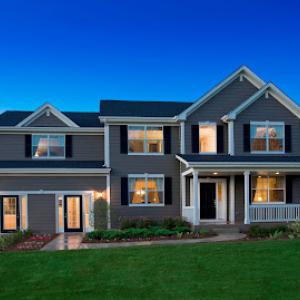
We’re all about putting people first, attending to their needs and making a difference together! We are a Family owned and operated business. We specialize in all types of residential roofing, siding, windows, doors and decks!
Simply Roof Repairs
(267) 549-9600 simplyroofrepairs.com
Serving
5.0 from 9 reviews
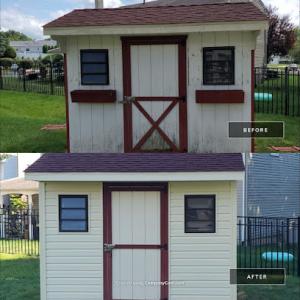
Simple roof repairs to full roof replacement no job is to small. We do gutter, siding and roof repairs. Shed roof replacement, garage roof replacement, porch roofs. We also do Deck Design and installation, as well as Kitchen and Bathroom remodeling. If you do not see something that you are looking for please reach out! Call for free estimates today.
Eleven Exterior
(610) 457-0082 www.elevenexterior.com
Serving
5.0 from 25 reviews
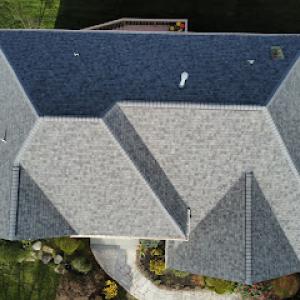
Family-owned and local, Eleven Exterior is a OC-Certified, Google Guaranteed contractor—licensed, insured & bonded for total peace of mind. Since 2006 we’ve served Blue Bell and all Montgomery County. Our mission: deliver humane, honest service that deliver value to customer and builds long-term, win-win relationships. Searching for roofers in Blue Bell? Factory-trained crews finish most roof, siding, gutter, and storm-damage jobs in one day, installing architectural shingles, James Hardie or Ply Gem siding, and copper/aluminum seamless gutters. Enjoy a free 30-minute inspection, photo report, and transparent quote—no upsells. Backed by 50 + five-star reviews and strong workmanship warranties for lasting confidence.
Hamburger Roofing & Sheetmetal
(267) 718-8797 www.hamburger-roofing.com
Serving
5.0 from 4 reviews
Our mission is to improve the way roofing systems are installed. By investing in our employees we have developed a team of expert craftsmen committed to the proper installation of a specialized set of high-quality products, including but not limited to Metal Roofing & Wall Panels, Single Ply Flat Roofing, Shingles, Slates, and Cedar Shakes.
J & M Roofing
(267) 372-2204 jmroofingllc.com
Serving
4.9 from 144 reviews
Local owned and operated 3rd generation roofer. I grew up in the roofing industry, have worked designing and installing roofs all my life. We specialize in natural slate, cedar, wood shakes, tile, copper. Asphalt shingle and epdm rubber products. Our install are completed to manufacture specs and warranty requirements. We strive for customer satisfaction and create a hassle free procees for your new installation. If you need help with your next project reach out to us and we will make your dreams reality. We now offer zero down financing to complete you're project.

QE Keystone Roofing
(267) 517-2035 qekeystoneroofing.com
Serving
4.9 from 73 reviews
At QE Keystone Roofing our mission is to provide our customers with the highest quality of work at a fair price . Services include roofing, 24 hour emergency roofing, roof replacement, roof installation, commercial roofing, roof repair, shingle roofs, metal roofs, tile roofs, flat roofs, roof coating, roof vents, gutters and gutter guards. We work closely with our customers and their insurance companies to ensure that you get the coverage you deserve. Call us today for your free quote.
Franco Roofing & Siding Inc - Bucks County
(215) 766-0266 francoroofinginc.com
Serving
5.0 from 35 reviews
Franco Roofing is a trusted, second-generation roofing contractor serving Bucks & Montgomery Counties, PA, and Western NJ since 1971. We specialize in expert installation, repair, and maintenance of slate, cedar, metal, asphalt, Spanish tile, EPDM rubber, and modified bitumen roofing. With decades of craftsmanship and a commitment to quality, we provide durable, high-quality roofing solutions for homes and businesses. Licensed and insured, we offer a 10-year workmanship guarantee on new roof installations. Contact Franco Roofing today for a free estimate and expert service you can trust! We also offer siding services installation and replacement to enhance curb appeal, efficiency, and protection—coordinated with your roofing project.
Banes Roofing
(215) 723-2888 www.banesroofing.net
Serving
4.8 from 164 reviews
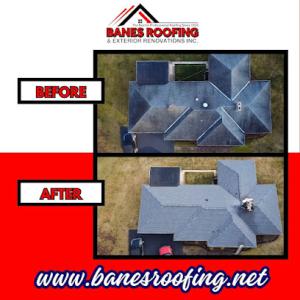
FREE estimates. LIFETIME warranties. Residential and commercial roofing services and repair. We also provide Siding, Windows, Doors and Gutters. We Opened In 1950… Back When Honesty, Integrity & Following Through Mattered. At Banes Roofing, These Values STILL Matter. For 70+ years, we’ve dotted every single I, crossed every single T, and given it our ALL on every single job. It’s why many loyal customers have been with us through multiple generations of their families! Bottom line: We’re the roofer that’s been doing things the right way -- and treating people the right way -- since 1950. Give us a call to see how our “old-school” values guarantee you a stress-free experience… and outstanding results.
Asphalt shingles fit much of Quakertown's housing stock because they balance cost with performance in Eastern Pennsylvania's cold winters and warm, humid summers. For many older borough homes and newer subdivisions alike, an asphalt roof delivers dependable protection against freeze-thaw cycles and spring rain without the ongoing maintenance demands of more premium materials. When choosing asphalt, look for fiberglass mats with good granule adhesion, and pick darker or medium tones that help shed moisture and limit heat gain on humid July afternoons. In this climate, proper attic ventilation is essential to prevent condensation under the shingles, which can accelerate wear during repeated seasonal moisture swings. A well-sealed eave and valley detail matters just as much as the shingle brand, because wind-driven rain can exploit small gaps during severe weather. For a homeowner facing a fast leak response after a wind event, a roof assembly that integrates solid flashing at chimneys, vents, and joints with a straightforward shingle installation tends to deliver the most reliable short-term containment while longer-term repairs are arranged.
Slate remains relevant in this part of Pennsylvania because older homes may already be built for it structurally, but replacement decisions are more complex and expensive than standard shingle reroofing. Slate can offer exceptional durability in Quakertown's climate, where wet springs and humid summers test roof seams and flashings. However, slate requires a solid deck and careful substrate preparation; not every existing roof line will support the weight or the necessary underlayment without reinforcement. When slate is feasible, it can preserve the architectural character of historic homes while delivering decades of service with minimal maintenance. The trade-off is higher upfront complexity and cost, so assess existing rafters, attic ventilation, and the condition of surrounding exterior work. In a region prone to spring storms, slate's resilience against wind becomes a deciding factor, but the need for skilled installation and occasional repointing can influence long-term upkeep.
Cedar shakes offer distinctive curb appeal and natural insulating properties, but they require careful evaluation against humidity, rainfall, and seasonal moisture exposure. Quakertown experiences spring through fall moisture that can accelerate maintenance issues if detailing and ventilation are poor. Cedar shakes are susceptible to rot when leaks persist or when water sits on the surface after heavy rain. If you prefer the look of shakes, consider fiber cement as an alternative with similar aesthetics but improved resistance to moisture. If cedar is retained, ensure a well-ventilated attic and a robust underlayment system, plus regular inspections for mold, algae, and fastener corrosion after wet seasons. The choice hinges on maintaining clear ventilation channels and keeping fasteners dry and protected from the elements.
Fiber cement shingles bring a balanced option that can emulate the appearance of cedar or traditional shingles while offering better moisture resistance and a longer service life in humid environments. In Quakertown, these shingles pair well with a wide range of architectural styles, from mid-century modern to more classic forms. They resist warping and rot, which helps in damp springs and humid summers, and they can be installed over a solid deck with appropriate ventilation. Like any material that endures seasonal moisture, attention to flashing details, attic airflow, and proper installation is essential to prevent leaks during wind-driven rain events. Fiber cement provides a practical compromise between the warmth of wood-look options and the low-maintenance attributes more typical of modern roofing systems.
Regardless of the material chosen, Quakertown homeowners should prioritize proactive maintenance focused on drainage, venting, and rapid leak containment after storms. The transition seasons-winter thaw to spring downpours and summer humidity-test roof lines and flashing more than any other period. Regular inspections after heavy rainfall or high-wind events help catch small issues before they become major repairs. When a storm hits, acting quickly to seal leaks and protect interior spaces buys valuable time for a professional assessment and repairs that fit the structure and style of the home.
The most popular roofing material in the US. Find pros who install, repair, and replace asphalt shingles.
Sanchez Contracting
(267) 460-3817 www.sanchezcontractingpa.com
111 Station Rd, Quakertown, Pennsylvania
4.9 from 127 reviews
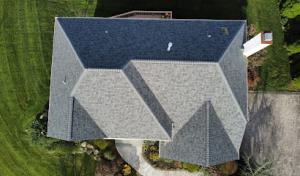
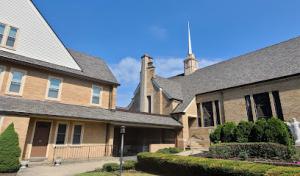
In Bucks County municipalities, a full roof replacement typically requires a building permit rather than being treated as informal maintenance. When a storm hits and damage is evident, the same rule applies: replacing more than a portion of the roof generally triggers the permit pathway. This means you should anticipate a formal process rather than a casual DIY approach if the project is more than a minor repair. The required permit helps ensure that work meets local code, ventilation, and safety expectations that are especially important given the mix of older borough homes and newer subdivisions in the area.
The usual local process is application submission, fee payment, permit issuance, an on-site rough inspection during installation, and a final inspection after completion. Start by submitting the permit package to the municipal building department or the designated authority for your jurisdiction. Include project scope, roofing materials, and the expected start date. After fees are paid and the permit is issued, the on-site rough inspection typically occurs while the roof is being installed, so schedule it to align with key milestones like deck install, underlayment, and starter courses. The final inspection confirms that all work aligns with code and approved plans.
Some local jurisdictions may ask for wind-resistance or ventilation verification and may also request contractor licensing information as part of the permit review. For storm-damaged roofs, expect documentation that demonstrates you've addressed proper attic ventilation and wind-resistance measures, especially on older homes where retrofits may be needed. Have your contractor provide stamped drawings or engineer letters if required, and keep a copy of any licensing or certification details handy to present during review.
Coordinate contact information between the insurer, contractor, and the building department to avoid delays after a storm. If a rough inspection notes adjustments, address them quickly to keep the project moving toward a clean final inspection. Retain all permit-related documents, including inspection notices and approved plans, in a dedicated folder for the duration of the project.
Eastern Pennsylvania freeze-thaw cycles can expose weak flashing, brittle shingles, and compromised roof decking during Quakertown winters. In homes that carry years of weathered flashing or curved vent boots, each cycle of freezing and thawing can widen hairline gaps and loosen fasteners. Without detection, a small tremor of moisture can become a larger leak once temperatures swing below and above freezing again. The effect shows up most on the east-facing slopes where wind-driven spray from winter storms meets the shingle line, and on roofs with older underlayment that isn't as forgiving as it once was. This is not a mere nuisance; it can quietly erode the roof's ability to shed water during a heavy thaw, leaving attic spaces vulnerable to condensation and mold if left unaddressed.
Snow loads and winter moisture can delay replacement timing in Quakertown while also revealing hidden deck and flashing deterioration that was not obvious in warmer months. As storms roll through, the weight can stress sagging decking or misaligned flashing, creating fresh pathways for meltwater to follow into the attic or ceiling planes. In practical terms, that means a leak that seems to appear only after a big storm might have roots in flashing seams or deck joints that failed to hold up through several seasons. The combination of wind-driven rain and snow pack can push moisture into eaves and valleys, sometimes long before a contractor's schedule aligns with the ideal replacement winter window.
Autumn winds followed by winter weather can leave aging roofs in Quakertown vulnerable to moisture intrusion before scheduled replacement work begins. High wind events can peel shingle tabs, lift flashing edges, or expose nail heads to chilled air, accelerating corrosion and edge deterioration. When a spring or summer deadline still looms, that vulnerability can translate into a stubborn leak that complicates outdoor repairs and interior mitigation. Vigilant inspection after seasonal storms-paid attention to visible shingle lift, flashing sealant gaps, and signs of moisture staining in the attic-helps you catch trouble before it escalates.
Storm season in this area brings wind-driven shingle loss and hail that can trigger insurance coverage. Pennsylvania insurers commonly scrutinize wind and hail roof claims, and adjusters will compare contractor bids against policy limits and replacement cost terms. When a cluster of storms hits, the focus tightens on whether the proposed work aligns with the damaged roof system and what your policy will realistically cover. When the claim lands, expect the adjuster to assess damage across exposed slopes, vents, and flashing, rather than just the most obvious patch.
Carriers often want date-stamped photos, damage notes, and a detailed scope of work, which matters in Quakertown when storms affect many homes at once. Take clear, dated photos of all visible damage from ground level and attic vantage points to show leakage pathways. Keep a running log of weather events and any interior water intrusion, noting dates and affected areas. Have visible signs of wind damage, lifted shingles, hail impact marks, and any missing granules documented. Your file should include a line-by-line scoping of the work, with material breaks and any matches to the existing roof system, since insurers may question upgrades or mismatches.
Material choice can affect claim review because insurers may question upgrades, workmanship details, or whether the proposed replacement matches the damaged roof system. If upgrades are suggested, be prepared to explain why these selections fit the home's structure and local exposures. A consistent, code-adjacent, and matched installation approach helps the claim move forward without renegotiation. In a busy season, timely, accurate scopes and consistent terminology reduce back-and-forth and support smoother approval.
For quick leak containment, secure temporary tarping or reinforcement on damaged areas as soon as safe access allows, and document the temporary measures with dated photos. This shows proactive mitigation to your insurer and helps prevent further interior damage while the claim is reviewed. Keep all communication in writing when possible, and designate a single point of contact in your household to reduce confusion during the rapid-response window after a storm event.
Connect with contractors who help homeowners navigate the claims process from damage assessment to final approval.
Clarke Roofing & Siding
(610) 844-4822 www.clarkeroofingpa.com
1924 PA-212, Quakertown, Pennsylvania
5.0 from 80 reviews
E&K Contracting
(267) 347-4680 ekcontracting.com
1803 W Broad St, Quakertown, Pennsylvania
4.6 from 39 reviews
Quakertown's older homes often require close attention to flashing transitions, especially where roof planes meet chimneys common in older Pennsylvania housing. Heavy spring rain in this region tends to expose leak points around penetrations first, making skylights and chimney flashing a recurring diagnostic issue. If a leak shows up after a stiff storm, start by inspecting the skylight curb and the flashing around the chimney stack. Look for hairline cracks in sealant, loose shingle tabs at the transition, and any dark staining that travels down from the meeting point of roof and chimney. Early signs are usually related to water finding its path along flashing, so don't discount a drip far from the obvious ply of the leak source.
When a leak appears, the first clue is where the water streams or staining ends on ceilings and walls. Skylight seals often fail at the corners where the dome meets the curb, while chimney flashing can unravel where step flashing meets the vertical brick or stone. In older homes, chimney transitions are a frequent weak spot due to settling or prior repairs that didn't honor the original flashing geometry. After substantial rains, you may notice dampness along ridge lines that align with a chimney chase or skylight framing. If shingles adjacent to these penetrations appear cupped or blistered, the problem might extend beneath the surface, not just at the surface seal.
The local contractor market shows meaningful specialization in both skylight-related work and chimney-adjacent roofing details, suggesting these are active homeowner pain points. When addressing leaks, aim to work with a contractor who can confirm flashing integrity from the attic side and perform a sealant upgrade that accommodates seasonal movement. Prepare for a focused scope: reseal, re-flash, and, if needed, carefully replace surrounding shingles to preserve the roof's balance. Quick containment can prevent interior damage, but lasting protection requires targeted flashing work suited to this climate and home style.
Find contractors experienced in skylight installation, flashing, and leak repairs to bring natural light into your home.
Clarke Roofing & Siding
(610) 844-4822 www.clarkeroofingpa.com
1924 PA-212, Quakertown, Pennsylvania
5.0 from 80 reviews
E&K Contracting
(267) 347-4680 ekcontracting.com
1803 W Broad St, Quakertown, Pennsylvania
4.6 from 39 reviews
Although this area is dominated by pitched residential roofs, the local market still shows notable flat-roof demand, often tied to porches, additions, garages, and mixed residential-commercial structures. These flat or low-slope sections sit at the edge of the main roof, but they still face the full force of local weather. Understanding the role of those additions helps prevent patchwork that quickly reveals itself after a spring storm.
Heavy rainfall in Eastern Pennsylvania makes drainage performance and watertight sequencing especially important on low-slope sections. Start with a properly sloped substrate, even if the slope seems slight, and confirm that internal drains, scuppers, and parapet walls are integrated into a single drainage plan. In Quakertown, membrane transitions should be continuous from the high-slope roof into the flat section, with perimeter flashing that protects against wind-driven rain. Regular checks after heavy downpours help catch misalignments before they fail.
Flat-roof failures often show up quickly during prolonged rain, so keep an eye on edge details, flashings, and joints where different materials meet. Poorly terminated penetrations for vents or HVAC units can create slow leaks that turn into indoor moisture problems. If a parapet wall exists, ensure cap flashing is secure and that coping stones aren't allowing water to pool behind them. Drains should be free of debris and able to accept a heavy rainfall without backing up.
When a leak is detected after a storm, isolate water path by stopping the source at the penetration or flashing first, then protect interior surfaces with tarps or absorbent materials. Document the leak with photos and note the storm's timing; this helps during emergency calls and guides a rapid temporary repair. In practice, a well-sequenced flat-roof repair plan minimizes downtime and reduces the risk of secondary damage during the next rain event.
Find specialists in TPO, EPDM, and built-up flat roofing systems for residential and commercial properties.
Sanchez Contracting
(267) 460-3817 www.sanchezcontractingpa.com
111 Station Rd, Quakertown, Pennsylvania
4.9 from 127 reviews