Last updated: Apr 19, 2026
Cold winters in this river corridor bring snow, then rapid freeze-thaw cycles. A tiny flashing gap, a marginal ventilation vent, or a shallow gutter line can flip from a quiet flaw to an active leak overnight. When snow sits on steep roofs with dormers or chimneys, edge areas stay damp longer and ice begins to back up under shingles. That cascade of meltwater finding a freeze point creates ice dams that push water back toward the attic and into ceilings. In Phillipsburg, those issues rarely stay small for long, and the risk jumps when shaded edges stay frozen after a storm.
Older housing stock in town means steep rooflines and chimneys that spit out drafts, plus long gutter runs that sag or clog. Look closely at dormer junctions where flashing meets the dormer sides, around chimneys where step flashing should ride up the brick, and at the roof-to-wall transitions along gutter lines. These are the regular leak highways during a deep cold snap. If snow is lingering on the roof crest or along the eaves while the rest of the roof dries, you have a built-in ice dam risk. In this climate, every shaded ridge cap and every roof valley deserves a careful skim coat of attention.
Weather along the Delaware River corridor can keep moisture frozen near the edges long after the interior of the attic dries. When the sun briefly returns or a warm spell arrives, that trapped ice melts in spots but refreezes along the eaves and near vent stacks, creating a creeping dam. If attic ventilation is insufficient, warm attic air travels up and pockets heat under the roof deck, accelerating dam formation. The interplay between cold exterior, lingering shade, and weak edge details is what turns routine winters into a recurring battle with leaks.
Prioritize sealing and flashing checks at the most frequent trouble spots: chimney bases, dormer connections, and where gutters meet fascia. Clear gutters and downspouts so meltwater can flow away from the roof edge rather than backing up and refreezing. Ensure attic vents open freely and insulation stops heat from migrating to the roof deck. If you notice new staining on ceilings after a thaw or hear drip sounds during light snowfall, treat it as a warning signal and act quickly to locate the path of intrusion. In this area, proactive maintenance before storms is not optional-it's a practical shield against winter leaks.
A careful mix of robust flashing, continuous edge ventilation, and properly aligned roof covers helps your home weather the season with fewer surprises. Consider upgrading suspect flashing around chimneys and dormers and rerouting drainage to minimize ice dam formation along critical edge lines. When the next freeze-thaw cycle arrives, these improvements translate into fewer inches of water intrusion and less interior damage, helping the home hold its shape through another harsh winter stretch.
Hygrade Insulators
(908) 454-1865 www.hygradeinsulators.com
54 Mercer St, Phillipsburg, New Jersey
5.0 from 12 reviews
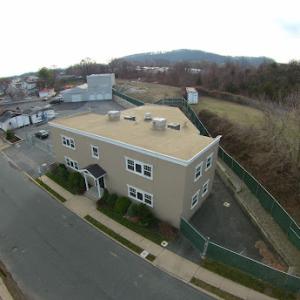
Originally, Hygrade installed various types of insulation with a primary focus on polyurethane foam. Over the years, Hygrade evolved into a multi-faceted roofing and sheet metal contractor. In the last decade, we have diversified to include all major manufacturers of roofing, waterproofing membranes, metal wall panels and most recently, a custom metal fabrication shop. As a partner with the building owner, Hygrade has learned that the installation of a quality system includes not only the best materials, but also an entire program that matches the project’s needs. We believe that a quality product, correct application and a warranty backed by a financially capable manufacturer whose primary concern is customer satisfaction is the key.
Deegan Brothers Roofing & Siding
(908) 479-4344 www.deeganbrothers.com
875 Memorial Pkwy, Phillipsburg, New Jersey
4.2 from 162 reviews
Deegan Brothers Roofing & Siding company is a family-owned and operated roofing and siding company offering the highest level of customer service and quality roofing, siding, gutter and window installations to you and customers throughout New Jersey and Pennsylvania since 1990.
Warren Thompson & Son Roofing & Siding
(908) 388-9377 thompsonroofing.net
Serving
4.9 from 204 reviews
Warren Thompson & Son Roofing & Siding, located at 513 3rd Avenue, is your reliable roofing contractor since 1973, offering top-notch services in New Jersey and Pennsylvania. Our expert team specializes in roof repair, roof leak repair, roof replacement, roof maintenance, and emergency roof repair, ensuring your home stays safe. We also provide professional gutter repair, roof installation, and roof inspection services. With a commitment to quality craftsmanship, we cater to both residential and commercial roofing needs, offering competitive pricing and seasonal discounts. Choose us for your roofing solutions and experience exceptional service that prioritizes customer satisfaction.

Superior Easton Roofing Pros
(484) 544-7121 superioreastonroofingpros.com
Serving
5.0 from 15 reviews
Superior Easton Roofing Pros has been a trusted name in the Easton community for years, delivering top-tier roofing solutions with a commitment to excellence. Our team of certified professionals is dedicated to protecting your home with unparalleled craftsmanship and superior materials. We take pride in our honest approach and exceptional customer service, ensuring a seamless and satisfying experience from start to finish. Choose us for reliable, durable, and expertly installed roofing that stands the test of time.
Kardelis Roofing
(610) 253-8312 www.kardelisroofing.com
Serving
4.9 from 17 reviews
Kardelis Roofing, based in Easton PA, is a family owned and operated business that specializes in roofing repairs and installing all types of new roof. We have been serving residential and commercial customers in the Lehigh Valley for four generations. Contact us to schedule your free estimate today.
DJ Construction Roofing & Siding
Serving
4.9 from 46 reviews
Full service roofing and siding company serving the Lehigh valley and surrounding areas
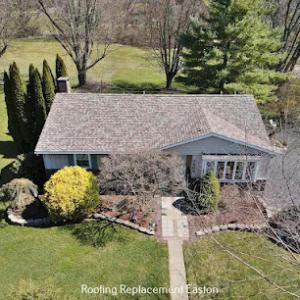
Fleck Roofing & Construction
(610) 250-0737 www.roofwithfleck.com
Serving
4.9 from 66 reviews
Handling a roofing project can be challenging, but Fleck Roofing & Construction is here to help. As a local roofing company in Easton, PA, we offer reliable emergency services to both residential and commercial clients. With years of experience, we address unique roofing needs using the highest quality materials and equipment, ensuring that every project meets customer satisfaction. We also provide a free roof inspection, which helps us deliver a durable roofing structure tailored to your requirements. If you’re considering a roofing installation in Easton, contact us today and let our team handle your roofing needs with confidence and care.
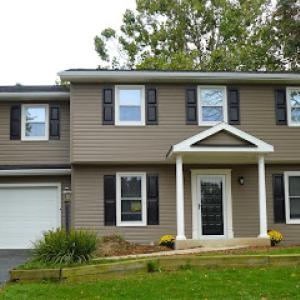
Paul Petty Roofing & Siding
(610) 258-9273 www.paulpettyroofingsiding.com
Serving
3.8 from 19 reviews
Serving the entire Lehigh Valley area for over 50 years, Installing "Harvey" windows, "Therma-Tru" entrance doors, "GAF" Roofing products and "Mastic" vinyl siding.
Roof 360
Serving
5.0 from 38 reviews
At Roof 360, we take seriously the trust you place in us as your roofing/siding contractor. Your home is where you raise your family and is often your largest investment. We believe our customers deserve the piece of mind that comes with choosing an experienced and skilled team of professionals. Roof 360 has a wide variety of quality products and the expertise to deliver the highest level of craftsmanship.
Bruno Roofing & Siding
(610) 838-9111 brunoroofingandsiding.com
Serving
4.9 from 86 reviews
Bruno Roofing & Siding, founded in 2005, is a trusted roofing company serving Nazareth, PA, and nearby areas, including Hellertown, Allentown, Bethlehem, Easton, and Quakertown. As an experienced roofing contractor serving residential and commercial properties, we provide top-quality roofing services, including roof installation, roof replacement, and roof inspections. Our team specializes in shingle roof installation, gutter installation, gutter cleaning, and siding installation. We also offer expert skylight installation to enhance your home’s appeal. With skilled craftsmanship and a commitment to customer satisfaction, we ensure durable, high-quality results. Contact us today for all exterior home remodeling needs.
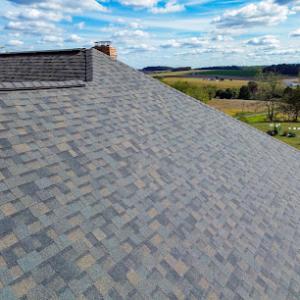
Valley Peak Roofing
(484) 602-6863 www.valleypeakroof.com
Serving
5.0 from 116 reviews
Valley Peak Roofing is the top Pennsylvania roofing company serving Bethlehem PA and its surrounding areas. Our roofers specialize in residential shingle roof replacements and repairs as well as commercial roofing and metal roof installation. Our team of highly skilled contractors are proficient at dealing with wind and hail damage repairs as well as the installation of vinyl siding and fiber cement siding products.
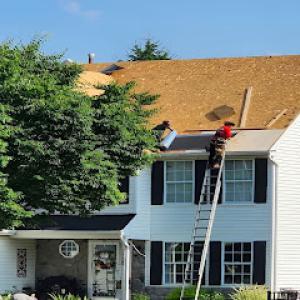
DVC ROOFING & DVC CONTRACTORS
(215) 783-8632 www.dvcroofing.com
Serving
4.7 from 35 reviews
20 years of excellence in the art of SLATE, TILE, CEDAR, PORCELAIN, SILICONE, PVC, TPO and ASPHALT SHINGLE Roofing Contractor. Specialist in the art of Historic Slate Roofing - Copper Metal Roofing and Flashing. Expert Siding installation too. Seamless Gutters, Half Round Gutters, Custom made Gutters. Cupola and weathervane installations.
New Jersey homeowners in this region commonly face wind, hail, and Nor'easter-related roof claims, making storm documentation a practical concern in Phillipsburg. The Delaware River corridor drives unique wind patterns that tug at edge metal, ridge caps, and flashing. When a Nor'easter roars in, a compact roof with a few loose shingles or compromised flashing can turn into a drip problem that travels from attic to living room before you realize it. Spring rain arrives with a vengeance after a winter of freeze-thaw, and any lag in repairs compounds interior damage quickly. The pattern is clear: storms test weak points, and the clock starts ticking as soon as the wind dies down.
Autumn wind bursts and seasonal storms can loosen shingles, ridge components, and flashing before winter weather exposes those weak points. Inspect after each strong wind event, especially on hips and eaves where debris tends to accumulate. If you spot loose asphalt tabloids, lifted edges, or dark streaks indicating moisture intrusion, flag them immediately. In Phillipsburg's winter, ice damming compounds these risks: ice upstream along the eaves can back up meltwater under shingles and into soffits. A proactive seal of flashing and a targeted repair of any compromised valleys can avert a cascade of interior leaks come March. Keep a simple damage diary: date-stamped photos, a short description, and the location of each issue. This record becomes essential if spring storms push your repairs back and an insurer asks for documentation.
After a Nor'easter or a heavy wind event, you must act fast. Clear debris from gutters and scuppers so water has a path off the roof, not under it. If you notice water marks or damp attic insulation, set up a temporary containment plan for the area - tarps can buy you time, but they're not a substitute for repairs. Do not delay calling a trusted local roofer for a rapid assessment; winter damage can hide under a fresh roof line, and delayed repairs increase the chance of widespread interior damage when spring rain arrives. If interior leaks begin during a heavy rain, capture water intrusion with buckets and document the exact time and location of the leak. This helps a contractor pinpoint the source quickly and reduces the window of secondary damage.
Because storm-related roof issues are a common claim type in this area, keep your records organized and up to date. Before you call a contractor, take wide photos of the roof, close-ups of flashing, and any staining or attic condensation. Note any prior repairs and the weather conditions at the time the damage was observed. When you engage a pro, request a written assessment that clearly identifies the section of the roof affected, the probable cause, and a simple, prioritized repair plan. This preparedness can shorten claim processing and get you back to a dry home faster as spring arrives.
Find local contractors experienced in assessing and restoring roofs after hail, wind, and severe weather events.

Deegan Brothers Roofing & Siding
(908) 479-4344 www.deeganbrothers.com
875 Memorial Pkwy, Phillipsburg, New Jersey
4.2 from 162 reviews
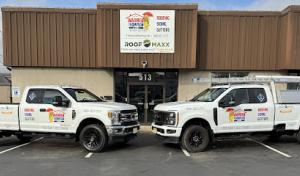
Warren Thompson & Son Roofing & Siding
(908) 388-9377 thompsonroofing.net
Serving
4.9 from 204 reviews

Superior Easton Roofing Pros
(484) 544-7121 superioreastonroofingpros.com
Serving
5.0 from 15 reviews
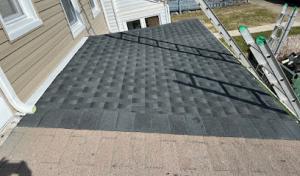
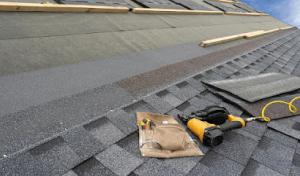
In Phillipsburg, asphalt shingles are the dominant practical choice because they fit the area's common residential re-roofing market and moderate replacement budgets. They weather the freeze-thaw cycle reasonably well when paired with a solid underlayment and proper attic insulation. For homes with steep fronts and visible gables, asphalt can be matched to the historic look without a large structural update. When you're evaluating a re-roof, prioritize shingles with good laminated construction for extra wind resistance and an integrated self-sealing strip to minimize lift during winter storms. In the winter, a well-sealed roof deck matters just as much as the shingles themselves, since moisture under a poorly vented attic can lead to ice damming even with modern shingles.
A practical plan is to verify the underlayment and ventilation first. A quality synthetic underlayment provides a moisture barrier and helps with ice dam resistance by keeping the deck drier in the slide of meltwater. Pair that with continuous soffit and ridge ventilation to move warm air out of the attic. In Phillipsburg's climate, a modest but consistent ventilation strategy reduces the likelihood of warm roof zones that push meltwater toward eaves, where it refreezes into ice dams. When choosing asphalt, consider a darker color for lower solar absorption in the hot summer months, reducing heat buildup that accelerates aging.
Slate and tile remain relevant locally because the broader area includes older and architecturally varied homes where heavier traditional materials still appear. These choices bring longevity and a distinctive look, often matching historic façades and steep-roof silhouettes common in older neighborhoods. However, heavy materials demand structural confirmation and careful roof detailing. If a home has a long, steep pitch, slate or clay tile can perform well and resist wind-driven rain, but missing or undersized deck support, improper battening, or inadequate underlayment can spell trouble during freeze-thaw cycles. The risk of fracture under shifting winter loads means emphasis on professional evaluation of roof framing and substrate before installation. If the house has complex ridgelines or turret-like features, slate or tile can accentuate character, but the maintenance footprint-expert-labor repairs and more frequent inspections-will be higher than with asphalt.
In this climate, the best choice balances durability with the ability to mitigate ice damming. Start by assessing your roof's existing details: edge detailing, gutters, and proper drainage paths. Ice damming often forms where meltwater backs up at the eaves due to blocked or undersized gutters and poor deck insulation. A modular approach works well: install a robust underlayment, ensure continuous attic ventilation, and address insulation gaps to keep the roof cold along the eave line during winter. For older homes with steep pitches, inspect fascia, soffits, and a continuous drip edge to direct water away from the fascia and walls. If you lean toward heavier options for historical homes, verify structural readiness and budget for extra installation labor. In all cases, keeping the roof surface clean of debris and monitoring for damaged or missing shingles or tiles after heavy storms helps minimize winter leaks and preserves the roof's lifespan.
Roofing costs in this area hinge on layout complexity. A simple asphalt-shingle roof with clean valleys and a straightforward rake line stays closer to the low end of the scale. If the home has an older, steeper roof with chimneys, dormers, and intricate flashing, expect higher labor time and more waste handling. The Delaware River climate can aggravate existing flaws, so a few extra square feet of netting, boots, and drip-edge detail often shows up in the final bill. In practice, the difference between a plain, 3-tab asphalt system and a steep-walled, multi-penetration roof can add several hundred dollars per square for materials and more for labor, depending on reach and access.
Asphalt shingles remain the most common entry point for replacement here, with costs that typically land toward the lower end of the spectrum. If a higher-end option is chosen, such as metal, clay tile, or slate, the premium reflects both material price and the extra labor required for complex detailing and slope management. In homes with steep pitches, the longer ladder work, additional scaffolding, and extended roof-access time push up the per-square cost noticeably. For projects where a full tear-off is needed, anticipate more waste removal costs and disposal charges, which can tilt the economics away from a quick, "re-roof-over" solution.
Storm-driven demand spikes after regional wind events or Nor'easters compress scheduling windows. When a quick-turn leak repair is required or a full tear-off is on the table after a harsh season, crews may run longer days or book tightly, which can raise both material logistics and labor availability. In Phillipsburg, storm timing often means you'll see price pressure on peak weeks, and mobilization may be slower if crews are diverted to emergency work. If planning around winter, expect potential delays and be prepared for a staged approach that minimizes exposure to freeze-thaw cycles.
Start with a clear scope: number of squares, roof pitch, and the number of penetrations like chimneys and skylights. Get two or three local bids that explicitly list tear-off versus re-cover options, waste disposal, and material substitutions. Factor in weather contingencies for winter and early spring work, which can extend project duration and labor costs. Keep a list of known problem spots-loose flashing, gutter-related ice damming, and sagging sheathing-as these are the kinds of issues that translate into added hours and material needs on site.
Don't let upfront costs delay a critical repair - these contractors offer payment plans to fit your budget.
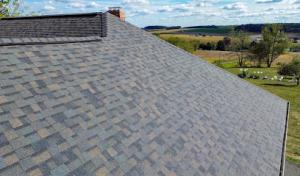
White's Roofing, Siding & General Contracting
(610) 597-9439 whitesroofingsidingandgeneralcontractingllc.com
Serving
4.7 from 73 reviews
In this city, a full re-roof typically requires a permit through the local building department before any nail hits shingles. Start by pulling the permit early in the process, because the city checks the scope against the existing structure and the planned roof assembly. When you apply, you'll provide details such as the roof type, underlayment, venting, and any aftermarket components. Your contractor should supply a clear project plan, including a materials list and a proposed wind and seismic considerations if relevant. The building department may also request drawings or specifications for premium systems, so having these ready prevents delays. Expect that the department may want to verify egress routes for attic spaces and any changes to roof lines that could affect drainage toward the street or neighboring properties.
Phillipsburg's process includes on-site inspections at key milestones while the work is underway. The first check typically occurs after roofing removal is complete and after underlayment is installed but before the first courses of shingles go on. The inspector will verify proper underlayment type, nail patterns, and ventilation compatibility with local climate demands, which matters in a freeze-thaw area. If venting or attic insulation choices differ from code interpretations, the inspector may request adjustments. As the roof progresses, another standard inspection confirms proper shingle installation, flashing around chimney and vent stacks, and adherence to local ordinance requirements for drainage and eaves. If metal components, premium underlayments, or tile systems are used, additional documentation or test data might be reviewed to ensure warranty terms align with city expectations. Plan for potential questions from the inspector about snow guards, ice-damming mitigation measures, and the compatibility of roof penetrations with attic vapor barriers. Timelines can shift if any noncompliant detail is discovered, so coordinate with the contractor to address issues promptly.
At project completion, the building department conducts a final clearance inspection to confirm the roof is fully installed in accordance with permits and code. This involves checking that all penetrations are sealed, flashing is complete, and drainage paths are unobstructed. Final clearance is the signal that the city accepts the work and that the roof is ready for winter conditions and freeze-thaw cycles. Some roof types or warranty terms may trigger added review or documentation, which matters more on premium systems than on straightforward shingle replacements. If the project included unusual substrates, integrated solar or heat recovery features, or specialized roof assemblies, ensure those components have corresponding installation certificates ready for the final review. After clearance, keep the permit record accessible in case future work or inspections are needed.
Phillipsburg homeowners are in a New Jersey insurance environment where wind, hail, and Nor'easter claims are common enough that carriers often ask for roof age, project scope, and post-installation photos. When a storm hits, adjusters push for clear timelines and concrete evidence, so having a documented roof history matters. Expect requests for archival photos, prior leaks, and any known weaknesses in the attic or eaves. Being prepared with a straightforward record helps you avoid delays and pushback at the critical moment after a leak or damage.
Adjusters may review replacement material choices and warranty terms, which can affect how a Phillipsburg homeowner documents a claim and selects a contractor. If a claim hinges on ice damming, photos showing snow buildup, ice barriers, and visible roof edge integrity can influence the assessment. When you present the project scope, include clear notes on existing conditions and the planned repairs. This transparency helps prevent disputes about whether the damage was isolated or part of a broader freeze-thaw pattern that erodes roofing support.
Because premiums can shift based on roof type and exposure, material selection in Phillipsburg can have insurance implications beyond the installation price. Choosing a surface that withstands freeze-thaw cycles and Nor'easter winds can ease future claims, but some carriers scrutinize long-term warranties and the installation's adherence to manufacturer requirements. If you are weighing asphalt shingles versus metal, consider how each option aligns with your claim history, potential coverage adjustments, and the likelihood of weather-driven events impacting your roof in the years ahead. You may also encounter adjusters requesting post-installation photos to verify the finished product, so plan accordingly-especially for complex intersections and steeper sections.
Older homes in this area often have chimney penetrations and complex roof intersections that trap ice and are quick to leak when flashings fail. Freeze-thaw cycling tends to reveal weaknesses first at penetrations and transitions rather than across open roof fields. That means you should plan for targeted inspection of any chimney, skylight, vent stacks, and the meeting lines where roof planes come together.
Start with a thorough visual check after storms: look for loose shingles around chimneys, skylights, and flashings; lifted or deformed metal flashings; and any staining on interior ceilings below a suspected joint. On skylights, inspect the curb seal and the metal or plastic flashing that sits against the deck. At chimneys, verify mortar joints from the attic to the exterior, and ensure step and counter-flashings are intact and properly integrated with the chimney flashing. In Phillipsburg's climate, ice can back up under flashing and widen small gaps into noticeable leaks, so pay close attention to the smallest gaps around fasteners and joints.
Keep valleys and intersections clear of debris to prevent meltwater from pooling near penetrations. If you notice recurring moisture near a skylight curb or chimney base, hire a roofer to reseal with compatible flashings that accommodate freeze-thaw movement. For skylights, consider upgrading to a curb with a proper drip edge and confirming the flashing integrates with the surrounding shingles without sharp transitions. At chimneys, ensure counter-flashing overlaps step-flashing and that there's a solid seal along the intersection with the roof deck.
Persistent damp spots on ceilings after heavy snow or ice storms, recurring stains along the chimney line, or damp patches around skylight frames signal a closer look is needed. In those cases, plan for a skilled inspection focused on the curb, flashing, and transitions, since those are the points most likely to fail under Phillipsburg's winter conditions.
Find contractors experienced in skylight installation, flashing, and leak repairs to bring natural light into your home.
Deegan Brothers Roofing & Siding
(908) 479-4344 www.deeganbrothers.com
875 Memorial Pkwy, Phillipsburg, New Jersey
4.2 from 162 reviews
Warren Thompson & Son Roofing & Siding
(908) 388-9377 thompsonroofing.net
Serving
4.9 from 204 reviews
Even in a town dominated by steep main roofs, flat and low-slope sections show up on additions, porches, and mixed-slope corners. These areas collect meltwater and spring rain much faster, so improper drainage becomes a quick path to leaks after a thaw. In Phillipsburg's freeze-thaw cycles, ice and water backing up at transitions between a main pitched roof and a low-slope surface is a common trouble spot. Pay attention to how gutters and downspouts tie into a defined drainage path that won't overflow onto a porch or into an interior seam. Ensure flashing properly seals where the low-slope meets vertical walls, and confirm there is at least a small positive slope away from the structure to keep water moving, not ponding.
Mixtures that work for steep roofs don't always translate well to low-slope sections. For additions and porches, consider a material that resists wind-driven rain and gravity-fed runoff while remaining compatible with the adjacent main roof. In these zones, separate material upgrades may be warranted, so trims, edge metal, and flashing choices match the traffic and exposure of the area. When choosing between membrane options or traditional shingles, evaluate how the system behaves during heavy spring downpours and whether the edge details can shed water quickly rather than directing it toward joints. For transitions, install continuous edge barriers and ensure sealants stay flexible through freeze-thaw cycles to prevent hairline cracks from becoming bigger leaks.
During the winter, check for ice dams at the junctions of high and low-slope sections, paying close attention to valleys and drip edges. In spring, inspect for moisture intrusion along seam lines and at any penetrations that pierce the low-slope surface. Create a simple maintenance cadence: after heavy rains, verify that water sheds cleanly from the low-slope area and that fascia and soffit materials show no signs of water intrusion. Regular inspections help catch small failures before they expand into costly repairs on a mixed roof layout.
Find specialists in TPO, EPDM, and built-up flat roofing systems for residential and commercial properties.