
Last updated: Apr 19, 2026
Nazareth's cold winters drive repeated freeze-thaw cycling that can widen small flashing gaps and turn minor leaks into recurring cold-weather problems. When water seeps into any seam or joint and then freezes, it expands just enough to pull sealants and flashing away from the roof deck. On older steep-slope homes common in the borough, those tiny gaps quickly become predictable trouble spots every late winter and early spring. If you notice even a damp spot along a chimney, vent pipe, or the rake edge, treat it as a warning: a single freeze-thaw cycle can compound the damage in a matter of days.
Snow and ice buildup in winter are a local scheduling issue as well as a roof-performance issue. Ice dam concerns rise on steep slopes that shed snow unevenly, creating a perched layer of ice at the gutters and eaves. In Nazareth, that situation is amplified by older roof lines and valley details that channel meltwater toward vulnerable flashing. The result is a slow, drip-by-drip failure that wedges under shingles and underlayment, risking interior staining and ceiling leaks. If icicles form or the bottom course of shingles show signs of curling or dark staining, it's not just a nuisance-it's an alert that the roof is already under stress.
Spring storm and hail activity in the Lehigh Valley adds a second damage season after winter, so homeowners must distinguish age-related wear from sudden storm loss. A hail strike on a slate, clay, or concrete tile roof can crack and loosen fasteners, while steel or asphalt shingles may suffer bruises that propagate leaks with the next thaw. Gutters and downspouts can become clogged from storm debris, forcing meltwater to back up under flashing. In neighborhoods with clipped gables or tall chimney stacks, these vulnerabilities are even more pronounced because storm winds can lift coping and flashings that were marginal at best.
Begin by inspecting along any chimney, vent stacks, dormers, and step-flashed roof transitions after a heavy snowfall or thaw. Look for hairline cracks, lifted shingle tabs, or dark moisture stains near penetrations. At the eaves, check for ice buildup that extends beyond the gutter line; the presence of ice dams typically means meltwater is backing up under the roof edge. If interior rooms show repeated cold drips during thaw cycles, you've identified a leak path that deserves professional attention before the next freeze. Also pay attention to metal flashings and boot seals; these components often degrade quietly but fail catastrophically under repeated freeze-thaw cycling.
Prioritize reinforcing vulnerable flashing around chimneys, vents, and valley laps with quality, weather-rated sealants and correctly seated metal kickouts. Consider upgrading aging underlayment on steep-slope sections exposed to sun and wind, and maintain a clean eaves line to reduce ice dam formation. For roofs with classic slate or clay tile, ensure clipped or fastened pieces are secure and that flashings are compatible with the material's expansion and contraction. Schedule proactive inspections early in the warm season to catch any hidden damage caused by winter and spring storms, so small issues don't morph into costly repairs when frost returns.
Common material mix defines the skyline of this area, where older steep-slope homes share a mosaic of asphalt shingles, metal, clay and concrete tile, wood shakes, and slate. That variety points to a local housing stock with many profiles that aren't limited to a single material. When choosing replacements or repairs, your approach should reflect that mix rather than aiming for a single, uniform look. A practical plan starts with your existing roof's lay of the land: the slope, the flashing details around chimneys and dormers, and the way ice and wind move across the surface in winter.
In many neighborhoods, asphalt remains a straightforward, compatible choice for steep-slope roofs. If your roof is a standard over-shingle build with good venting, you can expect a reliable layer of protection with proper installation. Consider color and granule loss as you evaluate replacement timed with the seasons; you'll want shingles that resist wind uplift and harsh freeze-thaw cycles, especially on edges where snow tends to accumulate. When you see hail-related pitting or curling after a winter, that's a sign to inspect near valley intersections and along the eaves for underlying deck integrity. Asphalt can meld well with neighboring materials if a transition detail is handled cleanly.
Metal stands up to winter storms and ice formation, but it carries its own set of flashing and fastener demands. A metal roof should be evaluated for panel laps, seam integrity, and edge detailing where wind-driven snow can lift edges if fasteners loosen over time. In mixed neighborhoods, a metal installation often echoes a historic metal or standing-seam aesthetic, so the look should respect existing architecture. If you're replacing a slate or tile section, metal can be used selectively as a durable, low-profile alternative for critical zones such as gable ends or overhangs, provided flashing around penetrations is meticulously planned.
Clay and concrete tile demand attention to structural load and attachment method. In Nazareth, tile roofs are common on older designs with distinctive silhouettes. Ensure the underlying structure is robust enough to carry the weight, especially after a heavy snow event. Flashing around chimneys, valleys, and roof-to-wall transitions needs to be integrated with the tile's pattern to prevent leaks. When tiles crack or shift after freeze-thaw cycles, replacements should match the exact tile profile to preserve water shedding and flashing continuity rather than overlaying new material over an uneven base.
Wood shakes bring texture and historical character but require vigilant maintenance against moisture and insect concerns. Shake roofs are prone to faster wear in storm runs or freeze-thaw episodes, so inspect for splitting, cupping, and compromised underlayment. Any replacement should align with the shake's orientation and seal details, especially where shakes meet metal or tile edging, to avoid wind-driven leaks.
Slate remains a meaningful local roofing type, which changes replacement planning because repairs often hinge on matching existing roof systems and preserving flashing details instead of simply overlaying new material. When slate works with an older chimney crown or dormer flashing, you'll want to preserve the original junctions and consider the precise slate thickness and nail spacing. If a full replacement is necessary, selecting compatible slate and coordinating with the surrounding flashing is key to maintaining a watertight system that respects the roof's historic profile.
Regardless of material, steep-slope roofing in this environment benefits from proactive snow and ice management, timely flashing reseal after winter, and regular inspection of valleys, vents, and skylight interfaces. When a repair is needed, match the new piece to the surrounding pattern and ensure proper attachment to membrane and deck, so the section behaves like the rest of the roof under next winter's freeze-thaw cycle.
In Nazareth, pricing you'll encounter for steep-slope roof replacements reflects both standard and premium systems. Provided local pricing ranges run from 350 to 550 USD per square for asphalt shingles up to 1600 to 3000 USD per square for slate, mirroring a market that uses traditional and higher-end materials side by side. Asphalt remains the most common entry point, while slate and tile sit at the upper end due to materials, weight, and specialized installation. On older homes, those figures can shift more than on newer, simple gable subdivisions, because extra labor tends to be needed for tear-off, decking repairs, chimney flashing, and intricate roof geometry.
Seasonal demand matters here. Winter damage and spring hail or storm-driven insurance work create local spikes in re-roofing demand, tightening schedules and nudging prices higher temporarily. When a tear-off is involved, expect decking inspection and possible repairs to add cost and time. If the existing boards show signs of dry rot or water staining, factor in replacement of damaged sections rather than just covering over the spots. Complex rooflines-multiple slope changes, dormers, or tight valleys-require careful flashing and more ridge and valley work, which translates into longer labor hours and higher material waste.
Asphalt shingles keep projects within the lower end of the spectrum, but even there, the condition of the deck and flashing matters. Metal roofing brings higher upfront costs but can offer longer life and improved wind performance for steep slopes, which can be appealing in the freeze-thaw cycle. Clay or concrete tiles add substantial weight and require a solid, reinforced deck; they also demand careful installation around chimneys and skylights. Wood shingles or shakes carry a mid-to-high price range and a distinct aesthetic, but their performance under freeze-thaw cycles depends on proper sealing and slope. Slate sits at the top of the list for price and longevity, but requires precise workmanship and a strong supportive structure.
Begin by evaluating whether a full tear-off is needed or if a laminated overlay is feasible, recognizing that older homes often benefit from a complete deck inspection and possible repairs. Gather prior roof history-storms, dates, and any insurance claims-as this helps set expectations for scheduling and potential insurance-driven timelines. Request a written assessment that itemizes tear-off, decking repairs, flashing around chimneys, and any required underlayment updates. Check for signs of recurring ice damming in the eaves and consider ventilation and insulation improvements as part of the replacement plan to protect against future freeze-thaw damage.
Roof 360
26 1/2 E Prospect St, Nazareth, Pennsylvania
5.0 from 38 reviews
At Roof 360, we take seriously the trust you place in us as your roofing/siding contractor. Your home is where you raise your family and is often your largest investment. We believe our customers deserve the piece of mind that comes with choosing an experienced and skilled team of professionals. Roof 360 has a wide variety of quality products and the expertise to deliver the highest level of craftsmanship.
Bruno Roofing & Siding
(610) 838-9111 brunoroofingandsiding.com
214 S Main St, Nazareth, Pennsylvania
4.9 from 86 reviews
Bruno Roofing & Siding, founded in 2005, is a trusted roofing company serving Nazareth, PA, and nearby areas, including Hellertown, Allentown, Bethlehem, Easton, and Quakertown. As an experienced roofing contractor serving residential and commercial properties, we provide top-quality roofing services, including roof installation, roof replacement, and roof inspections. Our team specializes in shingle roof installation, gutter installation, gutter cleaning, and siding installation. We also offer expert skylight installation to enhance your home’s appeal. With skilled craftsmanship and a commitment to customer satisfaction, we ensure durable, high-quality results. Contact us today for all exterior home remodeling needs.
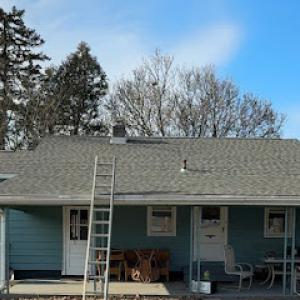
HighSpeed Construction
(570) 872-3291 www.highspeedconstructionllc.com
6293 Sullivan Trail, Nazareth, Pennsylvania
5.0 from 3 reviews
Roofing company offering installation, repair, and inspection services for residential and commercial properties.
E.C. Kardelis General Contracting
(610) 250-0693 www.eckardelis.com
53 Victory Ln, Nazareth, Pennsylvania
4.2 from 5 reviews
Owned and operated by Jamie Kardelis for over 25 years, E.C. Kardelis General Contracting is the best in the business. Quality. In order to ensure we install only the highest quality roof possible, we use only time-tested materials from the most trusted brands, including CertainTeed, GAF, Owens Corning, Mule Hide, Firestone, and others. Service. We carefully install every roof properly to ensure that all manufacturer warranties will be honored. It's an extra precaution that gives you years of assurance. All work is backed by a 10 year labor and warranty guarantee. We are fully licensed and bonded in Pennsylvania and New Jersey.
Nathan Bean Contracting
Nazareth, Pennsylvania
4.2 from 5 reviews
We offer a variety of roofing services including siding, gutter cleaning, slate repairs and much more. Our workers are highly experienced and skilled. We take pride in the work we do and strive to offer affordable rates. For a great service in Nazareth, PA, call on Nathan Bean Contracting
Valley Peak Roofing
(484) 602-6863 www.valleypeakroof.com
Serving
5.0 from 116 reviews
Valley Peak Roofing is the top Pennsylvania roofing company serving Bethlehem PA and its surrounding areas. Our roofers specialize in residential shingle roof replacements and repairs as well as commercial roofing and metal roof installation. Our team of highly skilled contractors are proficient at dealing with wind and hail damage repairs as well as the installation of vinyl siding and fiber cement siding products.
Fleck Roofing & Construction
(610) 250-0737 www.roofwithfleck.com
Serving
4.9 from 66 reviews
Handling a roofing project can be challenging, but Fleck Roofing & Construction is here to help. As a local roofing company in Easton, PA, we offer reliable emergency services to both residential and commercial clients. With years of experience, we address unique roofing needs using the highest quality materials and equipment, ensuring that every project meets customer satisfaction. We also provide a free roof inspection, which helps us deliver a durable roofing structure tailored to your requirements. If you’re considering a roofing installation in Easton, contact us today and let our team handle your roofing needs with confidence and care.
DJ Construction Roofing & Siding
Serving
4.9 from 46 reviews
Full service roofing and siding company serving the Lehigh valley and surrounding areas
White's Roofing, Siding & General Contracting
(610) 597-9439 whitesroofingsidingandgeneralcontractingllc.com
Serving
4.7 from 73 reviews
Whites Roofing Siding and General Contracting provides roofing, siding, gutters, and general contractor services to the Greater Leigh Valley area.

Simplistik Roofing
(570) 977-3886 simplistikroofing.com
Serving
5.0 from 163 reviews
We provide high quality roof replacements for residential and commercial properties. We also provide siding and gutter installation services.
Choice Roofing & Construction
(484) 408-9687 choiceroofing.wixsite.com
Serving
4.9 from 50 reviews
Hi, I’m Josh, a well-renowned Roofing Contractor in Northeast PA. Since 2006, I’ve been providing my clients with top of the line contracting services that cater to their specific needs and requirements. From small projects to larger and more complex jobs, I have experience dealing with all sorts of parameters. I’m here to fix, remodel, or repair what you need, when you need it. Contact me today to find out how I can help.

Superior Easton Roofing Pros
(484) 544-7121 superioreastonroofingpros.com
Serving
5.0 from 15 reviews
Superior Easton Roofing Pros has been a trusted name in the Easton community for years, delivering top-tier roofing solutions with a commitment to excellence. Our team of certified professionals is dedicated to protecting your home with unparalleled craftsmanship and superior materials. We take pride in our honest approach and exceptional customer service, ensuring a seamless and satisfying experience from start to finish. Choose us for reliable, durable, and expertly installed roofing that stands the test of time.
The building department generally treats a full roof replacement as more than routine maintenance. Expect a permit to be required when shingles are being torn off, new underlayment installed, or structural components are reroofed. Whether the project is a steep-slope roof with slate or asphalt on an older home, the permit decision hinges on whether the scope includes substantial removal, replacement of deck, or significant flashing work. In practice, if the project changes the roof's attachment to the structure or alters eave, rake, or valley details, plan review becomes likely rather than simple over-the-counter clearance.
The local process typically starts with submitting project details to the building department, including a sketch of the roof layout, material type, and any changes to flashing or ventilation. Plan review looks for code-compliant fasteners, proper underlayment, and appropriate methods for securing the chosen material on a steep-slope roof. Alongside the plans, confirm contractor registration and contact information so the department can verify qualifications during review. Once the paperwork is complete, and any questions are answered, permits are commonly issued within about one to two weeks. Keeping the submittal organized and including product data for underlayment, starter strips, and drip edge helps avoid delays.
A final inspection is the key milestone for sign-off. Inspectors verify attachment methods, flashing details at chimneys and valleys, and whether installation adheres to current codes and the project plan. For steep-slope and older stock, they pay close attention to ice-dam mitigation details, proper ventilation, and the integrity of any new decking or underlayment. Documentation matters: retain product specs, installation manuals, and any deviation notes approved during plan review. If there are repairs to the roof deck, ensure access and safe staging for inspectors. Clear, labeled evidence of correct flashing locations, drip edge, and fastening patterns can streamline the final inspection and reduce the chance of re-inspection.
The Lehigh Valley's mix of older slate- and steep-slope housing means wind and hail claims often hinge on how a roof aged and how well flashing and drainage held up through freeze-thaw cycles. An adjuster will look closely at roof age, material type, and whether the installation appears code-compliant. A storm can expose preexisting weaknesses, but insurers will try to separate long-term wear from sudden damage caused by a specific event. Understand that nuance, and your claim readiness improves.
In this market, photo documentation and condition notes from roofers and adjusters aren't optional-they're expected. After spring storms, photograph the entire roof from multiple angles, and capture close-ups of shingles, flashing, valleys, and any signs of soft decking or edge damage. Keep a dated log of maintenance or known issues, such as prior leaks or hail hits. If a contractor can provide a formal condition report that describes suspected wind uplift, loose fasteners, or blistering on slate or shake, attach it to the claim. Early, thorough documentation reduces back-and-forth and clarifies what is storm-related versus aging wear.
Older roofs in Nazareth can carry wear patterns that confuse damage assessments. Slate may show natural crazing or edge spalling from years of freeze-thaw, while aging shingles or wood shingles can develop split edges independent of a single wind event. A key approach is to map the damage to a storm timeline and compare it to the roof's known age and installation quality. If the claim centers on hail impact, be prepared to show where dents or pitting align with storm paths and whether surrounding features-like gutters or flashings-also show wind-driven distress.
When a spring storm hits, contact your insurer promptly and arrange a professional roof inspection focused on wind uplift, flashing integrity, and any potential ice-dam precursors. Ask the roofer to note whether observed damage could have been concealed by prior maintenance or natural aging, versus clearly caused by recent wind or hail. If you anticipate needing a claims review, secure a written assessment that explicitly distinguishes storm-related damage from preexisting conditions, and keep all communications organized for the adjuster's review.
Connect with contractors who help homeowners navigate the claims process from damage assessment to final approval.
Roof 360
26 1/2 E Prospect St, Nazareth, Pennsylvania
5.0 from 38 reviews
HighSpeed Construction
(570) 872-3291 www.highspeedconstructionllc.com
6293 Sullivan Trail, Nazareth, Pennsylvania
5.0 from 3 reviews
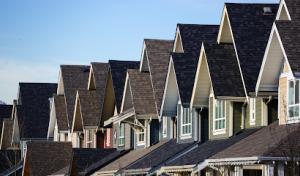
In Nazareth, the window between winter and heat is the sweet spot for roof work. Spring and fall avoid the worst winter snow delays and the peak summer heat and humidity that can slow installation pace. If a full roof replacement fits a shoulder-season schedule, plan for moderate temperatures, steady daylight, and crews that aren't fighting both frost and humidity. This aligns with the region's older slate- and steep-slope stock, where material handling and precise flashing can take longer in extreme conditions.
Winter work in this area is more likely to involve temporary dry-in, leak control, or emergency stabilization than ideal full-system replacement conditions. Snow and ice buildup complicate footing, material handling, and access to upper slopes. If a roof project must proceed in cold months, prioritize securing the underlayment and flashing so interior spaces stay dry during storms. Expect shorter daylight hours, potential delays from freeze-thaw cycles, and a focus on damage mitigation rather than a complete, long-term installation in a single pass.
Autumn leaf buildup is a local inspection and maintenance issue because debris can hide flashing conditions before winter weather arrives. Regular cleaning of gutters and the valley areas helps reveal problem spots early. Pay attention to any signs of slow leaks around chimneys or dormers and to flashing around existing vents, which can deteriorate under leaf accumulation and wind-driven rain. A proactive fall check minimizes surprises when the first winter thaw arrives.
Even though the town leans steep-slope, the contractor signal mix shows meaningful local demand for flat and low-slope work, especially for porch roofs, additions, garages, and small commercial sections. Those low-slope pockets show up around older additions and newer sheds, often connected to the main house with a shared edge or a tucked-in corner. When you're planning or evaluating a project, treat the low-slope portion as its own drainage and flashing system, even if it looks small next to a steep main roof.
Low-slope sections are especially vulnerable when winter snowmelt and freeze-thaw cycles slow drainage and expose edge flashing weaknesses. In Nazareth's climate, meltwater can back up at eaves and risk ice dam formation on the underlayment and deck edges. Check porch and garage roofs for pooled water after storms, and look for hairline cracks or gaps at the edge metal and the transition to vertical surfaces. If you notice staining, soft spots, or moisture in the ceiling of adjacent rooms, treat it as a flashing and drainage issue first, not a purely cosmetic one.
Mixed-roof homes can require different replacement timing and repair methods on the main steep roof versus attached low-slope sections. When you're upgrading or repairing, plan a coordinated timeline so the low-slope work aligns with the main roof's replacement window. This helps avoid multiple exposures to seasonal moisture and ensures flashing and transitions match across planes. Pay attention to the visibility of the low-slope area from ground level; clean lines and tight seals around skylights, penetrations, and parapets matter for long-term performance.
In Nazareth, edge flashing should extend a comfortable inch or more over the deck edge and be fastened to resist wind-driven rain. Keep the deck surface clean of debris that can trap moisture, and confirm proper slope toward the drainage plane with at least a quarter inch per running foot. For additions, insist on a unified underlayment that extends under both the main roof and the low-slope section, with integrated ice-dam protection where eaves are exposed to frequent thaw cycles. When storm damage occurs, document hail or wind impacts on the porch or garage roofs, and track repairs by section to ensure the low-slope areas receive the same diagnostic attention as the primary steep roof.
Find specialists in TPO, EPDM, and built-up flat roofing systems for residential and commercial properties.
Bruno Roofing & Siding
(610) 838-9111 brunoroofingandsiding.com
214 S Main St, Nazareth, Pennsylvania
4.9 from 86 reviews
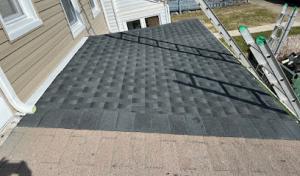
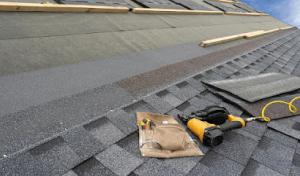
When selecting a contractor for a steep-slope system, prioritize firms that routinely navigate the local paperwork and final inspection steps. In this market, a crew that understands the sequence-from permit checklists to final site inspection-reduces the risk of delays and back-and-forth. Look for references or photos of past Nazareth projects that show careful handling of chimneys, flashing around joints, and proper ice-dam precautions. A roofer who treats the paperwork as part of the job is more likely to deliver a smooth, code-conscious re-cover that stands up to freeze-thaw cycles.
Storm calls in this area often collide with occupied, older homes on tight lots, especially after a hail event or a rapid thaw. Homeowners value responders who can be on site quickly, protect the interior, and complete a thorough cleanup the same day. Ask about average response times during peak storm season, plans for tarping and temporary mitigation, and how crews manage debris without disturbing adjacent landscaping or outdoor living spaces. A dependable crew will communicate a clear what-to-expect timeline and keep the job site orderly from start to finish.
The local market features many long-established firms that focus on re-roofing rather than new installations. Homeowners benefit from evaluating a contractor's track record with older steep-slope configurations, including intricate flashing details around chimneys, dormers, or intersecting roof planes. Request case studies or photos that demonstrate successful repairs or replacements on similar materials-slate, clay, or shake-where proper flashing and ventilation were critical to preventing ice damming and water intrusion.
Shingles, metal, and tile each bring distinct installation considerations on older homes. For a Nazareth roof, the right contractor couples skilled installation with a practical approach to flashing, ventilation, and diagnostic documentation. When meeting candidates, ask how they verify attic ventilation, how they protect finished interiors during weather events, and how they document storm damage and findings for your records. The best choice balances skilled workmanship with trustworthy project management and site care.